Jewellery and Dress Code: What to Wear to Work, Weddings, Dates, and Everywhere Else
One pendant, six situations
In the morning you go to work. At lunch, a meeting with a client. In the evening, a date. Saturday, a friend's wedding. Sunday, the beach. Monday, a job interview.
The same pendant for all six situations: possible? Depends on the pendant, the dress code, and how much you care about rules.
This guide is not about "fashion trends." It is about real situations where jewellery helps or hurts. With specifics: what to put on, what to take off, what to hide.
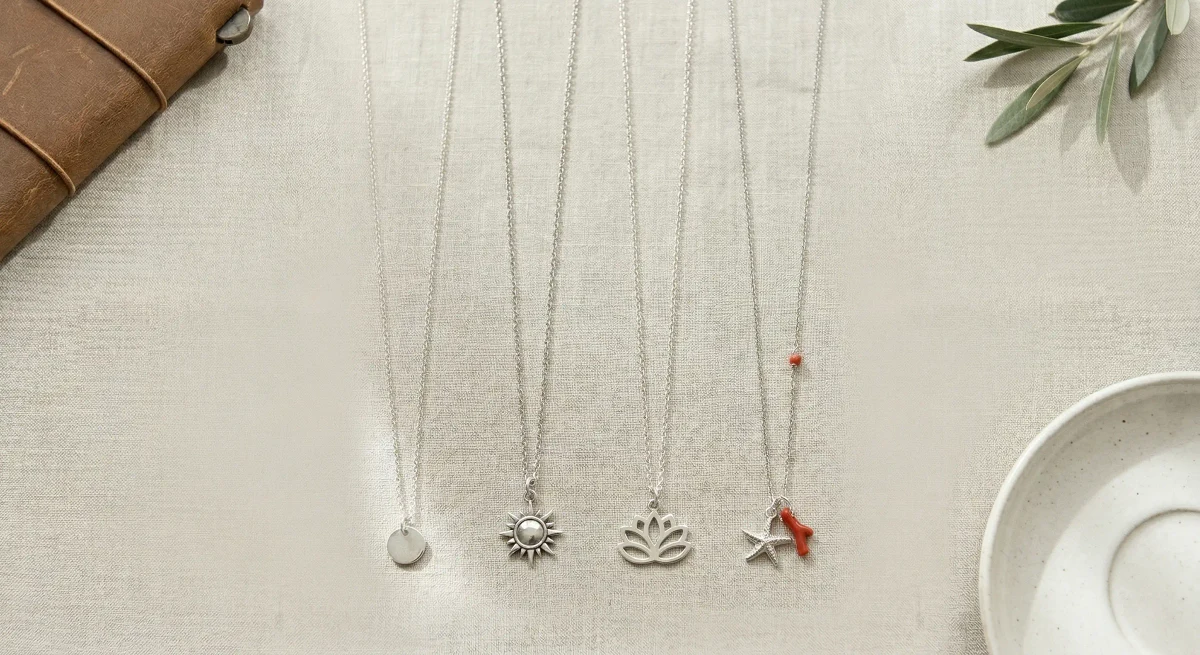
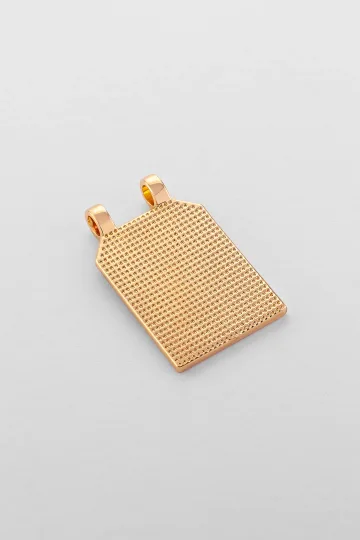
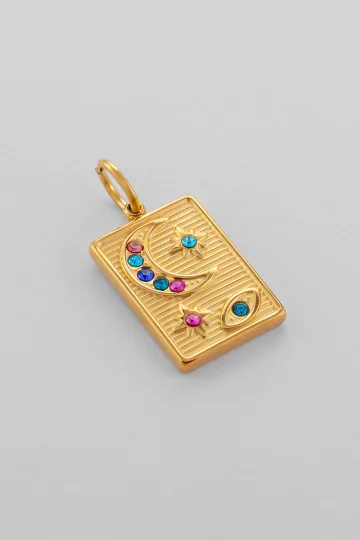
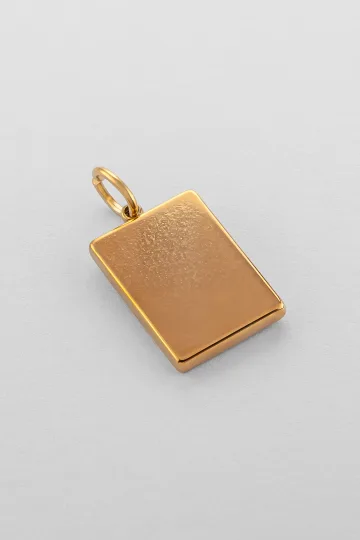
Wear the symbol, don't just read about it. These are in stock:




Office: Three Dress Code Levels
Formal corporate (banks, law firms, consulting)
Rule: jewellery must not attract attention. At all. If the client remembers your pendant instead of your proposal, the pendant was wrong.
Women. Studs (small, monochrome). Pendant under a blouse, invisible. A thin chain without a pendant is acceptable. Ring: one, not counting the wedding band. Bracelet: thin, no charms (it must not jingle when typing or during presentations).
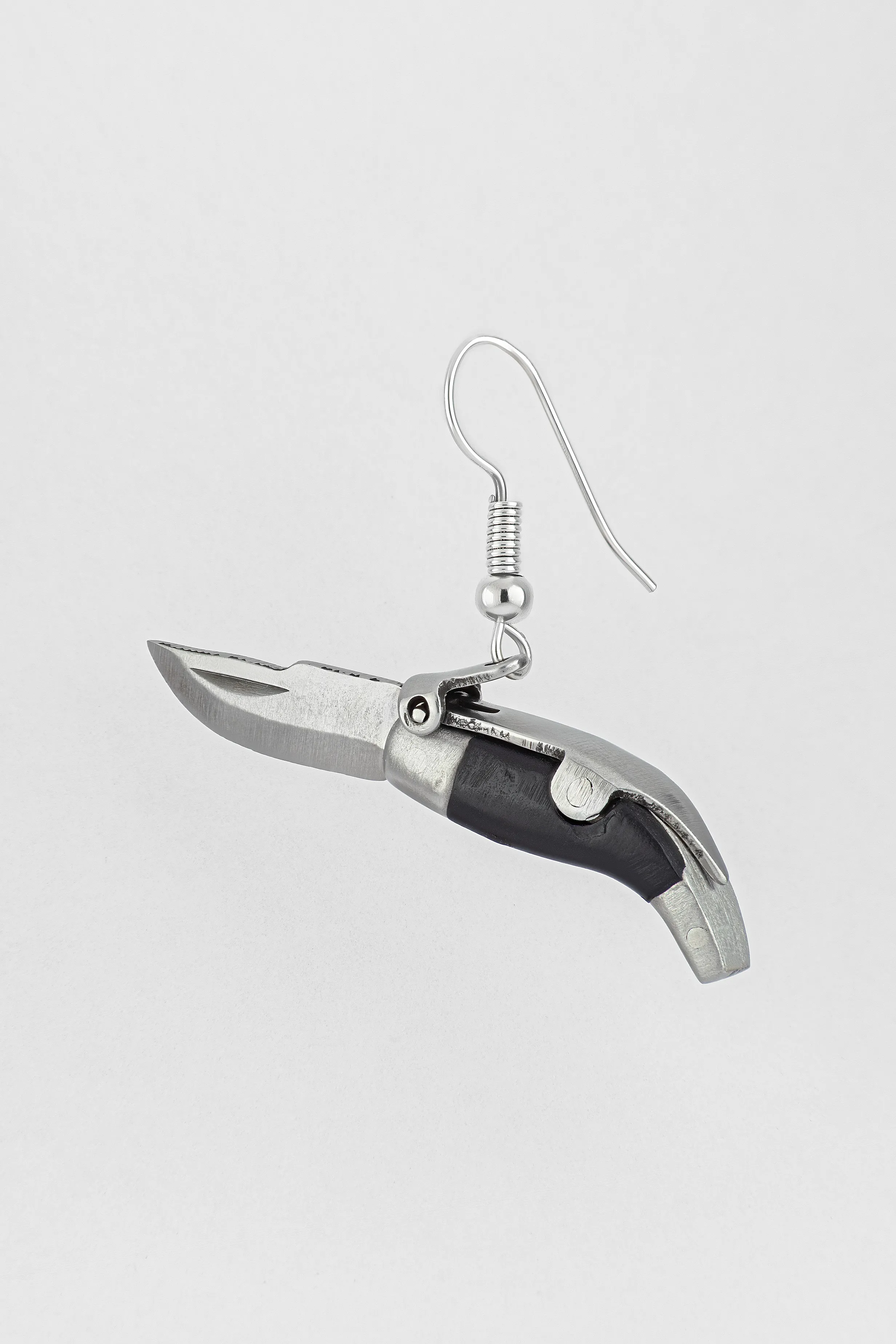
Men. Watch: yes. Wedding band: yes. Pendant under a shirt: your business, nobody sees it. A punta de espada under a white shirt at 55 cm is a personal ritual with zero public effect. Earring: depends on the firm. At Goldman Sachs: no. At a boutique agency: possibly.
Absolutely not. Large hoops. Chandelier earrings. Multiple chains. Symbols that provoke questions (skull, machete, navaja in open position). Anything that jingles, clanks, or catches the light aggressively.
The hidden pendant strategy. Many corporate professionals wear meaningful jewellery under their formal clothes. A compass on a 55 cm chain under a buttoned shirt. A cornicello on a rubber cord under a blouse. The piece is there for you, not for the boardroom. After 6 PM, when the tie comes off, the pendant comes out.
Business casual (IT, marketing, media, startups)
Rule: jewellery is visible but does not shout.
Women. Pendant on display: compass, tree of life, nazar. Earrings: hoops up to 25 mm, drops without chandeliers. Layering two chains is fine. Bracelet: yes.
Men. Pendant at 50 cm, visible in an unbuttoned collar. Compass, vegvisir, anchor. Ring on the index or middle: yes. Stud earring: fine. Bracelet: yes. More on first jewellery for men.
Life hack. A pendant with a story is a networking tool. At events, a pendant with a Tarot card or a navaja starts a conversation faster than a business card. People remember "the person with the compass pendant" longer than "the person in the grey suit."
Creative (design, fashion, art, music, bars)
Rule: there are no rules.
Layering five chains. A navaja earring in one ear, a hoop in the other. Rings on every finger. Skull plus ouroboros plus navaja all at once. If your office is a studio, bar, or gallery, jewellery is part of the professional image. The only limit is comfort: can you type, draw, and work without your jewellery getting in the way?
Walk into a boardroom in one ring, not a fistful. A jangle at the door reads as nerves, never status.
How to match jewellery to the dress code
Years on shoots and in fittings have put me in front of every rule there is, from a bank office to a stage. Here is what actually works, sorted by situation.
What do I wear to a strict office? For a corporate dress code I recommend one thin piece: a silver or steel pendant on a 45-50 cm chain so it sits under the top button. Matte metal instead of shine, nothing that jangles at the wrist. Under a jacket it reads as a quiet detail, not a bid for attention.
And for a date? For the evening I suggest shifting the accent: warm gold or a stone in a deep tone, a shorter length of 40-45 cm so the pendant rests at the collarbone. An open neckline and smooth fabric give it room. One expressive piece always beats five small ones.
What should I pick for a job interview? For an interview I choose the minimum: one ring or a thin chain, nothing that clicks during a handshake. The point is to be remembered for what you say, not what you wear. Take the extras off beforehand, the lift is too late.
And for a funeral or mourning? For mourning I recommend full restraint: matte metal without stones, minimal shine, nothing that catches the light. If you wear something with meaning, keep it under your clothes. Here the jewellery stays silent, and that is right.
How do I build one pendant for everything? If you want an all-rounder, I suggest silver or white gold, medium size, a plain shape without engraving. That pendant changes character with the neckline and the chain length: under a shirt it is quiet, on bare skin it shows more. One considered piece covers both the office and the night out.
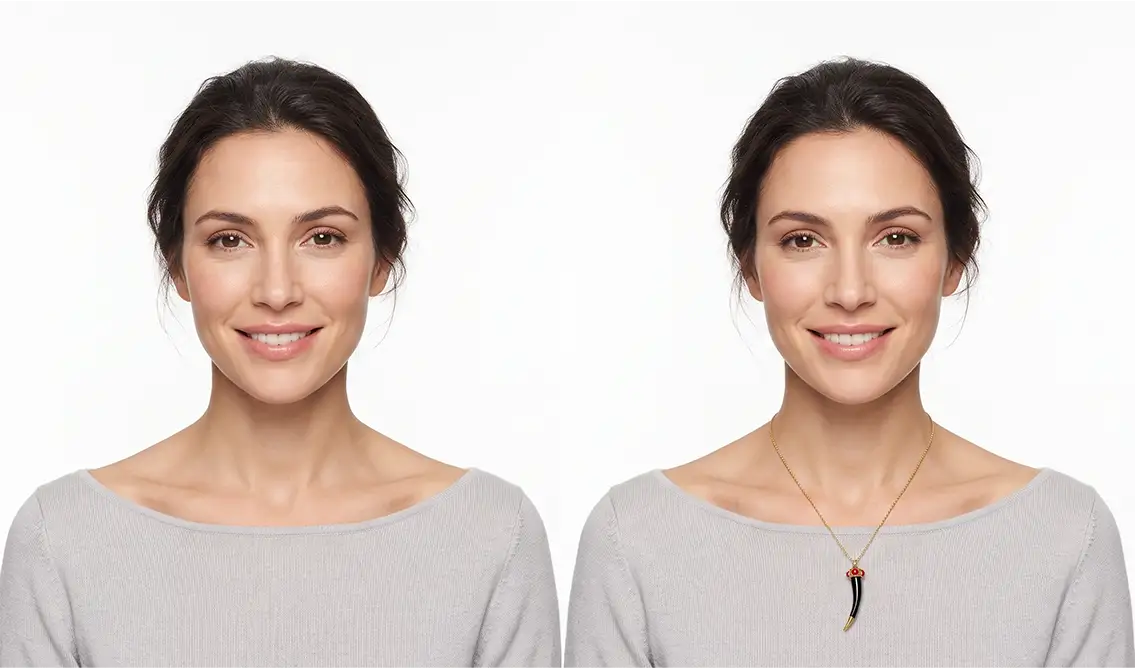
Turn on your camera, pick earrings, a pendant or a ring, and see the piece on yourself in real time.
Switch items in one tap.
Everything runs in your browser: no photo or video is ever uploaded.
Video Calls: The New Dress Code
Remote work has created an entirely new context for jewellery. Your face and upper chest are visible in a rectangle. The background is curated. The lighting is whatever your home office provides. Jewellery in this frame is different from jewellery in person.
What the camera sees. A standard laptop camera captures your face down to approximately mid-chest. A pendant on a 45 to 50 cm chain is visible. Earrings are visible. Rings are visible when you gesture. A bracelet is visible when you wave.
What works well. A single pendant at 45 to 50 cm. It sits in the frame, adds visual interest, and gives you a professional but personal look. A compass or an anchor reads well on camera. Small studs or hoops. Anything that adds a point of interest without dominating the frame.
What does not work. Shiny, reflective pieces under direct light (they create distracting flashes). Very thin chains (invisible on camera, wasted). Very large pendants (they dominate the small rectangle and look disproportionate). Jingling bracelets (the microphone picks up every clink).
Lighting matters. Under warm desk lamps, gold-toned jewellery glows and looks rich. Under cool LED panels, silver-toned jewellery looks crisp and clean. If your home office has cool lighting, silver may read better. More on metal tones and lighting.
Professional Zoom style. One pendant visible, one pair of earrings, and a watch or bracelet that shows when you gesture. That is plenty for a video call. The frame is small, your colleagues are looking at your face, and the jewellery is a supporting element, not the main event.
Date
First date
Objective: be memorable. Be interesting. Give a reason to talk.
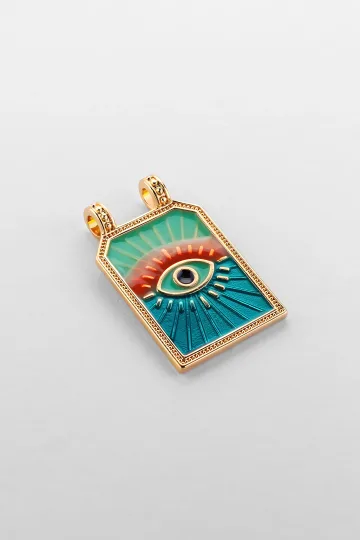
What works. One noticeable symbolic pendant. An all-seeing eye: "what is that?" and you talk about Egypt, Freemasons, and the dollar bill. A Tarot card: "do you believe in that?" and a conversation about belief, scepticism, symbols. A navaja: "is that a knife?!" and you talk about Albacete, flamenco, bandoleros.
Drop earrings for women move during conversation, catch light, draw the eye to the face. Attention physics: a moving object near the other person's eyes means they look at your face more.
What does not work. Too many pieces (looks like you tried too hard). Nothing (looks like you did not try at all). A cross (may cause awkwardness if religious views differ: risky for a first date). Matching jewellery with an ex's engraving still visible (obviously).
Anniversary or long-term relationship dinner
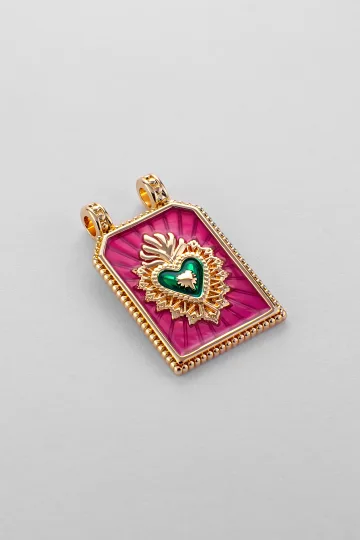
More freedom here. Your partner knows your style. Layer two chains, wear the statement ring, bring out the pieces you save for special occasions. This is the moment for the dramatic sacred heart in gold or the bold ouroboros.
Couples: jewellery for two
Matching pendants beyond basic hearts. Sun and Moon (Tarot): two complementary symbols. Punta de espada plus Curva Helada: straight and curved, severity and flow. Two different zodiac signs: his and hers.
Upload a photo of your pet, someone you love, or an object. We'll build a 3D model and hand-cast it in pewter.



Wedding
As a guest
Women. Medium earrings (hoops or drops), one pendant, one bracelet. Metal tone matching the dress. Not brighter than the bride (seriously, that is a rule). Pearls and classics are safe. Lotus, tree of life: symbols of growth and family, fitting for a wedding.
Men. Watch plus pendant under a shirt plus one ring maximum. At a wedding, men's jewellery is not the focus. Cufflinks if the suit has French cuffs. The pendant becomes visible at the after-party, when the tie comes off and the collar opens.
Absolutely not. Dark symbols (skull, raven). Provocative pendants. Costume jewellery that may turn green and stain formal clothing (uncoated brass plus a white dress equals a green mark).
Customer reviews
Zevira is a real jewellery shop. Genuine payments, deliveries and customer thank-yous.
🥰🥰🥰 gracias
Ok, ¡gracias! 🙂
Cultural Differences: What Flies Where
Jewellery rules vary dramatically by geography. What is normal in one country can be inappropriate in another.
United States
Generally the most permissive workplace culture for jewellery. Business casual offices accept visible pendants, rings, and earrings on all genders. Even in corporate settings, a small pendant or thin chain is rarely an issue. Regional variation exists: New York and LA are more open than small-town Midwest.
United Kingdom
Similar to the US but slightly more conservative in traditional sectors (City of London finance, legal). Creative industries in London are as open as anywhere in the world. The British approach tends toward understatement: one good piece rather than a stack.
Germany, Scandinavia, Netherlands
More restrained in professional settings. Jewellery is expected to be discreet. Religious symbols can cause awkwardness in secular offices. A simple chain or studs: fine. A large sacred heart pendant: may invite questions about religion that Northern Europeans prefer not to have at work.
Spain, Italy, Latin America
Jewellery is part of daily life. Men wear chains, women layer bracelets, religious symbols are common and unremarkable. A gold chain on a man in Madrid or Buenos Aires is as normal as a watch. A cornicello in Naples is practically mandatory. Formal settings still require restraint, but the baseline is more decorated than in Northern Europe.
Japan
Minimal. Clean. Understated. In professional settings, jewellery beyond a watch and a wedding band is unusual for both men and women. Small studs: accepted. Visible chains: rare. The Japanese aesthetic values restraint, and jewellery follows this principle. Off-duty, younger generations are more expressive.
Middle East (Gulf states)
Men: watches and rings are standard, chains less common. Women: jewellery is expected and often elaborate. Gold is the dominant tone. In professional settings, quality matters enormously, a cheap piece stands out more than no piece. Cultural context varies by country: Dubai is cosmopolitan; more conservative areas have stricter expectations.
India
Jewellery is integral to culture for all genders. Gold is dominant, especially in the south. Men commonly wear chains, rings, and bracelets. Professional settings accept more jewellery than Western equivalents. Weddings are jewellery events unto themselves, multiple necklaces, earrings, bangles, and head pieces are standard for the bride and guests.
Job Interview
Rule: jewellery says you pay attention to detail. But it must not speak louder than you.
Safe. Small studs. A thin chain without a pendant or with a minimal one. A classic watch (not smart). One ring.
Risky. Symbolic pendants (the interviewer may not understand the context). Multiple pieces (distracting). Large earrings (draw attention to ears, not words).
Depends on the industry. At creative agencies, a bold pendant shows individuality. At a bank: inappropriate. Research the company's dress code before the interview. Check their Instagram, their "About Us" page, their team photos. If everyone is wearing blazers and no visible jewellery, follow suit.
Life hack. Pendant under the shirt. Nobody sees it. But you know it is there. Like a lawyer with a punta de espada: a personal ritual of confidence.



Beach and Holiday
Material decides. Stainless steel on a rubber cord: safe in water. Brass and silver: remove before swimming. Chlorine and salt water accelerate tarnishing and green marks.
Style. Maritime themes: anchor, whale tail, compass, shells. Not because you "must match the theme," but because maritime symbols feel organic at the beach. A nazar on a short cord is a Mediterranean beach standard.
Length. Shorter than usual. 40 to 42 cm. Close to the body. A long chain catches water when diving and pulls. More on chain length.
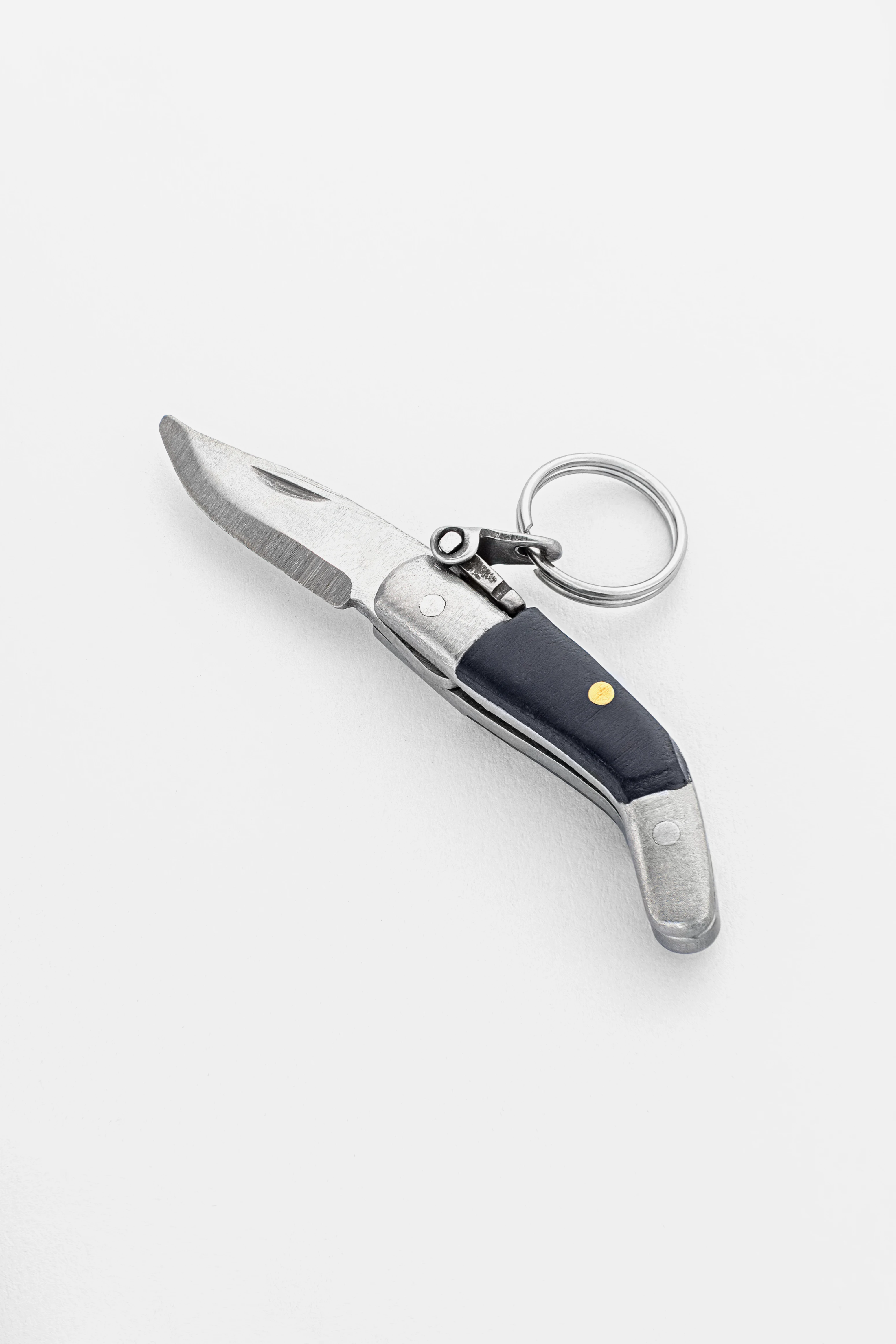
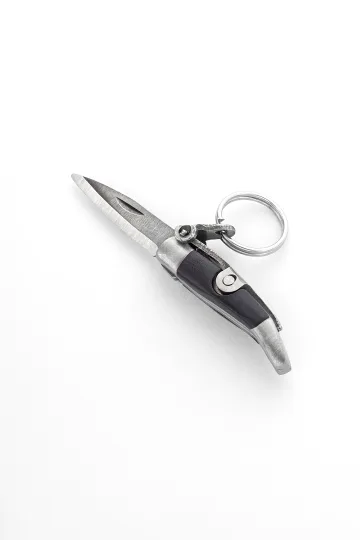
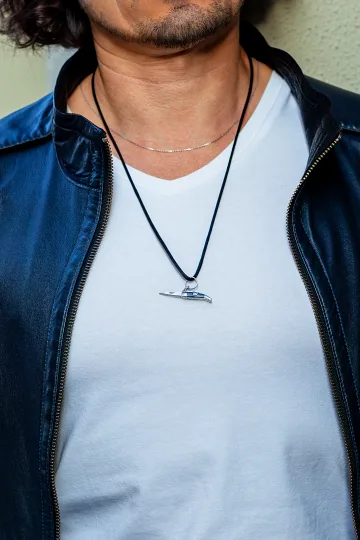
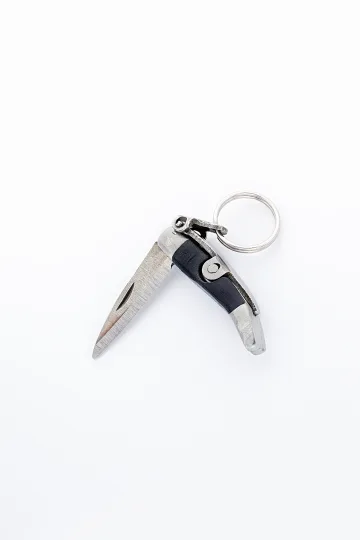
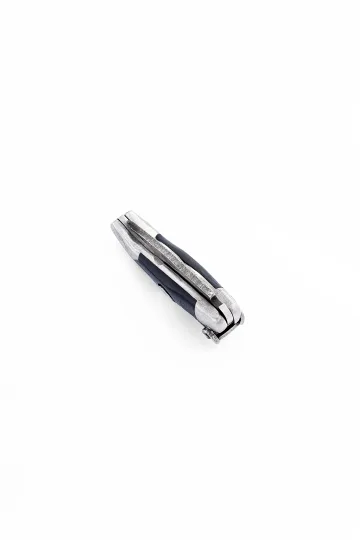
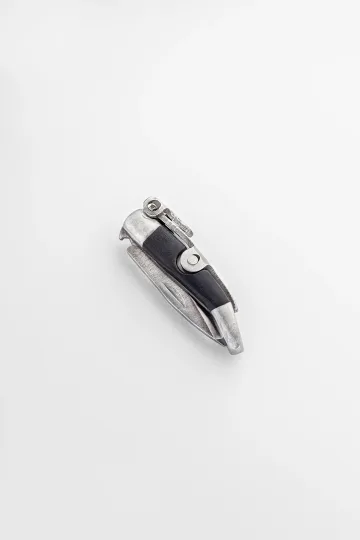
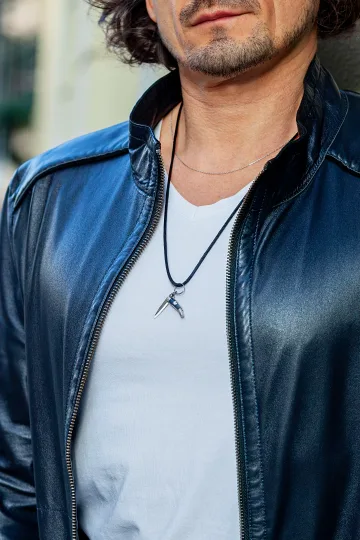
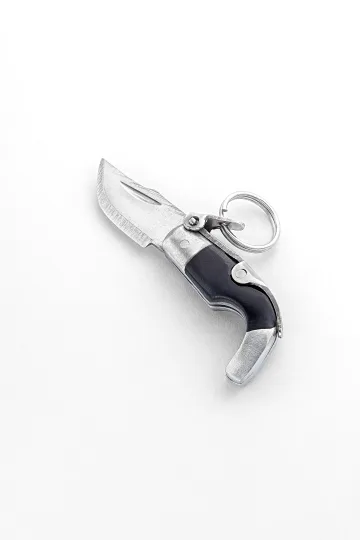
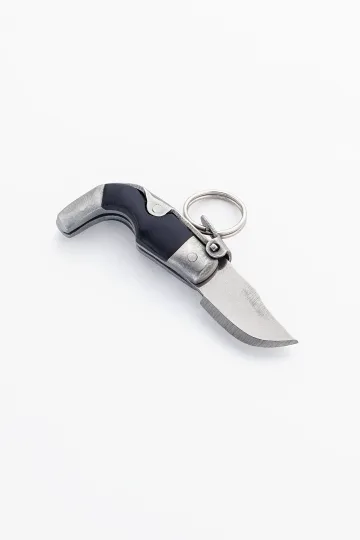
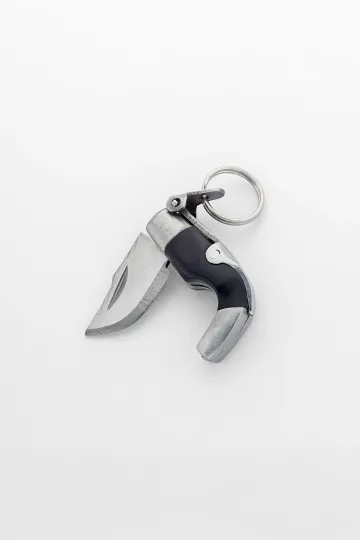
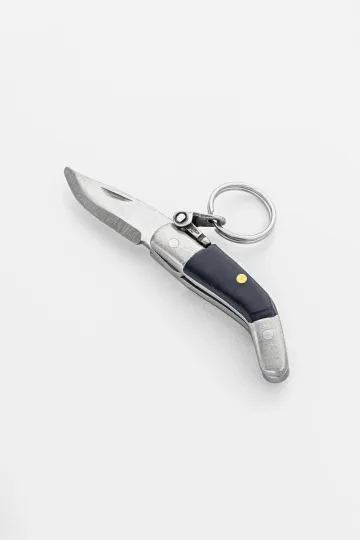
CAPAORA mini knife pendant
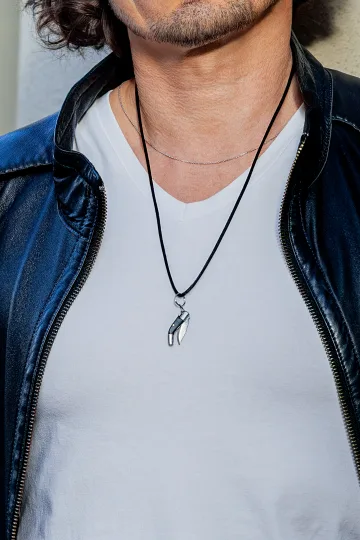
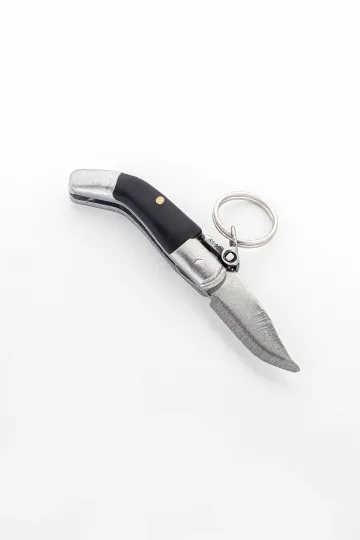
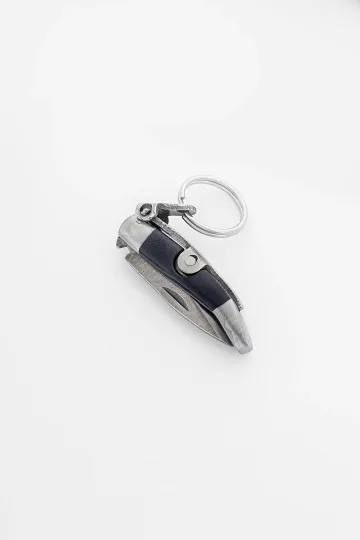
The 18th-century Spanish navaja in miniature: 40 mm of stainless steel, a real folding mechanism and a Palanquilla lock that clicks. An affordable gift to remember.
Authentic · Ships from Spain · 14-day returns
Funeral and Mourning
Minimum. Small earrings (studs), thin chain, wedding band. No sparkle, no colour, no statements. Black or dark metal if available. Cool-toned stainless steel is acceptable.
Cross if you wear one: appropriate. Other religious symbols: according to your faith.
Absolutely not. Bright colours, golden sparkle, large jewellery. Not the time for a sacred heart (too vivid) or a navaja (out of place).
Gym and Workouts
Remove almost everything. Chain plus barbell equals damaged chain or damaged neck. Ring plus barbell equals finger injury (ring avulsion: look it up at your own risk). Drop earrings plus jumping equals earring moving where it should not.
Can keep. Stainless steel stud (small, flat, does not snag). Rubber cord with pendant at 40 cm close to the body (does not swing). Silicone ring instead of metal.
Yoga and pilates. No dangling pieces that fall in your face during downward dog. Studs and short chains only. Rings removed (they dig into your hands during plank).
Leave your email, we'll send your discount code. No spam, unsubscribe anytime.
The code arrives by email, valid on your first order.
Concert, Festival, or Club
Go all out. The only situation where "too much" does not exist. Layering three to four chains. Large earrings. Rings on multiple fingers. Skull plus ouroboros plus navaja plus all-seeing eye. Lights flash, music is loud, everyone is looking at each other. Jewellery works at full volume.
Practicality at concerts. At a concert with a mosh pit (metal, punk): remove anything dangling. Chains break. Earrings get torn out. Studs and short chains tight to the body: maximum.
Outdoor festival. Dust, sun, sweat. Stainless steel plus rubber. Brass will darken in three days of sun and dust. Consider this a feature, not a bug: a navaja pendant with festival patina tells a story.
Seasonal Styling
Jewellery does not exist in a vacuum. It sits on clothing, which changes with the season. Here is how to adapt.
Winter
High necklines, scarves, layers. Pendant length matters: too short and it is hidden by the scarf, too long and it sits under layers. A 50 to 55 cm chain places the pendant just above a crew neck sweater, visible. Earrings become more important because the face is the only exposed area. Statement earrings in winter compensate for the fact that necklaces are hidden.
Metal tone: winter lighting is cooler (shorter days, indoor LEDs). Silver-toned metal reads well. Gold needs warmer light to glow.
Spring
Lighter layers. V-necks and open collars appear. Pendants at 42 to 50 cm become visible again. This is layering season: two chains of different lengths over a light shirt or blouse. Light metals (polished steel, rose gold) match the season's energy.
Summer
Minimal clothing means maximum jewellery visibility. Everything shows: chains, bracelets, anklets, toe rings. Summer is the season for bold pieces and maritime themes. Anchors, compasses, whale tails.
Practical note: heat and humidity accelerate tarnishing and green marks. Summer is stainless steel season if you do not want to think about maintenance.
Autumn
Layers return. Warm tones in clothing (rust, olive, burgundy, camel) call for warm metals. A brass pendant with natural patina over a brown leather jacket: autumn perfection. This is the season for textured, warm, "lived-in" pieces.
Travel
Safety. In some countries, a gold-toned chain around the neck is a target. Brazil (particularly Rio and Sao Paulo), Colombia, parts of Naples, certain areas of India. A black rubber cord instead of a shiny chain reduces visibility. Same pendant, reduced risk.
Airports. Metal detectors react to large metal objects. A thin chain with a pendant usually does not trigger them. A thick chain or multiple pieces might. Remove before the scanner if uncertain, put on after. TSA and European airport security will not confiscate jewellery, but repeated alarm bells are annoying.
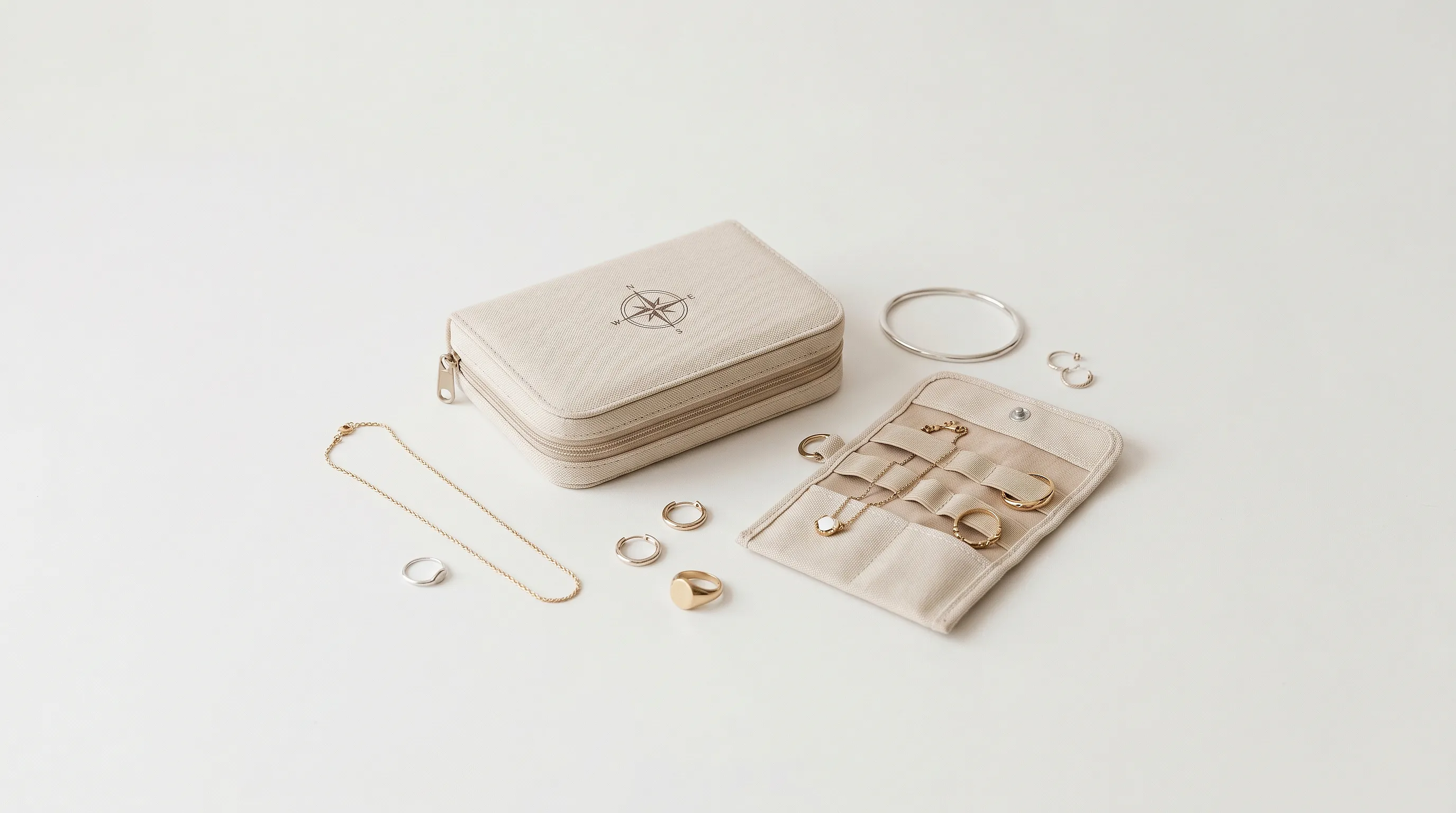
Mini kit. One pendant on rubber (daily, water, mountains). One chain with pendant (evening, restaurants). Two sets for the entire holiday. How to store without tangling.
Table: Jewellery by Situation
| Situation | Earrings | Pendant | Ring | Layering | Metal |
|---|---|---|---|---|---|
| Formal office | Studs | Under clothing | One | No | Any, not visible |
| Business casual | Hoops, drops | Visible | 1 to 2 | 2 layers | Match clothing |
| Creative | Anything | Anything | Any number | Yes | Mix |
| Video call | Studs or hoops | 45-50 cm, visible | Visible when gesturing | 1-2 layers | Match lighting |
| First date | Drops | With a story | 1 noticeable | 1 to 2 layers | Match skin tone |
| Wedding (guest) | Medium | Delicate | 1 | 1 to 2 layers | Classic |
| Job interview | Studs | Under clothing or mini | 1 | No | Neutral |
| Beach | Stainless studs | Rubber 40 cm | No | No | Stainless |
| Funeral | Studs | Minimal | Wedding band | No | Dark |
| Gym | Stud or none | Rubber 40 cm | Silicone | No | Stainless |
| Concert | Maximum | Maximum | Maximum | Yes | Any |
| Travel | Studs | Rubber plus evening | 1 | By situation | Stainless by day |
| Winter | Statement earrings | 50-55 cm over sweater | Yes | If visible | Silver reads well |
| Summer | Everything | Short, visible | Yes | Yes | Stainless for water |
Buying it as a gift? Each one arrives ready to give.
 A branded Zevira box and a little card come with every order.




Workplace Culture Differences: A Deeper Look
The way jewellery functions at work varies not just by country but by industry, generation, and even department. Understanding these nuances helps you make choices that feel right rather than following rules that may not apply to your situation.
The Generational Shift
Workers under 35 tend to be more open to visible jewellery at work than those over 50. This goes well beyond a fashion difference. It reflects a broader cultural shift in how self-expression is valued in professional settings. The older generation built careers on conformity. The younger generation builds careers on authenticity. Both approaches have merit. The practical question is: which generation runs your office?
If your manager is 55 and wears nothing but a watch, a large pendant might create friction. Not because it is wrong, but because the visual signals clash. Read the room before reading the style guide.
The Tech Industry Exception
Technology companies have essentially created their own dress code category. In most tech environments, jewellery is a non-issue. Nobody notices. Nobody cares. The person reviewing your code does not care if you are wearing a navaja earring or a nose ring. They care if your code works.
This creates freedom but also a challenge. When nothing is noticed, jewellery cannot serve as a conversation starter the way it does in more traditional settings. In tech, a pendant is purely personal. No networking benefit, no impression management, just you and your symbol.
Jewellery and Age: What Changes Over Time
Jewellery rules shift as you get older. Not because fashion dictates it, but because context changes.
In Your 20s
Experimentation is the point. Layer five chains, mix metals, try a navaja earring, wear three rings on one hand. Your wardrobe is still forming. Your identity is still forming. Jewellery is part of that process. Mistakes are cheap and educational. The pendant you bought on holiday in Barcelona that you never wear again taught you something about your taste.
In Your 30s
Editing begins. The five chains become two. The random rings become one intentional one. You know what suits you now. Quality starts mattering more than quantity. That stainless steel compass gets replaced by a brass one with a warmer tone. Or you keep the steel because you discovered you prefer the clean look. Either way, the choices are conscious.
In Your 40s and Beyond
Confidence peaks. A single, well-chosen piece on a man in his 40s communicates more than a stack of bracelets on a 22-year-old. A woman in her 50s wearing one pair of statement earrings looks more put-together than one wearing five pieces at once. The rule at this stage: less is not less. Less with intention is more.
A pendant on a mature person looks like a deliberate choice, not a trend. Especially in professional settings, where understatement is valued, a simple pendant on an older person fits perfectly into the picture.
Send a friend a discount code, they save on their first order.
The "Under the Shirt" Philosophy
There is an entire category of jewellery wearing that gets overlooked: the hidden pendant.
Thousands of professionals, from lawyers to surgeons to teachers, wear a pendant under their work clothes every day. Nobody sees it. That is the point. The pendant is not for the audience. It is for the wearer.
A punta de espada under a buttoned dress shirt at 55 cm. A compass on a rubber cord under scrubs. A cornicello under a blouse. These pieces function as personal anchors. They add a layer of self that exists independent of professional expectations.
The psychology is straightforward. Wearing something meaningful against your skin creates a tactile reminder of who you are outside of work. You touch it during a difficult meeting, feel its weight during a presentation, notice it against your chest when you take a deep breath. It is a comfort object that nobody needs to know about.
After hours, when the collar opens, the pendant appears. The transition from professional to personal happens in a single gesture: the top button comes undone and the symbol emerges.
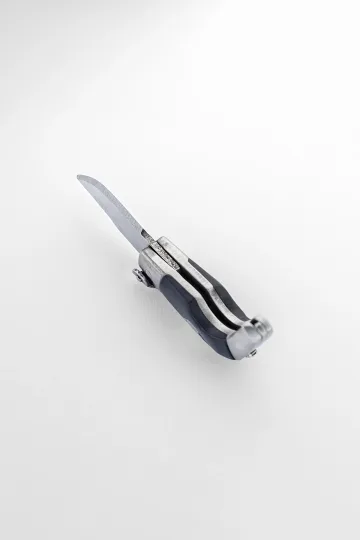
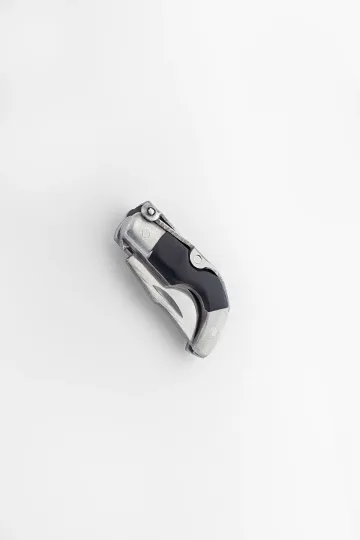
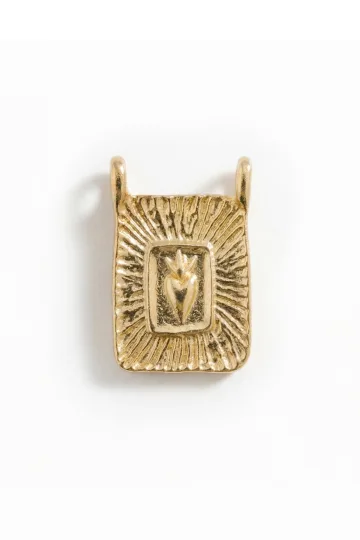
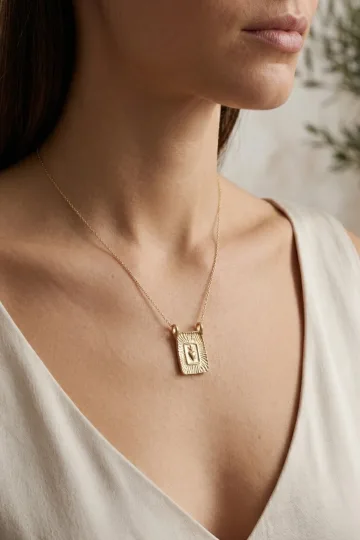
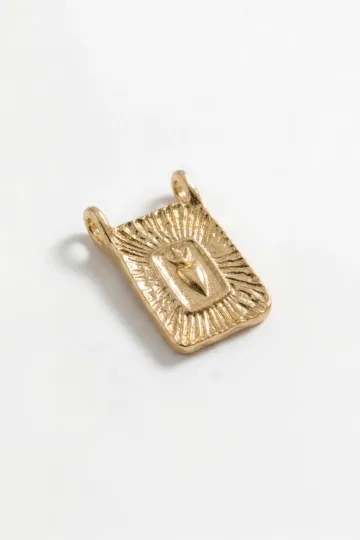
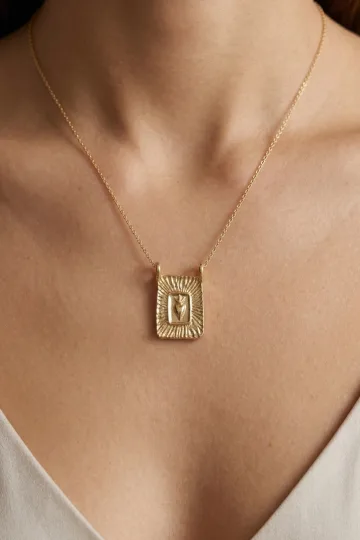
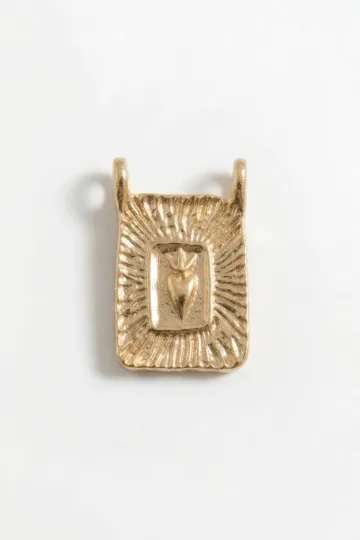
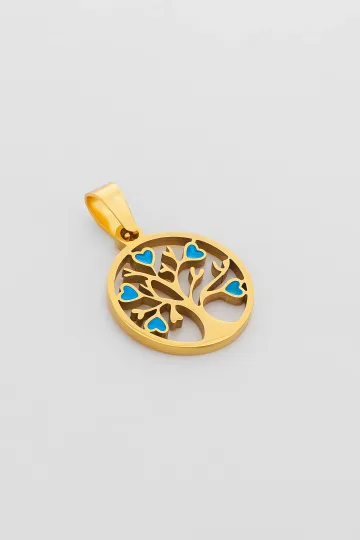
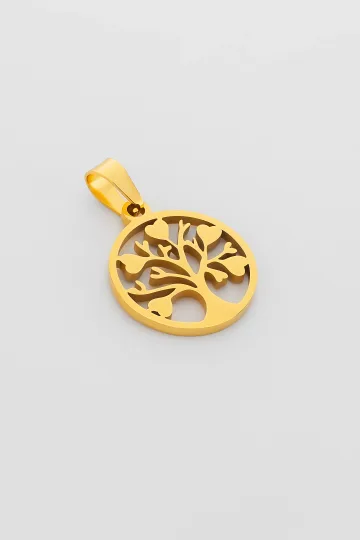
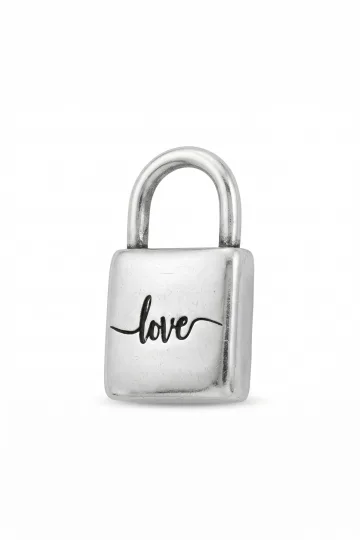
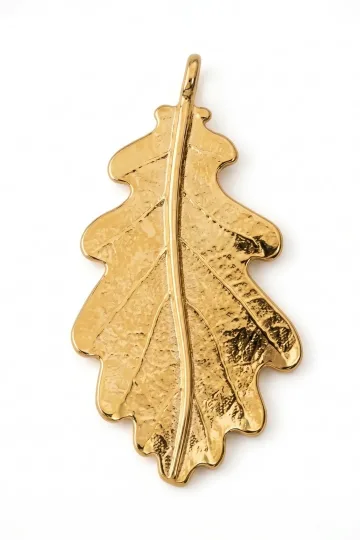
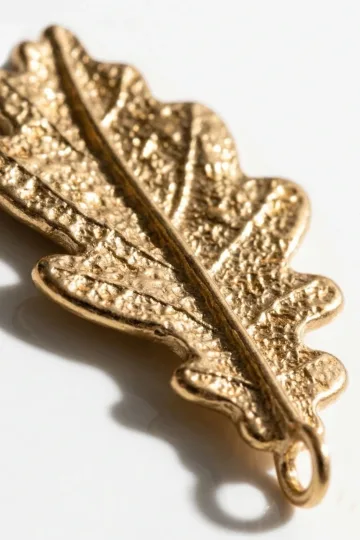
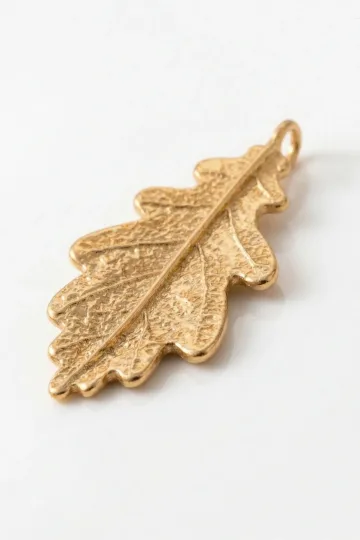
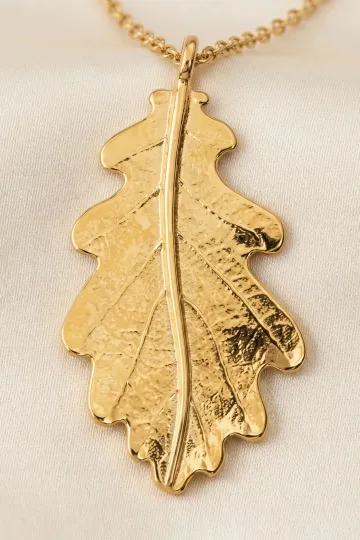
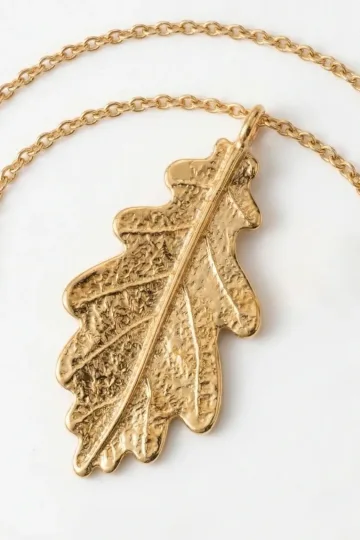
Wear the symbol, don't just read about it. These are in stock:
Jewellery and Photography: What Works on Camera
In the age of social media, how jewellery looks in photographs matters. Not just selfies. LinkedIn profile photos, wedding photos, family portraits, the group shot at a work event.
What the camera loves. Matte finishes photograph better than high-polish ones (less glare). Medium-sized pendants read well. Textured surfaces create visual interest. Warm metals (gold, brass) glow under warm lighting. Cool metals (steel, silver) look crisp under neutral or cool lighting.
What the camera struggles with. Very thin chains (disappear). Very shiny surfaces (create hot spots). Very small details (invisible at typical photo distance). Multiple layers of chains (read as visual noise unless carefully arranged).
The LinkedIn rule. Your professional photo should show one piece of jewellery clearly, or none. A pendant at 45-50 cm sits in the typical headshot frame. Small studs are visible. A statement ring shows if your hand is in the shot. The piece should look intentional, not accidental.
Wedding photography. The photographer will capture close-ups of hands, necklines, and faces. This is the time for your best pieces. But avoid anything so reflective that it creates lens flare. Matte gold or patinated brass photographs better than mirror-polish silver at a candlelit reception.
Packing Jewellery for Travel
The travel jewellery kit should solve three problems: what to wear daily, what to wear in the evening, and how to not lose anything.
The minimal kit. One pendant on a rubber cord (daily wear, waterproof, zero maintenance). One pendant on a chain (evening, restaurants, bars). Two earring options: studs for day, drops for night. One ring. That covers a two-week holiday with every situation from beach to restaurant to club.
Storage in transit. The classic problem: tangled chains in a bag. Solutions that actually work:
- Thread each chain through a drinking straw and clasp it (prevents tangling)
- Use a pill organiser (separate compartments for each piece)
- Wrap each piece in tissue paper and place in a ziplock bag
- A small, hard-shell sunglasses case holds enough jewellery for a week
Security. In some travel destinations, visible gold-toned jewellery attracts unwanted attention. A black rubber cord instead of a shiny chain reduces visibility. Same pendant, reduced risk. In higher-risk areas, consider leaving valuable pieces in the hotel safe and wearing stainless steel.
Airport metal detectors. A thin chain with a pendant almost never triggers them. A thick chain or multiple pieces might. If uncertain, remove before the scanner and put on after. It takes ten seconds and avoids the pat-down.
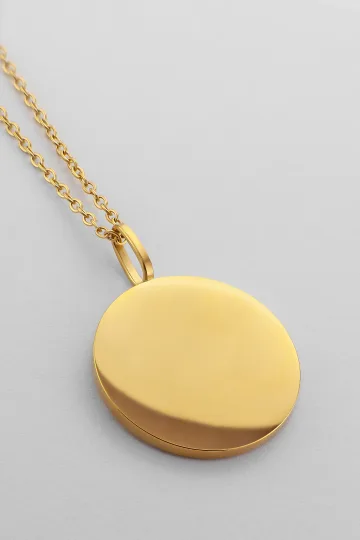
Silver and gold jewellery, wedding bands, symbolic pendants, paired sets.
Wear the symbol, don't just read about it. These are in stock:



Common Questions
Can I wear a navaja to the office? Under a shirt: yes, at any office. Visible: depends on company culture. In IT and creative fields: fine. At a bank: risky. The navaja is an interesting design, but someone unfamiliar with it will see "knife pendant" and may not ask questions before forming an opinion.
Jewellery on a video call: visible? Studs and small pendants: barely. Large earrings and noticeable pendants: yes, the laptop camera captures the neckline area. Choose deliberately: a compass at 45 cm in a Zoom frame looks professional. A machete: questions.
What to wear if I do not know the dress code? Studs plus pendant at 50 cm under clothing. If it turns out to be formal, the pendant stays hidden. If casual, unbutton the collar. The "under-the-shirt" strategy is the universal hedge.
A cross at work: appropriate? Legally: your right (in most Western countries). Practically: depends on the environment. In Spain, Italy, or Latin America: normal. In multicultural corporations (Germany, Scandinavia, Netherlands): may cause awkwardness or unwanted conversation. Hide under clothing if unsure.
How many pieces are "too many"? Office: if a colleague can describe three of your pieces, too many. Date: if they look at your pendant more than your eyes, too many. Concert: no limit. The context defines the boundary.
Should I match metals to my outfit or my skin tone? Ideally both. But if forced to choose: match your skin tone for daily wear, match your outfit for special occasions. A gold pendant on warm skin with a navy suit is perfect. A silver pendant on cool skin with a black dress is also perfect.
Do the same rules apply to men and women? The formality gradient applies to everyone. But the baseline differs by gender norms in each culture. In most Western settings, women have more "allowance" for visible jewellery at work. Men in conservative settings get less leeway. This is changing, but slowly.
What about religious jewellery at work? A cross, a Star of David, a hamsa, a crescent: these are personal expressions of faith. Legally, in most Western countries, wearing religious jewellery is your right. Practically, it depends on the environment. In Spain, Italy, or Latin America: normal and unremarkable. In secular corporate cultures: may invite conversations you would rather not have at work. The under-the-shirt strategy works well here. Your faith is visible when you choose, invisible when you prefer.
How do I build a minimal jewellery wardrobe that covers everything? Three pieces. One pendant on a medium chain (works for office, dates, and casual). One pair of versatile earrings (studs that work everywhere or small hoops that transition from day to night). One ring that sits comfortably for typing and does not catch on fabrics. With these three, you are covered from Monday morning to Saturday night. Everything else is expansion, not necessity.
About Zevira
Zevira makes jewellery in the artisan tradition of Albacete, Spain. Dress code is really about fit, and fit starts with one well-chosen piece, so we make symbolic pendants and rings that work just as well under a buttoned shirt as they do in an open collar at a party.
What you can find with us for different situations:
- Symbol pendants on a 45 to 55 cm chain: compass, tree of life, nazar, all-seeing eye, maritime motifs
- Hidden pendants to wear under a shirt for the office and the interview (punta de espada, Albacete navajas)
- Studs and drop earrings for a date, a video call, and formal evenings
- Everyday rings that sit comfortably for typing and do not snag on fabric
- Pendants on a rubber cord for the beach, the gym, and travel
- Paired sets for couples: sun and moon, the straight and curved blade
Every piece can be personalised with engraving, with the option of personal engraving. 925 silver and 14 to 18K gold.