A 60th Birthday Gift: Jewellery for the Person Who Has Everything
"He's already got everything" holds true for functional things like gadgets. But a ring carrying the date of a decision that changed the whole family? He doesn't have that. An object like that doesn't exist until you create it. What follows is how to choose a gift that lands in exactly that gap: what to engrave, what to make it from, and what to avoid giving altogether.
Why sixty in particular: what sits behind the number
A sixtieth birthday comes with its own symbolic raw material, and you can build real meaning from it instead of handing over "just a piece of jewellery for a round number." In the Western tradition sixty is the diamond mark: the sixtieth wedding anniversary is the diamond one, and the custom of marking sixty specifically took hold after Queen Victoria's Diamond Jubilee in 1897. The Greek word behind "diamond" means "unbreakable." The stone was chosen not for its sparkle but for its hardness, and that is exactly the meaning that suits someone who has lived through six decades.
Other traditions read sixty differently and offer a warmer angle for a gift. In Japan the day is called kanreki: by sixty a person has travelled a full turn of the calendar (twelve animals multiplied by five elements give a sixty-year cycle) and symbolically returns to the year of their birth. So kanreki is celebrated not as old age but as a second birth: the celebrant is given a red waistcoat and a red cap, because red is the colour of infancy and of protection. If you want the gift to carry "a new turn" rather than "the sum total," a red stone does the work literally: garnet, ruby, red carnelian all read as that same motif of return and beginning.
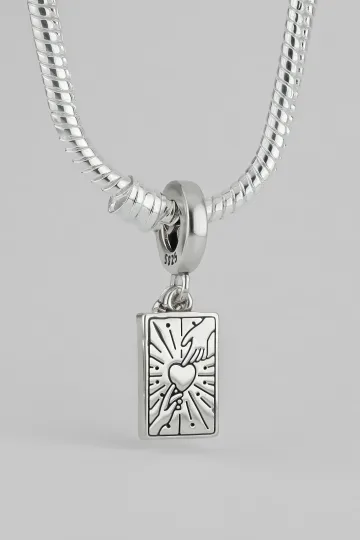
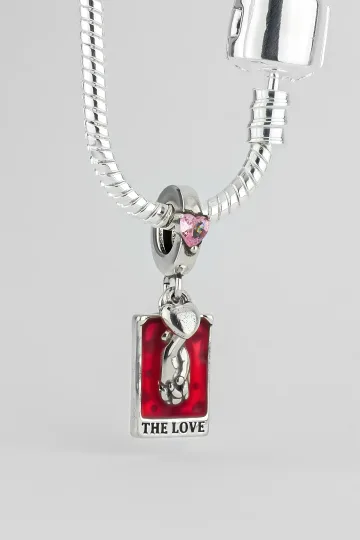
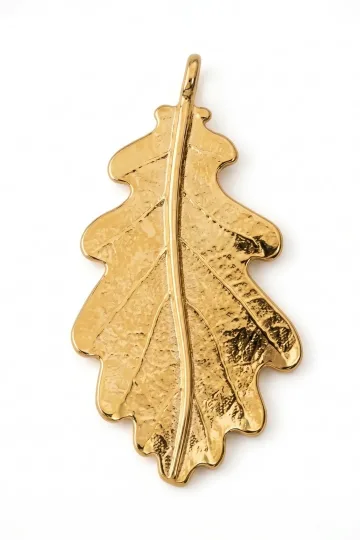
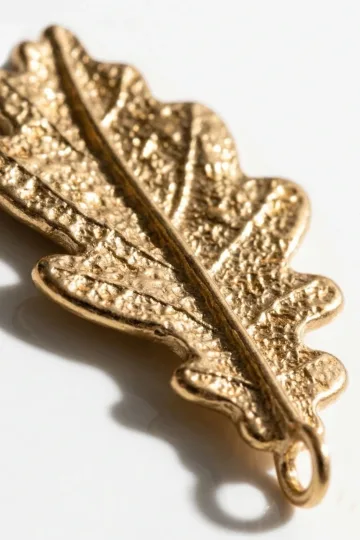
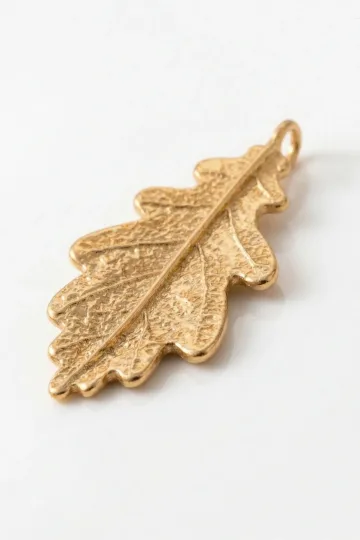
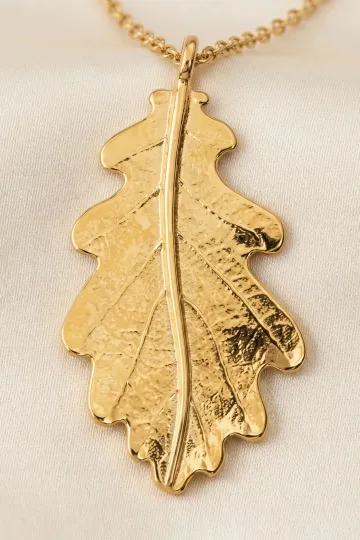
Wear the symbol, don't just read about it. These are in stock:
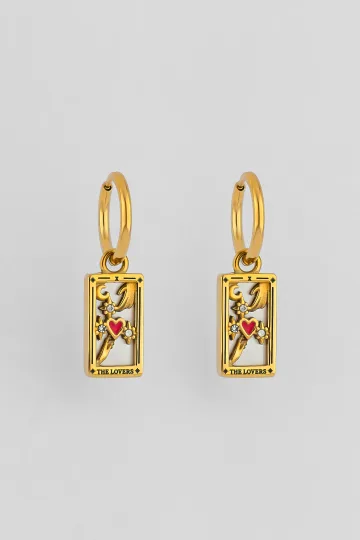

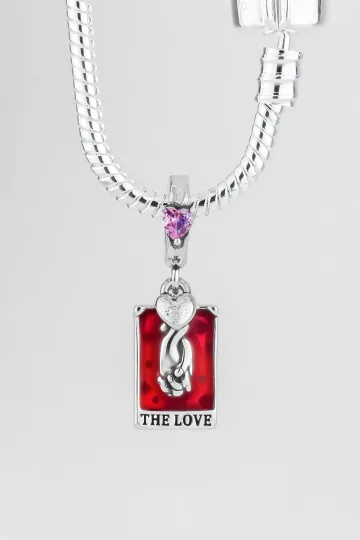

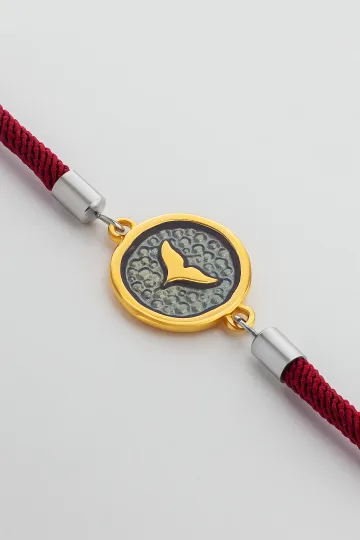
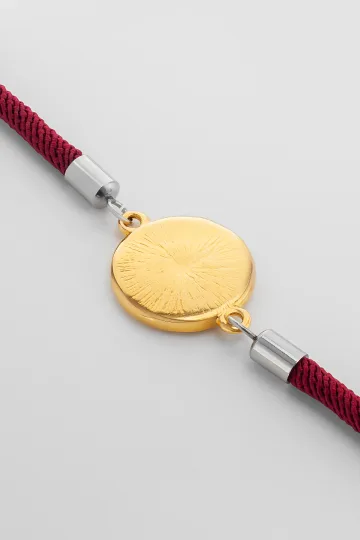
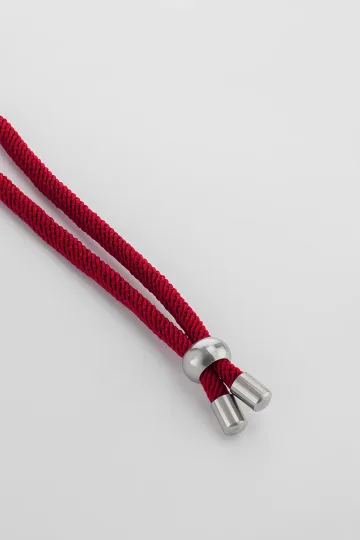
What to take from this in practice. A diamond as a metaphor-stone for sixty is justified symbolically, yet a large colourless one rarely rings true at this age (more on that below); a small stone with hard symbolism, or a coloured "return" stone, says more. And the number 60 itself, when engraved, loses to a precise date: "unbreakable" and "a new turn" are not written in words, they are built into the choice of stone and shape.
A gift for a man of sixty and a woman of sixty: different requests
A man and a woman of this generation live their sixtieth year differently, and the reason is not biology but the different shape of typical life stories. For a man the main axis of identity is more often his career, and he receives a gift in the category of recognition of what he has done. A woman's biography is usually multi-axis (work plus family plus caring for elders), and she more often looks for a gift as a thread back to her earlier self and to the people close to her.
This is a generalisation worth stepping away from once you look at the actual person. The best guide is not gender but what someone already wears and what they choose for themselves.
For a man: the gift as recognition of what he built
A man of sixty usually accepts a sentimental gift awkwardly: it asks for openness in return. Recognition carries no such weight, so it works better. The main limit: a man who has never worn pendants and bracelets will not start at sixty. A gift in a category that is alien to him will settle in a drawer. Safe formats: cufflinks, a signet ring, a reliquary locket for the desk, a pocket watch (if it suits the way he lives).
Engraved cufflinks
Cufflinks stay in a man's wardrobe without any question of being out of place, provided there are double-cuff shirts. If there aren't, a gift of cufflinks becomes the prompt to acquire some. The engraving is almost always on the inside: a clean shape or a monogram outside, a concrete detail within (a date, coordinates, initials). A mark only you can see is valued above an open inscription. Material: 925 silver, 14K gold in yellow or white, more rarely platinum. Heavy cufflinks make themselves felt on the cuff; lighter ones are more comfortable but read as less valuable.
The signet ring
The signet ring is one of the oldest categories of men's jewellery. In ancient Rome a ring was used to sign documents; in medieval Europe a signet bearing a coat of arms marked belonging to a lineage. The function of signing has gone, the symbolic weight has stayed: the ring reads as a marker of solidity and self-possession. The engraving on a signet is a family monogram, a heraldic mark, a professional emblem (a caduceus for a doctor, a treble clef for a musician) or a personal symbol.
Proportion: the width of the signet face roughly equals the width of the finger joint. It is worn on the little finger or the ring finger of the right hand. Material: 925 silver with a patina (heavy, grounded look) or polished, 14K gold in yellow or white, more rarely platinum. A stone is not required, but if there is one, the traditional choices are dark, without complex play: onyx, carnelian, haematite.
Pocket watch and reliquary locket
The pocket watch left everyday use in the twentieth century, and that is exactly why it works as a gift for a man with a particular way of living. It comes with a ritual of use, and an engraving on the cover (the anniversary date, a nod to his biography) makes it personal. It suits those who wear suits and value tradition. For a man in jeans and a polo shirt such an object risks ending up in a box.
A reliquary locket is a piece with a hollow inside, where a photograph or a small relic is kept. For a man who wears nothing around his neck, it works as an object without display: kept not on the body but in the study, on the desk, in a case. Inside: a photograph of his parents when they were young, a lock of his child's hair from infancy, a tiny engraving with the coordinates of the family home. For a man who has recently lost his parents, such a reliquary is a powerful gift: it asks for no explanation in front of others, yet in a private space it works as a thread to the generation that has gone.
For a woman: a gift she will wear without unease
A woman's request at this age is harder to put into words: she needs a piece she will actually wear, without feeling "this makes me look old" or "this isn't me anymore." With age some jewellery stops suiting: chains that are too fine vanish on the neck, stones that are too large feel attention-seeking, long drop earrings pull the face downward. The gift has to settle into this changed taste rather than ignore it.
A capsule pendant holding the family's memory
One of the most precise formats. From the outside it is ordinary jewellery with no age marker, so a woman puts it on without the feeling of "this is for a grandmother." Inside: a micro-photograph of her parents when young, a lock of a grandchild's hair, an engraved plate with the coordinates of home, or a small stone from a place that matters. It works especially strongly for a widow or for a woman who has lost her parents: the piece is not marked as mourning, yet it gives the constant presence of the one who is gone within everyday life. Formats: a round or oval locket, a cylinder capsule that opens at the end. Size: two to five centimetres along the longer axis; smaller is awkward for an insert, larger is bulky for everyday wear.
A reworked mother's ring (heritage recasting)
If there is a mother's ring lying in a box (the wrong size, or a style that no longer works), its material is valuable not as metal but as a biography. The ring goes to a jeweller, who analyses the alloy, adds fresh metal if needed (old gold worn for years can be too soft) and recasts it into a new form: a larger ring, a pendant, or a pair of earrings. The gift contains both the object and the story of the material. A card saying "this was made from your mother's ring, the one she wore from 1958 to 2008" turns the piece into a family heirloom: in twenty years a granddaughter will receive jewellery containing metal from her great-grandmother.
Drop earrings and an initial bracelet
Drop earrings with a single coloured stone gently lengthen the face without the "pulling" effect. The stone is chosen by colour type: a warm one (golden skin, warm hair) asks for carnelian, amber, citrine, garnet; a cool one (pinkish skin, ashy hair) for amethyst, blue topaz, lapis lazuli, sapphire. The setting matches: silver with a patina or yellow gold for warm stones, white gold or platinum for cool ones. Size about the nail of the little finger: smaller gets lost, larger draws attention away from the face.
A charm bracelet, where each charm stands for one close person (a child's or grandchild's initial), works strongly in large families: the more charms, the stronger the visual effect of the row. The charms are made in one shape with different engravings; the uniformity gives a sense of "family as a whole." Charm size 0.8 to 1.5 cm. For a woman with one child and one grandchild the format is less expressive; then something compact is better.
Customer reviews
Zevira is a real jewellery shop. Genuine payments, deliveries and customer thank-yous.
🥰🥰🥰 gracias
Ok, ¡gracias! 🙂
A fat colourless diamond at sixty screams 'look what I spent'. He has seen bigger. Engrave the date, not the carats, and don't argue.
What to wear the gift with, and how to pick it for the recipient
A jewellery gift for a sixtieth is easy to ruin with one move: buying the pretty thing you would wear, not the thing they will. I choose a gift backwards, starting from the look the celebrant already lives in, and only then reach for the metal and the stone. Here is what I tell people to keep in mind.
Silver or gold? I look not at what costs more but at what the person already wears. If the box holds only silver with a patina, a gold ring lands as a stranger and stays in the drawer. I recommend going with the metal that has already settled on them and reinforcing it with engraving, rather than rewriting the habit.
And if he barely wears jewellery? Then I do not drag him toward pendants and bracelets, he will not put them on. I suggest a format that lives beside him rather than on him: cufflinks under a double-cuff shirt, a signet ring, a reliquary locket for the desk. The gift should slot into a habit, not argue with it.
How do I pick the stone for the recipient? I choose by colour type, not by the giver's favourite shade. For warm skin I suggest carnelian, amber, garnet in yellow gold; for cool skin, amethyst, sapphire, lapis in white metal. The stone should light the wearer's face, not fight it.
Everyday or for going out? I ask where the piece will spend most of its life. For every day I recommend a quiet silver locket at mid-length and stud earrings, the kind you put on without thinking. For a rare formal outing I choose one expressive piece: drop earrings with a coloured stone or a ring with a dark stone.
Engraving inside or on show? The personal part I set on the inside: the exact date, coordinates, the initials of loved ones. A mark only the owner sees reads stronger than an open inscription and lasts longer, since the rubbing surfaces wear away first. Outside I leave at most a monogram as part of the design.
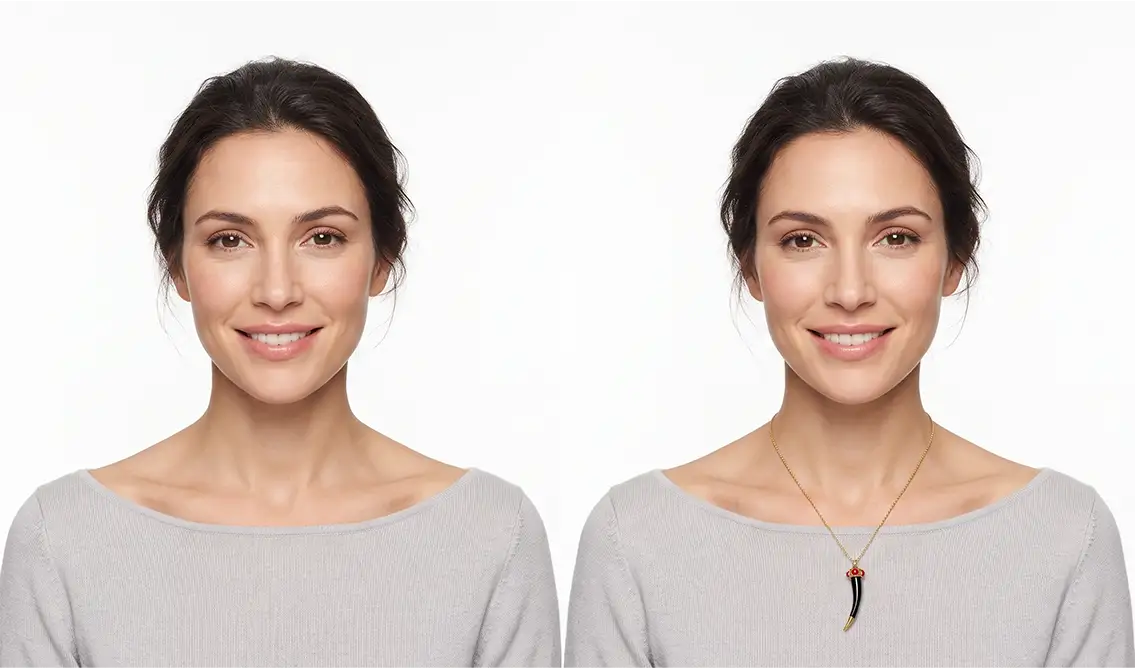
Turn on your camera, pick earrings, a pendant or a ring, and see the piece on yourself in real time.
Switch items in one tap.
Everything runs in your browser: no photo or video is ever uploaded.
Ideas for a sixtieth birthday gift
Concrete formats by recipient. The list is not exhaustive, but it covers most situations.
For a man
- Silver cufflinks with a date engraved on the inner side, a clean shape or monogram outside. A universal format where double-cuff shirts exist.
- Gold cufflinks with enamel in family colours for formal occasions.
- A signet ring with a surname monogram, 925 silver or 14K gold.
- A signet ring with a crest or personal mark (a professional symbol, an abstract motif).
- A ring with a single dark stone (onyx, haematite, dark garnet) in a smooth setting.
- A silver pocket watch with engraving on the cover, for a lover of tradition.
- A reliquary locket for the desk with a photograph of parents or a lock of hair inside.
- A silver chain with a symbolic pendant (compass, anchor, tree, cross), if he already wears a chain.
- A flat silver bracelet with an inner engraving for a minimalist taste.
- A leather bracelet with a silver element for men in jeans rather than suits.
- A compass pendant with the coordinates of a place (the family home, the first workplace) for those who value the road.
- An anchor pendant as a symbol of an anchor-point, especially in a gift from children to a father.
For a woman
- A capsule pendant with a micro-photograph of loved ones, a universal format.
- A capsule pendant with a lock of a grandchild's hair, for grandmothers.
- A heritage recasting of a mother's ring into new jewellery of the recipient's choosing.
- A heritage recasting of a wedding ring for a widow (it needs a conversation, the effect is very deep).
- A pearl necklace of classic length (42 to 45 cm) for a settled classic taste.
- Pearl stud earrings of medium size (7 to 8 mm), a safe everyday gift.
- Drop earrings with a coloured stone by colour type.
- A ring with a single coloured stone in a plain setting.
- A charm bracelet with the initials of all children and grandchildren.
- A tree of life pendant for women for whom family is the central value.
- A signet ring in a women's format for those who like clean lines.
- A vintage-shaped brooch for a coat or jacket.
Special formats
A custom piece from a sketch. If you can find out in advance what the recipient would like made for themselves, ordering through a jeweller removes the risk of missing on style: the recipient takes part in the making.
An engraved piece with a quotation. A line from a literary classic (Austen, Dickens, Wordsworth) or from the ancient classics (Seneca, Marcus Aurelius) on the inner side. Short (2 to 6 words), with a concrete meaning for the recipient.
A pendant with a fragment of meteorite. A meteorite carries the symbolism of the enduring. A fragment of an iron or stony-iron meteorite (Gibeon, Campo del Cielo, Sikhote-Alin) is set in a mount; a certificate of authenticity is essential.
A matched piece with a spouse. Identical engraved rings or paired pendants with linked symbolism. In a mature marriage a matched mark is valued more highly than it is in youth.
A large colourless diamond at sixty more often falls flat: the recipient has already seen large stones, and adding more quantity gives no answer. If a stone is wanted, a small rare coloured one (tanzanite, alexandrite) says more than a large colourless one.
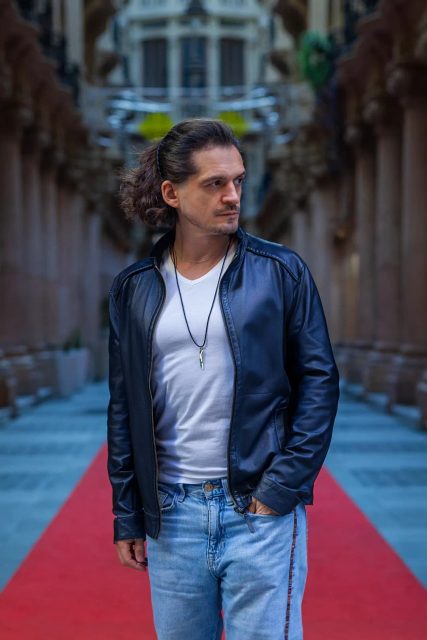
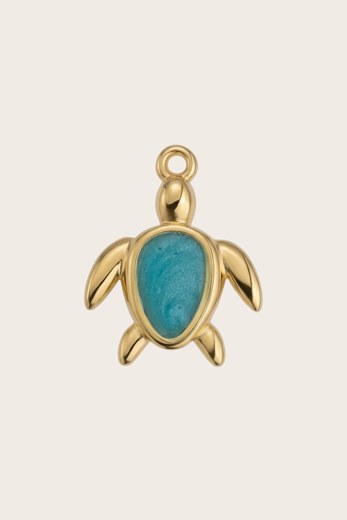
Upload a photo of your pet, someone you love, or an object. We'll build a 3D model and hand-cast it in pewter.


Engraving: what to write and how to do it right
Engraving turns a standard object into specifically his or hers. But it only works if the inscription is exact. A trite engraving is worse than none: it takes up space that could have been personal.
What works
A precise date. Not "60 years," but the full date with day, month and year: "14.07.1966" is unique, it belongs only to this person. Additionally: a wedding date, the birth of a first child, the day of retirement.
Coordinates of a place. A pair of numbers separated by a comma, without the word "coordinates": "51.5074N, 0.1278W" or "48.8566, 2.3522." The figures are dry, but a recipient who knows the place is carried there in their mind.
Initials. On cufflinks a monogram of first name and surname. On a capsule, the recipient's initials outside, the initials of loved ones inside. On a bracelet, each charm with a single initial.
A short phrase of 2 to 6 words. A line from a favourite work, an inside joke of a small circle, a personal motto. The phrase should sound in the voice of this particular person.
A Latin formula. A more formal option: "Memento vivere" (remember to live), "Per aspera ad astra," "Festina lente" (make haste slowly). Latin is not tied to a language and reads the same a hundred years from now as it does today.
What does not work
- "60 years with love" and the like: a formula on autopilot, the recipient reads it as such.
- "To a dear dad," "to a dear mum": an address with no specifics.
- "Forever": worn down to emptiness.
- Long sentimental texts: too long to be sharp, too short to be complete.
- Quotes from songs and films: in twenty years they may sound different or interest no one. If a quotation, then from an author tested over centuries.
Quotations from the classics
Names that are safe for recognition and neutrality (before 1950):
Austen. "There is no charm equal to tenderness of heart" for a warm person. "It is a truth universally acknowledged" with a touch of irony about the path travelled.
Wordsworth. "The best portion of a good man's life: his little, nameless, unremembered acts of kindness" for someone whose work was directed at people.
Dickens. "No one is useless in this world who lightens the burden of it to anyone else" for a person to whom meaning matters.
The ancient classics. Seneca: "Per aspera ad astra." Epictetus: "It is not things that disturb us, but our opinions about them." Avoid "Carpe diem," it is worn out.
Technical rules
Method. Laser engraving is precise, crisp, suited to fine fonts and long inscriptions, but shallow (it can wear away under heavy use), done within hours to days. Hand engraving is deeper and more durable, with a warm, organic character, suited to short inscriptions, done in 3 to 7 days.
Font size. Inside a ring 1.5 to 2 mm letter height, on a pendant 2 to 3 mm, on cufflinks 1 to 1.5 mm.
Font. A simple serif, close to Times, without flourishes or handwritten stylings: those date quickly.
Side. For someone turning sixty the inner side is usually better: a mark only you can see. The outer side is only for a monogram as part of the design.
Timing. At least two to three weeks before the date: time to agree the text, to make the piece and, if needed, to correct it.
Checking. The text is checked by at least two independent people before it goes to the jeweller. A typo in a date or in coordinates is irreversible: engraving cannot be removed without a trace. Particularly dangerous are letters (R and P in a stylised font), digits (3 and 8, 6 and 9), and the spaces between groups of figures.
So the inscription is still legible in twenty years
A sixtieth gift is designed for decades, and the engraving has to survive to the grandchildren. The most common reason an inscription disappears is not the wearing of the metal but its rubbing away on points of constant friction. On a ring that means the outer side and the lower arc, which the finger touches against everything; that is why personal engraving is placed inside, where it is physically protected. On cufflinks and pendants the face is vulnerable, on a bracelet the lower edge of the links.
Depth matters more than the beauty of the font. Laser engraving is fine and shallow: on a piece worn daily, thin lines can smooth away to illegibility within a few years. If a piece is to be worn constantly, hand or mechanical engraving with real stroke depth is more reliable; it holds for decades. Laser is good where the surface does not rub: the inner side of a ring, the back of a locket, the end of a capsule.
On silver durability comes with a pleasant side effect. Silver darkens, and the patina settles precisely in the recesses of the letters: over time the engraving grows more contrasting, not fainter. This works in reverse with polishing: aggressive cleaning with paste or ultrasound gradually eats away the edges of the stroke. A silver engraved piece is polished gently and only on the smooth zones, while the letters are left with their patina. Gold has no patina, so depth is built in from the start and is not "topped up" by time.
The practical minimum for an inscription to survive wear: a deep stroke on the friction zones, a simple serif font without thin hairline strokes (they wear away first), and the habit of showing a meaningful piece to a craftsman every few years. A worn hand engraving can be carefully refreshed along the same lines; a burned-out laser hairline is all but impossible to restore.



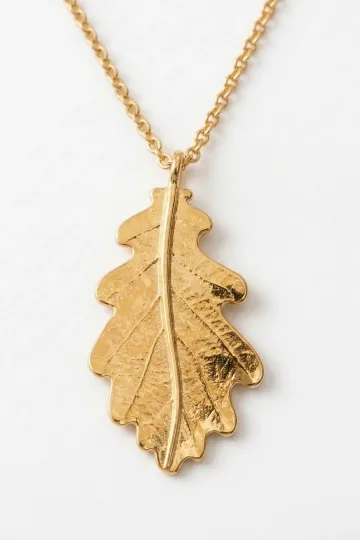
What not to give for a sixtieth
An expensive, loud piece. At sixty a person no longer proves status to the world through objects. A large bright stone is read by others as "I'm compensating"; the recipient senses this and never wears the piece again. Instead: expensive and quiet. High-grade pearls, fine gold, silver with a delicate engraving, a small rare coloured stone. The cost can be high, the visible loudness low.
A gift with no giver present. A box with no explanation and no scene of handing it over turns into a cold gesture: the recipient does not understand what the object is meant to signify and puts it away in a drawer. What is needed is a personal handover with an explanation of what was chosen and why. If distance does not allow it, a video call at the moment of opening, a handwritten card, a voice message.
A gift that repeats what is already owned. If there are several pearl necklaces in the box, a new one stirs no emotion, even a finer one. The gift has to open an empty category. Before ordering, it is worth asking those close what the person has and where it is currently empty.
Jewellery in someone else's style. The giver often chooses by their own taste, forgetting that they will not be the one wearing it. A flashy necklace for a mother who has worn silver with a patina all her life will stay in the box. The gift has to settle into a settled taste, not change it.
A provocation gift. Sixty is not the age for aesthetic experiments. If a person has never worn gold, a gold ring is unlikely to become a favourite. What works is a gift within an established taste with one new detail, not a radical switch.
A gift that demands a sequel. A pendant with no chain, a stone with no setting, hand part of the work to the recipient. The gift should be complete out of the box.
Jewellery in the wrong size. A ring in the wrong size is an irreversible miss: resizing often changes the design. Sizes must be known in advance, or choose a format with no exact size dependency (a pendant with an adjustable chain, stud earrings, a bracelet of adjustable length).
A gift with no documents. A significant piece should arrive with a product certificate (weight, fineness, a description of the stones) and an official hallmark of fineness. For premium stones, a laboratory certificate. Documents protect at valuation and repair and raise the perceived value.
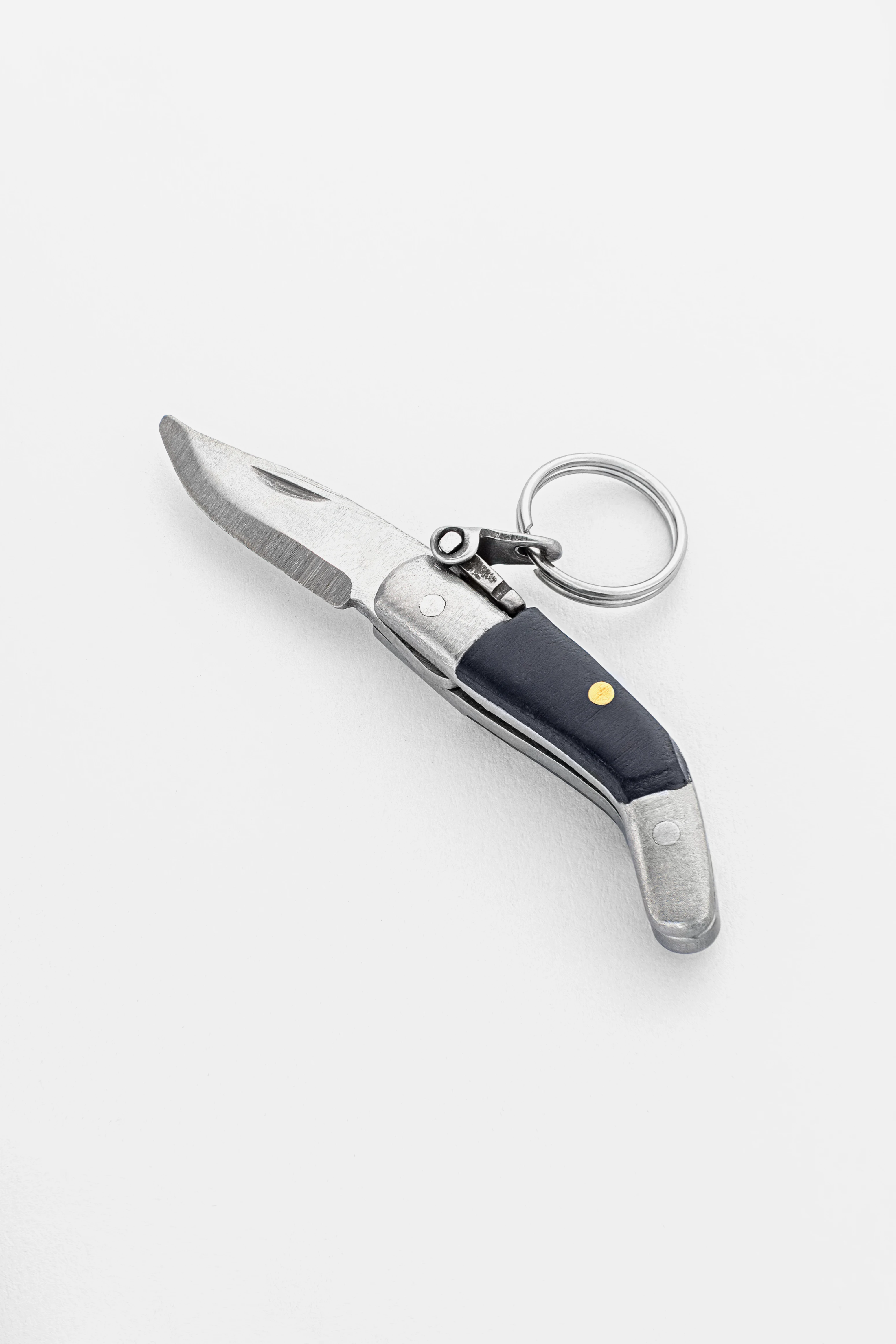
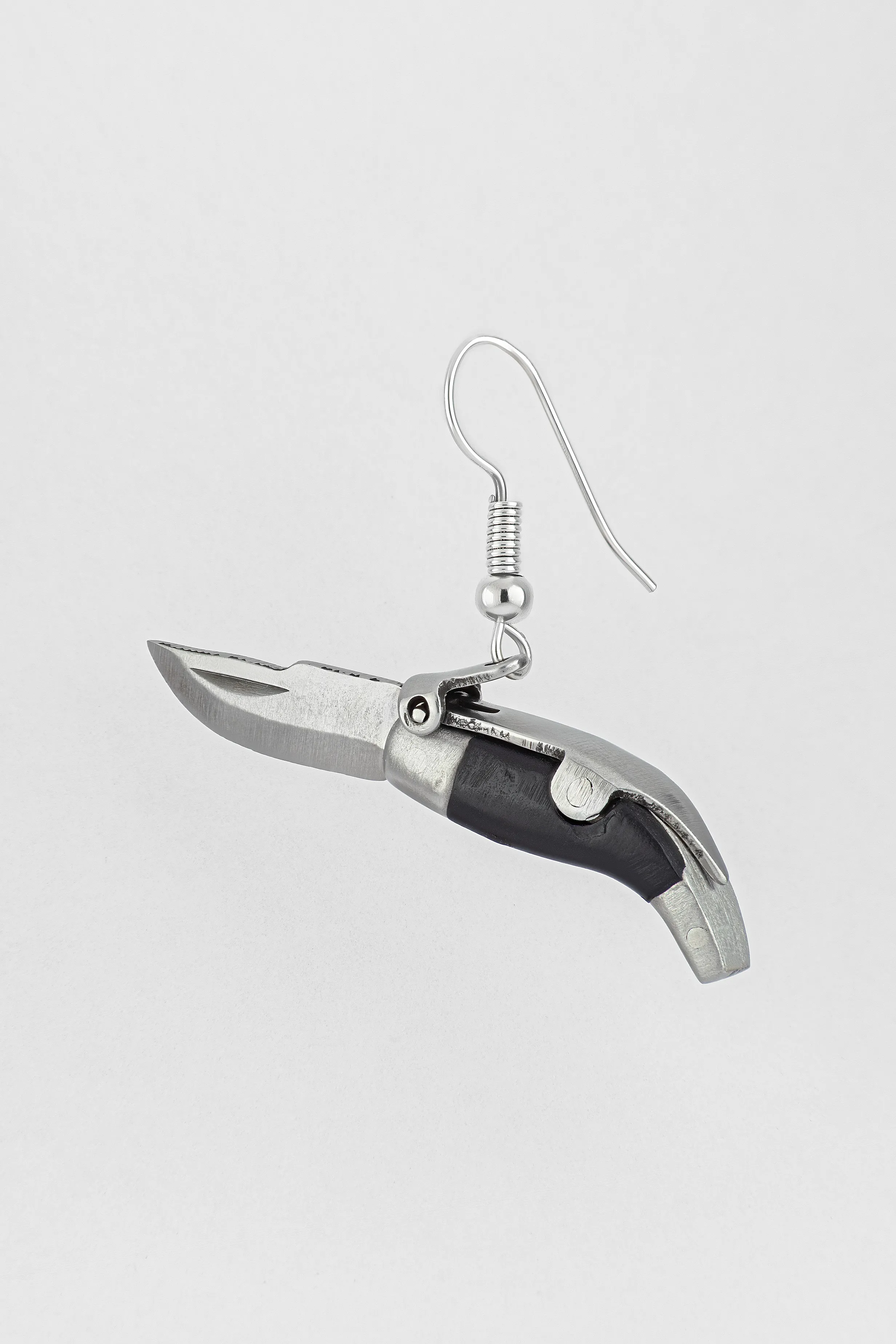
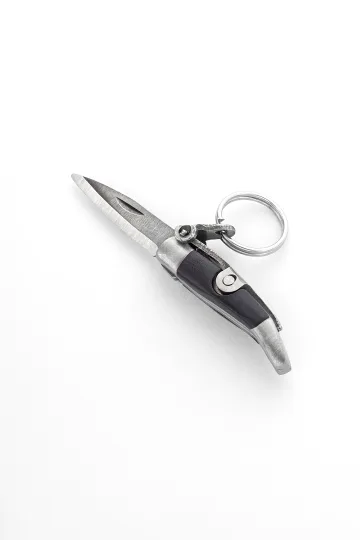
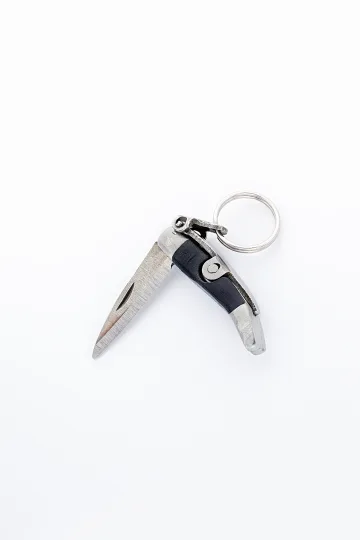
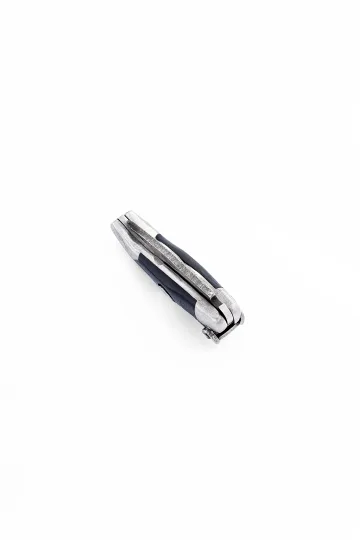
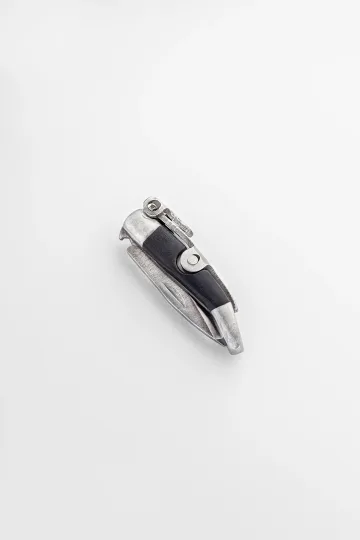
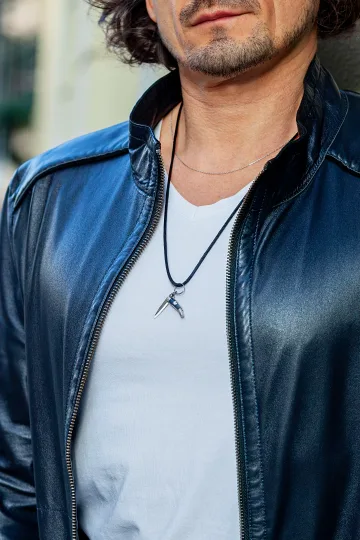
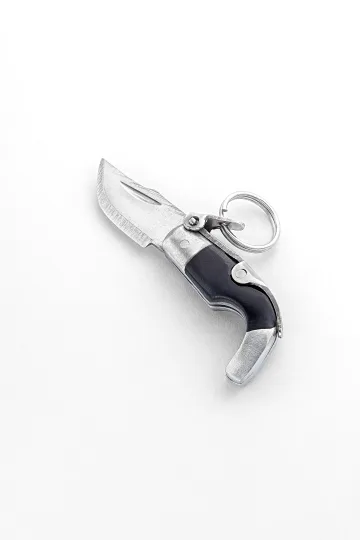
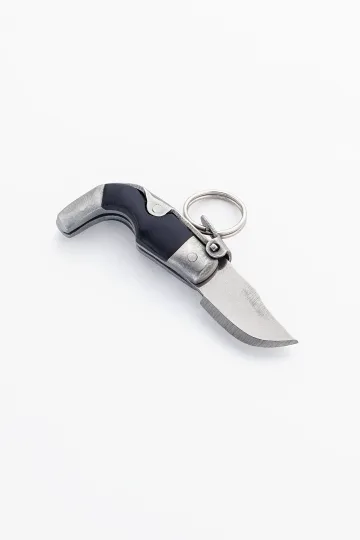
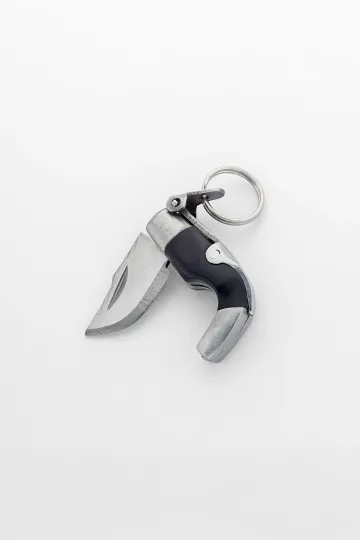
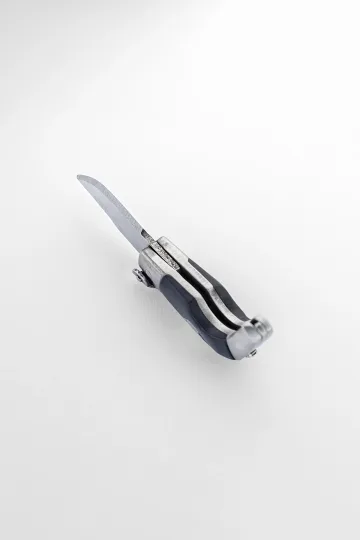
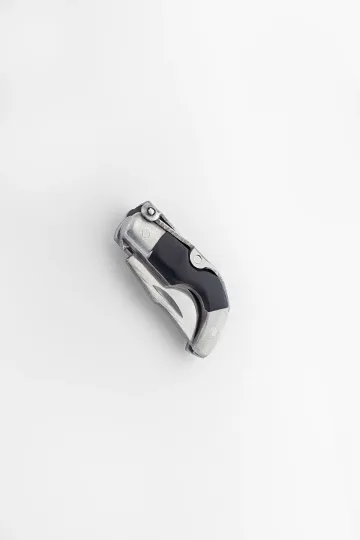
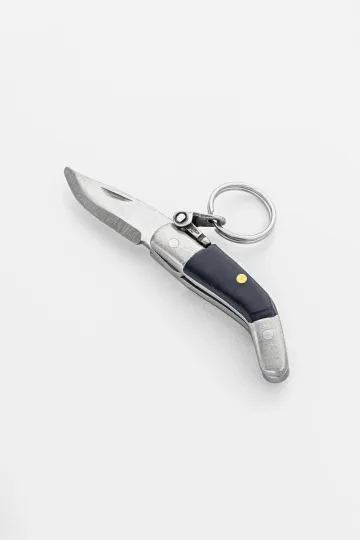
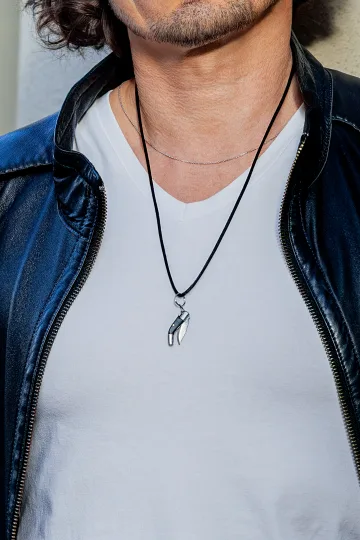
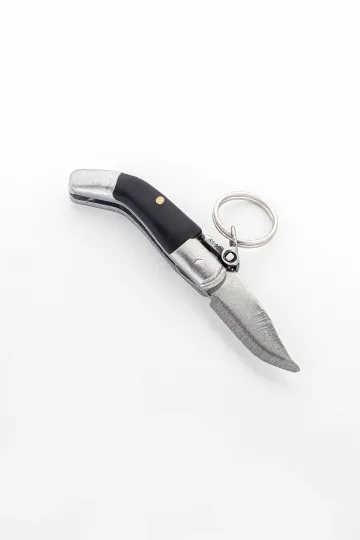
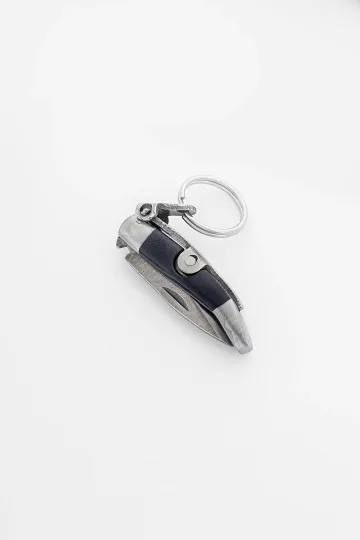
CAPAORA mini knife pendant
The 18th-century Spanish navaja in miniature: 40 mm of stainless steel, a real folding mechanism and a Palanquilla lock that clicks. An affordable gift to remember.
Authentic · Ships from Spain · 14-day returns
Jewellery versus other gifts
Versus a trip. A trip lives a limited time and requires the physical ability to make it. Jewellery stays for decades and is worn every day. They do not compete, they complement each other.
Versus money. Money gives freedom but carries no personal trace: a year on, the recipient does not remember who gave how much. Engraved jewellery is each time specifically from you. Money is good as an addition, poor as the main gift.
Versus gadgets. Here "he's got everything" works at full strength, and technology becomes obsolete within five years. Jewellery, in thirty years, can become an heirloom. Gadgets only suit if very specific (a professional tool, a niche device long wanted).
Versus experiences (a concert, a dinner, a spa). They create a memory with no physical trace. They suit as part of the celebration, but not as the main gift: a sixtieth deserves a material marker.
When something else is stronger. If the recipient physically cannot bear jewellery (an allergy, the feeling of weight, an aesthetic dislike) or has an acute practical need right now, meeting it matters more. Jewellery works where there is a calm zone in which its symbolic language will be heard.
Leave your email, we'll send your discount code. No spam, unsubscribe anytime.
The code arrives by email, valid on your first order.
Quiet luxury as the language of a sixtieth gift
At this age loudness does not work: the recipient is past the period when an impression has to be made. Quiet luxury is character without noise.
The signs: material of good fineness that looks exactly like what it is (silver shines like silver, with no cheap coatings; pearls with a living lustre, no plastic imitation). A shape that is simple but has character, with exactly the amount of complexity that is needed. A concrete engraving. Worthy packaging, without tinsel.
How to assemble it in a gift:
- Material. 925 silver or 14K gold as the base, no low-grade gilding. Akoya or good Freshwater pearls. A coloured stone with a certificate.
- Design. Simple geometric shapes (oval, circle, rectangle), one central element.
- Engraving. Concrete and short, a simple font.
- Packaging. A wooden or sturdy cardboard box, a fabric bed, a handwritten card. No loud logos.
- Documentation. A product certificate, a certificate for significant stones.
More on the aesthetic: quiet luxury in jewellery 2026.
Materials: what to choose and why
925 silver
Sterling silver contains 92.5% pure silver and 7.5% alloy metals, usually copper. It darkens over time through oxidation: some polish it and bring back the shine, others like the patina, which settles in the recesses of an engraving and lends character. A democratic choice: for an affordable price you can get quality jewellery and concentrate the budget on the craftsman's work, the engraving and the packaging. It works well with both types of engraving and is simpler in craft work, which is why most complex bespoke commissions are made in silver. It suits if the recipient already wears silver. If they are used to gold, silver may read as a step "down."
14K gold
585 fineness, 58.5% pure gold, the optimal balance of content, strength and price. It does not darken, needs no polishing, the colour holds for decades. Yellow gives a warm tone (warm colour type, classic), white a silvery-cool one close to platinum (cool colour type, minimalism), rose a soft pink, though it can read as a marker of a decade. Many intuitively associate gold with a "real" gift: a subjective perception worth bearing in mind. It is harder in bespoke work than silver, so a ring size has to be calculated from the very start.
Pearls
An organic material that grows layer by layer over years. For a sixtieth it works as a metaphor for maturity, physically built into the material. Types:
- Akoya Japanese saltwater, high lustre, a true sphere, 5 to 9 mm, white-cream with overtones. The classic for a formal look.
- Freshwater more democratic, more varied in shape and colour, 4 to 11 mm. For an everyday look.
- Tahitian a natural dark colour, dearer. For expressive looks and a cool colour type.
- South Sea the largest (10 to 18 mm), white or golden, very dear. For ceremonial gifts.
Care: pearls must not be exposed to perfume and cosmetics, whose components make the surface matte. The rule is "put on last, taken off first." Store apart from metal, wipe with a soft cloth. With proper care they last decades.
Platinum and vermeil
Platinum does not darken, causes no allergies, is heavier than gold. It is used more rarely, for the premium segment and for heirlooms. It needs a high melting temperature and an experienced craftsman, and the making takes one to two weeks longer than gold. In ordinary scenarios it is excessive.
Vermeil is 925 silver with a gold coating no thinner than 2.5 microns (thin ones wear off quickly). A reasonable compromise when you want the look of gold on a silver budget. It needs gentle care, the coating can be renewed. It suits if the recipient does not wear the piece every day.
Coloured stones
They work if chosen by colour type and by symbolism. Birthstones act as a personal signature: the recipient's year in material form.
- Garnet (January): a warm red, the symbolism of loyalty and constancy.
- Amethyst (February): purple, for a cool colour type.
- Aquamarine (March): pale blue, the calm of water.
- Emerald (May): green, the symbolism of new growth, for marking a transition.
- Ruby (July): red, strength and energy.
- Sapphire (September): blue, a universal marker of mature wisdom.
- Opal (October): iridescent, for creative people, but soft and needing care.
If the colour type does not match the natural colour of the stone for the relevant month (January, but a cool type, and a red garnet does not suit), the stone is chosen by aesthetics, not by date.
Why "he's already got everything" is no argument
The objection that most often blocks the choice of jewellery rests on a single substitution: it is true for functional things and gets carried automatically onto everything else. But an object with a unique personal meaning, by definition, cannot "already be" in the box. The question is not whether the person has jewellery, but whether they have this one.
Durability is the second argument. Good silver with minimal care lasts 50 to 100 years, gold longer. To a person of sixty you are giving an object for 20 to 30 years, which can then pass to grandchildren. Engraved jewellery does not lose value over time, it accumulates it together with a personal history. This uniqueness is not marketing but literal: an engraved object exists in a single copy.
More on retirement gifts: a guide to retirement jewellery.
Send a friend a discount code, they save on their first order.
A gift for a colleague's milestone from the team
The corporate scenario calls for both neutrality (so the person wants to wear it) and personalisation (so the object carries meaning).
What works: a pendant or ring with the anniversary date engraved on one side and a short thanks or the organisation's name on the other; earrings or a ring of classic style without aggressive symbolism; a collective piece with the staff's initials; a jeweller's gift voucher to choose within budget if tastes are unknown (with an explanation of the choice).
A collective gift from a department of 10 to 15 people allows a sum for good quality to be gathered. 925 silver is a reliable choice; with a larger budget, gilded silver or 14K gold.
Etiquette: the organiser checks in advance whether the celebrant wears jewellery, prefers silver or gold, has any allergy. If nothing is known, 925 silver of a classic shape with a short neutral engraving (the date) almost never misses. It is best handed over in a formal setting with a short speech naming a specific achievement: without that, the handover turns into a formality.
Buying it as a gift? Each one arrives ready to give.
 A branded Zevira box and a little card come with every order.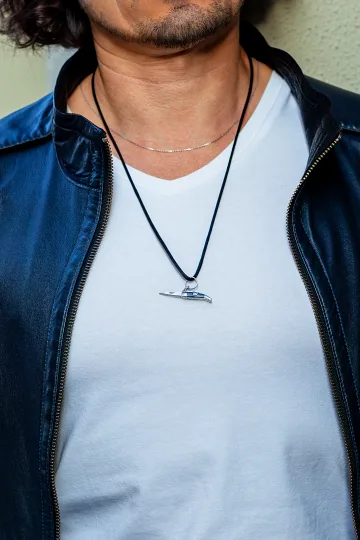




The Zevira range for a sixtieth birthday gift
The Zevira range covers a sixtieth birthday in several categories.
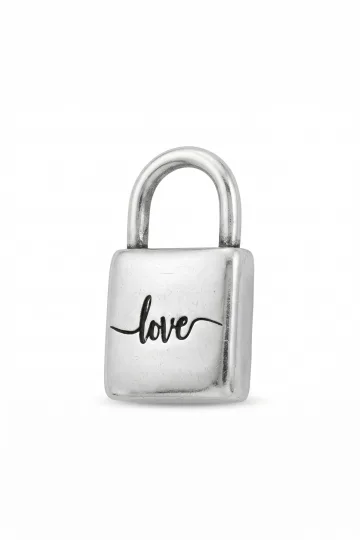
Engraved silver lockets. Oval, round, capsule-shaped, with a hollow for a micro-photograph or a relic. 925 silver, laser or hand engraving, a product certificate.
Pearl jewellery. Akoya and Freshwater necklaces, stud earrings and drop earrings. A certificate stating type, size and origin.
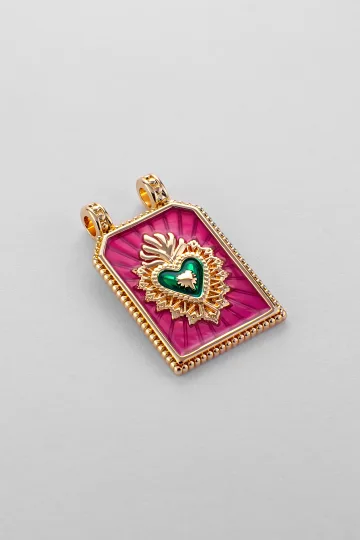
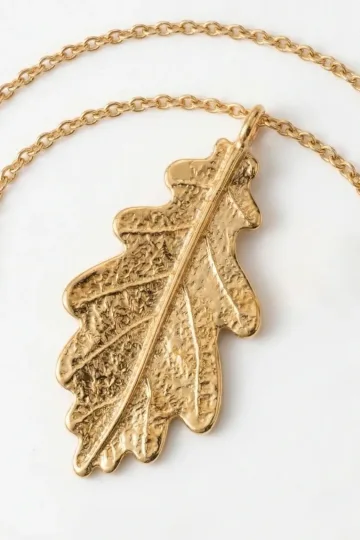
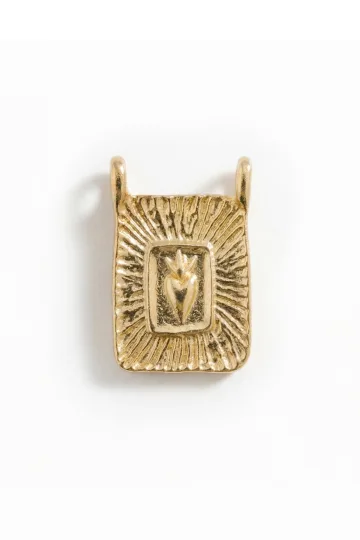
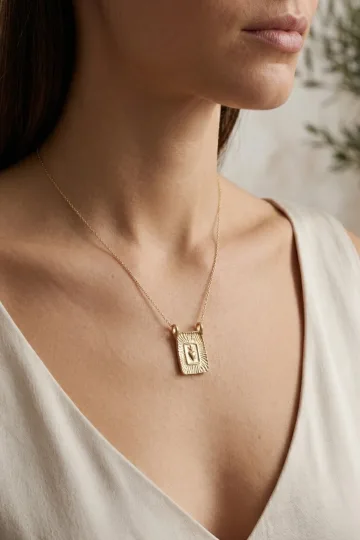
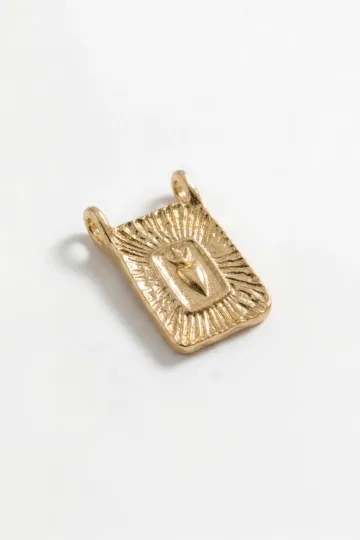
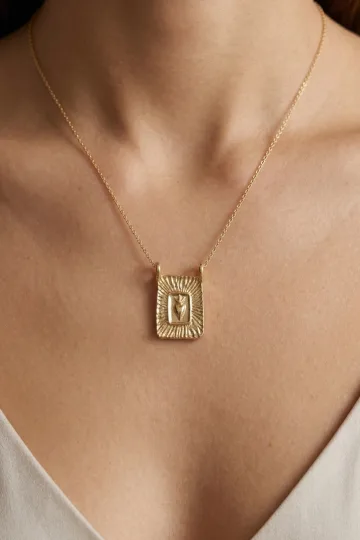
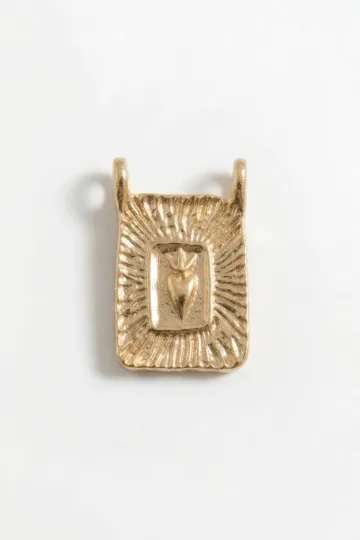
Symbolic pendants. Tree of life, sacred heart, compasses. Each can be finished with an engraving on the back.
Signet rings. Silver and gold, for men and in women's sizes, with the engraving of a monogram, a heraldic mark or a personal symbol.
Bespoke commissions. We work from a sketch, from the idea to the wax model and the setting. Lead time six to ten weeks.
Heritage recasting. We analyse the alloy of old gold or silver from parents, add fresh metal if needed and recast it into a new form to your brief.
Full catalogue: open the Zevira catalogue.
A series on gifts by age: a 70th birthday gift, jewellery for women over 50, a retirement gift.
On materials and style: the full pearl guide, a silver locket guide, the tree of life in jewellery, the sacred heart in jewellery, quiet luxury 2026.
Engraved silver lockets. Pearls with a deep lustre. Pendants with the tree of life and the sacred heart. Signet rings for men. Heritage recasting of family gold. Engraving of names, dates, coordinates and quotations to your brief. Guidance from the idea to the box.
Wear the symbol, don't just read about it. These are in stock:

Frequently asked questions
For a sixtieth, gold or silver?
One guide: what the person wears now. If the box holds only gold, silver will read as a step "down," even with a better design. If they wear silver, gold may feel alien and settle in a box. There is no objective hierarchy: an expensive, quiet silver piece with hand engraving works more strongly than cheap gold with a trite inscription. If preferences are unknown, 925 silver of a classic shape is safer. When you want the look of gold on a modest budget, there is vermeil, silver with a gold coating no thinner than 2.5 microns.
What to give a man of sixty if he wears no jewellery?
Do not try to turn him into someone who wears it; find the category that fits into his habits: cufflinks (if there are double-cuff shirts), a reliquary locket for the desk (kept in the study), a pocket watch (for the occasion), a signet ring on a stand as an object rather than for wearing.
What to give a woman of sixty besides pearls?
A capsule pendant with a micro-photograph of loved ones, drop earrings with a single coloured stone by colour type, a heritage recasting of a mother's ring, a charm bracelet with the initials of children and grandchildren, a ring with a single coloured stone in a plain setting. Each works differently from pearls, and for a particular woman one of them may land more precisely.
What to give a man of sixty besides a watch?
A watch is the most predictable gift. Alternatives: engraved cufflinks, a signet ring with a monogram, a reliquary locket for the desk, a pocket watch (if he values tradition), a compass pendant with the coordinates of a place, a flat silver bracelet with an inner engraving.
What to write in an engraving from children to a parent?
Strong formats: an exact date of birth, the coordinates of a meaningful place (the childhood home, the first job), the initials of all children and grandchildren, a short quotation from a classic, a coded family phrase. Weak ones: "60 years with love," "to a dear dad," "forever," long texts. The engraving has to be concrete, not general.
How much time is needed to order a gift with engraving?
At least two to three weeks before the date for a simple engraving. Six to eight weeks for a bespoke commission with a sketch and a wax model. A month and a half to two months for a heritage recasting with alloy analysis. A reserve of at least two weeks on top for corrections. An order a week out is risky: if there is a mistake, there is no time to fix it.
Which materials are safe to avoid an allergy?
The safest: 14K gold and above (the nickel in the alloy is minimal), 925 silver (92.5% silver, 7.5% usually copper, a reaction is rare), platinum (it almost never causes allergies, but is heavier and dearer). The risky ones: costume jewellery with nickel, gilding on brass, low-grade silver. When in doubt, ask those close whether the recipient has reacted to metals before.
How to find the ring size without giving away the surprise?
Take one of the existing rings and trace the inner outline on paper; the craftsman will determine the size from the diameter. Or ask someone close who might know. Rough guides: for women 15 to 17 mm finger diameter, for men 18 to 20 mm. If finding out is impossible, choose a format with no size dependency: a pendant, stud earrings, a bracelet of adjustable length.
Can jewellery be ordered online?
Yes, if the workshop issues a product certificate, has real photographs of its work in a portfolio, takes engraving and accompanies the order with preliminary photographs (sketch, wax model, finished piece before dispatch). Warning signs: studio renders only, no documentation, a demand for 100% prepayment, vague timelines. Safe signs: real photographs, a clear contract, prepayment of no more than 50%, certificates for serious stones, an official hallmark.
Can a bespoke order be returned if it is not liked?
In most jurisdictions a custom piece made to a brief is non-returnable: it was produced exactly to your specification. Buyer protection sits at the agreement stage: a wax model to try, a photograph of each stage, a video call with the craftsman. If the jeweller departed from the approved sketch, the remake is at their cost. If the sketch was approved, responsibility for the brief is the buyer's. So agree everything in as much detail as possible before work starts.
How to tell whether the gift repeats something already owned?
The only reliable way is reconnaissance through those close before ordering: one question to a mother, sister or friend ("what does he already have and what category is missing") removes the main risk. The gift should either open an empty category (he wears only rings, give a bracelet) or carry its weight through personal engraving. When reconnaissance is impossible, bet on meaningful specificity: a piece with an exact personal engraving is unique by definition.
What to give if the budget is very modest?
For a sixtieth, meaning decides, not cost. 925 silver gives a quality base for an affordable sum; the budget is better concentrated on the craftsman's work and the engraving. A silver locket with a micro-photograph, a pendant with the coordinates of a place, a bracelet with the initials of children and grandchildren work more strongly than expensive gold with an empty inscription. A collective format also helps: several grandchildren clubbing together gather enough for good silver, and the effect of "the whole family as one" outweighs the cost.
When is a heritage recasting better than new jewellery?
When the recipient has an old piece from a departed loved one that lies in a box and is not worn (the wrong size, or a style that does not work). The material of such a piece is valuable not as metal but as a biography. Recasting turns it into something wearable while keeping the thread to the one who is gone. A hard rule: a recasting must not be a surprise; you need the consent of the recipient and of all the closest relatives of the departed. Documentation is essential: a photograph before, a record from the jeweller with the weight, a photograph after, a card with the history of the material.
About Zevira
Zevira is a Spanish brand rooted in the metalworking tradition of Albacete, working in sterling 925 silver and gold. The range for a sixtieth birthday falls into four categories: engraved lockets, pearl jewellery, symbolic pendants (tree of life, sacred heart, compass, coordinates of a place) and signet rings for men. We take bespoke commissions and heritage recasting of family gold into new forms. We work with clients across Europe and beyond, with insured worldwide shipping. Every piece passes an alloy check, carries a certificate and a certificate for significant stones.