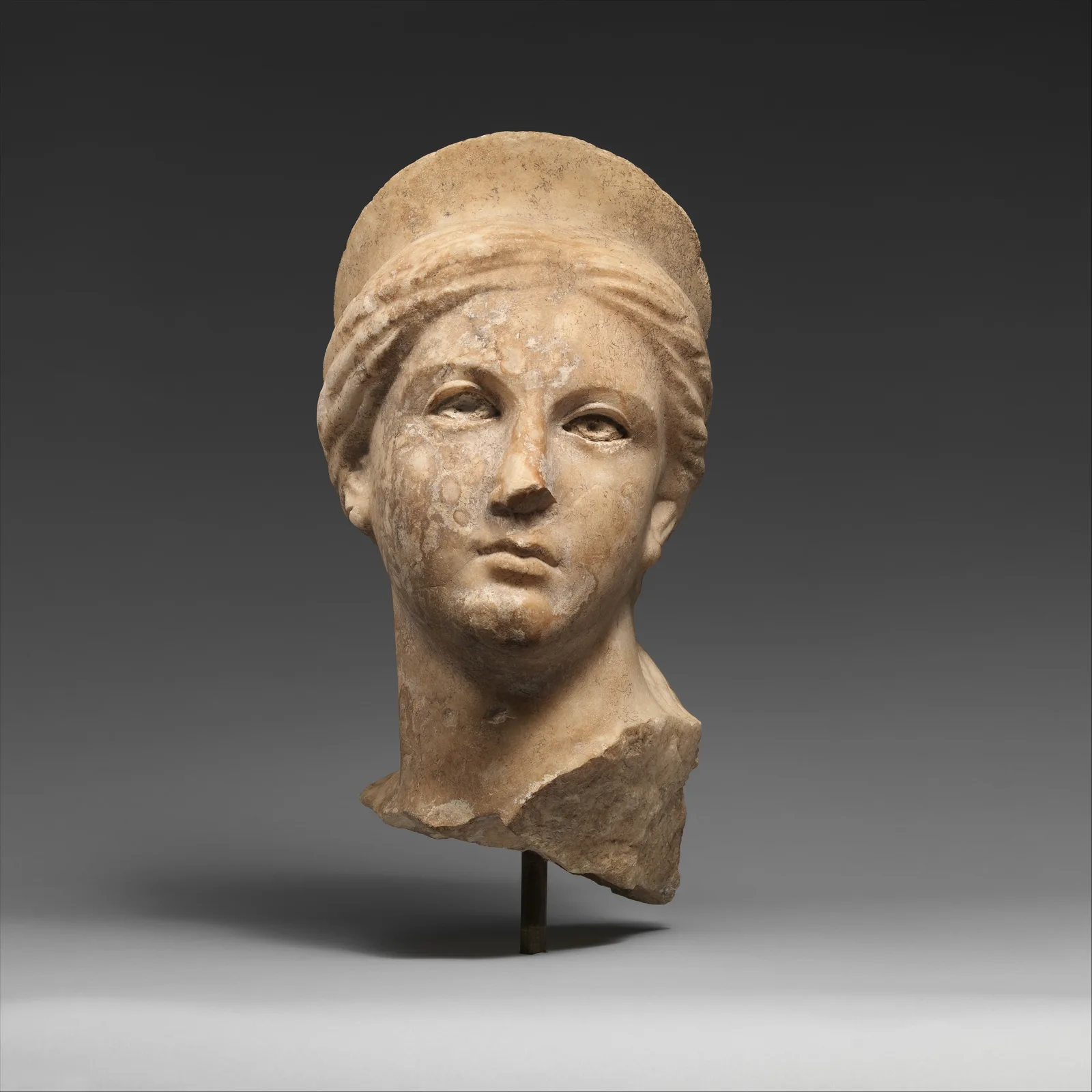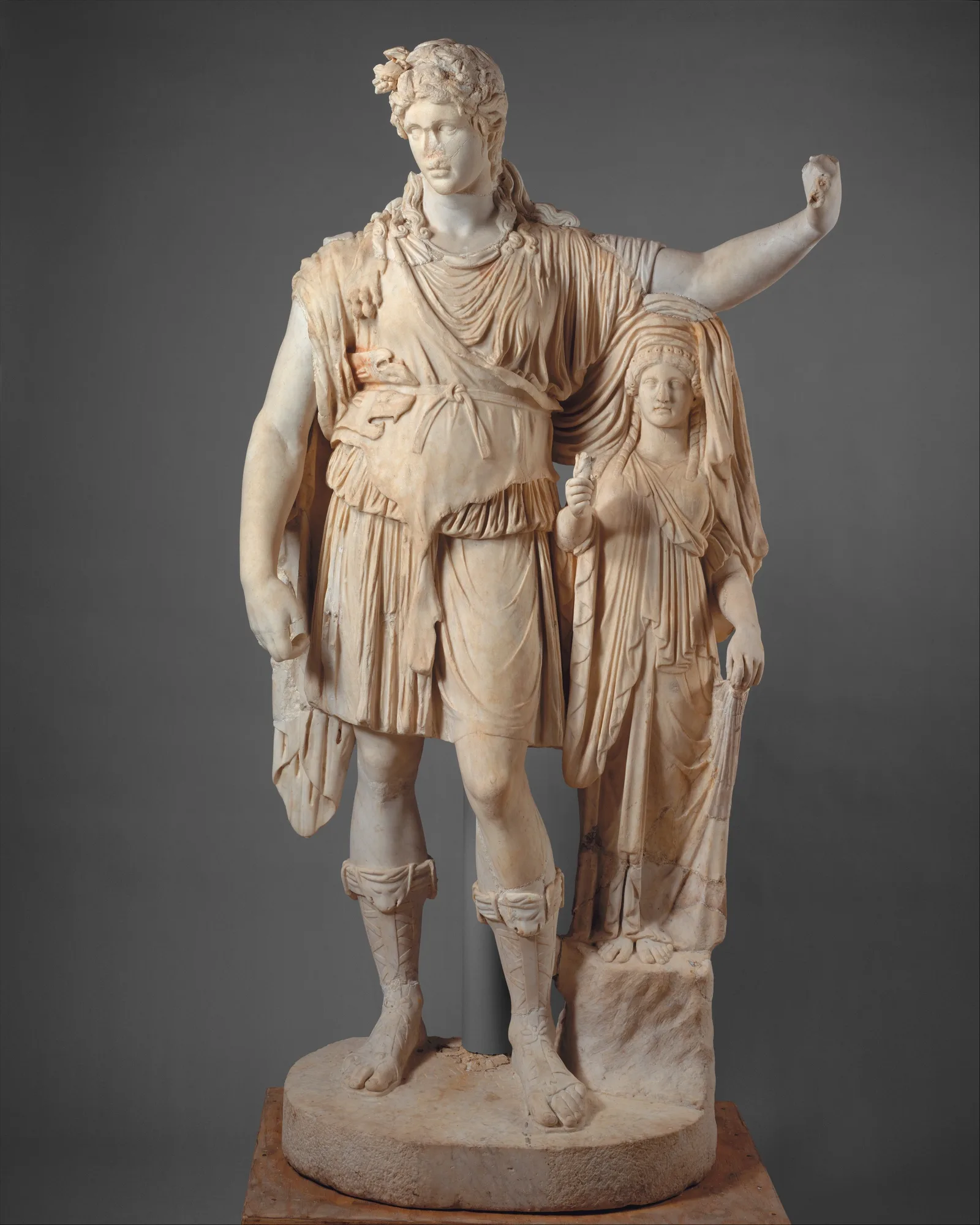
Antique Sculpture in Jewelry: David, Venus, and Busts
Billions of people who have never set foot in Florence still recognise the profile of Michelangelo's David. The armless Venus de Milo lives in the memory of people who long ago forgot which museum holds her. These faces and bodies were designed as an ideal more than two thousand years ago, and today they hang on a chain at the collarbone. A sculptural motif in jewellery is not a museum worn on the neck. It is an ancient code of beauty that has come back into fashion.
The Greeks and Romans agreed on what a perfect body and a perfect face look like. A straight nose in line with the forehead, a calm gaze, the soft curve of a shoulder. Gem cutters in Athens repeated that formula, so did Renaissance sculptors, so did the jewellers of the neoclassical age, and craftsmen are still repeating it now. A bust pendant, a profile cameo, a fragment of a torso or a hand on a chain: all of it grows from one tree. Here is the order ahead: what the trend is, where it came from, which images lead it, what they mean, what they are made of, and how to wear them without turning into a walking display case.
What the Trend Is: Sculptural Motifs in Jewellery
A sculptural motif is a piece of jewellery that quotes an antique or Renaissance statue. Not an abstract figurine, but a recognisable image: the head of David, the silhouette of Venus, the profile of a god from an ancient coin, a faceless plaster bust, a single hand or a fragment of a torso. The material is most often matte silver or gold with the look of raw plaster, less often carved stone in the cameo tradition.
The core idea is that the piece works as a small copy of great art. A person wears not a symbol of luck and not a stone with a legend, but a reference to aesthetics. It is a statement of taste, quiet and unhurried. The wearer seems to say: I know where the idea of beauty came from, and that is enough for me.
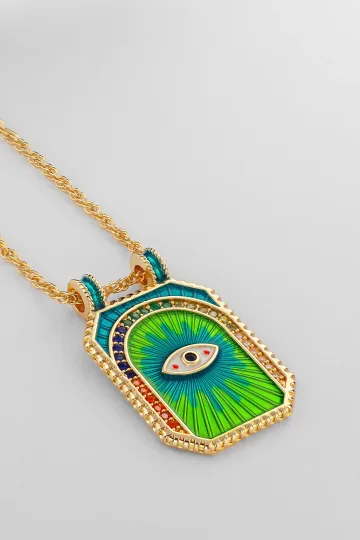
Wear the symbol, don't just read about it. These are in stock:


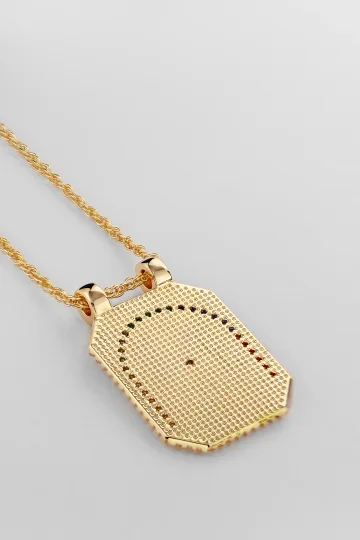


How a Sculptural Motif Differs From an Ordinary Figurine
One thing separates a cheap David souvenir from a sculptural jewellery motif: proportion and restraint. A souvenir copies the whole statue, loudly and literally. A piece of jewellery takes a fragment, reduces it to pure form, and often leaves the surface matte, almost chalky, to recall plaster and marble. That is why a good sculptural pendant looks like a shard of antiquity rather than a magnet from an airport gift shop.
Why Now
Interest in the antique body returns in waves every few decades, and the current wave coincided with a taste for minimalism and matte textures. Smooth gold grew tired, shine wore thin, and a muted, sculptural surface took its place. Add social media: the profile of David and the torso of Venus read perfectly as a small icon on a phone screen, recognised instantly, without a caption.
There is a deeper reason too. When so much around us is artificial and fast, a person is drawn to something proven by time. Antique form is more proven than almost anything: it is two and a half thousand years old and still strikes us as beautiful. To wear that form is to choose calm, durable beauty over the kind that lasts a moment. It is a quiet gesture against the rush, and that is exactly why the sculptural motif settled so comfortably into an age that is tired of shine.
History: From Antique Gems to the Modern Sculptural Direction
The history of the sculptural motif is the history of shrinking great art down to the size of a fingernail and hanging it on the body. Each era did it in its own way, but the idea stayed the same: keep the perfect form close.
Antique Gems With Profiles
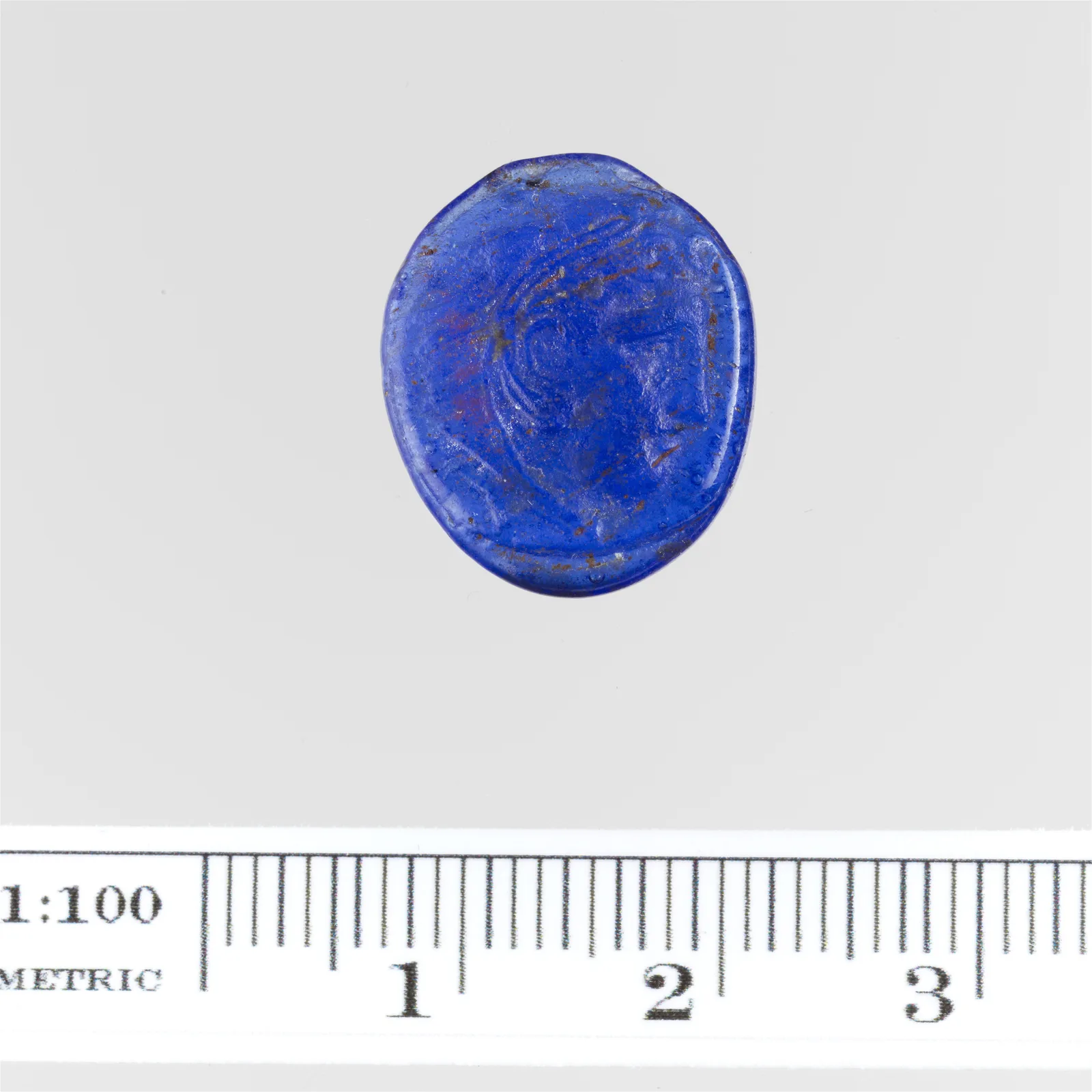
The Greeks and Romans were the first to wear sculpture on the body. They cut tiny profiles of gods, heroes, and rulers into hard stones: carnelian, agate, onyx, amethyst. The recessed carving was called an intaglio, the raised one a cameo. These stones decorated signet rings used to seal letters and documents. A profile on a ring was a signature, an ornament, and a portrait of a patron all at once.
A gem cutter worked at the edge of human eyesight, with a needle and abrasive, without magnifying lenses in the modern sense. On a stone the size of the tip of a little finger he fit a face with a straight nose, a calm brow, and a wave of hair. The same proportions as the large statues, only in miniature. If you want to dig deeper into the technique and the difference between the two kinds of carving, there is a separate breakdown of the cameo and the intaglio as a carved gem.
The Renaissance and the Birth of David
In the Renaissance, Italy rediscovered antiquity. Ancient statues were pulled from the ground, measured, copied, argued over for their proportions. On that wave, in 1501, the young Michelangelo took on a giant block of marble that earlier masters had already spoiled, and over three years he carved David. Five metres of calm power. Not a victor with the head of Goliath in hand, as earlier artists had shown him, but a youth a second before the throw, gathered and focused.
David became a symbol at once. First a symbol of Florence and its republican pride, then a symbol of the very idea of human perfection. His profile began to be reproduced in engravings, on medals, in small bronze copies for studies. The image moved from the public square to the writing desk, and from there the road to jewellery size was short.
The Grand Tour and Souvenir Cameos
In the 18th and early 19th centuries, young European aristocrats travelled to Italy on a long educational journey, the Grand Tour. Rome, Naples, Florence, ruins, museums, the excavations at Pompeii. A traveller brought souvenirs home, and one of the main ones was the cameo: carved shells and stones with the profiles of gods and antique beauties.
The cameo workshops of Naples and Rome ran on that stream like factories of taste. From a large sea shell they carved a white profile against a brown or pink ground. Venus, Apollo, a nameless classical maiden in turn: all of it travelled to London, Paris, and Saint Petersburg as brooches, pendants, and bracelets. The cameo with an antique profile became the first mass-produced sculptural ornament in history.
Neoclassicism and the Cult of the Antique Profile
When the excavations at Pompeii and Herculaneum opened the living world of antiquity to Europe, fashion swung toward strict lines and classical silhouettes. Dresses began to resemble Greek tunics, hair was set after antique busts, and jewellery picked up the profile from gems and coins.
The carvers of that era brought the miniature portrait to perfection. They cut the profiles of their contemporaries in the antique manner: a living person was shown as though he were a god from an ancient coin, with the same straight nose and the same calm gaze. The ideal of body and face from antiquity became the lens through which people looked at themselves.
The Modern Sculptural Direction
The latest waves of interest brought the sculptural motif back in a new form. Instead of the literal cameo: a clean silhouette, a cropped fragment, a matte plaster-like surface. Designers take the head of David and cast it in silver the size of a bean. They take the torso of Venus and turn it into a smooth, faceless pendant. They take a single hand, as if from a broken statue, and hang it on a chain as an object in its own right.
This direction plays honestly with the idea of the fragment. Antique statues reached us broken, without arms, without noses, sometimes as a single head. Modern jewellery does not hide that break, it makes it part of the beauty. A shard of something beautiful turns out to be more beautiful than a whole souvenir.
A marble head goes on bare skin, not over a loud print. David has outlasted every empire; he will outlast your shirt too.
How and With What to Wear the Sculptural Motif
After years on shoots I have tried the sculptural pendant in dozens of looks, and the rule is simple: this shape is strongest on its own. Here is what actually works, by occasion.
What do you wear a sculptural pendant with every day? For daytime I recommend matte silver or white resin on a thin chain over a plain top. Bare neck or a V-neckline, no neighbouring pendants. A light top (white, sand, grey) lights up the form, a dark one (charcoal, olive) turns it into the accent. One sculpture on a clean line reads louder than five pendants at once.
Which metal should you pick for your skin? For a warm undertone I suggest matte gold or an aged bronze patina: the living, bodily mood of bronze antiquity. For a cool undertone I choose matte silver or white resin, which read like marble, cool and museum-like. Settle the temperature of your skin before the shape, not the other way round.
What length and neckline work best? Under a V-neck I take a length that drops the pendant into the open zone, usually forty five to fifty centimetres. Under a round neck slightly shorter, so the sculpture sits on the fabric. A large bust asks for a long chain and an open top, a small fragment works higher, near the throat.
Does the sculptural motif work at the office? It does, if you keep it restrained. I recommend silver, length forty five to fifty, so the pendant slips under the top button. Beneath a jacket it reads as a quiet detail for those in the know, not a loud accent. A strict dress code lives happily with a David profile under the shirt.
Who does the sculptural motif suit? Those who love quiet, talking pieces and a muted palette. It works equally on men and women: David and Apollo lean masculine, Venus and the faceless bust lean feminine, with no firm border. Minimalists get their single detail, art lovers get a quiet password at the gallery.

Turn on your camera, pick earrings, a pendant or a ring, and see the piece on yourself in real time.
Switch items in one tap.
Everything runs in your browser: no photo or video is ever uploaded.
The Leading Images of the Sculptural Motif
The sculptural trend has its own pantheon. A handful of images appear more often than the rest, because they are recognised without a caption. Here is each one on its own: what it is, where it comes from, and how it reads on a piece of jewellery.
Michelangelo's David
David is the face of the whole trend. Jewellery usually uses not the full figure but the head, in profile or three-quarter view: the wave of curls, the straight nose, the heavy calm gaze. This profile works as a seal of taste. It speaks of a love for the classical and for Italy, of respect for craftsmanship, of quiet confidence.
It is curious that David is a biblical hero, yet on a piece of jewelry he reads in purely aesthetic terms, with no religious meaning. The wearer quotes not the victory over Goliath but the form that Michelangelo invented. If the Old Testament hero interests you in his own right, there is a separate piece on the Star of David: there David is a figure of faith, not a marble ideal.
Venus de Milo
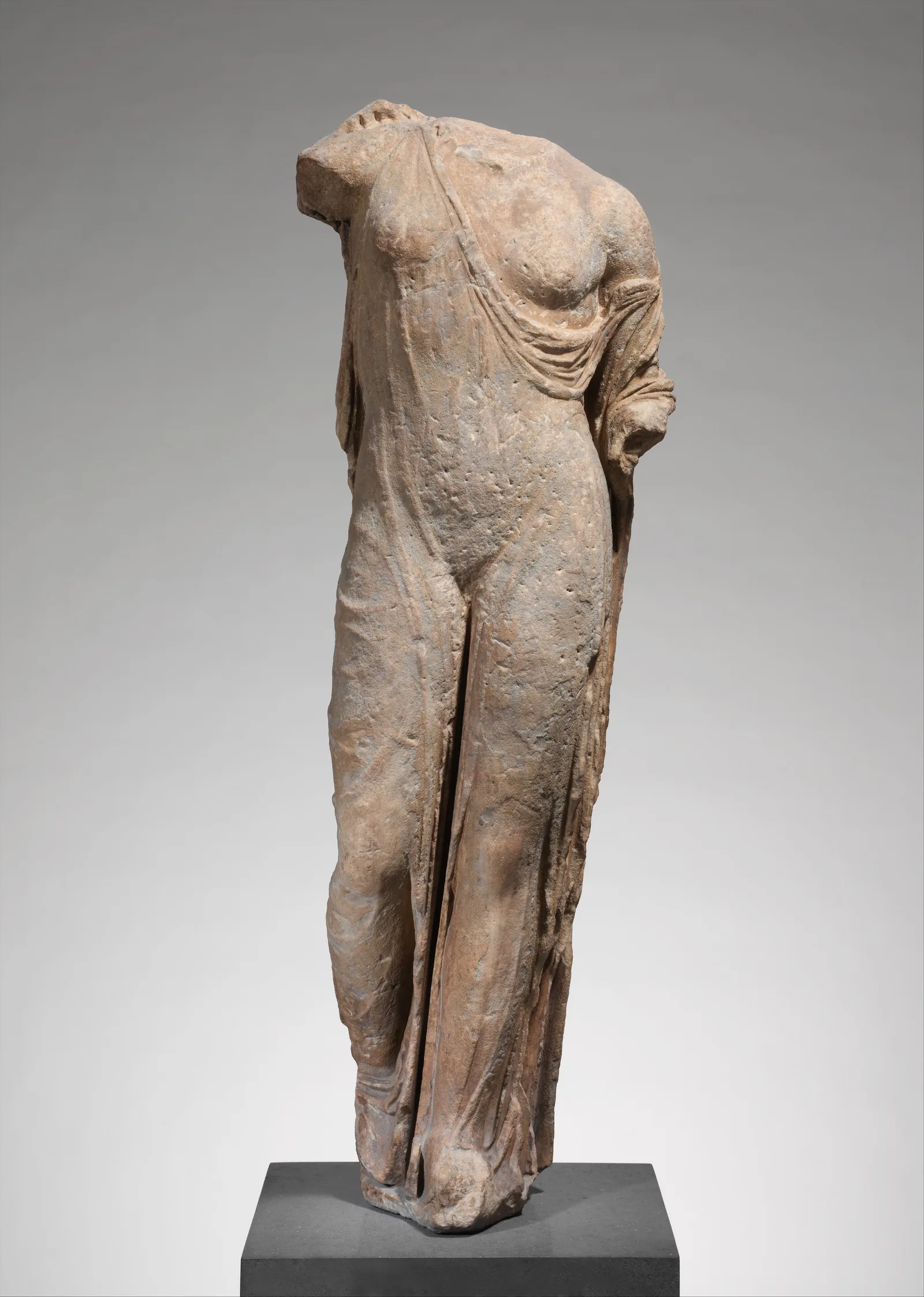
The Venus de Milo is an antique marble statue of the goddess of love, found on the island of Milos in 1820. Her most recognisable feature is the absence of arms. The statue was found already without them, and over two hundred years the armless silhouette became a symbol in itself. In jewellery, Venus is given as a torso: the soft curve of the waist, a fold of cloth at the hips, the break where the arms once were.
Venus reads as a sign of femininity, of ripe beauty, of accepting imperfection. The armlessness that once looked like a flaw became a virtue: a fragment is more honest than a whole. The goddess of love is Aphrodite to the Greeks and Venus to the Romans, and there is a separate long read about Aphrodite and Venus in jewelry, if you want the mythology alongside the form.
The Apollo Belvedere
The Apollo Belvedere is an antique statue of the god of light, art, and harmony, which for centuries was considered the standard of male beauty. For the theorists of neoclassicism it was the summit, the ideal proportion in marble. In jewellery, Apollo gives a profile with a laurel wreath or a clean head with regular features.
Apollo reads more subtly than David: not a biblical adolescent but a patron god of the arts. He is chosen by those who want to tie themselves to the idea of creativity and harmony. Apollo is one of the twelve Olympians, and his place in the family of the gods is laid out in the piece about the Olympian gods and the Greek pantheon.
The Faceless Bust
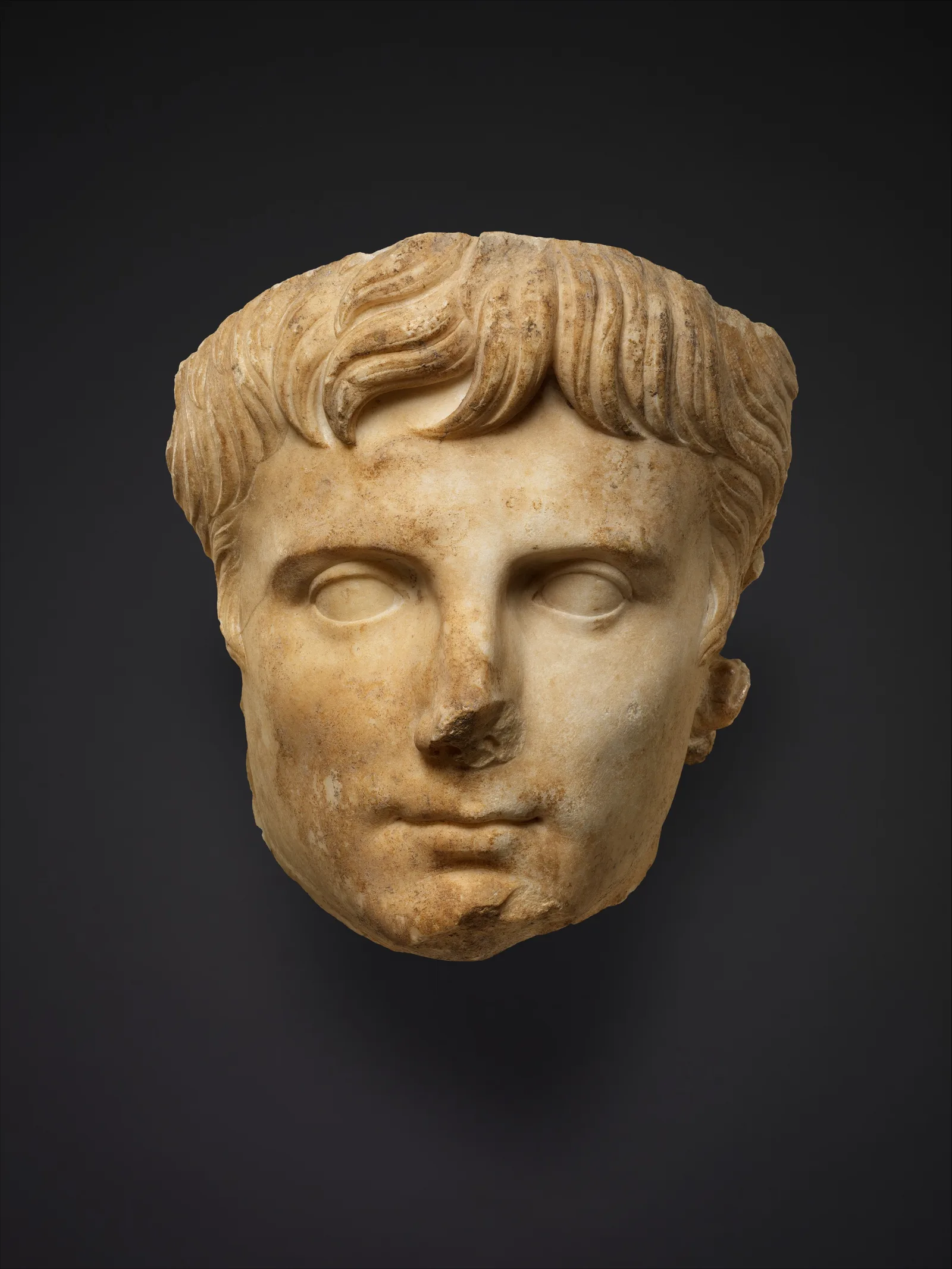
The faceless bust is a head or shoulders without a worked-out face, a smooth, streamlined form. Sometimes the features are barely sketched, sometimes there is no face at all. This is the most modern, most abstract image of the trend. It points to no particular statue, it quotes the very idea of the bust as a form.
Facelessness works like a mirror. Onto a face without features each person projects their own, and the image stays universal and calm. Such a pendant is easy to wear every day: it shouts nothing about mythology and nothing about a particular hero, it is simply a beautiful sculptural form. The faceless bust is the favourite of minimalists.
Facelessness has an artistic lineage as well. Sculptors of the last century deliberately stripped away facial features so the viewer would see the pure form of the head rather than a specific person. A smooth egg in place of a face forces the eye to read volume, tilt, the line of the neck. The faceless jewellery bust inherits that device directly: it translates the portrait into pure plastic form and so suits anyone, with no tie to gender, era, or story.
The Fragment: Hand and Torso
A fragment is a single part of a statue presented as an object in its own right: a hand, a foot, a torso without head or limbs. The idea came straight from the museum, where antiquity is kept in pieces. The designer takes that break and makes it a deliberate device.
A hand reads as a gesture, as a touch, as human warmth cast in metal. A torso reads as pure physicality without face or personality, form for the sake of form. The fragment is the boldest of the images: it asks the wearer to understand that a shard can be a finished work. This is jewellery for those who love art, not souvenirs.
There is a philosophical turn here too. Antiquity taught us to see beauty in the incomplete. The armless Venus, the headless Nike, a torso without limbs seem finished precisely because the imagination completes the rest. Psychologists noticed long ago that the unfinished pulls attention more strongly than the complete. The fragment as jewellery plays on exactly that: it leaves room for the viewer's eye, and so it holds attention longer than a smooth, whole figurine.
Customer reviews
Zevira is a real jewellery shop. Genuine payments, deliveries and customer thank-yous.
🥰🥰🥰 gracias

Ok, ¡gracias! 🙂

The Meaning of the Sculptural Motif
A sculptural motif is rarely worn for luck or protection. It carries a different, subtler palette of meanings. Here they are by aspect.
The Ideal of Body and Beauty
The main meaning of a sculptural piece is a reference to the ideal. The Greeks worked out a canon: exact proportions in which the body looks perfect. That canon outlived two and a half thousand years and still serves as a point of reference. To wear David or Venus is to keep that measure of beauty close, a reminder that perfect form exists and was described a very long time ago.
A Love of Art
A sculptural motif is a badge of a well-trained eye. The person who chooses a bust pendant usually goes to museums, leafs through art books, notices proportion. The piece becomes a quiet password: it is read by fellow lovers of art, while everyone else simply sees a beautiful thing. No boasting, only a shared frequency.
Eternity and Memory
Marble outlives the person carved from it. Antique statues are older than any state that stands on their land today. The sculptural motif carries that idea of durability: a form that does not age, because it was finished and perfected back in antiquity. For many it is a calm thought, that the beautiful remains when the rest passes.
Aestheticism and Taste
Part of the audience chooses sculpture precisely as a declaration of taste. It is jewellery without a loud stone and without shine, it holds on form and on cultural memory. That choice is itself a statement: I value restraint and line above radiance. Aestheticism here is not a reproach but the precise word.
The Body as Form
There is a cooler, more conceptual meaning too. An antique statue looks at the body as geometry: volume, curve, the balance of masses. A sculptural fragment, especially a faceless torso, translates the human body into pure form, without personality and without emotion. This is jewellery for those who care about the plastic form itself, the line of a shoulder and a hip, rather than the story of a particular deity.
Upload a photo of your pet, someone you love, or an object. We'll build a 3D model and hand-cast it in pewter.


Formats and Materials of the Sculptural Motif
The sculptural motif lives in several formats, and the material is half the work. It is the surface that separates an expensive reference to marble from a cheap souvenir.
The Bust Pendant
The most common format: a three-dimensional head or bust on a chain. David, Apollo, a faceless head, sometimes Venus as a torso. The pendant is usually small, two to four centimetres, so it reads as jewellery and not as a keychain. Volume matters: a flat stamping looks cheap, while a small, fully realised little sculpture looks costly.
The Profile Cameo
A classic format with two thousand years of history. The profile is carved or cast in relief, a light figure on a dark ground or the reverse. The cameo is the most traditional of the sculptural motifs, it trails the whole legacy of the Grand Tour and neoclassicism. Modern versions are made from stone, from metal, and from resin styled to look aged.
How Antique Sculpture Lives in Jewellery
Sculpture moves onto the body not by one route but by a whole family of formats, and each of them shrinks great art down to the size of a palm in its own way. A cameo is a raised relief: the figure rises above the ground like a tiny bas-relief you can run a finger over. Its ancient sister the intaglio works the other way: the profile is cut into the stone, and it reads best as an impression in wax or clay. The intaglio was exactly what went into signet rings, and a detailed breakdown of the difference between the two carvings sits in the piece on the cameo and the intaglio as a carved gem.
Relief is the same logic on a larger scale: the figures stand out from a flat plate without leaving it. Jewelry relief turns a pendant into a piece of an antique frieze, as if chipped from a temple wall. The medallion goes a step further: a round metal plate with a profile, the direct heir of antique and Renaissance commemorative coins. The profile of a god or a hero inside the circle of a medal feels like a seal of eternity, and for good reason medals were awarded for merit for centuries. A laurel wreath around such a profile translates the image into the language of triumph, and its symbolism is covered separately in the article on the laurel wreath in jewelry.
The three-dimensional bust pendant and the fragment pendant close this family from the other side: they are not relief but a full small statue in three dimensions. From the flat intaglio to the three-dimensional head of David runs a single line, and the whole of it is about one thing: how to keep perfect form close, so it is with you every day.
The Fragment Pendant
A hand, a torso, a foot as a separate object. This format is the most conceptual, it rests on the idea of the shard. It works well in matte metal that imitates a break in marble. The fragment likes a clean long chain and solo wear, with no neighbours.
The Plaster Effect and Matte Silver
The main device of the modern sculptural direction is a surface that mimics plaster and marble. Silver is not polished to a mirror but left matte, sometimes slightly rough, to recall the chalky white of a cast. That texture reads instantly as a sculptor's studio rather than a jewelry counter. Silver 925 is ideal for the effect: it is strong enough for daily wear and holds a matte finish well.
Gold and Gold Plating
A gold sculptural motif sounds different: warmer, closer to antique bronze and to old medals. Polished gold gives a sheen, matte gold points to the patina of ancient statuettes. Gold plating over silver is a common compromise: the warm colour of antique bronze at a reasonable price.
Modern Textures
Besides the precious metals, the sculptural motif is made from steel with a matte coating, from resin cast to look like veined marble, from ceramic with a chalky surface. The meaning is the same everywhere: the texture should hint at the material of a statue, at plaster, marble, or bronze. Shiny plastic kills the idea instantly.
Marble Versus Bronze
Antiquity worked in two main materials, and the argument between them stretches back thousands of years. Bronze was the master's material: it was cast from a wax model, it allowed thin, extended, almost flying poses, because metal holds weight where marble would crack. The Discobolus, the athlete drawn back with his discus, stood in bronze on a single point of support, and it looked like a living miracle. The trouble is that bronze is easy to melt down, and almost all the Greek originals went to scrap over two thousand years of war and need.
Marble was the material of durability and cold sheen. It does not melt in a furnace, it is not recast into coins, and so it is the marble pieces that reached us in number. But marble is brittle and heavy: so an outstretched arm would not snap under its own weight, the sculptor propped it with a tree trunk or a fold of cloth. Those supports, absurd at first glance, are the mark of a marble copy made from a lost bronze.
For jewellery, that difference sets two moods. Matte silver and white resin read as marble: cool, detached, museum beauty. Warm matte gold and an aged bronze patina read as bronze: living, warm, bodily. In choosing the metal of a sculptural pendant, a person unknowingly chooses between the two temperaments of antique art.
Sculpture in Art and the History of the Body Ideal
The sculptural motif in jewellery is the latest chapter of a very long story about how humans measured the beauty of their own bodies. It is worth knowing the backstory to understand what hangs on the chain.
The Greeks were the first to decide that beauty could be counted. The sculptor Polykleitos wrote a treatise called the Canon and cast a statue of a spear-bearer, the Doryphoros, as a living illustration of his proportions. The head fits into the height a set number of times, the shoulders relate to the waist in a fixed ratio, the weight of the body rests on one leg so that the figure looks alive and calm at the same time. That device, shifting weight onto one leg with a slight bend of the body, is called contrapposto, and it is exactly what separates a living antique statue from a wooden idol.
The Romans inherited the Greek ideal and multiplied it. They copied Greek statues by the hundreds, and a large part of what we know today about Greek sculpture reached us precisely through Roman marble copies of lost bronze originals. Venus, Apollo, the Discobolus: many famous images exist for us only as Roman repeats.
The Renaissance dug those statues literally out of the ground and turned them into a textbook. Artists measured antique torsos with a compass, argued over proportion, worked out the ideal human. Michelangelo with his David summed it all up: he took the Greek canon and added tension, psychology, the instant before action. After him the body ideal wore a Florentine face for five centuries.
Since then the ideal has been drawn closer to antiquity and pulled away from it, but the marble measure never went anywhere. When a designer today casts the head of David in silver, he closes a circle two and a half thousand years long. The body ideal has become wearable again, just as it once was on the signet ring of a Roman.
Antiquity as the Artist's Eternal Textbook
No era of European art got by without a glance back at antique sculpture. The Renaissance dug up statues and copied them with a compass. The Baroque took drama and movement from Hellenism. Neoclassicism returned to the purity of the line. For centuries academies sat their students down to draw from plaster casts of antique heads before allowing them near a living model: the eye, it was believed, had first to be tuned to ideal form. Those chalky casts in the studios are the direct ancestor of the matte, plaster texture of the modern sculptural pendant. When a designer leaves silver chalky, he quotes both marble and the centuries-old tradition of the teaching studio.
Michelangelo and the Argument With the Ancients
Michelangelo treated antiquity as a conversation partner, not an idol. He studied the freshly excavated Laocoon down to the last muscle, took tension and pain from Hellenism, but added what the Greeks had almost lacked: inner thought. His David is calm on the outside and gathered within, like a person a second before a decision. That is the Florentine contribution to the body ideal: beauty stopped being smooth and became thinking. A modern pendant with the profile of David carries exactly that duality, perfect form with character, and so reads as more alive than a faceless cast. The line of gods that Michelangelo argued with and carried on is easy to follow through the piece about the Olympian gods and the Greek pantheon.





Famous Statues That Became Jewellery
The sculptural trend has both images and specific famous marbles that move onto the chain more often than the rest. Each has its own biography and its own character.
Michelangelo's David in Florence
The original stands in the Galleria dell'Accademia in Florence, where it was moved from the Piazza della Signoria in 1873 to save it from the weather. A copy now stands in the square. It was the Florentine original that gave rise to a wave of miniature bronze Davids in the 19th century, and through them the modern jewellery versions. The profile with heavy eyelids and a wave of curls is the most reproduced male image in the sculptural trend.
The Venus de Milo in the Louvre
The armless goddess is kept in one of the largest museums in the world and receives millions of visitors a year. Her silhouette is so recognisable that it works as an icon: the soft curve of the waist and the break where the arms were are enough, and the image reads. In jewellery, Venus is given as a torso precisely because her face is calm and almost impersonal, while the body is her signature.
The Apollo Belvedere in the Vatican
The statue of the god of light stands in the Vatican Museums, in the Belvedere courtyard, from which it took its name. For centuries it was the summit of taste, and artists came from all over Europe to study it. Apollo gives the most aristocratic of the sculptural profiles: a laurel wreath, a straight nose, detached calm. He is chosen by those for whom the idea of harmony and art is closer than raw strength.
Antique Gems in Museum Collections
A separate chapter is the tiny carved stones that today lie under glass in the largest museums. Many are smaller than a fingernail, yet they hold a profile no less fine than a large statue. These gems are the direct ancestors of sculptural jewellery: two thousand years ago they did exactly what the modern bust pendant does, they carried perfect form onto the body.
The Discobolus: Caught Motion
The Discobolus is a statue of a discus thrower frozen an instant before the throw. The sculptor Myron caught the least stable point of the entire motion: the body twisted into a spiral, the arm with the discus drawn back to the limit, the weight shifted so that the figure is about to spring straight like a coil. The Greeks showed for the first time not rest but action, stopped at its peak. In jewellery the Discobolus appears less often than David, because it is harder to simplify, but the twisted torso of the athlete gives the most dynamic sculptural pendants: they carry a charge ready to break loose. The original was bronze and is lost, and it is known through Roman marble copies.
Laocoon and the Drama of Pain
The Laocoon is a marble group of three figures: a priest and his two sons, strangled by giant sea serpents. The faces are twisted with suffering, the muscles swollen with effort, the bodies arched in a deadly struggle. It is the summit of Hellenistic drama, the opposite of the calm David. The statue was dug up in Rome in 1506, and it shook Michelangelo and the whole Renaissance: artists saw for the first time how marble conveys pure agony. In jewellery the Laocoon is almost never quoted whole, the subject is too complex, but a tense hand or an arched torso in conceptual shard pendants inherits exactly its dramatic plastic form.
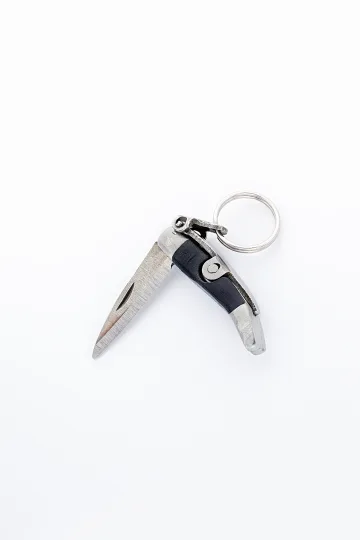
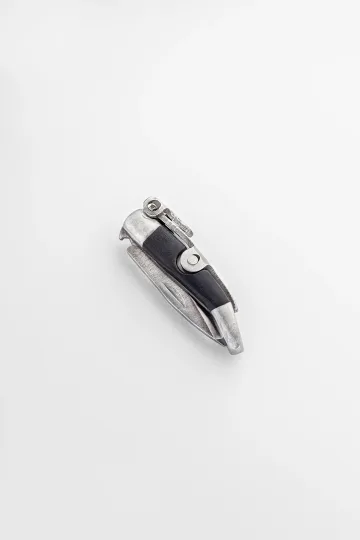
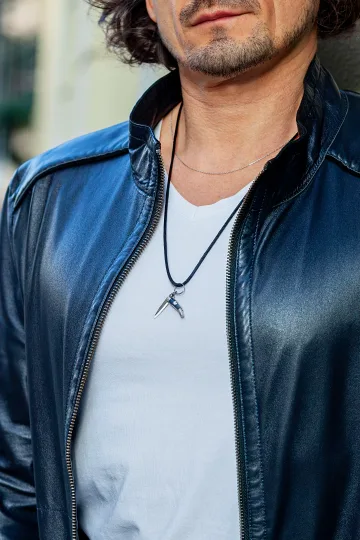
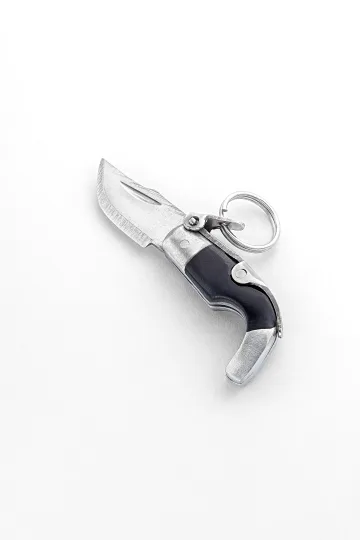
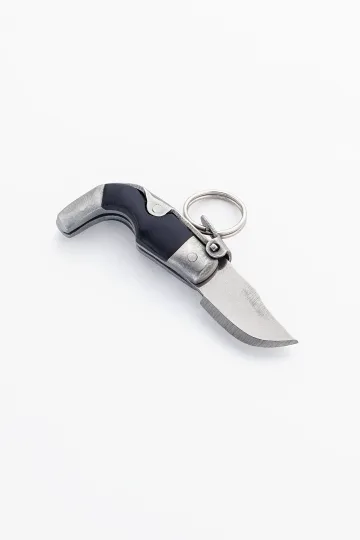
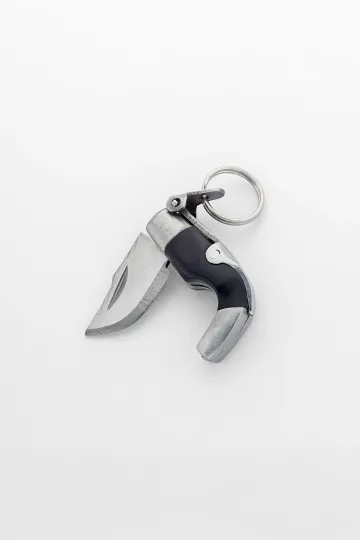
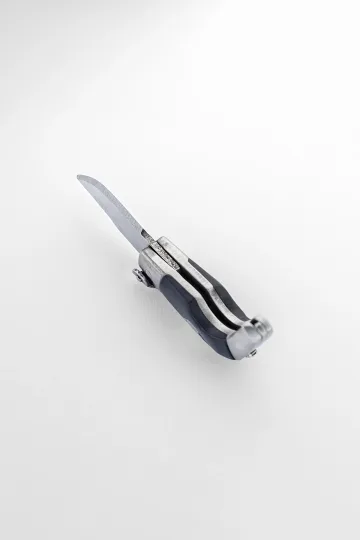
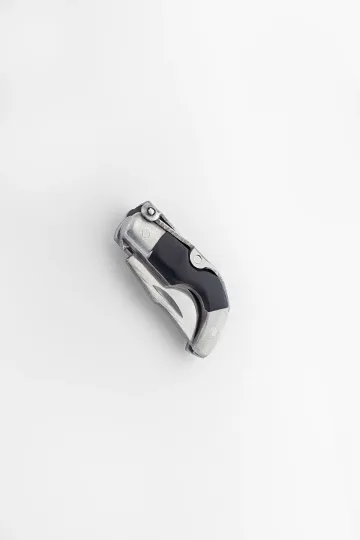
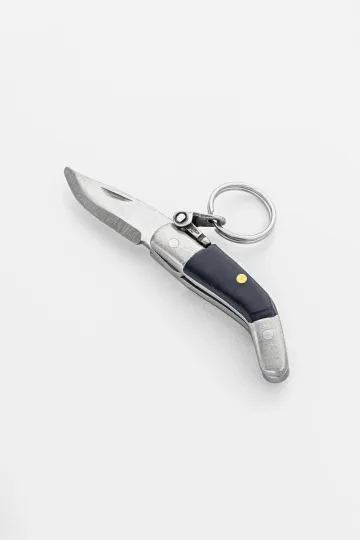
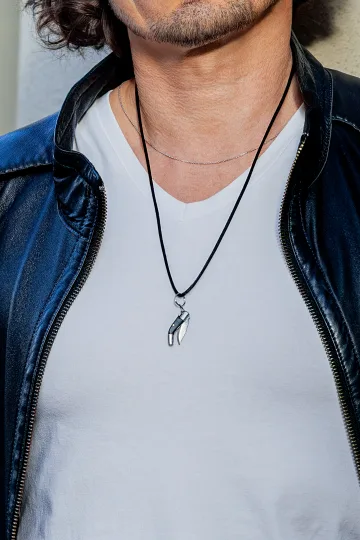
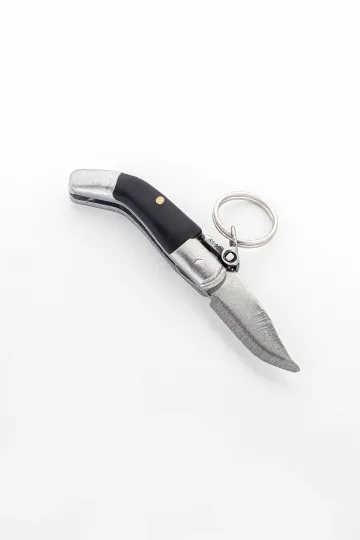
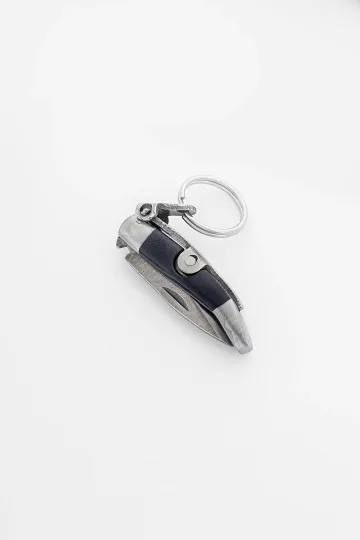
CAPAORA mini knife pendant
The 18th-century Spanish navaja in miniature: 40 mm of stainless steel, a real folding mechanism and a Palanquilla lock that clicks. An affordable gift to remember.
Authentic · Ships from Spain · 14-day returns
The Body Ideal Across Different Eras
The sculptural motif quotes the antique ideal, but that ideal itself changed from era to era. Understanding those shifts helps you see which kind of beauty a piece actually carries.
The Archaic Period and the Stiff Smile
The earliest Greek statues, the kouroi and korai, stand upright and motionless, like their Egyptian predecessors, with a faint mysterious smile on the lips. The body is still schematic, the pose constrained. It is an ideal of order and stillness, beauty as symmetry and calm. This early layer is almost never used in jewellery, it is too archaic, but it was where the road to the living figure began.
The Classical Period and the Birth of the Canon
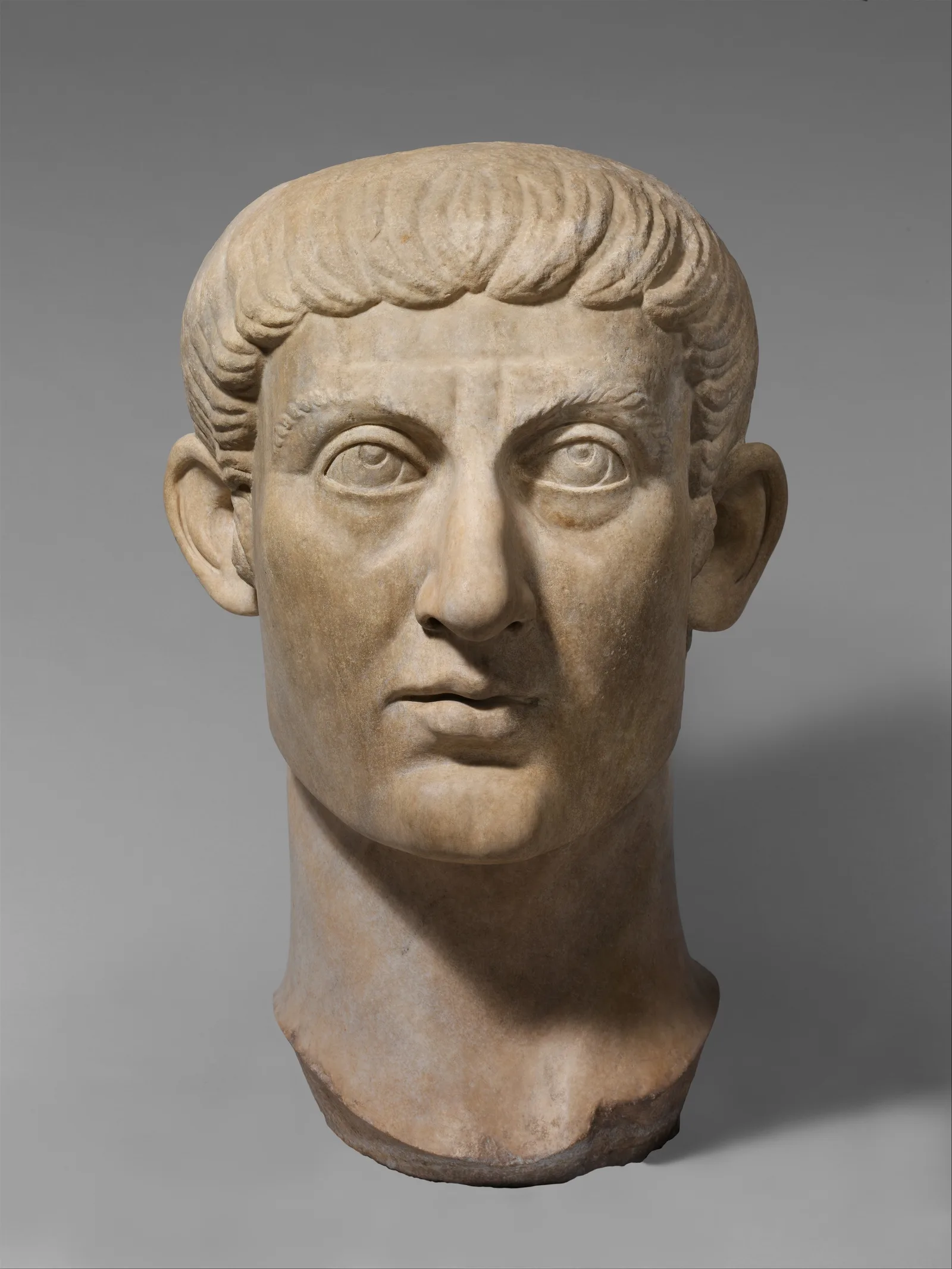
The High Classical period gave the world contrapposto and the Polykleitan canon: the body stopped standing at attention and began to breathe. Weight on one leg, a slight turn of the trunk, a calm face. This is the golden standard that artists always returned to afterward. Most sculptural motifs quote the Classical period: both Venus and Apollo come from this logic of balanced, living proportion.
Hellenism and the Drama of the Body
Late antiquity fell in love with movement and emotion: tense muscles, flowing garments, suffering and passion on the faces. The body became theatrical. This layer gives the most expressive fragments, twisted torsos and tense hands, which work well in conceptual shard jewellery.
Kouroi and the Strict Archaic in More Detail
The kouroi are early Greek statues of nude youths, and the korai are their female sisters in clothing. They stand the same way: one leg slightly forward, arms pressed to the sides, fists clenched, that same mysterious archaic smile on the lips. The pose is inherited directly from Egyptian models, but the Greeks had already begun to free the figure from the stone, to give it living volume. These statues were not portraits but images of the ideal youth: they were set on graves and in sanctuaries as a frozen sign of youth and order. Jewellery almost never quotes the Archaic, it is too constrained for the modern eye, but it was from that motionless smile that the two-thousand-year road to the living figure began, and through it to the pendant on a chain.
Contrapposto: The Secret of the Living Statue
Contrapposto is the shift of body weight onto one leg, which makes the hips and shoulders diverge slightly, the trunk curve softly, and the stone figure suddenly seem to breathe. The Greeks of the Classical period discovered the device around the fifth century BCE, and it overturned sculpture: the statue stopped standing at attention and began to stand like a human. Polykleitos described the proportions in a treatise, and two thousand years later Michelangelo brought the contrapposto of David to perfection, adding a barely visible turn of the head and tension in the lowered hand. When you look at a good sculptural pendant and feel that the little figure is alive rather than a tin soldier, that is contrapposto at work, hidden in the curve of the metal.
Roman Copies: Why We Know the Greeks Through Rome
Almost everything we call Greek sculpture reached us through the hands of Roman copyists. Rome fell in love with Greek art, bought up the originals, and when those ran short, opened a whole industry of copying: marble repeats were made in series for villas, gardens, and forums. The Greek bronze originals were melted over the centuries into weapons and coin, while the Roman marble survived. That is why the Discobolus, the Apollo Belvedere, many a Venus exist for us as Roman marble repeats of vanished bronzes, sometimes with those very tree-trunk supports that the bronze never had. The paradox is that the fashion for the sculptural motif feeds on copies of copies: a modern pendant quotes Roman marble, which itself quoted Greek bronze. The aesthetic of the ideal survived three translations and lost none of its power.
The Renaissance and Psychology
Michelangelo added to the antique body what the Greeks had almost lacked: inner tension, thought, the instant before a decision. His David is calm on the outside and clenched within. It is the ideal of a thinking body, not smooth beauty for its own sake. A modern pendant with David carries exactly that duality: perfect form with character.
Neoclassicism and Cold Perfection
Neoclassicism swung the pendulum back, toward purity and restraint, sometimes to the point of coldness. A smooth surface, a perfect line, minimal emotion. This ideal is closest to the modern faceless bust: beauty as pure form, freed of drama. Matte silver and a smooth silhouette are the direct heirs of neoclassical taste.
Leave your email, we'll send your discount code. No spam, unsubscribe anytime.
The code arrives by email, valid on your first order.
The Psychology of the Sculptural Choice
Why does a person choose a statue for the body rather than a stone with a legend or a symbol of luck? That choice has an understandable psychological lining.
A pull toward order. Antique proportion is visual order, measured and calm. The eye rests on a correct form. In a world overloaded with garish images, a sculptural motif works as a sip of quiet, as pure geometry amid noise.
Belonging to a cultural circle. In choosing David or Venus, a person quietly counts themselves among those who understand art. It is not for show but internal: a confirmation of one's own identity as a person with a trained eye. Psychologists call such objects identity anchors, they reinforce the sense of who you are.
Safe beauty with no obligations. A sculptural motif demands no faith, as an amulet does, and binds you to no zodiac sign or religion. It is aesthetics in pure form, beautiful and committing you to nothing. For many it is the perfect compromise: deep cultural meaning without an esoteric load.
The calm of the eternal. Marble outlived empires. To wear a form two and a half thousand years old is, on an everyday level, to touch the idea of durability. That quietly reassures: there are things that remain when fashion and worry pass.
Why a Statue Soothes More Than a Stone
An amulet and a sculptural pendant put a different load on the mind. An amulet demands faith and keeps a person in slight tension: it must not be lost, not handed to a stranger, sometimes recharged with meaning. A statue demands nothing. It promises no luck and threatens no misfortune if you take it off. It is beauty without conditions, and so it is calmer to wear. The eye rests on a measured proportion just as it rests on a level horizon or a symmetrical face: the brain loves order and reads it as safety. A sculptural motif gives exactly that quiet support, cultural and aesthetic, with no esoteric debt.
Identity Through Form, Not Through a Symbol
When a person chooses a zodiac sign or a religious amulet for the body, they declare membership of a group. A sculptural motif works more subtly: it declares a type of taste. It is not a flag but a frequency. David or a faceless bust do not split the world into us and them by faith, they quietly mark a person who looks at art and values restraint. Psychologists call such things soft markers of identity: they do not shout, but they reinforce the inner sense of who you are. For many it is the most comfortable way to speak about oneself through jewellery, without a loud statement and without obligations.
How to Choose a Sculptural Pendant
A sculptural motif is easy to ruin with cheap execution, so it is worth keeping a few things in mind when choosing.
Volume Matters More Than Size
A flat stamped plate with a profile looks cheap regardless of the metal. Look for volume: a real small sculpture with worked-out facets, shadows, relief. A good bust pendant is micro-sculpture, not a cut-out silhouette. Volume is what separates a jewellery piece from a souvenir token.
A Surface That Matches the Statue's Material
The main mark of a quality sculptural motif is texture. Matte, slightly chalky silver hints at plaster and marble, warm matte gold at antique bronze. A mirror shine, and a glossy plastic all the more, instantly turns a reference to art into a trinket. The surface here is half the meaning.
Recognizability of the Image
A good sculptural pendant is recognised without a caption. If the profile blurs into a faceless blank where David was intended, the image does not work. Either choose a clear, recognisable statue, or deliberately choose a faceless bust, where the absence of features is the point. The blurred middle is the worst option.
Proportion to the Body
A large bust calls for an open neck and height, a small fragment works on any figure. For a slight build, choose two or three centimetres, for a larger figure you can go up to four. The sculpture should sit as an accent, not as a weight that drags the chain down.
Caring for a Sculptural Piece
A sculptural motif is often made matte, and a matte surface is cared for differently than a polished one.
Matte silver. It does not need to be polished to a shine, on the contrary, aggressive cleaning will kill the texture. It is enough to wipe it gently with a dry or slightly damp cloth without abrasive. A special silver cloth helps with tarnish, but without pressure, so the matte finish is not smoothed away. Store it separately, in a pouch, so it is not scratched.
Gold and gold plating. Polished gold is washed in mild water with a drop of soap and dried with a cloth. Gold plating is protected from friction and harsh chemistry: the layer is thin and easy to rub off. Take it off before the shower, the pool, and sport.
Cameo and carved stone. They fear knocks and sharp changes of temperature. Store them separately from hard metal things, clean with a soft brush and a weak soapy solution, do not soak for long. Shell cameos are especially fragile.
Resin and ceramic in marble style. The least demanding, but they fear scratches and strong chemistry. Wipe with a damp cloth, do not rub with abrasive, so the chalky veined surface is not damaged.
The Sculptural Motif Versus the Cameo and the Portrait
A sculptural motif is easy to confuse with two neighbours: the classic cameo and the portrait piece. The difference is in what exactly is shown and why.
A cameo is a technique: relief carving in layered stone or shell, a light figure on a dark ground. A cameo almost always carries a profile, and that profile is often antique. So a cameo can be a sculptural motif, but it does not have to be: there are cameos with flowers, ships, everyday scenes. A sculptural motif is broader in form (a three-dimensional bust, a fragment, a torso) but narrower in theme: it is always about a statue. If you are interested in the carving itself and its kinds, it is all laid out in the breakdown of the cameo and the intaglio.
A portrait piece is the image of a particular person: a beloved, a monarch, a relative. It is worn for personal memory and connection. A sculptural motif is the opposite, impersonal: even David is not a portrait of a man named David but an image of the ideal. The wearer quotes not a personality but a form and an aesthetic. The cameo is about technique, the portrait about memory, the sculpture about the ideal. Three different conversations, though on the counter they often lie side by side.
Send a friend a discount code, they save on their first order.
Facts That Surprise
The sculptural motif trails a whole heap of unexpected stories. Here are a few that change the way you look at a harmless bust pendant.
David has crossed eyes, and it was done on purpose. Walk around the statue and you see that the gaze of the left and right eye points slightly differently. Michelangelo allowed for the figure being viewed from below and to the side, and adjusted the eyes so that from the ground the profile would look perfect. The ideal was calculated for the viewer.
Antique statues were as bright as toys. White marble is a trick of time. The Greeks and Romans painted their statues: skin tones, red or black hair, coloured garments, sometimes glass eyes. The paint flaked off over the centuries, and the Renaissance took the bare white marble for the original intent. Our image of noble whiteness is a mistake that came to be loved.
Venus lost her arms before she became famous. The statue was found in 1820 already without arms, and the argument over what she held has not died down to this day. The versions: an apple, a mirror, cloth, a spear. The armlessness that became her hallmark is not the sculptor's intent but the accident of the find.
A profile on a ring was antiquity's digital signature. A carved gem in a ring served as a seal. An impression in wax confirmed that a letter came from this particular person. Faking the fine carving was nearly impossible, so the profile of a god on a finger worked as a secure signature two thousand years ago.
The Apollo Belvedere was the summit for centuries, then demoted. For the theorists of neoclassicism it was the absolute peak of art. Later it turned out to be a Roman marble copy of a lost bronze, and the rapture cooled. The standard turned out to be a copy of a copy, but its beauty lost nothing.
The bust was originally a way to cheat death. The Romans made wax and marble busts of their ancestors and kept them at home, in special cabinets. At funerals they carried them out, as if the dead ancestors were walking in the procession. The bust was not interior decoration but a form of the family's immortality.
A small copy of David was carried in a pocket long before keychains. Already in the 19th century miniature bronze Davids were cast for writing desks and studies. Wealthy travellers brought them home from Florence. The road from the square to jewellery size took only a couple of generations.
The Laocoon was dug up in Michelangelo's day, and he dropped everything to see it. In January 1506, in a Roman vineyard, a marble group with serpents was stumbled upon. The rumour spread within hours, and Michelangelo rushed to the dig as one of the first. That statue set the Hellenistic drama of all his later work. The great art of the Renaissance was literally dug out of the ground before the master's eyes.
The Discobolus has not a single stable point. Repeat the thrower's pose in real life and a person topples at once: the body is twisted into a position that holds for fractions of a second. Myron caught the very point impossible to rest in, and that is the trick of its liveliness. Bronze allowed such a desperate pose, marble required a support, and the Roman copies give themselves away by the trunk under the athlete's arm.
Plaster casts of antique heads were the main teaching aid for centuries. Every art academy held cabinets of chalky copies of Apollo, Venus, antique busts. A student drew these white heads for years before being trusted with a living model. The chalky texture of a modern sculptural pendant is a direct greeting to that teaching whiteness.
Buying it as a gift? Each one arrives ready to give.
 A branded Zevira box and a little card come with every order.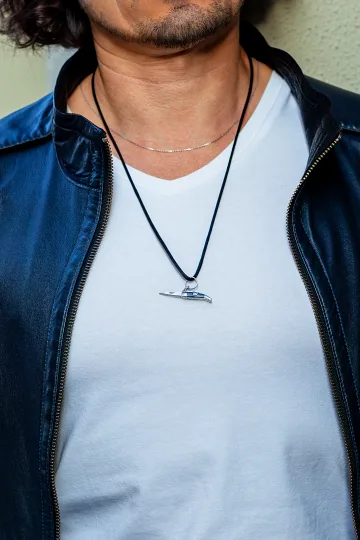




Frequently Asked Questions
What does a pendant with the head of David mean?
A David pendant is a reference to the ideal of male beauty and to Michelangelo's craftsmanship, not a religious sign. The wearer quotes the form and the aesthetic of the Renaissance, a love for the classical and for Italy. The biblical meaning of the victory over Goliath usually does not read here, the pure sculptural beauty is what works.
Is Venus without arms intentional?
No. The Venus de Milo was found on the island of Milos in 1820 already without arms, lost somewhere in her long history. The armless silhouette became her hallmark by accident. In jewellery this break is played up deliberately: a fragment is more honest and more expressive than a whole figure.
Does the sculptural motif suit men?
Yes, and it even leans toward a masculine look through David and Apollo. Matte silver, clean form, the absence of shine and stones make such a pendant restrained and calm. The faceless bust and the torso fragment are universal. Venus is closer to a feminine look, but there are no strict rules.
What is the best material for a sculptural pendant?
For the marble and plaster effect, matte silver 925 is best: strong, holds the texture, does not look cheap. Gold and gold plating give the warm tone of antique bronze. The main rule: the surface should hint at the material of a statue, and shiny plastic kills the idea.
How does the sculptural motif differ from the cameo?
A cameo is a technique of relief carving in stone or shell, usually with a profile. A sculptural motif is broader in form (a three-dimensional bust, a torso, a hand fragment), but it is always about a statue. A cameo can be a sculptural motif, or it can show flowers or a scene. They are overlapping but not identical ideas.
How do you wear a bust pendant so it does not look like a souvenir?
Give the form air. One sculptural pendant on a clean chain, a plain top, an open neck, no neighbouring pendants. Choose a three-dimensional piece with a matte surface rather than a flat shiny stamping. A restrained clothing palette finishes the look of a person with a trained eye, not a tourist.
Can you wear a sculptural motif every day?
Yes. The faceless bust and a small fragment are made for everyday wear: they shout nothing about mythology and need no occasion. Matte silver stands up to wear. For a daily option, choose a smaller pendant, two or three centimetres, and a medium-length chain.
Is it a suitable gift?
Very much so. A sculptural motif is ideal for a person who loves art, goes to exhibitions, or has been to Italy. It is a gift about taste and a shared cultural frequency, without a religious or esoteric load. A safe bet for someone who values form above shine.
Which is better for a sculptural pendant: a marble effect or bronze?
It is a question of mood, not quality. Matte silver and white resin read as marble: cool, museum-like, detached beauty. Warm matte gold and an aged patina read as bronze: living, bodily, warm. For strict minimalism choose marble, for a cozy artistic look bronze is closer. Both options are true to the idea, as long as the surface does not shine like a mirror.
Why are antique statues white if they were painted?
The Greeks and Romans coated statues in paint: skin, hair, garments, sometimes glass eyes. Over the centuries the pigment flaked away, and by the Renaissance only the bare white marble had survived, which was taken for the original intent. So the image of noble whiteness was born. A modern pendant most often quotes exactly that white, chalky texture, though historically it is a mistake of time and not the sculptor's choice.
Conclusion
The sculptural motif returns to the body what jewellery once began as: a small copy of great art. The Greeks worked out the body ideal, the Romans multiplied it, the Renaissance gave it the face of David, the Grand Tour carried cameos across Europe, and modern craftsmen cropped all of it down to a clean fragment in matte silver. David, Venus, Apollo, the faceless bust, a single hand: these are branches of one tree two and a half thousand years old.
To wear sculpture is to choose form above shine and memory above fashion. It is jewellery for those who know where the very idea of beauty came from, and for whom it is enough to carry it quietly. The ideal that was invented in marble fits again on a chain at the collarbone.
Silver, gold, symbolism, sculptural motifs, and pendants with a history.
Wear the symbol, don't just read about it. These are in stock:

About Zevira
Zevira makes jewellery in which the form speaks for itself. The sculptural motif is about taste and cultural memory, without loud shine and without esotericism. We love things with a history: a stone that means something, a profile with two thousand years behind it, a silhouette recognised without a caption. The catalogue brings together silver 925, gold, symbolism, and pendants that hold on pure form.