Cimaruta: the Neapolitan witch's charm shaped like a sprig of rue
The cimaruta is a silver sprig of rue hung with tiny symbols: a crescent moon, a key, a serpent, a rooster, a hand, a flower. A Neapolitan charm with a double job, it guarded children against the evil eye and at the same time served as a secret badge of the old faith, the one ruled by the lunar goddess Diana.
The name reads as "chee-mah-ROO-tah" and in the Neapolitan dialect it literally means "top of the rue," cima di ruta. Rue is an ordinary garden herb with grey-green leaves and a sharp smell. Across the ancient Mediterranean it counted as a plant that drove evil away. The silversmiths of Naples turned a branch of this herb into a silver pendant and hung a whole set of protective signs on it.
If the cornicello is a single blade against the evil eye, the cimaruta is a ring of keys to an entire world of folk magic. One small pendant holds an ancient goddess, the witch tradition of southern Italy, Christian symbols, and the faith of a peasant woman that silver would keep harm away from her child's cradle.
Why a sprig of rue
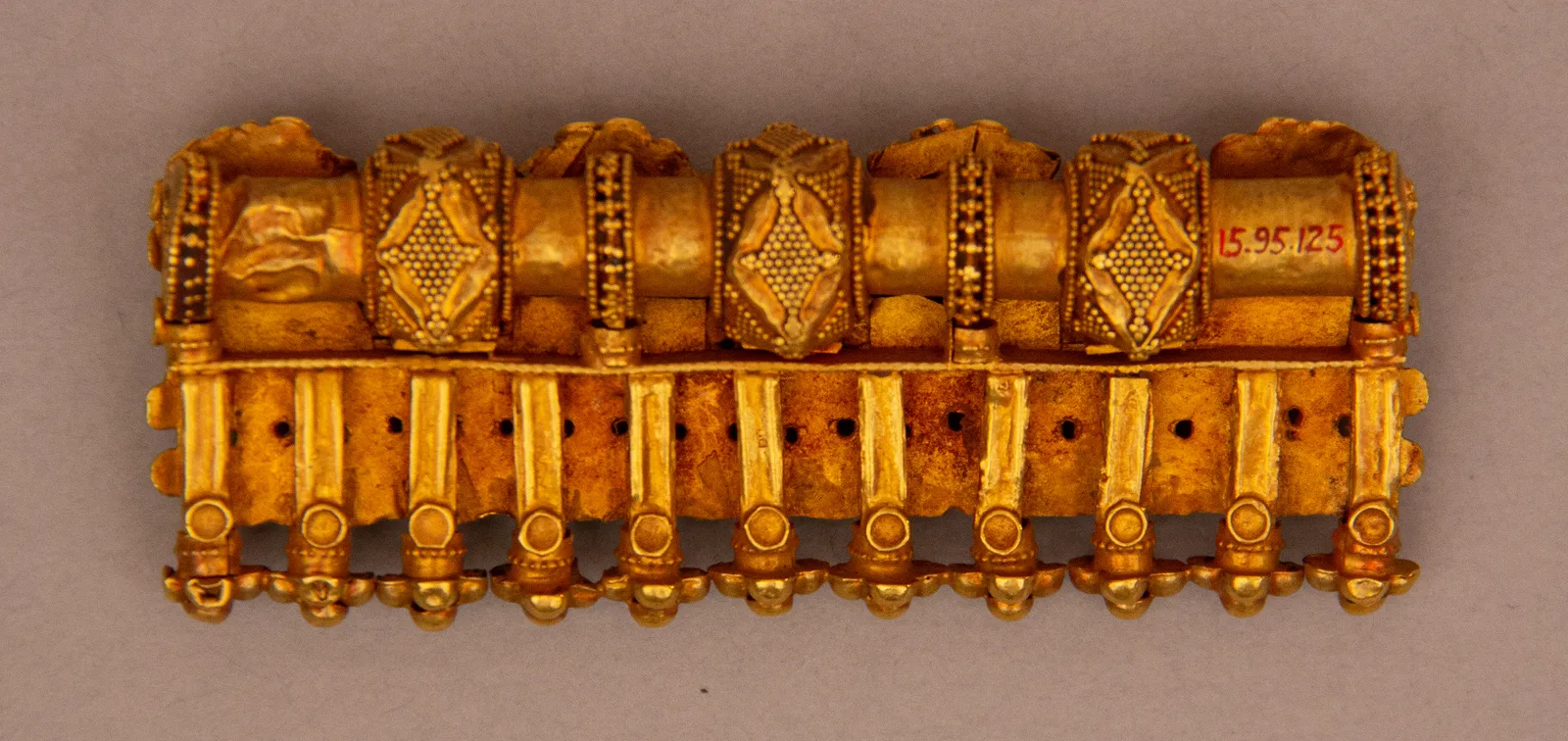
Rue is no random plant. In antiquity people planted it by the house, added it to remedies, hung bunches of it above the door. It was said to sharpen eyesight, clean the air, and frighten off witches. Ancient physicians prescribed it for almost everything, and ordinary folk believed the herb's bitter juice "burned out" the evil eye.
There is a paradox here too. Rue guarded against witches and was at the same time a witch's own herb. In the Neapolitan tradition a sorceress carried rue in her kit alongside her healing plants. To wear a cimaruta meant playing both sides at once: protecting yourself from another's spell, and showing that you were no defenceless target either.
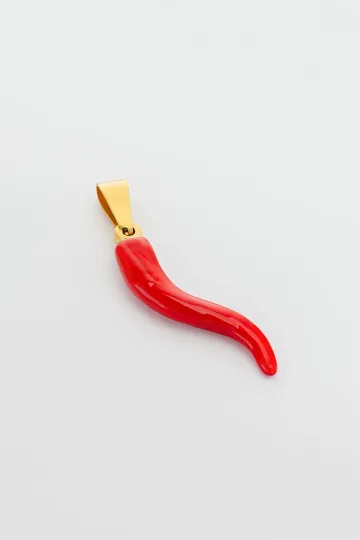
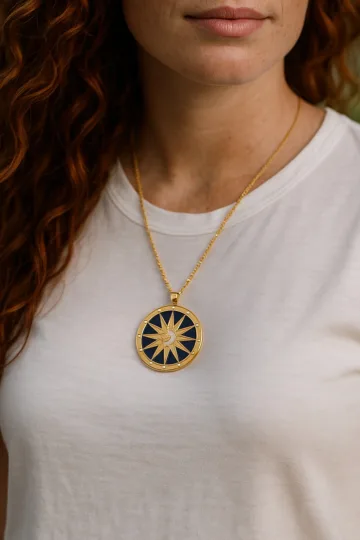
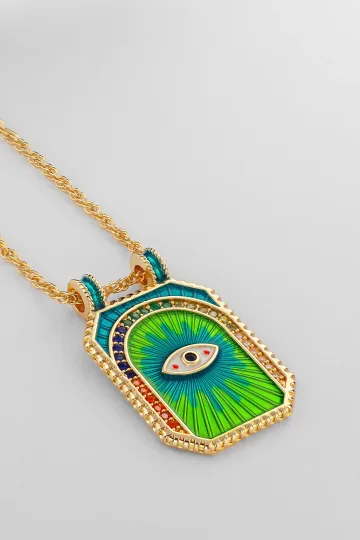
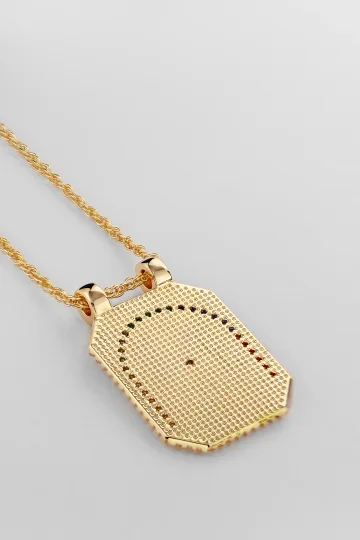
Wear the symbol, don't just read about it. These are in stock:


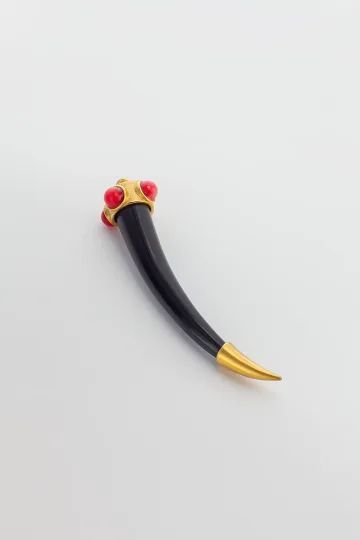

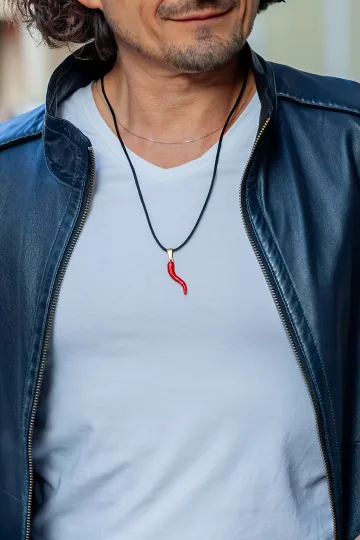
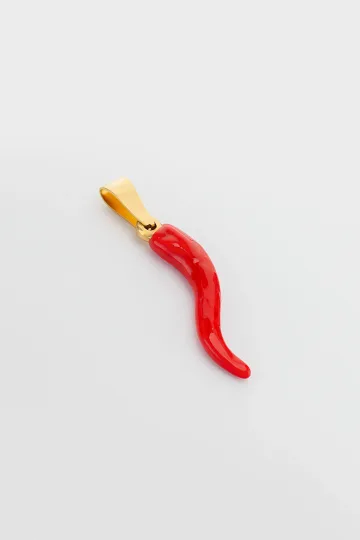


The silversmiths took the shape of a branch that splits in nature into two and three, and crowned each shoot with a symbol. The result was a charm you could assemble. In the sections below we take it apart piece by piece: what it is built from, where each sign came from, why it is silver, how people wore it, and how it differs from its neighbour on the shelf, the cornicello.
The folk magic of southern Italy was never a single system with a textbook and a set of rules. It gathered over centuries from Roman beliefs, Greek cults, Christian imagery, and village superstition. The cimaruta is that whole stew made solid, pressed into a pendant the size of a finger joint. That is exactly why the signs differ from one piece to the next: every workshop and every family added its own.
What the cimaruta is
Definition and name
The cimaruta is an amulet in the shape of a silver rue sprig, with protective symbols hung from its shoots or carved into them. The word is built from two: cima (top, shoot) and ruta (rue). In literary Italian this would be cima di ruta, but the Neapolitan dialect fused both parts into a single word, cimaruta.
Outside Italy the charm is sometimes just called a "rue sprig" or a "Neapolitan amulet." In English-language folklore writing the spelling cimaruta stuck without translation. English speakers often meet it first as an object in a museum caption, and the odd, musical name tends to stay with them.
What a real cimaruta looks like
A classic piece is recognisable at a glance by several traits:
Branching. The base is a stem that splits into two or three main branches, and those divide again. Rue grows exactly like this in nature, in triple forks, and the maker repeats that pattern in metal. The number three is no accident here, more on that in the section about Diana.
Symbols at the tips. Each little branch ends in a small figure: a crescent, a hand, a key, a rooster, a serpent, a flower, a heart, a fish, a dagger. The count of figures runs from three to ten and more.
Silver. A real traditional cimaruta is made of silver, not gold or coral. This is a matter of principle and ties to lunar symbolism. The metal is nearly always white.
A flat silhouette. Unlike the three-dimensional horn of the cornicello, the cimaruta is usually flat, cast or cut like an openwork plate. It pins easily to cloth or hangs from a chain.
Size. Most often it is a pendant of three to six centimetres. Larger pieces existed for the home, and tiny ones for an infant.
The set of symbols on the sprig
The main feature of the cimaruta is that it is not one sign but a constellation of signs. The logic is simple: the more protective symbols you gather together, the thicker the armour. Each shoot answers to its own threat and its own patron deity.
Some symbols recur almost always: the crescent, the serpent, the flower or the key. Folklorists treat that trio as the core of the charm, tied to the lunar goddess. The rest were added to taste: by the maker, by the commissioning family, by local fashion. That is why you will hardly find two identical old cimarute. Below we take each symbol on its own, because a story stands behind every one.
There is an inner logic to the set as well. The symbols fall into celestial (the crescent, the rooster as herald of dawn), earthly (the rue flower, the grapevine, the fish), and underworld (Hecate's key, the serpent). Together they span all three levels of the cosmos as Mediterranean antiquity pictured it. The owner of a cimaruta carried a map of a whole universe, with a watchman posted on every floor. Hence the sense of completeness that a single charm lacks: the horn covers one direction, the rue sprig covers them all at once.
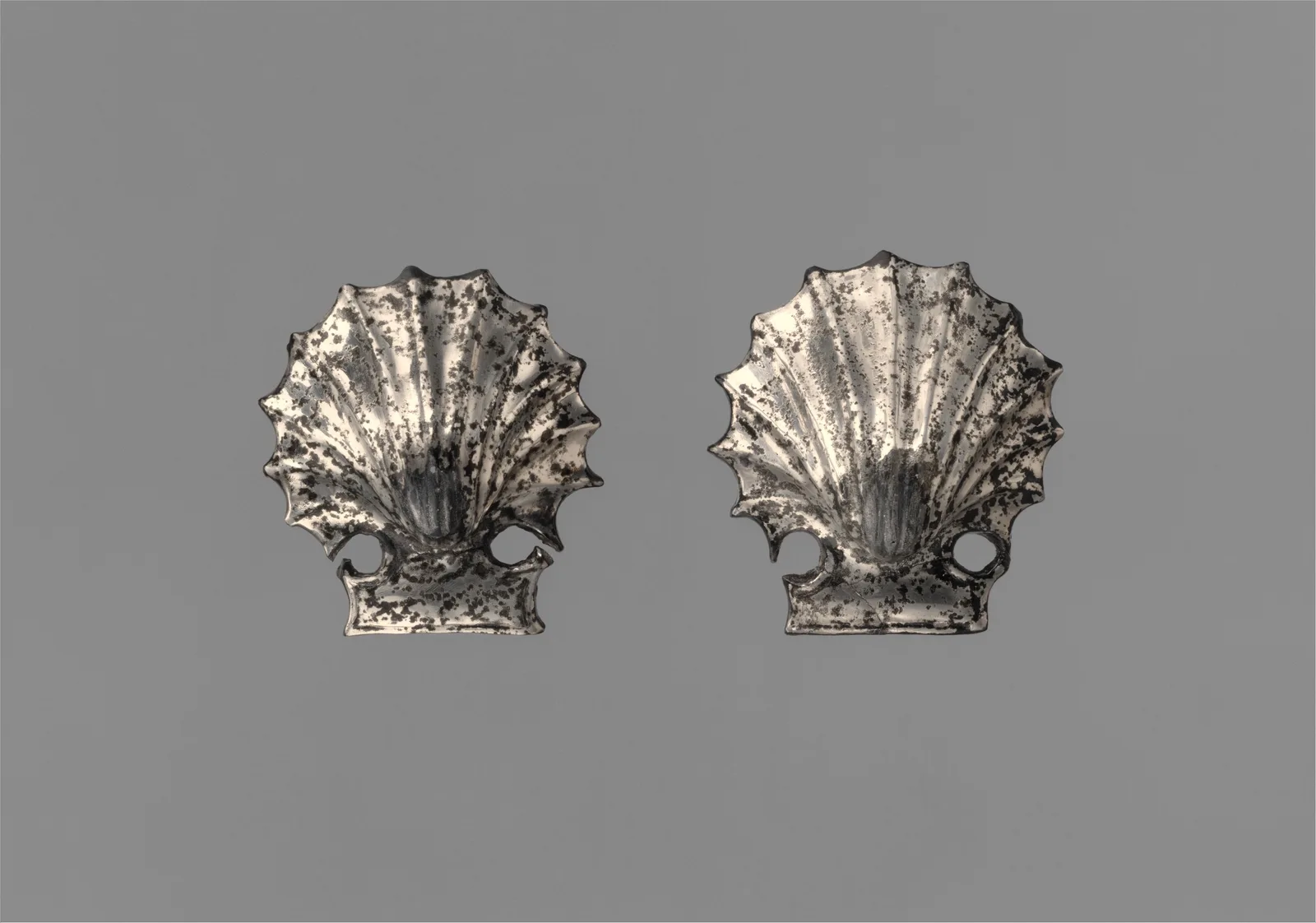
The cimaruta lives in oxidized silver. Polished to a mirror the sprig blurs into a shiny lump, while a dark patina in the forks draws out every little figure. Buffing it to a high shine here is almost vandalism.
What to wear a cimaruta with
We have covered the history and the symbols; now for the wearing. I have gathered here what actually works when you take a cimaruta off the shelf and put it on a living person.
Which silver should a cimaruta be? White silver only, and oxidised is better. The charm is dedicated to the Moon, warm gold breaks the tie and looks foreign on it. A branch polished to a mirror melts on the chest into a bright lump where you can make out neither key nor rooster. Blackened (oxidised) silver works differently: the dark patina settles into the forks and cut-outs, lifts the relief, and every figure reads on its own. For a warm skin tone I choose soft, slightly matte silver; for a cool one I recommend a deep blackness with strong contrast. If in doubt, take the oxidised: openwork always wins on it.
A small sprig or a large one with a cluster of figures? I look at the neck and the features. For a slender neck and fine features I advise a compact cimaruta with three or four signs: it reads as fine graphic work rather than a cluster. A broad neck and strong features call for a richer branch with seven figures; there is room for it to unfold. The one rule: the smaller the figures, the more the clear detail and the blackening matter, or a shapeless squiggle will hang on the chest instead of Hecate's key.
What to pair a cimaruta with and how to build the layers? When I put together a look for a client, I keep the sprig the lead and do not load it with rivals. The openwork is busy enough as it is; next to an equally busy piece it drowns. Good neighbours are smooth things in one metal: a thin silver chain, a lunula crescent, a coral cornicello on its own length for the solar-lunar pair. If you want layers, give the cimaruta its own chain length so the branch is not pinched between pendants. I advise keeping the metals in one cool tone: silver to silver, no warm inlays.
Which neckline and occasion suit a cimaruta? An openwork branch loves a smooth background, so it looks best under an open neckline and a plain top: skin and fabric act as a mount, and the symbols read. Under a closed collar I choose a shorter cimaruta so it lies over the neckline rather than hiding in the folds. For an everyday look I recommend matte silver with no extra shine, and for the evening and dark fabric, on the contrary, I advise contrasting blackening with a glint along the edges: in the light the figures flare up one by one.
Whom does a cimaruta suit? It suits almost everyone, because the graphic is strict and beyond gender. It sits especially well on those who love an object with a story and do not mind it being examined and asked about. For men I recommend a drier version, with a lunar minimum of crescent, serpent, and key, without hearts and cherubs. And one thing before you buy: unfold the branch and check that every symbol is recognisable at first glance. A cimaruta whose rooster cannot be told from its flower loses the whole point it was gathered for.

Turn on your camera, pick earrings, a pendant or a ring, and see the piece on yourself in real time.
Switch items in one tap.
Everything runs in your browser: no photo or video is ever uploaded.
The symbols of the cimaruta and their meanings
The crescent: the sign of Diana
The crescent is an almost obligatory element. It points to the Moon and to the goddess Diana, patron of the hunt, of wild beasts, and of women. In the Roman tradition Diana ruled the night sky, and her symbol was the sickle of the young moon. For a peasant woman of the south hanging a cimaruta over a cradle, the crescent meant night-time protection: when the sun was gone and the world turned vulnerable, the lunar goddess kept watch over the sleeping child.
The moon's shape echoes the horn. The same curved line that turns a hostile gaze aside works here too. Women of antiquity wore the lunula, a crescent pendant, for exactly this purpose. The cimaruta absorbed the lunula into itself as one of its shoots.
The serpent: wisdom and renewal
The serpent on the cimaruta is not a threat but an ally. Across Mediterranean culture the serpent long stood for wisdom, healing, and the power of renewal, since it sheds its old skin and seems reborn. A serpent coiled the staff of Asclepius, god of medicine, and it still marks the medical emblem today.
For the folk magic of the south, the serpent tied to the earth and to the underworld powers that the dark aspect of the goddess commanded. A little snake on a rue sprig gave the charm a healing sense: it drove off sickness the way the crescent drove off night fears.
The key: the gates of Hecate
The key is one of the cimaruta's most puzzling symbols. It points to Hecate, the Greek goddess of crossroads, boundaries, and sorcery, whom Italy merged with Diana into a single figure. Hecate held the keys to the gates between worlds: between life and death, between waking and dream, between the home and the outer dark.
On the everyday level the key meant protection of the threshold. A house with a key on its charm was, as it were, locked against harm. The key also promised the "unlocking" of luck and of roads, so people liked to give it to anyone setting out on a journey or starting something new.
The hand: a gesture against the evil eye
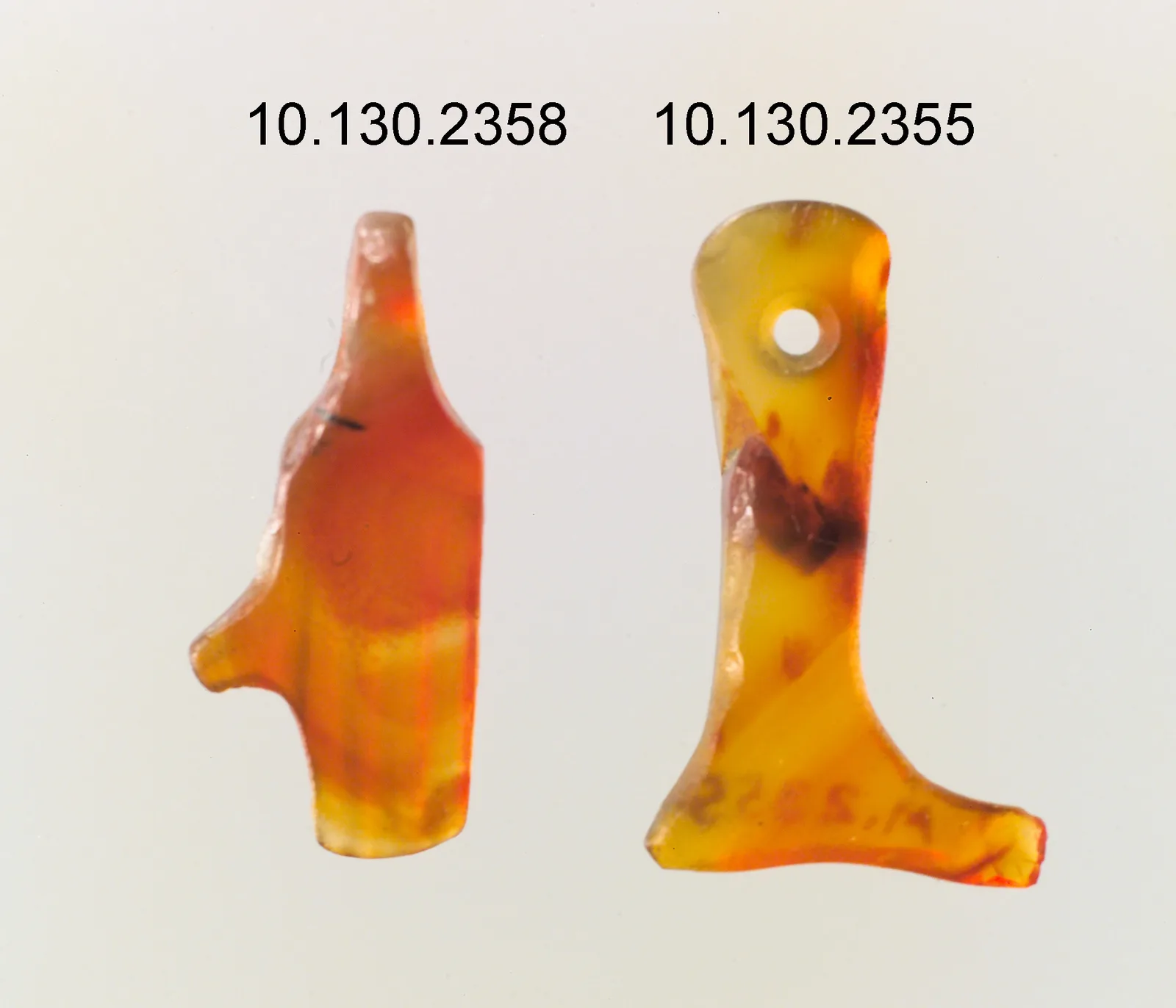
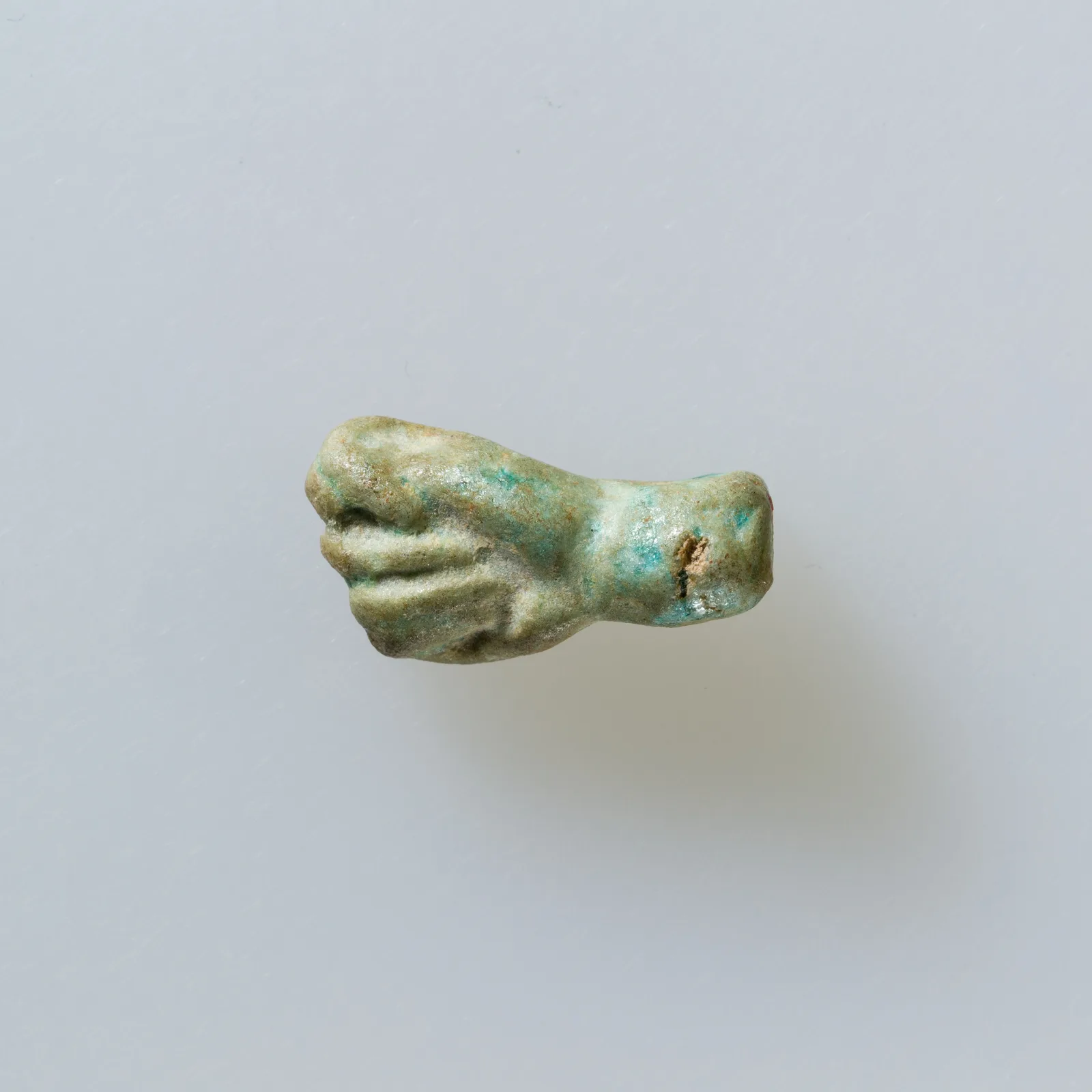
The hand on the cimaruta is usually folded into a protective gesture. Most often it is the mano fica, a fist with the thumb thrust between the index and middle fingers, an ancient sign against the evil eye. Less often the hand is shown as an open palm, closer to a gesture of blessing.
The hand is a direct, physical answer to the evil eye, the very gesture Italians still make when they feel someone's envy. In miniature on a rue sprig it works around the clock, without asking the owner to move a finger. A relative in meaning, the Hand of Fatima, or hamsa, came from another tradition but solves the same problem.
The rooster: dawn drives out the dark
The rooster brings a solar note into the lunar ensemble. Its crow announces the dawn, and with the dawn, so the belief went, all the creatures of the night scatter: witches, ghosts, evil spirits. The rooster on the cimaruta is a promise that the night will end and the light will come back.
There is a link to vigilance here too. The rooster wakes first and is first to raise its voice at danger. By hanging a rooster on the charm, a family set a sleepless sentry by the cradle. The solar rooster and the lunar crescent together closed the daily circle of protection: one figure guards the day, the other the night.
The flower: the sacred herb and life
The flower at a branch tip most often depicts the bloom of the rue itself, or of vervain, another herb sacred to Diana. It stands for life, fertility, and the continuation of the family line. For a charm hung above all on children, the sign of life was central: it wished the child to survive, grow, and have offspring of its own.
The flower also closes the botanical logic of the amulet. The whole cimaruta is a rue branch, and the flower reminds you that the source of power here is the plant itself, while the metal symbols only strengthen what already lives in the herb.
The heart, the fish, the dagger, and other signs
Beyond the core, the cimaruta carries a whole second row of symbols added as the occasion called for:
- The heart: love, devotion, and in later Christian versions a nod to the Sacred Heart.
- The fish: fertility and abundance, and for Christians a secret sign of faith, the ichthys.
- The dagger or sword: active defence, a symbol that "cuts through" directed harm, the nearest kin to the sharp tip of the cornicello.
- The cherub or angel's head: a later Christian addition that reconciled the pagan charm with the church.
- The eagle or falcon: strength and sharp sight, a gaze that spots a threat from afar.
- The grape cluster: plenty, harvest, southern abundance.
None of these signs was compulsory. The maker built the cimaruta like a bouquet, combining the core with extras to the buyer's taste. That is what makes old pieces so rewarding to study: each one tells its own story through its set of dangling figures.
The number of signs and its meaning
For those who believed, the count of figures on the branch was never random. Three pointed to the triple goddess and to the natural forking of rue, the most common and "purest" lunar minimum. Seven counted as a number of completeness and luck, so richer cimarute often carry exactly seven symbols, covering sky, earth, and underworld at once. Nine, three threes, turned up on the most elaborate showpieces and read as reinforced protection.
Even so, the tradition knew no strict rule of "the more the stronger." A modest sprig with three signs in a healer's hands could be prized above a lavish ten-figure pendant, if a true incantation and a good maker's hand stood behind it. The number set the rhythm and mood of the charm, but its power came from the meaning invested in each figure, not from arithmetic.
Customer reviews
Zevira is a real jewellery shop. Genuine payments, deliveries and customer thank-yous.
🥰🥰🥰 gracias

Ok, ¡gracias! 🙂

History: Naples, Diana, and the old faith
Rue as a sacred plant of antiquity
Long before the silver pendants, rue was already a herb of power. Greeks and Romans planted it by the threshold, added it to wine, used it in medicine. It was thought to sharpen the mind and the eyes, to protect against poison, and to drive off evil spirits. Its sharp smell read as proof of its power: if a herb smells this strong, then evil must flee it.
In the Christian era rue kept its standing. It was called the "herb of grace" and used to sprinkle at rites. A bunch of dried rue over the door stayed a common sight in the Italian village well into the twentieth century. Out of this ancient respect for the herb grew the idea of carrying its sprig at all times, on the body, cast in an enduring metal.
Diana, Artemis, and the lunar cult
At the root of the cimaruta's symbolism lies the cult of the goddess the Romans called Diana and the Greeks Artemis. She is the mistress of the wild, of the hunt, of childbirth, and of the Moon. For southern Italy, Diana was no abstraction from a textbook but a living figure that folk faith carried through the millennia under various names.
Her threefold nature matters especially. Diana was honoured in three faces: as the Moon in the sky, as Diana the huntress on earth, and as Hecate in the underworld. Hence the triple branching of the rue and the trio of key symbols: the crescent (sky), the flower or herb (earth), the key or serpent (the world below). The cimaruta is, in essence, a portable altar of the triple goddess disguised as a botanical pendant.
The cult of Diana proved remarkably durable in the south. Christianity replaced the official faith, but village magic simply dressed the old gods in new clothes. The lunar mistress went on being honoured under the guise of various patron saints, and rites at night-time crossroads and spells on the waning moon lived into modern times almost unchanged. The cimaruta was the material proof of that continuity: while a peasant woman hung a silver crescent over a cradle, the ancient goddess stayed on the job, whatever name the church gave her.
Stregheria: the witchcraft of southern Italy
Italy's folk magical tradition is called stregheria, from the word strega, witch. It is not an organised religion but a loose set of village practices: spells against the evil eye, herbal healing, divination, worship of lunar forces. Healers and wise women in the south were respected and feared at once; people went to them for love charms and for the healing of a child alike.
The cimaruta was a working tool of this tradition and, at the same time, its badge. A woman who wore a rue sprig with all its symbols showed that she stood on good terms with the old powers. The very same pendant also protected her from another's sorcery. The doubleness is no contradiction but the very heart of folk magic: the best shield against a witch is a little witchcraft carried on your own person.
The benandanti: a nightly war for the harvest
To grasp the world in which the cimaruta made sense, it helps to look at the benandanti, the "good walkers." That is what northeastern Italy, in Friuli, called people born "in the caul," inside the birth membranes. By folk belief, such a person left the body in sleep on certain nights of the year and set out to fight witches for the fate of the harvest. The benandanti fought with stalks of fennel, the witches with stalks of sorghum. On the outcome of this invisible battle hung whether the year would be full or hungry.
The story of the benandanti reaches us through inquisition records of the sixteenth and seventeenth centuries, which long could not decide what stood before them: sorcerers, or defenders against sorcery. The benandanti themselves insisted they fought evil rather than served it. This confusion shows the central nerve of Italian folk faith: the boundary between the witch and the witch-hunter was fluid, and one and the same person could end up on either side. The cimaruta grew from exactly this double-mindedness, where rue drove off witches and was a witch's own herb.
Benevento: the city of witches
A special place in the folklore belongs to the city of Benevento in Campania. By legend, witches from all over Italy flew to a sabbath around a huge walnut tree that grew there. The tale of the "walnut of Benevento" was retold for centuries, and the city earned fame as the capital of Italian witchcraft. No wonder the south, with Naples and Benevento at its heart, became the birthplace of the cimaruta.
The Benevento legend matters not in itself but as background. It shows that for the people of the south, witches and lunar powers were part of the everyday picture of the world. They wore a charm against them not out of exoticism but out of plain sense, exactly as they locked the door at night.
The eighteenth and nineteenth centuries: the silver heyday
It was in the Bourbon era, in the eighteenth and nineteenth centuries, that the cimaruta reached its peak as a piece of jewellery. Neapolitan silversmiths set up production of fine openwork sprigs, and the charm turned from a rustic homemade thing into a recognisable urban amulet. People hung it over cradles, pinned it to children's clothes, gave it at christenings.
By this time a standard set of symbols had settled. The workshops of Naples offered cimarute of varying complexity: simpler ones with three or four signs, and richer ones with a whole cluster of figures. Silver stayed an absolute condition. A gold cimaruta would have been thought almost nonsensical: it broke the tie to the Moon.
Charles Leland and "Aradia"
Worldwide fame came to the cimaruta through the American folklorist Charles Godfrey Leland. At the end of the nineteenth century he gathered the remnants of folk faith across Tuscany and Romagna and, in his book "Etruscan Roman Remains" (1892), described the rue sprig in detail as an amulet of the triple goddess. Later, in the famous "Aradia, or the Gospel of the Witches" (1899), he set out the lore of Italian sorceresses, where Diana and her daughter Aradia were the central figures.
Leland's work is disputed: some researchers hold that he embellished and rounded out the material he gathered. But it was thanks to him that the cimaruta entered the view of European and American authors, and in the twentieth century it became one of the symbols of the revived interest in witch jewellery and occult aesthetics. From a Neapolitan cradle pendant it turned into the emblem of a whole movement.
Regional variants
The cimaruta had no single canon, and geography explains that well. The classic silver sprig with a full set of lunar symbols hails from Naples and the surrounding Campania, where the cult of Diana and the silversmith's craft met especially closely. It was the Neapolitan type, with its openwork triple branching, that became the "reference" example in museum collections.
The material Leland gathered came from Tuscany and Romagna, from central and northern Italy. The sprigs there were often plainer than the Neapolitan ones and leaned more on the spoken incantation than on a rich set of figures. In Sicily and on the southern mainland, protection from the evil eye more often fell to the cornicello and the mano cornuta, while the cimaruta appeared less often and read as an object of wise women.
The set of signs differed too. In some places a strict lunar minimum of crescent, serpent, and key prevailed; in others the branch was hung thick with Christian hearts and cherubs, reconciling the old charm with the church. By these accents a connoisseur can sometimes tell which corner of Italy a given piece came from, roughly the way you place a fellow countryman by his accent.
What a cimaruta is made of
Silver as the metal of the Moon
Silver for the cimaruta is not a designer's choice but a demand of tradition. The cold white metal was long tied to the Moon, as gold was tied to the Sun. Since the charm is dedicated to the lunar goddess Diana, it is made from her metal. A silver sprig is quite literally a piece of moonlight on a chain.
Silver has a practical side too. It is softer than gold and takes fine openwork more easily, and it is exactly that kind of work you need to cast a sprig with all its forks and figures. For everyday wear, 925 sterling silver suits well: strong enough, and gentle on most people's skin.
Why not gold or coral
The cornicello is made of red coral and gold, and that makes sense: the horn is dedicated to vital force, to blood, to solar luck. The cimaruta plays on a different field. Its element is the night, the Moon, mystery, the feminine. Red coral and yellow gold simply do not fit its meaning.
Now and then you see gilded or coral inlays on a silver base, but the tradition knows no piece of pure gold. If you are offered a gold "cimaruta," you are more likely looking at a modern stylisation than at a faithful reproduction of the real charm. A true rue sprig always shines with a cold light.
Modern materials
Today the cimaruta is cast in silver and in more affordable alloys alike. You will find versions in nickel silver, in silver-plated brass, in stainless steel with a white finish. Their symbolic weight is the same: the set of signs does the work, not the fineness of the metal.
For anyone who wears the charm every day and does not want the fuss of upkeep, steel is convenient: it does not darken, does not leave green marks on the skin, and is not afraid of water. Connoisseurs, though, still choose silver for the tie to the lunar tradition and for the living gleam that only real metal gives.
Caring for a silver sprig
An openwork cimaruta needs a little more attention than a smooth pendant, because grime and tarnish love to hide in the forks of the branch and in the fine cut-outs of the figures. Over time silver darkens from contact with air, sweat, and cosmetics; this is normal oxidation, not damage to the charm. Many owners actually like a light blackness in the recesses: it brings out the relief and gives the sprig an antique look.
You clean a cimaruta with a soft silver cloth, and work the tricky spots with a soft toothbrush and a drop of soap, then wipe it dry. Harsh pastes and hard abrasives are not for openwork; they rub away the fine detail of the symbols. At night the charm is best taken off and kept in a fabric pouch or a box away from air, so the silver darkens more slowly. Perfume and cream go on before you put the pendant on, not after, so the chemistry of cosmetics does not settle on the metal.
Upload a photo of your pet, someone you love, or an object. We'll build a 3D model and hand-cast it in pewter.




How to wear a cimaruta
On the neck as a pendant
The most familiar way is to hang the cimaruta on a chain and wear it near the heart. The flat shape lies evenly on the chest without flipping over, so the symbols always face the world the right way. Choose a thin silver chain to match the charm, so it does not compete with the openwork branch.
The guide to length is simple. A short chain keeps the cimaruta open and on view. A medium one lets you wear it over the collar or under it. A long one hides the charm closer to the body, for those who prefer their protection unseen. Unlike the cornicello, the cimaruta has no strict "point-down" rule: you hang it whichever way the branch lies best.
In the home, over the cradle, on the road
Historically the main place of the cimaruta was the nursery. The charm was pinned to a swaddling cloth, hung over the cradle, sewn to an infant's cap. The logic is the same as with other protective amulets: a child is the most vulnerable being in the house, and the envious gaze falls on it first.
Adults wore the sprig for other reasons too: they took it on the road, hung it in a new home, kept it behind the counter of a shop. A silver cimaruta can be pinned to a bag, hung on a keyring, placed at the head of a bed. There are few rules here; what matters is that the charm stays with the person or with what the person guards.
The charm and the spell against the evil eye
A silver sprig rarely worked on its own. In the Neapolitan tradition it was part of a whole rite against malocchio, the evil eye. People diagnosed the eye in a simple way: they dropped olive oil into a dish of water and watched whether it spread out or gathered into a bead. If the drops spread, the eye was judged present, and a special incantation was read over the person, often passed down the female line and only on certain days.
In this pairing the cimaruta answered for constant protection, while the spell and the oil served as "first aid" once trouble had already crept up. One did not cancel the other: the charm was worn every day, and the oil rite was done when a child fell ill or a sudden sickness struck. Knowledge of the incantation counted as a family treasure, and passing it to the new mistress of a house mattered no less than handing over the silver sprig itself.
What to pair it with
An openwork silver sprig gets on well with spare pieces and with other symbolism:
- With thin silver chains of various weaves.
- With a cornicello on a neighbouring chain: Neapolitans often wore both charms together.
- With a nazar or blue eye, if you want to gather protection from different traditions.
- With lunar and star pendants that echo the crescent on the branch.
- With a small cross: like the cornicello, the cimaruta lived at peace with Christian signs for centuries.
The one thing to avoid is overload. The cimaruta is already busy in itself, with a dozen small symbols, and next to an equally fussy piece it gets lost. It needs air and a smooth background so each figure can be read.
Silver, charms against the evil eye, symbolism, lunar and protective pendants.





Who the cimaruta suits
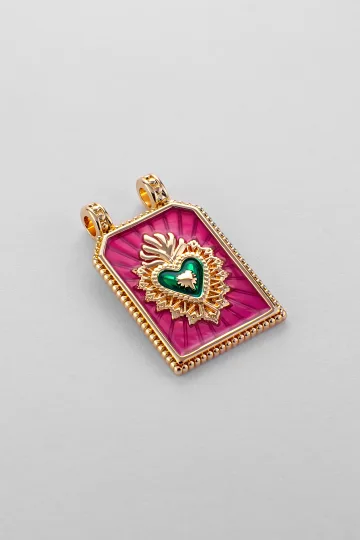
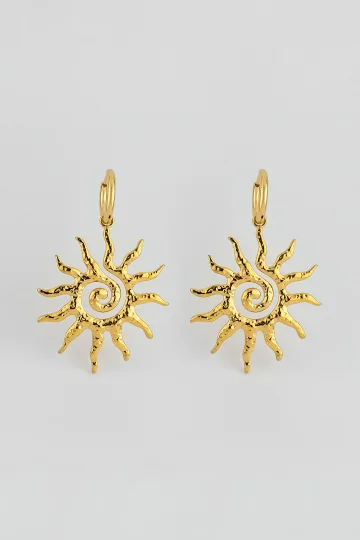
The short answer: anyone drawn to the idea of protection through symbols, and anyone who loves objects with a story inside them.
The cimaruta is not a closed cultural sign, nor a religious object in the strict sense. People of very different views wear it, and no tradition forbids a person without Italian roots from putting on a rue sprig. Italians are more likely to be glad of the interest in their folk culture, especially if you know which symbols hang on the branch.
The charm suits well:
- Those for whom one sign is not enough. If the cornicello seems too plain, the cimaruta gives a whole constellation of meanings on a single pendant.
- Lovers of lunar and occult aesthetics. The crescent, the serpent, Hecate's key add up to a recognisable language of the night.
- Those who value history. Behind the sprig stand ancient Diana, the witches of Naples, and the books of Leland.
- As a thoughtful gift. By the same logic as the cornicello, the charm is traditionally given rather than bought for oneself, and especially often at the birth of a child.
- Men and women alike. Within the tradition the cimaruta counted as a charm for women and children, but a silver branch suits everyone equally, and the strict graphic of the figures never looks "wrong for the gender."
It is only fair to say who the rue sprig suits less well. If you love large, bold jewellery with one bright accent, a busy cimaruta may feel fidgety. If warm gold is closer to you than cold silver, the traditional charm will argue with the rest of your wardrobe. And if you want a sign the people around you recognise at a glance, bear in mind that few can name a cimaruta: unlike the cornicello or the blue eye, it stays a symbol for the initiated. For some that is a drawback, for others its very charm.
The psychology of the charm
You do not have to believe in a lunar goddess for the cimaruta to work. The mechanisms that make protective amulets useful have been studied and need no mysticism.
Lowering anxiety. A person who has "something covered" spins fewer possible disasters in their head. A silver sprig on the neck gives the sense that part of one's worries has been handed to the charm, and the mind lets go of surplus fear.
A memory anchor. When a close person gives the cimaruta, the pendant becomes a physical tie to that person. Your eye falls on the branch, and the one who gave it surfaces in your mind. Over time this works as a quiet regulator of mood.
Tactile calm. The small figures on the branch are pleasant to run through your fingers. The habit of touching a charm in a moment of worry distracts and soothes; it is a simple self-regulation many centuries old.
Reinforcing identity. For a person drawn to folk magic and lunar symbolism, wearing a cimaruta is a daily "this is who I am." Identity anchors raise resilience to stress, which is why people so love to wear the signs of what they believe in.
There is nothing supernatural about it. The charm does not change reality; it changes the owner's relationship to it, and it changes that measurably.
Leave your email, we'll send your discount code. No spam, unsubscribe anytime.
The code arrives by email, valid on your first order.
The cimaruta in art and collections
Old cimarute today are kept in the ethnographic and jewellery collections of Europe. They are valued both as folk art and as a source for the history of belief in southern Italy. Looking over a selection of such amulets, you see how the fashion in symbols shifted: here the lunar crescent dominates, there Christian hearts and cherubs, elsewhere a whole menagerie of serpents, fish, and roosters.
In the twentieth century the image of the cimaruta stepped beyond ethnography. Artists and jewellers of the revived interest in the occult began to rethink the rue sprig in contemporary pieces. It flickers through collections devoted to witch and lunar themes, in illustrations to books on folk magic, in the work of makers who consciously draw on the Mediterranean tradition. For many, the cimaruta became a graphic symbol of the "old faith" in general, alongside the pentagram and the crescent.
The charm has a separate life in digital culture. In communities keen on folklore and the history of magic, the rue sprig is discussed, sketched, tattooed. From a local Neapolitan amulet it turned into a recognisable sign for anyone who holds dear the theme of lunar goddesses and folk sorcery.
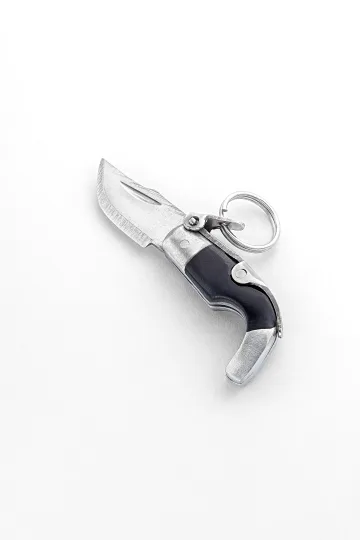
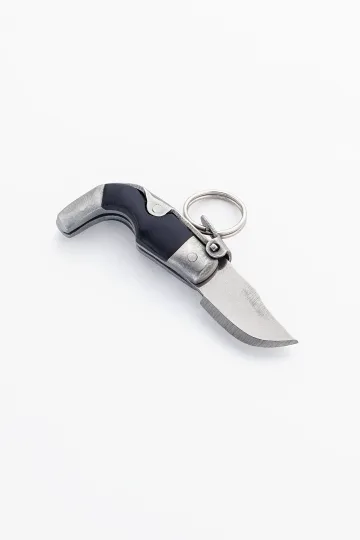
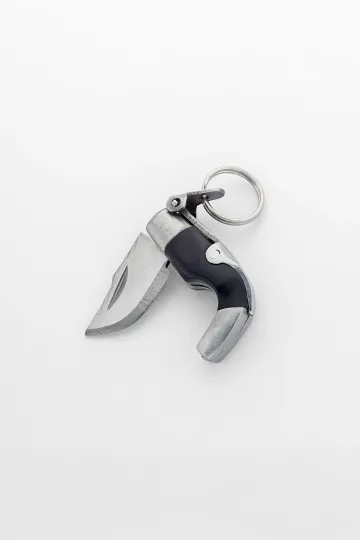
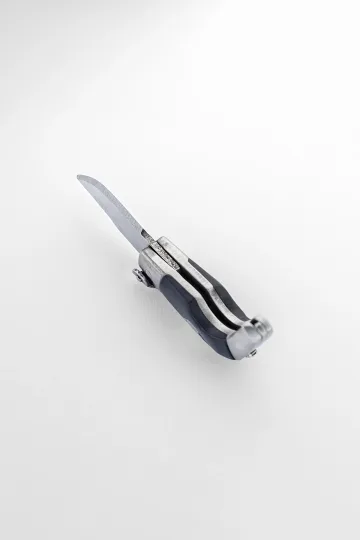
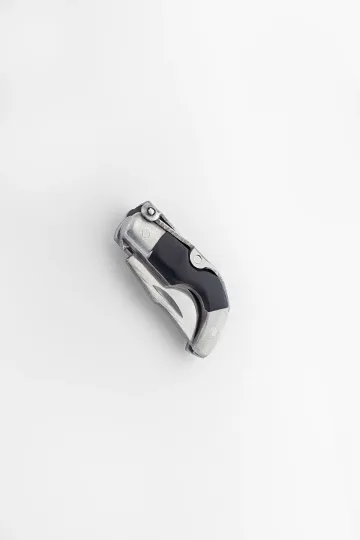
CAPAORA mini knife pendant
The 18th-century Spanish navaja in miniature: 40 mm of stainless steel, a real folding mechanism and a Palanquilla lock that clicks. An affordable gift to remember.
Authentic · Ships from Spain · 14-day returns
How to choose a cimaruta
Size and detail
For an everyday pendant, three to five centimetres is best. Below three, the figures blur together and lose their legibility, and the whole appeal of the cimaruta lies in its recognisable symbols. Above six, the charm starts to overweigh the outfit and catch on clothing with its openwork edges.
Look at the workmanship. On a good cimaruta each symbol is recognisable: a crescent is a crescent and not a nameless squiggle, a key reads as a key, a rooster as a rooster. Cheap castings often give smudged figures where half the signs cannot be made out. A charm whose symbols cannot be read loses its main meaning.
The authenticity of the symbols
Before you buy, work out what exactly hangs on the branch. The classic core is the crescent, the serpent, the key, the hand, the rooster, the flower. If a seller calls a piece a cimaruta but it carries a random set with not a single lunar or protective sign, you are more likely looking at an abstract sprig than a real charm.
Ask about the set of symbols and their meaning. A conscientious workshop will explain why it gathered exactly these figures. That is what separates a meaningful charm from a piece of jewellery that merely copies a fashionable shape without understanding it.
Where to look
- From silversmiths of southern Italy, if you want a piece with historical accuracy and a full set of traditional signs.
- From contemporary jewellers of the lunar and occult theme, if you are after an original rethink to suit your own style.
- In ethnographic and antique shops, if you are hunting for an old piece with a history.
Avoid faceless mass-stamped goods that pass a cimaruta off as "just a little sprig pendant." The value of the charm lies in a meaningful set of symbols and a tie to tradition, not in the botanical shape alone.
How to tell an old sprig from a new one
An antique cimaruta gives its age away by several signs. Look at the back: on old casting it is usually not as smooth as the front, with traces of handwork and a soft, deep patina in the recesses that is hard to fake by artificial means. An even, uniform blackness across the whole surface more often speaks of deliberate "ageing" of a new piece.
The hallmark helps too. Old Neapolitan objects were not always stamped to a single standard, but many carry local assay marks by which a specialist dates the piece. A complete lack of marks is not a verdict in itself, but a reason to ask the seller about the object's history. Finally, look at the wear of the bail and the suspension ring: on a charm worn on a chain for decades, the loop is usually ground thin and stretched. A perfectly fresh loop on a "hundred-year-old" sprig is a reason to doubt.
There is nothing wrong with a modern reproduction; a good new cimaruta works just as an old one does. It is worth knowing the signs of age for another reason: so you understand exactly what you are holding, and do not take a fresh casting for a rare antique.
Cimaruta and cornicello: the difference
Both charms hail from the south of Italy, both protect against the evil eye, and Neapolitans often wear both together. But they are built differently, and grasping the difference helps you pick your own.
Shape. The cornicello is a single curved horn, three-dimensional and smooth. The cimaruta is a flat branching sprig with a cluster of small symbols. One sign against a whole constellation.
Material. The cornicello is made of red coral and gold, playing on solar, vital symbolism. The cimaruta is silver, lunar, feminine. The metals are opposed on purpose.
Meaning. The cornicello strikes at a single target: the point "pierces" the evil eye. The cimaruta is a set of charms, where each figure covers its own threat, and together they point to the triple goddess Diana.
Reach. The cornicello became a global symbol of Italy, known from New York to Tokyo. The cimaruta stayed rarer and more esoteric, a sign for those who dug deeper into folk magic.
| Parameter | Cimaruta | Cornicello |
|---|---|---|
| Shape | Rue sprig with symbols | A single curved horn |
| Material | Silver (metal of the Moon) | Coral, gold (the Sun) |
| Symbolism | A set of signs, triple goddess | One sign, point against the eye |
| Origin | Naples, the cult of Diana | Ancient Rome, the cult of the horn |
| Reach | Rare, esoteric | Global symbol of Italy |
They are worn together
The opposition here is only relative. In the Neapolitan tradition the cornicello and the cimaruta hung happily on one neck or on neighbouring chains. The logic is simple: the horn answers for the direct strike at the eye, the sprig for broad protection against a whole spectrum of ills. The solar horn and the lunar branch complete each other, closing the circle of defence.
If you already wear a cornicello and want to strengthen the set, the cimaruta is the natural next step. And the other way round: adding a coral horn to a silver sprig gives a solar-lunar balance. Gathering protection from several charms of different traditions is an old Mediterranean habit, not a modern fashion.
The difference in character shows clearly all the same. The cornicello is clear to any passer-by; it has long been a postcard from Italy and needs no explaining. The cimaruta is an object for conversation: almost everyone who notices it asks what this sprig is and why it carries so many figures. One charm works as a badge of belonging, the other as a reason to tell a whole story about Diana, rue, and the witches of Naples. Many connoisseurs keep both for exactly this reason: the horn for every day, the branch for those moments when you want the jewellery to speak.
Cimaruta, lunula, and nazar
The rue sprig is not the only Mediterranean shield against the evil eye, and it helps to see it among its relatives. Closest to it is the ancient lunula, a simple crescent pendant that in ancient Rome was hung on the necks of little girls for lunar protection. In essence the lunula is one separate shoot of the cimaruta, the very crescent grown into a charm of its own. The rue sprig, as it were, absorbed the lunula and hung it about with other signs.
The nazar, the blue glass eye, came from the other shore, from the eastern Mediterranean and Anatolia. It strikes at the same threat, the evil eye, but works differently: not through a set of symbols of the triple goddess, but through a mirroring gaze that reflects envy back onto the envier. The Hand of Fatima, the hamsa, adds a shielding palm to the eye and comes from a Middle Eastern tradition.
The difference between them lies not in strength but in language. The cimaruta speaks the language of ancient Italy and the lunar cult, the nazar the language of the eastern mirror-charm, the hamsa the language of Middle Eastern palms. To gather them together, as people in Mediterranean port cities have long done, means covering the threat in several "dialects" at once.
Myths about the cimaruta
Over the centuries a mass of beliefs has grown around the rue sprig, and not all of them are accurate. Some rest on real tradition, some on later invention. The cards above sort through the most common claims, and here it is worth stressing the main point: the cimaruta has no single "correct" canon.
The set of symbols, the number of figures, even the exact meaning of individual signs shifted from workshop to workshop and from century to century. To argue whether a "real" cimaruta has eight symbols against a "real" one with three is pointless. Both are real; they simply speak different dialects of one language of charms. The value of the sprig lies in a living tie to tradition, not in a literal match with someone's catalogue.
Send a friend a discount code, they save on their first order.
Facts that surprise
A charm against witches and for witches. The cimaruta protected against sorcery and was at the same time the badge of those who took part in that sorcery. One and the same object served as both a shield and an identity card.
Rue is poisonous. The plant that became a symbol of protection causes burns on contact with skin in the sun, and in large doses it is dangerous. The ancients knew of its sting, and that "power" of the herb probably convinced them it could burn out evil too.
The number three is stitched into the plant itself. Rue branches in threes in nature, and that fitted the cult of the triple goddess perfectly. The plant seemed to suggest the shape of the charm on its own, for the triple goddess Diana, Hecate, and the Moon.
An American brought the fame. Not an Italian scholar but a folklorist from the United States, Charles Leland, brought the cimaruta into world literature at the end of the nineteenth century. Without his books the sprig would have stayed a local Neapolitan curiosity.
Never gold. Unlike almost every ceremonial amulet, the cimaruta is silver on principle. A gold version breaks the tie to the Moon and, in the old tradition, would have counted as an empty shell.
The rooster and the moon split the day. A solar rooster and a lunar crescent live together on one pendant. Together they give round-the-clock watch: the rooster guards the day and the dawn, the moon the night.
The city of witches really exists. Benevento in Campania carried for centuries the fame of a place of witches' sabbaths around a legendary walnut tree. Part of the lore behind the cimaruta comes from there.
Witches waged war in their sleep. In northern Italy people believed in the benandanti, the "good walkers," who left the body at night and fought witches for the harvest with stalks of fennel. The inquisition could not decide for centuries whether they were sorcerers or defenders against sorcery, exactly as rue was both a weapon against witches and a witch's own herb.
Frequently asked questions
What does the word cimaruta mean? The word is built from the Neapolitan cima (top, shoot) and ruta (rue) and literally means "top of the rue." The charm is made in the shape of a sprig of this herb. Since antiquity rue counted as a plant that drove evil away, which is why its branch became the basis of the amulet.
What does the cimaruta protect against? Above all against the evil eye (malocchio) and against sorcery. Each symbol on the branch covers its own threat: the crescent gives night-time protection, the hand deflects the eye, the serpent guards health, the rooster drives off the creatures of the night, the key locks the threshold of the home. Together they add up to a broad defence.
Why is the cimaruta made of silver? Silver is the metal of the Moon, and the charm is dedicated to the lunar goddess Diana. Gold and coral are tied to the Sun and to vital force, so they were left to the cornicello. A real traditional cimaruta is always silver or a white metal; the old tradition does not accept a gold version.
Is the cimaruta a pagan or a Christian symbol? Both at once. At its root lie the ancient cult of Diana and the folk magic of southern Italy, but over time Christian signs were added to the branch: the heart, the cherub, the fish. The charm lived at peace with a cross for centuries, as the cornicello did. The two systems worked in parallel.
Can I wear a cimaruta if I am not Italian? Yes. It is not a closed cultural sign. The rue sprig is worn all over the world by people drawn to the theme of lunar symbolism and folk magic. Italians take an interest in their tradition more as a compliment.
How many symbols should a real cimaruta have? There is no strict number. The core is the crescent, the serpent, and the flower or key, and beyond that the maker added figures to taste, from three to ten and more. A piece with three signs is no less authentic than one with ten. What matters is that the symbols are legible and meaningful.
How does the cimaruta differ from the cornicello? The cornicello is a single coral or gold horn that "pierces" the evil eye with its point. The cimaruta is a silver sprig with a set of symbols, dedicated to the triple goddess. The horn is solar and single-purpose, the branch lunar and layered. Neapolitans often wear both charms together.
Is a cimaruta given as a gift or bought for oneself? By tradition the charm is given, as the cornicello is. Cimarute were presented especially often at the birth of a child, hung over the cradle. An object given with good intent counts as stronger than a bought one, though no one forbids buying a sprig for yourself.
How do I care for a silver cimaruta? Clean it with a soft silver cloth, work the tricky forks with a soft brush and a drop of soap, and wipe it dry. Abrasive pastes rub away the fine detail of the symbols, so they are not used. It is best kept in a fabric pouch away from air, and perfume and cream go on before you put the pendant on. A light blackness in the recesses does not spoil the charm; it brings out the relief of the branch.
Is it true that rue is poisonous? Yes, fresh rue stings: its juice on the skin in the sun can cause a burn, and in large doses the plant is dangerous. It was exactly this power of the herb that the ancients took as proof of its ability to drive off evil. It has no effect on the silver charm, since only the shape of the plant survives in the metal, not the juice.
How does the cimaruta differ from the lunula? The lunula is a simple ancient crescent pendant, one lunar sign. The cimaruta includes the crescent as one of its shoots but adds the serpent, the key, the hand, the rooster, and the flower, gathering a whole set of charms around the image of the triple goddess. You could say the lunula is a cimaruta reduced to a single symbol.
Can I get a cimaruta tattoo? The tradition lays down no ban. In communities keen on folklore and the lunar theme, the rue sprig really is inked as a sign of the "old faith." The meaning stays the same as with the metal charm: protection and a tie to the folk magic of southern Italy. The only difference is that a tattoo cannot be taken off and given on, as a silver pendant can.
Conclusion
The cimaruta travelled from a bunch of rue over a village door to a fine silver pendant with a constellation of symbols. The sprig took in the ancient goddess Diana, the night powers of Hecate, the solar rooster, and a whole row of signs from the folk magic of southern Italy. One small branch holds an entire picture of the world, one in which the moon, the serpent, and the key meant no less than the lock on the door.
Whether you believe in a lunar goddess or simply value a beautiful charm with deep roots, the cimaruta remains one of the most complex and eloquent symbols of the Mediterranean tradition. Beside the straightforward cornicello it reads like a long sentence beside one precise word. Each has its own power.
Charms against the evil eye: silver sprigs, horns, nazars, and hamsas in various metals.
Buying it as a gift? Each one arrives ready to give.
 A branded Zevira box and a little card come with every order.








About Zevira
Zevira makes jewellery in the artisan tradition of Albacete, Spain. The cimaruta is one of those symbols we love: behind a plain-looking sprig stands a whole universe of Mediterranean magic, and each of its signs can be read like a line of verse. We reproduce the traditional branching and the recognisable figures, but in modern proportions and with clean silver graphic work.
What you can find with us on the theme of charms:
- Silver pendants with lunar and protective symbolism
- Cornicello pendants in various colours for a solar-lunar balance
- Nazars and hamsas, to gather layered protection from different traditions
- Thin silver chains of various weaves to suit an openwork branch
- Symbolic pendants with serpents, keys, and crescents
Each piece is made by hand by a master, with the option of personal engraving. Sterling silver and 14 to 18K gold.