Evil Eye: Symptoms, How to Remove It, and How to Protect Yourself
A drop of oil in a glass of water
A grandmother drips oil into a glass of water and watches how the drop spreads. If it scatters, you were given the evil eye. If it pulls into a tight bead, you are clean. This test is more than two thousand years old, and people still do it from Naples to Lima, from Athens to Istanbul.
The evil eye is the belief that an envious or hostile glance can do harm: damage your health, your luck, your sleep, your relationships. It has no scientific backing, but it has something more telling about people: it has outlived thousands of years, dozens of religions, and it still lives in every second household. Below we go through it plainly: what symptoms get blamed on it, how tradition tests for it and removes it, what actually lies behind it, and how those who believe protect themselves.
What the evil eye is and why half the world believes in it
The evil eye is not a piece of jewelry or an amulet, it is a supposed harm carried by a look. In Spanish it is mal de ojo, in Italian malocchio, in Greek mati, in Arabic ayn, in Turkey nazar. The names differ, the idea is one: a strong emotion, most often envy, aimed through a glance, can hurt the person on the receiving end.
Two things are easy to confuse. The evil eye is the harm that is supposedly done. The amulet is the protection against it. A blue eye on a bracelet or pendant is not the evil, it is the shield. Mixing them up is like mixing up the illness with the cure.
Belief in the evil eye is not only a village thing. Surveys across the Mediterranean and Latin America consistently find that a sizeable share of fully urban, educated people share the belief in mal de ojo. The worry usually falls on the most vulnerable: newborns, pregnant women, newlyweds, anyone who has just had a stroke of good fortune.
Customer reviews
Zevira is a real jewellery shop. Genuine payments, deliveries and customer thank-yous.
🥰🥰🥰 gracias

Ok, ¡gracias! 🙂

Where the belief came from
The earliest traces of belief in the evil eye turn up in Mesopotamia, in texts and amulets around five thousand years old. Phoenician traders carried glass eye beads all around the Mediterranean. Plato and Plutarch wrote about the evil eye, ancient Rome feared it, and medieval homes hung charms against it.
From there the belief spread along two routes. Through the Mediterranean and Islam it gave rise to the blue eye, the nazar. Through southern Europe it reached Spain and Italy as mal de ojo and malocchio, and from there it travelled with emigrants to Latin America, where it merged with local traditions. For more on the eye amulet and its symbolism there is a separate guide on the nazar and the evil eye.
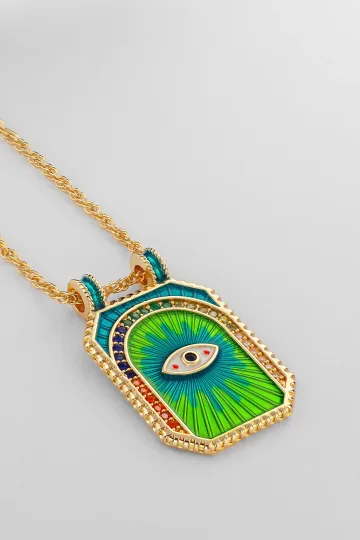
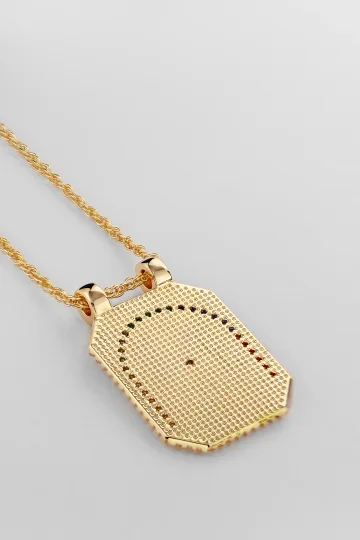
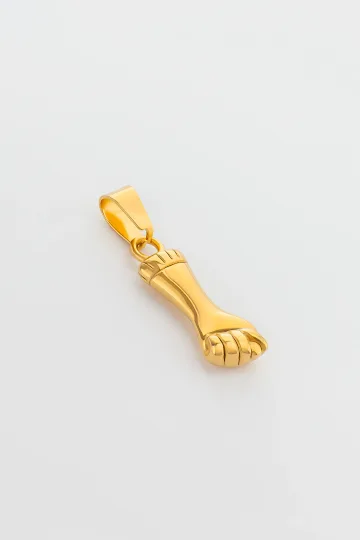
Related jewelry on this topic, available in our shop






Symptoms: what gets blamed on the evil eye
By tradition, the evil eye is recognised by sudden, unexplained ailments. The list is almost the same everywhere:
- a sharp headache or heaviness at the back of the head that started for no reason
- sudden heavy fatigue, apathy, feeling drained out of nowhere
- groundless anxiety, irritability, tears
- yawning that will not stop, especially while talking about your plans
- a run of small misfortunes: everything slips out of your hands, devices break, plans fall through
- in infants: crying for no reason, refusing food, restless sleep
It is worth saying plainly: none of these signs is specific. Ordinary exhaustion, dehydration, lack of sleep, a migraine, the start of a cold, or an anxiety disorder all look exactly the same. Folk tradition gathers different states under one explanation, because it is easier for a person to accept an outside cause than to sit with uncertainty.
The oil and water test: the main folk method
The most widespread way of checking in the Mediterranean and Latin American tradition is the oil test. Olive oil is dripped into a glass or a plate of water, and the drop is watched.
If the drop gathers into a circle and holds on the surface, the evil eye is considered absent. If it spreads, sinks, or breaks into small droplets, that is read as confirmation. In Italy and Argentina the test is often accompanied by a quiet prayer, which by tradition is passed on only on a certain day of the year, for example on Christmas Eve.
The explanation for the spreading is simple and physical. Oil and water do not mix, and the behaviour of the drop depends on the water temperature, the cleanliness of the dish, traces of soap or salt, the oiliness of the skin on the hands. The drop behaves differently each time simply because the conditions are slightly different each time. The ritual itself works as a soothing act: a person feels better knowing that someone cared for them.
How the evil eye is removed across cultures
The removal rites differ in detail, but they rest on one idea: attention, care, and a shift in state.
Mediterranean and Latin America
Besides the oil test, special prayers are recited, the person is passed over with a sprig of rue or an egg, herbs are burned as smoke. In Mexico the limpia rite is common: a healer passes an egg over the body, then breaks it into a glass of water and draws conclusions from the shape of the white.
Russia and Eastern Europe
Here the evil eye and curses are traditionally removed with holy water, washing with a prayer, pouring wax or tin into water, smoke cleansing. Salt and a pin on the inside of the clothing are everyday folk charms.
Greece and Turkey
In the Greek tradition, special words are spoken against the mati and people yawn: it is said that if the one removing the evil eye starts yawning, then it was truly there. In Turkey the main protection is the blue eye itself, the nazar, hung everywhere, from the cradle to the car mirror.
Leave your email, we'll send your discount code. No spam, unsubscribe anytime.
The code arrives by email, valid on your first order.
The skeptical view: what lies behind the symptoms
The evil eye is not confirmed by science, and that is worth admitting honestly. But the staying power of the belief has perfectly understandable causes, and they are more interesting than they seem.
The first is the nocebo effect, the flip side of the placebo. If a person is convinced they have been given the evil eye, the anxiety and the expectation of something bad will on their own produce headaches, insomnia, and a loss of energy. The belief in a curse literally creates the symptoms that are later taken as its proof.
The second is the tendency to see a pattern where there is only coincidence. A run of bad luck gets noticed and tied to someone's glance, while hundreds of ordinary days are forgotten. The third is a social function: the removal rite gives attention, touch, care, and the sense that the situation has been taken in hand. Often that is exactly what the person was short of.
So the sensible way to treat the evil eye avoids two extremes. Not as a real threat to defend against in a panic, and not as a stupidity to laugh at. It is an ancient way to explain anxiety and to look after the people you love, and in that role it still works today.
How to protect yourself in advance: amulets and charms
Those who believe in the evil eye usually do not wait for symptoms, they wear protection all the time. The logic is simple: let the blow, if there is one, land on the amulet and not on the person.
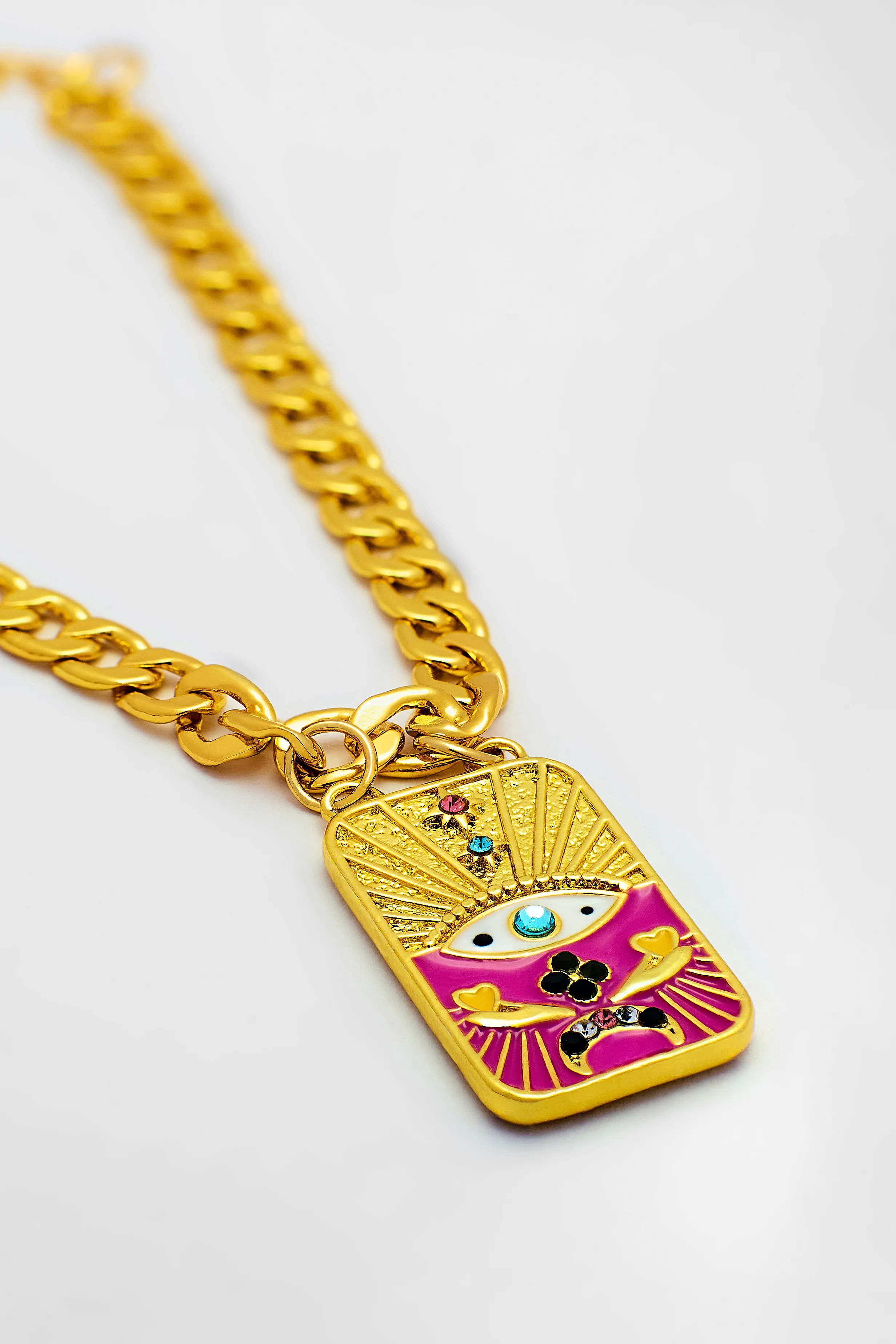
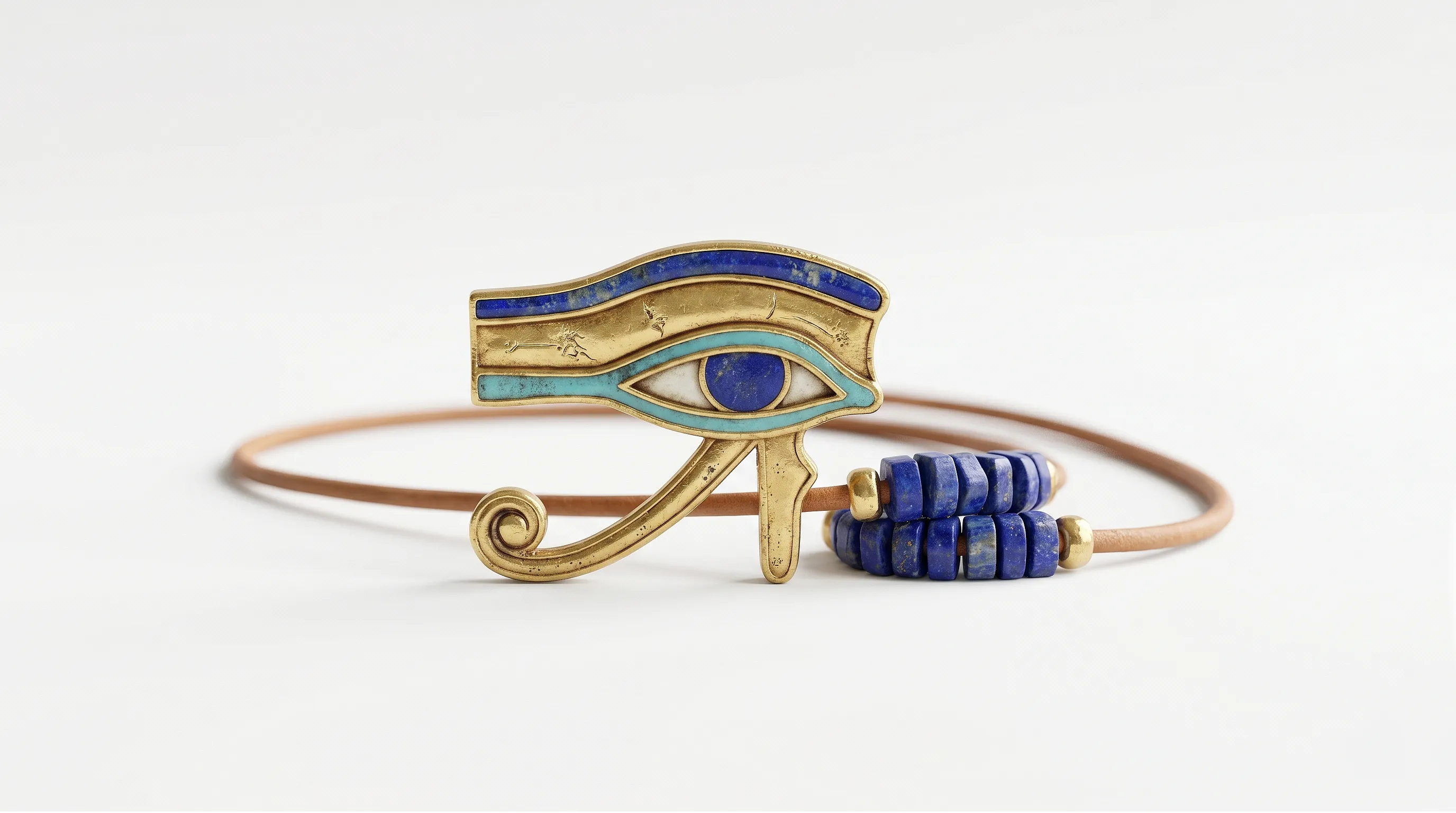
The best known charm is the blue eye, the nazar or ojo turco. It is said to reflect the envious glance back. Beside it in the Mediterranean tradition stands the hand of Fatima, the hamsa, a palm with an eye in the centre.
In Spain a special role belongs to the black stone azabache, jet: for centuries it was hung on babies as protection specifically against mal de ojo. If you are interested not in a single symbol but in the whole logic of protective jewelry, there is a general guide to charms, amulets and talismans and a separate one on protection rings.
And one more thing, honestly: an amulet is not a medicine and not a guarantee. It is a symbol that keeps a person calm and reminds them of the care of those close to them. That is where its real strength lies, and it does not require belief in mysticism.
Send a friend a discount code, they save on their first order.
Frequently asked questions
How do I know if I have the evil eye?
There is no strict method, because the evil eye has no medical criteria. Tradition points to sudden fatigue, headache, anxiety, and a run of bad luck, but all of these signs are more often explained by exhaustion, lack of sleep, or stress. If the state does not pass, it is wiser to see a doctor than to turn to a ritual.
Does the oil test really show the evil eye?
No. The behaviour of the oil drop depends on the water temperature, the cleanliness of the dish, and the oiliness of the skin, not on anyone's glance. It is an ancient and beautiful ritual, but not a diagnosis.
Who is most often the target of the evil eye, according to belief?
Tradition protects the most vulnerable and those who are envied: infants, pregnant women, newlyweds, people who have just had good fortune. That is why children most often had protective amulets hung on them.
Which amulet is considered the best against the evil eye?
The best known is the blue eye, the nazar. In the Mediterranean tradition the hamsa and the black stone azabache stand alongside it. They all work as a symbol of protection, not as a magical device.
Can you remove the evil eye yourself?
In folk tradition, yes: with the oil test, a prayer, washing. From a practical point of view something else matters more, rest, water, sleep, and the attention of those close to you, because it is usually a shortage of exactly these that gets mistaken for a curse.
Is it dangerous to wear someone else's eye amulet or to pass it on as a gift?
By belief, an amulet is best chosen for yourself or received as a gift given with good intent. There is no real harm in a passed-on piece of jewelry, it is a matter of personal feeling and the history of the object.
Conclusion
The evil eye has outlived millennia not because it is real, but because it answers a very human need: to explain anxiety and to protect the people you love. A drop of oil in water, a blue bead on a pram, a grandmother's prayer, these are forms of care shaped into ritual. Knowing how it actually works does not stop you from wearing a beautiful charm. It just means you wear it as a symbol, not as insurance against someone else's glance.
Silver, gold, symbols of protection, the eye, the hamsa, matching sets.
About Zevira
Zevira is a jewelry workshop in Albacete, Spain. We make jewelry with protective symbolism: the blue eye, the hand of Fatima, charms, 925 silver and natural stones. Engraving to order. We treat the belief with respect, but honestly: an amulet is valuable as a symbol and a beautiful object with history, not as a magical device. That is exactly why it is a pleasure to wear every day.