A gift for a photographer: jewellery as the frame that stays with you
The owner of a smartphone takes hundreds of pictures a year and remembers almost none of them. A working photographer can shoot several thousand frames in one busy day and remembers every one that mattered. The difference is not the gear. One person simply clicks; the other makes dozens of decisions about light, timing, distance and the exact moment.
This is a guide to choosing jewellery for a photographer so it lands in that difference. No vague talk about a "creative soul". Instead: specific symbols, specific engraving formats, specific materials, and five cases broken down to the smallest detail for different kinds of photographers.
The psychology of a photographer as the person receiving a gift
Before you start picking options, it helps to understand what makes a photographer different as a recipient. Not at the level of "they are creative, they need something special". At the level of habits formed over ten years of work, habits that decide what they will wear and what they will drop in a drawer.
The habit of seeing detail before anyone else
A photographer looks at jewellery differently from someone who sees jewellery as shiny objects. They see the texture of the metal first, then the proportions, then the casting quality, then the engraving. If a shape sags in its proportions, they notice in a second. If a surface is polished unevenly, they notice in two. If the letters of an engraving sit at different heights, they notice instantly.
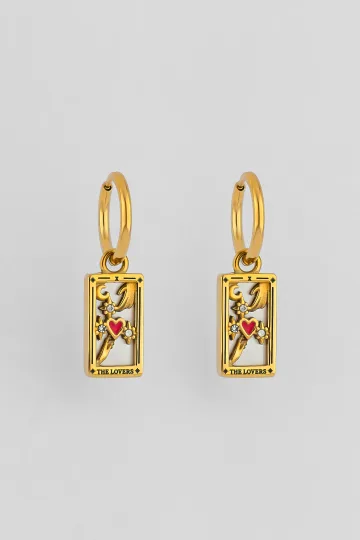
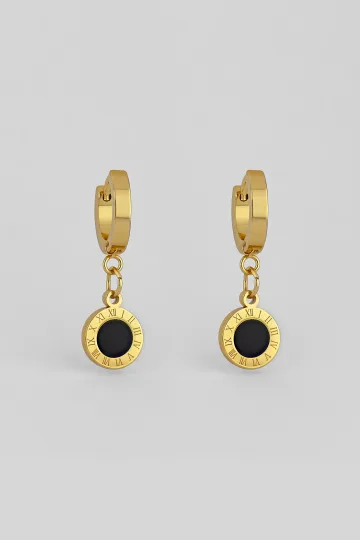
Wear the symbol, don't just read about it. These are in stock:



This is not snobbery. It is an occupational tilt of the eye. A photographer works with composition every day: their eye is tuned to spot broken symmetry, stray highlights, elements that fall out of the rhythm. When you put a piece of jewellery in front of them, they look at it with the same vision they use to set up a shot.
From this comes the first rule of a gift for a photographer: quality of execution matters more than size or price. A small, perfectly made pendant in matte silver will be worn for years. A large one with crude lines and uneven polishing ends up in the drawer within a week. They will not tell you why, but they will not wear it. Because it is poorly made.
The habit of treating materials as functional
A photographer works with their hands. They shoot in cold, in dust, in rain, under hot studio lights, in the mountains, on the beach, in a car, on a plane, in a hotel. Their jewellery has to withstand the same life their body withstands. From this comes the second rule: the material has to be a working material.
Sterling silver, 925, uncoated. Surgical-grade 316L steel (the same steel used for instruments that get autoclaved). Gold of 14 or 18 carat without a fussy finish. Natural leather for cords. Semi-precious stones in tight settings, not dangling from a thin bezel that snaps off the first time it knocks against a camera body.
What does not work: gold plating over a cheap base (it rubs off within half a year of daily wear), nickel silver (it greens the skin, causes a reaction), rhodium over silver (it wears off the edges). Plastic costume jewellery does not even enter this conversation.
The habit of minimalism on the body
A photographer spends hours with their arms raised, holding a camera to the eye. Every gram of extra weight on the neck, every swinging pendant, every ring that taps against a metal body becomes an irritant. So professionals gradually reduce their jewellery to one or two pieces they wear constantly and that never get in the way.
This does not mean they dislike jewellery. It means their jewellery has been chosen for function. A pendant under the shirt on a short chain. A ring on the right hand (the left usually carries the camera strap or a watch). Sometimes stud earrings, never long drops.
From this comes the third rule: the format of the piece has to be a working format. A chain of 40 to 45 centimetres so the pendant sits at the collarbones and does not hang over the viewfinder. A flat ring with no protruding stones (a raised stone scratches the body and leaves marks on the camera metal). Earrings close to the lobe, not dangling.
Categories of photographers and what suits them
One photographer is not the other. Different specialisations create a different pace, different values, a different relationship to their own image. A gift lands when it is chosen for the specific type.
The documentary photographer. Lives in long cycles, leaves for expeditions that last months, attached to places and people. Gift: the coordinates of a key expedition site, an owl (it sees for a long time, quietly), infinity as the length of a process.
The ambitious amateur. Shoots at weekends, saves up for the next lens, photography is a way of being for them. Recognition matters, and a piece of jewellery says "I take your work seriously" more loudly than any technical gift. Gift: an aperture pendant, a celestial pendant, a butterfly.
The wedding photographer. Sees other people's most important days a hundred times a year, remembers them better than their own holiday. Gift: paired bracelets with the EXIF of the photograph where you met, the coordinates of the venue of the first wedding they ever shot.
The studio photographer. Works with controlled light, values clean lines and restraint, cannot stand decorative noise. Gift: a chain with a single point as a light accent, a flat aperture pendant, spare geometry.
The street photographer. One camera, one lens, a minimalist in kit and in life. Gift: a thin pendant under the collar, a signet ring with a tiny lens, no lettering, no decoration.
The landscape photographer. Waits days for the right light, attached to places, navigates by coordinates. Gift: a compass pendant with the coordinates of a favourite spot, a chain with miniature location points, a compass rose.
The news photographer. Assignments, protests, sport, maximum readiness to move, nothing that swings. Gift: a flat pendant under the collar, engraved coordinates of an important assignment, a thin ring with no raised stone.
The videographer and camera operator. Works with movement, sound and time as a separate dimension. Gift: infinity as the duration of a shot, engraved film codes (Super 8, 16mm), the coordinates of a main shooting location.
The wildlife photographer. Sits in a hide for hours, knows patience and stamina. Gift: an owl, a compass, a pendant with a feather.
The astrophotographer. Shoots the night sky on a long exposure, at night, in the cold. Gift: a celestial pendant, a pendant with a specific constellation, the symbol of the Pole Star.
What a photographer values in an object over the years
Ask a working photographer what they own that they have worn for ten years and have no intention of replacing. The list will most likely be very short: a leather camera strap softened to the shape of the body, a shirt with slit pockets for spare batteries, a silver ring or chain that has become part of the skin.
A photographer values things that age alongside them. Not things that bore them quickly, but things that gather a patina, creases and the tiniest scratches year after year, and grow closer to them because of it. This is the exact opposite of the consumer who swaps objects by the season. A photographer looks for permanence, because permanence is what their work makes rare.
From this comes the fourth rule of a gift: the piece has to age beautifully. Silver with a patina (one that appears on its own within two or three years) looks on them like an extension of their image. A sterile, brand-new shine with an "eternal gloss" finish will feel alien to them. If you have to choose between matte and mirror polishing, choose matte. In a year it will be more beautiful.
Why a photographer values "invisible" gifts
A ritual is very common among photographers: wearing a pendant under the shirt that nobody can see. This is not superstition. It is the habit of keeping something personal close, something that needs no explanation to anyone else. The pendant sits at the collarbones or on the chest, under the clothing, and belongs to the wearer alone.
This is close to a photographer's life: a large part of their work is invisible to the viewer too. The trips, the waiting, the cancellations, the rejections, the thousands of frames from which ten see the light. Most of the work is what nobody will see. So an invisible piece under the shirt fits their inner logic: a thing that exists and that nobody needs but the one who wears it.
From this comes the fifth rule: the gift does not have to be demonstrative. A small pendant engraved with the EXIF of a single frame, which nobody but the photographer will read, works more powerfully than a massive decorative bracelet visible from ten metres away.
The emotional distance of the profession
A photographer lives professionally in a particular mode: present and observing at the same time. At a wedding they are not a guest. At a funeral they are not a mourner. In a delivery room they are not the father. They are there, and they see. This builds a slow inner fatigue that photographers rarely talk about but that all of them know.
The camera is a shield. It is easier to be in an emotionally heavy situation from behind the lens. The distance helps the work. But over time it accumulates. A photographer twenty years into the profession often describes a feeling you could phrase as "I have been everywhere and present nowhere".
A piece of jewellery works on this state in a particular way. It tells the photographer: you did not remain an invisible observer. You are seen too. This moment belongs to you too. That is stronger than any technical gift, because it reaches the part of the profession nobody talks about.
This is exactly why the right piece of jewellery often becomes not an accessory for a photographer but a support. A small object that reminds them: you exist. You exist in your own right, apart from the lens.
Symbols that work for a photographer
A photographer chooses symbolism not by "it's pretty" but by "it's exact". A well-chosen symbol reads instantly as a reference to their profession and works for years. A poorly chosen one is taken as a souvenir and forgotten. Let us go through the symbols that have proven strong in this area, and the ones that do not work.
The aperture ring: a professional gesture in metal
The aperture is the petal mechanism inside a lens that controls how much light reaches the sensor or the film. Aperture values are written as f/1.4, f/2.8, f/5.6, f/8 and so on. The smaller the number, the wider the aperture is open, the more light comes in.
For a photographer the aperture is far more than a technical detail. It is a tool for directing attention. A wide aperture gives shallow depth of field: one subject in focus, everything else in a beautiful blur. A narrow aperture gives deep focus: everything sharp, nothing blurred. Choosing the aperture is a decision about what matters in the frame and what does not.
An aperture pendant with visible blades, concentric circles, a signet ring engraved with f/2 or f/8 on the band: a photographer reads all of this in a moment. An outsider sees pretty geometry. A photographer sees a specific professional decision.
Formats that work.
An aperture pendant in flat silver, 18 to 22 millimetres across, with laser-engraved blades. Thin, light, sits under the shirt. A universal format for any type of photographer.
A dimensional aperture pendant with cut-outs, where the blades actually fan open like a real lens. Harder to make, requires casting or milling. More striking visually, more expensive technically.
A signet ring engraved with an f-value on the band, outside or inside. If inside, only the wearer sees it, and that works harder. If outside, it reads as a professional signature.
Stud earrings shaped as miniature apertures. For a woman photographer this is a very practical format: close to the lobe, no interference, recognisable. A pair can carry two different values: f/1.8 on one, f/16 on the other. The contrast between open and closed aperture as a metaphor for two modes of seeing.
Focal length as engraving
The focal length of a lens is measured in millimetres. 35 mm is the classic "reportage" length, 50 mm is considered closest to natural sight, 85 mm the classic of portraiture, 135 mm a long portrait optic, 200 mm and above are telephotos for sport and wildlife.
Every photographer has "their" focal length. It is the lens they reach for when they do not know what to shoot. The one they carry most of the time. The one that became an extension of the eye.
An engraving of "35mm" or "50mm" on a ring band or inside a pendant works as a professional code. Nobody but a photographer will understand what it is, and that is exactly the point. It is their private mark.
Ask mutual friends or the photographer's partner: which lens do they work on most often? If the answer is "50 millimetres" or "85", then that number means more to them than any date.
The tripod as a symbol of steadiness
The camera tripod is an ancient instrument. It has been in use as long as photography has existed: the first daguerreotypes required the camera to stay motionless for minutes and hours, and the tripod was mandatory. The modern photographer sets the camera on a tripod for long exposures, for night shots, for architecture, for landscape, for astrophotography.
The tripod as a symbol means steadiness in stillness. Three points of support form a mathematically perfect structure: any surface, even an uneven one, sits level on three points. A tripod does not fall.
As jewellery, the tripod works in a graphic stylisation: three lines spreading out into a pyramid. A pendant in that shape is minimalist, recognisable to a photographer, unburdened by decoration. It suits landscape photographers and astrophotographers especially.
The lens: a miniature of the instrument
A lens pendant with a visible slice of glass is a form that balances on the edge between souvenir and serious jewellery. The quality of execution matters enormously here. A cheap copy looks like a toy. A well-made pendant with accurate proportions, a visible front thread and a glass slice reads as a professional sculpture.
What sets a good lens pendant apart. Proportions: a real lens has a length-to-diameter ratio of about 1:1 or 1.5:1, no more. If the pendant is long and thin, it is no longer a lens but a telescope. Accuracy of detail: a visible focus thread, an aperture ring. No lettering: no "PHOTO" or "LENS", just a clean form. Material: sterling silver 925, preferably with a dark patina so the details stand out in contrast.
The film canister: nostalgia with weight
A pendant shaped as a 35 mm film canister is a symbol that came into use around 2018 and has held on. Film is living through a third wave of popularity since the early 2020s: young photographers switch to it deliberately, to slow down. Older photographers who already shot in the film era wear the canister as a nod to their youth.
A well-made canister pendant is flat, 15 to 20 millimetres across, with the axle and the film edge picked out in detail. Silver. A dark patina brings out the geometry.
Who it suits especially: documentary photographers, portraitists, street photographers. Those who shoot film themselves or would like to try.
The light metre: a professional gesture
A light metre is a device that measures illumination. Modern cameras have built-in metres, but film photographers of the old school wore an external metre around the neck as a professional badge.
A light-metre pendant is a rare and exact symbol. In real life a light metre looks like a rectangular box with a round matte dome and a dial. Stylised in jewellery, it reduces to that geometry: a rectangle with a disc.
A pendant like this is worn by photographers with long experience who value the nod to the film school. A young videographer probably will not read the symbol. A documentary professional with twenty years behind them reads it in a second.
Which symbols do NOT work
Modern digital camera models. Not because they are bad, but because they date visually so fast. In five years the silhouette of a camera that looks iconic today will look like an old phone. So stylised camera miniatures are better taken in a film aesthetic, or abstracted to a symbol entirely.
Pop symbols of photography such as "likes", "pixels" as little squares, a heart drawing with the word "photo". That is the souvenir register. A photographer reads such things as noise.
Cartoonish lenses with exaggerated details. A good lens pendant is a proportional miniature, not an overdone caricature.
Any Latin-script lettering with obvious words: "PHOTOGRAPHER", "CAPTURE THE MOMENT", "CLICK". This style kills the piece instantly. A photographer takes it off and puts it away the first evening.
Camera shapes of popular modern brands. A recognisable silhouette of a specific model reads either as advertising or as fan merchandise. Neither suits a photographer.
A selfie stick, a smartphone tripod. That aesthetic belongs to the world of bloggers, not photographers. A professional reads the difference in a second.
Further exact symbols
The ladder (a nod to the high-angle shot, a professional technique): rare but exact. Graphically minimal, reads as a symbol of overcoming.
The butterfly (a moment, lightness, an elusive movement): works universally for a photographer of any type.
The eye (the all-seeing eye): a metaphor for the lens, read directly. Suits reporters and documentary photographers.
The owl (sight in the dark, patient observation): especially for those who shoot at night or in low light.
The compass (the search for a frame, orientation in space and in story): for those who work on location.
Infinity (the length of an exposure, the continuity of memory): universal, works as a philosophical symbol.
The circle (the shape of the lens, the closure of the frame): minimalist, graphically clean.
A point on a chain (a symbol of a light accent, focus): for studio photographers and minimalists.
The star (a point of light, the marker of night shooting): for astrophotographers.
Each of these symbols makes sense if it is chosen consciously. A symbol worn by accident works worse than a considered refusal of symbolism and simply a clean piece in a geometric shape.
A photographer's pendant hides under the collar and ages with him. Save the shiny badge for a tourist, and don't argue.
What to wear the jewellery with
Dozens of looks have passed through my hands on shoots and at gallery openings. I have gathered here what genuinely settles into a photographer's wardrobe, occasion by occasion, so the gift does not end up in a drawer.
What do I pair a pendant with on location? On location I recommend the minimum, all of it hidden: one pendant on a short chain under the shirt, snug stud earrings, a single ring on the right hand. I suggest a plain, matte, dark top so the metal throws no flare into the frame. Heavy chains and massive rings I take off beforehand, they get in the way of the work.
Can I do a little more in the studio? In the studio the light is under control, so here I allow a thin bracelet that does not jingle, or earrings with a drop up to a centimetre. I choose black fabric plus silver: the cloth does not reflect light while the metal gives one accent at the throat. The rule stays the same, no flare towards the subject.
How do I wear an aperture pendant every day? Under a grey long-sleeve, a denim shirt or a tee with an open collar I suggest an aperture pendant or a film canister on a short chain. It sits at the collarbones, visible just enough for someone who knows to notice. Silver with a light patina on dark fabric I read as a graphic accent.
And for an opening or an evening out? With a dark suit or a dress I choose one noticeable element: a camera pendant in a historical style over the shirt, or aperture stud earrings. I recommend keeping the balance: bright clothing, restrained jewellery; formal clothing, one accent of meaning. For a man I suggest clean cufflinks.
How do I match length and metal? I pick the length to the neckline: a short 40 to 45 cm chain for an open collar, longer, 50 to 60 cm, over a jumper so the pendant lands on the chest. Silver I keep with silver and steel, gold I wear on its own, never mixing cold and warm. One metal per look, and the piece reads as an accent, not a set.
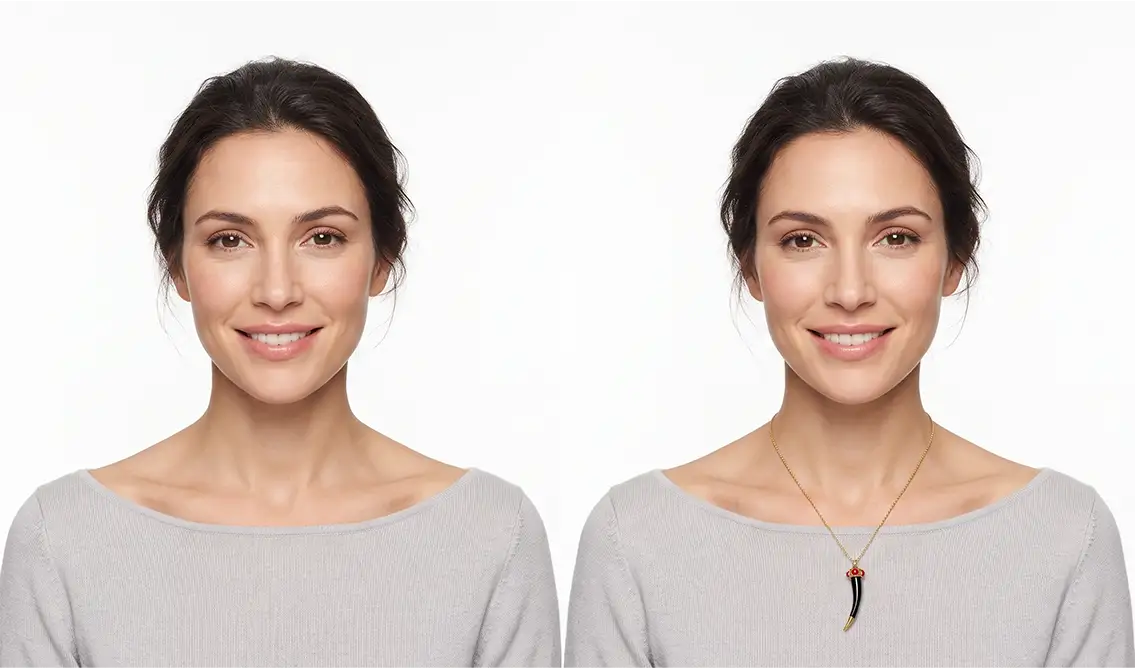
Turn on your camera, pick earrings, a pendant or a ring, and see the piece on yourself in real time.
Switch items in one tap.
Everything runs in your browser: no photo or video is ever uploaded.
Specific named cameras in jewellery
This is a genre of its own: jewellery styled after a specific legendary camera model. Here you have to be careful with history. Some iconic cameras were made long before 1950 and can be named as historical objects. Some later models fall into a zone where it is wiser to give a general description without names.
The rangefinder camera of the 1930s
A small-format rangefinder camera that appeared in the 1930s defined the look of this type of camera for decades. A horizontally travelling shutter, two viewfinders (one for the rangefinder, one for framing), a compact body finished in black lacquer or chrome.
For whom: a photographer of the classic school, a documentary photographer, a street photographer of the older generation, a film lover. The silhouette of such a camera is recognisable in a moment: the masters of twentieth-century war photojournalism worked on cameras like this.
As jewellery: a miniature camera pendant in the shape of a 1930s rangefinder. Size 15 to 20 millimetres, silver with a dark patina. Accurate proportions, visible rangefinder elements, a lens with a glass slice. This is a collector level of execution, not a souvenir.
The medium-format waist-level camera (late 1950s)
A medium-format camera of the late 1950s became the benchmark of its format: a square 6 by 6 centimetre frame, a waist-level finder, interchangeable backs, interchangeable optics. Cameras like this shot the portraits of the twentieth century, advertising, fashion, and the space programmes of the era.
For whom: a studio photographer, a portraitist, a fashion photographer, anyone who works in the square format. A medium-format waist-level camera is a symbol of the premium and of reliability at once.
As jewellery: a square camera pendant with a waist-level finder. Silver or white gold, dense, with weight in the hand. The square format gives an unusual silhouette that does not get confused with other camera pendants on the market.
The twin-lens reflex of medium format (from the late 1920s)
A twin-lens reflex camera of medium format. One lens for the finder (a waist-level hood on top), the second for the exposure. A recognisable "double" silhouette. Used for street photography, portrait and reportage in the film era.
For whom: a photographer who values the analogue aesthetic and the film heritage. Someone who has shot, or would like to shoot, medium format. Often these are photographers in love with vintage and the old school.
As jewellery: a vertical pendant with two round lenses, silver. A graphically very clean and recognisable silhouette.
The teaching film SLR of the later twentieth century
A simple, reliable, mechanical SLR camera. It stood in every photography school in the world as a teaching tool. Many photographers of the older generation learned on exactly this kind of mechanical reflex with no automation, with manual focus and a manual metre. It is an emotional object for a very large number of people who went through classic photographic training.
For whom: a photographer who looks back on their training with affection. A teacher of photography. Someone who wants to return to the simplicity of a mechanical film camera.
As jewellery: a miniature in the shape of a classic SLR with a pentaprism on top, a visible focus ring on the lens, a protruding shutter button. Silver, accurate proportions.
The plastic lo-fi medium-format camera
A separate aesthetic niche: plastic medium-format film cameras, cheap and imprecise, that produce characteristic defects in the image. Vignetting, light leaks, blur, uneven sharpness. From the early 2000s these cameras became a cult among those who seek imperfection as an aesthetic. The approach rejects technocratic control and accepts chance as part of the creative result.
For whom: an experimental photographer, a conceptualist, an artist, anyone who plays with the lo-fi aesthetic.
As jewellery: a silver stylisation works better than a literal reproduction of the plastic. A silver pendant with its recognisable rectangular silhouette and central lens is a paradoxical but exact gift for a conceptually minded photographer.
The Japanese rangefinders of the mid-twentieth century
After 1950 several legendary rangefinder cameras appeared from Japan and shaped a whole direction in photography. They were often used as an alternative to the German rangefinders in reportage and street work. A recognisable silhouette of a small metal body with two viewfinder windows and a removable lens.
Without naming specific models, you can make a stylised miniature in this aesthetic: a compact rectangular body, two round "eyes" on top (one for the rangefinder, one for the finder), a lens at the lower front. This is recognisable graphics for anyone who knows film cameras.
Cameras better left unnamed
Digital reflex and mirrorless cameras of current manufacture. They date too fast as visual symbols. A pendant in the shape of a model that will leave the market in three years starts to look like an advertisement for a vanished product. Better to abstract it to a general "camera" form with no recognisable brand.
Consumer-segment cameras associated with tourism and amateurs. They do not visually compose into a beautiful jewellery object.
Extreme cameras (for underwater work, for sport). A very niche audience, poorly translated into jewellery.
How to choose a specific model
Ask the person you are giving to what their first camera was. Not now, the first one. The answer will most likely be spoken with warmth: "Dad's mechanical SLR", "a film point-and-shoot from the department store", "Grandfather's rangefinder". That first camera always carries an emotional charge.
Then: if the first camera is something from the legendary film era (rangefinders, medium-format waist-level cameras, twin-lens reflexes and mid-century Japanese rangefinders), a stylised pendant works perfectly. If the first camera is a later model, it is better to choose an abstract camera symbol or a rangefinder aesthetic with no specific tie.
An extra question: what camera do they use now? That gives you an understanding of their current school and preferences. But the first camera is usually the stronger emotional anchor.
What goes with such a gift
A pendant styling a historical camera is a thing that needs explaining. A small card describing the type of camera, the era and its historical meaning turns the piece into a complete gesture. "A medium-format waist-level camera, late 1950s. The kind of camera that shot the portraits of the era and the space programmes. Wear it as a reminder that good pictures outlive their time."
This is not pomp. It is giving the piece a context, without which it stays just a shape.
Customer reviews
Zevira is a real jewellery shop. Genuine payments, deliveries and customer thank-yous.
🥰🥰🥰 gracias
Ok, ¡gracias! 🙂
Engraving for a photographer
Engraving turns a piece of jewellery into a personal document. For a photographer this works with special precision: their profession is made of the exact parameters of every frame, and those parameters are beautiful in themselves. Specific formats, specific texts, specific layouts.
EXIF data as a stylistic engraving
EXIF is the technical information a digital camera writes into every image file. It includes the aperture value, the shutter speed, the ISO (sensor sensitivity), the focal length, the date and time of the shot, sometimes the GPS coordinates. This data accompanies every frame and is read by editing software.
Part of the EXIF can be brought out as an engraving on a piece, and it works with unique precision. A photographer reads a line like "f/2.8 1/250 ISO 400" in a moment and reconstructs in their head the rough conditions of the shot: whether it was bright or dark, whether a fast subject or a static one was involved, what depth of field was planned.
Recording formats.
Full record with separators: "f/2.8 1/250 ISO 400". Takes roughly 15 to 18 characters. Suits a wide pendant or the outer face of a bracelet.
Short record with no labels: "2.8 250 400" or "2.8/250/400". Clean graphics, read only by those who understand. Takes 11 to 12 characters.
Extended record with focal length: "50mm f/1.4 1/125 ISO 200". The full data of one specific frame. Long but informative. Fits on a large pendant or on the inner face of a bracelet along the curve.
Minimal record, aperture only: "f/8" or "f/1.8". If a photographer has a favourite value they shoot on most often, this single number becomes their professional signature.
Coordinates of the place of a first published photograph
This is the second key category of engravings for a photographer. Coordinates are written as latitude-longitude, either in decimal degrees or in degrees-minutes-seconds.
Decimal form: 40.7128° N, 74.0060° W (the coordinates of Manhattan). Visually cleaner, sits better in an engraving along a curve.
Degree form: 40°42'46"N 74°00'21"W. More complex, takes more room, but looks classic.
Which coordinates work for a photographer.
The place of a first published photograph. If they remember where the frame was taken that first appeared in a magazine or on a publication's site, those are the coordinates to engrave.
The place of a first exhibition. If they took part in a group or solo show, the coordinates of the gallery are a symbolic tie to the moment their work became public.
The place of an expedition that changed their view. A documentary photographer who spent three months in one village always remembers it. The coordinates of that village on a pendant read to them as proof of a path travelled, not as a formal geographic point.
The place of a favourite frame of their own. Not the best technically, but the one they are proudest of. This is a question a photographer answers without hesitation if you ask at the right time.
Quotes that work
Engraving a quote on a piece is risky: a banal quote kills the piece, and a fitting quote has to be worn for decades. Several sources that work.
Henri Cartier-Bresson, his book "The Decisive Moment", 1952. Cartier-Bresson died in 2004 and can be quoted as a historical figure. His famous phrasing of the decisive moment, which gathers all the elements of a frame into a single second of perfection. You can put the key phrase from the French original on an engraving: "L'instant décisif" (the decisive moment). Seventeen characters, fits on a standard pendant.
Susan Sontag, her book "On Photography", 1977. Sontag died in 2004 and can be quoted as a historical figure. Her phrasing of photography as a way of taking part in the mortality of another person or object. A short quote: "To photograph is to appropriate".
Robert Capa, the war photographer who died in 1954 in Indochina (stepping on a mine). His formula: "If your pictures aren't good enough, you aren't close enough". This is professional wisdom on the level of the laws of nature for a reporter.
Margaret Bourke-White, the first woman war photographer for Life magazine, born in 1904, gone in 1971. Her lines about working with risk and about the photographer's role as witness.
Edward Weston, a classic of landscape and still-life photography (1886-1958). His thought that a good picture begins with an object seen correctly, not with a button pressed correctly.
Cartier-Bresson left many aphorisms and can be quoted generously. Susan Sontag too, especially for a portraitist or a fashion photographer.
Dates of magazine publication
The date of a specific magazine publication is a narrow but very personal code. "01.03.2014" may mean nothing to an outsider, but the photographer will remember: this was the day the issue came out with their first big piece.
Engraving format: "15.06.2018" or "15-06-2018" or "15.VI.2018" (the month in Roman numerals, a more elegant option). Ten characters, fits anywhere.
An extra touch: the name of the publication next to the date. "Life 06.1956" or "GEO 03.2019". This is almost a portrait engraving already: the place and time you were seen.
Dates of shoots
If a photographer shot something significant on a specific day, the date of the shoot works as an engraving too. For example, the day of the first wedding they shot. The day they took their best-known portrait. The day they were on an assignment that changed their view.
Signatures and initials
Engraving initials works on any piece. For a photographer there are a few ways to make it more exact.
The initials of the photographer and of the people in a favourite shot. If they took a portrait they consider the best of their career, and the person in it is someone close, you can engrave both sets of initials. "MK + EP" with a small arrow between them. A cipher only the wearer understands.
Initials as an interlaced monogram. An old jeweller's technique that needs an artist. The result is a small graphic mark, very personal.
Names of series and projects
Documentary photographers and authors of photo projects often name their series. Sometimes it is a word, sometimes a phrase, sometimes an abbreviation. Engraving such a name on a pendant is a narrow code for the author themselves.
For example, if a documentary film was called "Northern Winds", engraving "Northern Winds 2019" on the back of a pendant is a very personal tie. No outsider reads it; the owner remembers it every time.
Where to engrave
Different pieces call for different places.
The pendant. The reverse is best. Nobody sees it but the owner. The engraving lasts long and does not wear off, because it does not touch the skin.
The ring. The inner surface, next to the hallmark. Invisible from outside, seen only by the owner. It touches the finger but does not wear off, because there is no friction.
The bracelet. The inner side of the band, on a smooth part. Visible as the wrist moves, but not openly.
The chain. An engraving rarely fits on the chain itself. Better to use a small "coin" or "tag" attached to the clasp or to one of the links. A tag of 6 by 10 millimetres holds one line of a short engraving.
Which typeface
For engraving photographic data, sans-serif, monospaced faces work best (like a typewriter). This gives the engraving a technical look, close to the one used on the cameras themselves for markings.
Recommended families: Helvetica, Courier, Futura. Typefaces associated with twentieth-century photographic culture.
Serifs (like Times or Garamond) are good for quotes and phrases. They give the engraving a literary, more classic character.
Italics suit dates and initials. Not technical parameters.
Depth and size
The depth of an engraving decides how long it stays visible. A shallow engraving wears off in five to ten years of daily wear. A deep engraving lasts a hundred years and more.
For a photographer it makes sense to order a deep engraving from the start: their jewellery is an investment in permanence.
Character size: on a standard pendant a typeface of 1.5 to 2 millimetres in height reads comfortably. Smaller and it merges; larger and it looks coarse. On a ring along the inner diameter, characters of 1 to 1.5 millimetres usually work.
A checklist before engraving
Before you order an engraving from a craftsperson, check each of the following points.
The text is finalised, no doubts about the wording. An engraving is applied once; you cannot redo it without replacing the piece.
All symbols are consistent: the format of dots, dashes, fractions. If "f/2.8", then exactly so, with the slash. If "f 2.8", then with the space. The style must hold.
The coordinates are verified. If you engrave a point with an error of one degree, that is a thousand kilometres off the real place. Check the coordinates twice on different maps.
The date is checked against reality. If you engrave "15.03.2018" instead of "15.03.2019", that is a difference the owner will notice at once and always remember.
The typeface is chosen to match the aesthetic of the piece. A thin, minimalist pendant does not pair with a heavy lettered engraving. A massive pendant does not pair with a tiny, unreadable inscription.
The depth and size are agreed with the craftsperson. Better to discuss once and see a test engraving on a sample than to be disappointed by the result.
If you want several things at once (coordinates, a date, EXIF), spread them across different surfaces: coordinates on the back of the pendant, EXIF on the band, the date along the edge. One surface, one meaning. Fitting everything onto one plane means making the inscription cramped and unreadable.
Upload a photo of your pet, someone you love, or an object. We'll build a 3D model and hand-cast it in pewter.
Materials suited to the profession
The material of a piece for a photographer is chosen not by prestige but by practicality. A professional quickly rejects jewellery that gets in the way of work, even if it is expensive. So below we go through the materials from the point of view of the photographic profession itself.
Stainless steel 316L
This is the medical steel used to make surgical instruments. It withstands autoclaving, does not react with acids or alkalis, and causes no allergy. For a photographer 316L steel has several key properties.
It withstands the heat of studio lights. Professional halogen sources give off significant heat. Silver darkens faster than usual in those conditions. Steel does not react.
It does not react with sweat. A photographer sweats heavily on a shoot day: the work is physical, especially when carrying a camera and gear. Silver darkens from sweat; gold can react in those who are sensitive. Steel does not react at all.
It does not scratch against the camera body. A steel ring is dragged across the metal of a camera body thousands of times during a shoot. Silver scratches and leaves fine lines. Steel is more resistant.
It is convenient for laser engraving. Laser engraving on 316L gives very crisp lines and does not fade.
The drawbacks: steel is colder to the touch than silver or gold. Aesthetically it is more technical, more "instrumental". That may appeal or not, depending on the temperament of the recipient.
Sterling silver 925
A universal material for a photographer's piece. Several advantages.
It does not scratch the camera screen. If a photographer's ring taps against the LCD on the back of the camera, silver is softer and leaves fewer marks than steel or hard alloys.
It ages well. Silver gathers a dark patina within two or three years of daily wear. For a photographer this patina works aesthetically: it recalls a high-contrast black-and-white image. Dark hollows, light raised areas.
It holds engraving well. Laser engraving on silver looks crisp and does not fade.
It is strong enough for daily wear. Not as soft as pure 999 silver, not as hard as steel. A middle ground.
The drawback: it reacts with the sulphur in the air and darkens under a chemical load. If a photographer still shoots film and develops it themselves, the developer chemistry (metol, hydroquinone) and the fixer (sodium thiosulphate) react with silver intensely. An analogue photographer will take off a silver pendant before working in the darkroom.
Gold of 14 and 18 carat
Gold has one key functional property for a photographer and one aesthetic limitation.
Functionally, gold is ideal: it does not react with sweat, with cosmetics, with most chemicals. It does not darken. It sits on the skin for years without change. It causes no allergy (in pure form, not alloyed with nickel).
Aesthetically, gold has a problem: it reflects light strongly. Yellow gold catches the sun, and those reflections land on the very photographs the photographer takes nearby. Shooting a close-up of a person and leaning in, the reflection off their own gold ring on the model's face creates a stray flare.
From this comes a practical rule: white gold or matte yellow works better for a photographer. Polished yellow gold in a large size (a massive pendant, a wide ring) is better kept for off-hours.
Rose gold is softer in character and reflects less; it works well for women photographers.
Leather for cords
If a pendant hangs on a cord rather than a chain, leather is the best material. Several reasons.
It does not jingle or reflect. A chain can knock against the camera body and make a sound that lands on the soundtrack if a videographer is recording with sound. A leather cord is silent.
It moulds to the body. After a few months of wear the leather softens and becomes part of the body. A silver chain always stays foreign.
It is stylistically "professional". A leather camera strap, a leather gear bag, a leather pendant cord: they all go together.
It does not react with sweat if the leather is well treated. But it needs care: every six months treat it with leather oil, or it goes stiff.
What NOT to wear
Large protruding stones. A stone that sticks out of its setting constantly catches on the camera strap, on pockets, on control buttons. Within six months such a stone is knocked out of its nest. A pendant or ring with a large stone does not suit a photographer as daily wear.
Nickel silver and low-grade alloys. They green the skin with sweat. A photographer takes such a piece off on the first shoot day and never brings it back.
Gold plating over a base of cheap metal. It rubs off within half a year, and the unattractive base shows through. If you want to give gold, give real gold.
Costume jewellery with plastic elements. It does not withstand the physical load and quickly loses its look.
Stones that work
If a piece has a stone, it makes sense for a photographer to choose stones that echo their profession.
Moonstone. The bluish shimmer (adularescence) visually recalls what a photographer sees shooting at night on a long exposure, when the stars draw out into trails. For the astrophotographer and the landscape photographer working with moonlight.
Labradorite. It changes colour with the angle of light. This is literally a metaphor for the profession: the same object shows different sides depending on how the light falls. A stone that is itself an example of working with light.
Onyx. Black, absorbing light completely. Minimalist, emphatic. For the photographer who works in black and white or with high contrast.
Blue topaz. The colour of a clear sky. Universally good for a landscape photographer and for those who shoot outdoors.
Amethyst. Violet, saturated. A complex colour that photographs well in a portrait under the right light. A photographer will appreciate the complexity of the colour.
Hematite. Dark grey with a metallic sheen, like the polished metal of a camera. A very photographic aesthetic.
What does not work: diamonds are too classic and too brilliant. For a photographer they tend to be associated with formal wear rather than daily wear. If you want a stone, choose a semi-precious one with character, not a classic diamond. Although in wedding jewellery a diamond has its place.
Enamel
Enamel is a glassy coating fused onto metal. With a good craftsperson, enamel gives exact colours and holds for decades. With a poor one, it cracks and chips within a year.
For a photographer, enamel has a narrow use: colour accents on a camera pendant (for example, a red point on the body as a marker for a button), colour coding. For instance, a dot in a specific shade matching the colour temperature of a photographer's favourite light (5500K daylight, 3200K tungsten lamp).
This is a rare choice, but done well it is very personal.



Five detailed cases
To move from general principles to specifics, let us go through five cases that are realistic in structure: different types of photographers, different occasions, different gifts. Each has a full logic of choice, a format of the piece, an engraving, packaging and a scenario for giving it.
Case 1. A retired documentary photographer after 40 years at a magazine
The recipient: a man of 66, who spent 41 years as a staff photographer at a large regional publication. He shot reportage, portraits, news features. Around 130,000 of his frames were published in the magazine. He is now officially retired and keeps shooting for himself.
Who gives the gift: his wife and two grown children. The occasion: a year since retirement. A celebration in the family circle.
What does not work: a new camera (he has four, he bought the last one for himself six months ago), a photo book (the shelves are full), a workshop (he has taught for twenty years), a trip (he has just come back).
What is chosen: a silver aperture pendant engraved "f/8 1/250 ISO 400". These are his working settings for street reportage in daylight. For all forty-one years he began the day with these and adapted to conditions afterwards. These three numbers are as much a badge of the profession to him as the white coat is to a surgeon.
The format of the piece: a round pendant 22 millimetres across, flat sterling silver 925, a laser-engraved aperture (visible blades) on the front, the engraving "f/8 1/250 ISO 400" on the reverse. A chain 50 centimetres long, flat and light.
The engraving is done by a craftsperson who specialises in technical inscriptions. A monospaced typeface, 1.8 millimetres in size, 0.3 millimetres deep. Guaranteed legible in thirty years.
An extra element: a small card written in the wife's hand. On it, one line: "For forty-one years you began the day with f/8 1/250 ISO 400. Now they are with you at night too."
The scenario for giving it: a family dinner, after the main course, before dessert. First he is given something expected (a book or a good wine), then the box with the pendant is passed to him. The wife asks him to read the card in front of everyone. The children know in advance what they did and why.
The effect: the pendant is in the frame in ten years, in twenty. Worn constantly. A family story that repeats on every occasion: "I had this pendant made for him with his settings."
Case 2. A wedding photographer, a gift for ten years of working together
The recipient: a woman of 38, a professional wedding photographer. Ten years ago she first met her future husband at her own first wedding shoot (his cousin was getting married). They now have two children, six years of life together, and she has shot around 280 weddings over ten years.
Who gives the gift: the husband. The occasion: ten years since that wedding where they met. Not their wedding anniversary, but the anniversary of the meeting.
What does not work: a new lens (she has everything, she is a professional), a technical gift (she buys everything herself), jewellery in a standard wedding style (banal; she knows the aesthetic of weddings professionally and will not take to a template).
What is chosen: paired bracelets of sterling silver 925 engraved with the EXIF of the photograph where she and her husband first appeared in the same frame. That photograph was accidental: she was shooting the bride and groom, he stood behind them as a guest, not looking at the camera, and his face fell into focus two hours after they first met.
The EXIF of that photograph: "50mm f/2.8 1/200 ISO 800". Her bracelet carries an engraving with those parameters. His bracelet carries "10.07.2015" (the date of that wedding).
The format: two flat silver bracelets, a band 4 millimetres wide, 1.5 millimetres thick. The inner side matte (with the engraving), the outer side polished (clean, no decoration). The bracelets are light, they do not jingle.
The engraving is deep, in a monospaced typeface. Character size 1.5 millimetres. One line on each bracelet.
An extra element: a digital copy of that very photograph, printed in a large format, framed. The copy hangs at home, the bracelets on the wrists. The connection is visible.
The scenario for giving it: the husband plans one quiet evening at home, no guests. After dinner, before putting the children to bed. He shows her the photograph (she remembers it but does not recall it on purpose), then passes her the box with two bracelets. He explains the logic. They put the bracelets on together.
The effect: the bracelets are worn daily. In twenty years they will be patinated and worn down, and only more beautiful for it. The story of "the EXIF of the wedding where we met" repeats whenever they meet new people.
Case 3. A young street photographer buying a first professional camera
The recipient: a young man of 24, who graduated from a design faculty two years ago and has been shooting street actively for the last eighteen months. He saved up for his first full professional camera and bought it three months ago. He shoots every day, posts his work on his account, and is slowly building an audience.
Who gives the gift: the parents. The occasion: the first professional camera and the gradual move from amateur work to something more serious.
What does not work: expensive accessories for the camera (he has everything he needs, all of it calculated to the millimetre), photo books (he buys them himself), a trip (he shoots a lot in his home city, travel is not the goal yet).
What is chosen: a silver signet ring with a miniature lens on the top face. The lens is engraved with very precise detail: a visible focus thread, an aperture ring, a small trace of a light highlight. This is not a souvenir caricature but an almost jeweller's sculpture of a lens on the finger.
The format: a ring of sterling silver 925, a flat top surface 14 millimetres across. On it, the engraving of the lens. Band thickness 3 millimetres. Worn on the ring finger of the right hand (the left is for the camera).
An extra element: an inner engraving on the band, "35mm". This is his favourite focal length, the classic street value. The number is visible only to him.
The scenario for giving it: a home dinner with the parents. No guests. After dinner the mother passes the box without explaining anything. He opens it and sees the ring.
The father adds one line: "Take it as us choosing an instrument you will not swap in two years. You will have another camera. This lens stays."
The effect: the young photographer wears the ring constantly. In a few years, after he has changed cameras several times, the ring will remain. This thing will be with him at the first publication, at the first exhibition, and at the move to a new specialisation if he decides on one.
Case 4. A landscape photographer turning 50
The recipient: a man of 50, a professional landscape photographer with twenty years of experience. He shoots mountains, seas, forest landscapes. He has five locations he returns to regularly: one specific place in the Alps, one on the coast of Brittany, one in Norway (the fjords), one in Scotland (the Highlands), one in Iceland (a volcanic plateau). He has shot each of these several times, and in each he has his own "spots" from which he shoots.
Who gives the gift: the wife and children. The occasion: turning 50.
What does not work: gear (he has a professional set), books (he buys his own), a new trip (he is already planning the next).
What is chosen: a silver compass pendant, engraved with the coordinates of all five favourite locations around the edge. In the centre of the compass, a compass rose with a single highlighted "north" point. On the reverse, the engraving "50".
The format: a round pendant 35 millimetres across (larger than usual, because it has to hold five coordinates). Flat sterling silver 925, matte polish. The engraving of short coordinate records: "47.5N 11.0E" (the Alps), "48.4N 4.5W" (Brittany), and so on. Five lines around the edge of the pendant.
A long chain, 60 to 65 centimetres. The pendant sits on the chest.
An extra element: a small handmade booklet (two pages of leather in a binding) with five stories about each location. The children asked their father about these places and wrote down his accounts. The booklet stays at home, the pendant on him.
The scenario for giving it: a family gathering on his birthday. After the main celebration, in a quiet evening moment. The wife passes the pendant first, then the booklet. The children read one story aloud in turn, each choosing their own.
The effect: the pendant becomes a wearable archive of the geography of his life. In ten years, when he tells his grandchildren about these places, the pendant will be the basis of the story. Each coordinate is a chapter.
Case 5. A studio photographer who is a minimalist
The recipient: a woman of 41, a studio photographer specialising in product shots for large brands. She works with still life, packaging, light of high complexity. By character a minimalist: at home only white walls, grey furniture and carefully arranged objects. Minimalism in clothing too. She wears only one piece of jewellery: a thin silver ring.
Who gives the gift: the partner (the husband). The occasion: the completion of a large year-long project for a major client, after which she received a long professional break.
What does not work: bright jewellery, dimensional pendants, anything multi-element (she will not wear it at all), a camera pendant (too souvenir-like for her aesthetic).
What is chosen: a thin silver chain with a single small point. The chain is flat, 42 centimetres long, very thin (1 millimetre). The point is silver, 3 millimetres across, mirror-polished. The point slides freely along the chain.
The symbolism: the point as a symbol of the light accent she places in her frames every day. The main light source, the key accent, "the one point on which the whole composition holds". Anyone who works with product light knows that phrase professionally.
The engraving: on the back of the point, a tiny engraving "1/8". This is the power setting of the main light source she works on most often in the studio. Nobody but her reads it.
The scenario for giving it: after the project is finished, in a small house by the sea where they went for the weekend. The partner passes the box in the morning, without explanation. She opens it, sees the chain with the point, and understands everything herself.
The effect: the chain becomes her everyday piece. She wears it with any clothing, to any event. The point sits at the throat. Nobody understands what it means. She does. That is enough.
What unites all five cases
In each of these cases the gift lands not on "a photographer in general" but on a specific person with a specific professional identity. This demands effort from the giver: to think about what specialisation the recipient has, what holds professional meaning for them, which code they will understand.
All five pieces have one thing in common: they are worn every day. These are not souvenirs shown once and hidden in a drawer. They are things that become part of the image for years.
The cost varies but does not decide the result. A thin chain with a single point can cost less than a complex compass pendant. The effect on the recipient is equally strong if the fit to identity is exact.
The engraving in each case carries a code only the owner understands. This lifts the piece out of the souvenir category and places it in the category of a personal object.
The scenario for giving is thought through everywhere: the place, the time, the sequence of gestures, the short formula of explanation. Without this, the gift can lose part of its power even when the object itself is perfectly chosen.
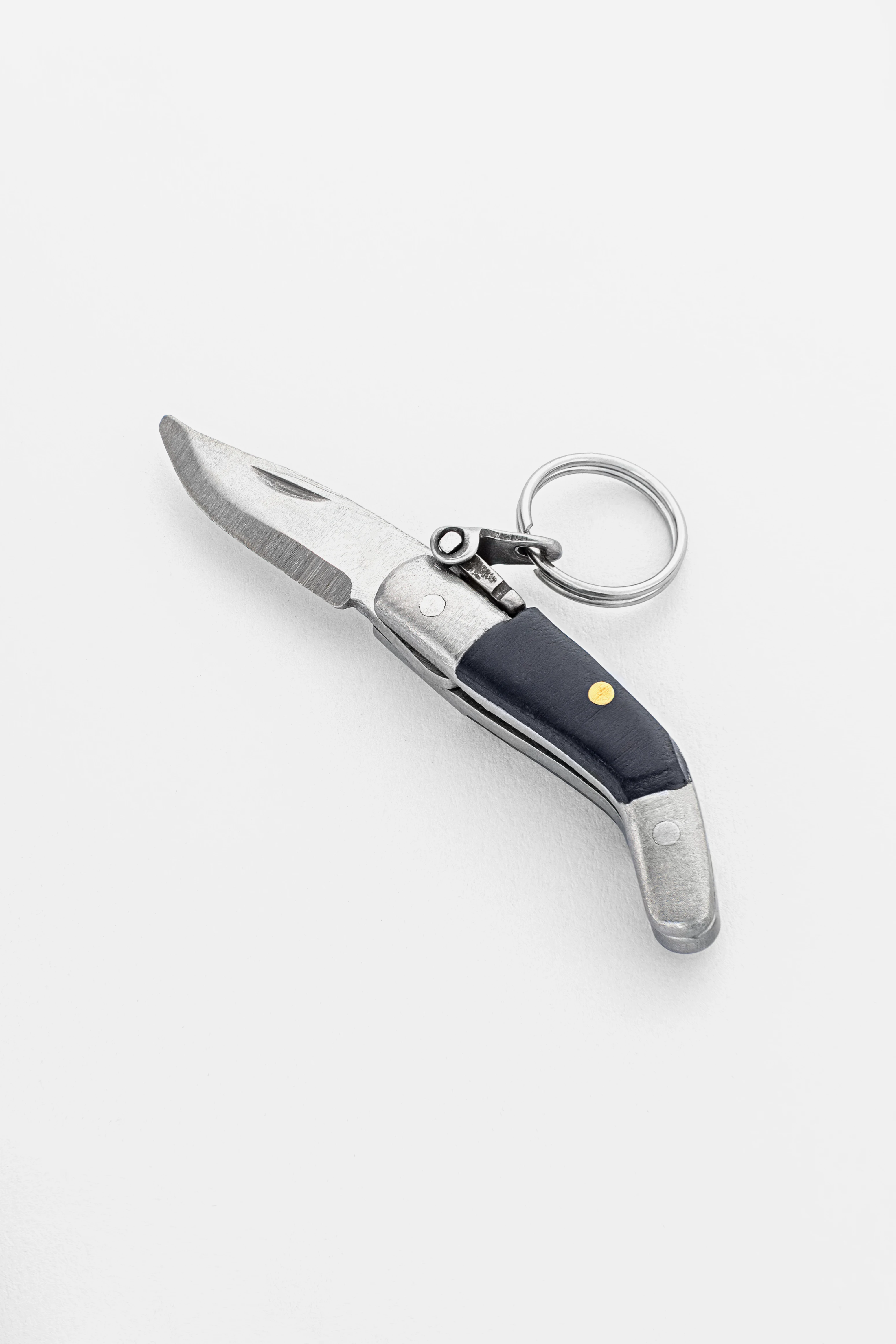
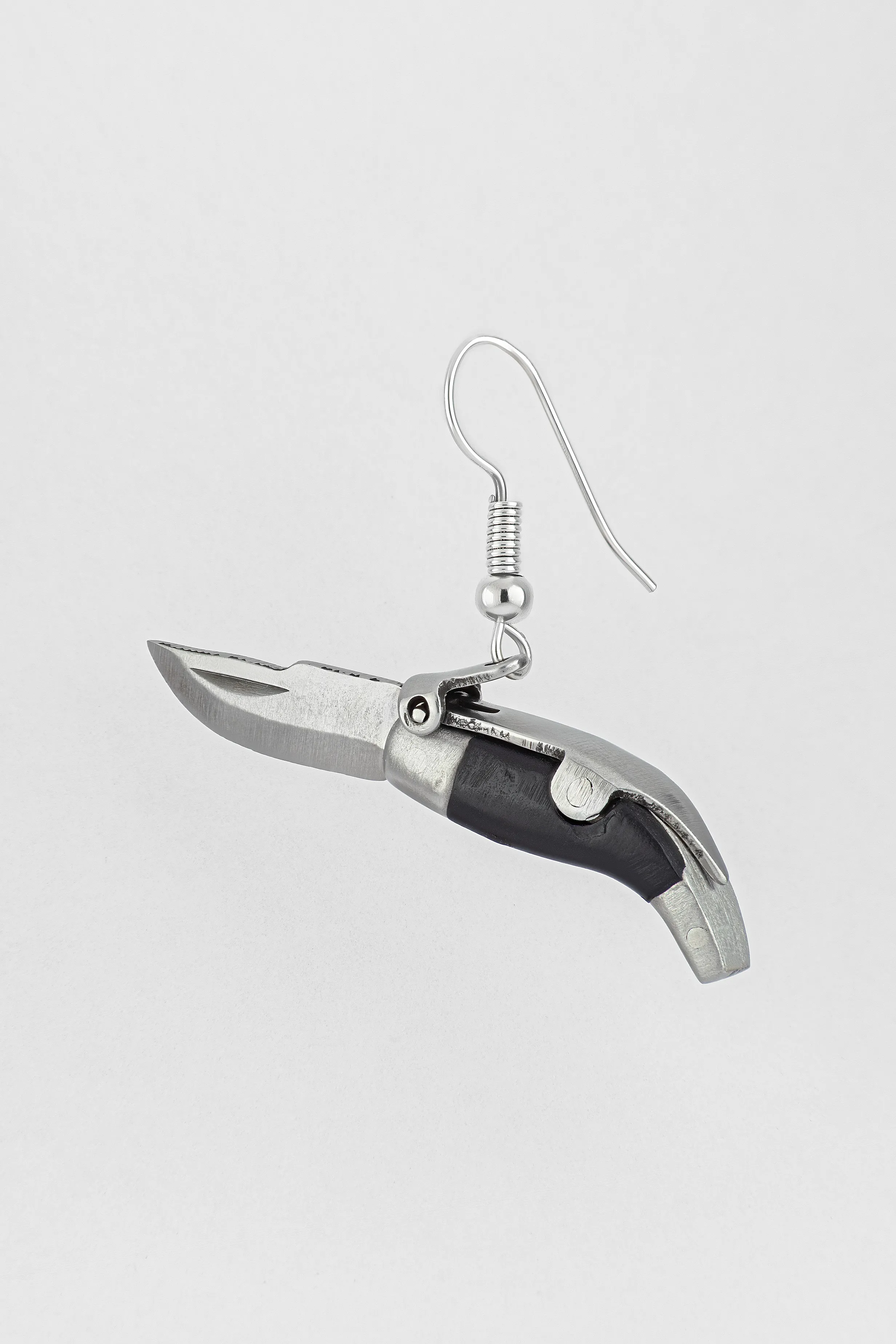
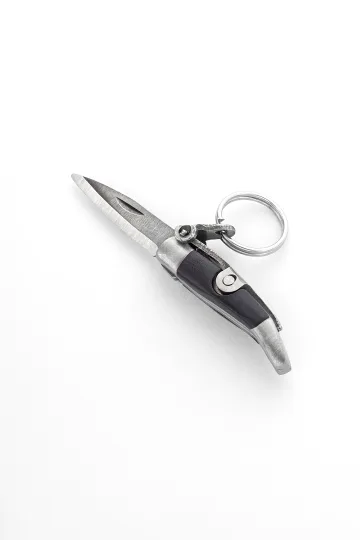
CAPAORA mini knife pendant
The 18th-century Spanish navaja in miniature: 40 mm of stainless steel, a real folding mechanism and a Palanquilla lock that clicks. An affordable gift to remember.
Authentic · Ships from Spain · 14-day returns
Anti-patterns: what not to give a photographer
Besides what to choose, it helps to know what to avoid. Below are ten specific mistakes in a gift for a photographer, common enough to set out as a separate list.
1. Bulky jewellery that distracts in the frame
A large pendant that hangs at the photographer's throat during a shoot and lands in the reflections. For example, shooting a close-up portrait where the surroundings are visible in the model's eyes. A large shiny pendant on the photographer's chest creates stray light in those reflections.
This is not a theoretical problem. It is a working situation. A professional portraitist will see their own pendant in the model's eyes ten minutes into the shoot and take it off. After that they will not wear it to work.
The rule: jewellery for a photographer has to be either small, or matte, or hidden under the clothing.
2. Polished yellow gold in large amounts
Yellow gold with a mirror polish works like a small mirror: in the studio the reflections land on the model's face, outdoors they flash in the viewfinder. A massive polished ring or pendant is no good for a photographer at work.
The rule: gold is better in a matte polish or in white. Polished yellow we keep for evening wear and formal occasions.
3. Long drops that swing during reportage
A news photographer works in motion. Running after an event, bending, jumping, sitting. A long drop swings in that mode, knocks against the camera, lands in the frame, catches on the strap.
After two such shoots the photographer takes off the long drop and does not return to it. The gift goes to the drawer.
The rule: either a short chain (up to 42 centimetres, pendant at the collarbones) or a pendant under the shirt, no higher than the throat on the outside.
4. Rings on every finger
For a while a "many rings" style was fashionable among young photographers. It works in one direction: aesthetically and for style. And it does not work in the other: functionally.
Every ring on a finger is plus weight on the hand, plus roughness of surface that will scratch the camera body, plus noise when handling the control buttons.
A professional photographer gradually reduces the number of rings to a minimum. A wedding ring, perhaps one more personal one on the right hand. A large set of rings means either a beginner or someone working in a special aesthetic niche (a fashion photographer for glossy magazines at the shows, for example).
The rule: give one ring, not a set.
5. Earrings that block the view through the viewfinder
The camera viewfinder is the eyepiece a photographer presses their eye against. Dangling or sideways-protruding earrings get in the way of that contact. Drop earrings 4 to 5 centimetres long will catch the camera body every time it comes up to the eye.
Stud earrings, close to the lobe, with no dangling elements: that is the format that works for a woman photographer. Earrings with a long drop: only for going out, not for a shoot day.
The rule: give stud earrings, or earrings with a drop no longer than 2 centimetres and a heavy lower edge (so they do not swing).
6. A quote from a contemporary photographer-blogger
Sometimes people choose to engrave an aphorism from a currently popular photographer or photo blogger. This is risky for one simple reason: current fame is fickle. In two years the one everyone quotes now may fall out of fashion or land in a scandal, and the gift starts to carry an unwanted meaning against its will.
The rule: quote only proven classics who have passed away and whose place in history is settled. Cartier-Bresson (died 2004), Susan Sontag (died 2004), Edward Weston (died 1958), Margaret Bourke-White (died 1971), Jacques Henri Lartigue (died 1986), Robert Capa (died 1954).
7. Branded jewellery with manufacturer logos
No logos on jewellery. It is not about poor taste (although that too). The main thing is that the camera brand is a photographer's commercial decision. Today they work with one make; in five years they may move to another. A piece with the logo of the first make starts to bother them as an advertisement for a former instrument.
The rule: only abstract symbols and stylisations, no recognisable brands.
8. A watch as "a gift for a photographer"
A watch is a different category. It is not jewellery in the sense we mean in this guide. Besides, every photographer already has some kind of watch, and changing it is a difficult task.
A watch as a gift for a photographer almost never lands: either they do not wear a watch at all (they prefer the time on the camera and the phone), or they already have a watch they chose themselves and that matters to them.
The rule: leave the watch alone. A pendant or a bracelet works better.
9. Too symbolic for a photographer's image
Sometimes givers decide to make "something very photographic": a pendant with a built-in mini-photograph, a locket that opens with a strip of film inside, an amulet with a print of a shot. These solutions are usually souvenir-like and look poor in real wear.
A good gift for a photographer is often not obviously "photographic". An owl pendant or an infinity pendant works for a photographer not because it refers to photos outwardly, but because it lands on their profession through metaphor.
The rule: look for a fit in meaning, not in image. An obviously "photographic" object often works worse than a symbol that needs decoding.
10. A gift with no personal tie
The most common mistake. Buying "a nice pendant for a photographer" with no personalisation at all, with no understanding of who exactly you are giving it to. The result is a gift "in general", not "for them".
An engraving with coordinates, EXIF, a date, initials is what turns a piece from a stock item into a personal object. Without that gesture the gift stays anonymous.
The rule: even a minimal engraving (just initials) is better than none.
Caring for a photographer's jewellery
A photographer's way of life creates conditions for jewellery that other professions do not face. Prolonged sweat during physical work with gear, contact with chemistry (for those who develop film themselves), the dust of assignments, the constant carrying of weight. All of this calls for particular care.
After a shoot day
A working photographer sweats heavily: the camera weighs from 800 grams to 2 kilograms, the lens adds more, plus accessories on the strap. After 8 to 10 hours of work the sweat soaks the clothing and reaches the jewellery through it.
A silver pendant under the shirt darkens faster than usual from the sweat. Not critically, but noticeably. After a shoot day the pendant is worth taking off and wiping with a soft cloth.
If sweating is very heavy (a summer shoot, physical work), the piece is better rinsed in warm water with a mild soap, then dried. This takes two minutes and adds years to the life of the silver.
After working with photo chemistry (for analogue photographers)
Analogue photographers who develop film themselves work with metol, hydroquinone, sodium thiosulphate and other chemical reagents. These substances react actively with silver (including the silver of jewellery).
The rule: before working in the darkroom all silver jewellery is taken off and put in a separate box outside the chemistry zone. This includes pendants, rings, earrings, chains.
If a piece accidentally catches a splash of chemistry, it has to be rinsed in running water immediately and dried. Metol leaves dark stains on silver that are hard to remove.
Gold jewellery is not damaged by the chemistry (in most cases), but it is still better taken off for the duration of the work.
Storage
A photographer often has many memory cards, batteries, filters and other small items lying in the same bag where jewellery may end up. This is bad: small metal objects scratch one another.
The solution: a small separate box or pouch for jewellery in the camera bag, apart from everything else. A pendant in a soft cloth pouch, a ring too, earrings in a firm box.
At home, storage is standard: a box with dividers so the pieces do not touch. Silver is better kept in the dark so it does not darken from the light.
Cleaning silver with a patina
If a photographer likes the look of patinated silver (and most do, because it matches the photographic culture aesthetically), silver should be cleaned carefully. Not killing all the patina, but only restoring the overall look.
The method: a soft cloth, minimum pressure, wiping along the lines of the relief. No abrasive pastes, no metal cleaners. Good silver lives for decades with minimal care.
Engravings are cleaned separately: a soft, short-bristled brush to remove dust and sweat from the hollows. No water, or the narrow grooves of the engraving are hard to dry.
What to do about scratches
A pendant or ring can scratch against the camera body, the strap, other objects. Fine scratches on a matte silver surface are invisible and over time integrate into the overall look. Deep scratches can be removed by a jeweller during a repair.
Polished gold scratches more visibly, and scratches look worse on it than on silver. For this reason gold is better taken in a matte finish for a photographer.
Replacing the chain
A chain wears out faster than a pendant. Thin links thin out over time and can snap. If the pendant is valuable, it is sensible to replace the chain after a few years while keeping the pendant.
This is normal practice: the chain is a consumable, the pendant is the thing. A good jeweller does the swap in half an hour.
Leave your email, we'll send your discount code. No spam, unsubscribe anytime.
The code arrives by email, valid on your first order.
FAQ: long and narrow questions about a gift for a photographer
What to give a photographer husband for his 50th?
It depends on his specialisation and what he shoots most often. A few options work universally.
A pendant engraved with the EXIF of his favourite genre. If he is a landscape photographer, something like "f/11 1/60 ISO 100" (typical landscape settings). If a portraitist, "f/2 1/200 ISO 400". If a reporter, "f/4 1/500 ISO 800". The specific values come from his shots or from mutual friends.
A compass pendant with the coordinates of the place that means the most to him. It can be the place of a first key project, a favourite shooting location, a place of family history.
A signet ring with a miniature lens on the top face. A universal gesture for any type of photographer.
A silver bracelet engraved with "50" and one short date from his professional life (for example, the year he began shooting professionally).
Does the owl symbol suit any type of photographer?
The owl works for most types of photographers, but especially strongly for those who work in low light or in a mode of patient observation.
Suits especially: astrophotographers, night street photographers, documentary photographers, wildlife photographers, portraitists working with soft light, reporters in conditions of candid shooting.
Suits, but is not the strongest symbol: studio photographers with artificial light (for them the aperture or point symbol is more exact), fashion photographers (for them celestial or abstract symbolism is more exact).
What is better, one piece or a set?
One. A professional photographer rarely wears sets (earrings plus pendant plus bracelet plus ring in one style). That is more the weekend aesthetic of people in other professions.
A photographer values one chosen piece more, one that can be worn with any clothing, in any situation. So a set of three items often works worse than one well-chosen pendant.
If you do give several pieces, give them with different meanings and for different occasions. For example: one pendant for daily wear under the shirt, one ring for formal events. These are two different objects with different purposes, not a set in one style.
How long will a photographer wear a piece?
A quality piece with a meaningful tie to the person is worn for decades by a photographer. A silver pendant with an engraving that landed on their identity stays with them almost constantly.
This is what sets jewellery apart from a technical gift: a camera dates in five years, a lens in ten, a tripod in twenty. A silver pendant engraved f/8 1/250 ISO 400 never dates, because those values are not technology but mathematics.
How does a photographer react to a piece they do not understand?
A photographer, like any professional in an aesthetic field, is very sensitive to the quality of objects. A piece that landed in their aesthetic, they notice and value at once.
A piece that did not land, they accept with gratitude but do not wear. Not because they take offence, but because they have no habit of wearing things that do not go with their image.
So the risk with a gift for a photographer is not that the choice will offend them. The risk is that they will put the piece in a drawer and forget it. To avoid that, you need to understand what they wear themselves and to land in that logic.
Can you give a photographer a piece with a modern photographic brand?
Better not. The camera brand is a photographer's commercial decision at a specific moment. In a few years they may move to another make. A piece with the logo of the old make starts to get in the way.
A universal approach: abstract symbols of photography (the aperture, a lens with no brand), generalised historical cameras (a 1930s rangefinder, a medium-format waist-level camera, a twin-lens reflex), neutral symbols (an owl, a compass, infinity).
Is it worth giving a photographer a piece from their colleagues?
This is a rare but very valued gesture. When several colleagues club together and give one quality piece to a photographer on an important milestone (a professional anniversary, retirement, an important award), the effect is often stronger than any gift from family.
The explanation is simple: family gives out of love, colleagues give out of professional recognition. These are different kinds of recognition, and the second is often more important to a photographer, because it is rarer.
A camera pendant in a generalised historical style works well (a 1930s rangefinder, a medium-format waist-level camera), because it is a symbol of professional heritage understood by all photographers. Or an aperture pendant, if the colleagues want a more universal gesture.
What to give a videographer?
A videographer works with the moving image and with sound. So symbols of movement and time work for them.
Infinity as the duration of a shot and the continuity of time.
The compass as the search for a frame and the movement of the camera.
A point on a chain as a symbol of focus in tracking shots.
A pendant engraved with film or digital codes: 24fps, 25fps, 4K, or vintage codes Super 8, 16mm.
The coordinates of the main shooting location of a documentary film.
Can you give a piece to a beginner photographer?
Especially so. A beginner photographer is still forming their professional identity, and a piece with photographic symbolism works as a support. It says: you are now part of this world.
Universal symbols work best at this stage: the aperture, the lens, the owl, the butterfly. Without too narrow a specialisation, because a beginner may still find their own. The engraving can be simple: their initials and the date of finishing photography school or of a first publication.
The budget can be modest. The main thing is that the execution is of quality. Sterling silver 925, an accurate engraving, neat proportions.
What to do if the photographer already has a similar piece?
Ask mutual friends: what do they wear constantly, what is in the drawer, what have they taken off entirely. A well-chosen gift does not duplicate what they have but fills a gap.
If they already have a camera pendant, you can make an aperture pendant. If they have a coordinate pendant, you can make a signet ring with EXIF. If they have a symbol of the profession, you can make a symbol of a hobby or a personal story.
Duplicating jewellery rarely works: a photographer does not wear the same pendant in two copies. But different pieces with linked symbolism work as a set, even if given at different times by different people.
Can you order an individual piece for a photographer?
Yes, and often this is the best option. A master jeweller makes a piece to a specific brief: with a specific engraving, a specific shape, taking the recipient's features into account. This usually takes from two weeks to two months depending on complexity.
The advantage of an individual order: the thing becomes truly personal, repeated by no one. This is especially valuable for a photographer, who works with unique moments themselves and understands the difference between serial and individual.
What to discuss with the craftsperson: the symbol (the shape of the piece), the material (silver, gold, steel), the engraving (text, typeface, layout), the size (exact parameters for the recipient), the timing and the budget.
Which jewellery suits a woman photographer best?
The logic is the same as for men photographers: symbolism of the profession, quality execution, a wearable format. But women's jewellery offers more formats: aperture stud earrings, thin EXIF bracelets, a ring with a miniature lens in a women's version (more delicate proportions).
It works especially well for women: a thin chain with a single point as a symbol of light, aperture stud earrings, a signet ring engraved with an f-value.
Long drops and large rings work, but only for non-working wear. For a shoot day a woman photographer will prefer the mini format.
The history of photography in jewellery: context for a gift
To understand why one symbol or another works for a photographer, it helps to step back and look at the history of the profession itself. Each period left its own visual codes, still recognised and read today.
The daguerreotype and the beginning of photography (1839-1860)
The first practical technology of photography appeared in 1839. Louis Daguerre presented a way of fixing an image on a silver plate treated with iodine vapour. The daguerreotype gave a unique single image that could not be multiplied. Silver was the material of photography itself in the literal sense: the image was made of microparticles of silver settled on the plate.
This creates an interesting echo: a silver piece for a photographer refers back to the very material of the first photographs. A sterling silver 925 pendant engraved with the EXIF of a digital frame suddenly gains an extra layer of history. The same metal that held the first photographs now holds the record of the modern ones.
Daguerreotypes were kept in special locket-cases. These cases themselves became jewellery: they were carried, worn around the neck, passed down. Old daguerreotype lockets are the direct ancestor of the modern locket pendant as a form.
The Victorian era (1860-1900)
The wet collodion process (1851) and then dry plates made photography more accessible. The first travelling photographers appeared, portrait studios, the fashion of having one's picture taken. The Victorians loved photographic portraits and often placed them in special locket pendants worn constantly.
The photo locket became a standard piece: a round or oval pendant with a hinged lid, under which lies a miniature portrait. This tradition is alive today in the format of lockets with photographs.
For a modern photographer a locket with their own photograph inside is a gesture that rarely works (a photographer rarely keeps their own shots as jewellery). But a locket engraved with EXIF on the outside and an empty space inside (for a future insert) works as a symbolic nod to that tradition.
The era of reportage photography (1925-1960)
The arrival of small-format 35 mm film and compact rangefinder cameras in the mid-1920s changed photography radically. The camera became portable, affordable, unobtrusive. Real street photography and reportage in the modern sense appeared.
This is the period when the image of the professional photographer as we know it took shape: a person with a compact camera, ready to shoot in any conditions. Henri Cartier-Bresson, Robert Capa, David Seymour, Jacques Henri Lartigue worked in exactly this era.
From this period the silhouette of the compact rangefinder camera entered jewellery. This is recognisable graphics for anyone who has read the classic photographic books. A pendant in the style of a 1930s rangefinder or a similar mid-century camera refers exactly here.
The era of colour and large format (1960-1980)
The spread of colour film and of journalistic photography in magazines led to the appearance of large medium formats as a professional norm. Medium-format waist-level cameras, twin-lens reflexes and Japanese medium-format cameras of the mid-twentieth century defined the look of commercial and magazine photography.
This is the era when the photographer becomes a recognisable public figure. Stars of photography appear, whose names are known beyond the profession. Exhibition openings, monographs, fees for advertising work.
In the jewellery of this era the medium format appears as a symbol of professional status. A square camera pendant refers to a medium-format waist-level camera. A vertical one with two lenses is a twin-lens reflex.
The era of the digital revolution (1990-2010)
The arrival first of early digital cameras, then of mass digital reflexes, and finally of smartphones with high-quality cameras, all of it overturned the profession. On one hand, photography became available to everyone. On the other, the professional photographer required a new definition: how do they differ from an amateur with a smartphone.
In the jewellery of this period there are no stable symbols. Digital cameras changed so fast that any model dated in five years. So the jewellery of the digital era is mostly abstract symbols: the aperture, a lens with no brand, EXIF as data.
The contemporary era (2010 to the present)
Photography now exists on several levels at once. Professionals split into narrow specialisations: commercial photographers for brands, documentary photographers for festivals, artists for galleries, reporters for publications, online creators and social photographers for their own audiences. Each segment has its own aesthetic and its own tools.
Jewellery is now chosen more by type of activity than by era. A documentary photographer prefers a film-camera stylisation (a nod to tradition). A social photographer may choose an abstract lens symbol (neutral as to era). A commercial studio photographer the minimalist point of a light accent.
What from history makes a strong gift
The stylisation of cameras from 1925 to 1960 is the most universal reference. A 1930s rangefinder, a medium-format waist-level camera, a twin-lens reflex are historical symbols whose meaning is fixed and will not change. A pendant in such a style reads to a photographer of any modern generation.
Universal technical symbols (the aperture, the lens, the light metre, the film canister) work regardless of period. These instruments have been in use since the 1920s and still exist.
Quotes from the classics of 1950-1980: Cartier-Bresson, Susan Sontag, Edward Weston, Margaret Bourke-White. Their phrasings have stood the test of time.
The coordinates of places connected with the history of photography or with the recipient's biography. This always works, because a place does not change.
The psychology of giving: how a moment is made
Part of a gift's power lies not in the gift itself but in how it is handed over. A well-chosen piece in an awkward setting loses half its effect. The right moment strengthens even a modest gift.
What to do on the day of giving
The hour before giving should be devoted to the giver's inner settling. Not to fussing with the piece, but to understanding what you are doing. Think about why this thing, why now, why this person. When you enter the moment with that inner understanding, it carries across to the recipient too.
The giving itself is best done at a moment when both are relatively free of fatigue and stress. Not after a long working day, not on the run between events. In the morning on a day off, or in the evening in a calm setting after dinner, or in an hour set aside for it.
The surroundings should be familiar and calm. The best place is the recipient's home or the giver's. A restaurant works if the table is private and the atmosphere quiet. What does not work: an office, noisy public places, a car in traffic.
How to hand over the box
Not like a trophy. Not a hand raised ceremonially with the box in the middle of the room. Not "I have a surprise for you". Calmly, evenly, like an ordinary gesture.
The box is passed into the hands, not set on the table. Direct contact through the hands strengthens the emotional bond.
The box itself matters. Cheap packaging kills the impression of a good piece. A modest handmade wooden box works better than a massive, pompous case. Inside, a fabric in which the piece sits securely: velvet, suede, dense cotton, no foam or plastic inserts. The box is a little larger than the piece, not by much: a large box with a small pendant looks out of place.
If there is a card, it lies inside the box or is handed over separately after the piece has been seen. Small, written by hand, not typed. The text short, two or three sentences. Many photographers keep such cards together with the piece for years. The card is read by the recipient after the first look at the piece.
What to say
A minimum of words. One or two phrases that set the context. Not a long speech.
Examples of phrasings that work.
"These are the coordinates of the place where you made your first reportage. So it is always with you."
"Here is engraved your favourite aperture. I know f/8 means something special to you."
"I thought for a long time about what to give. This is what felt exact."
"This is not instead of a camera. This is something else."
If the recipient begins to thank you or to talk straight away, it is better to give them space for their reaction. Do not insist on your own phrasing, do not explain, do not justify the choice.
How to react to the reaction
A photographer's reaction to a well-chosen piece is often quiet. A professional who sees an exact fit does not cry out and does not embrace you. They look at the piece, slowly raise their eyes to the giver, and understanding gathers in that look.
This is normal. There is no need to wait for a delighted reaction. A quiet, attentive look is often the best sign that the gift landed.
If the recipient quickly puts the piece in a pocket or box and switches to something else, that is normal too. Many photographers live emotional moments inwardly, not outwardly. In a few days you will notice they wear the piece constantly.
What not to do
Do not explain at length. A long explanation kills the magic.
Do not justify the choice. "I did not know what you like" or "maybe it is not the right thing" destroys the confidence of the gesture.
Do not insist on an emotional reaction. If they did not exclaim "wow", it does not mean the gift was unwelcome.
Do not repeat a gift soon after. If this time you gave jewellery, the next gift should be different. Otherwise gifts start to compete with one another.
An extra object alongside
A small object beside the piece itself works to strengthen it. A printout of a photograph of the place goes with a coordinate pendant. A copy of the very photograph whose parameters are engraved goes with an EXIF bracelet. A reprint of the book the quote is from goes with a quote pendant. The piece is a sign; such an object makes the meaning tangible.
Send a friend a discount code, they save on their first order.
When the gift did not work
Sometimes even a well-chosen piece does not enter the recipient's everyday life. If a year after giving the photographer does not wear it, there are several possible reasons and several actions you can take.
Possible reasons
An unsuitable size or format. A ring may turn out unusually heavy or uncomfortable in size. A pendant may catch on clothing. A chain may chafe the skin. This is a physical factor, and it is easy to overlook in the choice.
An aesthetic mismatch. The style of the piece does not go with how the recipient dresses. Sterling silver 925 with a dark patina may seem too "dark" to someone who prefers light tones. A dimensional pendant may seem too "noisy" to someone who values minimalism.
A mismatch of meaning. The engraving did not land on what matters to the recipient. The coordinates of a place chosen as "significant" turned out not to be. The EXIF engraved as "their" value turned out not to be their favourite.
A contextual mismatch. The piece is good, but the recipient tied it to circumstances they want to forget. For example, the gift was made on the eve of a divorce or an illness.
It simply does not suit the character. The recipient does not wear jewellery in principle, or wears a very limited circle of familiar things and does not want to add new ones.
What to do
A month after giving, in a calm setting, you can ask delicately: "I noticed you do not wear the pendant. Is something not right?" A direct question with no hurt and no pressure.
The recipient will tell the truth if asked carefully. Possible answers: "It hangs heavy on the long chain" (the fix: shorten the chain), "It does not go with my clothes" (the fix: offer to replace it or give it to another suitable person), "The coordinates are wrong" (the fix: redo the engraving).
If the recipient avoids the answer, it is better to accept that the gift did not work and not insist further. Not every piece finds its place. That is part of the process.
A backup plan
If there is doubt that the gift will work, you can make it reversible. For example, choose a piece from the range that can be exchanged or returned within a set period. Explain to the recipient in advance that if it does not suit, it can be exchanged.
This relieves the tension: you give a thing that is not obligatory to wear if it did not suit. The recipient does not feel an obligation to wear what they do not like.
If it is an individual order with an engraving, reversibility is impossible. In that case every parameter has to be checked especially carefully before ordering.
A long-term outlook
One gift that did not work does not destroy the tradition. If you gave this person jewellery before and it was worn, one unlucky choice does not cancel the overall trajectory. Do not abandon the gift format because of a single misfire.
Sometimes a gift starts to be worn after six months or a year. The recipient gets used to it, finds a place for it in their image, and the piece enters their everyday life gradually. Do not draw hasty conclusions in the first weeks.
Seasons and occasions: when to give
The time of year and the circumstances of the event also affect a gift's impact. A few practical observations.
Winter
In winter jewellery is worn under outer clothing most of the time. Only what is above the collar becomes visible: earrings, sometimes a pendant if the shirt has an open collar. Rings are visible when the gloves come off.
For a winter gift it makes sense to invest in the quality of the execution and the material rather than the visual effect. A pendant that lies under a jumper most of the time should be pleasant to the touch and not chafe the skin.
Warm metals work well: yellow gold, rose gold, bronze in artisan pieces. They harmonise visually and to the touch with winter clothing.
Summer
In summer jewellery is visible constantly. Light clothing, open necks, bare arms. This is the season when you can give something with an accent on visibility.
Sterling silver 925 in a matte polish looks good with a summer tan. Semi-precious stones in blue and green tones harmonise with the summer palette.
Rings with a pronounced top, pendants on visible chains, earrings with a drop are summer formats.
Festive periods
In a period of mass holidays (the New Year, the spring and winter dates, anniversary seasons) the gift market is overcrowded. If your gift falls in that period, it competes with thousands of others, and the chances of standing out are lower.
The best approach: give the piece on an ordinary day, not tied to a public occasion. This automatically lifts it out of the general flow. The recipient feels the gift was made for them and for their reason, not "because it is expected".
Anniversary dates
Round anniversaries (10, 20, 30, 40, 50 years) carry a special weight as occasions. An engraving with a round number works with symbolic precision: "10", "25", "50" engraved on a piece become a permanent marker of the event.
A date from the creative biography
Besides the general holidays, a professional photographer has their own personal dates: the anniversary of a first publication, of a first exhibition, of a first book. These dates can mean more to them than a wedding anniversary or a birthday.
A gift tied to such a personal date lands especially strongly. Not everyone remembers the anniversary of a first publication. If you remember and tie a gift to it, it speaks of attention to the person.
The day after a big event
Sometimes the best moment for a gift is not the day of the event but the day after. When the main fuss has passed, the guests have gone, and the person is left with their own thoughts. In that quiet moment a meaningful piece lands especially strongly.
For example: a photographer comes back from a festival where their film won a prize. The next day, in a calm setting at home, the partner hands them a pendant with the coordinates of the festival city. That moment will be remembered more strongly than if the same thing had been handed over during the awards ceremony.
Buying it as a gift? Each one arrives ready to give.
 A branded Zevira box and a little card come with every order.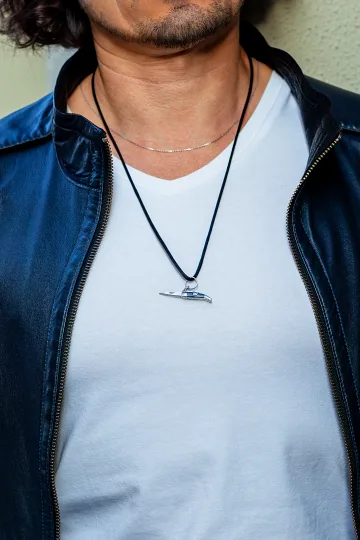
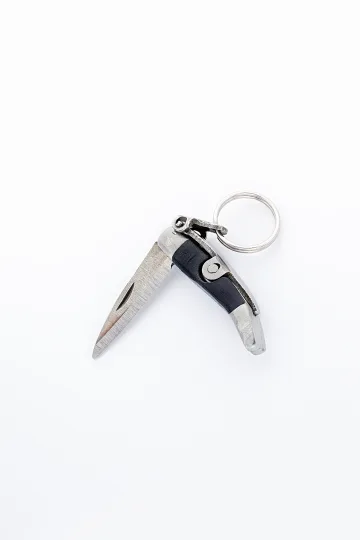


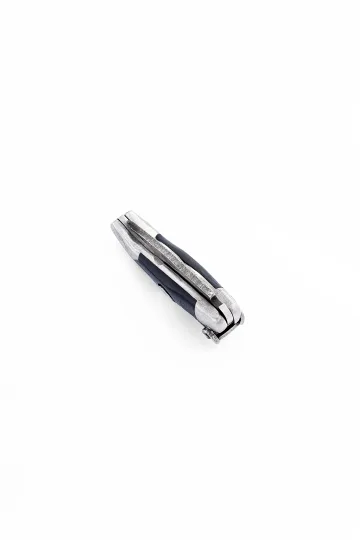

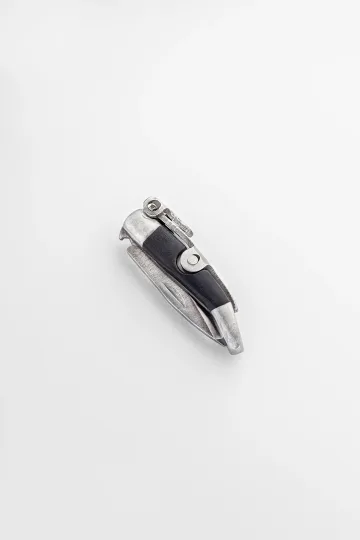
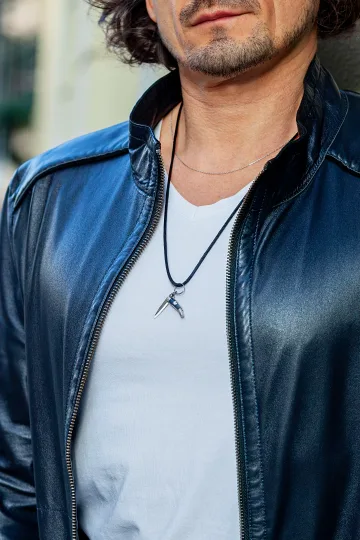

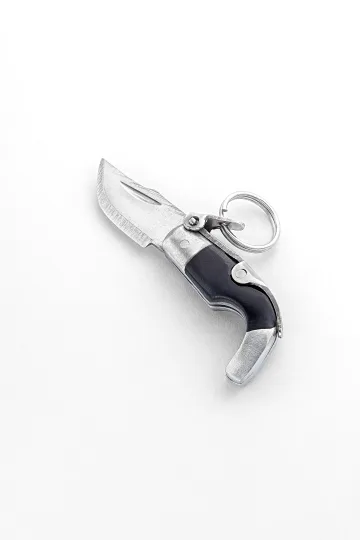
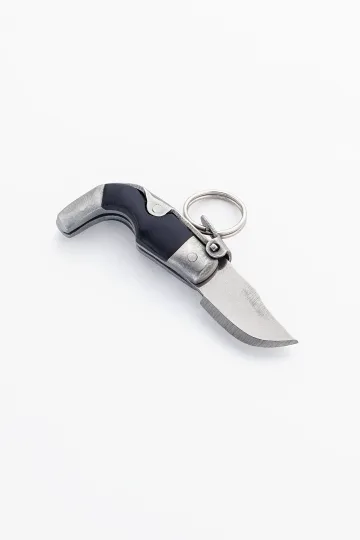
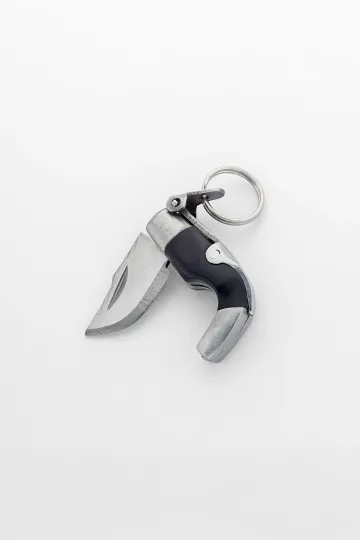
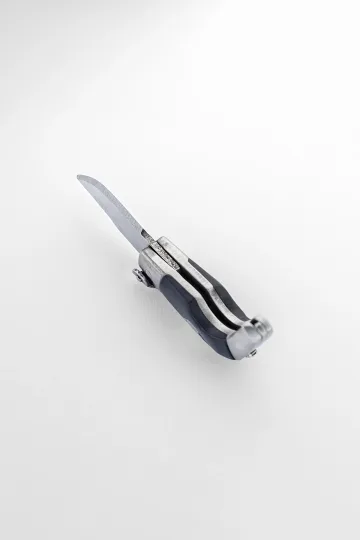
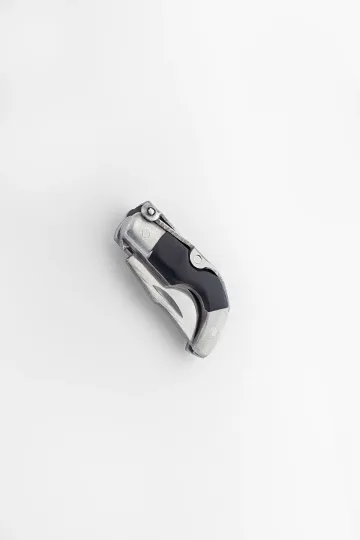
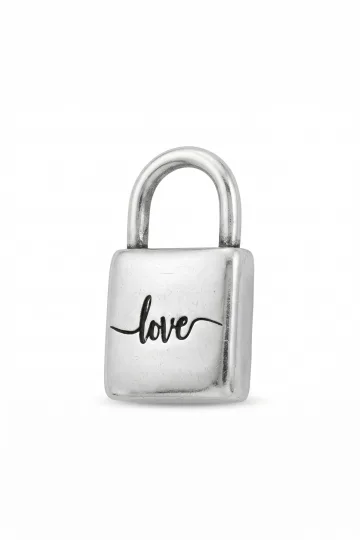
2026 trends in photographic jewellery
A few directions shaping the market of jewellery for photographers right now.
A revival of interest in the film aesthetic
After a period of total digital dominance (roughly 2008-2018) the movement reversed. Young photographers discover film as a way to slow down. Older photographers who shot professionally in the film era return to it for aesthetic reasons.
In jewellery this gives a steady demand for stylisations of film cameras, film canisters, 35 mm frame borders. A silver film-canister pendant with a dark patina is now one of the most sought-after objects in the segment.
The forecast: the trend will hold for at least five to seven more years. Film as a cultural code has put down deep roots over the last cycle.
Minimalist technical symbols
The aperture, the focal length, the shutter speed as minimal graphic elements. Pendants unburdened by decoration with a single number, rings with a single f-value, earrings with a focal-length number.
This is a functional-aesthetic trend: the piece works as a professional sign for those in the know and as beautiful abstract geometry for everyone else.
Coordinate jewellery for creative professions
Coordinate jewellery used to be mostly "about love" (the place of a first meeting, the place of a proposal). Now the market is shifting towards "about the profession": the coordinates of a workplace, an expedition, an exhibition, an important project.
For a photographer this shift works perfectly. Their profession is tied to places.
Paired jewellery for creative couples
If both partners work in photography (or one is a photographer, the other a stylist, an artist, a designer), paired jewellery with shared professional symbolism is gaining popularity.
For example: two pendants, one with an open aperture (f/1.4), the other with a closed one (f/16). The paradox of the instrument: the same aperture gives two completely different results.
Jewellery with deep personalisation
Full individualisation: the piece is made specifically for one person, with their name, their coordinates, their EXIF data. This segment is growing fast, because mass production has saturated everyone, and people look for things "just for me".
For a gift to a photographer this direction works perfectly.
Wear the symbol, don't just read about it. These are in stock:
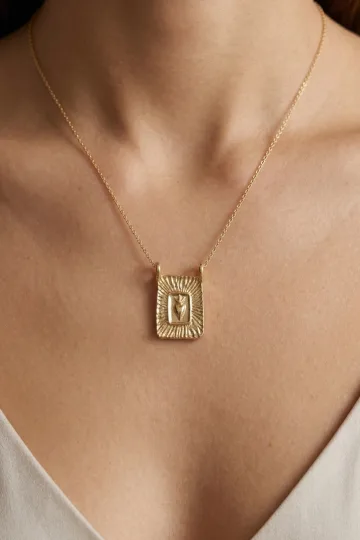
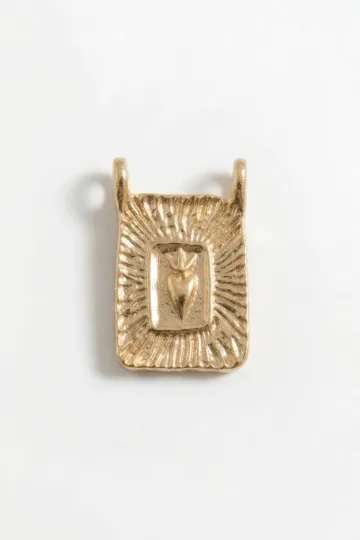
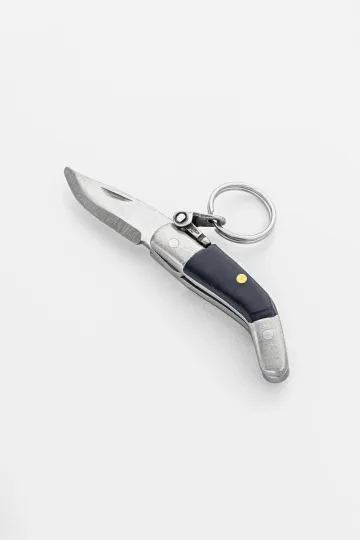
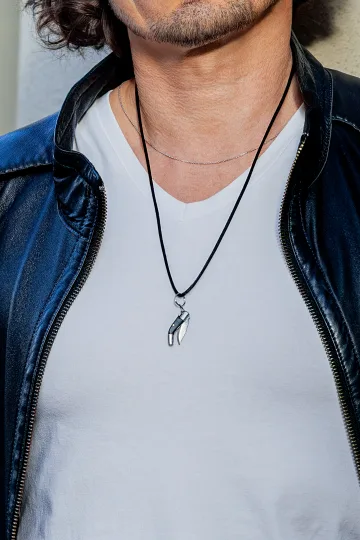
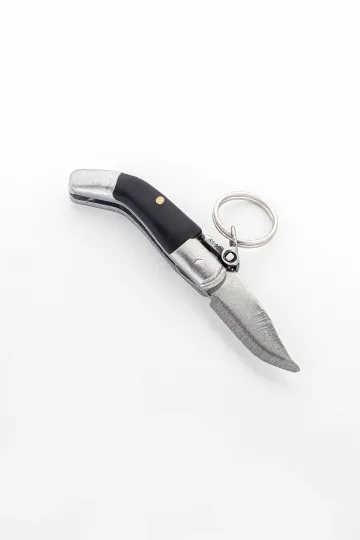
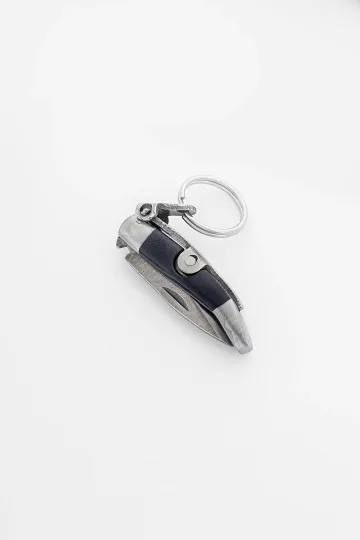
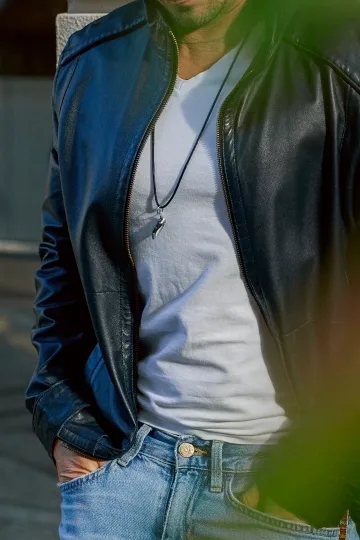
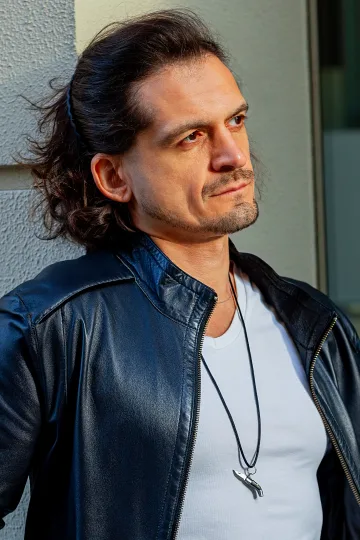
Conclusion: like a frame that is always with you
A photographer spends their life making moments for others to keep. Thousands of frames, thousands of prints, thousands of saved files. The memory of others, materialised through their work.
They themselves rarely get the reverse motion. A frame for oneself is harder to make than one for others. A meaningful piece of jewellery that lands exactly on their profession is just such a "frame for them": a moment that is now always with them, needs no shooting, does not fade, is not lost in the move from one medium to another.
Coordinates engraved on a silver pendant will still point to the same spot on the globe a hundred years from now. Aperture and shutter values will keep their meaning as long as the physics of light exists. A name and a date on a ring band will not change.
In a world that moves faster every year, a piece with the right meaning for a photographer works as a counterweight: a quiet constant that keeps a person grounded while they catch other people's moments in a frame.
This is the best gift: a thing that knows who they are better than any words you could say.
Pendants with photographic symbolism: the aperture, the lens, the film canister, miniatures of historical cameras, coordinate jewellery engraved with EXIF and points on a map. Sterling silver 925, gold of 14 and 18 carat, stainless steel 316L. Individual engraving to order.
About Zevira
Zevira makes jewellery in the artisan tradition of Albacete, Spain. Among our pieces is everything described in this guide.
Pendants and rings with photographic symbolism: the aperture, the lens, a miniature film camera, the film canister, the light metre. Generalised stylisations of historical cameras: a 1930s rangefinder, a medium-format waist-level camera, a twin-lens reflex and miniatures of mechanical reflexes from the later twentieth century.
Coordinate jewellery engraved with latitude and longitude. Pendants and bracelets engraved with EXIF data (aperture, shutter speed, ISO, focal length).
Universal symbolism for photographers: owls, the all-seeing eye, celestial jewellery (the sun, the moon, the stars), infinity, compasses, butterflies, points of a light accent.
Materials: sterling silver 925 with a patinated and matte polish, gold of 14 and 18 carat in yellow, white and rose, stainless steel 316L. Leather cords for those who need silence on a shoot.
Individual engraving to order: coordinates, dates, EXIF data, initials, quotes, project names.
Useful material on the topic: