What to give a lawyer in jewellery: a complete guide to gifts for barristers, judges and prosecutors
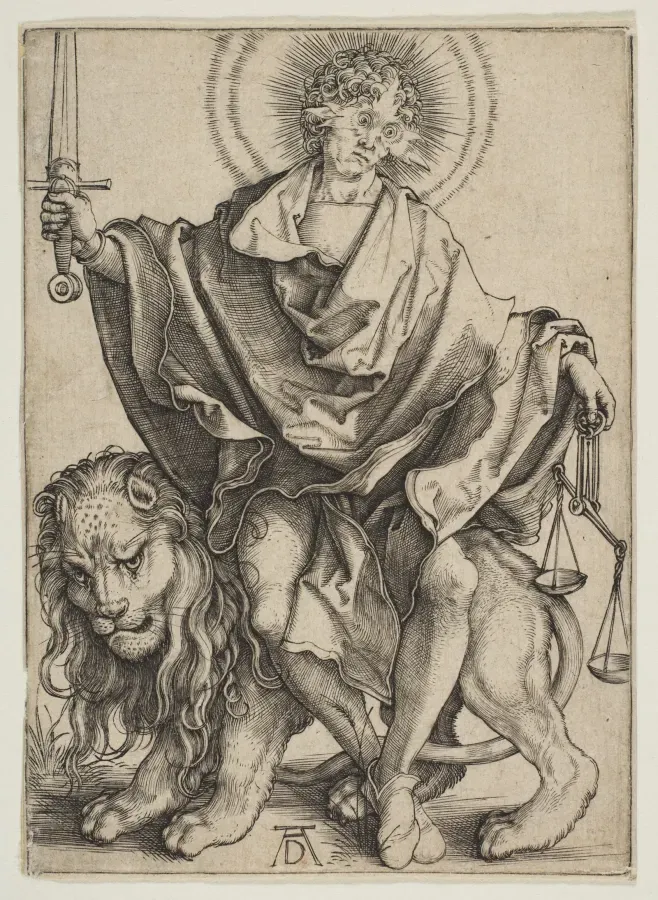
The blindfold began as satire
The bar exam can be failed several times in a row, and each failure pushes the official title back by months. Whoever finally passes has been through a genuine ordeal. Jewellery at that moment is not about status. It is an anchor: a ring to touch before a hearing, when you need something steady to hold on to.
Below we work through how to choose jewellery for a lawyer. For a barrister, a judge, a corporate counsel, a prosecutor, a notary. For any occasion, on any budget.
Wear the symbol, don't just read about it. These are in stock:
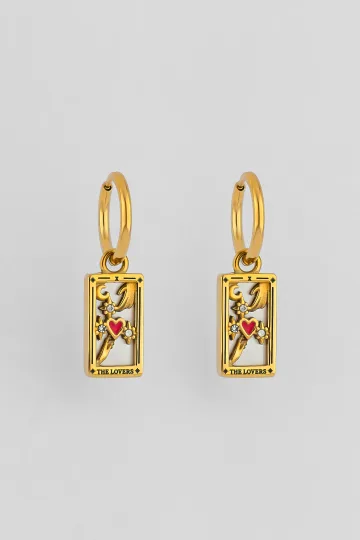




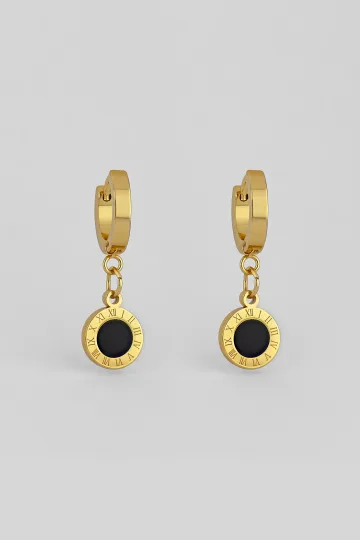

Law as a profession: who these people are
The word "lawyer" gathers several very different professions under one roof. For choosing a gift, that distinction is what settles the matter: a symbol that lands precisely for a trial advocate may not carry the same meaning for a judge, and what suits a corporate counsel is a little different from what suits a notary.
The trial advocate
The advocate represents the client's interests. This is defence, argument, working with uncertainty and opposition. The bar exam, one of the toughest professional tests in a legal career, opens the right to call yourself a qualified advocate formally. Before that point, a graduate with a law degree is simply a graduate. After it, an advocate.
The advocate works inside a system that is built, in principle, as a contest between two sides. One side represents the prosecution or the claimant's interests, the other, the advocate, defends. The strength of the defender lies not in knowing the law better than anyone, but in knowing exactly how to apply the law in favour of a specific person in a specific situation.
Symbolism that works for the advocate: scales (the balance of arguments), the sword (the force of a legal position), the shield (protection of the client), the quill (word and law). All of these images gather around the figure of Justitia, the goddess of justice.
Corporate counsel and legal adviser
Works inside a company or advises a business. Transactions, contracts, regulatory questions, corporate governance. Fewer courtrooms, more meeting rooms, long email threads, multi-page agreements. The work demands a different kind of attention: not the dramatic discovery of the right precedent at the last minute, but the foresight to anticipate everything that could go wrong, in advance.
Here the symbolism of wisdom and precision works more accurately than the symbolism of combat. The owl as a symbol of wisdom and a sharp mind, companion of Athena, sits naturally with the corporate counsel and adviser.
The prosecutor
Represents the state in criminal proceedings. Supports the charge, asks for a just penalty. A profession with a very clear hierarchy and strict professional standards on appearance: robes or formal dress, a strict code. Jewellery in a professional setting is functionally limited.
But outside court, in private life, the prosecutor is just as much a person with professional pride, important dates and a wish for the journey to be seen.
The judge
Makes decisions that are binding. This is an exceptional role: the judge defends neither side, the judge weighs. The judge must reach a decision even when the answer is not obvious, when the law gives no single answer, when any decision will cause someone pain.
The scales of Justitia describe the judge's function literally. This is not a metaphor, it is a working image. Jewellery in the courtroom is regulated most strictly of all, but that does not mean a gift of jewellery is out of place: the judge wears it outside court, at the family table, at a conference, on a trip.
The notary
Certifies, records, keeps. The symbolism of the seal, of keeping, of the document, of the book of law. A signet ring, in its historical sense as a means of certifying documents with a wax impression, is especially apt here. The notary literally works with personal signatures and the authentication of genuineness, and a piece of jewellery carrying the meaning of that function lands precisely.
The legal academic and law lecturer
Passes legal knowledge to the next generation. The law faculty lecturer, the professor of law, the textbook author, the researcher of legal principles. For this group the symbolism is double: academic tradition plus legal identity.
The owl as a symbol of academic wisdom works more precisely here than the scales. Scales for those who practise. The owl for those who research and teach. Although, of course, both symbols can be present.
A signet under the cuff, the scales under the shirt. A lawyer who shows off symbols loses the room. Do not argue.
What to wear a lawyer's jewellery with
Over years of building looks for people in serious professions, a symbol of law has passed through dozens of shoots and portraits with me. Here is what actually works for a lawyer, sorted by occasion.
What goes with a symbol of law on a weekday? For the office I recommend one accent piece and everything else muted. A thin chain with a small scales pendant under a shirt or jumper collar, a signet ring on one hand. A light top (white, grey, sand) lifts the metal, a dark one (graphite, navy) turns the symbol into the accent. If I suggest a signet, I never add a second ring to the same hand.
And what is right for the courtroom? Here I advise maximum restraint. The pendant goes under the clothing and works as a personal anchor, seen only by the wearer. What stays in view is a ring without large stones or engraved cufflinks, read only at a handshake. Earrings small, without drops. A strict dress code is no verdict: the meaning travels quietly under the fabric.
How do I build a look for a celebration? For an evening or a big occasion I recommend an open neckline and a smooth fabric in a deep colour: wine, emerald, black. A pendant with scales or a sword belongs here, and I choose a shorter length, 40 to 45 cm, so it sits at the collarbones. For a woman lawyer at a reception I build a small set: a pendant plus a fine engraved ring, no overload. For a man I suggest cufflinks with symbolism under a suit or a signet under the cuff.
Silver or gold for a business wardrobe? I keep the whole look in one metal, it reads as more pulled together. Silver I recommend for a cool palette and everyday wear, yellow gold for a warm one and status milestones: partnership, appointment, an anniversary. Mixing silver and gold in a business context I do not advise, the care of detail is valued here.
Who does it suit, and in what format? Anyone who values a precise symbol over a shiny pile. I match the format to the wearer's habit: rings on the hand, I suggest a monogram signet; jewellery at the neck, I choose a pendant with scales, an owl or a quill. For a young lawyer I recommend a lighter format, for a partner with a history a weightier one. One rule: the symbol should describe the role exactly, then it gets worn every day.

Turn on your camera, pick earrings, a pendant or a ring, and see the piece on yourself in real time.
Switch items in one tap.
Everything runs in your browser: no photo or video is ever uploaded.
The psychology of the profession: a weight no one sees from outside
People of the law have a particular relationship with the symbol. A lawyer works with words and signs that carry precise legal consequences. The notion of "legal precision" means that a word means exactly what is written and nothing more. This carries over into how symbolism in jewellery is perceived: a careless, blurred sign is read differently from a precise one.
The profession also shapes a specific sense of the weight of decisions. The advocate knows that the work directly affects another person's life. The judge knows it even more keenly. The prosecutor too. This creates a particular professional solitude: in the end you make the decision yourself, regardless of the team and the support around you. An advocate's mistake can cost a client their freedom. A judge's decision stays with them forever.
A gift to a lawyer that acknowledges the weight of the profession and, at the same time, its dignity works on a deeper level than a routine one. There is a separate conversation about this burden, and about how jewellery acknowledges it, further down, in the section on burnout.
Work and life balance
The legal profession is known for the way it consumes personal time. Deadlines, hearings at awkward hours, calls from clients, urgent contracts. Partners at large firms often work sixty hours a week or more. For a lawyer's close ones, that too is an experience: to wait, to understand, to support.
A gift from a partner or family to a lawyer that carries this understanding has a particular weight. Not "congratulations on your career success", but "I saw what you did, I was there, and I think it was worth it".
Key milestones: when and what to give
Graduating from law school
The law degree, the move from student to specialist. A moment of pride, but not yet a professional identity: ahead lie pupillage, practice, exams. The gift here is a little different from the one after passing the bar.
A good option for a law graduation: a symbol of wisdom and the start of a path. The owl as an image of academic tradition, a pendant with scales as the first touch of the profession's symbolism. An engraving with the year of graduation. The piece should be wearable and not overloaded: the graduate is at the beginning of the path, not its end.
It matters not to give jewellery that is too "grown up". A signet ring for a firm partner would look odd on a young specialist with no experience: it does not yet carry the story that the format implies. Better a small pendant that will grow with the person.
The theme of a graduation gift is covered in detail in the article on graduation jewellery, if you are looking for a broader view of this milestone.
Passing the bar exam: a gift for qualifying
The bar qualification exam is called one of the most demanding tests in a lawyer's career. And this is no exaggeration. The exam is set by the bar's governing body, and entry requires a law degree and a period of supervised training. It consists of two parts: a written task and an oral examination before a panel, where candidates are given practical scenarios that demand analysis and argument. This is exactly where many fail: they know the rule but lose their footing when they have to apply it to a non-standard case.
The volume of material is enormous: criminal and civil law and procedure, commercial litigation, administrative and constitutional law, professional ethics. All of it together, at a high level, with no chance to retreat into a narrow specialism. Every failure means a concrete delay: a few more months without the official title.
Those who did not pass on the first attempt have been through something few people outside understand. The waiting, the failure, the retraining, the relentless conviction that it is worth it. And finally, the certificate in hand.
A gift for this moment should match the scale. Behind it lie the passed exam and the confirmed right to call yourself an advocate.
Good options for a gift to mark passing the bar exam:
A signet ring engraved with the date of the exam. This is a date the lawyer will remember for life. The engraving on the inside, so that from the outside the ring simply looks like a fine object, while inside there is a date known only to the wearer.
A pendant with the scales of Justitia: a direct symbol of a profession chosen consciously and confirmed officially. Small in size, silver or gold, perhaps with a small engraving of the initials on the back.
An engraving of the coordinates of the bar association, the first place of work, or the address of the court where the first case took place. Coordinates as a format are concise: from the outside just numbers, inside a specific story.
A piece with a quill: the quill as a symbol of the written word and of law, which this person now has the right to apply professionally.
The first case won
Not an official milestone, but a personally significant one. The first case an advocate wins stays in the memory. Usually it is a modest matter, nothing sensational. But that is where, for the first time, words found a result, an argument turned into a court ruling in the client's favour.
The case number as an engraving, the date of the win, the initials of the client who was helped: all of this is concrete data that turns a piece into a personal archive. Jewellery with such an engraving carries more meaning than a gold item with a generic "congratulations".
Becoming a partner at a law firm
Becoming a partner at a law firm means travelling the road from assistant or junior lawyer to co-owner of the practice. It is a journey of many years. A moment of recognition by colleagues who know you from inside the profession. They saw you working at three in the morning before a difficult case. They know what it cost.
A gift for a partner from a partner or from family: a signet ring with initials and a year. A piece that will be worn in meeting rooms and at client meetings. A signet with a monogram is both a status sign and a professional mark. Quality of execution matters: a firm partner meets people who notice detail.
Appointment to the bench
The move from advocacy or prosecution into the judiciary changes not so much the post as the role within the system. From a representative of one side to an independent arbiter. This requires an inner adjustment, and the first year or two in the new role are often the hardest. The experience gathered as an advocate or prosecutor now has to work differently.
A gift for this appointment: the scales. Not as a trite symbol, but as a precise description of the new function. A pendant with the scales of Justitia made in a way that works as jewellery, not as a badge. Or a ring with the symbol of Justice, to which the symbolism of the Justice card in Tarot also refers: impartiality, the scales, the sword.
Defending a doctoral thesis in law
Many practising lawyers pursue academic work in parallel and defend a thesis. This is where practical law and academic tradition meet. The gift here sits at the crossroads of two symbolisms: the owl (academia) and the scales (law). For this situation a pendant of an owl carrying a book or a quill also suits well: academic tradition plus the symbol of law in a single image.
There is more about gifts for a thesis defence in the guide to jewellery for a thesis defence.
Anniversaries in the profession: 10, 20, 25, 30 years
Endurance in the legal profession is an achievement in itself. Decades of working with conflict, responsibility and pressure do not come for free. Many leave the profession after a few years. Those who stay do so by a choice that is renewed every year.
An anniversary in the profession is the moment when it is fitting to say: you have covered this distance. You have lived these years in active work with the law, and that calls for recognition.
An engraving with the year of starting practice and the year of the anniversary: "2004 / 2024". A signet ring with initials and the number of years. A piece with a symbol that carries the meaning of accumulated experience. The owl of Minerva, of which Hegel wrote that it begins its flight only at dusk, when wisdom comes at the close of an era, is, for a lawyer of twenty years' standing, a precise image.
Retirement or the close of active practice
A rare moment, because many lawyers do not retire in the classic sense but carry on advising. But if a departure does happen, the gift should carry recognition of the whole path, as well as of the final stage.
A piece engraved with the span of the career years: from the first appointment to the last. A signet ring with initials as an object that will be passed on or remain as an heirloom. An owl pendant, as an image of accumulated wisdom, of everything that came through practice and experience.
A gift for a partner who is a lawyer: "you are right in your case"
When your close one works in law, you live alongside a profession that does not always come to the surface. At home a lawyer often does not talk about cases: confidentiality, overload, the wish to switch off. But you see when he or she comes home late from court, works on a case for weeks, lives through a loss, falls silent after a difficult appointment. A gift of jewellery from a partner carries recognition that is not public but personal: from the person who stood beside them.
Formats that carry this meaning:
A pendant with a personal engraving and a date that both of you know. The first case won. The date of an appointment. The day of an important decision, of choosing the profession, of moving into a new role.
A ring with the coordinates of the court or office where an important moment took place. From the outside just numbers, inside a specific story.
A piece with a symbol the lawyer gravitates towards. If a person has long been drawn to the image of the owl or the scales, a targeted gift with that very symbol reads as attention, not as spending.
Customer reviews
Zevira is a real jewellery shop. Genuine payments, deliveries and customer thank-yous.
🥰🥰🥰 gracias

Ok, ¡gracias! 🙂

A gift for a colleague leaving for a new firm
Moving from one law firm to another, or from public service into private practice, is a moment that is at once exciting and unsettling. A new environment, new people, a different working culture. A farewell gift from the team should carry the meaning of recognition, not of nostalgia. Not "we will miss you", but "you carry with you what you have built".
A good format: a small piece with a collective engraving. The initials of the whole team or the year of working together. A date. A shared symbol.
Or: an individual piece with a symbol of the path. The quill as a symbol of word, law and signature: in the legal profession everything rests on the written word. The advocate signs the brief, the prosecutor the indictment, the judge the ruling. A quill as a pendant for a person leaving to continue this path in a new place lands precisely.
You can also choose a piece with an owl: a symbol of wisdom that moves with the person into a new environment regardless of the office address.
Engraving: what exactly to write
An engraving turns a fine object into a personal artefact. For a lawyer, with their culture of precise wording, engraving is especially apt. A few concrete options:
The date of passing the bar exam. The simplest and most direct option. The lawyer remembers this date. In twenty years it will carry even more weight. Format: DD.MM.YYYY or just the year.
The number of the first case won. Only the wearer knows what it is. To everyone else, just a string of digits. To him or her: the first win in court, the moment it became clear that this works.
A section of law that matters personally. The one quoted in the first important case. The one changed because of a specific precedent. The one held to be central to the area of practice. This is a very concrete, very personal choice.
Coordinates. The court building where the first case took place. The address of the first firm. The place where the decision to become a lawyer was made. Coordinates in GPS format, just numbers to outsiders, a specific point on the map of a life to the wearer.
Initials and a year. A classic. Works for a signet or a pendant. The year of starting practice, the year of partnership, the year of appointment. A monogram plus a year is a stable format that is taken seriously.
A Latin legal maxim. "Fiat iustitia" (let justice be done). "Audi alteram partem" (hear the other side too). "Dura lex, sed lex" (the law is harsh, but it is the law). Short, dense, with two thousand years of history in the profession. Such an engraving needs no explanation within the professional community.
The name of a client or a case that changed something. The most personal option. For oneself only. Not for public display, but to remember.
Jewellery and symbols of law: what carries a precise meaning
The scales of Justitia: the central symbol of justice
This is the most direct symbol of the legal profession in our culture. Justitia, the goddess of justice, holds scales that weigh arguments, not people. Balance as an ideal: not a chance victory for one side, but a just outcome after weighing both. Justitia is often shown blindfolded: justice does not look at the person, it looks only at the substance.
In jewellery the scales of Justitia work as a pendant, as an element of a ring or of earrings. It is a symbol a lawyer recognises instantly and takes seriously, with no need to explain it. For a person outside the profession the scales also speak of balance and honesty, a meaning universal to anyone.
Scales in jewellery can be realistic (with two pans) or abstract (a stylised form). The first are more traditional, the second more universal in wear.
In the symbolism of the Tarot, the archetype of justice, the Justice arcana, carries the same image: scales, sword, an impartial gaze. There is more about this symbolism in the article on the Justice Tarot card and jewellery with this arcana.
The sword of Justice: force and resolve
The sword as a symbol in a legal context carries a specific meaning: the decision is made, it is binding. The sword is not for attack, but for upholding the law. Justitia holds a sword in one hand precisely because justice has the power of enforcement: it is not an abstract judgement but an operating norm.
The advocate with a firm legal position, the prosecutor supporting a charge, the judge handing down a verdict, each has their own version of this symbol. The sword is not aggressive. It is precise.
A pendant with a sword or a ring bearing the image of a blade suits those who work in procedural roles, where final decisions are made, and who value the image of resolve.
The shield: protection and representation
The shield as a symbol describes the advocate's function directly: to protect the client. Not to attack, not to judge, precisely to protect. In the legal system the advocate, and especially the criminal defence advocate, literally stands between the machinery of the state and the individual. This is not a weak position. It is a deliberate and professional one.
A piece with a shield is especially apt for a criminal defence advocate or for a family lawyer, where the rights of specific people are at stake: freedom, property, children.
The quill: the law is written in words
The quill in jewellery carries the symbolism of the written word that has consequences. In the legal profession this is literal: everything rests on text. The contract, the motion, the ruling, the verdict, the appeal: all of these are written words. One word in a legal text can change the meaning entirely.
The quill as a symbol speaks of a profession that works with language at maximum precision. For notaries, for those who draft laws, for legal academics, this is an especially direct image.
The owl: wisdom, watchfulness, academic depth
The owl in jewellery, companion of Athena, goddess of wisdom and justice, has long held a place in academic symbolism. Athena was at once a goddess of wisdom and a goddess of justice and war, that is, her image united what we today divide into different professions.
For a lawyer the owl carries the meaning of wisdom that comes not from knowing a rule but from understanding a principle. To know the law and to understand the law are different things. The corporate counsel, the legal academic, the judge of long standing: for them the owl is more precise than the scales.
Hegel wrote: "The owl of Minerva begins its flight only with the falling of dusk". This is about understanding arriving after the deed. For a lawyer with many years of practice this thought is concrete: you grasp precedents and principles in full force only after long work with them.
The signet ring: status and identity
A signet ring as jewellery for a lawyer is far from a passing fashion. Historically the signet ring was used to certify documents in wax. It is literally an instrument of law. For notaries, for senior partners, for judges: a signet with a monogram carries a long history of professional identity.
Unlike a pendant, which can be hidden under clothing, a ring is always visible. It is a public sign. A ring with a monogram or a symbol of law, seen on the hand during negotiations or in the courtroom (where the dress code allows), is professional identity expressed in constant presence.
The book of law
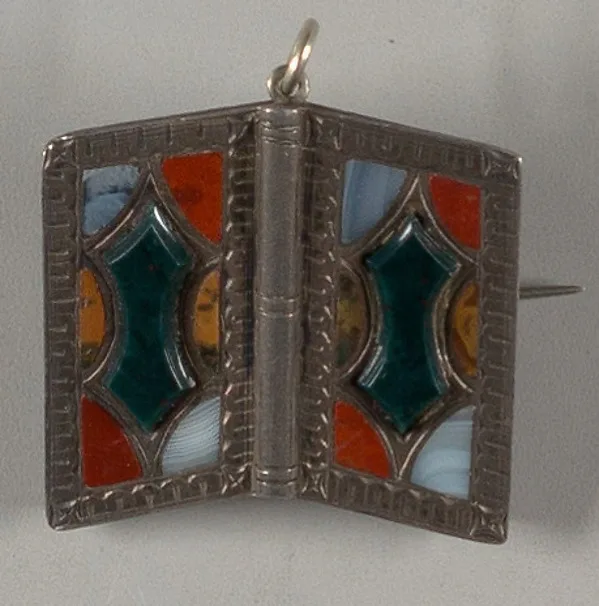
A pendant in the form of a book, or one engraved to imitate a page of text: a symbol of the code, of the body of laws, of the written norm. Especially apt for notaries, for legal academics, for those whose work is literally with the text of law. A small book-shaped pendant with initials on the cover is a delicate and precise option.
Upload a photo of your pet, someone you love, or an object. We'll build a 3D model and hand-cast it in pewter.




The signet ring for a lawyer: why this format is special
The signet deserves a separate conversation, because it is the piece of jewellery with the most direct legal history of all: a ring with an intaglio served for centuries as a personal signature, and notaries wore it as an attribute of office. Today a signet for a lawyer carries several meanings at once:
Professional identity. A ring with a monogram or a symbol of the profession, worn in the meeting room and in the courtroom. When a firm partner places a hand on the table during a meeting, the ring is visible. It is not an excess accent, but part of the professional image.
A family heirloom. A signet with initials made at an important career milestone turns into an object with a history. In twenty years it can be passed on.
A personal archive. An engraving of a date or a symbol on the inside: only you know what is written there. It is a space for private meaning.
A status sign. A signet ring in a business context carries a certain professional signal: a person with a history, a person who knows why they wear this particular format.
For male lawyers: the classic form with a flat surface for engraving, sterling silver or 14K gold, a moderate face size. A minimalist or traditional design. A monogram or a simple symbol.
For female lawyers: a finer ring, an elegant face, the option with or without a stone. The full guide to choosing a women's signet ring gives detailed recommendations on formats and metals. On principle: a women's signet is not a men's one shrunk down, but a fully fledged format of its own with its own aesthetic.
A lawyer's dress code: what is possible in the courtroom
Two practical paragraphs for those giving jewellery who want it worn at work, and at home too.
In most courts the requirements for the appearance of advocates and prosecutors are not always spelt out down to the jewellery, but an informal professional standard has formed: restrained, professional, nothing that draws attention. For women advocates this means a thin chain or a small pendant, stud earrings or small rings, a signet without large stones. For men: cufflinks are fitting, bracelets and rings in a moderate size.
Judges, as a rule, wear a robe, which conceals most jewellery naturally. A ring stays visible always, a pendant under the robe is not seen. For prosecutors the standards are closer to formal dress: little jewellery, but a ring is acceptable. The practical conclusion: the best gift for a lawyer to wear at work is a ring or a small, unobtrusive pendant, not a massive bracelet or large earrings.


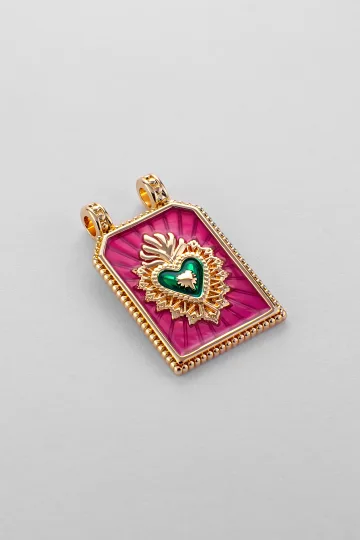



A gift for a woman lawyer and a man lawyer: what differs
The difference is in the details of format, not in the symbolism. The scales of Justitia are equally precise for both. The signet ring suits both. An engraving with a date or coordinates works for everyone.
The woman lawyer
Thin chains, delicate pendants, a fine signet ring. Earrings with symbolism, if the dress code allows. The option to combine several small pieces, for example a pendant with scales plus a fine ring with an engraving. The symbols are the same: scales, owl, quill, shield.
It matters to avoid the bulky and theatrical, especially if the person works in the courtroom: the professional context calls for restraint. A small piece with a precise meaning makes a stronger impression than a large decorative one.
Also: there is no need to assume that a woman lawyer wants a "feminine" gift in the broad sense. If she has been in law for years, she most likely wants jewellery that recognises her as a professional, not a pretty object for its own sake.
The man lawyer
A signet ring with a monogram or a symbol, a classic choice. Cufflinks with an engraving or symbolism for those who wear shirts with French cuffs: small, noticeable only at a handshake, detailed. A pendant on a short chain under the shirt, a personal symbol that colleagues do not see. A bracelet in a moderate register, without large charms.
For men it matters that the piece sits naturally in a business setting. A massive bracelet with symbolism is not quite the same as a restrained signet with a monogram. The format matters.
The legal hierarchy and gifts: what suits whom
The career level suggests the register of the gift. For a trainee and a junior lawyer an encouraging symbol of the beginning fits: a small pendant with an owl or scales, an engraving with the year of starting practice, an affordable tier. The main thing is not to "outrun" the career with a heavy format like a partner's signet.
For an established senior lawyer or partner the piece should match the public nature of the role: a signet ring with a monogram in quality execution, a pendant in 14K gold or sterling silver, an engraving with the year of partnership. Here precision and execution matter more than originality of idea.
The judge is the most delicate position: jewellery in the courtroom is restricted, so the gift is chosen for life outside work. A pendant with scales for the evening, a ring without large stones, an owl as a sign of wisdom rather than an official attribute.
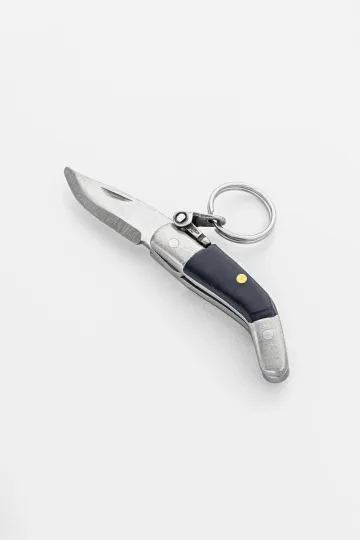
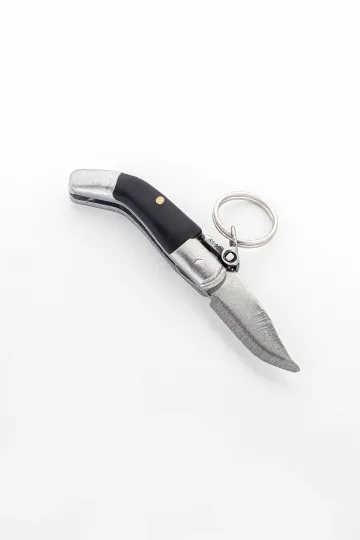
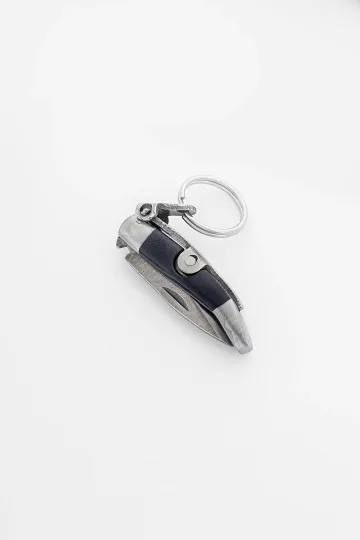
CAPAORA mini knife pendant
The 18th-century Spanish navaja in miniature: 40 mm of stainless steel, a real folding mechanism and a Palanquilla lock that clicks. An affordable gift to remember.
Authentic · Ships from Spain · 14-day returns
The legal academic and the law faculty lecturer: a special group
The professor of law, the law faculty lecturer, the head of a department: they teach law but do not run cases in court. Their symbolism is closer to the academic than to the judicial. They sit at the crossing of two traditions.
A gift for a teacher is covered in a separate guide. For a law teacher a combination of an academic symbol and a symbol of law itself sits naturally.
The owl of Athena: three thousand years of academic tradition, and Athena was a goddess of both wisdom and justice. An owl pendant for a professor of law carries a double meaning, both fitting.
The book as a symbol: for a legal academic working with codes and doctrine, a book pendant is a direct image of the profession.
The quill: for those who write articles, textbooks, commentaries on laws. Written law is made by the word.
For those who have defended a master's or doctoral thesis in law, see the guide to gifts for a thesis defence.
What to give a law teacher at the end of the academic year
If you are a student or a group of students who want to thank a teacher: a small pendant with an owl or a book, modest but precise in symbolism. An engraving with a year, the date of the last exam, just the year. Good packaging and a few words about what exactly this subject meant on a professional path.
If you are colleagues from the department: a signet ring with a monogram or a piece with a symbol important to this very person. Find out what he or she wears. A targeted gift always works better than a guessed one.
One pointer that simplifies the choice: a law teacher spends years explaining to students that the law is not the letter of the rule but the principle. A piece with a symbol that carries a principle (the owl: wisdom and understanding of meaning; the quill: written thought that shapes law; the scales: justice as an ideal) matches this view. Such a gift will be understood and valued.
Justitia: the goddess who gave the profession its symbolism
In Greek mythology Themis was a goddess of order, law and justice. The name comes from the Greek "tithemi", to establish, to set down: she is the one who establishes norms. In Hesiod's Theogony she is Zeus's second consort, mother of the Horae (the seasons, each holding a part of the world order) and the Moirai (goddesses of fate). Themis knew everything in advance and passed counsel to Zeus. She foresaw, she understood the regularities, she saw cause and effect where other gods saw only the present moment.
Later the image evolved. In the Hellenistic era the blindfold appeared: a symbol that justice is blind to the person and looks only at the substance. In one hand the scales, in the other the sword. The scales weigh, the sword carries the decision into effect.
It is precisely this iconography that became the standard of legal symbolism across the world. Statues of Justitia stand at courthouses from Washington to Brussels. The scales appear on the logos of bar associations, on the seals of law faculties, on awards for the best law students. This is no chance choice, it is a recognition that the ideal of the profession, the ideal it symbolises, goes back to this image.
For a lawyer receiving a piece with the scales of Justitia, this is not a "pretty symbol of the profession". It is a connection to a two-thousand-year tradition and to the ideal around which professional ethics are built.
Leave your email, we'll send your discount code. No spam, unsubscribe anytime.
The code arrives by email, valid on your first order.
How a symbol works in a gift: the psychology of meaning
A symbol in jewellery works not because outsiders read it, but because the wearer, each time they put it on, lives a small reminder: I am the person who chose this path. This is not mysticism but psychology: identity is sustained by rituals and symbols.
A gift of jewellery with a symbol becomes especially strong when two conditions are met:
First: the symbol is precise. It must describe this very person in their specific role. Not "something pretty on a legal theme", but a symbol about which the wearer will say: "yes, this is exactly about me".
Second: the moment of giving is spoken aloud. If the giver explains why this symbol, for this person, at this moment, the gift takes on a weight that stays with it for a long time.
Materials for a lawyer's jewellery
Two parameters matter for a gift to a lawyer: durability and appropriateness in a professional setting.
Sterling silver. A universal choice. Silver is worn both in the office and at home, and goes well with business clothing. Oxidised silver with a dark patina gives an academic, serious look. Plain silver is more universal. Silver takes engraving with good detail.
14K gold. A more prestigious choice, suited to gifts for important milestones: partnership, appointment to the bench, an anniversary. Yellow gold is classic and traditional for a business setting. White gold is more contemporary and neutral.
Two short paragraphs on materials, because the article is not about materials but about the meaning of the piece. A durable metal and good execution will ensure the gift stays with the person for years. The meaning will ensure that it is worn.
Legal burnout: when a gift means more
The legal profession has long been counted among the burnout-prone, and the reasons are structural: the high stake of every decision, constant work with conflict, the culture of billable hours in private firms, the expectation of flawlessness where it is impossible to guarantee, and professional isolation due to confidentiality requirements.
An advocate cannot tell close ones the detail of a case: client privilege. A judge does not discuss a case before the decision: the principle of independence. A prosecutor works with crime and human cruelty as raw material. Each of these roles carries a load that builds up inside, with no outlet.
For a lawyer living through a hard period (a difficult case, a professional crisis, a moment of doubt about the rightness of the choice), a piece with a shield, or with an owl that sees in the dark, outgrows the symbol of the profession. It is a sign: you are coping with what others do not see.
A gift from parents to a daughter or son who is a lawyer
The parents of a daughter who has passed the bar see this moment differently from the professional community. They saw the beginning: the school notebook with the first notes about the profession, the "I want to defend people" heard once, the studies paid for, the failed exam lived through together. For them it is proof that they believed in the person rightly. Jewellery from parents at such a moment becomes closer to a family heirloom than to an ordinary gift.
What exactly to give:
A signet ring with initials is the traditional option for a family gift: the monogram carries the surname held in the family, and the presence of that name on a signet speaks of continuation.
A pendant with a family symbol or a symbol of the profession plus an engraving from the parents: a short phrase on the back. "We are proud of you" is not needed, it is dull. Better something concrete: a date, the parents' names, or simply "from mum and dad" with a year. Concreteness works better than general words.
A piece with an owl: if the daughter always loved this image, or if the owl was a favourite symbol in the family, this is a targeted choice.
A gift for a friend in the legal profession
A gift from a friend differs from a gift from family or a partner. A friend's gift can allow itself a little more irony and precision at the same time. You know the person from another side: both as a professional and as a personality with their own specific tastes, habits, favourite symbols.
A good gift from a friend to a lawyer: something that recognises the profession and at the same time shows that you see the whole person, not just their post. A pendant with a symbol meaningful to him or her personally, not chosen on the principle of "that is how it is done with lawyers". An engraving with an inside joke understood only by the two of you.
Or: a piece with a symbol you once talked about. If a friend who is an advocate once said she considers the owl her symbol, an owl pendant for a birthday becomes the kind of attention that is remembered.
Jewellery as a sign of transition
Transitions in a legal career carry more weight than in most professions. A trainee without the right to call themselves an advocate and an advocate with a certificate are legally different statuses. A firm lawyer and a partner with a stake are fundamentally different roles with different responsibility. A prosecutor and a judge are two very different positions in the system.
A piece marking a transition works because it materialises a moment that otherwise passes inside a person. There is no public ceremony: you passed the exam, received the certificate, carry on working. You became a partner: signed a document, now a different status. You were appointed a judge: took the oath, put on the robe. From the outside almost nothing changes, while inside everything does.
The piece says: this transition was real. Someone sees it. This is the next step, this is a different level.
In the symbolism of jewellery this moment of transition is carried by the quill as a symbol of the signature with which a new status is formalised. Or the sword as a symbol of the resolve with which a person enters a new role. Or the scales as an image of new responsibility.
What to give depending on the specialism
Law is divided into many specialisms, and each carries a slightly different working world.
Criminal law. A criminal defence advocate works in a system where a person's freedom or its loss is at stake. This is the most intense area. The symbol of the shield is at its most precise here: literal protection. The sword also suits: the resolve with which the advocate holds a position in an adversarial process.
Family law. A family lawyer works with people at their most painful moments: divorce, division of property, a dispute over children. The symbolism of balance (the scales) is especially apt: the aim is not to win but to find a just resolution for all sides. The owl as a symbol of wisdom is also good: a family lawyer must see the situation more deeply than the parties see it.
International law. A global perspective, work with treaties between states, with international organisations. The symbolism of the quill (written law at the level of international agreements) and the book (codification). A piece with a globe or a map also works, if such a symbol is close to the wearer.
Corporate law. Transactions, takeovers, contracts. The owl as a symbol of strategic thinking and the ability to see risk. The book of law. A signet ring for those who sign important documents as a representative of the company's legal service.
Tax and financial law. Work with numbers and norms at once. The scales as a symbol of balance in a regulatory sense. The quill as an image of precise wording.
Academic law. Research, teaching, publication. The owl above all. The book. The quill as a symbol of creating legal texts.
Send a friend a discount code, they save on their first order.
Jewellery as a reminder of a professional creed
Many lawyers have a formulated professional creed, sometimes conscious, sometimes not. "The law is equal for all". "Everyone deserves a defence". "Justice, not victory". "The law is harsh, but it is the law". These are the principles around which professional identity is built.
A piece engraved with such a principle, or with a symbol that embodies it, becomes a daily reminder of why this is done. It matters especially at a moment of professional crisis: a difficult case, a heavy decision, a moment when you want to step back. Touching a ring, or a glance at a pendant with a precise word, is a small anchor.
Besides the Latin maxims from the engraving section, longer formulas sit well on a piece too: "Fiat iustitia, ruat caelum" (let justice be done, though the heavens fall) or Ulpian's definition of justice. For those who love brevity, a single word is enough: "Aequitas" (fairness) or "Lex" (law).
FAQ
Is it appropriate to give jewellery to a judge or prosecutor?
It is appropriate if it is a personal gift from a close one, not from a party to a case. The restrictions on accepting gifts that exist in law for public officials and judges concern gifts from interested parties in connection with the performance of official duties. A gift from a close relative, a partner or a long-standing friend does not fall into that category. The difference is fundamental: one thing is a gift that recognises a professional identity, another is one that implies a return favour.
Which to choose: a pendant with scales or a signet ring?
It depends on what the person wears. If a lawyer already wears rings and they are fitting in their professional setting, then a signet ring. If he or she prefers jewellery on the neck, then a pendant with scales or another symbol. There are no universal rules: it matters more to know the wearer than to choose the "right" format. If unsure, a pendant is the safer choice: it adapts more easily to different situations.
Can you give jewellery with scales to someone who is not a lawyer?
You can. The scales of Justitia are not a closed professional symbol but an image of justice and balance. For a lawyer, however, the symbol works with an added layer of direct professional meaning, and that makes it especially precise for this audience.
What to engrave if I do not know any meaningful dates?
Initials plus a year, that always works. If you do not know exact dates but know the year of starting a career or the year a person received their degree, use it. A short Latin maxim ("Fiat iustitia" or "Audi alteram partem") works without a tie to personal dates. The coordinates of the city where the lawyer practises are also a good option: a geolocation is concrete but universally understood.
How formal should jewellery for a judge be?
Restraint matters more than symbolism. A judge in a robe works in a formal setting. The piece should be wearable outside court: in everyday life, at family dinners, at professional conferences. Give preference to a small pendant or a ring without large stones, with a clean metal finish.
Is it worth giving jewellery to a young lawyer who is just starting?
Yes. The start of a career in law calls for a long investment before the first visible result. A piece at the start of the path, a pendant with an owl or a fine ring engraved with a year, says "I see that you have started a serious path". It is support without condescension. It matters to choose something that will grow with the person rather than outrun their career.
Are there pieces of jewellery one should not give a lawyer?
It is worth avoiding very large, theatrical, bulky items if the person works in the courtroom: they do not fit the working setting. Do not give a piece with ambiguous symbolism or with someone else's monogram. Decorative pieces with no meaning (simply pretty) work worse than pieces with a precise symbol or engraving. Also avoid pieces that could be read as a hint at the specific cases or situations the lawyer works with.
How best to present the jewellery so the meaning lands?
Write a few words explaining the choice of symbol. If it is the scales, write that the scales of Justitia are a professional symbol, and an image of precisely what this person does: weighs, seeks balance, achieves justice. If it is an engraving of a date, say aloud why this date. A piece with an explanation at the moment of giving is remembered differently from a piece in a box without words. A lawyer who works with wording will appreciate a precise wording of the gift.
Is jewellery a fitting gift for a day that honours the profession?
Yes. A day marking the legal profession is a good occasion for a piece that recognises it. Especially if it is not a decorative gift but an object with a personal engraving or a precise symbol. Such days are marked at work and within the professional community, so a gift tied to professional identity is especially apt.
Can you give jewellery to a lawyer without an official occasion?
Yes, and such a gift sometimes works more strongly than one timed to an official date. "I just thought of you and of what you do, and chose this" means more than "congratulations on the occasion". A gift without an occasion is an expression of constant attention, not the fulfilment of a social norm.
Which symbol to choose if the lawyer does not know what they like?
Start with a question: what role does he or she perform? Defends (shield, scales), decides (sword, scales), researches and teaches (owl, book), formalises (quill, book). If the function is clear, the symbol defines itself. If it is still unclear, a small pendant with the scales of Justitia is universal for any legal specialism.
Do I need to explain the symbol when giving the jewellery?
For a lawyer in most cases no: he or she will immediately understand what the scales or the owl mean in a professional context. But explaining why you chose this particular symbol for this particular person is a different thing. It is not "what does this sign mean in general", but "what does it mean for the two of us". And that explanation is always worth giving.
Is it worth choosing jewellery with real legal symbols (a coat of arms, a seal, and so on)?
Jewellery with state symbols, the arms of specific bodies or courts, often calls for caution: it can be read as appropriating an official sign. Better the universal symbols: the scales of Justitia, the owl, the quill. They carry the meaning of the profession without tying themselves to a specific body or jurisdiction.
Buying it as a gift? Each one arrives ready to give.
 A branded Zevira box and a little card come with every order.














The symbolism of Justice through the centuries: a short history
Understanding why the scales, the sword and the shield became symbols of law calls for a little historical context. This is no arbitrary choice, but an accumulation of meanings across millennia.
In Ancient Egypt the goddess Maat held a feather with which she weighed the heart of the deceased on scales: a light heart (without the weight of sins) against the feather. The scales as an instrument of weighing to determine a just outcome: this image is older than the Greek Themis.
In Babylon the Code of Hammurabi (around 1754 BC), one of the first bodies of law in history, depicted the king receiving the laws from the god Shamash. The thought that law has a higher source and is equal for all appeared earlier than the word "lawyer" itself.
In Greece Themis as a goddess gave jurisprudence its iconography. Besides this, the Greek legal tradition created the notions of "dike" (justice as a principle) and "nomos" (law as a norm): a distinction that still lives in legal philosophy.
In Rome law reached its classical maturity. Roman jurists formulated principles that live on in modern civil law: possession, contract, tort, personhood. Sayings such as "dura lex, sed lex" (the law is harsh, but it is the law) and "audiatur et altera pars" (let the other side be heard too) were born here and survived into the textbooks of the twenty-first century.
For a lawyer wearing a piece with scales or a Latin maxim, this is not a fashionable nod to antiquity. It is a connection to the tradition on which the profession itself stands.
How to choose size and format: practical advice
If you are not sure exactly what to give, a few practical pointers:
Watch what the person wears. If a lawyer already wears rings, add a ring. If he or she wears jewellery on the neck, choose a pendant. If no jewellery is noticed at all, start with a small pendant: it adapts easily to any style.
Ask a question without giving away the surprise. "Do you wear silver or gold?" or "Do you wear rings?" can be asked directly. For a gift with an engraving you sometimes need to confirm the initials: a normal question that does not reveal the content of the gift.
Start smaller, not larger. For a first piece from an unfamiliar giver, choose the smaller format. A small pendant is easier to fit into any wardrobe than a large ring. If the gift is liked, the next can be larger.
An engraving takes time. If you plan an engraving, confirm the turnaround with the jeweller. Sometimes it takes several days. Plan the order with some margin, especially if the date matters.
Packaging and an explanation of the symbol. Fine packaging matters for any piece. But it matters even more if you add a short note explaining why this symbol and this moment. That turns a gift from a pretty thing into a meaningful gesture.
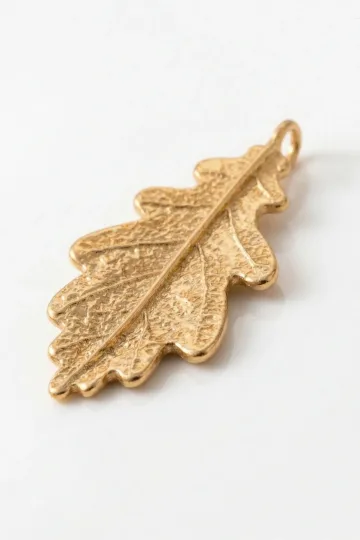
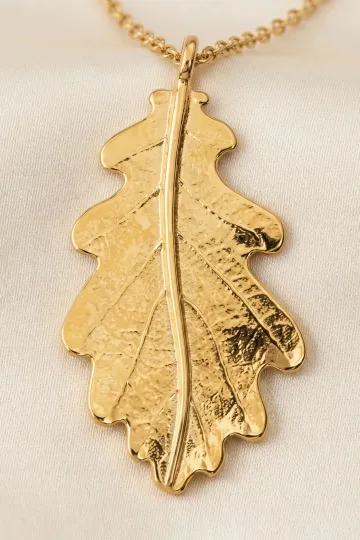
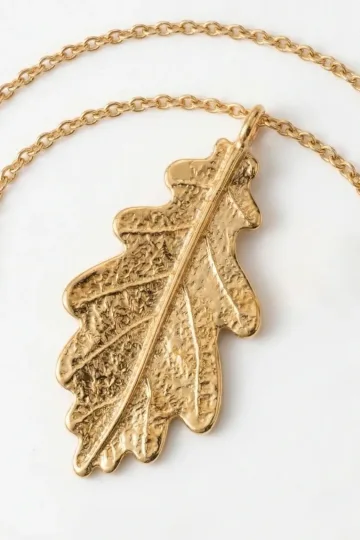
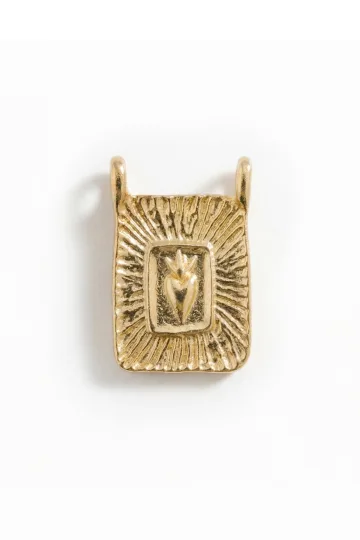
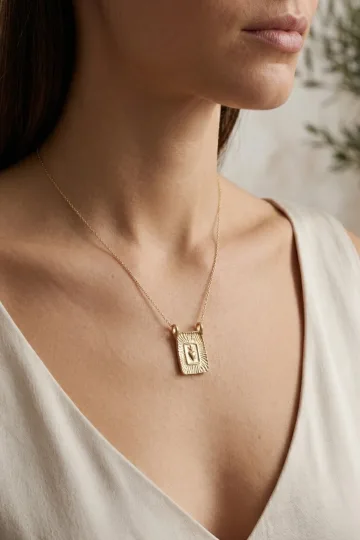
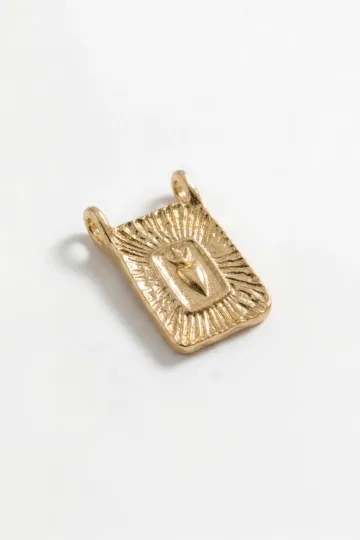
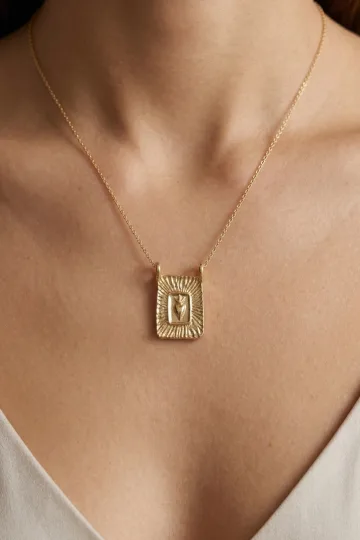
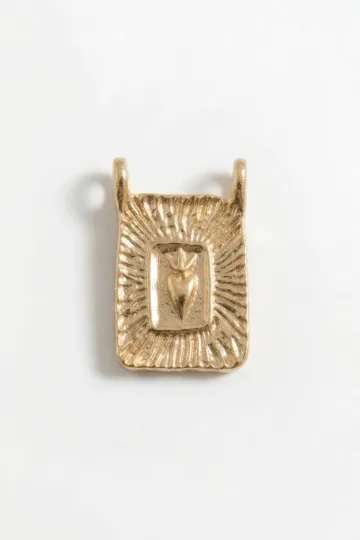
Wear the symbol, don't just read about it. These are in stock:



Jewellery for a lawyer as a collective gift
A collective gift from a team or a group of colleagues calls for a particular approach. A few options that work:
First: a piece engraved with the initials of the whole group or the team's signature. This suits a farewell gift for a colleague or an anniversary. The engraving inside a ring or on the back of a medallion.
Second: a voucher for a piece with the freedom to choose. If unsure of tastes, the choice stays with the wearer, but you suggest the symbolism within a theme: "we want it to be something with the symbolism of law or wisdom".
Third: a piece chosen specifically for a particular lawyer, with an explanation from the whole team. Each person writes one sentence on the accompanying card. For someone who worked in this team for years, that matters more than the sum spent on the ring. Such a gift outgrows a pretty object: it carries the specific story of specific people at a specific moment. It works more strongly than any expensive piece without meaning.
Conclusion
The legal profession lives by precise words. A contract binds because it says precisely this. A law applies because this is precisely the norm, in precisely this situation, with precisely this subject. A judge reaches a decision by following a specific logic, not a general feeling.
Jewellery for a lawyer works when it too is precise. A symbol that describes the function: the scales for those who weigh; the sword for those who uphold; the shield for those who defend; the quill for those who write the law; the owl for those who understand the principle, not just one rule. Or an engraving that fixes a specific moment of the path: a date the person remembers; a place that matters; words that held them through the hardest time.
A gift need not be expensive to be precise. A small pendant with an owl for a corporate counsel who values wisdom over display. A signet ring with a monogram for an advocate who understands the history of the format. An engraving with the date of the exam for a person who went through something real.
The best gift for a lawyer in jewellery is the one that carries recognition of the profession, not a prettily wrapped object for the look of it. A lawyer will appreciate precision. After all, it is their profession.
A date on an engraving will still be a date in thirty years. The symbol of the scales will carry the same meaning after twenty years of practice. That is exactly why jewellery works as a gift for a lawyer: it does not age with the years, it gathers weight.
The scales of Justitia, the sword of Justice, the shield, the quill, the owl, a signet ring with engraving. Handmade, sterling silver and 14K gold, personal engraving on request.
About Zevira
Zevira makes jewellery in the artisan tradition of Albacete, Spain. For a gift to a lawyer, our catalogue has several directions:
The scales of Justitia. Pendants and earrings with the symbol of justice. A direct image of the profession in a clean execution. Silver or gold, with the option of engraving a date or initials on the back.
The sword of Justice. A pendant with the symbol of resolve and the force of a legal position. Especially precise for advocates and prosecutors. It pairs well with the image of the Justice arcana.
The shield. A symbol of protection and representation. For the advocate in criminal or family cases: the one who stands between the client and the system.
The quill. A symbol of written law and the signature. For lawyers whose work rests on text: notaries, academics, drafters of contracts.
The owl. Three thousand years of academic wisdom. For corporate counsel, law teachers, judges of long standing. Pendant, ring, stud earrings with a small owl.
The signet ring. A historical format with a direct legal history. A monogram, a year, a symbol. Men's and women's versions. For any lawyer who understands what this object is.
Engraving on request. A date, coordinates, initials, a Latin maxim. Turns a piece into a personal artefact with a specific story.