Jewellery for a Pilot, Cabin Crew Member or Aviation Lover: The Complete Guide
The tradition is older than it looks
Pilot wings predate most civilian uniform insignia: military aviators wore them before the First World War. A pilot puts on a watch not for status but as a backup when the avionics quit. Jewellery carrying an aviation symbol works the same way: it is an anchor to the profession that stays with you once the uniform comes off.
This guide is about how to choose jewellery for a pilot, a cabin crew member, or someone in love with the sky. What suits, which symbols actually work, and what to put on the engraving.
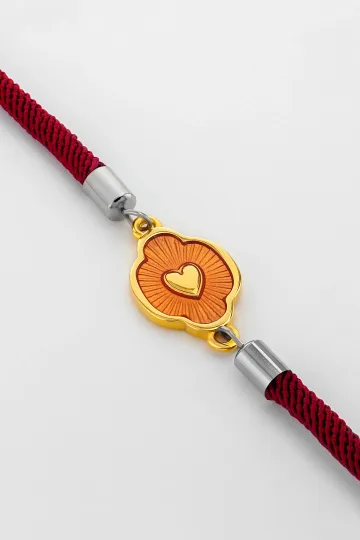
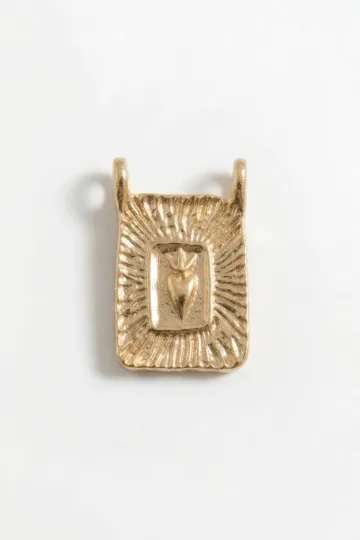
Wear the symbol, don't just read about it. These are in stock:

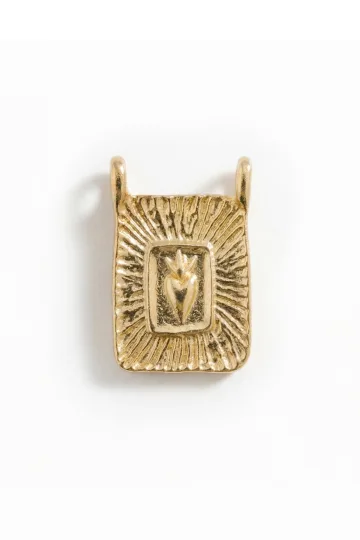
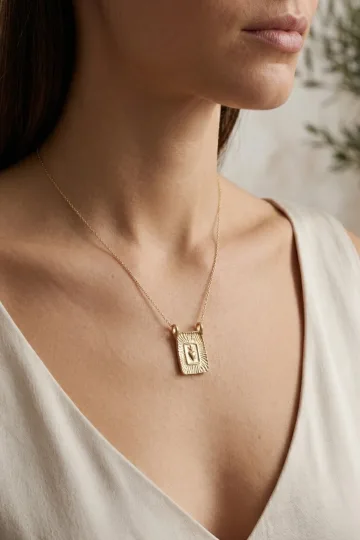
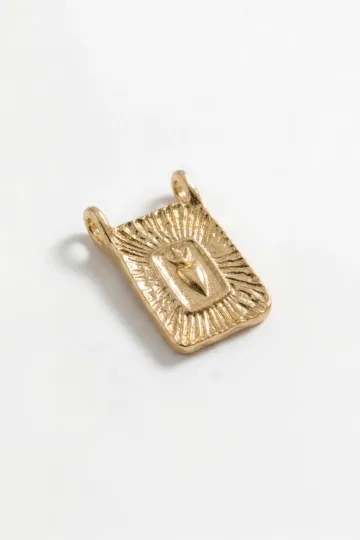
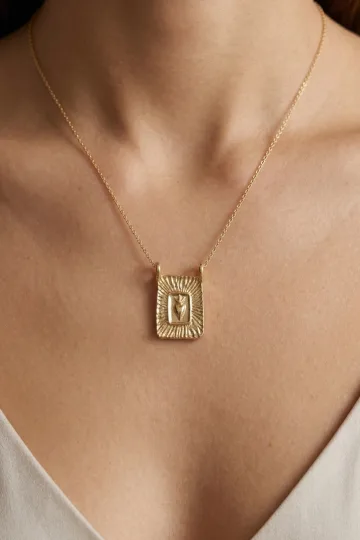



The aviation profession: who are we giving to
The world of aviation is anything but uniform: every role has its own culture, its own milestones, its own symbols. Something that lands perfectly with a student holding a fresh PPL will miss a captain with fifteen years in the seat. So let us start with exactly who the gift is meant for.
Commercial pilots (CPL, ATPL)
Professional pilots of civil aviation, flying passenger and cargo aircraft. They begin with a private licence (PPL), earn a commercial one (CPL), then the airline transport licence (ATPL). Each step is marked by a specific exam, a logged number of hours, and a date in the certificate.
For commercial pilots the dress code is tightly regulated, and jewellery in the cockpit is limited. A wedding band, smooth stud earrings, a discreet pendant under the shirt, that is roughly the allowable range. So the best pieces for this group are small, clean, and wearable every day as well as on special occasions.
Military aviators
Military aviation has its own insignia: badges, ranks, uniform pins. Personal jewellery on duty is all but ruled out. Off duty, in civilian life, military aviators wear jewellery like anyone else. A gift for a military pilot is often chosen by family or a partner rather than the pilot. Tact matters here: do not duplicate military symbolism in a "civilian" piece, find something that speaks of the profession through a different language.
Private recreational pilots (PPL)
One of the most alive categories, because the motivation here is pure love. Someone who flies a small aircraft at the weekend for the feel of flight alone is often a more passionate aviator than a professional pilot. For an adult with a job, the road to a PPL often takes several years, costs serious money, and demands organising a whole life around the chance to fly. This is not a hobby in the ordinary sense, it is a calling to which a person deliberately gives their resources.
Jewellery for him or her can be more pronounced, bolder, because the uniform constraints are absent. A wings pendant, worn always and everywhere, is for such people closer to a public declaration. It says: I am a pilot, this is part of who I am, and I do not hide it.
Cabin crew
Their role is often underrated, though in the aviation hierarchy the cabin crew member is the first person on board a passenger sees and the last to see them off after landing. They carry responsibility for safety in the cabin in routine and emergency situations alike. Cabin crew training covers evacuation drills, first aid, firefighting, conflict management, work with emergency systems. This is not service staff: this is the first line of safety.
They work under strict appearance rules: jewellery must suit the uniform and not interfere with safety procedures. Earrings limited to studs or small hoops, rings smooth without protruding elements, the chain thin and tucked under the collar. Off duty, they wear what they like. And it is in the "off-duty" piece that the most personal meaning is often invested. Out of uniform a crew member is a person, not a function: the jewellery reminds them of that.
Air traffic controllers and engineers
The invisible guardians of aviation. A controller who guides aircraft through their airspace, an engineer who signs off an aircraft as fit to depart, these are professions of enormous responsibility. Their bond with aviation is no less intense, even without the flight itself. Navigational symbols, a compass, a lighthouse, the coordinates of the airport where they work, all make excellent choices.
An aviation engineer who spots a fault from the barely audible change in an engine's note sees flight from a different side. A piece with a lighthouse or compass tells them: "you are the one who makes flight possible," a recognition that rarely gets said out loud. And a pendant with the coordinates of the airport where they work is especially precise: it is the address of their professional life.
Wings go over an open collar, never a tie. And gold is for captains only. The rest of you, silver, and don't argue.
What to wear aviation jewellery with
Dozens of these gifts have passed through my hands: wings, little aeroplanes, compasses, coordinate pendants. Here is what actually makes a piece speak instead of vanishing under a collar.
What do I wear a wings pendant with day to day? I recommend a thin chain and a plain top with no pattern: a white shirt, grey knitwear, a navy roll-neck. Wings read cleanly when there is no visual noise beside them. Under a V-neck the pendant sits open; under a crew neck it slips beneath the fabric and turns into a private cipher. I suggest a length of 45 to 50 cm so the piece lands at the collarbone.
Gold or silver for a pilot? I choose by what the person already wears. A steel watch and a wedding band in white metal ask for silver or white gold, all in one cool key. Yellow gold I keep for command milestones and hold apart from cool tones, never mixing metal temperatures in one look.
Is a piece like this right for the office and under uniform? It is, as long as you keep it restrained. I suggest a thin chain under the collar, a smooth ring with no edges, stud earrings with a small symbol. The piece works quietly and gets noticed only in close conversation. That is the register that gets along with a tailored cut and formal dress.
How do I present the jewellery for a celebration? For a graduation, a career anniversary or a festive dinner I choose something weightier: a gold wings pendant over a dark dress or a bare top, a ring that shows. Dense dark fabrics, velvet and silk, carry the metal well, and the piece becomes a focal point rather than a detail.
Who does an aviation pendant actually suit? Those who value personal meaning over display. One meaningful pendant plus a couple of clean details always beats a pile of charms. Whoever knows the symbol will read it; everyone else sees a tidy piece, and that is exactly its strength.
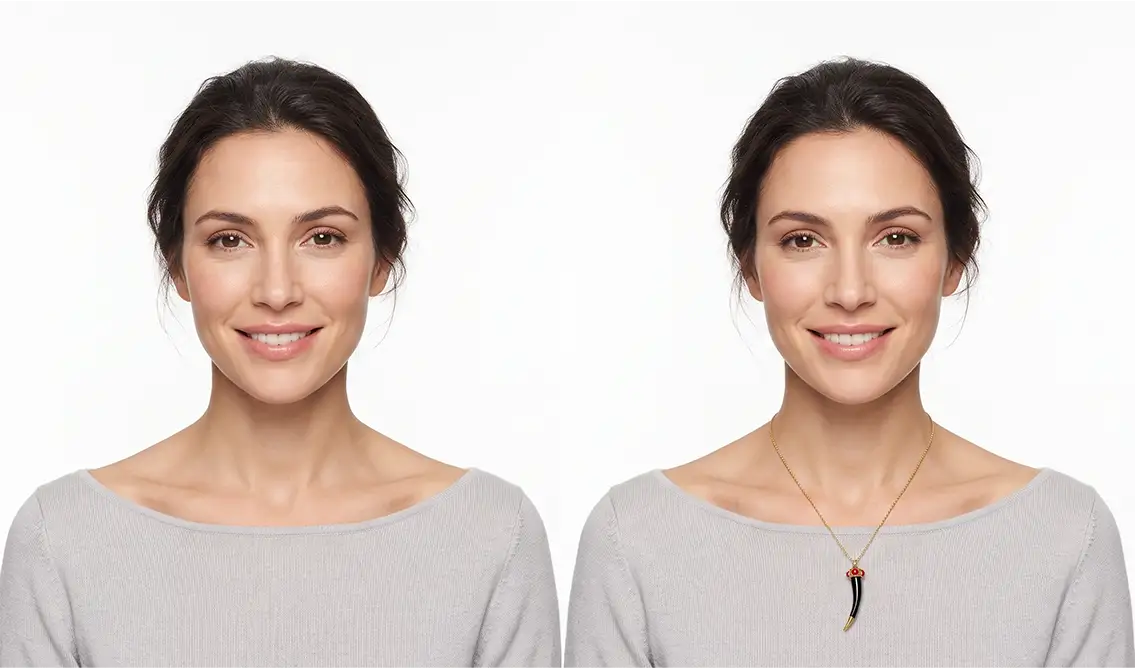
Turn on your camera, pick earrings, a pendant or a ring, and see the piece on yourself in real time.
Switch items in one tap.
Everything runs in your browser: no photo or video is ever uploaded.
How aviators relate to jewellery: the cultural context
The aviation community has its own culture of relating to objects. Pilots, especially military and commercial airline ones, are used to strict regulations, uniforms, and a limited set of personal items on board. This creates a paradox: people whose lives are full of rituals and symbols are, in their professional space, conspicuously stripped of the personal.
That is exactly why a personal piece outside the cockpit takes on such weight. A thin chain with a pendant that a pilot slips on after stepping off a flight, or a ring a crew member wears on days off, carries everything personal the uniform excludes. This is not compensation, it is a different register of the same person.
Aviation jewellery also serves as identification within the community. Someone who spots a wings pendant on a stranger in an airport café instantly recognises one of their own. It works like a quiet password, a signal of belonging to a world not everyone understands.
In that sense, jewellery for a pilot or a crew member carries professional identity on a par with aesthetics. A good gift accounts for this function.
Wings: a symbol with a three-thousand-year history
Wings are arguably the most universal symbol of aviation. But to give wings jewellery with understanding, it helps to work out where the shape came from.
Military wings: a tradition of initiation
When, early in the twentieth century, the military aviators of the USA, Britain and France began forming their corps, they needed a mark of distinction. The wing-shaped badge became it. American air corps wings (later the US Air Force) had the classic open-wing form with a shield or star at the centre. The wings of Britain's Royal Air Force are simpler and more elegant, with a monogram in the middle.
The tradition of awarding wings to pilots on graduation from flight school took root precisely in military aviation. A mother, a father, a partner would pin the wings to the graduate's tunic. In the US Air Force this ritual survives to this day, and it is often a loved one who makes the final movement and fixes the badge in place.
Civil aviation borrowed this symbolism. The wing-shaped cabin crew badge that airlines award on hiring is a direct heir to the military tradition. The distinction between a captain's "gold wings" and a first officer's or crew member's "silver wings" is historically fixed at different airlines.
In jewellery, wings work against precisely this backdrop. A wings pendant reads as a quotation from a professional ritual. When someone places a gold wings pendant on the table and says, "this is for your first solo," a pilot understands it differently from how a non-aviator would. They hear: "I know what that moment means. I acknowledge it."
Gold and silver: which to choose
Traditionally the captain wears gold stripes and gold wings, the first officer silver. That hierarchy has gone nowhere. If you are giving wings jewellery to an aircraft captain, gold hits the symbolism more precisely. For a student pilot who has just earned a PPL, silver is perhaps more fitting, because the road lies ahead.
But this is not a rigid rule. Finely finished sterling silver looks elegant at any level. Rose gold, if the person is inclined to it, adds warmth without excess formality. White gold reads as neutral and modern, free of any historical weight.
One practical tip: if you do not know exactly which metal the person wears, look at what they already wear. A pilot with a steel-cased watch and a white-metal wedding ring will most likely appreciate silver or white gold more than yellow gold. A small thing, but it shows attention.
A gift for aviation milestones
An aviation career, and a love of aviation, is structured by milestones that are very concrete. Each of them means something specifically to aviators, and a good gift should know those meanings. An outsider may see "just an exam" where an aviator sees the end of one chapter of life and the start of another. That difference is worth sensing.
The first solo flight
The most emotional moment in any pilot's history. The instructor climbs out of the aircraft, and for the first time in your life you fly it alone. No pilot forgets that date. It is written in the logbook forever.
What exactly happens in the first seconds after lift-off, when you realise the aircraft answers to you alone, every pilot describes in their own way. Silence, because there is no longer an instructor's voice on the right. Lightness, because one seat sits empty and the aircraft behaves differently. Responsibility, because the whole situation is yours entirely. It is one of the few experiences in life that cannot be shared: you are either there or you are not.
A first-solo gift should carry that date. An engraving with the date of the first solo flight on a pendant or bracelet is the most natural solution. You can add a callsign (if there is one) or the aircraft type in shorthand: just "C172" as a personal mark, not a billboard. To a pilot, that says more than any spelled-out text.
A silver wings pendant, the first solo date on the back. A simple shape, a specific personal text. When, twenty years on, the pilot finds this pendant in a desk drawer and reads the date, they will remember exactly: the smell of aviation fuel, the colour of the sky, the instructor's voice one last time before they stepped out.
Earning the PPL (private licence)
A PPL is the official document that says: you are a pilot. Not a student, not a trainee, not a cadet. A pilot. For many people, earning a PPL is the result of several years of effort, money and time. It is often earned in adulthood, when there is already a job and a family, and every hour in the air is won back from other commitments.
The road to a PPL takes in theory exams on meteorology, navigation, air law, aircraft construction. Then practical hours with an instructor, the first solo, solo cross-country flights, a final check ride with an examiner. For an adult with work and family, all of this can take several years. The date on the certificate is a number, it is the full stop at the end of a long journey.
PPL jewellery should be weighty in the good sense. Not loud, but serious. A compass, a symbol of navigation and orientation, is an excellent choice. A compass pendant carries all you need: direction, a reference point, your own course. A recreational pilot who has earned a PPL plots their route literally and metaphorically. Wings in silver engraved "PPL + date" is concise and precise for this moment.
Earning the CPL and ATPL
A commercial licence (CPL) means the pilot can now be paid to fly. It is the start of a professional career. The ATPL (airline transport licence) places them in the captain's seat of a large aircraft with passengers. A different level of responsibility, a different level of demands, a different level of professional identity.
A pilot reaches the CPL through the whole journey: from a training single-engine aircraft to many hours on an airliner simulator, instrument flying exams, night flights, flying in difficult weather. This is not the end of the road but the start of a new one, and yet the first true professional document, and so an occasion for a gift.
Gold wings are symbolically precise at this stage. An engraving with the licence date, with the home base airport code, with the licence number if that is the way the family does things. A gift from parents, from a partner, from a friend who understands what this moment means.
Moving to a new aircraft type (type rating)
Every aircraft type requires a separate qualification, called a type rating. A pilot who has completed a rating on a new type has once again passed a tough exam and learned a new aircraft from scratch. It is several months of intensive preparation: theory, simulator, line training with an instructor, a check ride with an inspector. A pilot who flew a narrow-body aircraft, moving to a wide-body long-haul, is in effect retraining from the beginning.
This is professional growth that often goes unnoticed from outside. To the pilot it is a big deal. A gift for the move to a new type, subtle, understood only by the initiated, will be valued precisely for its accuracy.
A coordinate pendant with the designation of the airport where the line training on the new type took place is concrete and not obvious to outsiders, which is exactly why it is personal. Or a short engraving with the abbreviation of the new aircraft type: a code the pilot reads instantly and understands that you know what happened.
A thousand flight hours
The first thousand hours, a quiet personal milestone. No one marks it officially, unlike licences. But every pilot knows their number, and passing a thousand means something. It is when the "young pilot" departs and simply a pilot begins.
A captain who has crossed a thousand may tell no one. It is an internal marker, not printed in any certificate and not reported to the airline, but one the pilot carries in their mind. That is exactly why jewellery for such a moment should be personal, not showy. A thin ring or a small pendant with a number or with a symbol the pilot chooses themselves. A spare engraving, "1000," on the back, meaningful only to the one wearing it.
An infinity pendant, a symbol of unbroken experience, engraved "1000" on the back or with the home base airport code, is a precise choice for this moment. Infinity says: the accumulation continues, the figure is not an end point but a marker on a long road.
Ten and twenty years in the profession
Career anniversaries in aviation are marked, especially when someone stays loyal to one airline or one aircraft type. Ten years in the profession means you have been through a great deal: periodic medicals and proficiency checks every year, changes of colleagues and routes, technical fleet upgrades, regulatory changes. In aviation every year adds to the tally, and it demands active re-proof of qualification. A pilot or crew member with ten years' service is someone who, every year, proved their fitness again.
Twenty years in the profession is a different figure. It is already a generation: new colleagues who arrived after you may have been born the year you started. It is a narrative distance you can see.
A gift for ten and twenty years should match the weight of the moment. Fourteen-carat gold with wings and an engraving, or a substantial silver pendant with the coordinates of the home airport. This is not a moment for minimalism. Here the heft of the piece speaks for itself.
Retiring from aviation
In most jurisdictions commercial pilots retire at a set age, often sixty to sixty-five. The last flight is not the end of a working day. It is the end of a career that may have lasted thirty years or more. Thousands of hours in the air. Hundreds of cities. Several generations of aircraft. People who, on the day of their last flight, cease to be an airline pilot, sometimes say it feels like losing part of themselves. The part that defined them.
The moment is full of emotion: pride, sadness, relief, nostalgia, all at once. Retiring aviators often get flowers, speeches and a cake. At some airports the fire crew greets a captain's last flight with a water arch. Passengers applaud. Colleagues cry. A piece of jewellery with a symbol, one that remains after the last flight, says more than cake and lasts longer than flowers.
A gold wings pendant, engraved with the dates of the career: the year of the first flight and the year of the last. Two numbers that span everything. A lighthouse as a symbol of a reference point and a safe return suits too: it points to shore for those who have long been at sea or in the sky. For a pilot who always came home, the lighthouse says: "you always knew where to fly."
Customer reviews
Zevira is a real jewellery shop. Genuine payments, deliveries and customer thank-yous.
🥰🥰🥰 gracias
Ok, ¡gracias! 🙂
A gift for a cabin crew member
For the first flight
This is a special moment. A crew member's first flight, even on a short route, the start of a career later measured in thousands of landings. Before the first flight there is a nervousness that does not vanish even after several years. The first time you greet passengers, the first time you work with emergency equipment for real, the first time you are responsible for cabin safety. A different scale of responsibility from the training room.
Jewellery for this moment should be subtle, compatible with the uniform, and able to ride out all the years of a career without dating. Nothing that breaks the airline's rules.
A good option: a small pendant with wings or a little aeroplane on a thin chain. Sterling silver. An engraving with the date of the first flight or the code of the first airport. It goes on under the shirt collar and stays there. Ten years on, the crew member, seeing the date on the back, will recall exactly what that day was like.
For ten years in aviation
Ten years of flights is thousands of hours in the air, hundreds of cities, the constant shifting of time zones, years of working while others sleep. A crew member with ten years' service deserves a gift that acknowledges it.
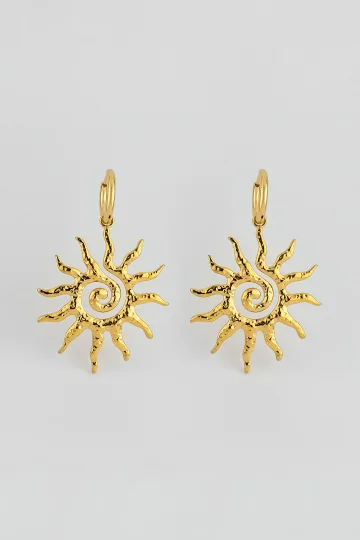
Here you can already allow a more substantial piece. A silver wings pendant engraved with the coordinates of the home airport. Or a piece with celestial motifs, stars, moon, sun as a symbol of the sky that became a workplace.
For international routes
A crew member who moves from domestic flights to international ones goes through separate training. New languages at the very least, new safety rules for different aircraft types, different airports with different requirements. International flights mean shifting time zones, nights in hotels in different countries, the constant "tomorrow we are airborne again." Moving to international routes is professional growth that deserves recognition.
A coordinate pendant with the code of the first international airport is concrete and meaningful. Or a small compass pendant, because a compass shows direction no matter which time zone you are in.
A gift for a pilot's partner
There is one more category that rarely gets discussed: a pilot's partner. The person who sees them off and welcomes them back, who falls asleep alone when the pilot is in another time zone, who is used to the late-night texts "landed." A pilot's partner adapts to a rhythm most people would find impossible: you never know exactly when they will be back, because flight delays are real, because weather rewrites the schedule, because an airport in another country can be closed for technical reasons.
This takes a certain character. A pilot's partner who endures such a life for years deserves recognition just as the pilot does.
Jewellery for a pilot's partner is a symbol of connection across distance. Something that recalls the person now somewhere over the Atlantic or over the Alps. It can be a matching pair: two halves of one symbol. Or a piece with an anchor as a symbol that you are their support while they are away. For aviators, the anchor works as it does for sailors: it is what holds while you are in motion.
Celestial symbolism (stars, moon, compass) suits both: the pilot works in the sky, the partner at home looks up at the same sky. Two people under one sky across different time zones. The moon hangs over the Alps and over the Atlantic at once, if from different angles. A metaphor understood without explanation.
A moon pendant, given by a partner to a pilot before a long flight, says roughly this: "while you are up there, we are looking at the same sky." For someone used to falling asleep alone while their partner is in another hemisphere, this is no sentimental cliché but a real anchor.
Upload a photo of your pet, someone you love, or an object. We'll build a 3D model and hand-cast it in pewter.


Jewellery: which symbols work and why
Wings: the main motif
Wings were discussed above. One more thing: wings need not be literal military wings reproducing a uniform badge exactly. Stylised wings, bird feathers, angel wings, geometric V-shapes, all carry one basic meaning: the ability to rise, to leave the surface, to be where others are not. For a pilot this is a direct meaning. For a crew member too. For an aviation lover it is the dream.
The shape of the wings matters. Symmetrical wide wings, spread horizontally, read as steady level flight. Wings lifted upward, like a bird in a rising thermal, speak of ascent, of a beginning. Wings angled down appear more rarely and are associated with landing, with completion. For a gift marking the start of a career, raised or horizontal wings are more precise.
In the article on winged creatures there is more on how the swallow, hummingbird and dragonfly carry the meaning of free movement through space. The same motifs work in an aviation context, especially the swallow, historically used as a symbol of return.
The little-aeroplane pendant
A miniature aircraft is arguably the most literal aviation symbol. A small metal aeroplane on a chain is worn by children, aviation lovers, and people who simply want to express their bond with flight. In a minimalist execution, a thin geometric form in silver or gold, it is elegant and unambiguous. Ideal for someone who is not a pilot but loves the sky.
The compass
A direct navigational metaphor. A compass shows direction when you do not know where you are. For a pilot, who literally navigates, it is a professional symbol. The compass rose, often drawn alongside a compass, is an aviation and maritime symbol with centuries of history: it speaks of knowing the cardinal points, of understanding space.
For a gift marking an important milestone, the compass says: "you have a reference, you know where to go." A powerful statement for someone who makes professional decisions in space: a pilot with an inner compass is a pilot who is trusted. More on the meaning of this symbol in the guide to compass jewellery.
The lighthouse
A lighthouse in the airport context is a navigational light that blinks and says "the aerodrome is here." It is the lighthouse you associate with what you see at night on the approach: rows of runway lights, the beacon on the tower. Lighthouse jewellery for a pilot is home, it is the landing strip, it is the place you can always return to. On the full meaning of the lighthouse as a symbol, read the separate article.
Infinity
The infinity sign, read through aviation, is the unbroken flying tally, the unbroken road. A pilot who has crossed a thousand hours, ten years, thirty thousand landings, knows the feeling: the profession becomes part of you, and there is no moment when you have "flown enough." The infinity symbol is precise for such a person. More in the article on the infinity symbol.
The anchor
For an aviator who is constantly in motion, the anchor is the opposite of flight and for that very reason a valuable symbol. The anchor is what holds, it is the partner at home, it is family, it is the place you return to. Anchor jewellery works well as a gift from a partner to a pilot, or as a symbol that a person has their own shore. A detailed look at the symbolism is in the article on the anchor.
Celestial motifs
Moon, stars, sun, the firmament, this is a pilot's working environment in the literal sense. Celestial jewellery works for everyone: for those who fly and for those who see them off. Moonlight looks different from altitude than from the ground; the stars above the clouds are brighter and more of them are visible. A particular knowledge held only by those who have been there.
Pilots flying night routes see the starry sky without atmospheric scattering, below the cloud layer, in full darkness over the sea. Cabin crew on long-haul flights know how a sunrise over the Atlantic looks through a window at ten kilometres. An experience most people do not have. Celestial jewellery carries that experience with it. Celestial jewellery: the complete guide.
Coordinate jewellery: when precision becomes adornment
Aviators get used to thinking in coordinates. Every airport, every route point, every alternate runway is given in degrees, minutes and seconds. A coordinate is an address in a world without streets. For a pilot, the figures of latitude and longitude say more than the name of a city.
A particular kind of personalisation for aviators: the coordinates of a specific place on a pendant. Concrete latitude and longitude figures on a pendant are romance, a precise statement in a professional language.
What to engrave:
The coordinates of the home airport. The airport where the career began, where the pilot is based, from which the first flight took off, a place of personal meaning.
The coordinates of the first solo aerodrome. For a recreational pilot who earned a PPL, the aerodrome of the first solo flight is a sacred place. Its coordinates on a pendant read as a point of origin.
The coordinates of the landing point of the first international flight. Or the first long-haul. Or the first flight to a country the pilot always wanted to visit.
How to format: the standard aviation coordinate format as DD MM SS (degrees, minutes, seconds) looks technical and professional. The decimal format is more compact and reads faster. The choice depends on what the recipient likes. You can ask them directly which format they use at work, which in itself makes for a good conversation.
Coordinate jewellery works well paired with a date. The aerodrome coordinates plus the first solo date. Or the home airport coordinates plus the year the career began. Two numbers known only to the person wearing them. This is close to what the jewellery tradition calls "secret jewellery": a beautiful pendant outside, a personal cipher inside or on the back.
Another option: coordinates not of an airport but of a specific place. The place of the first meeting with a partner, the place where the pilot understood they wanted to fly, the birthplace of a child. The aviation context is not obligatory, if the coordinates carry personal meaning, they work.



Engraving: what to write
Engraving turns jewellery from a beautiful object into a personal document. For an aviator this is especially true, because aviation culture is saturated with exact designations. There is no room here for vague phrasing: every airport has a code, every aircraft type has a designation, every date in the logbook is concrete.
The engraving on aviation jewellery is a professional language, if you know it.
Callsign. Military pilots have a callsign given in the squadron, one that often stays with the whole career. It is a name within the community. Engraving the callsign inside a ring or on the back of a pendant says "I know who you are in the sky." Very personal.
The first solo date. That date is recorded in the logbook, but the logbook stays at home. The engraving is always with you.
Aircraft type. "C172" is a Cessna 172, the most popular training aircraft in the world. "B737" is a medium-haul airliner. To a pilot these designations are concrete, like names. An abbreviation on the back of a piece works as a professional sign an outsider will not read.
The ICAO or IATA airport code. IATA is three letters (LHR, JFK, MAD). ICAO is four (EGLL, KJFK, LEMD). Both are read instantly in the aviation community. The home airport code on a piece is the address of a professional life.
A short phrase. "Once airborne, always a landing to come" is not trite if it is true. Or simply a date and coordinates, no words: sometimes silence is more precise. The flying profession trains you to brevity: on the radio there are no spare words. The same logic works in an engraving. One detail that says everything is better than a paragraph that says a lot.
A practical tip on engraving: ask the jeweller for the maximum number of characters before ordering. Aviation coordinates in full format run to twenty to twenty-four characters. The DD MM SS.S format for two coordinates will fill two lines. You can cut it down to latitude only or longitude only, if the place is identified unambiguously by one coordinate. The IATA code (three letters) is the most compact and elegant option.
A word on what is worn in the cockpit and in uniform
Airline regulations vary, but the general logic is the same: in the cockpit and while performing professional duties there should be nothing that can snag, distract or pose a risk in an emergency. Rings with protruding stones, chunky bracelets, long chains are not done. A smooth wedding band without stones is, as a rule, allowed. A thin chain under the shirt too.
Cabin crew work in the passenger cabin with constant physical demands: they open emergency doors, help passengers, work with equipment. For them the rule of practicality is critical. Earrings: smooth studs or small hoops. Rings: smooth, no sharp edges. Chains: thin, under the collar. Nothing that will catch on a seatbelt or emergency equipment during an evacuation.
This is not a limit on beauty, it is a matter of professional safety. Good jewellery for an aviator takes this factor into account: a clean shape, no protruding parts, a reliable clasp. A gift that respects these requirements will be worn constantly, not left in a box as "too dressy for work." More on travelling and working in jewellery in the practical guide.
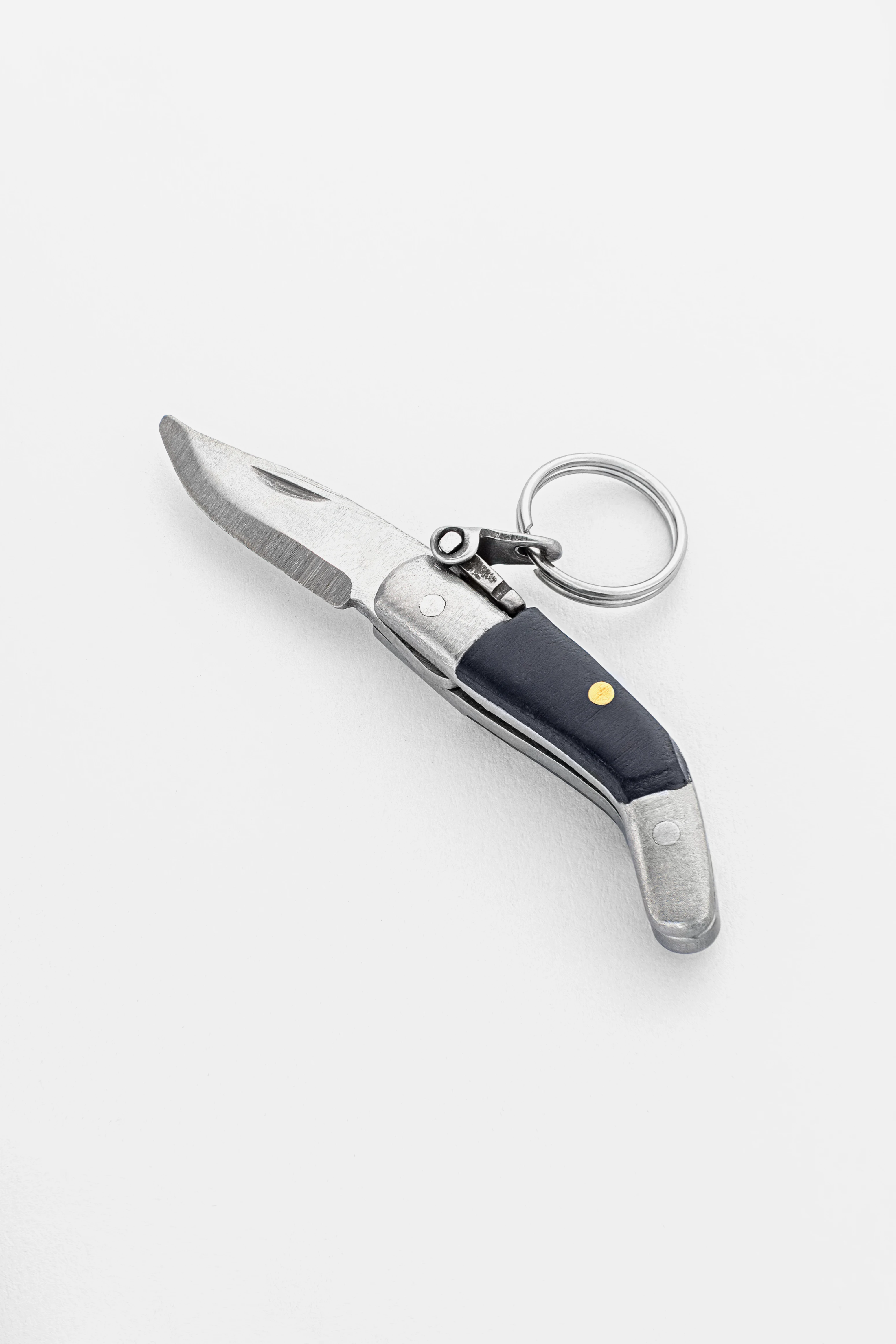
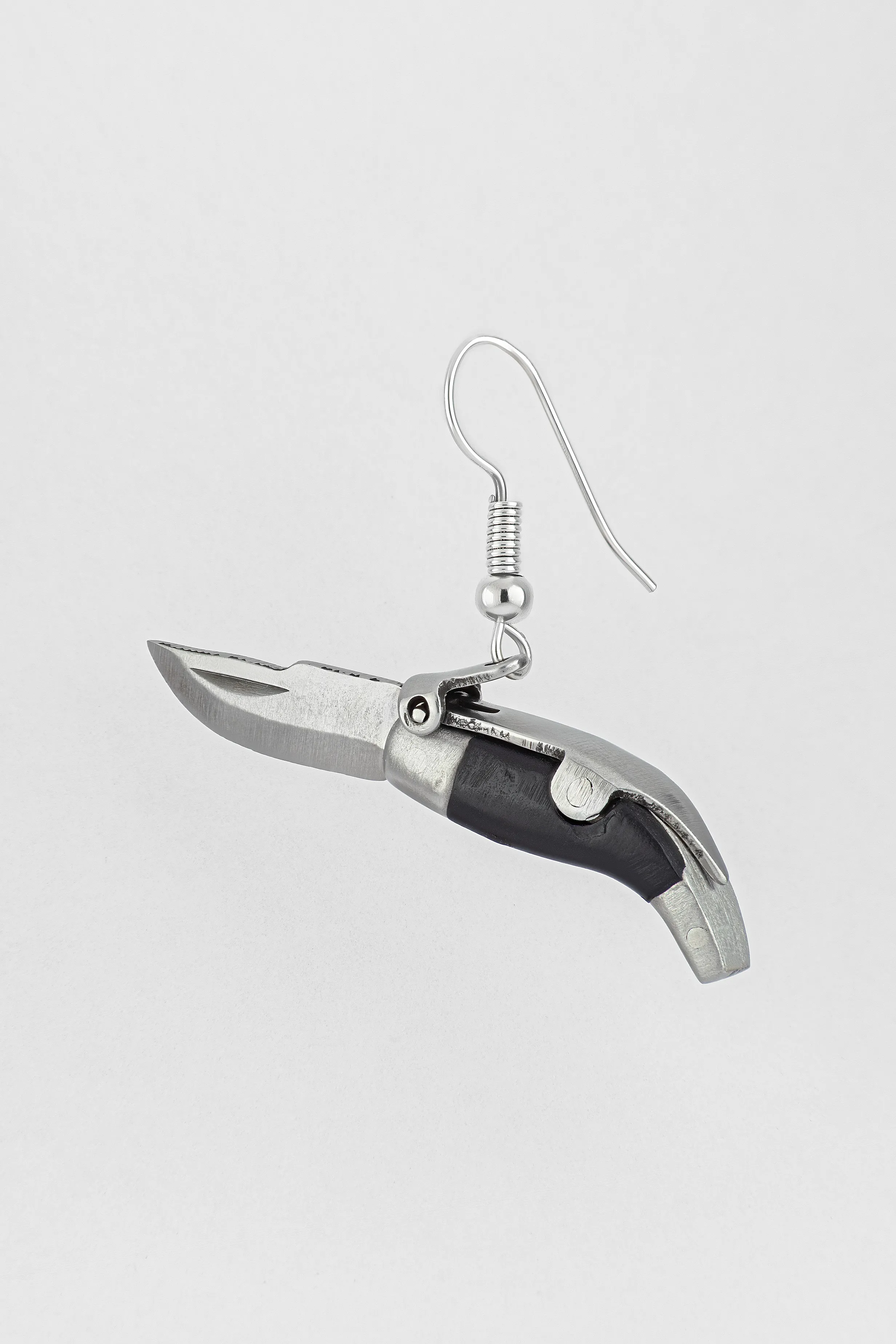
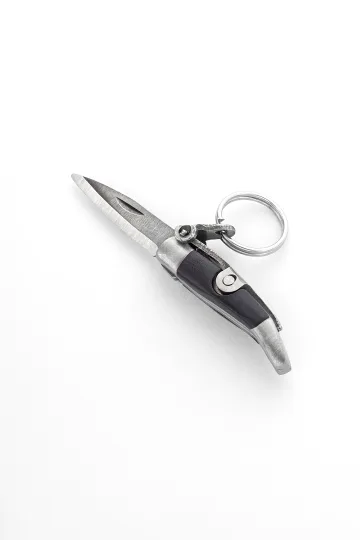
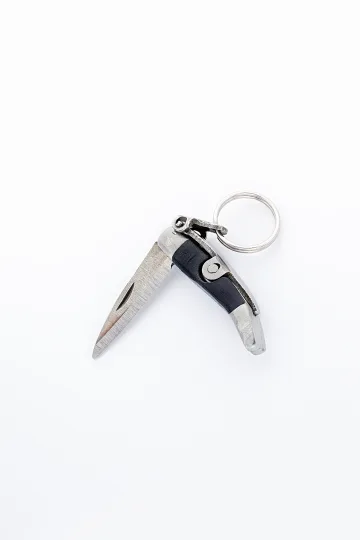
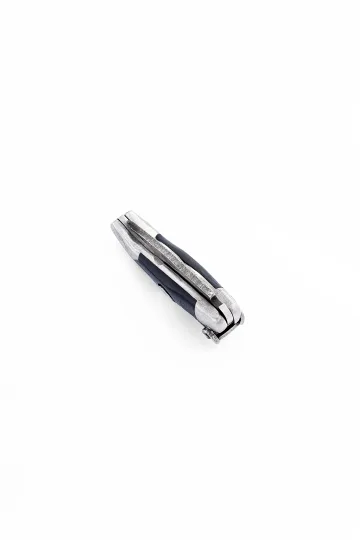
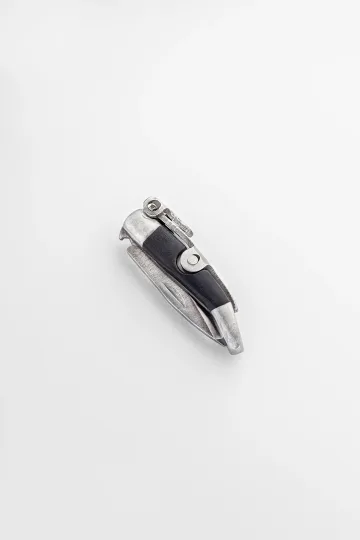
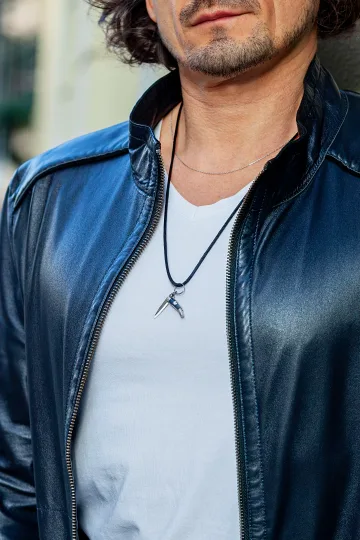
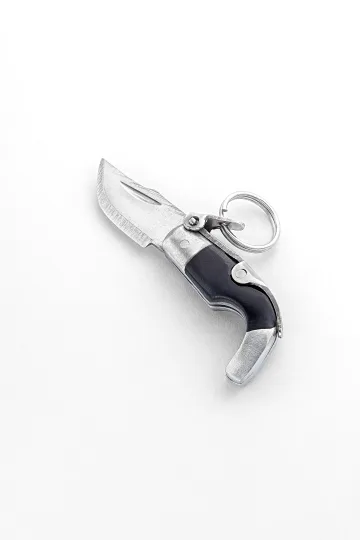
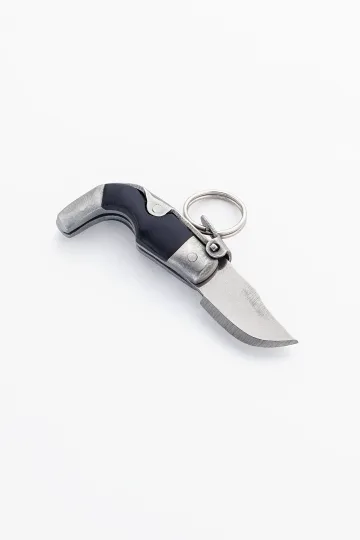
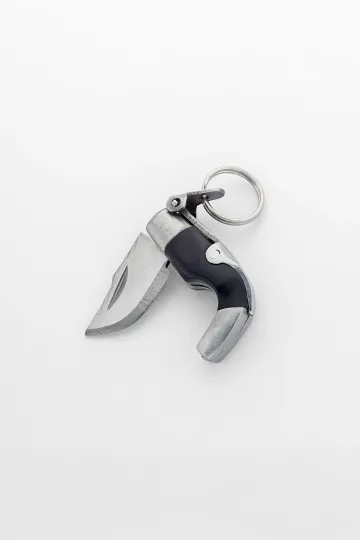
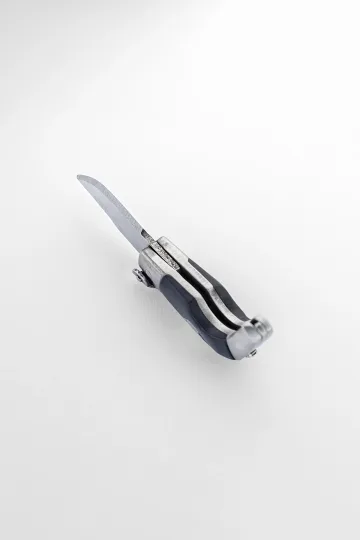
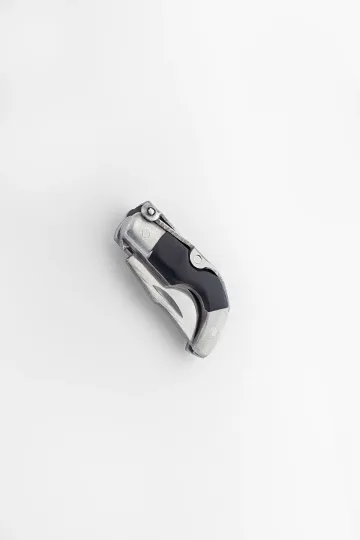
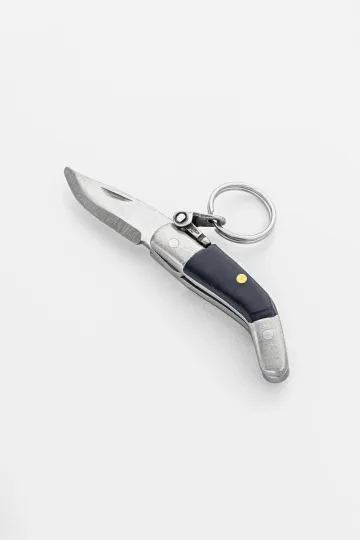
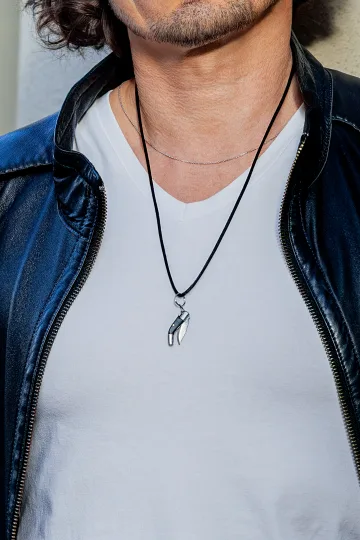
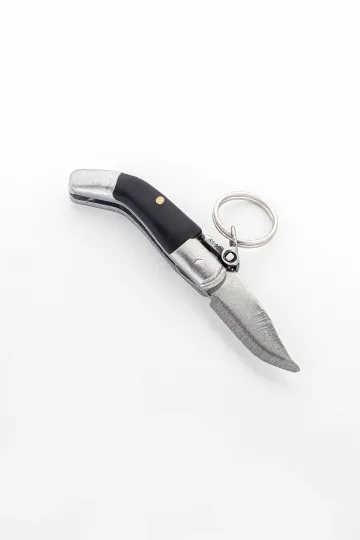
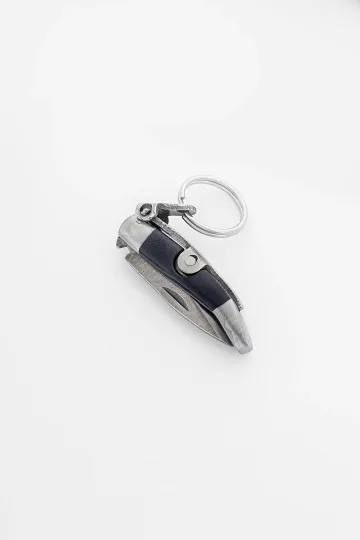
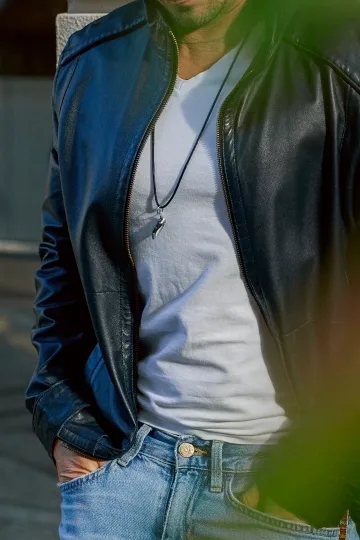
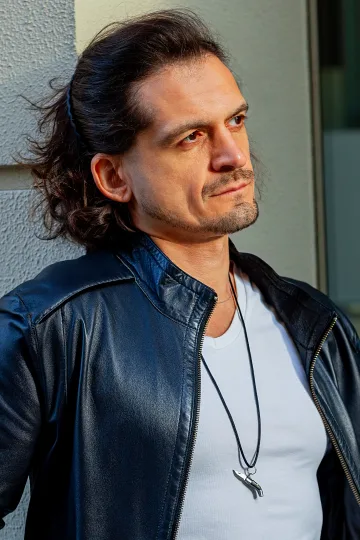
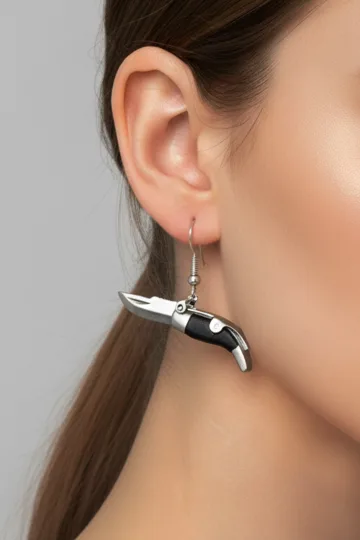
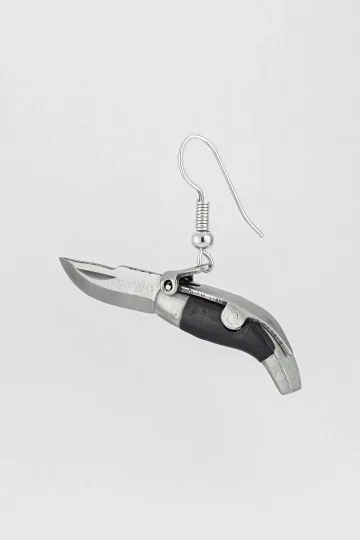
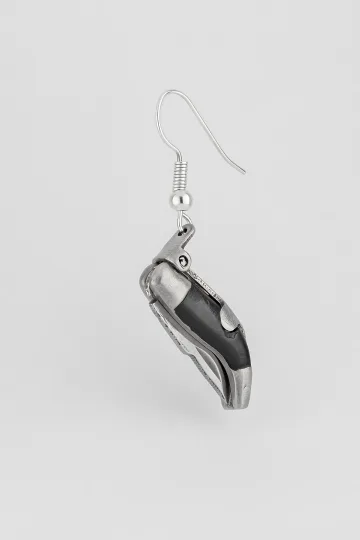
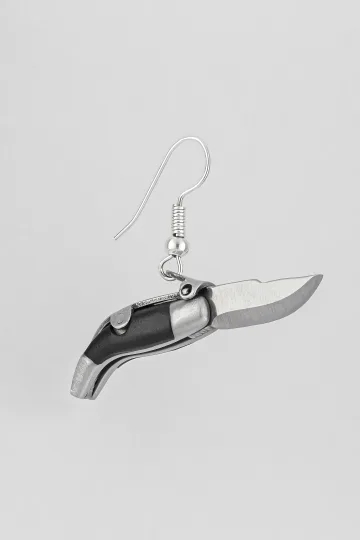
CAPAORA mini knife pendant
The 18th-century Spanish navaja in miniature: 40 mm of stainless steel, a real folding mechanism and a Palanquilla lock that clicks. An affordable gift to remember.
Authentic · Ships from Spain · 14-day returns
Aviation traditions and superstitions
Aviation is publicly rational: everything is calculated, checked, confirmed. But within the profession there are plenty of superstitions. Pilots who would never tell a passenger nonetheless keep small rituals. This is not irrationality, it is a professional culture shaped under conditions of high responsibility. A ritual gives structure and a sense of control where control is, in a sense, always incomplete.
The talisman piece. The tradition of wearing a small amulet or piece of jewellery given by a loved one before a first flight or first solo exists in many flight schools. Not an official practice, but a real one. Student pilots tell of it: my mother gave me a pendant before my first solo, and it still sits in the breast pocket of my uniform shirt. Five years and a thousand hours later.
A small pendant in a breast pocket, a thin ring put on before an exam, that is what it is. Not superstition in the crude sense but a rite of passage. The piece fixes the moment when someone important said "you are ready." It goes on carrying that message through every flight that follows, even when it is forgotten about.
In world aviation culture there is the notion of a lucky charm, an object the pilot takes aboard. It can be anything: a coin, a small figurine, a photograph. Jewellery serves the same function but more economically. It takes up no space, it is always with you, it does not get lost in a pocket.
The first solo date. In many flight schools a student, after the first solo flight, is doused with water. This ritual exists in different versions in different countries: in the USA the bottom of the student's shirt is traditionally cut off and pinned to a board with their name and date. In Britain a handshake and a round at the bar, sometimes with bubbly. Either way the first solo date is marked and remembered forever. Jewellery with that date is, for such a person, a gift, it is the acknowledgement of a moment the profession holds as the most personal.
The last flight. Retirement in aviation is often marked with a "wet" ritual: the airport fire crew greets the last flight with a water arch, passengers applaud, the crew cries. A piece received on that day carries particular weight.
Aviation "lucky numbers." Many pilots have a special relationship with specific numbers: the number of the first aircraft, the registration of the airframe they flew for a long time, the hour count at a particular milestone. This is not magic, it is the markers of a personal history. A piece that carries such a number in its engraving speaks to that personal mythology.
Leave your email, we'll send your discount code. No spam, unsubscribe anytime.
The code arrives by email, valid on your first order.
Military aviation: a different register
Military pilots in uniform wear no personal jewellery. The regulation is strict, and there is no getting round it. Off duty, they wear whatever they like. A gift for a military pilot from family or a partner is a gift into their "civilian" life, into the part of themselves that exists beyond the uniform.
Military aviators go through some of the most intensive training in aviation. Aerobatics, combat manoeuvres, night flying on instruments, ejection and survival drills, years of regular exercises. The professional identity of a military pilot is very strong, often stronger than that of a civilian colleague. A piece that acknowledges this identity outside the uniform context can mean a great deal.
An important nuance: do not reproduce specific uniform military marks in a piece: squadron patches, state symbols, insignia of rank. This is the area where the personal crosses into the official, and a piece can be read ambiguously. Stylised universal symbols work instead, ones that speak of the profession through a figurative language.
For the family of a military aviator, jewellery often carries a special function: it says "you came back." A piece received after returning from a long deployment or after the end of service is an anchor in both the literal and the symbolic sense. A wife who wears a wings pendant while her husband is away, and takes it off when he returns, described it as "I count the days through the jewellery." This is not superstition, it is a ritual of presence.
Aviators' families: jewellery across distance
The life of an aviator's family is arranged in a particular way. The schedule is irregular, time zones shift, contact is unstable: in some countries the crew has no roaming. Children get used to one parent having "gone off to work in an aeroplane" and coming back in a few days. Normal for such a family, but that does not mean it is easy.
A pilot on long routes spends a good part of the month away from home. Several flights back to back mean days and nights in hotels on different continents. It shapes the family's life.
Jewellery as a symbol of connection across distance is an old tradition. Sailors gave their wives anchors, soldiers gave locks of hair in lockets. For a pilot's family it can be a matching pair: one pendant for the pilot, one for the partner at home. One symbol for the two of them.
Celestial motifs work especially well here. Pilot and partner look at the same sky, though from different points on the earth. A piece with a moon or stars gives a sense of shared space when one is in the air and the other waits at home.
For a pilot's children, a story of its own. A gift from a pilot to their child, a little aeroplane on a chain or a wings pendant, says "I am in the sky but I am thinking of you." Pilots' children understand early that mum or dad is "where the aeroplanes are," and that fact can be fixed by a concrete object. A child who wears such a piece has a tangible link to the absent parent. It does not replace the parent, but it is a concrete object to look at and think: right now they are up there.
Matching jewellery for a pilot and a child, or for a pilot and a partner, the very same symbol for both, an aeroplane, a star, an infinity sign, works as a physical mark of a shared history. They differ in scale but are linked in meaning.
Aviation lovers without a licence: what to give an enthusiast
The aviation community is wider than it seems. Behind every airliner that touches down at a major airport stand a hundred people in airport cafés with binoculars, a hundred accounts posting photos of jets against the sunset, thousands of followers of aviation-news forums. These are not pilots. These are people for whom aviation is a passion without a licence.
Plenty of people are deeply tied to aviation without holding a licence. Aviation photographers who stand for hours at the runway thresholds. People who go to air shows. Devoted users of flight-tracking apps who follow jets in real time. Model collectors. People whose flight simulators take up half a room.
For an aviation enthusiast, jewellery can be more open in form. He or she is not bound by uniform regulations, so a little-aeroplane pendant, bold wings, a pronounced compass, all of it fits. And all of it says: "I know your passion."
Coordinate jewellery for an enthusiast: the coordinates of a favourite airport where they shoot jets, or the coordinates of the spot where they saw the best sunset with an aircraft in frame. Concrete and personal.
A little-aeroplane piece outside the professional context reads simply: this person loves the sky. It is a public declaration, and for an aviation enthusiast it is a precise one. It is also a conversation starter: another aviation lover, spotting an aeroplane pendant on the Underground or in the office, instantly recognises one of their own and almost certainly strikes up a chat. For people with niche passions that is valuable.
A flight-simulator enthusiast who practises ILS approaches in a virtual cockpit has just as much right to wings jewellery as a real pilot. A passion for aviation needs no licence. Jewellery is about the love of the sky, not the document in the pocket.
Materials for aviation jewellery
The aviation aesthetic gravitates to metal: uniform badges and wings are always metal. Aviation jewellery, too, works best in metal rather than in other materials. Metal is strong, it does not lose its look over time, it takes engraving well.
Sterling silver
Silver is the optimal choice for most aviation jewellery. It is strong enough for constant wear, it takes engraving well, and the clean forms of wings and compasses look natural in it. Plain sterling silver without patina gives a technical, "steel" look that fits the aviation aesthetic. This is no accident: instrument panels, aircraft structures, all of it is metal without ornament.
Oxidised silver adds depth to relief forms: wings with detailed work, a detailed compass, raised coordinate figures, all read more sharply against the dark ground of the patina. The look slightly recalls old uniform badges with a history.
14-carat gold
For professional milestones, especially those tied to gaining command, gold matches the historical symbolism. Captains' stripes and sleeve bands in civil aviation are gold, the captain's wings are gold. A piece in yellow gold for an experienced pilot carries that context organically. White gold is more neutral and modern. Rose gold is softer in register and suits those who want neither formality nor a hard "masculine" aesthetic.
A history of aviation symbolism in jewellery
From the first flights to the first wings
Aviation as a profession numbers a little over a hundred years. The Wright brothers made the first controlled flight of a powered, heavier-than-air craft in 1903. By the 1910s the militaries of several countries were forming aviation units. And almost at once a need arose for marks of distinction.
Among the first official pilot wings are reckoned the American "military aviator" badge of the early 1910s and the wings of Britain's Royal Flying Corps (RFC, the predecessor of the RAF). In France and Germany wings appeared in various forms during the First World War.
By the middle of the twentieth century the symbolism of wings was so entrenched that it began to be used in civil aviation. Airlines began awarding wing badges to cabin crew on hiring, to pilots on taking up a post. The mark became universal.
Personalised jewellery in the twentieth century
The tradition of giving personalised jewellery for aviation milestones took shape in American aviation culture in the 1930s and 1940s, largely through cinema and the culture of "pilots' wives." The partners of military aviators who saw their husbands off to war gave and received jewellery as symbols of waiting and connection. These were not necessarily expensive things: sometimes a plain silver ring, sometimes a small locket.
Post-war civil aviation inherited this tradition. When, in the 1950s and 60s, civil aviation grew rapidly and flying became a middle-class profession, the practice of giving jewellery for aviation milestones spread wider. Mothers gave their sons pendants before the first solo. Wives bought their husbands silver pendants on earning the ATPL.
Today the tradition exists across Europe and the USA, though its intensity differs from culture to culture. In some places personalised-jewellery customs are more developed; in others the demand exists quietly and is only now finding its expression.
Aviation abbreviations as part of a piece
One detail sets aviation engraving apart from everything else: aviation abbreviations are understood only by the initiated. ICAO, IATA, PPL, CPL, ATPL, IFR, VFR, this is a professional language with concrete meanings. To a non-pilot "EGLL" is just a string of letters. To a pilot it is a specific airport (Heathrow), a specific place, a specific history.
This hermetic quality of the professional language works in the wearer's favour: they know what is written, the outsider does not. This is not arrogance, it is a personal code. Like a tattoo whose meaning is clear only to the one wearing it and to a few close friends.
How to choose the right size and form of jewellery
For male pilots
Men in aviation traditionally wear a minimum of jewellery. If a male aviator wears a piece, it is, as a rule, small and clean. A pronounced pendant with detailed wings in silver, a thin ring, a bracelet with a geometric pattern, a compass, all of it works. Chunky pieces with stones are out of place in a work context, but in everyday life they are fine.
Pendant size for a man: two to four centimetres. The chain thin, forty to fifty centimetres, under the collar. Metal silver or gold without bright stones. Engraving spare.
For female pilots and cabin crew
Women in aviation have more choice in jewellery, because corporate rules usually allow jewellery as part of the appearance. But on a flight, uniform is uniform.
Jewellery for a woman pilot or cabin crew member works well in several formats: a thin chain with a small pendant (wings, aeroplane, compass), stud earrings with a symbol (small wings, a star), a thin ring with an engraving, a thin bracelet with a symbol. All of it is wearable both in uniform and out.
Pendant size: one and a half to three centimetres for everyday use. Earrings no longer than one centimetre if intended for a flight. A ring without protruding edges, so as not to break the rules.
Matching jewellery
Matching jewellery for an aviation couple, two pilots or a pilot and a partner, works through a shared symbol in different versions. It can be:
- Identical pendants with different engravings (one with the departure airport code, the other with the destination code).
- A pendant and a bracelet with one symbol: one wears wings, the other a compass.
- The coordinates of the same place on two pieces of different format.
The pairing need not be literal. Sometimes one metal and one theme, played out in two pieces, is enough.
Send a friend a discount code, they save on their first order.
What not to give a pilot
A few common mistakes when choosing a gift for an aviator.
Too literal an imitation of uniform marks. An exact copy of military wings or an airline badge as a piece of jewellery can be read ambiguously. This is especially sensitive in the military setting, where uniform symbolism is regulated. Better stylisation than a copy.
Jewellery that cannot be worn at work. A chunky pendant, long earrings, a charm bracelet, all of it is lovely at home but unwearable on a flight. If the person wants to wear the gift constantly, as well as on special occasions, the work context must be considered. Good jewellery for an aviator is something that can go on under the shirt and stay on.
Symbols tied to crashes or misfortune. It seems obvious, but it is worth saying: in the aviation context the theme of safety is very sensitive. There is no need for jewellery with symbolism that can be read ambiguously. Broken wings, a falling aircraft, crossed-out elements: avoid them.
Information too complex to engrave. If you want to engrave coordinates and a date and text, discuss it with the jeweller before ordering. Sometimes there is less space than it seems, and you have to choose: either coordinates, or a date, or text. One thing, but precise, beats three things small and illegible.
FAQ
What to give a pilot on earning a PPL?
A compass or wings pendant in silver, engraved with the licence date or the code of the airport where the exam was taken. A clean shape, a specific personal text.
Which jewellery can be worn in the pilot's cockpit?
Almost always: a wedding band without protruding stones, a thin chain with a small pendant under the shirt. Chunky jewellery, rings with stones, bracelets are not done. The specific rules depend on the airline.
Can you give wings jewellery to a non-military pilot?
Absolutely. The symbolism of wings long ago moved beyond military aviation. Civil pilots, cabin crew, aviation lovers wear wings jewellery as a symbol of profession or passion, not as a military mark.
What to engrave on a gift for a pilot?
The date of the first solo flight, the home base airport code by ICAO or IATA, the coordinates of an important aerodrome, a callsign (if there is one), the aircraft type in abbreviation. One detail beats several: let it say one thing, but precisely.
What to give a cabin crew member on a ten-year anniversary in aviation?
A pendant with wings or celestial motifs in silver or gold. An engraving with the start date or the code of the first airport of the first flight. Something that can be worn out of uniform.
Does anchor jewellery suit a pilot?
Yes, especially as a symbol of home, partner, support. The anchor, for an aviator always in motion, speaks of there being something constant in life. A good choice from a partner or family to a pilot. The anchor as "what keeps me on the ground" is an image aviators understand without explanation: they know the worth of the ground precisely because they so often leave it.
What to give an aviation lover without a licence?
A pendant with an aeroplane or wings, a piece with a compass, a pendant with the coordinates of a favourite airport. There are no uniform constraints, so the form can be more pronounced. An aviation enthusiast without a licence sometimes knows more about aviation than a professional pilot in certain respects. Their passion deserves jewellery just as much as a logbook with a hundred hours does.
How to choose between gold and silver for a gift to a pilot?
Historically: gold for command milestones (CPL, ATPL, 10+ years), silver for the early ones (PPL, first solo) and neutral situations. But this is a recommendation, not a rule. The main thing is that the metal suits the recipient's style. If a person wears a silver watch and a silver wedding ring, a gold piece may be beautiful but unwearable.
Can you give an aeroplane piece to a woman pilot?
Yes, without qualification. Aviation has long been thought of as a man's profession. Women pilots, cabin crew and controllers make up a significant part of the aviation world. Jewellery for a woman pilot is chosen by the same criteria: symbol, milestone, personalisation. A miniature aeroplane on a thin chain is especially good: graceful and unambiguous.
When is the best time for a gift?
On a specific milestone: a first solo, earning a licence, a professional anniversary, retirement, a first flight. If there is no milestone, simply give it: good jewellery needs no occasion. Sometimes the best gift is the one that arrives unexpectedly, just because you thought of the person and their profession.
Can you engrave an aircraft registration number?
Yes, and it is a very personal detail. The registration of an airframe a pilot flew for a long time, or one that is especially meaningful, is a personal marker. The registration format is short (five to seven characters) and fits an engraving well. It is detailed, concrete and says a great deal to the initiated.
Should you ask a pilot which piece they want?
It depends on the situation. If it is a surprise for an important milestone, the element of surprise is valuable. If you are unsure of preferences in metal or form, it is better to find out gently. You can ask one indirect question, for example, which metal they prefer, and that is enough for the right choice.
How long does engraved jewellery take to make?
It depends on the workshop. As standard: five to ten working days from confirmation of the engraving. If it is needed for a specific date, exam or ceremony, that must be factored in when ordering ahead.
Buying it as a gift? Each one arrives ready to give.
 A branded Zevira box and a little card come with every order.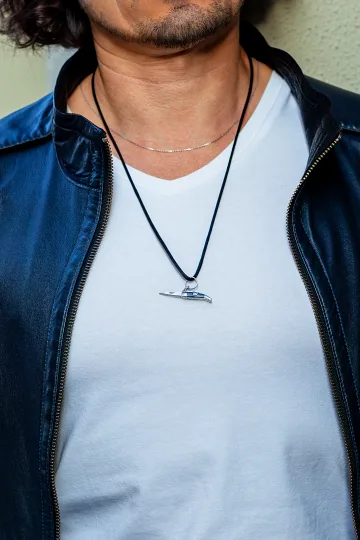




How to wrap and present the gift well
For an aviator, both the piece itself and how it is presented matter. A few details that make the moment complete.
A card with an explanation. If you engrave coordinates or an airport code, tuck in a small card with the decoding. Write: "Airport coordinates, 25 April 2019, your first flight." It is part of the gift. A pendant with numbers and no context is less precise than a pendant with numbers and a story. The card is kept in the box beside the piece and makes it legible for the future: a pilot who takes out this pendant twenty years on will read the card and remember everything precisely.
The moment of giving. A gift for earning a licence is best presented the same day or right after the ceremony, while the moment is fresh. A first-solo gift, if you were there, is given right after landing. If you were not, that same evening or at the first meeting. The moment has a shelf life.
The logbook as a source of data. If you want to engrave the first solo date or an airport code and do not know it by heart, ask permission to look in the logbook. The conversation itself can become part of the gift: you took the trouble to find out the exact data.
Jewellery as a way to keep professional memory
Aviation produces a great many documents: the logbook, medical certificates, technical clearances, qualification entries. All of it matters professionally, but all of it is paper in a folder. Jewellery keeps professional memory differently: not in a folder but on the body.
A pilot who retires hands the logbook to the archive. The jewellery remains. That is the difference between what is kept in documents and what is kept in a life.
For a young pilot it works the other way: a piece with the first solo date is an artefact of the beginning, the point of origin from which the story began. Twenty years on, when the tally has crossed ten thousand hours, this piece will recall not the professional experience but what it was like for the very first time.
A cabin crew member who has worked fifteen years and changed several airlines can gather a whole history in jewellery: a pendant with the first flight date, a ring with the coordinates of a favourite airport, a bracelet given by colleagues on a transfer. This is not a collection, it is a biography in metal.
Wear the symbol, don't just read about it. These are in stock:




When jewellery beats other gifts
A model aircraft, an aviation book, a simulator voucher, a wristwatch, an engraved plaque, all of these are good gifts. But they share one limit: the model sits on a shelf, the book is about the subject of the passion rather than the specific person, the simulator ends after an hour, the plaque hangs on a wall. A watch, besides, a pilot often chooses themselves, for the technical specs.
Jewellery works where the moment is personal. A pendant with an engraved first solo date or the coordinates of the home airport flies with the pilot on every flight and speaks of them, not of the profession in general. If you want to give something that will stay with the person constantly, the choice is obvious.
Conclusion: jewellery as a pocket cockpit
Pilots jokingly call the tablet of navigation data they take aloft a pocket cockpit. Jewellery that carries meaning from the profession works similarly: it is a wearable archive. The first solo date, the aerodrome coordinates, the home airport code, the callsign, all of them are concrete points in the personal history of someone who chose the sky.
Aviation is a profession in which every moment is documented. The logbook knows everything: the date, the time, the aircraft, the number of hours. But the logbook stays at home. The jewellery is always with you: in the captain's seat under the shirt, in the taxi to the airport, in the café on a day off, at a celebratory dinner with the family. It is the point from which the whole story is read. A small metal object that knows what only you know.
A husband gives his cabin-crew wife a wings pendant, on the back the coordinates of their home airport and the date of her first flight. She does not work out the numbers at first, then asks where he got them. "I looked in your logbook." She puts the pendant on and never takes it off again.
A father gives his son, for the first licence, a silver pendant with a compass and "C172" engraved on the back, the type of the training aircraft. The son wears it under the uniform shirt.
A captain buys herself a thin gold ring with the date of her thousandth flight hour. No one knows but her. That is enough.
Wings, an aeroplane, a compass, a lighthouse, the infinity symbol, an anchor, celestial motifs. Sterling silver and 14-carat gold with the option of engraving: the first solo date, an airport code, coordinates, a callsign.
About Zevira
Zevira makes jewellery in the artisan tradition of Albacete, Spain. In our catalogue you will find pieces that work as symbols of an aviation life.
What suits a pilot, a cabin crew member and an aviation lover:
- Wings pendants in silver and 14-carat gold, with the option of engraving on the back
- Aeroplane pendants in a minimalist form on a thin chain
- A compass as a symbol of navigation and a chosen course more
- A lighthouse as a navigational light and a symbol of home more
- The infinity symbol as an unbroken road and accumulated experience more
- An anchor as a symbol of support and constancy amid motion more
- Celestial jewellery with the moon, stars and sun more
Every piece can be personalised with engraving. Engraving is done to order: a date, an airport code, coordinates, a callsign, an aircraft type. We work with sterling silver and 14-18 carat gold.