Giving a Knife as a Gift: the Meaning, the Penny Ritual and When a Blade Is an Honour
There is an old English rule about it: never give a knife without a penny, or the blade will cut the friendship. Finnish children get their first knife at six and nobody flinches. Same object, opposite readings. One culture hears a threat, another hears the highest compliment a person can be paid.
Giving someone a knife means putting an object of double nature into their hands. A blade feeds and defends, and the same edge wounds. That doubleness produced both the prohibitions and the ceremonies of honour. In some traditions a knife marks the passage into adulthood, in others people hesitate over a kitchen blade in case it "cuts" the relationship. What follows: the symbolism of the edge, where the superstition came from across cultures, how the penny buy-back works, when a blade is the right and honourable gift, and how to sidestep the whole question elegantly with a knife pendant instead of a working edge.
The subject is alive right now. Cutlers in Sheffield and Albacete still drop a small coin into the bag when a customer says the knife is a present. Families argue over whether a folding knife is a safe gift for a father-in-law. Gift guides list a blade in the top ten wants for men and in the top ten fears at the same time. That contradiction deserves a calm, thorough answer, without mysticism and without a superior smirk at "silly folklore".
What giving a knife actually means
The blade is one of the oldest objects humans learned to make. Long before jewellery, long before coinage, there was a cutting edge. The symbolism sits in deep layers, which is why a knife handed over as a gift always reads as a statement rather than a casual gesture.
Ancient roots: the blade is older than money
People were knapping cutting edges before writing, before the wheel, before the first minted coin. Flint blades predate every civilisation on record, and bronze and iron knives spent centuries as the single most valuable object in a household, guarded and passed down through generations. Behind a gifted knife sits that very old layer of meaning: handing over a blade meant handing over labour, metal and protection in one move. In societies where weapons were expensive and not everyone was permitted to carry them, such a gift was an act rather than a courtesy. That weight is still felt. A knife is rarely given absent-mindedly, and there is always an intention standing behind it.
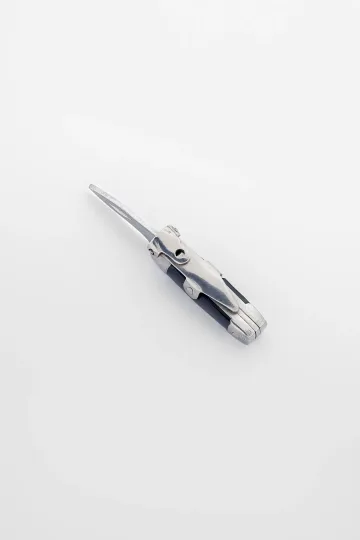
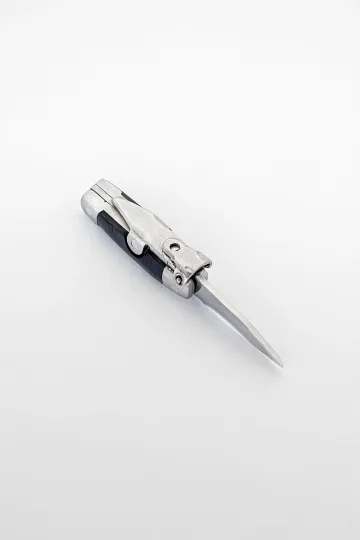
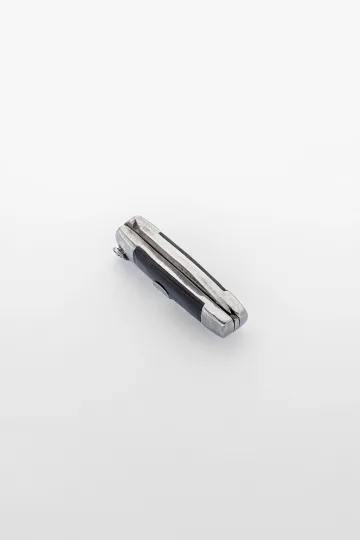
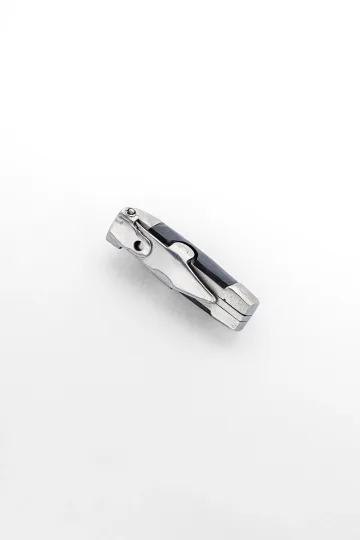
Wear the symbol, don't just read about it. These are in stock:



















The blade as a cut and as a shield
The first and most alarming reading is simple. A knife cuts. From there comes the notion that a gifted blade can sever the bond between giver and receiver, ending a friendship or seeding discord in a family. The logic is naive and entirely human: an object whose job is to separate drags the image of separation into the relationship around it.
The second reading runs in the opposite direction. A knife protects. It sits in the hand of the hunter, the soldier, the traveller. To give a blade is to wish someone the strength to hold their ground and to equip them for it. Read that way, the gift says: I want you ready for anything, able to look after yourself.
Both readings live side by side, and culture decides which one is louder. Where the knife is seen first as the weapon of a quarrel, a prohibition grows. Where it is seen as a shield and a working tool, a tradition of giving blades at life's milestones grows instead.
The knife as status, strength and initiation
In many societies the blade marked position. The right to carry a weapon was not universal: a slave or a landless labourer often went unarmed by law or by custom. Handing a person a knife therefore announced that they were free, adult and equal. It functioned as an act of admission.
Hence the custom of giving a boy a knife at the threshold of adult life. The object says: you are no longer a child, you are trusted with something sharp, you answer for it and for yourself. Among a great many peoples, the first knife of one's own mattered more than a first watch or a first suit, because a watch shows the time while a knife shows the standing.
The knife as a token of trust
Handing someone a sharpened edge means exposing yourself. The recipient now holds an object capable of doing harm. So the transfer of a blade reads as the highest form of trust: I am not afraid to arm you, because I believe in you.
That layer shows most clearly in military and hunting brotherhoods. Exchanging knives between comrades was an oath without words. A man giving away his own blade was effectively saying: we are of one blood now, I will cover your back. In that instant an everyday tool crossed over into something close to sacred.
That fork in the road explains why so many mutually contradictory rules cluster around the gifted knife. The identical gesture means both "goodbye" and "I am with you for good", depending on whose hands it passes between. Next comes the anxious side of the story: where the superstition grew from, and why it holds on so stubbornly.
The superstition against giving knives, and where it comes from
The belief is not the invention of one village. It turns up across an enormous territory, from the Hebrides to the Russian north, from Scandinavia to Japan. And almost everywhere the prohibition sits next to a way around it. That detail matters: the culture supplied an exit rather than trapping people in a dead end.
Britain and Ireland: never give a knife without a penny
The English-speaking world knows the rule as well as anyone. Never give a knife without a penny, the saying goes, or it will cut the friendship. The remedy is built into the phrase itself. The recipient hands a small coin straight back to the giver, and from that moment the blade counts as bought rather than given. In Scotland and Ireland the same rule is repeated with local wording, sometimes as a warning that sharp gifts sever love, sometimes as a joke that a knife will "cut the ties" between two households.
The custom is anything but a museum piece. Hunters, anglers, scout leaders, soldiers and retired cutlery workers all keep it going without treating it as sorcery. Ask a Sheffield veteran why the penny goes in the box and the answer is usually a shrug and a grin: because that is how it is done, and it costs nothing to do properly. That casual persistence is exactly why the tradition has outlived far grander beliefs. It demands no faith, only a coin.
The United States: the coin, the named blade and the challenge coin
American practice inherited the British rule and gave it a military accent. A knife given as a gift travels with a coin, and the recipient returns it, sometimes with a mock receipt, sometimes with a handshake. In service units the presentation of an engraved blade at a retirement or a change of command frequently arrives alongside a struck coin, which slots neatly into the wider culture of the challenge coin, the small token that marks membership and shared service.
There is a second American strand as well: the knife as a marker of self-reliance. A folding knife handed to a boy by a grandfather, a fixed blade for a first hunting season, a pocket knife given at graduation. In rural and outdoors households this reads as a rite of passage rather than a risk. The coin still gets passed back, more as good manners than as protection against fate, and both sides enjoy the small ceremony.
Finland and Scandinavia: the knife as everyday normality
Across the Nordic north the attitude flips entirely. The puukko, a short belt knife, is an ordinary and honourable object. It is given to children, presented at confirmation, inherited from a grandfather. A Finn is more likely to be puzzled by the fear of a gifted blade than to share it.
The reason lies in how people live. In forest and lake country a knife is survival equipment rather than a symbol of threat. A child without one was considered not yet independent. So in northern culture a blade as a present sounds like care and recognition of maturity. Where caution did appear, the same symbolic payment quietly settled it.
Japan: the blade and the severed bond
In Japan the sword and the dagger are surrounded by deep respect, and precisely for that reason the giving of blades was governed by strict etiquette. A belief held that a gifted knife signalled the cutting of a connection or, in the darkest reading, a readiness for seppuku, ritual suicide. To hand over an edge carelessly was to hint at rupture or death.
Yet even there the prohibition coexisted with an honourable tradition. The sword was the supreme gift among warriors, a sign of alliance and loyalty. A bride from a military family carried a kaiken, a short dagger, into her new home as a symbol of protected honour. To strip the sinister undertone away, the Japanese reached for the same device Europeans used: the recipient offered a symbolic coin, converting the gift into a purchase.
The Arab and Middle Eastern view
Across the Middle East and North Africa a richly decorated dagger, a jambiya or a khanjar, signalled male honour and high standing. Giving such a blade expressed profound respect, recognising the receiver as an equal, an ally, an honoured guest. Reverence outweighed anxiety.
Even so, the ambiguity of a sharp gift was felt. A blade presented point-first towards the recipient read as a challenge, so the knife was always passed handle forward, and the exchange was often balanced by a symbolic payment or a return gift so that nothing travelled in only one direction.
The Slavic omen: a knife brings a quarrel
In Russian, Ukrainian and Belarusian folklore a gifted knife foretold a quarrel. The sharp edge was believed to cut through friendship or introduce discord into a household. The fear intensified between people who were close: a friend, a godparent, a son-in-law. The warmer the tie, the more painful its supposed severing.
There was no absolute taboo, though, because everyone knew the workaround. A small coin was handed over in exchange, the blade counted as purchased instead of given, and the omen dissolved. The same solution, arrived at independently, appears across half the continent.
The logic of the fear: why the superstition survives
Set every version side by side and a shared root appears. What frightens people is not the metal but the action it embodies: to cut, to separate, to wound. The human mind moves the property of an object onto a relationship without effort. If a knife divides physically, it can surely divide people. This is sympathetic magic, one of the oldest patterns of thought there is.
The belief also survives because it comes with insurance built in. Pass a coin and the anxiety lifts almost instantly. The ritual is cheap, quick and psychologically complete. Superstitions of that shape outlast all others: they cost nothing and they hand back a feeling of control.
Since nearly every tradition keeps an exit beside the prohibition, the exit deserves its own examination. The penny buy-back is the key that makes it possible to give a blade to anyone, on any occasion, without picking a fight with folklore.
Upload a photo of your pet, someone you love, or an object. We'll build a 3D model and hand-cast it in pewter.




The ransom ritual: lifting the omen with a coin
The buy-back is a tiny transaction that moves a knife out of the category of "gift" and into the category of "purchase". The reasoning is straightforward: folklore has nothing to say about a sold object, since it is the given blade that supposedly brings a quarrel. If the recipient formally buys it, the bad sign evaporates.
How the buy-back works properly
The mechanism has been the same for centuries. The giver hands over the knife, and the recipient hands back a coin. The recipient pays, not the giver, and that direction is the whole point. The blade is now considered settled for, and what passed between the two people is honest trade rather than a gift. The giver keeps the coin instead of leaving it with the knife.
The moment of transfer is staged differently by different people. Some do it with a grin and a stock joke, others with genuine solemnity. A coin is often placed in the box in advance, so the recipient only has to lift it out and pass it back. The form varies, the substance does not: a brief exchange converts a dangerous gift into a safe deal.
How much the symbolic coin should be
The size of the payment carries no weight whatsoever. The smallest coin in the pocket will do, a penny or a cent, the lowest denomination available. The meaning lives in the fact of payment, not in the sum. Nobody expects the recipient to cover the real value of the blade. If anything, the smaller the coin, the clearer it becomes that this is a ritual rather than a negotiation.
That is why a coin tucked into a gift box works so well. It weighs nothing, it costs nothing, and it tells the recipient exactly what to do: hand it back to the giver and thereby "buy" the present.
Variants: a coin, a note, a gift in return
Beyond the classic coin, gentler variations circulate. Some people include a short handwritten receipt recording the sale of one knife for one penny. Others settle it in kind: the recipient stands the giver a drink or offers a small counter-gift, closing the circle so that neither side is left with the sense of a one-way sharp gift.
In warrior traditions the coin's role was played by a returned blade or another object of comparable standing, keeping the exchange level. The reasoning matches the penny exactly: what matters is that the giving does not run in a single direction, because then the edge has nothing to cut.
What to do if the knife came without a coin
If the knife has already changed hands and the coin was forgotten, nothing is lost. The ritual can be closed retrospectively. The recipient hands the giver a small coin whenever they next meet, and the "sale" is considered complete. Date and place are irrelevant; the act itself is what counts.
Plenty of people treat this with humour. At the next meeting, press a penny into the giver's palm with a laugh and announce that you are buying the blade. The unease goes, the friendship is intact, and both of you keep a warm story about the day a knife changed hands for one small coin.
With the mechanics of the workaround settled, the brighter side of the question comes into view. There are many occasions when a knife is exactly the right gift: honourable, wanted and long remembered. The most fitting of them follow.
When giving a knife is appropriate and honourable
The superstition describes one narrow scenario: a warm, intimate gift of a sharp object with no ceremony attached. Set against that are whole strata of culture in which handing over a blade is a rite of recognition and respect. Knowing them makes it possible to give a knife with confidence and good timing.
Coming of age and initiation
A first knife of one's own is the classic gift to a boy crossing into adulthood. Northern peoples handed it over around the age of six or seven, others at adolescence or at legal majority. The meaning holds steady throughout: you are trusted with something sharp, you answer for the tool and for yourself. Gifts like that are remembered for life and frequently kept for decades.
A boy's first pocket knife and the scouting tradition
In Britain, Ireland, the United States and Australia the first folding knife occupies a particular place in memory. Scouting formalised what families were already doing: a young member earns the right to carry a blade by learning to open, close, sharpen and pass it safely, and the knife arrives with that competence rather than before it. The lesson attached to the object is the point. A blade given with instruction reads as respect for the recipient's growing judgement.
Grandfathers have been the traditional givers here, partly because the gesture carries an inheritance flavour. A worn pocket knife with a bone scale and a slightly loose spring means far more than a new one in a blister pack. If the family keeps the penny custom, the child is usually delighted to be told to hand a coin over, since it makes the moment feel like a proper transaction between equals.
To the hunter, the angler and the cook
For anyone whose work runs through a blade, a good knife lands almost every time. A hunter wants a sturdy skinner, an angler a flexible filleting blade, a cook a keen edge that holds. The message is unmistakable: I know what you do and I respect it. Missing the mark is unlikely provided the knife suits the specific task and the specific hand.
To the collector and the connoisseur
For a collector a blade is a work rather than a utensil. Custom smithing, an unusual steel, a historical reproduction, an uncommon handle material: any of these can delight a collector more than any other present. The only requirement is knowing their taste and what the collection still lacks, otherwise there is a real risk of duplicating something they already own.
To a mentor or an elder
Giving a knife to a teacher, a coach, a commanding officer or an older colleague expresses respect and gratitude. In that setting the blade sounds dignified: I value what you taught me. The buy-back ritual is especially welcome here, since it underlines the cleanness of the gesture and leaves no shadow of ambiguity anywhere near it.
Sheffield and the pocket knife as inherited craft
Sheffield in South Yorkshire spent centuries as the cutlery heart of England, its name a byword for edged steel long before the industrial age. Chaucer already had a character carrying a Sheffield blade. That heritage explains why a pocket knife feels like a legitimate heirloom in British households: for generations it was a locally made object of real quality that a working man could reasonably own and pass on.
Giving a knife within that frame carries no threat at all. It reads as continuity, as handing on something durable in a world of disposable objects. The same holds for other historic centres of the craft such as Albacete in Spain, Solingen in Germany, Thiers in France and Maniago in Italy, where the regional tradition itself is part of what is being given.
The Spanish navaja as a gift of honour
In Spain the folding navaja was for centuries the blade of the ordinary man. A nobleman wore a sword, while law frequently barred the peasant and the artisan from carrying long weapons, and the navaja became their answer, a symbol of dignity for those without a title. Giving a navaja meant recognising a person as an equal and handing them honour in metal. The story is worth reading in full in the piece on the Spanish navaja and its symbolism, and the classic school of the craft is covered in the guide to the Albacete navaja.
The Scottish sgian-dubh at a wedding
Highland dress includes the sgian-dubh, a small knife worn openly, tucked into the top of the hose. Openly is the operative word: a concealed blade in someone else's house counted as treachery, so a visible knife announced honest intentions. The sgian-dubh is given at weddings and at coming of age, and it stands as one of the most respected blade-giving traditions in Europe.
For a wedding the piece is often engraved with initials and the date, sometimes set with a cairngorm or another regional stone on the pommel. Grooms give them to their groomsmen, fathers give them to sons, and the knife then reappears at every formal occasion for the rest of a lifetime. Nobody in that setting worries about severed friendships, because the object is understood as a badge of belonging rather than a weapon.
The Bowie knife and the American named blade
The Bowie knife, the large fixed blade associated with the frontier of the 1830s, became the first American knife type with a genuine mythology attached. Whatever the truth of the tales around it, the pattern turned into a national archetype: a big, capable, unmistakably personal blade. Named and engraved examples were presented to men as marks of standing, and the habit of putting a name on a blade before handing it over never went away.
That habit is why American presentation knives so often carry initials, a unit crest or a date. Engraving turns a manufactured item into a document of a specific relationship, which is also the strongest possible answer to any superstition. A blade addressed to one named person is not an anonymous sharp object, it is a record.
The Japanese tradition of presenting a blade
In Japan, for all the caution surrounding knives, the blade remained the supreme gift. Swords were presented as tokens of alliance and loyalty, and the kaiken was given to a bride as a guardian of her honour. Strict etiquette of transfer, handle first, with a bow, with a symbolic payment, converted a potentially sinister gesture into an act of deep respect. The form of the ritual removed the fear and left only the meaning.
There is no shortage of occasions on which a blade can be given with honour. What remains is working out who receives one best, and what to weigh when choosing.
Customer reviews
Zevira is a real jewellery shop. Genuine payments, deliveries and customer thank-yous.
🥰🥰🥰 gracias

Ok, ¡gracias! 🙂

Who a knife is given to
A blade is an addressed gift. It works where it lands on a person's occupation, character or role, and it rings false where a generic present was required. The typical recipients are worth separating out.
To a man
The knife has long been fixed among the most wanted gifts for men. It is practical, it carries associations of strength and self-sufficiency, and it does not gather dust in a drawer but lives in a pocket or on a belt. Anyone weighing up options will find the separate guide to jewellery and gifts for men useful, since it sorts the field by personality type.
To a cook or a keen home chef
For someone who spends real time at the stove, a good kitchen blade is almost always welcome. Here the symbolism matters far less than the steel and the balance of the handle. The gift suits a man or a woman equally: at the hob the talk of quarrels tends to evaporate, while a sharp, comfortable knife earns its keep every day.
To a hunter or an angler
For people of the woods and the water a blade is survival equipment. A skinner for the hunter, a filleting knife for the angler, a solid fixed blade for a week under canvas: all of these strike the interest directly. The essential thing is matching the knife to the quarry and the style of the trips, which shows that you paid attention to what they actually do.
To a collector
A collector wants beauty and rarity rather than utility. Custom work, an unusual steel, a faithful historical pattern: these are the things that register. A gift like that takes preparation, so it pays to find out discreetly what the collection lacks and what its owner has been circling for a while.
To a mentor or an older friend
A knife given to a teacher, a commander or a coach reads as respect and thanks. In that setting the blade carries weight and dignity. The buy-back ritual belongs here more than anywhere, because it emphasises the purity of the gesture and honours the tradition at the same time.
If you are matching a knife to a specific occasion and a specific person, it also helps to check the broader gift guide organised by occasion, where presents are sorted by event and by character.
Once the recipient and the occasion are settled, the remaining work is presentation, so the gift reads as personal and considered. Two tools do that job: engraving and packaging.




What to engrave and how to present a gifted knife
Engraving turns a production blade into a named one, tied to a person and an event. Thoughtful packaging, particularly with a coin hidden inside, sets the right tone the moment the box opens.
What to write on the blade or the handle
Good engraving is short and personal. Initials, a name, the date of the event, a brief wish or a motto, coordinates that mean something to both of you such as the date you met or the name of a place. Avoid long sentences: metal flatters a concise line. If the knife marks a milestone, a wedding, an anniversary, a graduation, a commission, the date on the steel turns it into a family object that gets kept and handed down.
How to package a gifted knife
A blade rewards a proper presentation. A wooden or rigid box, fabric inside, a fitted bed for the knife: all of it raises the reading of the gift. And the essential move is to place a small coin in the box. On opening it, the recipient understands the rules at once, hands the coin back and "buys" the blade. The superstition is dispatched gracefully and the present acquires a small ceremony of its own.
A short card is a good addition, either recording the history of the pattern or explaining the buy-back ritual. The recipient gets the object and the story behind it at the same time, and the story is often valued above the object.

Turn on your camera, pick earrings, a pendant or a ring, and see the piece on yourself in real time.
Switch items in one tap.
Everything runs in your browser: no photo or video is ever uploaded.
The knife as an amulet: the other side of the edge
The blade also has an entirely bright role that the superstition says nothing about. In many traditions the knife was protective, a charm against harm. This is the reverse face of the same point that frightens the superstitious. If an edge can wound, it can also drive off evil and cut trouble away from a person.
The knife at the threshold and under the pillow
Across European folk practice a knife was often laid point towards the door or slipped under the threshold to sever the path of anything unwelcome. A blade under the pillow of a woman in labour or beside a newborn counted as protection at the most vulnerable hour. The reasoning matches the buy-back exactly: something sharp works against people and against unseen threats alike, depending on which way it is turned. Making an amulet from a knife came from respect for the object's power rather than from an excess of fear.
Protecting a newborn and a journey
A small blade or its likeness hung near a cradle as a charm, and a traveller was handed a knife for the road both for its usefulness and against the possibility of meeting the wrong sort of company. Read that way, a gifted knife sounds nothing like the omen of a quarrel. It is a shield the giver places between someone they love and danger. Anyone who gives a blade with that thought is wishing strength and safety, never discord.
From charm to jewellery
This protective line explains why a blade turns so naturally into a pendant. A knife worn at the neck inherits the shield rather than the fear, and it sits comfortably alongside other protective amulets and talismans. Browsing the amulet section of a catalogue is the sensible way to see the family resemblance: the same idea of protection, without the edge and without the superstition.
There remains a category of people you would rather not hand a real working blade to: too young, too attentive to omens, or living where carrying a knife is legally awkward. For them there is an elegant way around, and it is arguably the most interesting turn the subject takes.
Leave your email, we'll send your discount code. No spam, unsubscribe anytime.
The code arrives by email, valid on your first order.
The knife pendant: an elegant way around the superstition
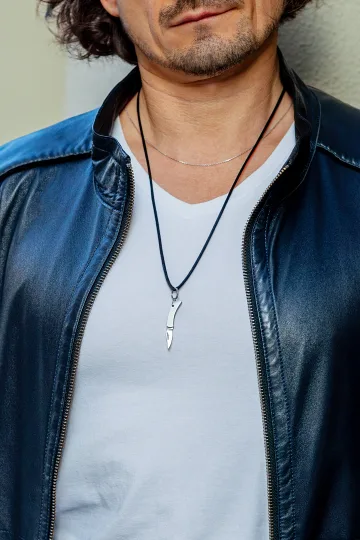
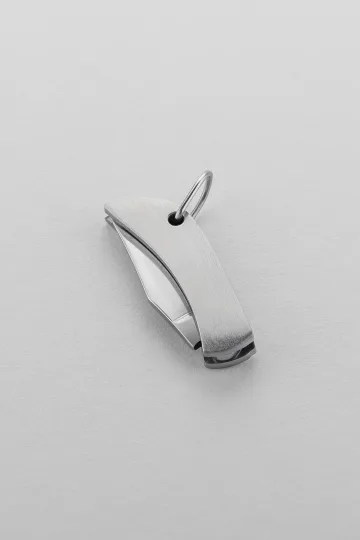
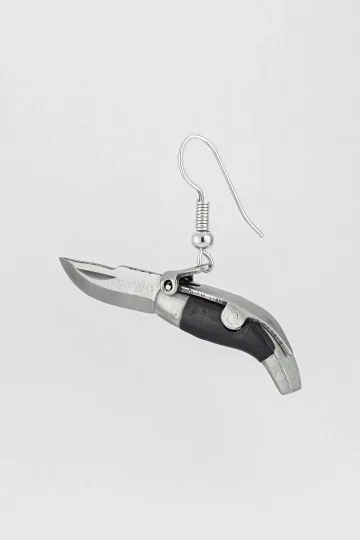
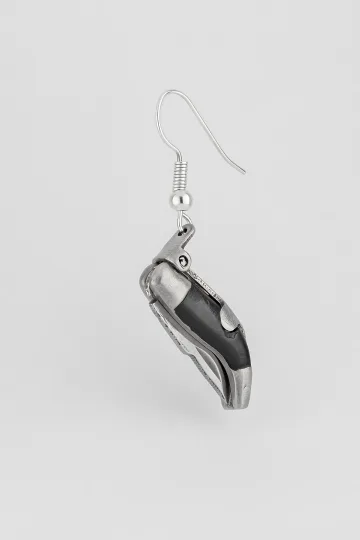
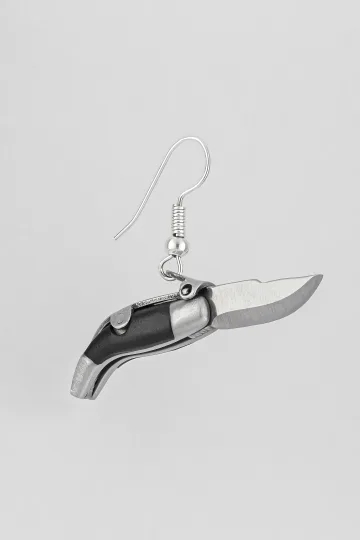
There is a way to give the symbolism of a blade without giving a weapon. A knife pendant, a miniature shaped as an edge or as a folding navaja and worn on a chain, carries the whole masculine vocabulary of the knife, strength, protection, character, while remaining a piece of jewellery rather than a cutting object.
Why the superstition does not apply to jewellery
The omen fears an action: a real blade cuts, separates and wounds, and that is what gets transferred onto a relationship. A knife pendant cuts nothing. It is the image of a blade rather than a blade. It is neither a working tool nor a weapon, so the sympathetic magic holding the superstition together has nothing to grip. Such a pendant can be given with no coin and no anxiety, though anyone who enjoys the ritual is welcome to stage the buy-back anyway for the pleasure of the gesture.
The navaja pendant as a gift
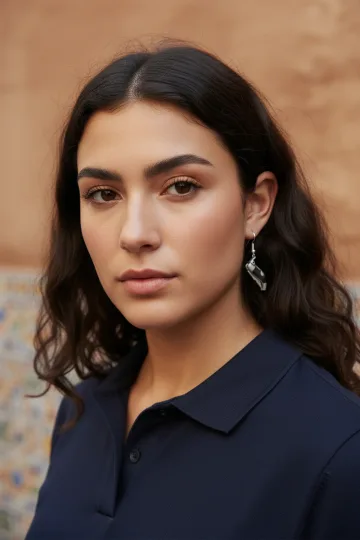
The navaja pendant suits this role particularly well, being a miniature of the Spanish folding blade. It joins two things: the honourable history of the navaja as a gift between equals, and the safety of an ornament. It works for a young man too early for a real knife, for an adult who will read the symbol instantly, and for anyone sensitive about omens. It wears discreetly under a shirt or openly on the chest, needs no permissions and creates no practical complications.
For anyone who cares more about the protective side than the blade itself, the guide to amulets and talismans is worth a look, since a knife pendant slots straight into that family of protective charms. Symbolic gifts of this kind reward comparison with each other before a decision is made.
To hold the whole patchwork in view, the cultures and occasions deserve a comparison in one place, followed by the most persistent misconceptions taken apart card by card.
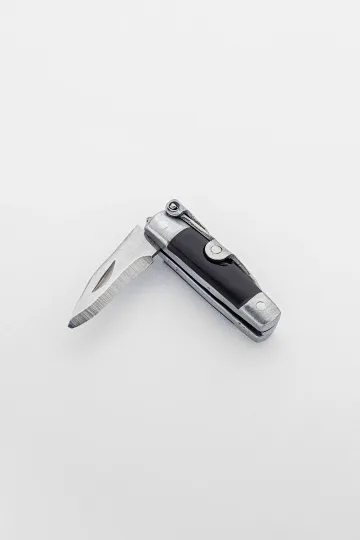
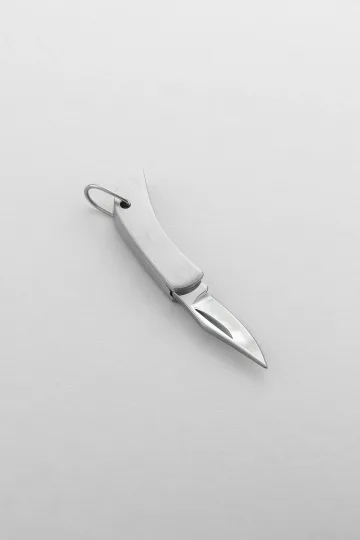
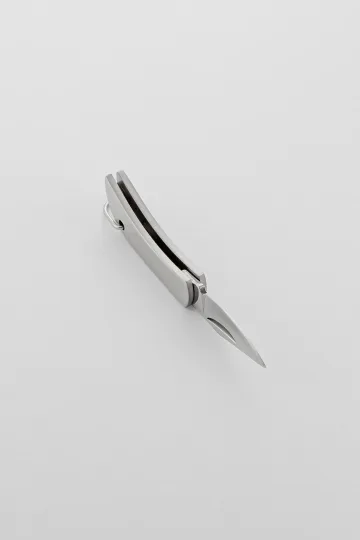
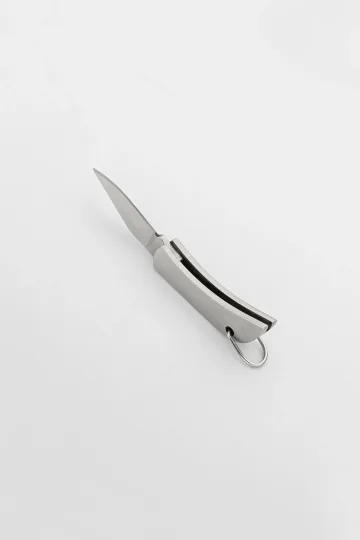
CAPAORA mini knife pendant
The 18th-century Spanish navaja in miniature: 40 mm of stainless steel, a real folding mechanism and a Palanquilla lock that clicks. An affordable gift to remember.
Authentic · Ships from Spain · 14-day returns
How different cultures read a knife as a gift
The comparison makes the headline point: there is no single worldwide rule about giving blades. Somewhere it is taboo without a payment, somewhere an honoured gift with no caveats at all, and somewhere the manner of handing it over decides everything. Keep that in mind and it becomes easy to pick both the occasion and the presentation for a particular person without a misstep.
The general conclusion is simple. Only one scenario actually causes alarm: a warm, intimate gift of something sharp with no ritual attached. Add a coin, an engraving, a proper box, or choose a knife pendant instead, and the present moves immediately into the category of honest and wanted. The superstition works less as a ban than as a folk safety procedure.
A few durable myths about the gifted blade are worth clearing up, and then the most unexpected facts and the common questions.
Facts that surprise
The subject of the gifted knife is full of stories that break the flat "you must not, and that is that".
Roman legionaries gave each other the pugio, a short dagger, as a token of brotherhood in arms. The blade was standard equipment and a statement that the two men served shoulder to shoulder.
In Finland, giving a child their first puukko is normal rather than risky. The knife is an instrument of growing up, and a small child with a blade of their own is considered a step ahead of a peer without one.
The Scottish sgian-dubh is worn openly in the top of the hose precisely to show that the guest carries no hidden weapon. A visible blade there signals honesty and trust rather than menace.
A Japanese bride from a military family brought a kaiken into her new home as a guardian of her honour. A dagger in the dowry meant dignity and the readiness to defend it, not aggression.
The custom of buying a knife back with a coin appears independently among the English, the Scandinavians and the Slavs. The English proverb states the rule outright, and peoples who never met each other arrived at the same solution.
The Spanish navaja stood in for a sword in the hands of ordinary people. Law frequently denied the peasant a long weapon, so the folding blade became his dignity in metal, and a navaja given as a gift read as recognition between equals.
The word navaja descends from the Latin novacula, meaning razor. The name of the most famous Spanish blade contains the idea of a fine edge for delicate, almost barbering work.
Medieval rulers sealed alliances by exchanging swords and daggers. A presented blade functioned as a diplomatic document that could not be rewritten, which is why an elaborate etiquette grew up around who received a weapon, how, and with what accompaniment. A rich ceremonial dagger given to a foreign ambassador meant roughly what a signed treaty means today.
Among the three sacred regalia of the Japanese emperors, alongside the mirror and the jewel, stands the sword Kusanagi-no-tsurugi. A blade as the emblem of supreme authority is still transmitted at accession, and the sword itself is hidden even from the emperor, with a replica standing in at the ceremony. The weapon there is not a threat but the right to rule.
Historians link the name of the Saxons, the Germanic people, to their characteristic short sword, the seax. By one reading, a nation named itself after the blade it carried at the belt. Few objects have ever fused with a people closely enough to give them a name.
Sheffield was so completely identified with edged steel that Chaucer used a Sheffield blade as a character detail in the fourteenth century. The city's reputation for cutlery was already proverbial in English literature centuries before industrial production.
The English penny custom has a practical descendant in modern retail. Cutlers and gift shops across Britain, Ireland and the United States still slip a coin into the packaging when a knife is bought as a present, which quietly keeps a medieval piece of folklore in circulation through the checkout counter.
The gifted blade in world history
Step back from household folklore and the gifted blade turns out to have been the language of power, honour and alliance for centuries. Rulers exchanged weapons instead of signatures, lords girded their vassals with swords, and whole peoples wove the giving of daggers into the rites of a family line. Those layers explain why a knife as a gift still carries more weight than almost any other object.
Blades between rulers: diplomacy in metal
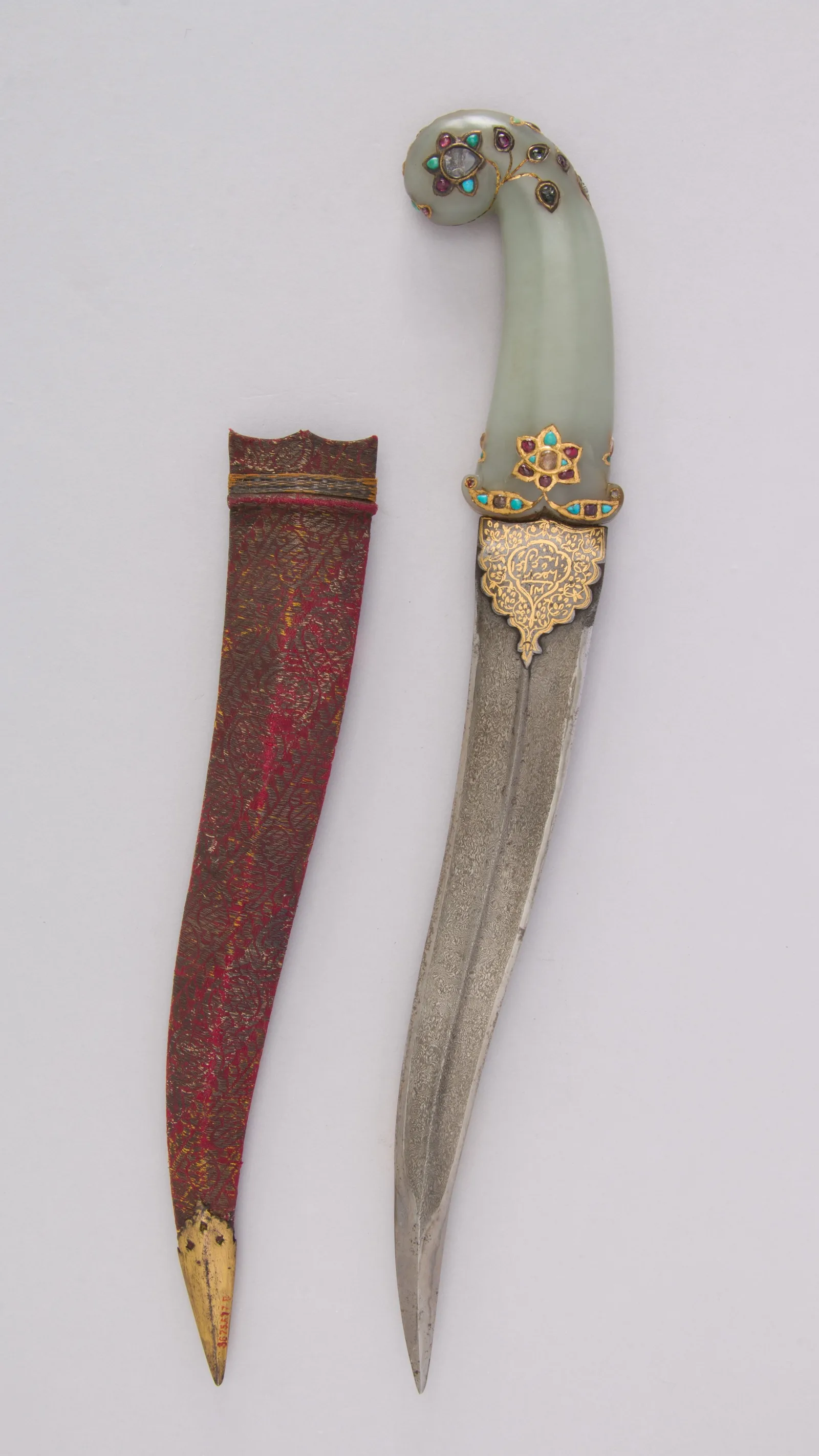
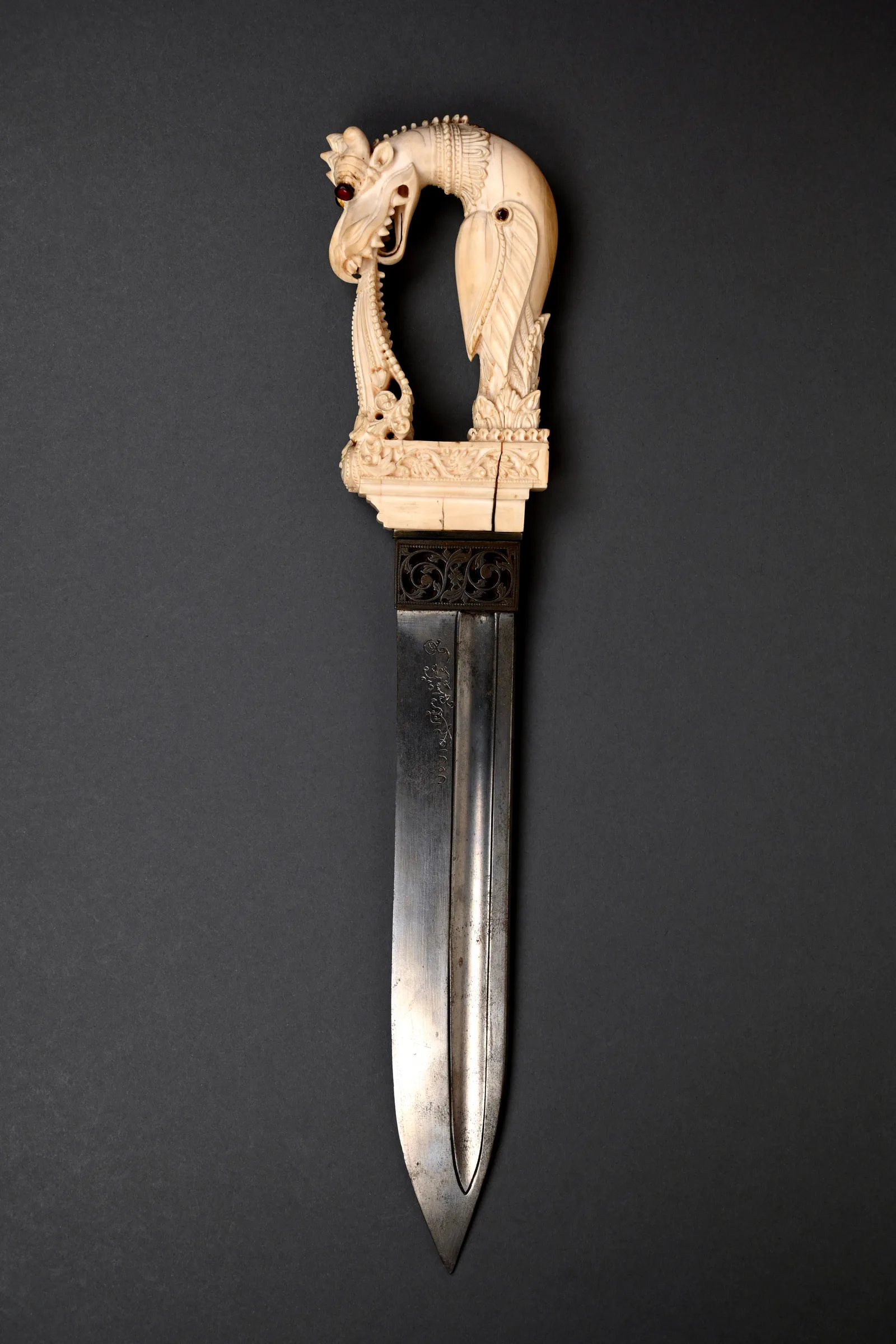
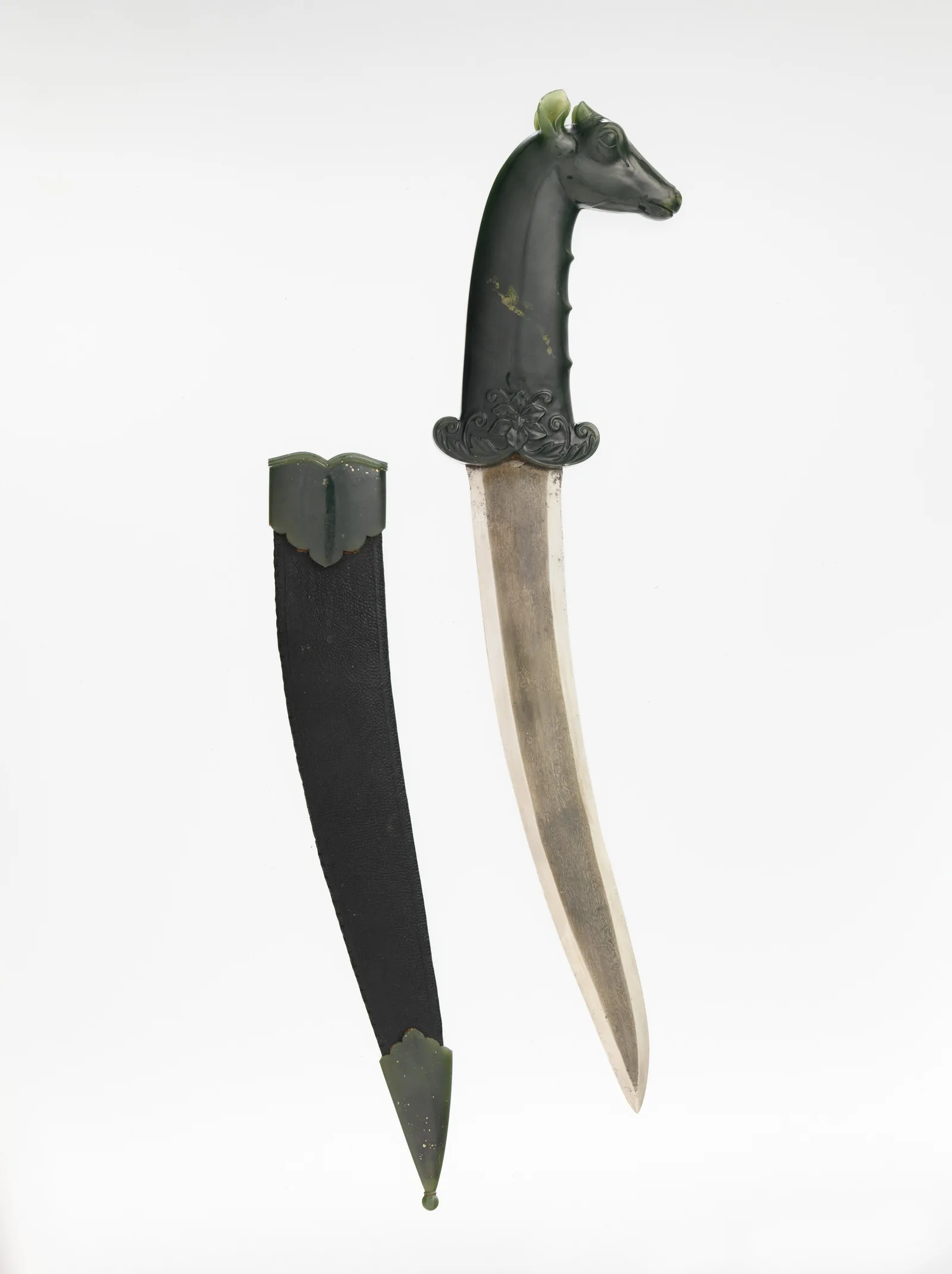
Ceremonial weapons moved between courts for centuries as the highest form of diplomatic gesture. Popes granted a blessed sword and cap to Catholic sovereigns who had distinguished themselves, marking them as defenders of the faith, and receiving one counted as an enormous honour. Ottoman sultans presented allies and envoys with daggers hilted in gemstones, and Persian shahs sent blades of patterned steel. The message was constant: a rich blade offered to a foreign monarch read as recognition of an equal and a promise of peace. Refusing such a gift, or answering it meanly, came close to an insult, which is why the finest etiquette in Europe and Asia grew up around the exchange of weapons.
The vassal's sword: a gift as an oath
In feudal Europe the sword bound loyalty more firmly than spoken words. In the rite of knighting, a lord girded the warrior with a blade, and from that instant the man was tied by the duty of service. A weapon received from the hands of a superior became a living token of the oath: while the blade is at your side, you remember to whom you owe it. Similar logic ran through the war bands of the north, where a chieftain rewarded loyal fighters with weapons, binding them by honour rather than by coin. A gifted sword was a contract worn on the belt.
The Japanese tanto: a blade of honour and a bride's guardian
In Japan the short tanto carried a double meaning: the instrument of a warrior's last duty and, at the same time, a protective charm. From the same family came the kaiken, the small dagger a bride from a military house brought into her new home. It was also called the mamori-gatana, the guardian sword, and it was handed to a young woman as a defence of her honour and, at the worst extremity, as a means of standing her ground. A blade in the dowry meant dignity rather than menace: the woman did not enter the house defenceless. Such a dagger was presented with a bow and by strict form, so that only care could be read behind the sharp object.
The Caucasus and the Cossacks: a dagger for the men of the line
In the Caucasus and among the Cossacks a blade was an object of lineage rather than a purchase made on a whim. A mountain dagger passed from grandfather to grandson, and the memory of the family travelled with it: this is the edge a great-grandfather carried, this is what oaths were sworn on, this is what was kept sharp and clean. A Cossack received his sabre or dagger from the eldest man in the household as a sign that the boy had become a man and a fighter. A blade like that was never chosen in a shop to suit a mood; it was transmitted, and therefore a weapon given within the family stood above any bought present. It bound the generations with a single piece of steel.
The Scottish sgian-dubh: from hidden knife to wedding gift
The sgian-dubh grew out of the sgian achlais, the knife a Highlander kept concealed under the arm. Custom held that on entering another man's house a guest moved the hidden blade into plain view, into the top of the hose, showing his host that his intentions were honest. So a secret knife became an open token of trust. In time the sgian-dubh turned into part of formal dress and into an honoured gift: it is presented to a young man at his coming of age and to a groom at his wedding, and it is frequently handed from father to son as a family object. The blade that was once hidden became the symbol of openness and lineage.
The protective blade: steel against the unseen
The superstition and the amulet grow from the same root. People feared sharp objects because they wound, and for exactly that reason they believed sharp objects would frighten off whatever threatened them out of the dark. One fear looks two ways: outward, at relationships, producing a prohibition, and inward, at the household, producing a charm. The blade against evil is the reverse of the blade that supposedly cuts friendships.
Cold iron: the metal the fairies cannot bear
The belief that unclean powers cannot endure iron stretches from Ireland to the Russian north. In Irish and British folklore cold iron drives off the fairies and guards against changelings: a pin or a nail was fixed into an infant's clothing, and a pair of open scissors was laid in the cradle. A horseshoe was nailed above the door in the same metal, for luck and against harm. Irish tradition is especially rich on this point, since the fairy folk of the old stories are held to be powerless against worked iron, which belongs to human craft and human fire.
In Slavic households the protective role fell to the steel blade specifically, steel being regarded as a clean and honest metal that evil would avoid. Material mattered more than shape everywhere, because the fear attached to the iron that had passed through fire and hammer rather than to the cutting edge itself.
A blade in the doorframe and on the threshold of trouble
Knives were driven into doorframes or laid point towards the threshold to cut off the road into the house. At the most vulnerable hours, beside a woman in labour or a newborn in the cradle, a blade was kept close as a shield against harm and substitution. One striking custom had people hurl a knife into a whirlwind, believing that they would wound the spirit hiding inside it, and tales circulated of blood found afterwards on the steel. The reasoning never changes: a point turned towards a threat works against the unseen exactly as it works against a person. The knife became a charm out of respect for its power rather than fear of the object.
Why something sharp is both a threat and a protection
The same edge that cuts also defends, and direction decides everything. Turn the point towards someone you love and the image of severance appears, which is where the superstition comes from. Turn it towards the threshold, towards the dark, towards misfortune, and a charm appears instead. Folk practice felt that doubleness perfectly and never tried to smooth it away: the blade stayed a dangerous gift and a reliable shield at once. Understanding that makes the omen easier to accept. It says nothing about knives being bad; it says that power has to be handled by the rules. The coin, the engraving and the correct direction of the point are those rules.
Send a friend a discount code, they save on their first order.
Knife-giving customs country by country
There is no worldwide rule about blades as gifts, which is worth remembering before handing one to someone from another culture. In one place sharpness reads as rupture, in another as honour, and in a third the manner of transfer settles the matter. What follows sorts the omens and the accepted workarounds by country, including the corners that get mentioned least often.
Britain and Ireland
The rule is stated in the proverb itself: never give a knife without a penny. The recipient returns a small coin and the blade counts as sold. Irish and Scottish versions add their own colour, warning that a sharp gift will cut love or sever the tie between two families. Nobody treats it as a serious belief, and almost everybody does it anyway, which is the most durable form a custom can take.
Alongside it sits the older iron lore. Scissors in a cradle, a horseshoe over the door and a pin in a child's clothing all belong to the same tradition, in which worked iron protects rather than harms. Between the two strands, a British or Irish household reads a knife as protective and as socially delicate at the same time, which is exactly why the penny survives.
The United States
American practice runs on the inherited English rule with a military and outdoors accent. The coin comes back, often with a joke about the world's cheapest knife sale. Presentation blades at retirements and unit ceremonies are engraved and frequently paired with a struck coin, which slots into the challenge coin culture without any friction.
There is no anxiety in the American reading beyond the ritual itself. A knife is a normal gift for a graduation, a birthday, Father's Day or Christmas, and among hunting and fishing families it is close to expected. The coin persists because it is a small, satisfying piece of theatre rather than because anyone fears the blade.
Germany and Central Europe
German tradition treats knives and scissors as harbingers of rupture: something sharp will supposedly cut through friendship or kinship. The workaround is the same coin, handed back by the recipient so that the blade becomes a purchase. Austria and much of Czech practice know the identical custom, so a coin passed for a knife is understood across a wide belt of Central Europe without any explanation needed.
Italy and the Mediterranean
In Italy sharp objects, knives and scissors alike, are linked to bad luck and to quarrels, and in the south, in Sicily especially, the sensitivity runs deeper. The bad sign is lifted by a symbolic payment, a small coin in return. At the same time nobody objects to a fine blade given to a craftsman or a hunter, provided the custom of the buy-back is observed.
China and East Asia
In China sharp gifts are avoided for the same reason clocks are avoided: a knife symbolises the cutting of a connection, the end of a relationship. Rather than looking for a way around the omen, people usually pick a different present so that no unpleasant hint is introduced. Where a blade is given anyway, say to a collector, it is staged as an exchange rather than a one-way handover of something sharp.
Scandinavia
The Nordic countries stand at the opposite pole. A puukko or a similar belt knife is given to children, presented at confirmation and inherited without a second thought. The blade is read as a working tool and a sign of competence, so the fear that dominates further south simply never took hold. Where a trace of caution appears, a coin settles it, but most Scandinavian households would find the question puzzling.
Japan
Japan combines the strictest etiquette with the highest regard. The blade signalled rupture or death in one reading and alliance and honour in another, and the difference lay entirely in the form of transfer: handle first, with a bow, with a symbolic payment. A gifted blade in Japan is neither casual nor forbidden. It is ceremonial, and the ceremony is what makes it safe.
| Country | The omen | The way around it |
|---|---|---|
| Britain and Ireland | a knife cuts the friendship | the recipient returns a penny |
| United States | inherited English rule, lightly held | a coin back, often with an engraved blade |
| Germany and Austria | sharp objects sever the tie | a coin in return |
| Italy and Sicily | sharpness brings bad luck and quarrels | a symbolic coin |
| Spain | the navaja is a gift of honour, not a rupture | given freely, coin optional |
| Scandinavia and Finland | the puukko is honoured, no fear attached | given without caveats, even to children |
| Japan | a blade hinted at rupture or death | strict etiquette, symbolic payment |
| Arab world | a decorated dagger signals respect | passed handle first |
| China | sharpness symbolises a severed bond | a different gift is usually chosen |
| Slavic countries | a knife foretells a quarrel | the recipient hands over a coin |
The lesson from the table is straightforward. Almost everywhere the fear exists, a loophole lies beside it. Turn the gift into a purchase with a single coin, pass the blade handle first, or choose a knife pendant instead of a cutting edge, and the present moves from anxious to welcome in any of these cultures.
Frequently asked questions
Can you give a knife to your wife or girlfriend? Yes. Tradition holds no direct prohibition on giving a woman a blade: the Japanese bride received a kaiken, and a good kitchen knife pleases anyone who cooks. If the omen bothers you, add the buy-back: let her hand you a small coin. The gentlest option of all is a knife pendant, jewellery carrying the symbolism of the blade without the edge.
Can you give a knife as a wedding present? Yes, and the practice has honourable roots. Scots give the sgian-dubh at weddings, and the Japanese presented blades as tokens of alliance. To remove any ambiguity, put a coin inside the box with a short card explaining the ritual. The gift then reads as a wish of strength and protection for the new household.
How is a gifted knife regarded in different countries? It varies widely. Britain and Ireland insist on the penny, the United States follows the same rule more loosely, Germany and Italy lift the omen with a coin, Scandinavia sees no problem at all and gives blades to children, Japan governs the transfer by strict etiquette, Spain treats the navaja as an honour, and the Arab world reads a decorated dagger as respect. There is no universal rule.
How much money should be handed over to lift the omen? The sum is irrelevant; the fact of payment is everything. The smallest coin will do, a penny or a cent. The recipient gives it to the giver and the blade counts as bought. The smaller the coin, the more obvious it is that this is a ritual rather than a real transaction.
Can you give a folding knife? Yes, and the rules are identical to any other blade. The Spanish navaja, a classic folder, spent centuries as an honoured gift. If either of you keeps the custom, include a coin for the buy-back. A folding format also carries more easily and is simpler to match to everyday tasks.
Can you give a second-hand knife? An inherited or well-used blade is a perfectly good gift, and often valued above a new one because it comes with a history. The buy-back rules are unchanged. The one requirement is to put the knife in order before handing it over, sharpened and cleaned, so the gift looks like respect rather than a way of clearing out a drawer.
Does the superstition apply to a knife pendant? No. The omen works against a real blade that cuts and can therefore "cut" a relationship. A knife pendant is jewellery, the image of an edge rather than a working tool, so the belief has nothing to attach itself to. Such a pendant can be given with no coin and no worry, though staging the buy-back for the fun of it harms nothing.
What do you do if the knife was already given without a coin? Nothing has gone wrong; the ritual closes retrospectively. The recipient hands the giver a small coin at any future meeting and announces that they are buying the blade. Time and place make no difference, only the act. Most people do it with a laugh, and both keep a warm story about the day a knife sold for a penny.
Is a knife a good gift for Father's Day, Christmas or a birthday? It is one of the most reliable choices for all three. A blade is practical, personal and does not sit unused in a drawer, and engraving with a date turns it into something kept for decades. If the recipient keeps the custom, put a coin in the box and let him hand it back. For a teenager, or for anyone who cannot conveniently carry a knife, a navaja pendant works beautifully for the same occasions.
Can you give a kitchen knife? Yes, and at the stove the talk of quarrels tends to fade on its own. What matters here is the quality of the steel and the comfort of the handle rather than the symbolism, since a good kitchen knife earns its place daily. If you want the safety net anyway, include a coin for the buy-back. The gift suits any keen cook regardless of gender.
Is an antique or presentation blade a good idea? An old or named blade is a particular honour, since a history stands behind it, and such gifts are usually valued above new ones. The buy-back rules still apply, and the coin still settles the omen. Award and collectible weapons are sometimes subject to registration or transport rules, so check in advance that receiving and keeping it will not create difficulties. Clean and sharpen the blade before presenting it, so that respect for the object is visible immediately.
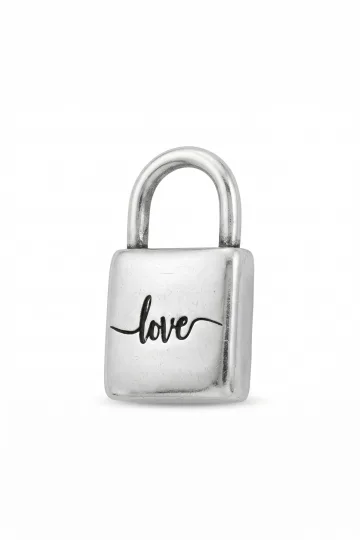
Navaja pendants, protective charms and symbolic pieces in silver, gold and steel. Engraving available, and a coin for the buy-back tucked into the gift box.
Buying it as a gift? Each one arrives ready to give.
 A branded Zevira box and a little card come with every order.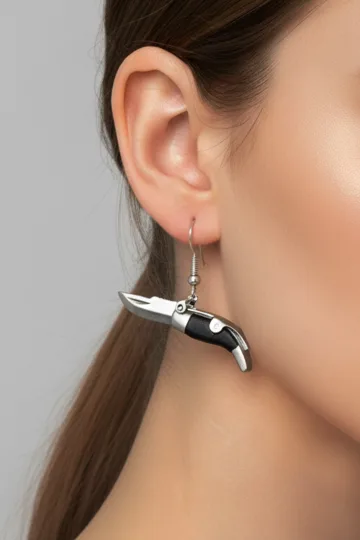



Conclusion
Giving a knife means handing over an object trailing a thousand-year double shadow: rupture and protection, threat and the highest honour at once. The rule against giving blades grew from a simple fear that something cutting would cut a relationship too. The same folklore immediately supplied the exit: one small coin, an honest exchange, and a dangerous gift becomes a welcome one.
Where you want the symbol clean, with no caveats attached, the knife pendant does the work. It carries the whole force of the image, the navaja's history as a gift between equals, the masculine character, the protective edge, while remaining jewellery that the superstition cannot touch. You can give the meaning without giving the blade, and nobody has to work out who owes whom a penny.
About Zevira
Zevira makes jewellery within the craft traditions of Albacete in Spain, the home of the navaja. The knife pendant belongs to the kind of symbol we like: ancient, legible without explanation, masculine in spirit and entirely safe as an ornament. We reproduce the silhouette of the Spanish folding blade in miniature, in silver, steel and gold plating, so the gift carries character rather than anxiety about an omen.
What you will find with us on this theme:
- Navaja pendants, miniatures of the Spanish folding blade, for anyone who wants the symbol of the knife without the edge
- Protective charms and amulet pendants, for building a meaningful gift with substance behind it
- Chains and cords in several lengths to suit a pendant of any size
- Personal engraving: a name, a date, a short motto on the pendant
- Gift packaging, into which a coin for the traditional buy-back can be tucked
Personal engraving available. Sterling silver 925 and gold 14-18K.