What Not to Give as a Gift: Superstitions About Presents and How to Get Around Them
Eight of the most feared gifts in Britain and America, from a knife to a string of pearls, change hands every day and nothing collapses. Every ban has its own superstition and its own loophole. The penny handed back for a knife is older than the gift receipt. Here is what not to give and how to undo it.
Gift superstitions outlive governments, fashions and quite a few religions. Nobody teaches them at school and nobody writes them into law, yet they travel from grandmother to grandchild almost without distortion. The reason is that a present is a message between two people rather than a household errand, and any message can be misread. Superstition takes that anxiety and turns it into a clean rule: do this and everything will be fine. What follows is every forbidden object, the fear behind it, and the working method for stripping the curse off any gift in under a minute.
Why gift superstitions survive for centuries
The first reason sits in the head. Human beings hunt for causes behind random events, and they are very good at finding causes that were never there. You give a friend a set of kitchen knives, you fall out six weeks later, and the link forms by itself even though the argument had been brewing since spring. That coincidence gets remembered. The hundreds of times a knife caused nothing at all evaporate. This is how every superstition is born and how it stays alive: one vivid coincidence outweighs a thousand ordinary days.
The second reason is fear and the wish for control. Giving makes a person slightly vulnerable. You spend money, time and affection, and the reaction on the other side cannot be predicted. A superstition hands the control back. If there is a rule, and if there is a documented way around the rule, the anxiety settles. Psychologists call this an uncertainty reducing ritual, and it works identically for a trawler skipper leaving harbour and for someone choosing a fortieth birthday present.
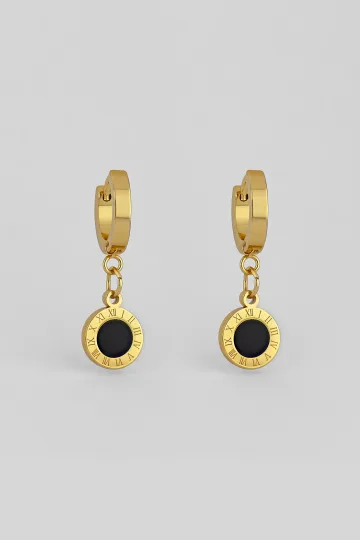
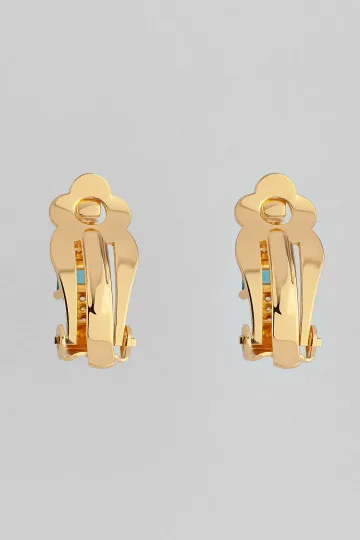
Wear the symbol, don't just read about it. These are in stock:






The third reason is cultural transmission. Superstitions travel well across generations because they are short, vivid and attached to strong feeling. A grandmother hands a child a penny for the penknife she has just given him and explains why. The child remembers the gesture for life. Forty years later he does the same with his own grandchildren, usually without believing a word of it, simply out of respect for the shape of the thing. Superstitions survive because they are easy to pass on, not because they come true.
There is a social layer too. By observing a superstition you show that you remember the rules of your own circle. Handing over a coin for a blade is a way of saying: I belong here, I respect what was respected before me. Ignoring the custom sometimes reads as carelessness, which is why plenty of people who believe in none of it still perform the ritual out of courtesy. Now to the specific bans, almost every one of which comes with a simple escape route.
What not to give: the superstitions and how to get around them
The list of forbidden presents overlaps heavily across cultures, because the underlying fears are the same everywhere: a broken relationship, tears, poverty, someone leaving. Here they are one at a time, each with the belief behind it and the practical way of cancelling it.
Knives and scissors: the gift that cuts a friendship
A blade is the most widely mistrusted present in the world. The logic runs straight: a sharp edge cuts the bond between giver and receiver, so the friendship or the marriage is supposed to fray after such a gift. The same applies to scissors, axes, razors and anything with a point. Underneath sits an old image in which sharp metal belongs to wounds, severance and conflict, and the mind quietly transfers that meaning onto the tie between two people. English speaking sailors, soldiers and cooks all carried some version of the belief, and it crossed the Atlantic intact.
The way around it is elegant and very well attested in Britain, Ireland and the United States. The receiver hands the giver a small coin, traditionally a penny, and the knife stops being a gift and becomes a purchase. Since the thing was bought rather than given, there is no bond to sever, because the superstition only bites on gifts. The penny is often kept afterwards for luck, sometimes taped to the box or the sheath. Wedding lists in the American Midwest still carry the note "please return a penny with the knife block", and the custom has quietly outlived any belief in it.
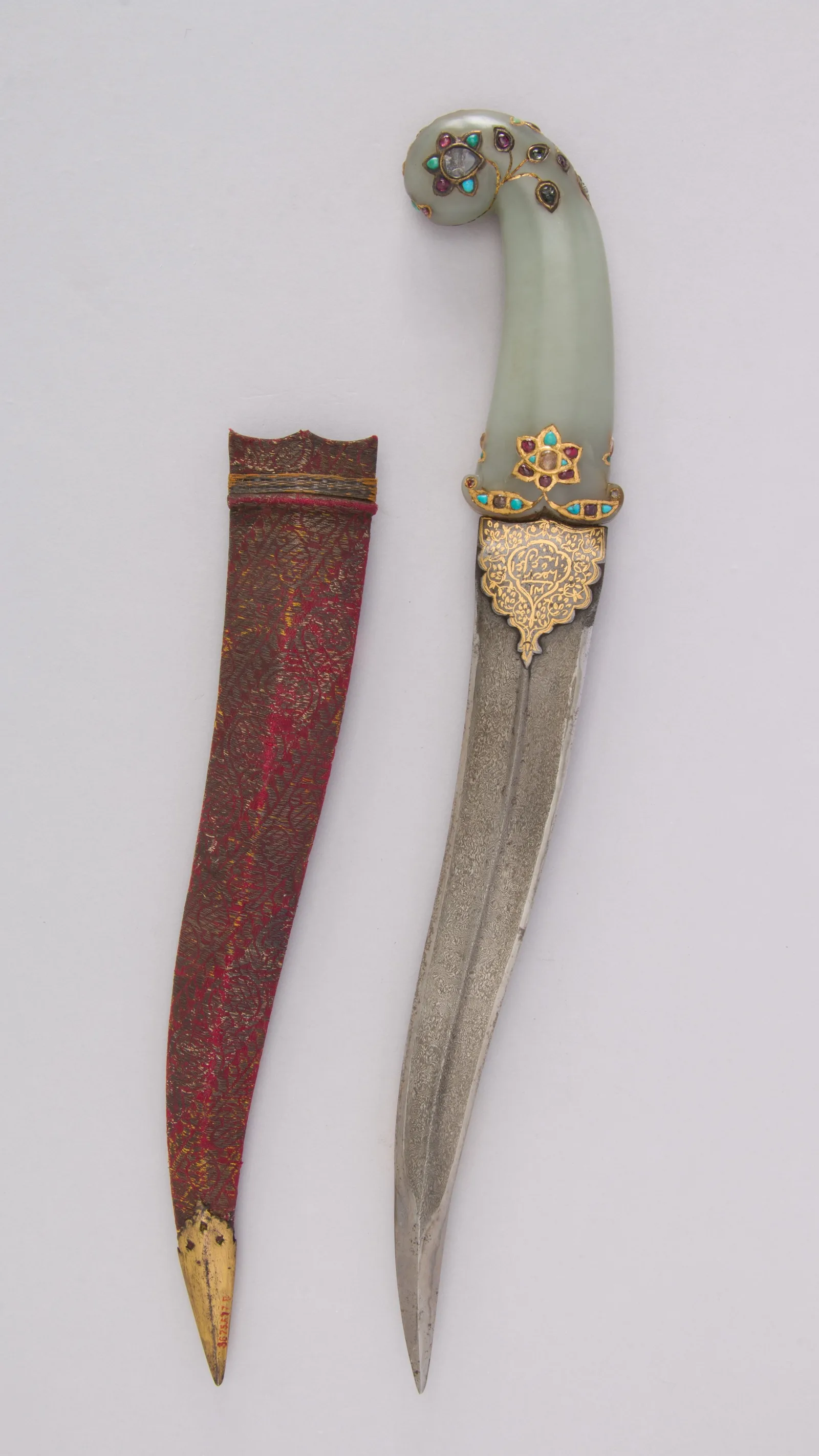
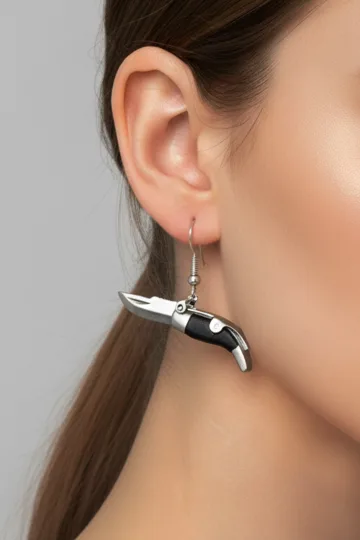
A blade worn as jewellery is a separate matter. A pendant shaped like a knife or a navaja is a charm rather than a weapon, and the cutting superstition barely transfers to it at all. That kind of piece stands for protection, decisiveness and the ability to cut away what no longer serves, which is close to the opposite of severance. If the recipient is nervous anyway, the coin settles the question in a second. The rule generalises neatly: any sharp present can be moved into the category of "bought", and the ban simply stops applying.
Opals: the stone a novelist made unlucky
The English fear of opals has an author, a date and a publisher. Before 1829 the stone had a decent reputation across Europe, praised by Roman writers and worn without comment. Then Walter Scott published Anne of Geierstein, in which the Lady Hermione wears an enchanted opal that flares with her moods and, when a drop of holy water touches it, loses its fire while she collapses and dies. The book was enormously popular. Within a generation the opal trade in Europe had reportedly halved, and the belief that an opal given as a gift brings misfortune had settled into British household lore, from which it spread through the whole English speaking world.
The escape clause is unusually specific: the bad luck is said not to apply if the wearer was born in October, since the opal is their birthstone. That single exemption tells you everything about the mechanism. A gemstone cannot know a birthday, so a rule that switches off on a calendar date belongs to culture rather than to mineralogy. The practical version is simple. Give opals to October people freely, give them to anyone else with the story attached and a good wish spoken out loud, and take the penny if the recipient is the superstitious sort. Australian miners, who dig most of the world's opal, have spent a century pointing out that the stone made their towns rather than ruined them.
There is a duller explanation underneath the drama, and it is worth knowing. Opal is a soft, water bearing stone that can craze or crack if it is kept somewhere hot and dry, and Victorian jewellers set it in rings that took daily knocks. Stones broke, owners blamed the curse, and the reputation compounded. Handle an opal as the delicate material it is, keep it away from radiators and ultrasonic cleaners, and it behaves. Half the world's "cursed" gemstones are simply gemstones that needed gentler treatment than their owners gave them.
Pearls: the gift that means tears
Pearls are tied to weeping in more traditions than almost any other gem. The round shape and the wet shine suggest a drop, and the old sayings are blunt: pearls given as a present bring the wearer sorrow, one tear for every bead. The superstition bites hardest at weddings, where a bride wearing pearls is said to be storing up grief for the marriage, and where the rule sits awkwardly beside centuries of royal brides doing exactly that. Other cultures read the same stone as purity, wisdom and a happy household. When one object carries opposite meanings in neighbouring countries, you are looking at a story rather than a law.
There are two ways around it. The first is the familiar coin, which converts the present into a sale. The second is softer and works better at weddings: give the pearls with the bright reading attached out loud, the one in which a pearl is moonlight caught and hardened, an emblem of clear water and steady character. Some families use a third route and lend rather than give, so that the strand travels between generations without ever technically being a present. Generations of women have worn pearls happily, and their tear count is no higher than anyone else's.
Upload a photo of your pet, someone you love, or an object. We'll build a 3D model and hand-cast it in pewter.



Where gift superstitions came from
Most of these bans are older than they look. They grew up in a period when an object was expensive and handing one over was close to a ritual. To give a knife was to arm someone. To give shoes was to equip them for a journey away from you. To give an empty purse was to admit you had nothing to put in it. People read these gestures literally, and the objects accumulated meanings that have survived into an age that has forgotten the original context entirely.
Religion left its mark too, or rather the long neighbourly coexistence of religion and folk magic. Churches rarely approved of omens and never managed to displace them, so the superstitions ran in parallel with the liturgy. A farmer could take communion in the morning and hand back a penny for a sickle in the evening without sensing the slightest contradiction. That gave the customs a double coating: neither common sense nor official doctrine ever scrubbed them off.
Finally, superstitions hold on through language. A great many of them are built on puns and near rhymes rather than on experience. In Mandarin, to give a clock sounds almost identical to attending a funeral, which is where that famously strict ban comes from. English has its own sound logic, milder but real: a "sharp" word, a "cutting" remark, a friendship that "frays". Phrases like these are easier to remember than facts, so they travel more reliably. Back now to the list, and to the objects tied up with money, tears and departure.
Empty purses and wallets: never hand one over with nothing inside
Giving an empty wallet, purse or handbag is held across Britain, Ireland and the United States to wish the recipient an empty wallet in the wider sense, which is to say poverty. The reasoning is visual: what you hand over is what they will have. The same principle extends to piggy banks, money boxes, cash tins and any container associated with prosperity. The present looks generous and useful, and it still leaves a superstitious recipient faintly uneasy.
The remedy is easy and rather charming: tuck a coin or a note inside so the wallet is never empty. The omen then flips completely, and instead of poverty it promises increase, since money already sitting in a gifted purse is said to attract more of its own kind. Any coin will do, the smallest denomination counts, and what matters is only that the compartment is not bare. Scottish and Irish families often use a coin from the year of the recipient's birth. Almost everyone who has ever given a wallet knows the trick, and it turns an anxious custom into a warm one.
There is a practical sense hiding under the mysticism. A coin or a folded note inside shows the recipient how to treat the object: the wallet is already working, the first step has been taken for them. Some givers choose a coin of a particular year, a silver sixpence for a wedding, or foreign change kept from a holiday as a small souvenir with the gift. The point is the same in every version. A present about prosperity should look like prosperity rather than an empty leather box.
Handkerchiefs: something to cry into
A handkerchief as a gift is tied directly to weeping, because a handkerchief is what you dry tears with. The English version of the belief says that giving one gives the recipient something to cry into, and that sorrow will arrive to fill it. Some regions sharpen the reading further and link handkerchiefs to parting, since a handkerchief is what you wave at a departing train. The present is modest, but superstitious people treat it warily, especially between couples and close relatives.
The coin lifts it, as does a good line delivered with the gift: for wiping away tears of laughter only. Another route is to give the handkerchief inside a set with something neutral, so the emphasis shifts and the grim reading loses its grip. Irish wedding tradition found the cleverest workaround of all, in which the bride's christening handkerchief is stitched into a bonnet for her first child, turning the object of tears into the object of a christening. A handkerchief is harmless in itself, and the superstition rests on a single household association that intention easily overrides.
Mirrors: seven years and a second-hand reflection
Mirrors carry an unusually rich mythology. On one hand they are considered a useful, protective present that turns bad intent back on itself. On the other, a persistent belief holds that a mirror keeps images of everyone who has ever looked into it, so a gifted mirror may bring another household's atmosphere, or the previous owner's troubles, into a new home. A separate rule warns specifically against giving antique or second-hand mirrors for exactly this reason. Behind all of it sits the Roman idea that a reflection is a piece of the soul, which is also where the seven years of bad luck for a broken mirror comes from, since Roman thinking gave the soul a seven year renewal cycle.
The simplest answer is to give a new mirror with no history. If you want extra insurance, wipe the glass while saying something kind and send the coin along with it. Superstitious households sometimes prefer a mirror delivered face down and wrapped, so that it "wakes up" already in its new home. These are calming rituals rather than physics: they change nothing about the glass and a great deal about the mood, and a good mirror remains one of the most useful presents you can give.
Shoes: the friend who walks away
Shoes come with several warnings at once. The main one says that a person will walk out of your life in shoes you gave them: out of the house, out of the family, out of the relationship. Couples can split, a friend can drift, a relative can move abroad. Some traditions add quarrels to the list, since the giver is effectively kitting the recipient out for a journey away. Newlyweds and young couples tend to be the most sensitive to it, and there is a second, separate rule that shoes must never be placed on a table, a belief so widespread in northern England that people who scoff at every other omen still refuse to break it.
The way around it is the usual one: the receiver hands over a coin and the shoes become bought rather than given. Couples sometimes add a note tucked into the toe, asking that these shoes only ever walk home. The practical side matters just as much, since shoes are notoriously hard to guess for size and taste, so they are best given with the recipient present or with an easy exchange arranged. Handle both sides and neither the omen nor the fit will spoil the present.
Lilies and white chrysanthemums: the funeral flowers
Flowers carry more coded meaning than any other common gift, and in Britain, Ireland and much of the United States the coding around lilies and white chrysanthemums is funeral. Stargazer and arum lilies dominate British funeral arrangements to the point that many people find them impossible to read any other way, and their heavy scent is fixed in memory alongside a specific kind of room. White chrysanthemums are worse in continental Europe, where in France and Italy they belong almost exclusively to graves, but the association has drifted into English usage as well.
The fix is not a coin but a choice. Send a sympathy flower only when sympathy is the message, and pick something with no funeral history for everything else: peonies, ranunculus, garden roses, sweet peas, anemones. If a florist has already sent lilies to a hospital bed, the recovery is to say plainly what was meant by them, because a spoken intention overrides a coded one every time. Chrysanthemums, incidentally, are a cheerful autumn flower in Japan and a symbol of the imperial house, which tells you how local this coding is.
Red and white flowers in one bunch: the hospital ward rule
This one is a genuine British institution and it surprises visitors. Nurses across the United Kingdom and Ireland have long refused red and white flowers arranged together in a single vase, reading them as blood and bandages, and predicting a death on the ward. Ward sisters would break up such a bouquet or add a third colour before it reached a bedside. Theatre companies inherited a similar rule, along with the wider superstition against green on stage and against real flowers in a dressing room.
Nobody needs a workaround here, only a florist's instruction. Add a single stem of a third colour, yellow, pink, blue, and the omen dissolves, which is precisely what ward staff used to do. The belief is late Victorian and almost certainly grew out of hospital hygiene campaigns against flowers at bedsides rather than out of anything mystical. It survives because it is easy to observe and costs nothing, which is the survival formula for every superstition in this article.
Empty jewellery boxes and money boxes
Handing over an empty jewellery box promises emptiness, exactly as with the wallet. There is a related subtlety around jewellery itself: several traditions hold that an expensive piece given for no reason may fail to settle with its new owner unless a small exchange takes place, which is why a coin is sometimes passed back for a ring, a pendant or a bracelet. Antique dealers in Britain still occasionally attach a penny to a sold piece for the same reason, half in joke.
The solution repeats: put something inside, a coin, a small charm, a folded note, so the box arrives occupied. Jewellery given as a present travels best with a spoken wish, or with the same symbolic coin if the recipient enjoys the ritual. In practice jewellery is one of the safest gifts of all, particularly when the piece is a charm or a symbol with a clear and generous meaning. A present like that carries its own good wish, and grim readings find nothing to attach themselves to. A guide to choosing jewellery by occasion makes the matching easier.
Customer reviews
Zevira is a real jewellery shop. Genuine payments, deliveries and customer thank-yous.
🥰🥰🥰 gracias

Ok, ¡gracias! 🙂

The universal way around any gift superstition
The good news is that almost every gift superstition surrenders to one of two simple techniques. There is no need to memorise a rule per object, only to grasp the underlying principle: the omen acts on a gift, but not on a transaction and not on a stated wish. Change the genre of the event and the ban stops working.
The penny for the knife
The main universal move is the buy back. The receiver hands the giver a small coin and the present formally becomes a purchase. Once a person has bought the knife, the clock or the mirror, there is nothing left to sever, count down or haunt, because a sale is neutral by definition. The coin can be anything, its value is purely symbolic, and it is often kept afterwards as a small talisman or handed back later as a keepsake. The gesture works for knives, scissors, clocks, mirrors, opals, pearls, shoes, umbrellas and any other disputed object, which makes it the single most useful thing in this article. British and Irish families call it the penny for the knife, American families sometimes taped the coin to the card, and the mechanism is identical.
The note with a wish
The second technique suits anyone who finds a coin too transactional: a written wish. A couple of warm lines redefine what the object is for. The clock counts only good hours, the handkerchief dries only tears of laughter, the shoes only ever walk home. Language works here as a spell in reverse, lifting rather than casting. There is a psychological bonus, since a personal message outlasts the object in memory more often than the object outlasts the message. The two methods combine happily: take the coin and enclose the note, and even the most superstitious recipient will be at peace.
It is worth saying what to do when a forbidden thing has already been handed over with no ritual at all. Nothing needs to be undone in a panic, because an omen is a tradition rather than a verdict. You can buy the gift back retrospectively by asking for a coin, or simply say something generous about it. If the relationship is sound, no object will damage it, and if it is not, no knife or clock is responsible. Superstitions are most useful as an excuse to pay someone a little extra attention, and that is their genuine value.





Gift superstitions country by country
Gift bans exist almost everywhere, but the contents of the forbidden list differ wildly from one culture to the next. Comparing them is the fastest cure for taking any of them too seriously, because an object that is taboo in one country is the ideal present two borders away. Spain, incidentally, adds a superstition of its own that catches out visitors: a yellow bouquet is treated warily in several regions and on the stage, while Japan builds most of its gift etiquette around numbers rather than objects.
Britain and Ireland: knives, opals, green and the empty purse
The British and Irish list is the one most English speakers inherit. Blades require the penny. Opals are unlucky unless the wearer was born in October. Pearls mean tears, especially on a wedding day. Handkerchiefs invite weeping. Empty purses and wallets promise poverty and must be given with a coin inside. Green is avoided in theatrical circles and treated cautiously in parts of Ireland, where the colour is said to belong to the fairies, who resent seeing it worn. Peacock feathers must never come indoors, a rule enforced with genuine seriousness in British theatres, where the eye in the feather is held to bring bad luck to a production. Umbrellas must never be opened inside a house, and some people extend the rule to giving umbrellas at all.
The United States: baby showers, the thirteenth and the penny that crossed the ocean
American gift superstition is largely inherited British stock with local mutations. The penny for a knife survived intact and appears on wedding registries to this day. Opals and pearls carry the same warnings, though more faintly. Thirteen is the number to avoid, whether as a quantity of anything, a floor number in a hotel or a place at a table, where the fear of thirteen dining together is old enough to have inspired a Victorian club dedicated to breaking it. Baby gifts before the birth make many American families uneasy despite the baby shower being an American institution, and a common compromise is to hold the shower but keep the presents boxed until the child arrives. New home gifts run the other way: bread so the household never knows hunger, salt so life always has flavour, and a coin so the family never lacks money, a tradition carried over from central and eastern Europe and now thoroughly American.
Italy: purple, seventeen and the handkerchief
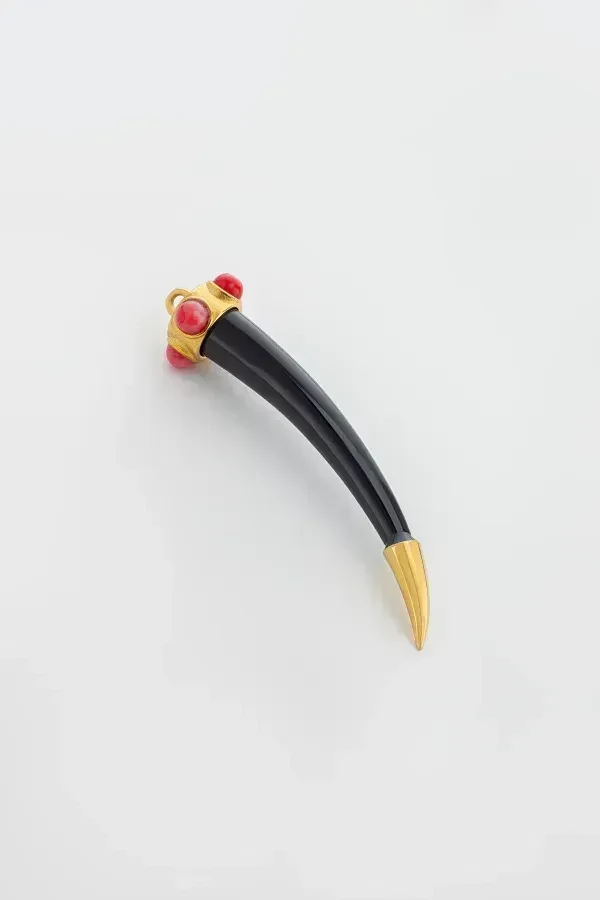
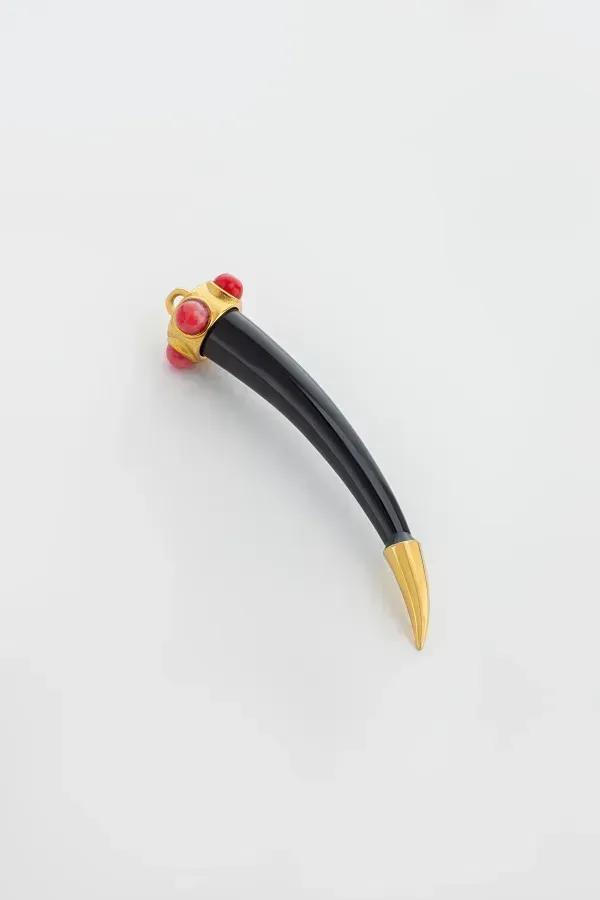
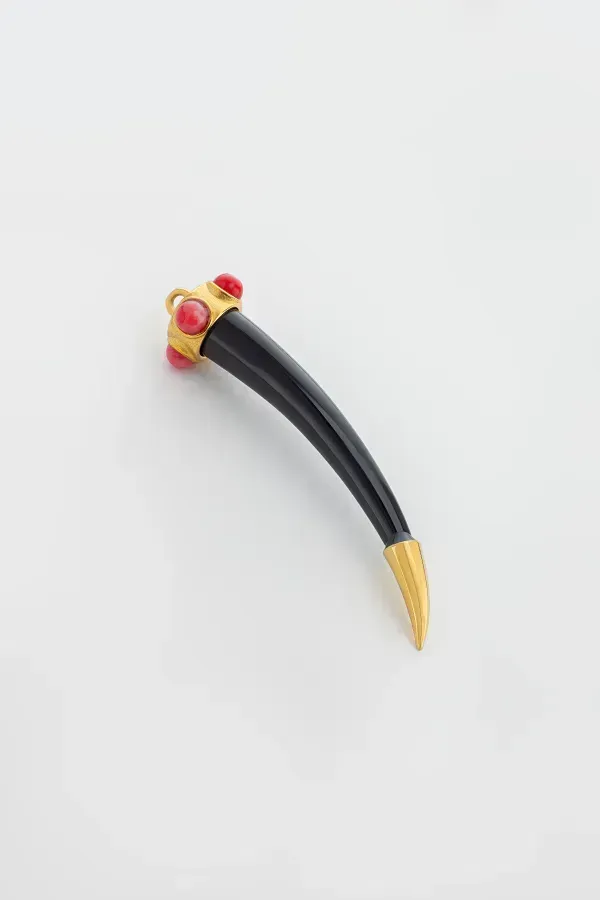
Italians avoid giving handkerchiefs, linking them firmly to tears and funerals, and they treat the number seventeen the way English speakers treat thirteen. Purple is kept out of gifts and wrapping because it belongs to Lent and to mourning, and it is genuinely avoided in Italian theatres and opera houses. Chrysanthemums are strictly grave flowers. On the other side of the ledger, a protective charm makes an excellent Italian gift, and the little red horn is given freely as a wish for luck and defence against the evil eye. The cornicello and its meaning has a long history in southern Italy and reads as a warm gesture rather than a superstitious one.
France and Germany: chrysanthemums, knives and early birthday wishes
France shares the chrysanthemum rule with Italy, since the flower belongs to All Saints' Day and to cemeteries, and red roses in France carry a romantic declaration that can embarrass a colleague. Carnations have a mildly unlucky reputation there as well. Germany treats sharp objects the same way Britain does, with the coin passed back, and adds one rule that catches foreigners regularly: never wish anyone a happy birthday before the day itself, and never give the present early, because congratulating in advance is held to tempt fate. German households also treat the number of flowers as a matter of etiquette, favouring odd numbers and avoiding thirteen. Overall, practicality is prized more highly than symbolism in German gift giving, and the ritual care is greater than the superstition.
China: the clock, the pear and the umbrella
The strictest example of a language driven taboo is Chinese. To give a clock sounds nearly identical to a phrase used for attending a funeral, which makes wall clocks and watches close to unthinkable as presents, especially for older relatives. Sharing a pear sounds like the word for separating, so lovers and close friends do not divide one. Giving an umbrella sounds like breaking apart. Four is avoided in every context because it echoes the word for death. Against that, red is the colour of fortune, objects given in pairs are auspicious, and money in a red envelope is one of the most respectful presents anyone can offer. The Chinese case shows more clearly than any other how directly language manufactures superstition.
Japan: numbers, white flowers and the art of wrapping
Japanese gift etiquette is dense and the omens are woven right through it. Four and nine are avoided, four because it sounds like death and nine because it sounds like suffering, so sets of four items are never given. White flowers, chrysanthemums above all, belong to funerals and stay out of happy occasions. Combs are avoided as gifts because the word contains the sounds for suffering and death. Presentation carries as much meaning as content, and a gift is expected to be wrapped and offered with both hands. Value is calibrated carefully so that nobody is placed under an awkward obligation to reciprocate beyond their means. Here superstition and courtesy have merged almost completely.
Compare the countries and the pattern jumps out: nearly every one of these rules grew from an image or a pun rather than from experience. The same object is forbidden in one place and desirable in another depending on the language it is discussed in. Knowing a couple of local bans saves real embarrassment when giving to someone from another culture, while your own inherited omens are best treated as a cultural game rather than a legal code.

Turn on your camera, pick earrings, a pendant or a ring, and see the piece on yourself in real time.
Switch items in one tap.
Everything runs in your browser: no photo or video is ever uploaded.
What to give with no superstition attached
If you would rather not think about coins and notes every time, there is a whole category of presents that trails no dark associations at all. They carry a wish for protection, luck and goodwill built into the object itself, and charms and symbolic jewellery lead the field.
A protective charm is the rare case where tradition is unanimously in favour. An amulet received as a gift is held in many belief systems to be stronger than one bought for yourself, precisely because it carries the giver's good intent. A protective pendant, a zodiac symbol, a birthstone or a piece with a clear meaning reads as "may this keep you safe" and requires no coin at all. The full breakdown of types and meanings sits in the guide to protective amulets and talismans, which makes it straightforward to match a charm to a person's character.
Charms and symbolic jewellery
Protective pendants, from the Italian horn to the hand of Fatima and the blue eye bead, are given specifically as a wish for someone's wellbeing. That kind of present sets a bright meaning from the first second, and a superstitious recipient has nothing to catch on. A piece carrying a symbol of luck, love or protection works like the written wish described earlier, only expressed in metal and stone instead of ink. This is one of the reasons jewellery remains such a reliable gift: it delivers a message rather than an anxiety. The hamsa and its meaning and the evil eye bead are both traditionally given rather than bought.
A charm has one further advantage as a present. It is easy to make personal: a birthstone for the month, a symbol for the star sign, an element, an initial. A gift chosen that way reads as considered rather than accidental, and it stays in a drawer far longer than a neutral object would. Even a committed sceptic usually accepts a charm cheerfully, because what stands behind it is attention and goodwill rather than a grim prophecy. That is why, in cultures crowded with gift bans, the amulet almost always stays on the permitted list.
What to give so you cannot offend
The safest options are the ones with no link to parting, tears or poverty, chosen with the recipient's actual taste in mind. Jewellery works, as do books, good food, quality small things for the home and experiences such as a trip or a workshop. If you are genuinely unsure, a gift card removes both the taste problem and almost every superstition at once, since it is already a purchase rather than a gift with a mystical subtext. The governing rule is simple: think about the person rather than the omen, and the present will almost always land well. For the office in December, the Secret Santa guide to jewellery for a coworker covers the budget, the etiquette of the draw and what reads as too personal at work. If you are buying in late November, the Black Friday jewellery guide explains what is worth buying during the sales and how to tell a real discount from a staged one.
Leave your email, we'll send your discount code. No spam, unsubscribe anytime.
The code arrives by email, valid on your first order.
More objects surrounded by superstitions
The main bans do not exhaust the list. Folk belief has wrapped itself around dozens of everyday objects, and nearly all of them come with the same loophole: the coin or the kind word. Here are the ones that appear less often in articles yet regularly unsettle a giver standing in a shop.
Pins and needles: anything with a point
Pins, needles and hair clips sit in the same category as knives in folk belief. If a thing pricks, it is said to prick the relationship too, promising small quarrels and minor wounds to pride. There is a separate reluctance about giving a protective pin with no explanation, since a charm is supposed to be handed over with a word about what it does rather than in silence. Nurses and dressmakers in Britain preserved their own version, in which a needle given must never be rusty or bent, since a careless blade of any kind reads as a careless thought. The coin resolves all of it in the usual way.
Candles: memorial objects in disguise
Candles split in two. Scented, decorative and celebratory candles are given freely as an emblem of warmth and comfort. Plain white church candles are different, because they are read against memorial services and vigils, so a superstitious recipient hears "sorrow" rather than "cosy evening". Softening the message takes very little: give candles as part of a set with something cheerful, wrap them in bright paper and attach a wish for warm evenings. The emphasis shifts from ritual to celebration and the darker reading falls away.
Calendars, alarm clocks and hourglasses
A calendar, an alarm clock, an hourglass and anything else that measures time out loud belongs to the same family as the watch. The logic is uniform: the object appears to be counting down to a parting or an ending. A dated calendar unsettles people the most, because it seems to name the finish line. In English speaking countries this is a mild belief rather than a strong one, nothing like the Chinese ban, but it exists, especially among older givers. The standard tools apply, a coin and a note asking that the object measure only good days, and the practical present stays practical.
Money as a gift: the envelope, the card and the amount
Money is treated as a neutral or even a fortunate present across most cultures, but the etiquette around it is strict. In Britain and America cash is expected to arrive inside a card or an envelope rather than passed bare from hand to hand, since naked notes read as a settlement rather than as attention. Round amounts feel impersonal, so many givers adjust slightly or add a small coin for luck. In Chinese custom the red envelope is a direct wish for prosperity, and the neatness of the envelope carries as much meaning as the sum inside. Scottish first footing brings coins into a house at New Year for the same reason. The principle behind every version is identical: give money in a way that foregrounds care rather than arithmetic.
Second-hand jewellery: whose luck comes with it
A specific unease attaches to objects that have already been worn, jewellery above all. The belief says that a ring, pendant or bracelet keeps a trace of its previous owner, their mood and their fate, and that a new owner takes on that history along with the piece. This is why antique jewellery and family heirlooms are traditionally handed over with a story attached: the giver explains who wore it, the piece is cleaned, and a good word goes with it. Where the history is a happy one the omen inverts completely, and the gift becomes more valuable than a new one precisely because of the memory. A sceptic needs only to know that metal and stone remember nothing except wear.
Portraits of living people
A picture is not a forbidden gift, but portraits attract particular caution. Folk belief dislikes giving an image of a specific living person, holding that a portrait binds a fate and can harm the sitter, an idea with roots in the same soul and reflection thinking that produced the mirror rules. There is further reticence about bleak subjects, sunsets and images of decay, on the grounds that a picture sets the mood of a house for years. The way through is to choose a bright subject and a good frame, and to give a portrait only with the enthusiastic agreement of the person depicted. Landscapes, flowers and abstracts drag almost no superstition behind them at all.
House plants: cactus, ivy and the peace lily
Potted plants have grown their own folklore. A cactus is said to prickle a relationship and, in some tellings, to bring loneliness to the household that receives one. Ivy has a genuinely mixed reputation: classical Greece treated it as a symbol of fidelity and wove it into wedding crowns, while later British lore claimed that ivy growing on a house wall foretold trouble inside. The peace lily unsettles some recipients because of its funeral associations, despite being one of the easiest plants to keep alive. Money plants and jade plants run the other way and are given specifically for prosperity. If the recipient is superstitious, choose a plant with an unambiguous reputation. Botany is firmly on the sceptic's side, since no houseplant has ever influenced anyone's love life.
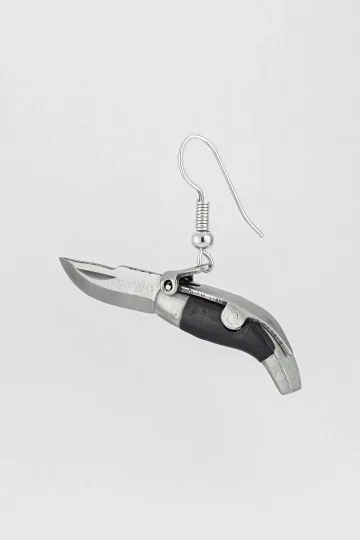
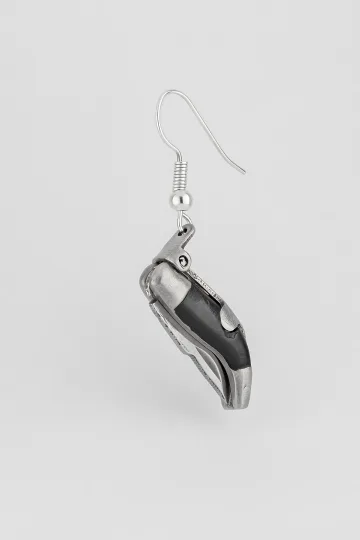
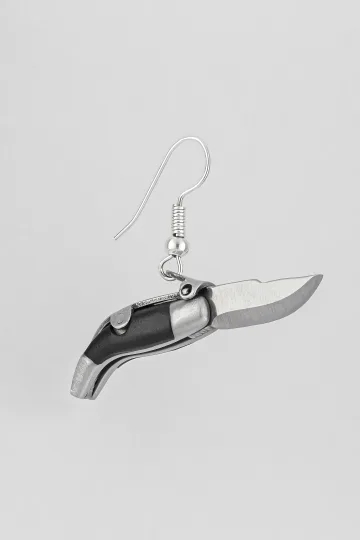
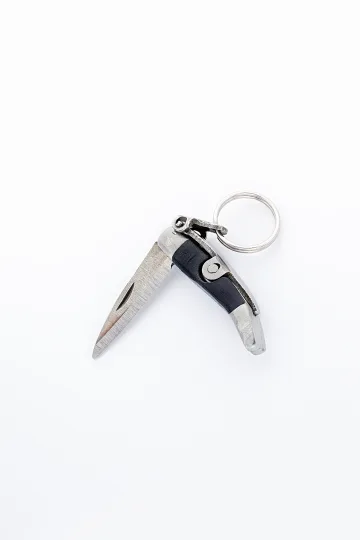
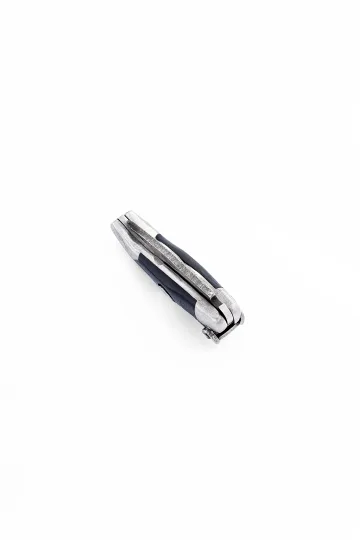
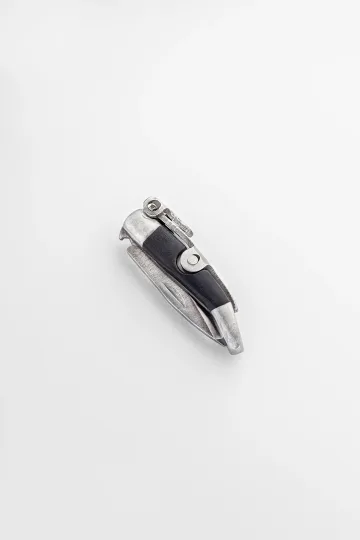
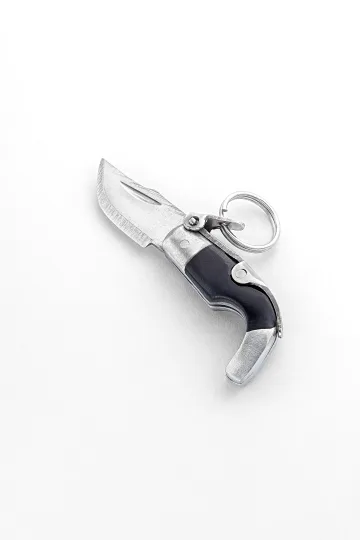
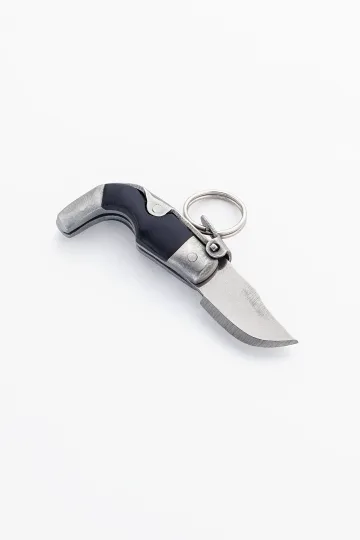
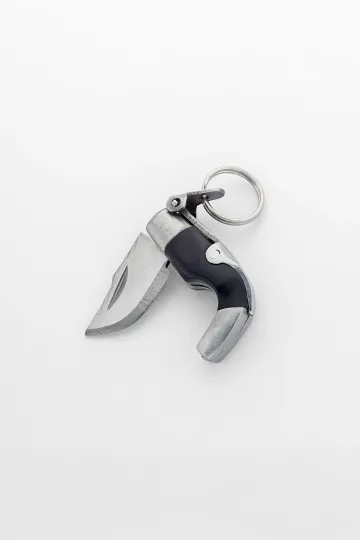
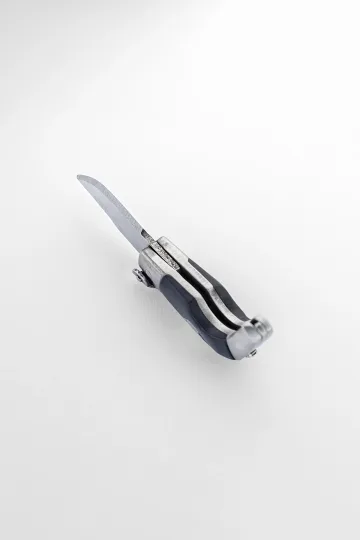
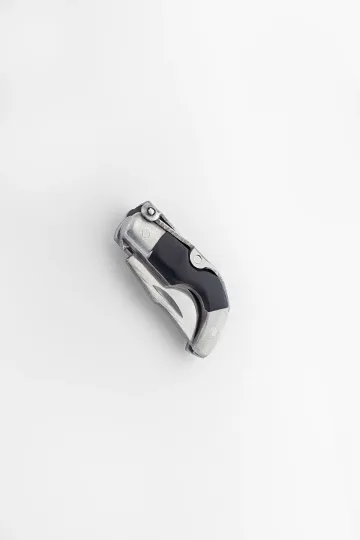
CAPAORA mini knife pendant
The 18th-century Spanish navaja in miniature: 40 mm of stainless steel, a real folding mechanism and a Palanquilla lock that clicks. An affordable gift to remember.
Authentic · Ships from Spain · 14-day returns
Gift superstitions around the world
The same object can be the perfect present in one country and close to an insult in another. This short table gathers the best known bans, and the reasons behind most of them live in language and sound rather than in any real misfortune.
| Country | What is not given | Why |
|---|---|---|
| Britain | Knives without a coin, opals, pearls, handkerchiefs, peacock feathers | A blade cuts friendship, opals are unlucky outside October, pearls mean tears, handkerchiefs mean weeping, the feather's eye is unlucky indoors |
| United States | Anything in thirteens, an empty wallet, baby gifts before the birth | Thirteen is the unlucky number, an empty purse promises poverty, gifts before a birth are held to tempt fate |
| China | Clocks, pears, umbrellas, sets of four | "Giving a clock" echoes attending a funeral, "pear" echoes separation, "umbrella" echoes breaking apart, "four" echoes death |
| Japan | Sets of four or nine, white chrysanthemums, combs | Four sounds like death and nine like suffering, white chrysanthemums belong to funerals, the word for comb contains suffering and death |
| Italy | Handkerchiefs, purple wrapping, anything in seventeens | Handkerchiefs mean tears, purple belongs to Lent and mourning, seventeen is the unlucky number |
| France | Chrysanthemums, red roses to colleagues, carnations | Chrysanthemums belong to graves and All Saints' Day, red roses declare romance, carnations carry an unlucky reputation |
| Germany | Sharp objects without a coin, early birthday wishes | A blade cuts the bond, and congratulating before the day itself is held to tempt fate |
The pattern is immediately visible: what usually creates a superstition is a word rather than an experience. Where "clock" and "funeral" sound nothing alike, clocks are given at retirements without a flicker of concern. The best defence against embarrassment when giving to someone from another culture is to learn two of their local bans in advance, and to treat your own as a game with rules worth knowing.
Where the fear really comes from
Set the individual objects aside and every gift ban turns out to share a single root, which is fear. Taking that root apart is more useful than arguing about whether any particular omen comes true.
Fear of envy and the evil eye
A great many of these beliefs grew out of the fear of being envied. An expensive or conspicuously lucky present is said to attract envy, and in the folk picture of the world envy is a material force with a direction and a target. Hence the habit of talking a gift down, of adding a protective gesture or a charm to deflect an unfriendly look. The same instinct explains why people avoid boasting at happy moments and keep the most precious thing out of sight. Hiding your luck feels safer than testing everyone else's goodwill, which is exactly the logic that produced the evil eye amulet across the whole Mediterranean.
The logic of exchange rather than the pure gift
The second root is the ancient sense that nothing comes free. A gift creates an invisible debt, and some objects are too potent to be released without settling it. The coin cancels that debt by converting the moment into an honest exchange in which nobody owes anybody anything. Anthropologists have described this pattern in dozens of societies, where a present obliges a return and the balance must eventually be struck. The penny for the knife simply closes the account with a gesture everyone can see, which is why the custom appears independently across Europe, the Middle East and the Americas.
Why superstitions are so hard to kill
Omens persist not because they work but because they are cheap to observe. The ritual costs a second and the reassurance it delivers is real. The governing thought is "just in case": it takes no effort, and what if there is something in it, so a person hands over the coin without believing in curses at all. Add transmission across generations and attachment to the strong emotions surrounding gifts, and the result is a tradition that neither common sense nor statistics can dislodge. Sceptical households keep performing these rituals for the same reason they keep saying bless you after a sneeze.
A skeptical view without contempt
The sober conclusion is straightforward: omens come true no more often than coincidence allows, and the same object is forbidden in one country and desirable in another depending on the language spoken there. None of which is a reason to sneer at people who keep the custom. Superstitions are a way of showing attention and courtesy, an excuse to wish somebody well one more time. The sensible position is to know where each ban grew from, to step around it calmly, and to turn the whole subject neither into fear nor into a joke at somebody else's expense.
Good gifts with no superstition attached
The easiest approach is not to fight the omens but to choose presents that never attracted any. A whole category of objects carries a clear, generous meaning from the outset and needs neither a coin nor a note.
Matching pairs and shared symbols
Paired presents read as a wish to stay together, so gloomy omens find no purchase on them. Two identical pendants, rings that complete each other, bracelets in the same tone, charms that lock into a single symbol: all of them set a meaning of union and closeness. They are given to couples, to friends and to family, and instead of parting the object speaks about connection. East Asian custom regards pairs as auspicious in themselves, and an even, matched pair is held to promise harmony. Ideas and formats are collected in the guide to matching jewellery for couples.
Engraving and personal meaning
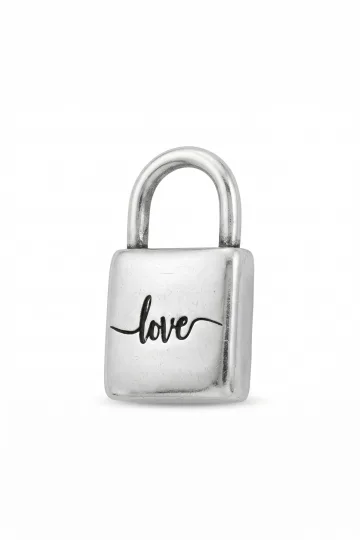
Engraving turns an object into an addressed present that could never be mistaken for a routine purchase. A name, a date, a short wish or the coordinates of a place make the piece singular, and superstition retreats in the face of such obvious attention. An engraved locket, a pendant with an initial, a bracelet carrying a date: all of them read as a considered gesture. Presents like these are kept far longer than neutral ones, precisely because a specific person and a specific story stand behind them. Technical details, fonts and what fits on which surface are covered in the engraving guide.
Charms with a clear meaning
Charms remain the safest option of all, since an amulet received as a gift is held in many traditions to be stronger than one bought for yourself, carrying as it does the giver's good intent. A symbol for a star sign, a birthstone, an elemental sign or a protective pendant reads as "may this keep you safe" and demands no buy back at all. Matching the piece to a person's character is a matter of browsing the symbolism section and the charm catalogue, and the gesture sets a bright meaning from the outset that even a superstitious recipient will struggle to complain about.
Send a friend a discount code, they save on their first order.
Facts that surprise
Gift superstitions are full of unexpected turns. A few facts that change how the familiar bans look.
The opal curse has a publication date. The belief that opals bring misfortune traces to Walter Scott's novel Anne of Geierstein in 1829, in which an enchanted opal loses its fire and its owner dies. European opal prices reportedly collapsed within a few years. One popular novel did more damage to a gemstone's reputation than a thousand years of mining had done good.
The clock taboo is linguistics rather than mysticism. The Chinese ban on clocks rests entirely on a pun with a funeral phrase, not on any recorded misfortune. In languages where the two words sound nothing alike, clocks are given at weddings and retirements as emblems of permanence.
The penny for the knife is a legal manoeuvre in miniature. The custom converts a gift into a sale specifically to escape the ban on a dangerous present. For centuries people have intuitively exploited the fact that superstition distinguishes between a gift and a transaction, which is a piece of folk jurisprudence rather than magic.
Seventeen frightens Italians the way thirteen frightens everyone else. In Italy the unlucky number is seventeen, because its Roman numeral XVII can be rearranged into VIXI, meaning "I have lived", which is to say "I am dead". Another omen grown out of letters rather than events.
Red and white flowers were banned by nurses, not by priests. The refusal to put red and white blooms in one hospital vase, read as blood and bandages, is a British nursing tradition that ward sisters enforced well into the twentieth century by adding a third colour to any offending bouquet.
A broken charm counts as good news in many traditions. If a gifted amulet cracks, the belief says it absorbed a blow and did its job. The same logic gets applied to a damaged present: the object took the trouble on itself rather than delivering it.
Ivy was a wedding plant before it was a bad omen. In classical Greece ivy stood for fidelity and lasting attachment and was woven into marriage crowns. The gloomy later reputation of the climbing plant is a much younger household superstition that inverted the original meaning completely.
The safety pin as a charm is older than most religions. Fibulae were worn as protective fastenings in antiquity, and the habit of pinning down the evil eye has reached the present almost unchanged. What looks like a grandmother's quirk descends from amulets thousands of years old.
The red envelope survived the jump into a phone. The East Asian custom of giving money in a red envelope proved so durable that it became a digital tradition, with billions of electronic envelopes sent at festivals. The superstition about luck in red did not die, it acquired a new medium.
Frequently asked questions
Can any gift superstition be got around?
Practically all of them. The two universal techniques, the coin buy back and the written wish, lift the ban from almost every disputed present. The coin converts a gift into a purchase, and the omen only acts on gifts. The note redefines the object's meaning as something generous. Combine the two and even the most superstitious recipient will relax.
What can I give that is guaranteed not to offend?
Choose something with no link to parting, tears or poverty, and match it to the person's real taste. Jewellery is reliable, particularly charms with a generous meaning, as are books, good food and experiences. A gift card removes the taste problem and most of the omens at once, since it is already a purchase rather than a gift with a subtext.
Are gift superstitions serious or just folklore?
They are a cultural tradition rather than a law of nature. Omens come true no more often than coincidence permits, and the same object is forbidden in one country and desirable in another. The reasonable stance is to treat them as a courteous game: observe them out of respect for the people who care, and do not build a life around them.
Why are opals considered unlucky as a gift?
Because of a novel. Walter Scott's Anne of Geierstein in 1829 featured an enchanted opal whose owner died when its fire went out, the book sold enormously, and the European opal trade suffered for decades. The belief comes with a built in exemption: the stone is said to be safe for anyone born in October, since the opal is their birthstone.
Is it really bad luck to give pearls?
Only in the traditions that read the round shape as a tear. Plenty of other cultures treat pearls as purity, wisdom and a settled household, and generations of brides have worn them without incident. If the recipient is uneasy, take the coin and say the bright version out loud, in which a pearl is hardened moonlight rather than a drop of grief.
What do I do if I have already given something forbidden with no ritual?
Nothing has gone wrong. You can buy the present back retrospectively by asking for a coin, or simply say something generous about it. An omen is not a verdict, and a sound relationship does not break over a knife or a clock. If it makes you more comfortable, perform the ritual later, which settles the nerves on both sides.
Is giving money a bad omen?
In most cultures it is the opposite. Money counts as a neutral and often a fortunate present, and in Chinese custom a red envelope of cash is a direct wish for prosperity. The one caution concerns the empty wallet, which is always given with a coin inside so that it never promises poverty. Presentation carries the meaning: cash belongs in a card or an envelope, never passed bare.
Why does a coin specifically lift the superstition?
Because the coin turns a gift into a transaction. The omen forbids giving a knife or a clock, and says nothing whatsoever about selling one. By handing over a token piece of change the receiver formally buys the object, and the mystical subtext evaporates. The value of the coin is irrelevant, the exchange is the whole point.
Can jewellery be given with no ritual at all?
Yes, jewellery is among the safest presents there is, particularly charms and symbols with a generous meaning. They carry their own wish for protection or luck and attract no dark readings. If you enjoy the tradition you can take a symbolic coin for an expensive piece, but that is a nod to custom rather than a requirement.
Is second-hand jewellery an unlucky gift?
Not in itself. The belief about another person's energy is defused simply: clean the piece, tell its bright history and hand it over with a good word. A family heirloom with a happy story is valued above a new piece precisely for the memory it carries. A sceptic needs only to know that metal and stone retain nothing except signs of wear.
Can I give a calendar or an alarm clock?
You can, although they fall into the same counting down group as watches. The omen lifts with the coin and a note asking that the object measure only good days. The practical value of the present is unaffected, and the mild unease disappears. This belief is far weaker in English speaking countries than the equivalent Chinese ban on clocks.
What is a safe gift for a boss or a colleague?
Neutral, well made things with no personal subtext: quality desk objects, a book on a subject they care about, good coffee or tea, a gift card. Avoid anything too intimate and anything too cheap, and from the superstition side simply avoid giving anything sharp without taking the symbolic coin. A charm with a neutral, generous meaning, presented as a wish for success, also works well. For a Secret Santa draw or a present from the whole team, see the guide to jewellery for a coworker.
Buying it as a gift? Each one arrives ready to give.
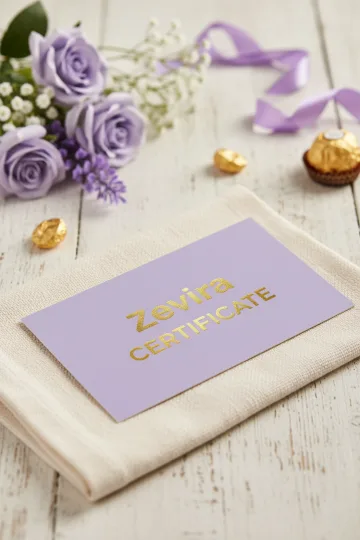
 A branded Zevira box and a little card come with every order.





Conclusion
Gift superstitions are less a list of prohibitions than a map of human fears: rupture, tears, poverty, someone leaving. Understand where each ban grew from and stepping around it takes no effort. Two techniques, the coin and the kind note, lift almost any omen in a minute, and the best present of all, a charm or a piece of jewellery with a clear meaning, needs no ritual whatsoever. In the end a gift is valued for the attention paid to the person receiving it, never for the absence of bad omens attached to it.
Protective charms, symbolic pendants, zodiac jewellery and matching pairs. Gifts with a clear, generous meaning and no heavy superstitions attached.
About Zevira
Zevira makes jewellery with a point of view: protective charms, symbols, talisman stones and matching pairs for two. We build pieces that carry an obvious good wish, so the whole question of omens answers itself. If you are choosing a present for someone close, start with protective amulets and talismans or look through the symbolism section.
Personal engraving is available. We work with silver 925 and gold 14-18K.