What Does Gifting Pearls Mean: The "Pearls Bring Tears" Superstition and Whether You Can Give Them
Pearls are the only gem born inside a living creature, and the only one that needs no cutting to be beautiful. They are also the only gift shadowed by a stubborn warning: that they bring tears. Half the world hands pearls to brides for luck. The other half hesitates at the counter. Let us settle who is right.
Anyone who has ever considered a pearl necklace as a gift has run into the line "pearls bring tears." It makes people pause before an anniversary, search for reassurance late at night, and invent small rituals to cancel the curse. Meanwhile pearls spent three thousand years as the wedding gem of choice, the badge of purity, wealth and quiet authority, worn by queens and brides across every continent that had access to the sea. One piece of folklore against thirty centuries of culture. Below we trace where the superstition came from, who actually believes it, who laughs at it, how people defuse it when the fear lingers, and which occasions make pearls one of the most thoughtful gifts you can choose.
Here is the route. First, what a gift of pearls has traditionally meant. Then where the "tears of the sea" image began and why the very same gem signals joy across most of the world. After that, the symbolic gestures that rewrite the meaning of the gift, the occasions and recipients pearls suit best, the difference between saltwater and freshwater pearls when you are buying a present, and how to care for pearls so they outlive both the giver and the receiver. We are not here to mock the superstition or pretend it does not exist. We are here to show the whole picture and let you decide.
What Gifting Pearls Means
A Symbol of Purity and Innocence
Since antiquity, pearls have read as purity made solid. A smooth white sphere with no seam, no tool marks, nothing added by human hands, became the natural metaphor for an unspoiled life. That is the root of the pearl's permanent link with weddings and with the image of a bride in white. To give a woman pearls was to say, without saying it, that you see clarity and honesty in her. Christian tradition folded the same idea into the parable of the pearl of great price, the treasure a merchant sells everything else to own. English medieval poetry did the same: the fourteenth century poem "Pearl" uses a lost pearl as the image of a lost child and of the soul's perfection, which tells you how deeply the association ran in the language long before anyone worried about tears.
A Mark of Maturity and Standing
The second layer of meaning runs opposite to the bridal one. Pearls have always belonged equally to the grown woman, signalling a composed authority that does not shout. A strand of pearls at the throat of the woman running a household read as status without vulgarity, wealth without the hard glitter of diamonds. That is why pearls appear so often at milestone birthdays, at the moment a daughter steps into adult life, at retirements and long service celebrations. The gift marks a crossing: a girl has become a woman, a woman has become the author of her own life. Giving pearls in this register is a way of acknowledging that the recipient has arrived somewhere, and that you noticed.
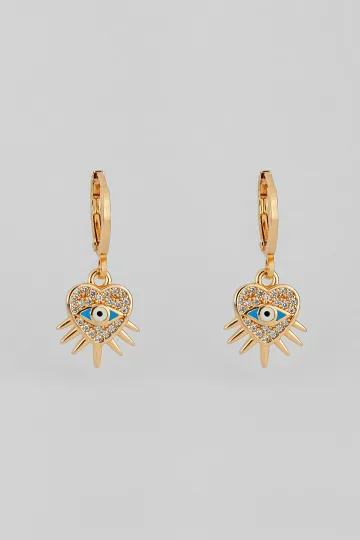
Wear the symbol, don't just read about it. These are in stock:



Pearls as a Family Heirloom
There is a meaning that only reveals itself over decades. Pearls are among the very few pieces of jewellery that pass down a family line as a matter of course. A strand given to a grandmother is worn by her daughter and then clasped by a granddaughter, and every handover adds a chapter to the object. Giving pearls means giving something aimed at the next fifty years, a future heirloom rather than a purchase. That is precisely why they get chosen for threshold events: a birth, a coming of age, a wedding. The gift addresses both the person in front of you and the line of people who will wear it afterwards. Very few gems carry that sense of continuity so naturally, and in British and Irish families a mother's pearls are often the single piece everyone can name.
"Tears of the Sea" and "Tears of the Moon": Where the Image Began
Then there is the most poetic layer of all. Ancient people knew nothing about mollusc biology and explained the birth of a pearl with images instead. Romans believed pearls were drops of dew or sea foam caught by an open oyster at dawn. Across Asia the story went that pearls were tears of the moon, falling into the ocean on a full moon night. A Persian legend called them the tears of the gods. All that water and moonlight poetry handed the gem a double reputation. On one side, droplets of unearthly beauty. On the other, droplets all the same, and the distance from a droplet to a tear turned out to be very short.
That single image, the pearl as a frozen drop, became the soil the superstition grew in. Worth remembering, though: in the original legends those tears of the moon were an expression of wonder, not a warning. People marvelled that even divine grief could take such a lovely shape. The anxious reading arrived far later and in a very specific corner of the world. Before you decide whether to give pearls or not, it helps to see exactly where the belief was born and who planted it.
The "Pearls Bring Tears" Superstition: Where It Comes From
Tears of Mermaids, Goddesses and Sea Foam
The oldest branch of the belief grows straight out of those water legends. If a pearl is the tear of a mermaid, a goddess or a betrayed girl, then wearing one means taking somebody else's sorrow onto your own skin. The logic is poetic and sticky: an object born of weeping pulls weeping after it. In coastal communities the metaphor had a brutally literal backing. Pearl divers worked at depths that killed them, and every fine strand represented lungs that gave out, sharks, and the bends before anyone had a name for it. From the Persian Gulf to the Sri Lankan banks to the Scottish rivers where freshwater pearls were fished, pearls genuinely cost widows their tears. The folklore was not superstition alone. It was memory.
Victorian Mourning and the "Pearls of Grief"
The biggest single contribution to the superstition is English, and it happened within recorded memory. When Prince Albert died in 1861, Queen Victoria went into mourning and stayed there for forty years, and the whole country followed her lead into a strict, codified grief. Mourning jewellery became an industry. Tiny seed pearls were stitched in their hundreds onto memorial brooches and lockets, often framing a woven lock of the dead person's hair, and jet and seed pearl together became the visual shorthand for bereavement. In that vocabulary white pearls stood for the tears of the mourners, quite deliberately. Half-mourning etiquette even permitted pearls when it still forbade coloured stones, which put them on more grieving bodies than any other gem. Two or three generations grew up seeing pearls at funerals as often as at weddings. This is not foreign exotica borrowed from somewhere else. This is the direct English ancestor of the modern warning, and understanding that it dates from a single reign, rather than from time immemorial, takes most of the sting out of it.
Wedding Superstitions
The most durable version attaches itself specifically to weddings. The line runs: every pearl a bride wears is a tear she will shed in the marriage. It circulates on wedding forums and in family kitchens on both sides of the Atlantic, and it makes brides second guess a necklace they already love. British wedding folklore is dense with this kind of thing, sitting comfortably beside the rhyme about something old, something new, something borrowed, something blue, and beside the older belief that a bride should cry on her wedding day to get her tears out of the way early. That last one is telling. In the same tradition, tears on the day were considered lucky, not ominous. The pearl version is clearly the newer graft, laid over the Victorian mourning association, and it flatly contradicts the far older custom in which pearls were the bridal gem precisely because they brought blessing. It is loud, though, and loud beliefs travel.
Where People Believe It and Where They Laugh
The geography of the superstition is patchy and worth knowing. It surfaces regularly in English language wedding forums, in parts of Eastern Europe, and in pockets of Asia where it arrived with nineteenth century trade. It is largely absent in Japan, India, Italy and Spain, where pearls are straightforwardly joyful, bridal and high status. Even where people know the saying, the attitude is usually a shrug and a half smile, the tone of someone who avoids walking under ladders without believing anything in particular. Genuine refusers, people who will not accept pearls under any circumstances, are rare. Most of the hesitant relax considerably once they learn that a large share of the planet gives pearls specifically for happiness, and has done so for a very long time.
For the superstition not to look like settled fact, the other side deserves a proper hearing. And the other side is heavy: the cultures that connect pearls with joy, blessing and durable marriage are older and far more numerous than the ones that connect them with grief. Anyone choosing pearls as a gift should know those arguments, if only to hand them over with the parcel.
Upload a photo of your pet, someone you love, or an object. We'll build a 3D model and hand-cast it in pewter.




The Other View: Pearls as Tears of Joy
Ancient Rome: Venus, Pearls and a Happy Marriage
In Rome the pearl belonged to Venus, goddess of love, herself born from sea foam. There was nothing funereal about it. A pearl meant love, beauty and marital happiness, full stop. Roman women wore pearls to weddings as a sign that Venus looked kindly on the union, and the quantity on display announced both the family's means and its hopes for the couple. Pliny the Elder grumbled that women wore pearls on their shoes and hung them from their ears in pairs so they would click together as they walked, a sound he considered shameless and which nobody at the time considered sad. In that system, giving a bride pearls meant wishing her love under the protection of the goddess of love herself. If tears were implied at all, they were tears of happiness.
The Japanese Tradition of Bridal Pearls
Japan is the birthplace of the cultured pearl and treats the gem with a particular seriousness. There, pearls are a classic wedding gift and a family asset passed from mother to daughter, and a single strand of white pearls counts as a wardrobe essential rather than a luxury, worn to weddings, graduations and formal occasions across a lifetime. Nobody there associates them with weeping. Pearls mean purity, good fortune and dignity. Japanese growers in the early twentieth century also handed the world its modern pearl market by making fine round pearls reliably available for the first time in history, which is why your grandmother could own a strand at all. In Japan the suggestion that pearls attract misfortune would land as a genuine oddity.
Indian Custom and Pearls in the Dowry
In Indian tradition the pearl, "mukta" or "moti", is one of the nine sacred gems and is governed by the Moon in Vedic astrology. It is prescribed for emotional steadiness, harmony in marriage and general wellbeing. Pearls enter the bridal trousseau alongside gold, and they cover brides in strands, drops and hair ornaments from Rajasthan to Hyderabad, a city whose entire identity as a pearl trading centre grew from Mughal appetite. Here the pearl is the stone of emotional balance rather than sorrow: it is believed to calm anxiety, cool a hot temper and steady a relationship. Indian bridal jewellery is built structurally around strung pearls. Another enormous culture, then, for which giving pearls is simple blessing.
China: The Dragon's Pearl and the Sign of Prosperity
Chinese tradition adds a further ancient civilisation to the joyful column. Here the pearl belongs to the dragon, who in legend carries a luminous pearl beneath his chin as the source of wisdom and power, and dragons chasing a flaming pearl remain one of the most reproduced motifs in Chinese art. Pearls signified prosperity, purity of intention and rank. They were placed in imperial burials, sewn onto court robes and given for luck. China is also one of the oldest homes of deliberate pearl culturing: craftsmen there were slipping small lead figures of the Buddha between a mussel's shell and mantle to grow coated pearl images as early as the thirteenth century. For this civilisation the pearl means protection and good fortune, and the idea of tears of grief is simply not part of the vocabulary. Another heavy weight on the scales against the superstition.
The outcome of this argument is not close. The tears reading is a local and late interpretation, not a universal law. Standing against it are entire civilisations that gave pearls for love and luck across millennia. Even so, for anyone the belief still nags at, tradition has left an elegant exit: a small set of symbolic gestures that rewrite what the gift means. Before we get to those, it is worth seeing how pearls actually lived in history and in art.
Pearls in History and Culture
Few gems have left as thick a trail through history as the pearl. It served as currency and as war booty, provoked sumptuary laws and launched naval expeditions. Cleopatra, in the story Pliny tells, dissolved a pearl in vinegar and drank it to win a wager over the most expensive dinner ever served. Roman senators passed decrees forbidding common people to wear pearls at all. Medieval and Renaissance monarchs had pearls stitched into coronation robes by the thousand. Elizabeth I turned the gem into political theatre: portrait after portrait shows her hung with ropes of pearls, sewn into her hair, edging every seam, because the pearl was the emblem of virginity and she was selling the idea of the Virgin Queen to a country that wanted her married. All of this happened long before pearls became something an ordinary family could own.
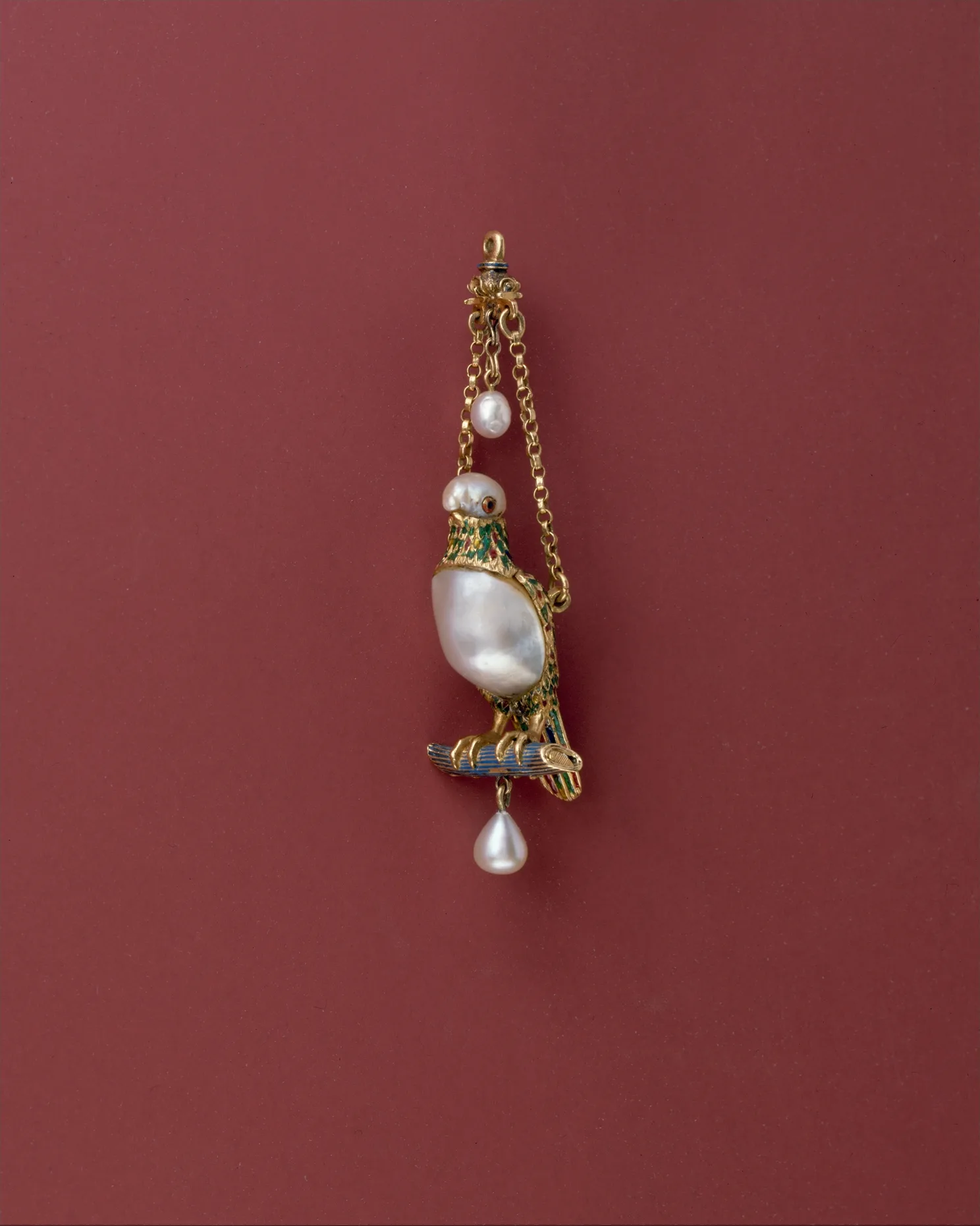
Painting is a chapter of its own. For centuries artists put pearl drops and strands on the necks and ears of sitters, because a pearl could carry both wealth and the soft light of skin in a single brushstroke. A single pearl earring became one of the most recognisable images in the entire history of portraiture. In art the pearl almost always reads as beauty, youth and standing, and almost never as grief. The mourning note is late and local. The reputation for beauty runs back as far as the record goes.
Knowing that long and largely sunny history is itself a cure for the fear. A gem that civilisations handed over for love, marriage and rank across thousands of years is hard to take seriously as a harbinger of trouble. Still, if the worry persists, tradition supplies ready made rituals that let you give pearls with a clear conscience.
Customer reviews
Zevira is a real jewellery shop. Genuine payments, deliveries and customer thank-yous.
🥰🥰🥰 gracias

Ok, ¡gracias! 🙂

How to "Neutralise" the Superstition
The Symbolic Coin
The best known workaround is borrowed from the wider body of rules about gifts that are said to carry risk. If you believe the object might bite, sell it symbolically: the recipient hands the giver a small coin, and the pearls stop being a gift and become a purchase. The same trick is used across Europe for knives, scissors, watches and anything else with an edge or an omen attached, and in Britain a penny taped to the handle of a gifted blade is still a common sight at weddings. The coin breaks the magical chain that ties gift to grief, because formally the recipient bought the thing themselves and so inherits nobody's sorrow. The gesture is half a joke, but it releases the tension on both sides, and it very often turns into a small family tradition of its own.
Paired Pearls and Pearls Set with Another Stone
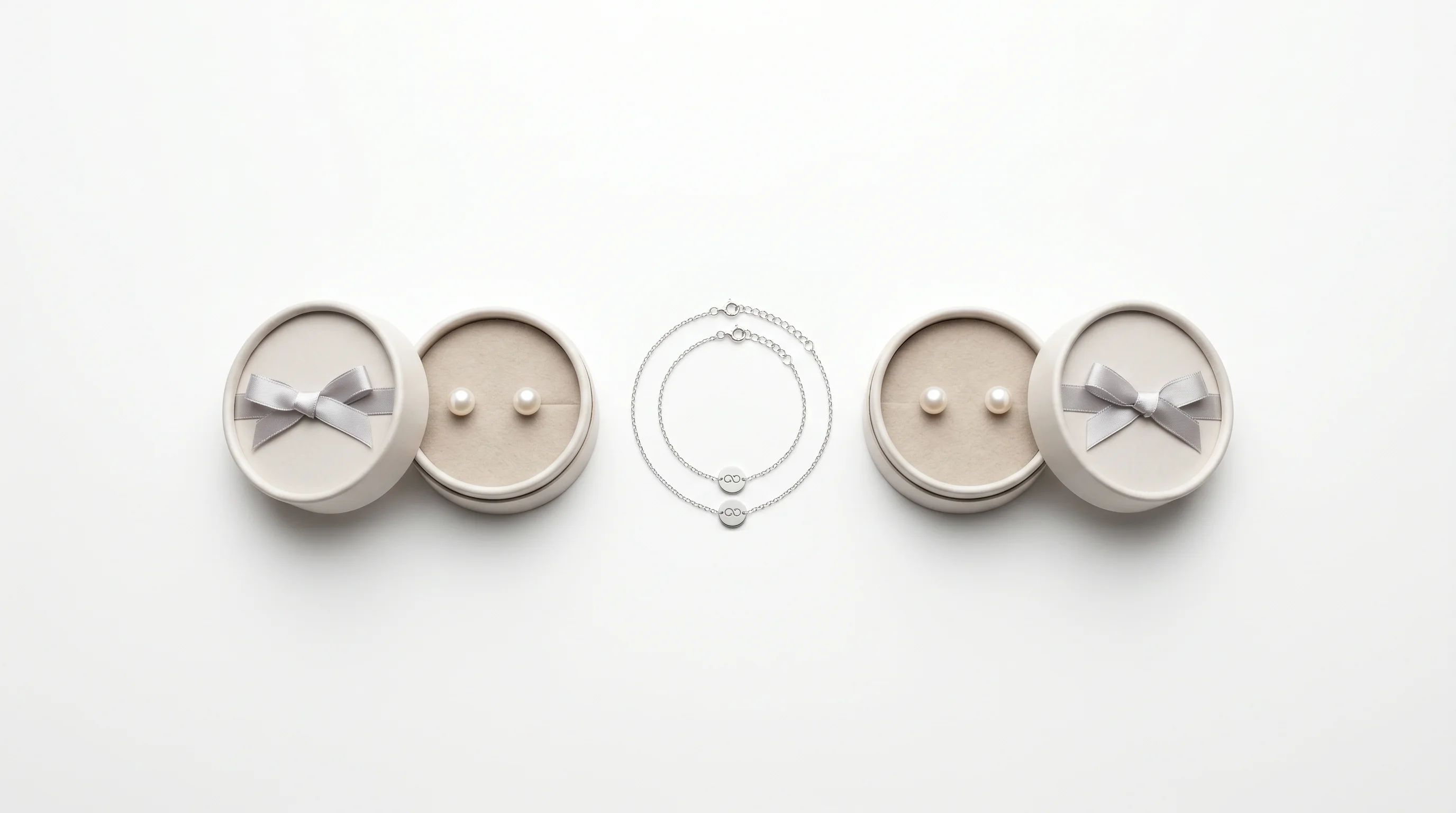
The second approach works through the design of the piece. Pearls in pairs, earrings, a double strand, a matched set, read as union and balance rather than as a single falling drop. The image shifts further when another stone joins in: a pearl beside garnet, topaz, cubic zirconia or set against coloured enamel stops being a pure droplet and becomes one element of a cheerful composition. Plenty of givers choose combinations deliberately for exactly this reason, steering the gift visually and symbolically away from any association with weeping. There is a practical bonus too, since a mixed piece usually suits a wider range of outfits than a plain strand and gets worn more often.
A Written Wish and What You Say When You Hand It Over
The third method, and probably the strongest, is words. Superstition feeds on things left unsaid, which makes it easy to override with a direct statement. A short note along the lines of "pearls are tears of joy, and those are the only ones I wish you" redefines the gift on the spot. A stated intention from the giver beats an anonymous piece of folklore every time. Psychologically it works exactly as the coin does: you set the frame within which the recipient reads the object. A gift is first of all a message, and you are the author of that message, not some anonymous rumour from the eighteen sixties.
With the superstition dealt with, we can turn to practicalities. Even people who never believed in tears for a second are often unsure which occasions call for pearls and which are better served by a different stone. Pearls have their own calendar of dates and events where they land more precisely than anything else.





When Pearls Are the Right Gift
June: The Stone for Summer Birthdays
The pearl is the official birthstone for June in the Western list. That makes it an unmissable birthday gift for anyone born in the first month of summer. A birthstone always reads as personal, as "yours", rather than as a purchase made at random on the way home. If the recipient arrived in June, pearls come with meaning already installed: this is literally her stone. Add a card that mentions the connection and the present immediately looks considered rather than convenient. June shares its month with alexandrite and moonstone, but the pearl is the one everybody recognises, which is exactly what you want a birthstone to do.
Thirty Years Together: The Pearl Wedding Anniversary
The thirtieth wedding anniversary is the pearl anniversary in both the British and American traditional lists. That makes pearls the only strictly correct gift for a wife on that date and one of the best options for congratulating a couple. Thirty years in is also the point where the tears superstition looks faintly ridiculous: a pearl anniversary celebrates durability, not fragility. A strand or a pair of earrings on that date reads as an acknowledgement of the distance travelled together. What suits each of the other milestone years is covered in the wedding anniversary gift guide.
Coming of Age and Stepping into Adult Life
A first pearl is a traditional gift to a young woman at eighteen or twenty one. A modest strand or a pair of studs marks the crossing from teenager to adult. This is where the maturity symbolism does its work: pearls say "you have grown up" gently and respectfully, without ceremony or grandstanding. Such a gift very often becomes the first serious piece in a jewellery box and stays there for decades, kept less for its value than for the moment attached to it. In many families the pearls given at eighteen are the pearls worn at a wedding fifteen years later, which is a neat piece of continuity to build into a present.
Graduation and the First Grown-Up Piece
For the same reason pearls are a frequent graduation gift. They are dressy enough for the ceremony and restrained enough not to overwhelm a young face, which is a narrow target that few gems hit. A classic strand or a pair of studs under a gown and a mortarboard is a recognisable and safe choice, and it photographs beautifully, which matters more on that particular day than anyone admits. Families often choose pearls specifically to mark the close of one stage and the opening of the next, loading the object with the meaning of a threshold crossed.
Christenings and a Gift for a Newborn Girl
Pearls also appear at christenings and namings, usually as a tiny pendant or as the beginnings of a future first strand that the child will wear when she is old enough. White pearls here read as a wish for a clear and bright road ahead. Such a gift is typically put away until the eighteenth birthday, at which point it arrives with a story already attached: this was given to you the day you were christened. Very few gems slide so naturally into the role of an inherited object, and very few gifts to a baby are still in use half a century later.
Once the occasion is settled, it makes sense to think about the recipient. Pearls are one of the rare gems that suit women of genuinely different ages and roles, but there are still nuances worth knowing.

Turn on your camera, pick earrings, a pendant or a ring, and see the piece on yourself in real time.
Switch items in one tap.
Everything runs in your browser: no photo or video is ever uploaded.
Who Receives Pearls
Your Mother
A mother is probably the most common and the safest recipient of pearls. The symbolism of maturity and standing applies without any complications, and the bridal tears superstition has nothing to do with her. A classic strand, earrings or a bracelet is a gift a mother will almost certainly appreciate and, more importantly, actually wear. If you are unsure which occasion calls for what, the general jewellery gift guide by occasion puts pearls consistently among the universal choices, which is precisely why they solve the "I have no idea what to get her" problem so reliably.
The Bride
The bride is the most contested recipient in superstition terms and simultaneously the most historically pearl-associated person in the room. For thousands of years pearls were the bridal gem, period. If the bride is not superstitious, or holds the Roman and Japanese view of pearls as a stone of happiness, this is a flawless wedding gift. If she knows the saying and it bothers her, the techniques above do the job: the coin, the pair, the warm note. There is also the "something old" clause of the rhyme, which pearls fulfil better than almost anything, since a borrowed family strand covers both "old" and "borrowed" at once. Giving a bride pearls is a beautiful tradition, and abandoning it because of a Victorian hangover would be a shame.
A Daughter at Eighteen
A daughter coming of age is perhaps the most affecting recipient of all. Passed from parent to a daughter on the edge of adulthood, the piece carries both love and an acknowledgement of her maturity. Such a gift almost always becomes a keepsake, because a specific moment of growing up stands behind it. A daughter's first pearl strand is one of those objects that gets kept for life and then handed on again, which means you are not really buying jewellery, you are starting something.
Your Grandmother
Pearls suit a grandmother by definition: this is the gem of dignity, quiet beauty and memory. There is not a gram of ambiguity here, only respect and warmth. Pearl earrings or a brooch for a grandmother is a classic that never lands awkwardly. For the older generation pearls often carry an extra charge of nostalgia, tied to their own youth and to the jewellery their mothers wore, which means the gift arrives with feelings already attached before you say a word.
A Partner or Wife on an Anniversary
Partners and wives receive pearls on anniversaries, above all the thirtieth, though the list of good excuses is much longer. As a token of love and constancy, pearls fit a romantic gift perfectly well as long as you frame them through joy rather than tears. A pair of pearl earrings on a date that matters is a restrained and elegant gesture, and it avoids the trap of the predictable red-boxed cliché. What suits each anniversary year specifically is set out in the anniversary gift roundup.
With occasion and recipient decided, the technical but important part remains: which pearls to actually buy. Origin and shape both matter for a gift, because they drive the price and, just as much, the character of the piece.
Leave your email, we'll send your discount code. No spam, unsubscribe anytime.
The code arrives by email, valid on your first order.
Types of Pearls: Which Suits a Gift Best
Saltwater Pearls
Saltwater pearls grow in the sea, and each oyster produces a single pearl at a time, which is the source of both their rarity and their price. These are the classic gift pearls: near perfectly round, with deep lustre and that faint inner glow that cheap imitations never manage. They suit genuinely significant occasions, a wedding, a milestone anniversary, a landmark birthday. If you want the gift to read as a lifetime object, this is the direction to look. Akoya pearls from Japan set the standard for the classic white strand, while South Sea and Tahitian pearls run larger and cost accordingly. The types and quality grades are broken down in the complete pearl guide.
Freshwater Pearls
Freshwater pearls are grown in rivers and lakes, and a single mussel yields several pearls at once, which is why they sit far below saltwater pearls on price. In appearance modern freshwater pearls have almost closed the gap, and the best of them hold their own beside sea-grown pearls at a fraction of the outlay: entry-level territory, the cost of a good dinner out rather than the cost of a car. They are the right pick for warm everyday occasions, a birthday, a graduation, a gift to a mother or daughter. They let you give real pearls without straining the budget, which is exactly why most pearl gift jewellery on the market is freshwater.
Baroque Pearls
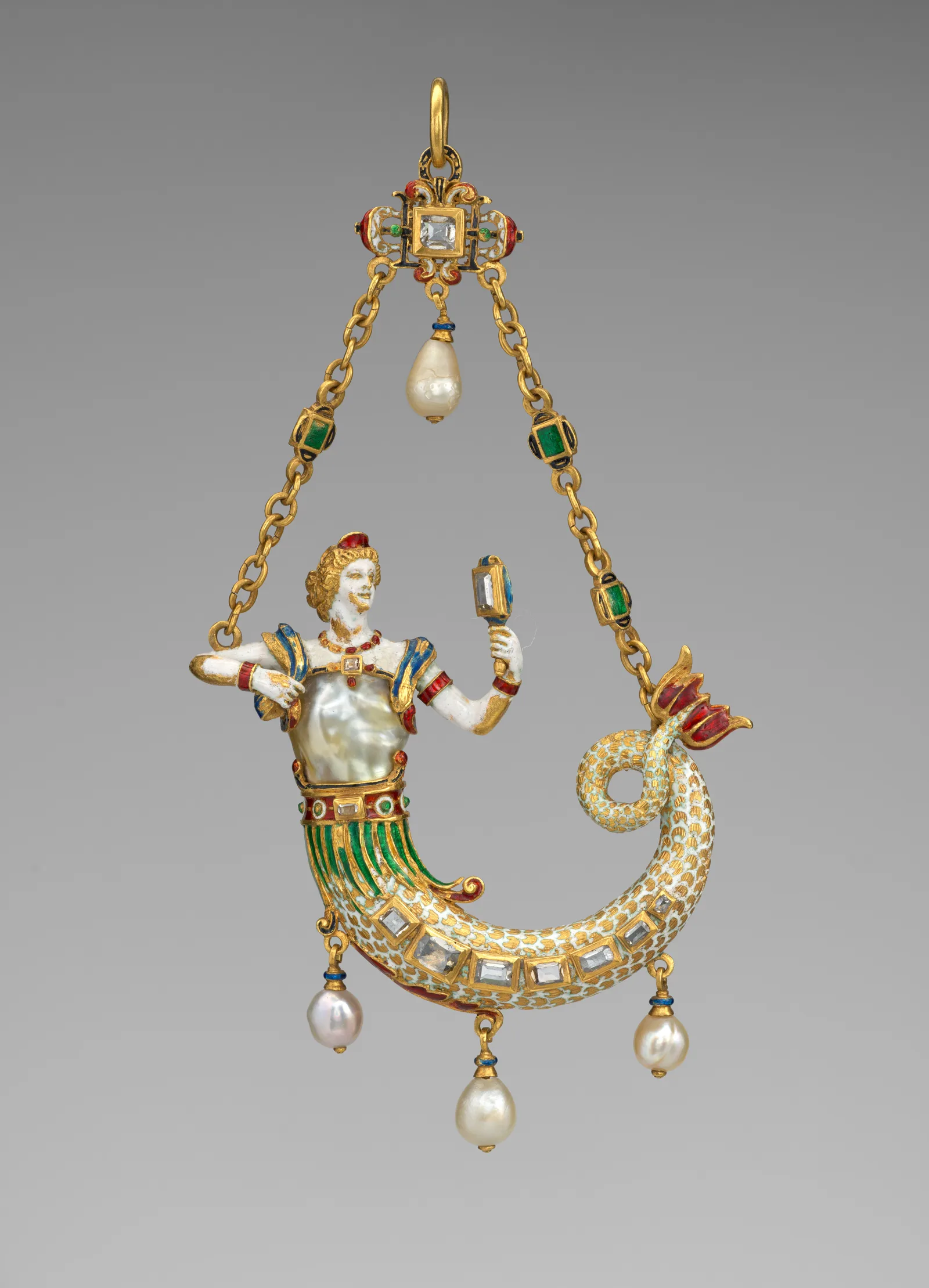
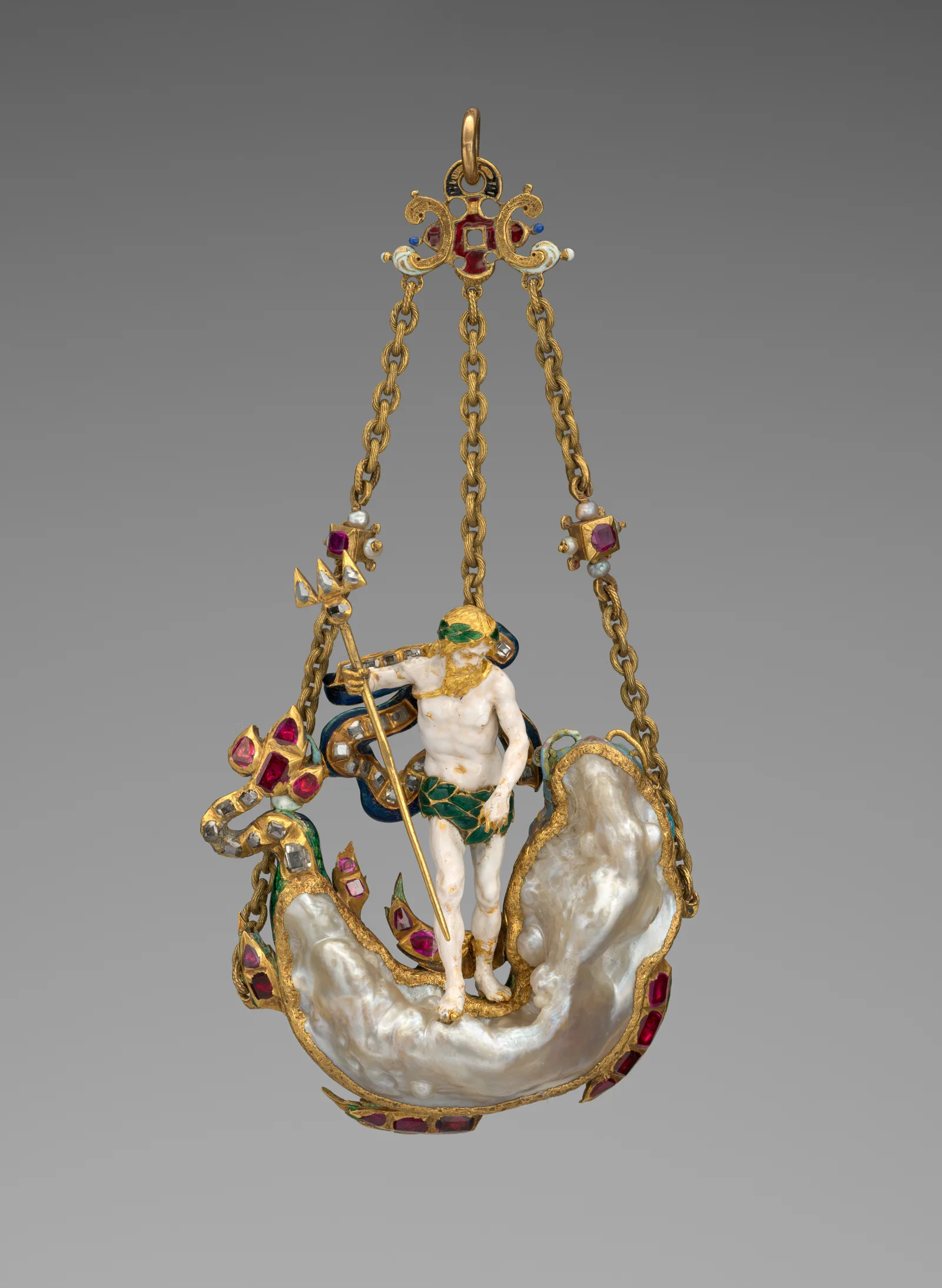
Baroque pearls are irregular in shape and no two are alike. Each one is unique, and the individuality is the whole point. Baroque pearls read as modern and artistic, and they carry the gift a long way from any suggestion of a teardrop: a wilful asymmetric shape reads as character, not sorrow. They are an excellent choice for someone with a defined personal style who finds classic strands too obvious. Renaissance jewellers thought the same, which is why the finest pendants of that era are built around a lumpy pearl that suggested a torso or a wing. Giving baroque pearls is a way of saying you noticed the recipient is not interchangeable with anyone else.
Whichever type you choose, pearls need careful handling. They are among the most delicate things in any jewellery box, and care determines directly whether the gift lasts fifty years or goes dull in three.
CAPAORA mini knife pendant
The 18th-century Spanish navaja in miniature: 40 mm of stainless steel, a real folding mechanism and a Palanquilla lock that clicks. An affordable gift to remember.
Authentic · Ships from Spain · 14-day returns
Pearl Care in Brief
Pearls are more temperamental than any mineral because they are organic and soft, sitting at around two and a half on the Mohs scale, softer than a fingernail's worth of grit. Their worst enemies are acid and cosmetics: perfume, hairspray, creams, hairsprays and even sweat eat into nacre and strip the lustre. Hence the golden rule, last on and first off, after the makeup and the scent and before anything else at the end of the evening. Store them away from harder pieces so nothing scratches them, and never seal them in an airtight safe, because nacre dries out and crazes without a little ambient moisture. Wipe them with a soft cloth after wearing. Restring a strand every few years, since silk stretches and grows grubby, and always insist on knots between the pearls so a broken thread costs you one pearl rather than forty. Full instructions are in the complete pearl guide. The short version: treat pearls like skin and they will outlive their owner.
Enough myths have gathered around pearls that separating fact from invention deserves its own section. And before we get to the surprising facts, it helps to understand why the superstition has any grip on us at all, and why a gift is capable of breaking it.
The Psychology of Giving: Why the Superstition Works and How to Beat It
The superstition does not live in the pearl. It lives in the head. The mechanism is simple: the brain hunts for explanations of future misfortune and gladly grabs any ready-made bad omen on offer. Tell someone that pearls bring tears and every subsequent sadness will be filed retroactively under the necklace, while the hundreds of ordinary happy days spent wearing it register as nothing at all. This is confirmation bias doing its usual work: we remember the coincidences that confirm the fear and forget the ones that refute it. The gem itself has no opinion. Meaning is supplied entirely by the observer.
The good news is that the same mechanism runs equally well in reverse. A gift is first of all a message, and the giver sets the frame. Hand over pearls with the words "these are tears of joy" and tie them to a warm moment, and the recipient's brain will file that reading instead. Research on gift giving has shown repeatedly that an object handed over with a clear kind intention affects a person more strongly than the identical object bought for oneself, because the meaning arrives attached. The symbolic coin, the matched pair, the written note are not magic. They are ways of reassembling meaning out loud. You are not fighting the superstition. You are telling a better story over the top of it.
The practical conclusion for anyone giving pearls is: do not stay silent. Pearls handed over without comment leave the recipient alone in a room with the folklore, whereas two warm sentences at the moment of giving take the ground out from under it entirely. The person giving always outranks an old saying, because the giver is the one writing the meaning.
Facts That Surprise
The pearl is the only gem produced by a living creature. Every other precious stone is a mineral formed in the earth. A pearl grows inside a mollusc as a response to an irritant, layer of nacre on layer of nacre. Fundamentally it is a defence mechanism that turned out to be beautiful.
A perfectly round natural pearl is a freak accident. In the wild, true spheres turn up more rarely than large diamonds. That is why pearls historically cost more than most gemstones, and why cultured pearls in the twentieth century represented a genuine revolution in access rather than a mere convenience.
Cleopatra reportedly drank a pearl. To win a bet over the most extravagant dinner in history, she is said to have dissolved an enormous pearl in vinegar and swallowed it. Chemically a large pearl will not dissolve that fast, but the legend captures precisely how far the gem stood as a symbol of insane luxury.
Pearls come in almost every colour. Beyond classic white there are black Tahitian, golden South Sea, pink, lavender and peach pearls. Colour depends on the mollusc species and the water. The rare dark ones get their own breakdown in the guide to Tahitian black pearls.
Men wear pearls again. Centuries ago pearls were an attribute of male power, worn by maharajas, kings and courtiers. Charles I of England wore a large pearl drop in his left ear and went to the scaffold still wearing it. The full story is in the article on pearls for men.
The tears superstition is younger than the wedding custom. Pearls were the bridal gem for thousands of years, while the anxious version took shape only in the nineteenth century on the back of Victorian mourning. The stone of tears is a very late arrival compared with the stone of luck.
You can measure a pearl's age. The thickness of the nacre layer tells you how many years the pearl spent growing inside the shell. Thicker nacre means a more durable, more valuable pearl with a deeper glow, which is why a thin-skinned bargain strand loses its lustre so quickly.
Pearls "breathe" and prefer to be worn. Nacre absorbs a little moisture from skin, and regular wear keeps the surface glowing longer than storage does. A strand forgotten in a drawer for a decade dries out and dulls instead. This is one of the rare cases where jewellery benefits from being used rather than protected.
A pearl served as a declaration of love in ancient Rome. According to Suetonius, Julius Caesar gave a pearl of staggering value to Servilia, the mother of Brutus. For a Roman a large pearl was the ultimate love token, worth more than land and a whole estate. Giving your beloved a pearl meant placing her above any property you owned.
One pearl passed through the crowns of four states. La Peregrina, a great pear-shaped pearl fished off the coast of Panama in the sixteenth century, was given by Philip II of Spain to Mary Tudor, later adorned the Spanish and then the French court, and changed hands for nearly five centuries. Very few jewels can claim a chain of owners that long.
Mary, Queen of Scots left behind the most famous black pearls in Europe. Her collection of dark pearls was sold off after her flight to England, and the story of who ended up with them, and how they reached the English crown, occupied gossips for generations. The pearls outlasted everyone involved in the argument.
Pink pearls usually come from a snail rather than an oyster. Delicate pink conch pearls grow inside the shells of large Caribbean sea snails, resist all attempts at culturing and appear only as rare accidents with a distinctive flame-like surface pattern. That is why natural pink remains one of the scarcest gift colours in the world.
Pearls as a Gift Through History
Before the practical questions, it is worth seeing what kind of gift a pearl has been across thousands of years. Through the whole history of giving, this gem held the top rank: pearls sealed dynastic alliances, rewarded loyalty, declared love and secured daughters' futures. Long before pearls reached ordinary households, they were the currency of both love and power, and the way they were handed over says as much about the societies involved as any treaty.
Royal Gifts of Pearls
At royal courts pearls served for centuries as a diplomatic language. A great pearl or a rope of them was the gift with which kings thanked allies, placated rivals and rewarded favourites. The Spanish crown passed La Peregrina down through generations, and each new heir received it as a bequest from the last. English queens accumulated pearl strands given between generations of the ruling family and treated them as something close to state property, which is why so many of them are still identifiable in portraits three hundred years later. Elizabeth I acquired Mary, Queen of Scots' black pearls and wore them, a transaction that was itself a political statement. To give pearls in this system meant conveying the highest possible mark of favour, not merely handing over jewellery.
Pearls in the Dowry and as a Dynastic Gift
The most quietly sensible role pearls ever played in the history of giving was in the dowry. Parents gave a daughter a pearl strand that she carried into her new household, and the gift solved two problems at once: it displayed the family's means and it gave a young woman personal property that her husband could not touch. Pearls were practical for this because they divide and travel easily. A single long rope could be broken up into several pieces for several daughters, or lengthened again as fortunes improved. In aristocratic families a pearl dowry became a dynastic instrument, since a good marriage moved the gems from one great house to another and everybody knew it. Pearls therefore bound families rather than individuals, and a gifted strand carried the memory of an alliance for generations.
Ancient Rome: Pearls as the Highest Gift of Love
In Rome pearls were valued so extravagantly that they became the measure of serious devotion. A man giving his beloved pearls was announcing that he would lay an entire fortune at her feet. The Caesar and Servilia story survived precisely because the scale of the gift betrayed the depth of the feeling, and Roman gossip enjoyed the arithmetic. Wealthy Roman women collected pearl jewellery as proof that they were loved and valued, while emperors used pearls as the currency of favour. Even the severe sumptuary laws restricting who could wear them made the same point from the other direction: this was the supreme form of gift, available to very few. The pearl's wedding role descends directly from that, because giving a bride pearls meant wishing her love at the most expensive rate available.
The East: Bridal and Status Gifts in India, Persia and China
Across Asia pearls were a compulsory element of both marriage gifts and court exchange. In India pearl strands entered wedding offerings on equal footing with gold, and the Mughal emperors showered pearls on wives and courtiers alike as a demonstration of generosity and reach, with Jahangir and Shah Jahan both portrayed under several ropes at once. Persian shahs kept pearls in their treasuries and gave them as marks of favour, and a pearl earring or pendant counted as a fitting present between noble houses. In China pearls travelled to court for centuries as precious tribute from the southern provinces, and giving them upward through the hierarchy expressed respect in a way everyone understood. In all three cultures the meaning of a pearl gift was unambiguous: a wish for prosperity, a mark of esteem, and an investment in the future of the person receiving it.
Send a friend a discount code, they save on their first order.
The Pearl Anniversary and Other Occasions
Pearls have their own fixed dates, moments where they speak more precisely than any other gem. Knowing those occasions turns the choice from guesswork into something obvious, because the pearl itself tells you when it belongs.
Thirty Years Together: What the Pearl Anniversary Means
The thirtieth wedding anniversary is called the pearl anniversary, and the name was not chosen at random. Three decades together get compared to the growth of a pearl: slowly, layer by layer, out of a tiny irritating grain something smooth, whole and valuable takes shape. A marriage that has survived thirty years has been polished by time in the same way, and its small frictions have turned into a calm solidity. Tradition prescribes pearls for the date: a husband gives his wife a strand or earrings, and sometimes a couple exchanges pearl pieces. The symbolism runs directly counter to the tears superstition. A pearl anniversary celebrates endurance, not fragility. Giving pearls at thirty years means admitting out loud that the thing held, and got better looking on the way.
The Pearl as June's Birthstone and What That Adds to a Gift
The pearl is fixed to June in the Western birthstone tradition, which makes it a personal gift for everyone born at the start of summer. A birthstone is received as "mine", connected to the person by date rather than picked at random off a shelf. For a June recipient the pearl carries an extra layer: the calendar assigned it. The tradition of monthly patron stones has roots in ancient ideas about links between gems and the turning year, and the pearl was handed the brightest, longest month of them all. A gift with that hook attached looks considered instantly. Mention in the card that pearls belong to June and the object acquires an address.
Coming of Age and Graduation: The First Grown-Up Jewel
Pearls have taken up a specific place in the rituals of growing up. A fine pearl strand or a pair of studs is traditionally a young woman's first real piece of jewellery, given at eighteen or at graduation. The reason lies in the character of the gem: pearls are dressy but restrained, they decorate a young face without loading it down, and that makes them better suited to a first grown-up jewel than anything bright and hard. Behind such a gift stands a clear message: childhood is finished, adult life starts here. That is exactly why first pearls get kept for decades and eventually passed to the next daughter, because they are welded to a specific threshold. Giving pearls at the edge of adult life marks the crossing gently and with respect.
To keep the occasions in view, here is a short summary showing why pearls fit each one.
| Occasion | Why pearls fit |
|---|---|
| Thirtieth wedding anniversary | The pearl anniversary by name, a symbol of a durable marriage |
| A June birthday | The birthstone of the month, personal and clearly "hers" |
| Coming of age | The first grown-up jewel, a marker of crossing into adulthood |
| Graduation | Dressy yet restrained, right for a young face |
| A wedding | The oldest tradition of purity and blessing for a bride |
| A girl's christening | A wish for a bright road ahead, a future family heirloom |
What the Colour of a Pearl Means in a Gift
Colour shifts the meaning of a pearl gift as much as the occasion does. The same gem in white and in black speaks in completely different voices, and that is worth weighing when you match pearls to a recipient's character and age.
White: Purity and the Image of the Bride
White pearls are the classic, and they carry the entire symbolism of purity, youth and marriage. It is a white strand that brides wear, that marks christenings and coming of age ceremonies. The colour is universal and hard to get wrong: it suits a young woman and a mature one equally, and it looks right at almost any celebration. If you are hesitating over the choice, white pearls are the safest gift option, read the same way by everybody and carrying no subtext that needs explaining.
Cream and Golden: Warmth and Maturity
Cream and golden pearls are warmer than cold white and therefore settle more comfortably on a mature woman. Golden South Sea pearls are among the most expensive and status-laden pearls of all, reading as prosperity and confident taste. Cream tones flatter warm skin and look more distinguished than a blazing white, which can sometimes carry a whiff of officialdom, of uniform rather than jewellery. Pearls in these shades work beautifully as a gift to a mother, a grandmother or a partner on an anniversary, when the point is to underline dignity and warmth rather than innocence.
Tahitian Black: Mystery and Strength
Black pearls invert the whole familiar image of the gem. Dark Tahitian pearls with green, silver or aubergine overtones read as mystery, strength and character rather than bridal purity. This is an unobvious gift for a woman with a defined personal style who would find a classic white strand too predictable. Black pearls also carry the present decisively away from the tears superstition, being far too self-possessed and far too bold to suggest weeping. A detailed breakdown of this rare colour sits in the dedicated article on Tahitian black pearls.
Pink and the Softer Shades
Pink, peach and lavender pearls carry a soft, tender note. These shades work well for a young woman or as a romantic gesture, since pink is traditionally tied to affection and warmth. Natural pink conch pearls are exceptionally rare, but modern freshwater pearls come in delicate pastels that achieve much the same effect at entry-level prices. Soft colours belong wherever you want to emphasise lightness and youth rather than formal standing. Choosing the shade to suit the person and the occasion turns pearls from merely a pretty object into a precise, addressed message.
Buying it as a gift? Each one arrives ready to give.
 A branded Zevira box and a little card come with every order.













Frequently Asked Questions
Can you give pearls to a young woman? Yes. Historical and global tradition is unambiguous: pearls are a classic gift to a young woman for a coming of age, a graduation or a birthday. The tears superstition is a late and local belief, opposed by millennia of cultures that gave pearls for love and luck. If she is superstitious, close the question with a symbolic coin or a warm word at the moment of giving.
Can you give pearls to your mother? More than can. A mother is among the safest and most fitting recipients of pearls. The symbolism of maturity and standing applies perfectly, and the bridal superstition has nothing to do with her at all. A strand, earrings or a bracelet is a gift that will almost certainly get worn rather than admired once and stored.
Is it true that you should not give pearls because they bring tears? This is a superstition, not a rule. It grew out of the old water legends about the tears of goddesses and out of the Victorian mourning fashion of the nineteenth century, which put seed pearls on memorial brooches for two generations. Meanwhile in ancient Rome, Japan, India and most of the world pearls mean the exact opposite: love, luck and a happy marriage. Believing the omen is a personal choice, but there is no objective prohibition.
Can you give pearls as a wedding gift? Yes, and it is one of the oldest wedding traditions in existence. Pearls were the bridal gem for thousands of years as a sign of the bride's purity and a blessing on the marriage. If the bride is wary of the saying, paired pearls, a setting with another stone and a note wishing her tears of joy only will do the work. A borrowed family strand also covers "something old" and "something borrowed" in one move.
How do I cancel the superstition if I am still uneasy? Three methods that actually work. First, the symbolic sale, where the recipient hands the giver a small coin and the gift formally becomes a purchase. Second, choose paired pearls or pearls set with another stone to escape the image of a single falling drop. Third, and most important, say or write the wish out loud, framing the gift in terms of joy.
Should you give pearls to a man? You can, and it is a return to an old tradition rather than a novelty. For centuries pearls were a male status symbol among European and Asian nobility, and Charles I of England wore a pearl drop to his execution. Today pearls are back in menswear as cufflinks, a brooch, a ring or a modern strand. For a man who follows style, such a gift reads as nerve and taste. Details in the article on pearls for men.
Are cultured or artificial pearls an acceptable gift? Cultured pearls are real pearls: they grow inside a living shell, simply with human help, since a person placed the nucleus in the mollusc. Almost all pearls on the market today are cultured, and they are entirely legitimate. Imitations, meaning glass or plastic beads with a coating, are a different category altogether, and for a gift that carries meaning it is worth choosing genuine cultured pearls.
What if I have been given pearls and the superstition keeps nagging at me? The simplest fix is to buy the gift back after the fact: hand the giver a small coin and the object becomes a purchase. You can also wear the pearls for the first time on a genuinely happy day, tying a good memory to them from the start. And remember the essential point: the superstition holds only as long as you believe it. Half the world wears pearls as a stone of luck, and you are entitled to pick that reading.
Are pearls given for a thirtieth wedding anniversary? That is exactly the anniversary they belong to. The thirtieth is the pearl wedding, so pearls are the only strictly correct gift. A strand, earrings or a matched set on that date read as recognition of a marriage that has held for three decades. The tears superstition is worth forgetting entirely on this particular occasion, since the pearl anniversary celebrates durability rather than fragility.
Can you give black pearls? You can, and it is an expressive choice. Black Tahitian pearls signify mystery, strength and character rather than bridal purity, which makes them ideal for a woman with a defined style who finds a classic white strand too predictable. Dark pearls also take the gift decisively away from the tears association. The full breakdown is in the article on Tahitian black pearls.
Are pearls suitable for a teenage girl? Perfectly, provided you choose a delicate version. A fine strand or small studs are traditionally a young woman's first grown-up jewellery at a coming of age or a graduation. Large statement pearls are pointless on a teenager, but modest ones in white or soft shades mark growing up gently and appropriately. Such a gift often gets kept for life precisely because of the moment attached to it.
Freshwater or saltwater pearls for a gift? It depends on the occasion. Saltwater pearls are rarer and dearer, and they suit high-status events such as a wedding or a milestone anniversary, where the gift is meant as a lifetime object. Freshwater pearls cost far less and have nearly caught up on beauty, which makes them the winner for warmer occasions: a birthday, a graduation, a present for a mother or daughter. Both are real pearls. The question is only budget and the weight of the occasion.
Do pearls need to be worn to stay beautiful? They genuinely do. Nacre takes a little moisture from skin, and pearls worn regularly hold their lustre longer than pearls locked away. A strand ignored for a decade dries and dulls. Wipe them with a soft cloth after wearing, keep them away from perfume and hairspray, and have the silk restrung every few years, and the same pearls will still be working in fifty years.
Pearls in silver and gold: strands, earrings, pendants and matched pairs made for giving.
About Zevira
Zevira makes jewellery in the craft traditions of Albacete, Spain. Pearls are one of the materials we like for their character: alive, warm, carrying a history thousands of years long and not a wasted word in it. We work with the classic round shape and with baroque pearls for people who want something that exists only once.
What you will find here on this subject:
- Pearl pendants and earrings in 925 silver and gold
- Matched pairs that move the gift from superstition towards the idea of union
- Pearls combined with coloured stones for dressier occasions
- Pieces for anniversaries, coming of age celebrations and birthdays
- Personal engraving to keep the occasion attached to the object
Choosing, types and care are covered in detail in the complete pearl guide. Superstitions around gifts are a wider subject in their own right, and most of them, like the pearl one, turn out to be far younger and far more local than the traditions they interrupt.