Black Friday jewellery 2026: what to buy on 27 November and what to leave in the basket
Which? tracked 201 deals from Black Friday 2020 at six big retailers. 184 of them had been the same price or cheaper at least once in the six months before the day. A discount can be genuine, but check it. With jewellery the check is simple, and it starts a month before the shop's sale.
The short answer: is Black Friday worth it for jewellery?
A sale pays off for the shopper who arrives with a list. Everything else on that day is sold by the percentage on the label, and that percentage is pitched at somebody who decides within a minute. Jewellery suits that kind of purchase badly. A piece is small, expensive for its weight and often tied to a size, and a wrong size bought online only shows itself once the parcel is open. Then come the trip back to the post office, the wait for the refund and a fresh order, by which time the sale price may have gone.
So one rule runs through this whole article: buy what you were going to buy within the next two or three months anyway, in the metal you already wear, and either without a size or in a size you know for certain. A surprising number of pieces pass that rule, and a good share of them double as December presents.
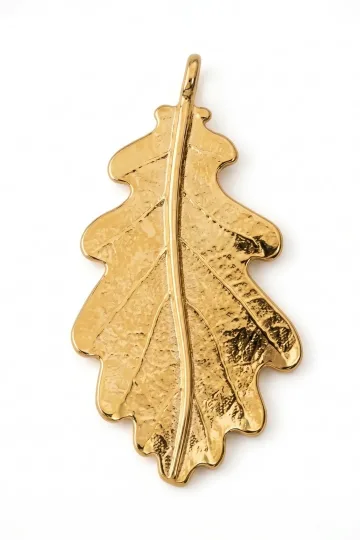
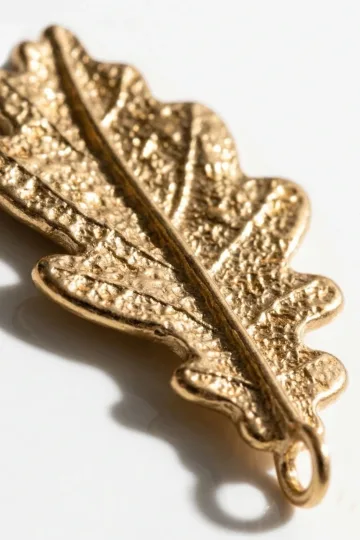
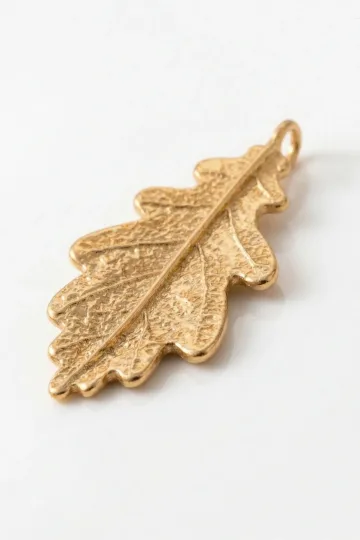
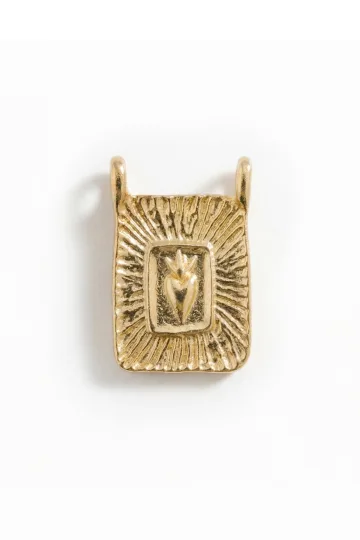
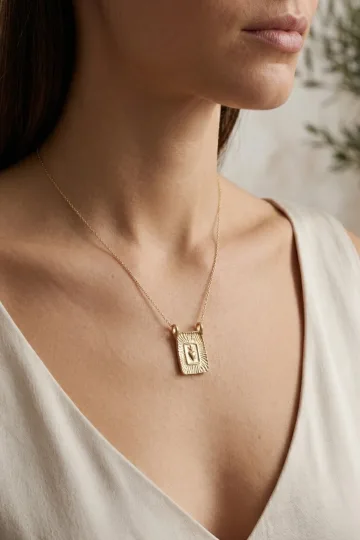
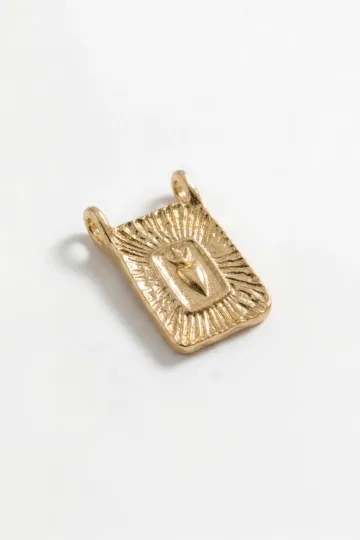
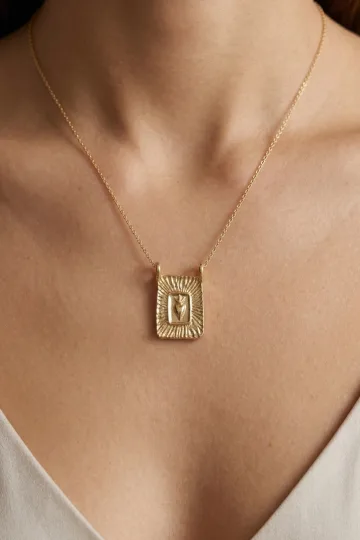
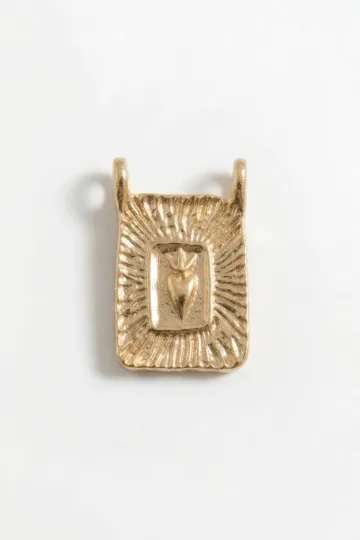
Wear the symbol, don't just read about it. These are in stock:









When is Black Friday 2026?
Black Friday is counted from American Thanksgiving, which falls on the fourth Thursday of November. In 2026 that is Thursday 26 November, so Black Friday is Friday 27 November, and Cyber Monday, the online end of the weekend, is 30 November. For an American reader this is the holiday weekend itself: turkey on Thursday, shops on Friday, then a Saturday and Sunday, so that the sale sits inside a four-day weekend, with Cyber Monday following when people are back at work.
In Britain the date is borrowed. There is no Thanksgiving holiday to anchor it, so there is no fixed start either: each shop decides for itself when its offers open and how long they run, and the only reliable source is the shop's own announcement. The practical conclusion is the same on both sides of the Atlantic. Your list should be ready at the start of the week rather than on Friday morning, because if a shop drops its prices before Friday you can decide from your list on the day the prices change.
The second practical detail is the clock. An online sale opens on the shop's time, not on yours. At the end of November London is on GMT and New York is five hours behind, so an American retailer that goes live at midnight Eastern time opens at five in the morning in Britain, and a British shop that opens at midnight is already live at seven the previous evening on the US East Coast. The start time is usually printed in the shop's email or on its banner. Check it the evening before, so you do not sit up half the night for a price that only appears after breakfast. The same five hours apply at the other end of the sale: an American offer that closes at midnight in New York is still open until five the next morning in London.
Five buys that make sense on Black Friday
The list is short, and every item on it is taken apart further down. This is only the outline.
A pendant on a chain, in the metal the wearer already has on every day.
Stud earrings, if the ears are pierced.
A plain chain, the one you keep meaning to buy and keep putting off, wherever you buy it: our catalogue has pendants and necklaces, not loose chains.
December presents, while four clear weeks remain before Christmas for the post.
A gift card for someone whose taste you cannot read.
What joins them is that none of them depends on your mood at the moment you pay, and that comes from three shared properties: each one's price (a gift card aside, which is worth its face value) can be watched for a month beforehand, each one's size is either known or irrelevant, and each will be as useful in six months as it is on the day. A purchase with those three properties survives the sale. A purchase without them is a bet on how you will feel in January.
Three buys to leave in the basket
A ring without a known size. It feels as if the discount would pay for a mistake. It does not, and the section on rings below shows why.
A piece in a metal you never wear. A gold offer tempts the person whose whole jewellery box is silver, and the other way round. The newcomer then either demands a partner in the same metal or sits alone and matches nothing you already own.
A fashionable piece with no occasion in your life. It looks wonderful in a photograph and has nothing to do on a Monday morning. A fashionable shape also dates faster than a calm one, so a year later it risks looking exactly like what it was: last season's impulse.
If in doubt, leave the piece in the basket and come back to it after twenty-four hours. Most sales run for several days, and a piece that stops feeling necessary overnight was never necessary in the first place.
How to tell if a Black Friday discount is real
Checking a discount takes a few minutes if you start early and is close to impossible if you start at noon on Friday. Everything comes down to one question: what did this piece cost on an ordinary day before the sale? The answer comes from three places: your own notes, the rules the shop is bound by, and an understanding of what the price of a piece of jewellery is made of.
Track the price yourself, starting a month ahead
The most reliable tool is free and takes a minute a week. Count back from the day your shop starts its sale, which is not necessarily 27 November: at least thirty days before its first price cut, add the pieces you want to your wish list or take a screenshot showing the price and the date. Repeat once a week, and take the last screenshot before that shop's sale begins. By then you will have a price history of your own, and no crossed-out figure can argue with it.
For jewellery the method is particularly convenient, because the piece does not go out of date. You are comparing the same object with itself from week to week. The price of a gold piece may drift a little with the gold market, and your notes will show that too, but a sharp jump in the week before the sale usually has nothing to do with the market.
If a piece went up during the month and comes back down on Friday to where it started, that is not a discount, just a return to the usual price. If it drops below anything you saw during the month, the discount is real, and it is worth taking without much further thought, because the price has been checked rather than promised.
The 30-day rule in the European Union
If you buy from a shop based in the EU, a specific rule applies. Since 28 May 2022, Directive 2019/2161 has added Article 6a to the European rules on price indication: when a shop announces a reduction, it must show the prior price, and the prior price is the lowest price it charged for that item during a period of at least thirty days before the reduction.
The point of the rule is to shut down a familiar sale trick: raise the price shortly before the discount and then bring it back down. Under the European rule, a price pushed up a few days before Black Friday cannot become the crossed-out figure, because a lower price existed within the previous thirty days.
The rule has exceptions, and they are worth knowing so that you do not argue with a shop for nothing. The directive leaves EU countries a few options. Some allow a shop running a discount in stages, say ten per cent off for a week and then thirty per cent, to use the price before the first reduction as the prior price for the second step. Countries may also treat perishable goods and goods on sale for less than thirty days in their own way. For a British or American reader this is a European rule: it protects you when the shop is in the EU and not when the shop is at home, so treat it as a reason to check, not as a guarantee.
"Was" prices in Britain and the United States
At home the principle is similar, though it is written differently. In the United States the Federal Trade Commission's Guides Against Deceptive Pricing say that a former price is a fair basis for a comparison only if it is the actual, bona fide price at which the item was openly and actively offered to the public on a regular basis, for a reasonably substantial period, in the recent regular course of business. A price put up briefly just to be crossed out does not qualify.
In Britain the Advertising Standards Authority showed in May 2026 how the principle works in practice. It upheld complaints about the Black Friday savings claims of four major UK retailers, because they could not show that the higher "was" prices had been the genuine usual selling prices. A saving that cannot be backed with the shop's own sales records is, in the regulator's eyes, simply misleading.
Neither rule gives a fixed number of days a shopper can count on, so for a British or American reader the working address is not a clause but a route. If a "was" price looks invented, keep your screenshots and report it: in the UK through the Citizens Advice consumer service, which passes cases to Trading Standards, or to the Advertising Standards Authority if the claim appeared in an advert; in the US to the Federal Trade Commission through ReportFraud.ftc.gov, whose reports go into a database shared with federal, state and local law enforcement, or to the consumer protection division of your state attorney general. The FTC itself does not resolve individual disputes: a report to it helps build cases against a business, while the refund still has to be taken up with the shop.
What you are actually paying for in a jewellery price
The price of a piece of jewellery has several parts, and a discount does not necessarily touch all of them. The first is the metal: its value is set by the market, it is the same for every seller, and it changes daily. The second is the work: casting, stone setting, polishing, plating. The third is the design and the name of the collection. The fourth is the shop's costs and its margin.
That tells you where a discount can be large and where it cannot. On a heavy piece in high-carat gold, the metal is a large part of the price, so a deep discount either eats the entire margin or means there is less gold in the piece than you think. On a light piece in silver, or with a plated finish, the metal is a small share of the price, and there the shop can cut much further without selling at a loss.
Hence a working guide. A modest discount on heavy gold looks more honest than a huge one. A huge discount on a light silver piece can be perfectly genuine, provided you checked the price before it. And a huge discount on heavy "gold" for a suspiciously small sum is a reason to read the description down to its last line.
70% off gold: what to check first
First, read what exactly is on sale. The word "gold" in the product name is not enough. The piece might be solid gold of a stated carat, it might be silver with a gold plating, or it might be brass or steel with a thin coating. All three have their own lifespan and their own honest price, and blurring them is sometimes in the seller's interest.
One of those options has a precise legal meaning. In the United States, the Federal Trade Commission's rules allow a piece to be called vermeil only if its base is sterling silver and its coating is gold of at least 10 karat (the American spelling of carat), at least 2.5 microns thick. Such a piece is a different product from ordinary gold plate, but it is still not solid gold, and it should not be priced like a solid gold piece.
Next come the fineness and the hallmark: for precious metals they are stated in the description and struck on the piece itself. How to read hallmarks from different countries is set out in our guide to hallmarks on jewellery. The difference in lifespan between a plated finish and solid metal is covered in gold plated versus solid gold, and the signs of a fake, together with how to vet the seller, have their own guide on how not to buy fake jewellery.
Seventy per cent off gold, and nothing but silver in your jewellery box? You do not switch metals for a price tag. Wardrobe first, calculator second.
What to wear your Black Friday piece with
A piece from a sale is tested by one question: will you put it on on Monday? I have collected here the questions people ask when the new piece is already sitting in the basket.
How can I tell in a minute whether a piece will fit my wardrobe? Name three things in your wardrobe it will go with, and not party clothes but things you wear every week. If three come to mind at once, the purchase will work. If you find yourself inventing an occasion, I recommend leaving the piece in the basket until the evening.
Gold or silver, if I wear both? Look at what sits closest to your face every day: your glasses frame, your earrings, the buttons on your favourite coat. I advise choosing the new piece in that same metal. The second metal is fine as a second piece, but not as the only new one.
What chain length works with winter clothes? Under a high-necked jumper a short chain is useless, because nobody sees it. For winter I choose a length that lies over the knit, at chest level, and keep the short chain for shirts and open collars.
What should I buy if I want one versatile piece? A pendant, if you own chains of two lengths to hang it on: the shorter with an open-necked shirt, the longer over a jumper. If your neck spends most of the winter under a roll neck and your ears are pierced, I advise studs instead: they show whatever the collar.
How many new pieces should I wear at once? One. A new piece should be noticed, and three new pieces at once turn you into a shop window. Wear the rest in turn over the following days; that is how you find out fastest which of them is really yours.
How do I check a piece I cannot try on? Take a ruler and measure what you already wear: the height of your pendant, the drop of your earrings. Then compare those numbers with the dimensions in the description of the new piece. A few millimetres look like nothing on a screen, but on a face it is the difference between a piece that shows and one that disappears. A photo on a model misleads more often than the figure in the description.

Turn on your camera, pick earrings, a pendant or a ring, and see the piece on yourself in real time.
Switch items in one tap.
Everything runs in your browser: no photo or video is ever uploaded.
Upload a photo of your pet, someone you love, or an object. We'll build a 3D model and hand-cast it in pewter.




Why Black Friday makes you overspend, and how to stop it
An extra purchase on Black Friday is not a sign of weak character. It is the result of several well-documented quirks of perception, and a sale page gives them plenty to work with. They are worth knowing for a plain reason: each one has a specific counter-move, described in its own subsection below.
Jewellery suits these quirks unusually well. A piece is small, looks affordable, and slips easily into a basket that already holds something else. Below are four tricks that work particularly well at a jewellery counter, followed by one tool that helps you count.
The crossed-out price as an anchor
In 1974 two psychologists ran an experiment that later made its way into the textbooks. Participants watched a wheel of numbers from 0 to 100 spin, and the wheel stopped either at 10 or at 65. The participants were then asked what share of the member states of the United Nations were African. The median answer from those who had seen 10 was 25 per cent; from those who had seen 65, it was 45. A random number with no possible bearing on the question moved the answer by twenty points.
The effect is called anchoring, and the crossed-out price on a label works in precisely this way. The first number you see becomes the reference point, and the new price is judged against it rather than on its own merits. If the first number is inflated, the discount looks enormous even when the final price is perfectly ordinary. There is one defence: judge the final price as if the crossed-out figure were not there, and ask yourself whether you would buy the piece for that money on an ordinary Tuesday in March.
Countdown timers and hidden details
In 2022 the European Commission, together with consumer authorities from 23 EU countries plus Norway and Iceland, checked 399 online shops for manipulative design. They found such practices at 148 of them. Forty-two of those shops used fake countdown timers.
Among the same 148 shops, 70 hid important information or made it harder to see, including delivery costs and what the product was made of. British regulators have since turned their attention to the same tactics. In November 2025 the Competition and Markets Authority opened investigations into eight businesses and sent advisory letters to 100 more after reviewing over 400 firms, with misleading countdown timers and hidden fees among its targets. For jewellery, the composition line matters more than anything else on the page: that is where it says whether a piece is silver, gold plate or coated steel.
Hence the practical rule. A timer on the page says nothing about when the discount will end. It only says the shop would like you to decide faster. So decide on the price, not on the clock: compare it with your own records and read the description down to the line about the metal. If there was no time to do that, the piece you missed costs you less than a piece bought blind.
The Diderot effect: one purchase pulls in the next
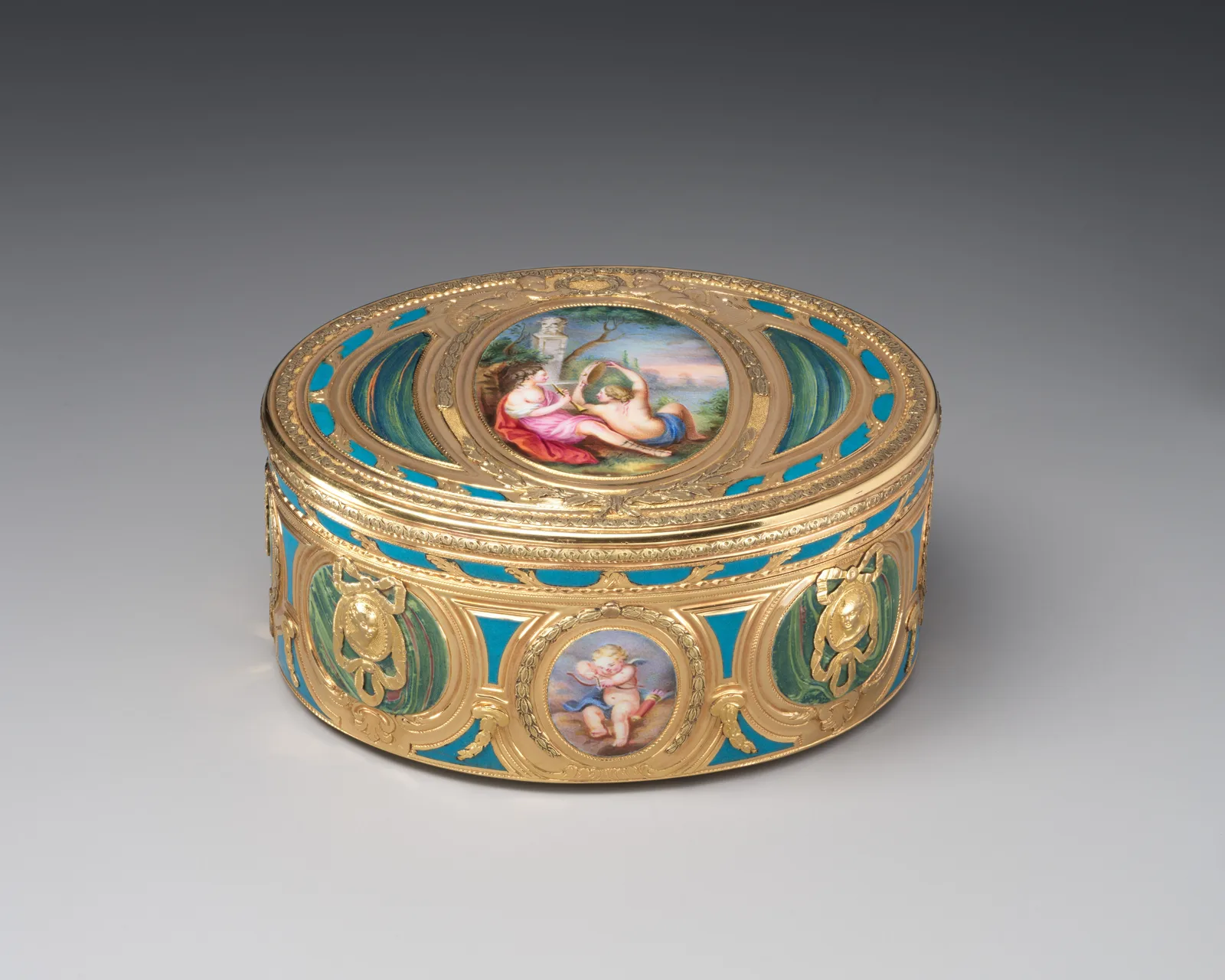
In 1769 Denis Diderot wrote a short essay, "Regrets on Parting with My Old Dressing Gown". He had been given a splendid scarlet dressing gown and at first was delighted with it. Then he noticed that beside the new gown his straw chair looked shabby, so he replaced it with an armchair covered in Moroccan leather. The desk followed the chair, the prints on the walls followed the desk, and the philosopher ended up in debt and in a study he no longer felt was his own.
More than two centuries later, in 1988, an anthropologist gave the pattern a name: the Diderot effect. One new possession sets off a chain of purchases, because everything around it suddenly looks unworthy. On Black Friday the effect has plenty of material. You buy new earrings, and your old chain beside them suddenly looks dull. You buy the chain, and now a bracelet in the same metal seems necessary.
The defence is to decide in advance where the chain of purchases stops. If the list was written before the sale, the Diderot effect runs into it and halts. If there is no list, the chain ends wherever the money on the card runs out.
Sets and "third piece free"
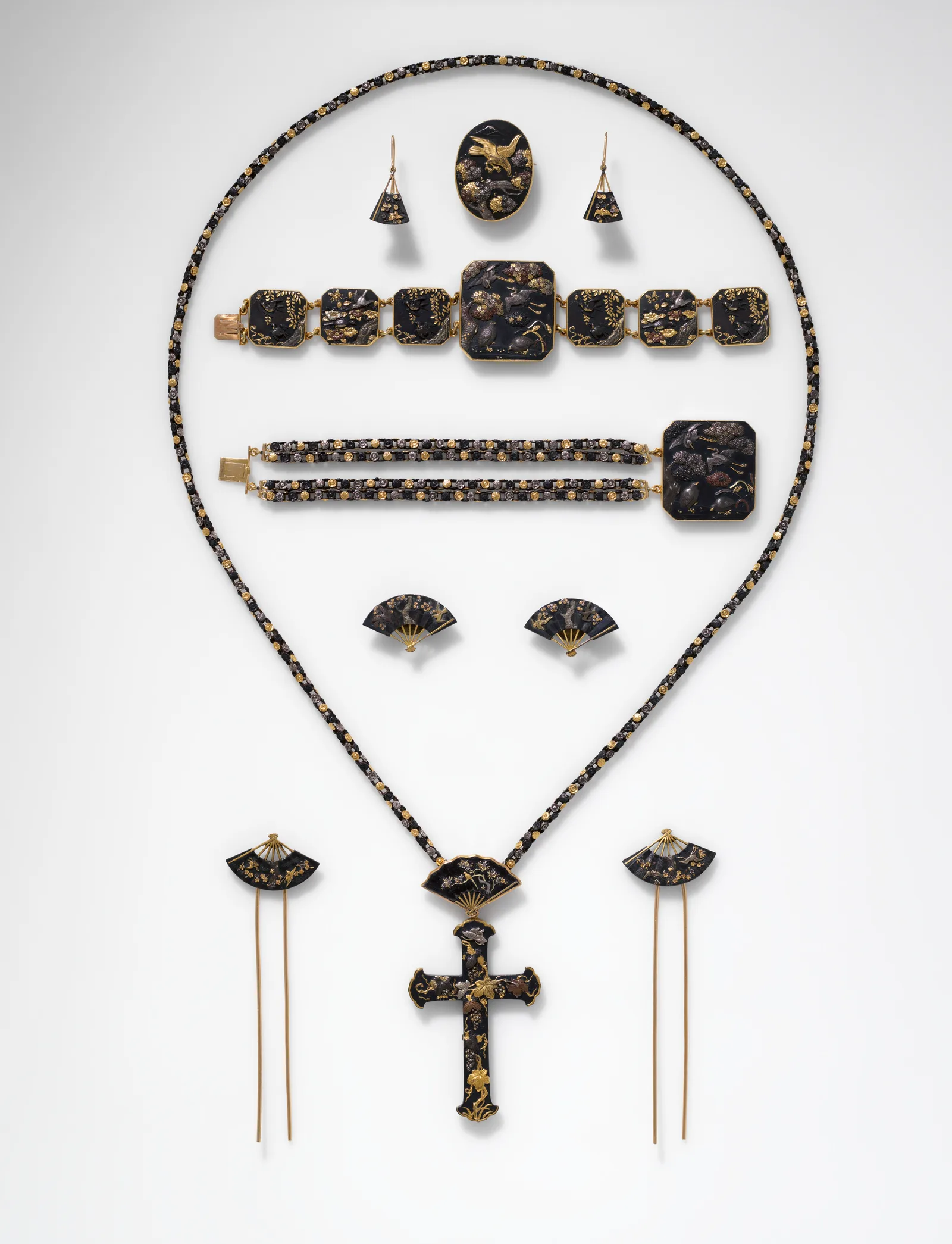
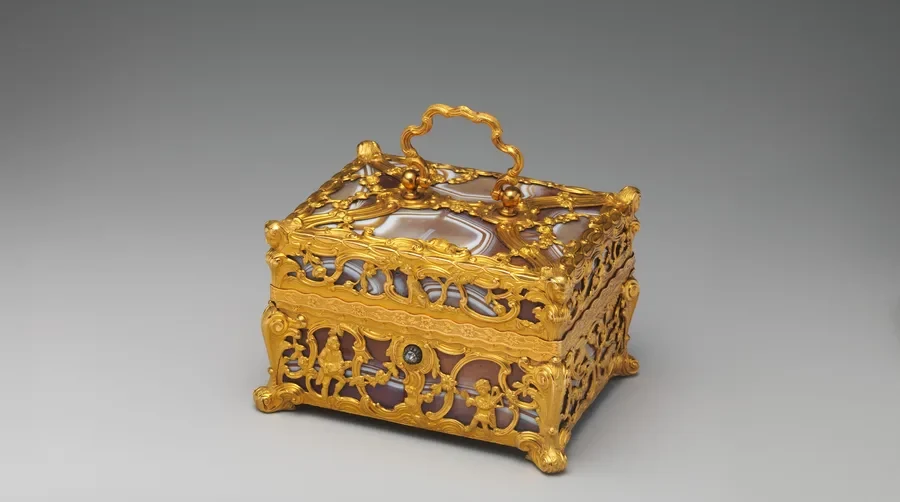
The parure in the picture, from around 1875, is a matched suite of eleven pieces in shakudo and gold, down to the hairpins and a pair of cufflinks.
A modern sale bundle is assembled for a different reason. It is put together so that the price for the set looks better than the price for one piece, and the "third piece free" exists so that you take three pieces instead of the one you came for.
The test is simple. Break the set into separate pieces and ask of each one whether you would wear it at least once a week. If only one of the three is wanted, the value of the bundle has to be measured against that single piece at its own price, not against the sum of all three. Quite often one piece bought without a discount costs less than the whole set bought with one.
Cost per wear
The soberest way to measure a bargain is to divide the price of a piece by the number of times you will wear it. A pendant worn every day for three years works out cheaper per outing than a piece bought at seventy per cent off, worn to one party and then shut in a drawer.
That arithmetic turns the logic of the sale upside down. A discount reduces the top of the fraction, while the number of wears, the bottom, does not depend on it at all. A piece you will wear is good value even at full price; a piece you will not wear is poor value at any percentage. The calculator below keeps things simple: it divides the price by every day of the period you expect to wear the piece, as if it went on every morning. For an everyday piece that is the real cost per wear. For something worn once a week, multiply the result by seven; for something kept for celebrations, multiply by the number of days between them.
The same calculator works in the opposite direction too. If a piece on your list costs more than you hoped, work out its daily cost at everyday wear. A good plain chain can come out cheaper than a cup of coffee a day, while an inexpensive party brooch, once you multiply by how rarely it leaves the box, can come out dearer than that coffee.
Customer reviews
Zevira is a real jewellery shop. Genuine payments, deliveries and customer thank-yous.
🥰🥰🥰 gracias

Ok, ¡gracias! 🙂

Which jewellery is worth buying on Black Friday: pendants, studs, chains, bracelets and rings
Different kinds of jewellery behave differently in a sale. Some forgive a hurried purchase and others punish it. The main difference between them is always the same: does the piece need a size, and how tightly is it tied to a particular wardrobe? The less of either, the more calmly you can buy it on Friday.
A pendant on a chain
A pendant is the best candidate for a sale for three reasons. It needs no size, the chain length can be matched to the neckline, and with an open collar it sits in plain view near the face. A pendant is worn every day rather than for an occasion, so its cost per wear drops quickly.
Choose it by the metal you already wear and by a shape that will not tire within a year. Simple geometry, a star, a drop or a heart last a long time; a very fashionable shape lasts a season. If the pendant is a present, check whether a chain is included in the price. Plenty of pendants are sold without one. For yourself that is rarely a problem, because a chain you already own will usually do, provided its clasp passes through the pendant's loop. For a present it matters more: either you know the person has a suitable chain, or you choose a piece sold ready on its chain, so that it can be worn straight out of the box, such as the Mini Roble necklace in 925 silver. For wearing on a chain you already own, two calm shapes sold as pendants alone: a mini star in gold plated brass and a love lock pendant.
Stud earrings
Studs come second for the same reason: no size, and almost no tie to the rest of what you wear. They go with an office shirt and an evening dress, do not quarrel with glasses or a scarf, and do not snag on a knitted collar, which matters in winter.
Check two things in the description. The first is the metal of the post, the part that passes through the earlobe: sensitive skin reacts to that part above all. A post in 925 silver or titanium is a good sign, and so is 316L surgical steel, which releases very little nickel and is tolerated by most nickel-sensitive wearers, although a strong nickel sensitivity can still react to it; a post in a cheap alloy that releases nickel onto the skin is not. If the description names only "stainless steel" without a grade and your skin is sensitive, ask the seller which steel the post is made of before you pay. Which metals are safe for that kind of reaction is covered in detail in our piece on nickel allergy and jewellery. The second is the back: it must grip firmly, because a loose butterfly is the usual way a stud goes missing. If the recipient's ears are not pierced, or you are not sure, earrings are the wrong present and a pendant takes their place.
One more detail for online orders. In Britain the Consumer Contracts Regulations allow a shop to refuse the return of sealed goods that cannot be sent back for health or hygiene reasons once they have been unsealed after delivery, and earrings are the classic jewellery example. Some shops therefore seal earrings and will not take them back if the seal is broken, so read the returns terms for earrings in particular before you pay.
A plain chain: the piece everyone postpones
A plain chain rarely makes anyone want to buy it this minute, and for that reason it gets postponed longer than any other piece. The sale solves that problem: an item you need whatever happens is exactly the thing worth waiting for November to buy.
Choose by length and by link. A short chain of around 40 to 45 centimetres, roughly 16 to 18 inches, sits at the base of the neck and works with an open collar; a long one drops onto the chest and goes over a jumper. A fine link is delicate but copes badly with a heavy pendant; a denser one carries it without complaint. If the chain is being bought for a particular pendant, check that the pendant's loop fits over the chain's clasp. It is a small detail, and it is sometimes the reason a pair never comes together at all.
Bracelets: only if you know the wrist size
A bracelet sits on the border. Chain bracelets with an adjustable length forgive not knowing the size; rigid bangles and bracelets with no spare length do not. A small difference in circumference turns a comfortable piece into one that pinches the wrist or slides off over the hand.
A bracelet for yourself can be bought with confidence: you can measure your own wrist in a minute with a piece of string, adding a little slack so the bracelet does not pinch. As a present, buy only an adjustable one or one whose size you know for certain. Look at the clasp separately as well: a bracelet is fastened with one free hand, and the type of catch decides whether you will be able to put it on without help. If the description does not mention the clasp, or it cannot be seen in the photographs, ask the seller before you pay.
Rings: only if you know the size
A ring is the riskiest sale purchase of all. Finger size is not fixed: in warmth a finger swells, in cold it shrinks, and it changes a little over the course of a day as well. So even your own size should be measured rather than remembered, and somebody else's is little more than a guess without a measurement. British sizes run in letters and American ones in numbers, which adds a conversion step to every order placed across the Atlantic.
The discount does not cover a mistake in size, for two reasons. If the ring goes to a jeweller to be made larger or smaller, the work can cost more than the sale saved, and a ring with stones set all the way round or a pattern running along the whole band cannot always be resized without spoiling it. A return is not free either. Under the UK Consumer Contracts Regulations the buyer bears the direct cost of sending goods back unless the shop has agreed to pay it, the rule in the EU is the same, and in the United States returns depend on the shop's own policy.
A ring on Black Friday makes sense in only two cases: you know the size, measured recently, or the ring is adjustable with an open band. In every other case it is better left until a quieter time when it can be tried on. If the present was meant to be a ring and the size is unknown, the sensible Friday purchase is a pendant or earrings, and the ring can be chosen later together with the person who will wear it, once it can go on the actual finger.
Silver, gold plated or stainless steel: reading the product description
The description of the material decides how long a piece will last, and in a sale it is the part read least often. 925 silver darkens over time, but the tarnish comes off with cleaning. The lifespan of gold plating depends on the thickness of the layer, and that figure in the description matters more than the word "plated" itself. Stainless steel hardly darkens and does not mind water; if the steel is gold or black in colour, though, that colour comes from a coating, and a coating wears away where it rubs.
The practical rule follows from that. For an everyday piece, choose what will survive water, friction and your habits: if you do not take your jewellery off in the shower, a coating will wear faster. For a piece kept for going out, a coating is perfectly fine. How to tell real silver from silver plate and what the 925 stamp means is explained in how to tell if silver is real. And if the description does not name the metal at all, that is not an oversight by the seller. It is the answer to your question.








Is gold jewellery a good buy on Black Friday? A lesson from a Roman necklace
Gold in a piece of jewellery plays two roles at once: it is a metal with a market price, and it is a thing worn for its looks. A Black Friday shopper remembers the first role, which is why a discount on gold feels like a better deal than a discount on anything else. Both roles can be seen quite literally in one ancient object, and a simple rule for 27 November follows from it.
Coins on a chain
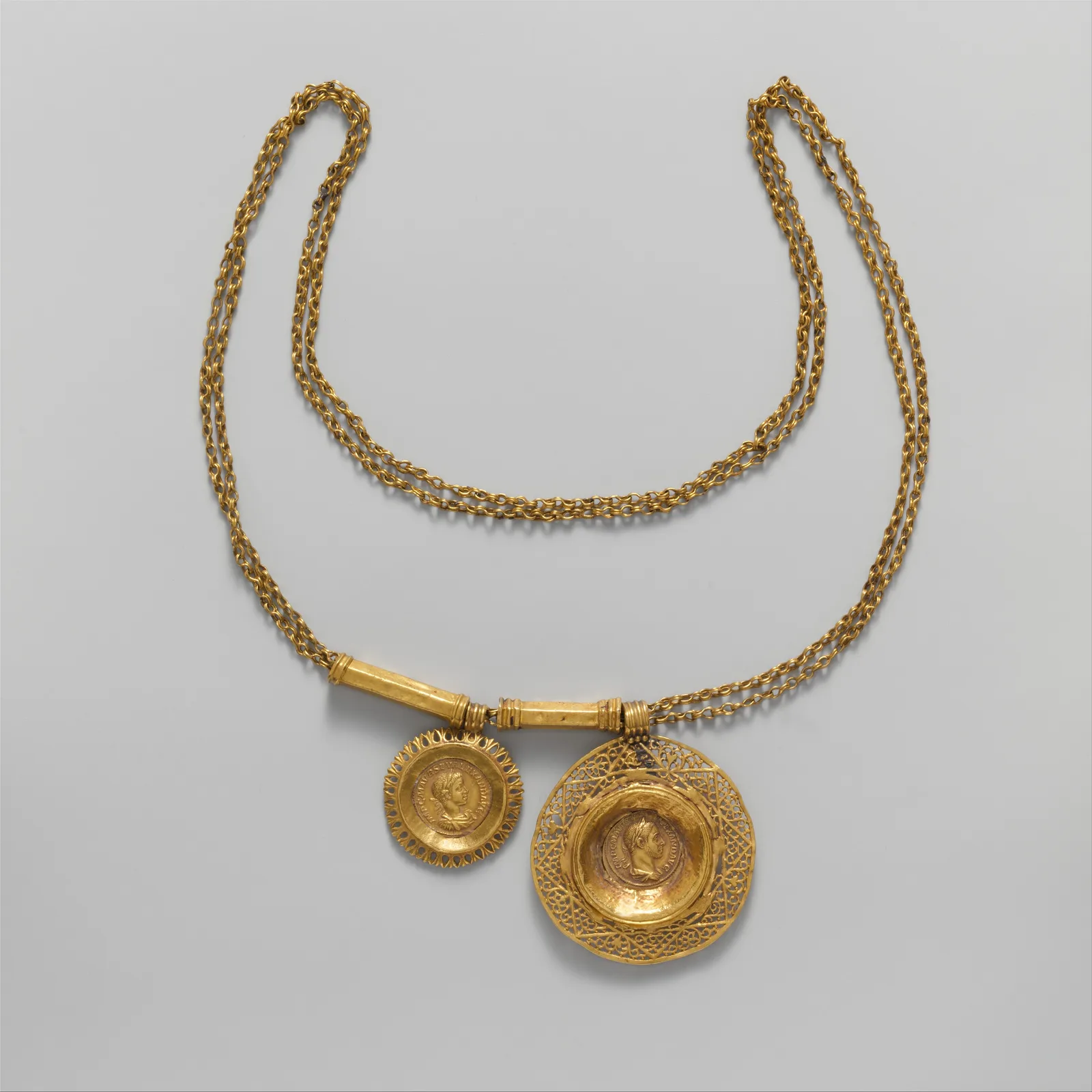
The necklace in the picture is Roman, from the third century AD, and belongs to the Metropolitan Museum of Art. From a double chain of figure-of-eight links hang two openwork pendants, and each holds an aureus, a gold coin of the emperor Severus Alexander, who reigned from 222 to 235. The pendants differ in size and there is a spare spacer on the chain, so the museum takes it that some pendants have been lost.
Coins in jewellery came into real fashion in exactly that century and stayed fashionable until the early seventh century. In a piece like this both roles of gold are visible at a glance: the coin was struck as money and worn as an ornament.
A modern piece is built the same way, only without the minting. Of the four parts of its price described earlier, the metal follows the market, while the work, the design and the margin are where a sale can cut, and in a sale those parts behave quite differently.
Jewellery as an investment: where the line sits
For a sale that leads to a single conclusion. If a piece ever has to be sold, the buyer will pay for the metal, and the work, the design and the margin will not come back at any discount. A discount cuts precisely the part of the price that disappears on resale anyway. So a discount makes a gold piece better value as something to wear, but it does not turn it into an investment. When a piece of jewellery genuinely holds its value, and what that depends on, is examined separately using the example of the tennis bracelet.
In practice this means that a decision to buy gold on 27 November is made exactly like the decision about anything else on the list. Will you wear it, is it in your metal, has the price been checked? If all three answers are yes, the metal inside is a pleasant extra. If not, the gold does not rescue the purchase, however persuasive the old line about gold never being a waste of money may sound.
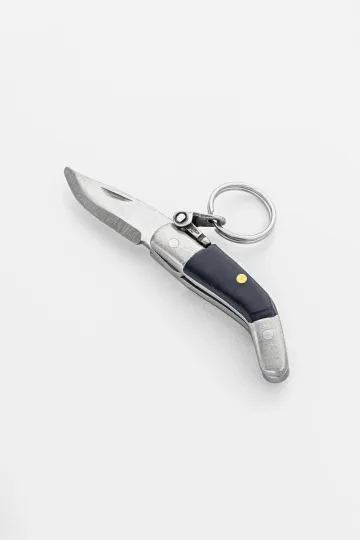
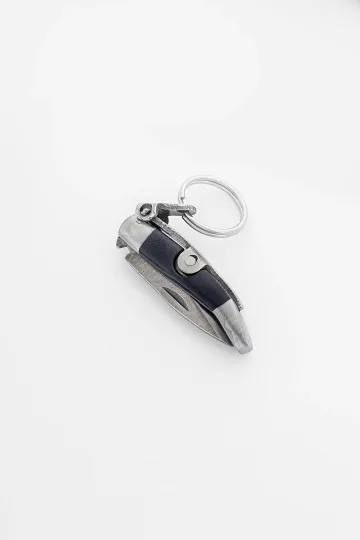
CAPAORA mini knife pendant
The 18th-century Spanish navaja in miniature: 40 mm of stainless steel, a real folding mechanism and a Palanquilla lock that clicks. An affordable gift to remember.
Authentic · Ships from Spain · 14-day returns
Christmas and Hanukkah presents: why buy them in November
Black Friday sits conveniently in the calendar: exactly four weeks before Christmas Day on 25 December, and in 2026 barely a week before Hanukkah, which begins at sundown on Friday 4 December and runs until 12 December. That makes it a good date for presents, provided you approach it as shopping from a list rather than as a hunt for percentages.
Four weeks before Christmas, one before Hanukkah
In December a present has three enemies: delivery times, queues and hurry. The closer the day, the thinner the margin for any delay, and a present ordered in the last full week before Christmas risks arriving after it if the post runs slow. Anything bought on 27 November arrives with room to spare, leaving you time to inspect the piece and, if something is wrong, to send it back within the return period. Carriers publish their last recommended posting dates for Christmas each autumn, and those dates, not your own calendar, are the real deadline.
For Hanukkah the arithmetic is tighter still. Eight nights starting on 4 December mean the first present is due a week after Black Friday, so anything ordered that weekend should come from a shop that dispatches quickly, sent to an address where somebody will be in to sign for it.
The second advantage is calm. In November there is time to think about each person on the list; in the last days before Christmas every choice is made against the clock. Write the list early: who it is for, which metal that person wears, whether you know the size. Timing, giving dates in different countries and presents by recipient are covered in a separate guide to Christmas jewellery gifts, and for every other occasion of the year there is the general jewellery gift guide by occasion.
Gift cards when you do not know their taste
If the person you are buying for wears jewellery but you do not know what kind, a gift card removes the main risk. It needs no size, no guess about the metal and no guess about style. The recipient chooses in their own time, and the present is guaranteed to fit.
In a sale the gift card has an advantage of its own: it can be bought in November and handed over in December without any worry about delivery. Before buying, check two things: how long the card is valid, and what it can be spent on. If it also covers new arrivals, the recipient can choose something that was not yet in the catalogue on the day you bought it.
Treating yourself on Black Friday
The sale is a good moment for a present to yourself, as long as it comes from the list rather than from an impulse. A handy filter: a Black Friday present to yourself is something you have wanted for more than a month and whose price you have checked. Anything you only started wanting today can wait until next week, and next week it will very probably turn out to be unnecessary.
A present to yourself deserves its own budget rule as well: it sits inside the spending limit for the whole week rather than on top of it. Otherwise it becomes the first link in the Diderot chain, after which the basket grows by itself. Choosing a piece for yourself outside the sale season is covered separately in the self-gift guide.
Leave your email, we'll send your discount code. No spam, unsubscribe anytime.
The code arrives by email, valid on your first order.
Returns: what to check before you pay
A return is the last insurance against an unwanted purchase, and in a sale its terms are read least of all. The rules depend on the country, on how you bought and on the type of piece, so open the specific shop's returns policy before you press "pay", not after the piece has failed to fit.
Buying online in the UK
In Britain, goods bought online or by phone come with a legal right to cancel under the Consumer Contracts Regulations 2013. The cancellation period ends fourteen days after the day you take physical possession of the goods, and it applies to discounted goods exactly as it does to full-price ones. Jewellery falls under it on the usual terms.
The same regulations list exceptions, and two of them touch jewellery directly. Goods made to your specification or clearly personalised are excluded, and engraving with a name or a date is the obvious case. So are sealed goods that are unsuitable for return for health or hygiene reasons once unsealed, which is why some shops seal earrings. Two further rules shape how you handle a new piece. The buyer pays the direct cost of sending goods back unless the shop has agreed to cover it, and if the value of the piece has dropped because you handled it more than was needed to establish what it is, what it is like and how it works, the shop may deduct that from the refund. So a new sale piece is tried on at home the way you would try it in a shop, and worn in earnest only once the decision is made.
Buying in a shop, or from the United States
Buying in person is a different matter. In Britain there is no legal right to return goods from a shop simply because you changed your mind; many shops allow it anyway, and once a returns policy is published it binds the shop that published it. What the law does guarantee, in a shop and online alike, is that goods are of satisfactory quality, fit for purpose and as described, under the Consumer Rights Act 2015. A discount changes nothing there, with one exception: if the shop pointed out a specific fault before the sale, such as a scratch that explains the markdown, that fault cannot later be the basis of a complaint.
In the United States no federal law gives a general right to return goods that are not defective, whether bought in a store or online; the store's own policy decides, and some states require that policy to be disclosed. For an American buyer the first address is therefore the returns page of the particular shop, read before checkout. If a shop will not honour its own published policy, a complaint can go to the consumer protection office of your state attorney general.
Buying from a shop in the EU
A British or American reader who orders from a shop inside the European Union is usually covered by European rules, but check which law the shop's terms name. Directive 2011/83/EU on consumer rights gives fourteen days to withdraw from a distance purchase without giving any reason, and it applies to reduced goods just as it does to full-price ones.
Its exceptions mirror the British ones. Article 16 excludes goods made to the consumer's specifications or clearly personalised, and sealed goods unsuitable for return for health or hygiene reasons once opened. The directive does not make keeping the packaging or the tag a condition of withdrawal, but the consumer is liable for any loss of value caused by handling beyond what was needed to check the item, and bears the direct cost of returning it unless the seller has agreed to pay. Beyond withdrawal, EU law makes the seller answerable to the buyer for at least two years for goods that do not conform to the contract, under Directive 2019/771, and a discount does not shorten that period.
Engraving: why it can wait
Engraving turns a piece into something personal and at the same time closes the door on a return. In Britain and in the EU alike, personalised goods are excluded from the right to cancel an online purchase, and a shop in the United States is free to refuse them under its own policy. In a sale, when the piece was chosen faster than usual, that is a poor combination.
The sensible order is this: buy the piece without engraving, receive it, check the metal, the clasp and the size, try it on at home, and only then take it to an engraver. If it turns out not to suit, you can return it under the general rules with no argument about personalisation. If it does suit, the engraving is not going anywhere: it can be done in December, in time for the handover. There is one exception, an engraving offered at a discount on Friday only. Even then, it is worth working out which is worth more: the discount on the engraving, or the ability to send the piece back.
How to prepare for Black Friday: a one-month plan
Everything above comes down to preparation. A sale is won not on the Friday but a month before your shop starts its sale, when the list is written, the prices are noted and the measurements are taken. Below is the order of work, week by week.
A month out: the list and the measurements
Write a list of the pieces you meant to buy over the next two or three months, for yourself and as presents. For each one, note the metal the wearer wears and the size, if one is needed. A ring size is taken from a ring the person already wears: measure its inside diameter with a ruler and read the size off a chart, British letters or American numbers depending on where you are ordering. A bracelet size is taken with a piece of string around the wrist, plus a little slack so that the bracelet does not pinch.
On a separate line, write a spending limit for the whole sale. Not one per piece, but one for everything together. That limit is the point at which the Diderot effect runs out of road.
On the same day, add every piece on the list to your wish list and take a screenshot with the price and the date. Repeat once a week, and take the last one before the shop's own sale begins, whether that is on 27 November or earlier: you will then have at least a month of your own price history, the one described in the section on checking discounts. Without it there is nothing to hold the crossed-out figure up against on the day.
One week out: prices and the basket
If the shop has not started its sale yet, take your last screenshot of prices now, before its discounts begin, and compare it with the earlier ones. Read the description of every piece to the end: metal, fineness, plating, the dimensions of a pendant or earrings, the type of clasp. If something is missing from the description, ask the seller now; on Friday there will be no time to wait for an answer.
Check the delivery and returns terms: how many days a parcel takes, the threshold for free delivery, which items the returns policy covers. If the free delivery threshold is above the total of your list, do not top the basket up with a random piece to reach it. Compare what the delivery costs with what the added piece costs, a piece you may never wear.
On the day
Start from the list, not from the shop's home page. The home page is built to show you what is not on your list. Open the pieces saved in your wish list, compare each price with your screenshots, and take the ones whose price is lower than anything you saw during the month.
If a piece on the list has not come down, do not swap it for something similar that has: that is the textbook purchase made for a percentage. Leave it until Cyber Monday, until Boxing Day and the January sales, or buy it at the ordinary price if you need it now. Anything not on the list falls under the twenty-four hour rule: into the basket, and the decision tomorrow.
When the parcel arrives
When the piece arrives, inspect it within the first few days, while the return period is still running. Compare the hallmark and the fineness with the description, open and close the clasp several times, look at the plating on the bends and on the back. Try the piece on with what you wear every day, not with party clothes.
Keep the packaging, the tag and the proof of purchase until the return period is over. If the piece is a present, open the box carefully so that after checking you can pack it again as though nobody had touched it. Keep presents in a separate box labelled with who gets what: four weeks before the holiday it is easy to forget who the second pair of earrings was for.
Why is it called Black Friday? Gold, police and a bookkeeping story
In English, "black" is the word for days of disaster: Black Monday, Black Thursday, Black Friday. When shops got hold of one of the busiest days of their year, the day came with a name previously worn by market crashes and gridlock. Philadelphia merchants once tried to rename the day, and a flattering explanation of the name appeared in print only decades after the name itself.
The story comes in three layers, and each has a date. The first is financial, the second belongs to the police, the third to advertising. For a jewellery buyer the first is the most useful, because in 1869 Black Friday was the name given in America to the day the price of gold collapsed.
The three layers are worth knowing for more than a pub quiz. Each still explains something about how the sale works. The financial layer is a reminder that no shop sets the price of metal. The police layer shows that the day was about crowds and haste from the very beginning, not about bargains. The advertising layer teaches that a flattering explanation is sometimes written after the event, and that a crossed-out "was" price on a label can be built in exactly the same way.
Friday 24 September 1869
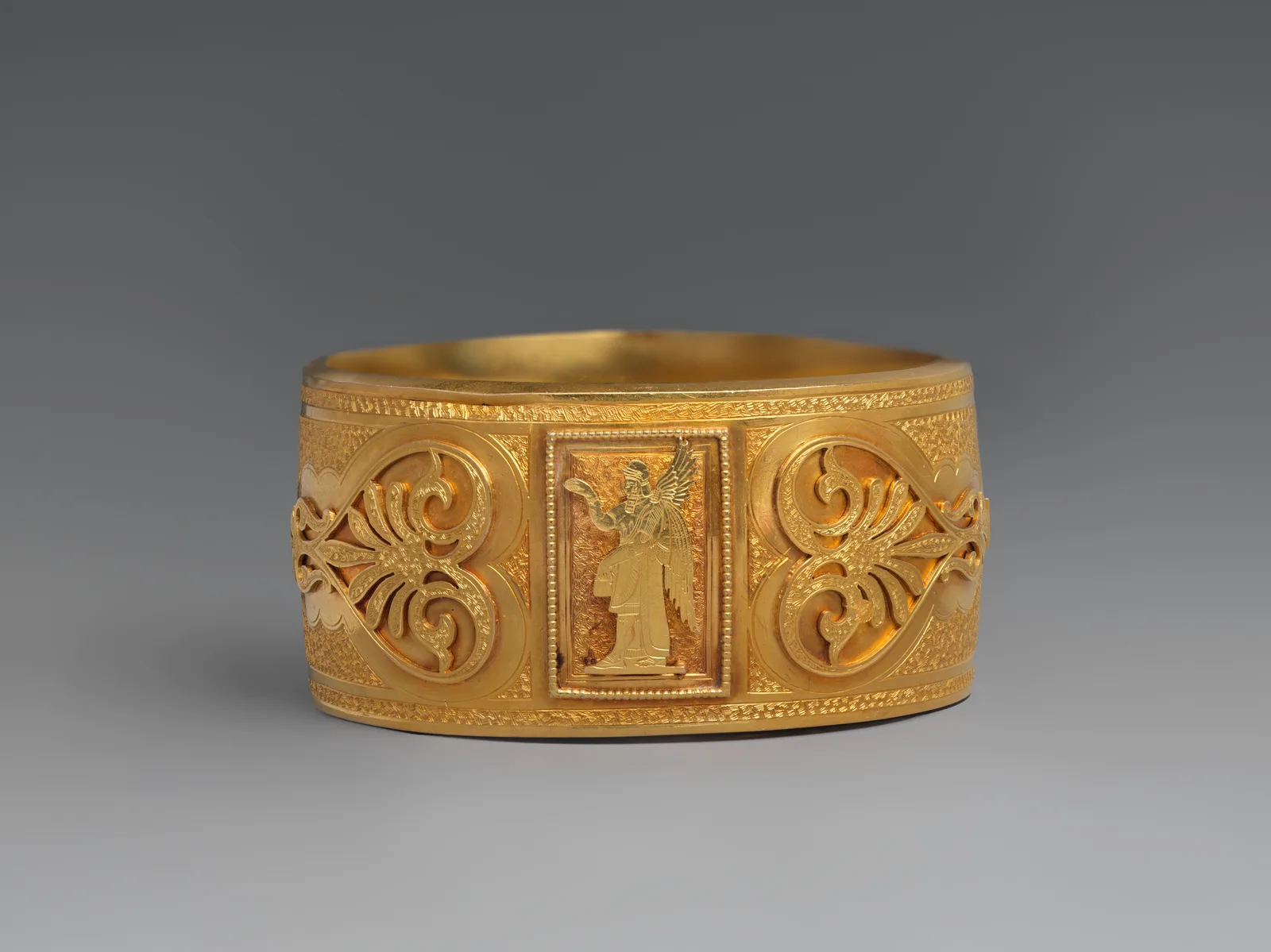
Two New York financiers, Jay Gould and James Fisk, set about buying up gold in 1869, planning to drive the price up and hold it there. The government was selling gold from the Treasury at the time, and the scheme only worked if those sales stopped. For that the pair needed somebody close to the president, and they found him in President Grant's brother-in-law, Abel Corbin.
At its peak on Friday 24 September the price of gold stood more than thirty dollars above its level on the day Grant took office. The president, realising what game he had been drawn into, ordered four million dollars' worth of Treasury gold onto the market. Before the day was out the price had fallen by roughly a fifth, and the stock market crashed along with it. That day became known as Black Friday.
The episode has nothing to do with shopping beyond the word, yet it carries a reminder for anyone buying gold on the modern Black Friday. The price of the metal can swing hard for reasons no shop controls: in 1869 it lost roughly a fifth between morning and evening. That is why the price history of a gold piece, described earlier, is read over weeks rather than against a single day, and why a sharp rise in the week before the sale deserves a second look before anyone blames it on the market.
Philadelphia in the 1950s: the police and the crowds
The second layer appeared in Philadelphia in the 1950s. On the day after Thanksgiving, shoppers from the suburbs poured into the city to start their Christmas buying, and on the Saturday the city hosted the Army-Navy football game, which drew supporters from across the country. The centre jammed solid, the shops filled up, shoplifters took advantage of the crush, and police officers had their days off cancelled and were put on extended shifts.
It was the police who gave that Friday its crowded, shopping meaning; a 1951 trade journal had already applied the phrase to that Friday for another reason. By 1961 the nickname was familiar enough in the city that local merchants tried to rebrand the day as Big Friday and the one after it as Big Saturday. The rebranding never took. The word stayed a Philadelphia word for a long while afterwards, and the rest of the country learned it noticeably later; just how much later is among the surprising facts at the end of this article.
This version already shows the feature most worth remembering today. The day was named after the crowd, not after the discounts. Crowds, traffic and hurry were its substance before any shop printed a percentage on a label, and it is the hurry, far more than the price, that still decides how much you carry home that you never planned to buy.
"In the black": the explanation that came later
The third layer is the most famous and the most recent. In this version "black" means black ink in the ledger: shops supposedly trade at a loss all year, written in red, and only on this Friday cross into profit, written in black. The story is neat, easy to grasp and flattering to retail, which is exactly why it keeps being repeated.
Its first known appearance in print is 28 November 1981, in The Philadelphia Inquirer. By then the name had lived in its police sense for more than twenty years. The bookkeeping story swapped an unpleasant truth for a pleasant one, and from the late 1980s, as the name spread across the whole country, retailers were glad to promote it.
For a shopper the lesson lies in the mechanism. If a name could acquire an explanation written by sellers to keep buyers in a good mood, a label on the same day can acquire a "was" price written for the same purpose. That is no reason to distrust every discount. It is a reason to check one the way you would check a good story: by the date it first appeared.
Franksgiving: the Thanksgiving that moved for the shops
In 1939 November had five Thursdays, and the last of them, 30 November, was Thanksgiving. For retailers that meant a short Christmas season. By long custom, shops did not start their Christmas trade before Thanksgiving, which left less than four weeks before 25 December. The country had not yet shaken off the Depression, and every week of trading counted.
Fred Lazarus Jr., head of a large department store group, persuaded President Franklin Roosevelt to bring the holiday forward, and Roosevelt moved it to 23 November. The country split over it: roughly half the states adopted the new date, the rest kept the old one. The moved holiday was mocked as Franksgiving.
The quarrel ran for three years and ended in a compromise. Late in 1941 Congress fixed the holiday on the fourth Thursday of November, a day that sometimes coincides with the last Thursday and sometimes does not. That formula still sets the date of Black Friday: the Friday after the fourth Thursday. In 2026 November starts on a Sunday, the fourth Thursday is the 26th, and Black Friday on the 27th is the last Friday of the month. It is not always so: in years when November begins on a Thursday, as it will in 2029, Black Friday lands on the second-to-last Friday.
From Cyber Monday to Boxing Day: Black Friday online and in Britain
Outside America the sale took hold late and unevenly. Britain has no Thanksgiving, so Black Friday arrived without its holiday, simply as a date in the retail calendar. For an online shop a border means little, and a date familiar from American advertising made a convenient excuse to hold a sale in places that had never had one in late November.
What arrived in Britain was a package: the Friday, the Monday after it, the crowd, and eventually the arguments about whether the prices were real. Each piece of that package landed on ground that already had customs of its own, and the subsections below separate the imported parts from the home-grown ones.
Cyber Monday
The Monday after Thanksgiving got its name in 2005. It was coined by the online retail arm of the National Retail Federation in the United States, whose people had noticed that after the long weekend Americans went back to work and carried on shopping from their office computers, where the internet connection was faster than at home. With that name the sale week gained a second fixed day.
In 2026 Cyber Monday falls on 30 November. For a jewellery buyer that gives one simple rule: Friday is not the last chance. If the piece on your list is not reduced on Friday, keep it on the list for another three days and look at it again on Monday, rather than grabbing a substitute simply because the substitute happens to carry a discount. A substitute bought for its percentage is precisely the purchase the list exists to prevent.
When Black Friday reached British shop floors
By 2014 the American sale had reached British stores together with its American habits. Shops that opened their doors at midnight saw crushes and scuffles over discounted goods, several people were arrested around the country, and some stores closed for a while to restore order. Greater Manchester Police criticised retailers in public, saying the crowds could have been predicted and that shops should have planned their security to match.
More than half a century after Philadelphia, the day made the news through its police again, and again because of the crowd. For a jewellery buyer the lesson of both cities is identical. A sale built around a deadline is designed to gather a crowd, and a crowd is where the unplanned purchase happens. Online the crush is invisible, with no elbows and no falling boxes, but the deadline does exactly the same work on the person holding the phone. The list is the only part of the day the crowd cannot touch.
Britain's other Black Friday
Britain also has a Black Friday of its own that has nothing to do with shopping. Among police officers and NHS staff it was working slang for the last Friday before Christmas, the big night of office parties and one of the busiest nights of the whole year for ambulances and the police. The same night also goes by Mad Friday, and in parts of the country by Black Eye Friday, after the fights that break out in pubs and clubs.
So a British reader meets two Black Fridays in the same season, and in 2026 they fall exactly three weeks apart: the sale on 27 November and the party night on 18 December, the last Friday before Christmas Day. One is for spending, one is for celebrating, and both were named by the people who had to clear up afterwards. The second date matters to a jewellery buyer too. If a piece is meant to be worn at the office party, it has to be in your hands before 18 December, which leaves three weeks between the two Fridays for ordering, delivery, a look at the clasp and, if needed, a return. That is one more reason to treat late November as the moment to order and the week before Christmas as the moment to wear.
Boxing Day and the January sales
Britain's own big sale day is far older than the imported one. Boxing Day, 26 December, has been a bank holiday in England, Wales and Northern Ireland since 1871, and in Scotland since 1974. The Oxford English Dictionary finds the name as early as 1743, for the day after Christmas when tradespeople and servants received a "Christmas box" of money or presents from their customers and employers. Today it is also the traditional opening of the winter sales, which run on into January.
Which of the two is cheaper cannot be known in advance: every shop spreads its reductions in its own way, and a comparison drawn from one year says little about the next. What differs is the purpose. Black Friday falls before Christmas, so it serves presents. Boxing Day falls after it, so it serves the person who received money or a gift card, or who worked out over the holiday what they actually want to wear. A piece on your own list that did not come down on 27 November can simply wait for 26 December.
Send a friend a discount code, they save on their first order.
Surprising facts about Black Friday
The earliest printed "black Friday" after Thanksgiving was about absenteeism, not shopping. The crowd meaning that stuck came from the Philadelphia police, but in 1951 a trade journal for factory managers, Factory Management and Maintenance, wrote about workers who fell conveniently "ill" on the Friday after the holiday so as to get four days off in a row.
The New York Times first mentioned Black Friday in 1975, and the story was about Philadelphia. As late as 1985, retailers in Cincinnati and Los Angeles had still not heard the expression.
Moving Thanksgiving in 1939 did nothing measurable for sales. A 1941 study by the US Department of Commerce found no noticeable increase in retail sales from Franksgiving.
China's 11 November sale grew out of a student joke. Singles' Day was invented in 1993 by students at Nanjing University: the four ones in the date stood for four single people. For sixteen years it stayed a youth celebration, until in 2009 it was turned into a day of discounts.
Black Friday has its own anti-holiday. Buy Nothing Day was started in Vancouver in 1992 and was first held in September. Since 1997 it has been held in North America on the Friday after American Thanksgiving, the very same day as the sale it protests.
A discount needs a fixed price to start from. In 1861 the Philadelphia merchant John Wanamaker opened Oak Hall, and he went on to popularise the price tag and a single price for every customer in place of haggling.
The white sale is around eighty years older than the shopping Black Friday. In January 1873 Aristide Boucicaut's Paris department store, Le Bon Marché, held a sale of white goods, meaning linen and household textiles. The "month of white" is still held in France more than a century and a half later.
Build your Black Friday list
Pendants and earrings that need no size: for yourself, and for December presents.
Buying it as a gift? Each one arrives ready to give.
 A branded Zevira box and a little card come with every order.














Frequently asked questions
When is Black Friday 2026? Friday 27 November. American Thanksgiving is the fourth Thursday of November, 26 November in 2026, and the sale falls on the next day. Cyber Monday is 30 November. There is no fixed start for the offers, especially in Britain, where there is no Thanksgiving: each shop announces its own.
Are Black Friday jewellery deals real? Some are and some are not. In the 2020 Which? check, 184 of 201 Black Friday offers had been the same price or cheaper at least once in the previous six months. Only a price history tells a genuine discount apart, so note prices once a week for at least a month before the shop's sale begins.
Is it cheaper to buy jewellery on Black Friday? Sometimes, but not automatically. Some shops do cut prices that weekend, yet a lower price than usual only exists if you know the usual price, which is why a month of your own weekly price notes, taken before the shop's sale starts, matters more than the size of the banner. With gold, one part of the price never goes on sale: the metal is priced by the market every day, so the discount comes out of the making and the margin. A very large reduction on heavy gold is a reason to read carefully what the piece is made of.
Can I return jewellery bought in a Black Friday sale? A discount does not remove your rights. Bought online in the UK, you have fourteen days from delivery to cancel, except for personalised pieces such as engraved ones and for sealed earrings once the seal is broken. Bought in a British shop, a return for a change of mind depends on the shop's policy. In the US the store's own policy decides, so read it before checkout.
What jewellery should I buy on Black Friday as a present? Anything that needs no size: a pendant on a chain, or stud earrings in the metal the person already wears, if the ears are pierced. If you do not know their taste, a gift card is the safer choice. Buy a ring or a rigid bangle only if you know the size for certain.
What is the best time of year to buy jewellery? There is no single cheapest month that holds for every shop and every year, and a claim that there is should be treated like any other "was" price. What can be said with confidence is how the calendar divides the work. Black Friday comes four weeks before Christmas, so it suits presents that have to arrive on time; Boxing Day and the January sales come afterwards, so they suit pieces for yourself. Within either window, the best time is the day a piece on your list drops below every price you have recorded for it.
Is Black Friday or Cyber Monday better for jewellery? There is no way to know in advance: each shop spreads its discounts across the days in its own way. It is more practical to treat the four days as a single sale. A piece on your list that did not come down on Friday is worth waiting for until Monday, rather than buying a similar piece simply because the similar one is reduced.
Is Black Friday or Boxing Day better for jewellery? Neither is reliably cheaper; the difference is timing. Black Friday comes before Christmas, so it suits presents that must arrive on time. Boxing Day and the January sales come after it, so they suit pieces for yourself, or spending a gift card you received.
Wear the symbol, don't just read about it. These are in stock:






Conclusion
In 1869 Black Friday was the name given in America to a gold crash; the shopping day got its name from the Philadelphia police, and the flattering bookkeeping story arrived in print only in 1981; all three layers still show. Gold still costs whatever the market decided. Crowds and hurry still decide more than percentages do. And a crossed-out price can still be a pleasant story written after the fact.
The winner in a sale is the shopper who arrives with a price history of their own and a list of things they will wear on Monday. For jewellery that means a pendant or a necklace and studs in the metal you already wear, presents for December that need no size, and a gift card wherever the taste is unknown. Everything else can wait, and a week later it will be clear whether it was worth the wait.
About Zevira
Zevira builds its jewellery around symbols and their histories: protective, maritime, solar, the ones carried on a journey. We explain where a sign comes from and what a piece is made of before offering it, because a piece chosen with understanding is worn longer than a piece chosen for the percentage on its label.