Jewellery for Doctors: What to Wear on the Ward, in the Clinic and in Theatre
Introduction: not whisky, not a fountain pen
Most clinicians take off half their jewellery before a shift. Whatever stays on lives through twelve hours with no margin for weakness: hand scrubs, latex gloves, alcohol gel by the litre. It is a workhorse, not a display piece. And yet the standard "gift for a doctor" is still a bottle of whisky or an expensive pen. That tells you one thing only: the giver did not think for a second.
What follows is what medics actually wear during a shift, what is forbidden and why, and how to choose a piece by specialty. Plus what to give a doctor so the gift does not end up in a drawer.
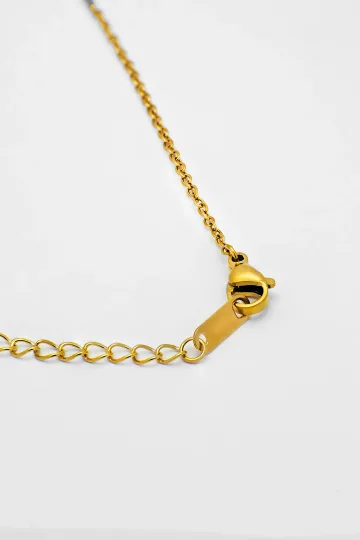
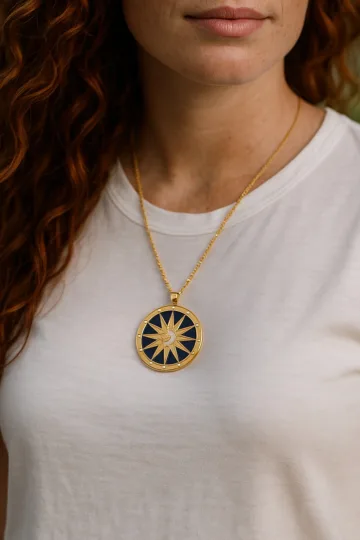
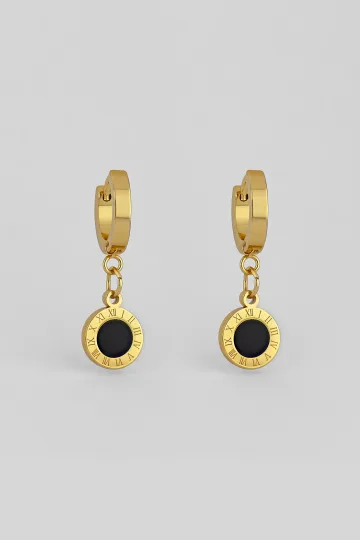
Wear the symbol, don't just read about it. These are in stock:




Official requirements: what the rules say across different countries
There are more rules about jewellery for medical staff than you would expect. They exist in several forms: international guidance, national hygiene standards, and the internal policies of individual hospitals. Get your head around them before you choose anything. Nurses and other healthcare workers navigate the same infection-control logic, covered in our jewelry for nurses guide.
CDC and the American standard
The US Centers for Disease Control and Prevention (CDC) does not publish a single document on jewellery for healthcare workers, but its hand hygiene guidance takes a clear position. Rings, bracelets and watches get in the way of effective hand decontamination and create reservoirs for micro-organisms that ordinary washing does not remove.
The key point in CDC hand hygiene guidance for healthcare settings: staff should keep the area below the wrist bare when working with high-risk patients. Jewellery in that zone gives pathogens somewhere to gather.
The Association of Surgical Technologists (AST) goes further in its formal standard: theatre staff must remove all jewellery from the hands and wrists before the surgical scrub. That covers rings, bracelets and watches, with no exception for plain wedding bands or thin chains.
NHS and the British "bare below the elbows"
The UK National Health Service introduced a policy known as "bare below the elbows". It applies to all clinical staff in patient contact. Jewellery below the elbow is, in principle, not allowed.
The single exception the NHS permits is a plain wedding band with no raised parts. Even that must come off before high-infection-risk procedures, meaning most work involving invasive lines or instruments.
Stud earrings are formally allowed in the NHS provided they do not protrude past the lobe, create no snag risk, and breach no local ward rules.
In Britain the rule is written into employment contracts and counts as a formal disciplinary requirement. A breach goes on your record.
Spain: the Ministry of Health
Spain's Ministry of Health, in its guidance on preventing healthcare-associated infections, follows the same logic: jewellery on the hands is a risk factor for transmission and should come off during patient care.
Spanish professional bodies regularly issue reminders about the bare-hands rule. In private clinics in the bigger cities, internal standards are often stricter than the official text, especially in hospitals with an international patient base. In smaller regional hospitals the everyday practice tends to be softer than the paperwork. A plain wedding band on a GP seeing patients is an ordinary sight there.
Italy and the European ECDC approach
Italian hand hygiene standards follow the guidance of the European Centre for Disease Prevention and Control (ECDC) and the WHO. The Italian medical federation publishes its own recommendations on professional appearance, where jewellery is treated as a matter of hygiene rather than aesthetics.
Italian private clinics, especially in the medical-tourism segment, pay real attention to how staff look. Here the trick is to find the balance between strict hygiene rules and a presentable appearance.
Germany: KRINKO and a strict line
In Germany hospital hygiene runs on the recommendations of the KRINKO commission at the Robert Koch Institute. Its line on hand hygiene is unambiguous: no rings, no watches, no bracelets on the hands and forearms during patient care, because they make proper hand disinfection impossible. German hospitals tend to enforce this strictly, and ward sisters take it seriously. A clean, plain look is part of how the German healthcare system understands professionalism.
Steel and a single stud under the coat. Save the gold jingle for the evening, not for leaning over a patient.
What to wear it with, on shift and off
After years of dressing medics for shoots I keep one rule: the coat does not cancel jewellery, it frames it. Here is what actually survives a shift and comes alive after it.
What goes under the coat on shift? I recommend a thin 316L steel chain with a small smooth pendant at the throat. It does not peek out when you lean over a patient, it survives the antiseptic, and it comes off in seconds. I pair it with stud earrings in a closed setting, no prongs to catch the mask. Keep the chain short, 40 to 45 cm, so everything stays under the collar.
Can a private clinic room take a bit more? A little. I add a thin plain ring to the studs, and I let the pendant show if its shape is calm. One layer, one accent. Ring stacks and layered chains I leave for a day off: during an examination they get in the way and snag.
How do I build an evening look after the shift? Once the coat is off the logic flips. I suggest playing on contrast: a larger ring, a striking pendant, two metals together. For an open neckline I choose a long chain or a pendant on an extender, for a high knit collar earrings with movement that are off-limits by day.
What suits a thesis defence or a reunion? For a status occasion I recommend a single gold piece engraved with a date instead of a scatter of small things. A signet with the rod of Asclepius or a stethoscope pendant reads as a badge of the profession where there is no coat. A gift like that gets worn for years.
Who does medical jewellery suit anyway? Anyone whose work takes away the right to self-expression eight times a day. The stricter the daytime code, the louder the evening piece speaks. Two rules: keep a separate shift set in antiseptic-proof metal so you never ruin a favourite, and wear no more than one visible accent during working hours.

Turn on your camera, pick earrings, a pendant or a ring, and see the piece on yourself in real time.
Switch items in one tap.
Everything runs in your browser: no photo or video is ever uploaded.
What is absolutely banned in theatre: the full list
This is not a matter of taste or aesthetics. It is a matter of patient and staff safety. In theatre the requirements are absolute, no "almost" and no "probably fine".
Rings of any kind, no exceptions
Micro-organisms gather under a ring, and even a thorough scrub does not solve the problem completely. A study published in Infection Control and Hospital Epidemiology found that the bacterial load under rings, after a full antiseptic wash, stays significantly higher than on the open skin right next to the ring.
This applies to pieces with stones and raised detail just as much as to plain ones. A smooth wedding band creates the same risk, hidden under a flat surface. The skin under a ring meets the antiseptic less well, dries less well after washing, and creates a warm pocket where bacteria multiply.
The second risk with rings is the glove. A ring with a stone, an engraving or sharp edges can tear a surgical glove while it is being pulled on or during the work itself. An invisible micro-puncture opens a breach in the barrier between the patient's blood and the surgeon's skin. That is a critical safety incident.
The rule, no exceptions: in the sterile field and during surgical work, no rings.
Bracelets and watches
A bracelet on the wrist makes a proper surgical scrub impossible. The scrub needs the whole area from the fingertips up to and including the elbow. Anything on the wrist or lower forearm breaks the continuity of the decontaminated layer.
Watches create the same problem. A classic mechanical watch on a metal bracelet traps moisture and micro-organisms beneath it. A smartwatch adds another risk: electromagnetic interference with theatre equipment, particularly cardiac monitors and infusion pumps.
Long chains and pendants over clothing
In theatre a long chain can touch a non-sterile surface, brush against the patient or the surgical field, or catch on equipment. Cases where a pendant dropped into the surgical field mid-procedure are described in the patient-safety literature.
A pendant that slips out from under the scrubs and touches a sterile drape is already a breach of the sterile field, with everything that follows from it.
Drop earrings and dangling earrings
An earring that hangs and moves when you turn your head can catch a mask, fall when you lean over, or end up under a surgeon's or anaesthetist's cap. In tense work that is an irritation at best and an unsafe incident at worst.
A long earring can be torn out by a patient during an emergency procedure, especially relevant with agitated or unconscious patients.
Piercings with exposed elements
Nose, brow and lip piercings, and anything that sits above the surface of the skin, create a snag risk. In theatre that is an extra hazard. Most surgical departments expect piercings to be covered or removed before the shift.
Anything that catches the glove from the inside
Sharp edges, the protruding prongs holding stones in rings, stiff bracelet clasps, hard parts of a watch mechanism, uneven surfaces of any kind, all of these risk tearing the glove as it goes on or during the work.
What is allowed in an ordinary clinic: proven minimalism
In the consulting room of a GP, a psychiatrist, an endocrinologist, a dermatologist or a neurologist, where there is no surgical field and no direct contact with open wounds, the requirements are much softer. They still exist, though, and a sensible choice of jewellery still matters.
A thin chain under the coat: the classic
This is the most universal solution for a clinician in outpatient practice. A thin chain sits under the coat, out of sight of patients, does not catch equipment, and creates no hygiene risk when cared for properly. If needed, it comes off in seconds.
Length matters. A short chain (40-45 cm) sits closer to the neck and stays under the collar. A medium one (50-55 cm) can slip out from under the coat when you bend. For wear under the coat, short or medium length is best.
The metal of a chain worn under the coat barely matters for visibility, but it matters for durability. Frequent hand washing, antiseptics, a damp environment, all of it takes a toll. Medical-grade 316L steel copes with these conditions best.
Stud earrings: the medical standard
Small studs that sit against the lobe and do not hang below it are a stable standard in the medical world. They do not catch a mask, do not brush against patients during an examination, and create no risk of snagging or being torn out.
Smooth ones, with no sharp protruding parts, are preferable. Studs with a small stone in a closed setting are also fine. A stud with prongs holding a stone is less convenient, since the prongs can catch a mask.
For wear in theatre: studs are allowed under some protocols if they stay under the cap. Some hospitals require everything off. Check the local policy.
A plain band with no stone: the borderline case
A thin, plain ring is acceptable in clinic work in most hospitals that do not enforce bare hands below the wrist. A ring with a stone, with raised ornament or with protruding parts is already debatable.
The practical test: the ring must not create pockets and ridges that trap fluid and micro-organisms. A smooth inner and outer surface is the necessary condition.
Watches
A watch has traditionally been an acceptable item in medical practice. In a consulting room with no surgical work it is allowed almost everywhere. A silicone or fabric strap is preferable to metal for hygiene: easier to disinfect. A metal bracelet is more traditional but harder to clean under the buckle and between the links.
A smartwatch is officially permitted in outpatient practice in most institutions. Some clinics restrict it over patient data confidentiality.
A pendant under the coat
A small pendant on a short or medium chain that stays under the coat is practically invisible and has no effect on the work. This is the format many experienced doctors prefer when they have a personal piece that matters to them. A lucky pendant, a keepsake, a medical sign, all of it is worn under the white coat and stays private.
The shape of the pendant matters: smooth, with no sharp protruding parts, on a chain short enough not to fall out from under the coat when you lean over.
Dress code by specialty: a detailed breakdown
There is no single jewellery code for all of medicine. The requirements differ radically by specialty, and the gap between a cardiac surgeon and a psychiatrist on the question of jewellery is enormous.
Surgeon: a zero policy in theatre
The strictest requirements in medicine. In theatre, zero jewellery. This follows from an understanding of infection risk and of working in an open sterile field.
In practice on a surgical ward: surgeons who own a wedding band or another piece that matters often keep it in a desk drawer for the whole working day, so they do not forget to remove it before an emergency operation. Another solution is the ring on a chain under the scrubs. The ring stays with you, the hands stay free.
In the office, at the morning meeting, on a ward round with no procedures, a surgeon can wear jewellery. But experienced surgeons often prefer to take it off for the whole working day, to avoid an extra step before an urgent case.
GP and general practice: the greatest freedom
Work in a consulting room, contact with patients through clothing and a stethoscope, regular hand washing. The requirements come down to common sense: nothing too long, nothing that could snag or hurt a patient during an examination.
Studs, a thin plain ring, a watch, a thin chain under the shirt or peeking out of the collar, that is the standard kit for a GP. A bracelet comes off for a direct examination, especially when taking blood pressure or palpating.
A GP in a private clinic has even more latitude: a neat piece can be part of the professional image the clinic cultivates.
Paediatrician: the functional approach
Paediatrics is its own story. Children often reach for jewellery: it is interesting, it is shiny, it can be grabbed. Long earrings, bright and heavy pendants are risky not in a hygiene sense but a physical one: an earring torn out of an ear by a frightened little patient is a real incident.
Paediatricians traditionally keep to a restrained approach. Small studs, no long pendants and no danglers. No bracelets a child could be hurt on.
At the same time, some paediatricians deliberately use jewellery as a tool for making contact. A small pendant shaped like a star, an animal, or in a bright colour draws a child's attention, creates an opening for a conversation, and lowers anxiety. That is jewellery used as a professional instrument.
Psychiatrist and psychotherapist: neutrality and presence
In psychiatry and psychotherapy the jewellery question is settled through hygiene and through psychological theory at once. A psychiatrist's jewellery is an extra stimulus in a space where extra stimuli can get in the way.
On one hand, moderate jewellery makes the doctor more human, lowers the distance that can be a barrier to making contact with a patient. A completely impersonal look creates a sense of remoteness.
On the other hand, jewellery that is too bright, unusual or moving becomes an object of fixation for some patients. A person with an anxiety disorder may fixate on the doctor's earring. A patient with paranoid symptoms may read meaning into it.
The compromise reached in practice: a thin ring, a small stud, a thin chain with no pendant under the collar. Nothing large, nothing that moves, nothing too shiny. Presence and neutrality together.
In psychoanalytic practice, some clinicians follow the principle of minimal personal disclosure: fewer personal markers in appearance means less material for the patient's transference. On that logic the jewellery comes off entirely.
Dentist: clean hands, the rest is fine
Work close to the patient's face, constant gloves, a mask, protective glasses. Jewellery on the hands is ruled out on the same grounds as for surgeons: the glove must be intact and the hands clean.
Earrings are acceptable for a dentist, but not long ones. Leaning over an open mouth, a pendant can touch the patient's face or end up in the field of view. Small studs remain the standard.
A chain under the coat collar is fine. Visible jewellery peeking out from under a mask is not the best professional look, but it is not technically forbidden.
A watch for a dentist is the surgeon's situation: off before working with a patient.
Anaesthetist: like a surgeon in theatre, freer outside it
In theatre, the same limits as for a surgeon. Between cases, anaesthetists can put their jewellery back on.
Anaesthetists and intensivists work under high chronic stress. A lucky pendant under the clothing is a psychological anchor that many choose on purpose. Jewellery as an anchor: a tactile signal that says "I exist beyond this situation".
Radiologist and imaging specialist
They work with CT, MRI and X-ray equipment. Here physics is added to the medical requirements.
The MRI zone is strictly off-limits to any metal object, jewellery included. The magnetic field of an MRI machine is measured in tesla (typically 1.5 or 3 T). A metal object in that field becomes a projectile. Cases of injury from metal objects taken into the MRI zone are documented in the medical literature.
A note on 316L steel: this alloy is non-magnetic and is barely attracted to a magnet. Pieces in 316L steel are safer in the MRI zone than ferromagnetic metals. But safer does not mean allowed: the safety standard in radiology requires every metal object to come off before entering the scanner zone.
X-ray equipment creates no magnetic field, so metal jewellery poses no physical danger to staff working with X-rays (scattered-radiation doses are minimal when protection rules are followed). But metal on the body can create artefacts on the image if it ends up in the irradiated area.
Customer reviews
Zevira is a real jewellery shop. Genuine payments, deliveries and customer thank-yous.
🥰🥰🥰 gracias
Ok, ¡gracias! 🙂
Hygiene and materials: what a clinician should know
Medical 316L steel: the best choice for the profession
This is the same material used to make surgical instruments, implants and catheters. Its key properties for medical jewellery:
Corrosion resistance: 316L steel does not tarnish or break down under chlorine-based antiseptics, alcohol solutions, or frequent washing with soap. That is exactly what makes it the optimal material for someone who decontaminates their hands several dozen times a day.
Surface: the highly polished, smooth surface of 316L steel has no micro-relief where bacteria can settle. This does not mean there will be no bacteria under a steel ring: the ring itself creates a zone of reduced antiseptic contact. But as a material, 316L steel is cleaner.
Nickel in 316L: this alloy contains nickel (around 10-14%), but as a chemically bound part of the crystal lattice, not in free form. That sharply lowers the risk of a nickel reaction compared with cheap alloys, where nickel comes out in ionic form. More on nickel allergy in a separate piece.
More on the properties of steel jewellery in our guide to steel for summer and an active life.
Sterling silver 925 in a medical setting
Silver has genuine antibacterial properties, and this is a scientific fact, not an advertising line. Silver ions suppress the growth of a wide range of bacteria by disrupting their metabolism. The silver-bearing wound dressings used in surgery work on exactly this principle.
But silver has a practical problem in a medical context: it tarnishes. Chlorine-based antiseptics, alcohol solutions and iodine all speed up the darkening of silver. A silver ring or pair of earrings worn by a healthcare worker will tarnish faster than on someone with no contact with disinfectants.
Cleaning silver in a medical environment will be needed more often than usual. With daily wear, about once a week. A special polishing cloth or a soft brush with soapy water. Never leave the piece soaking in antiseptic.
Gold in a medical context
Gold of 14- and 18-carat is chemically inert toward most antiseptics. It does not tarnish and does not react with alcohol or chlorine solutions. On chemical resistance it is the best material for a clinician's piece.
In terms of hygiene, gold is no better than steel or silver. Bacteria gather under any ring of any metal if you do not take it off to wash your hands. The metal of a ring does not solve the problem of the ring as a source of bacterial load.
A thin, plain gold ring or a small pendant on a gold chain is a long-term choice. Gold will survive years of regular contact with medical solutions without losing its looks.
Nickel and the allergy risk for healthcare workers
Healthcare workers are somewhat more prone to nickel allergy than the general population. The reason: constant contact with nickel-bearing medical equipment, instruments and implants. Latex gloves can sensitise the body to accompanying allergens.
If a clinician already has a contact allergy to nickel, jewellery from cheap alloys is a direct route to dermatitis. The hypoallergenic options: 316L steel, high-carat gold, 925 silver from trusted makers, titanium.
In ordinary contact (examination, palpation) a clinician wearing a nickel-bearing piece does not pass the allergen to the patient. The risk to the patient is minimal. The risk to the clinician is real with a poor-quality alloy.
How often to clean jewellery with medical work
Studs in daily clinical wear: wipe with an alcohol wipe or rinse in warm soapy water every three to five days.
Rings, if worn in clinic: take off and clean once a week, inspect the inner surface.
Chains: once every two to three weeks, a soft brush.
All of this is roughly twice as often as for people with no regular contact with antiseptics.
What medics actually wear
Official rules are one thing. What happens in reality is another. Sources: surveys in medical communities, threads on professional forums, articles in the medical press on professional appearance.
Surgeons: most take off all jewellery for the working shift. Some keep a wedding band on a chain under the scrubs. This habit grew organically in the surgical community and has become almost a tradition.
GPs and general practitioners: studs and a plain ring, the most common kit. A watch on a metal bracelet more often on men. A thin chain with a small pendant under the shirt or the white coat collar more often on women.
Nurses: the most varied picture of all healthcare workers. Studs on practically everyone. Some wear silicone rings instead of metal ones (practicality above all). Bracelets come off for a shift. Jewellery with medical symbols (a stethoscope, a red cross) is more visible in nursing than among doctors.
Paediatricians: non-traumatic, small pieces. Some paediatricians deliberately wear something with soft or child-familiar shapes to create a point of contact with little patients. That is a conscious professional decision.
Psychiatrists and psychotherapists: the most restrained look, for professional reasons. Minimal jewellery or none at all, especially in the psychoanalytic tradition.
Anaesthetists and intensivists: virtually no jewellery during working hours. A pendant as a personal symbol under the clothing is a common practice.
Doctors in private clinics (cosmetic, dermatological, aesthetic medicine): markedly more visible jewellery than colleagues in public institutions. The pattern is direct: the more expensive the clinic, the bigger the role appearance plays.
Upload a photo of your pet, someone you love, or an object. We'll build a 3D model and hand-cast it in pewter.



The stethoscope as jewellery: from function to symbol
A stethoscope-shaped pendant is an established genre of jewellery. It has been around since the 2000s, but its peak popularity came in the last decade, both inside the medical world and beyond it.
What it is and how it looks
A miniature stethoscope as a pendant or charm. Most often in silver, gilt or steel. Length from 1 to 3 centimetres. A recognisable shape: tubing, the diaphragm, the headset.
Some versions end in a heart instead of the diaphragm: a nod to the device's main job, listening to the heart. That pendant carries a double image: medicine and care at once.
There are also personalised versions: the owner's name engraved on the diaphragm or the headset.
Who wears it and why
First of all, medical-school graduates. The stethoscope pendant as a symbol of entering the profession, the equivalent of a signet ring with a school's crest. Often it is a graduation gift from parents, a partner or friends.
Nurses wear a stethoscope pendant more often than doctors. In nursing culture this symbol is more firmly rooted than in medicine. Nursing is a profession that has long been undervalued in status, so symbolic markers of professional identity matter especially here.
Bracelets with charms of medical symbols, a stethoscope in the company of a vial, a syringe, a red cross, the rod of Asclepius, are common among students. That is jewellery as a claim to a future profession.
Less often, but it happens, a stethoscope pendant on a practising cardiologist or GP with years of experience. Here it is no longer a symbol of entering the profession but a personal mark.
Where to wear it
A stethoscope pendant is jewellery for outside the workplace or under the coat. In theatre, when working with patients, it stays hidden or off. It is a symbol of professional identity for situations where there is no coat: after work, at a medical-school graduation, at a reunion.
Caduceus and the rod of Asclepius: which to choose
There is a distinction in medical-symbol jewellery that not everyone knows.
The rod of Asclepius: the correct symbol of medicine
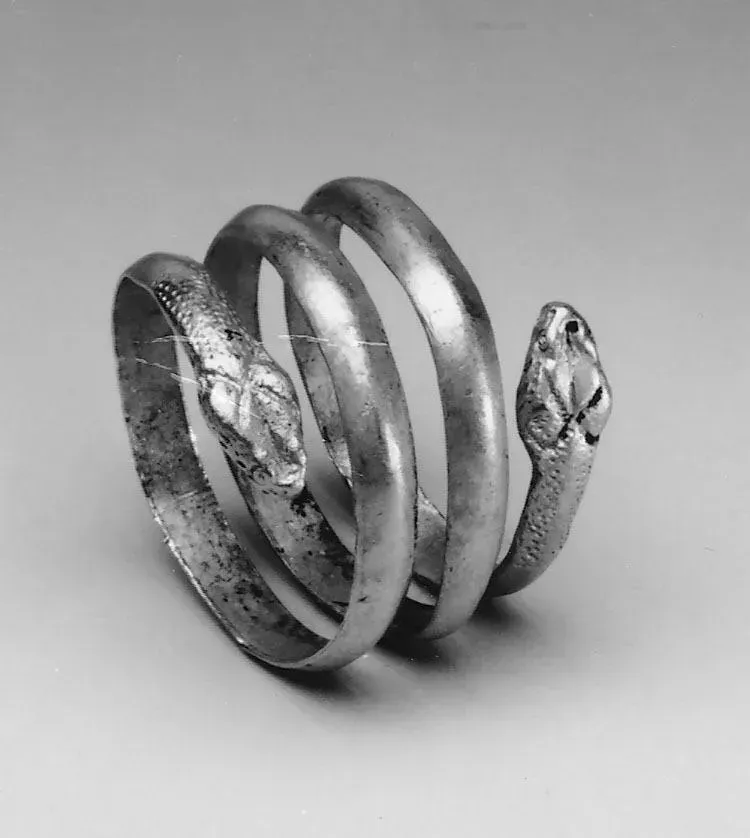
One serpent coiled around a staff with no wings. Asclepius, the Greek god of healing, son of Apollo. In myth he received from the gods the gift of healing and learned to raise the dead. His attribute, the staff with the serpent, embodies the healing power.
This symbol is used by the World Health Organization, most national medical associations, the American College of Physicians, the New England Journal of Medicine. In terms of medical symbolism, the rod of Asclepius is the symbol of medicine, of healing itself.
In jewellery: the rod of Asclepius on a signet ring, a pendant, or engraved on a bracelet reads unambiguously as a professional medical symbol among those who know the distinction.
The caduceus: commerce and confusion
Two serpents, wings at the top of the staff, the attribute of Hermes, god of trade, eloquence and travellers. It has no direct connection to medicine.
The caduceus entered American medical symbolism through an error: in the early twentieth century the US Army Medical Corps adopted the caduceus as its emblem. Since then both symbols have been used in the American context, often interchangeably.
Most commercial medical organisations in the US use the caduceus. Professional associations prefer the rod of Asclepius.
A piece with a caduceus is beautiful and recognisable as a "medical symbol" in the broad public sense. A piece with the rod of Asclepius is more precise in meaning. For a clinician who knows the difference, the choice is a considered one.
A signet ring with a medical symbol
A signet ring with the rod of Asclepius or the caduceus is a stable genre of medical jewellery. The symbol is engraved on the flat face of the ring. The tradition goes back to mediaeval medical guilds, where the signet ring was a mark of belonging to the craft.
A modern signet ring with a medical symbol is a piece for years, often for life. Material choice: silver, gold, 316L steel. The face shape: oval or rectangle, usually 8-12 mm wide. Engraving: the symbol plus, if wanted, a specialty or a date.



Jewellery as a marker inside the medical profession
There is an aspect spoken about less than hygiene and rules. A doctor's jewellery carries a function that barely exists in other professions: it lives under strict limits that make the choice of a piece a deliberate one.
Surviving residency: jewellery as a time-stamp
Specialty training runs from three to seven years depending on the field. It is a period of intense load, long on-calls, minimal personal space and postponed decisions.
When a trainee comes out of that period, a wish appears to mark it with something concrete. A piece with a medical symbol becomes a personal mark that the person came through the ordeal. Not "I am a doctor now" but "I got through it, and now I am choosing something for myself".
That moment is traditional for a first serious piece. Not because of any rule, but because there is a wish to mark a change. A ring or a pendant here works as a time-stamp, a physical object tied to a moment.
A signet ring with a specialty: tradition and the present day
In American and British medical culture there is a tradition of graduation rings. A ring with the symbol of a medical school or specialty is the equivalent of a class ring. In some institutions it is an officially organised tradition.
In many other countries no such formal tradition exists, but it lives on as a private practice. A ring engraved with a specialty, a graduation date or a university symbol is a personal decision.
A parallel with the engineering tradition: in Canada, engineering graduates receive an "iron ring" in a special ceremony. It is not jewellery in the ordinary sense but a vow of professional responsibility made material in metal. The medical analogy is clear.
A watch as a status signal in medicine
In medical culture the watch is one of the few traditionally accepted "pieces of jewellery" for male doctors. A quality classic watch is a stable code of professional status inside the medical community.
It is a practical instrument and at the same time a signal: a good watch on a doctor reads to colleagues as a position in the hierarchy. It is a quiet conversation that runs above the words. The watch also fits the dress code: it can be worn in the clinic, taken off before an operation and put back on after.
Jewellery in private clinics: the corporate context
In private clinics, how staff look is part of the institution's image. A neat, good-quality piece can be part of a corporate standard rather than a breach. Some private clinics have corporate pieces: badges with a logo, pins with the clinic's symbol.
A doctor in a private aesthetic clinic or an expensive medical centre often looks different from the same doctor in a public hospital. That is the clinic's deliberate position.
Public and private clinics: different standards
In a public hospital the internal policy is based on national hygiene regulations and departmental orders. The requirements are formal, checked at scheduled inspections, written into some staff contracts. The degree of compliance varies from one institution to another, but the formal base is hard.
In a private clinic a dress-code document is more often phrased in terms of a "neat look" and a "professional impression". Jewellery may be encouraged as part of a doctor's individual image, provided it meets hygiene rules. That is a fundamentally different approach: not "what is forbidden" but "what creates the right impression".
Medical start-ups, telemedicine services and online consultations are a different world altogether. There is no coat, no operating table, no physical contact with patients. The standards for clothing and jewellery are the same as in any other office or tech company.
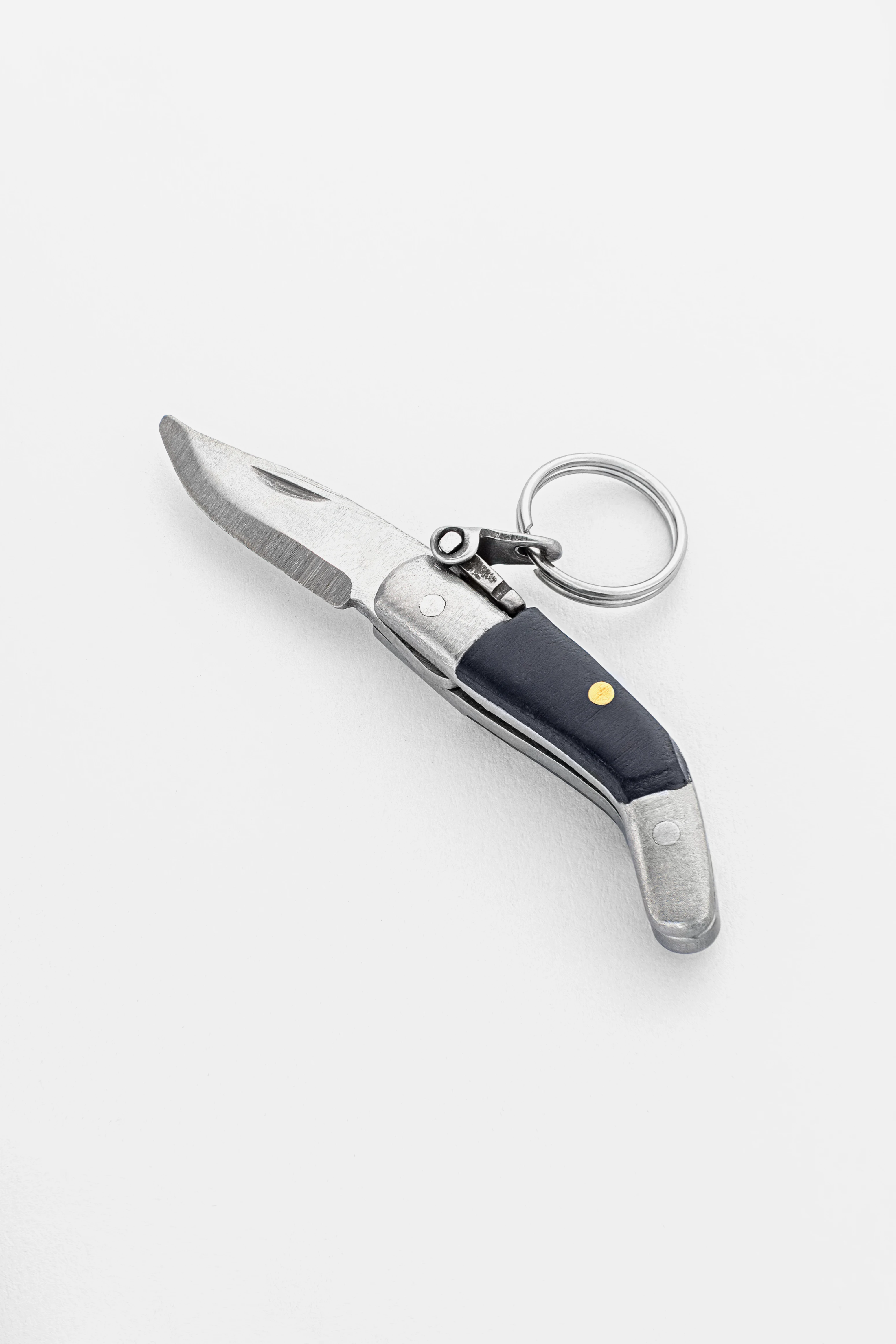
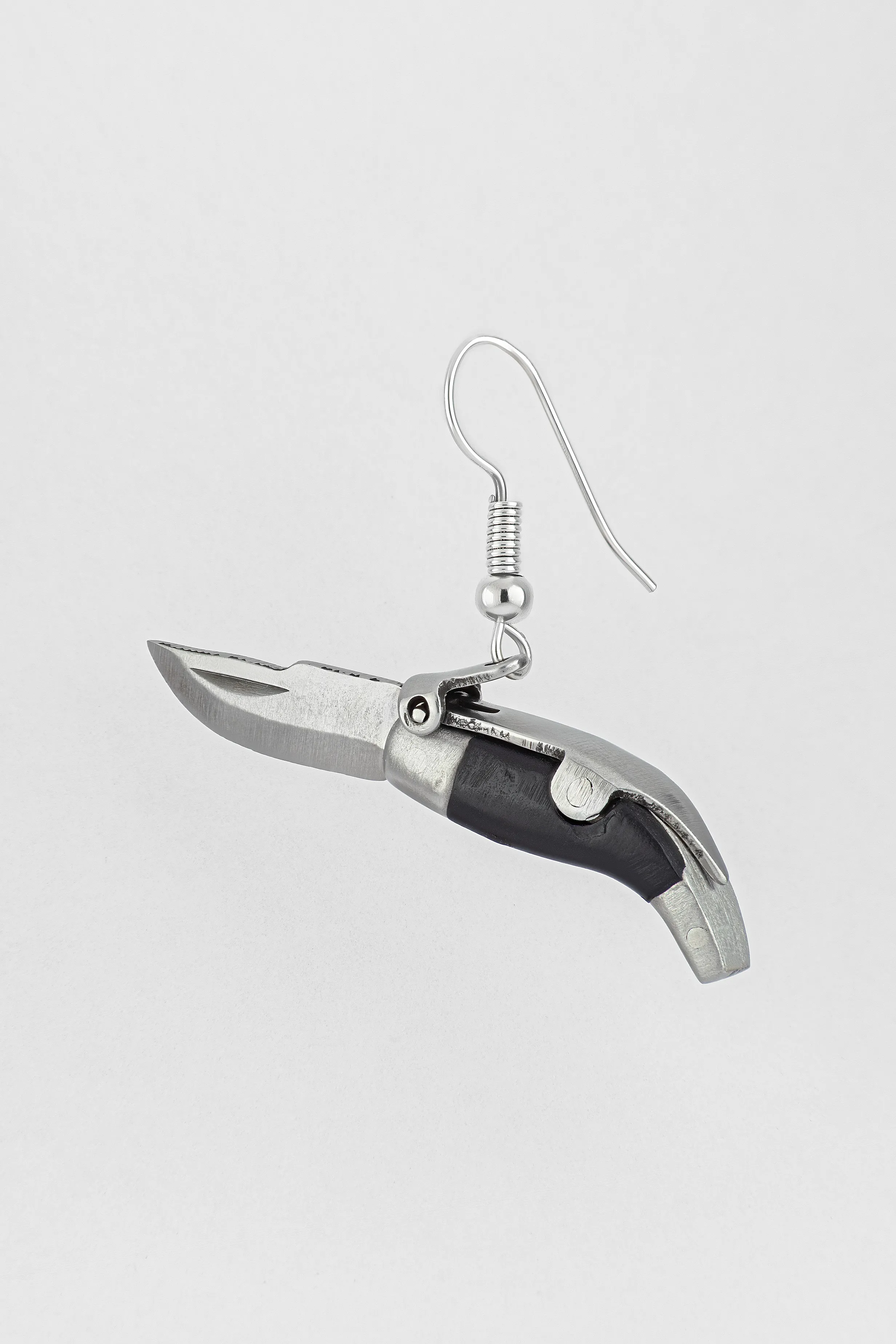
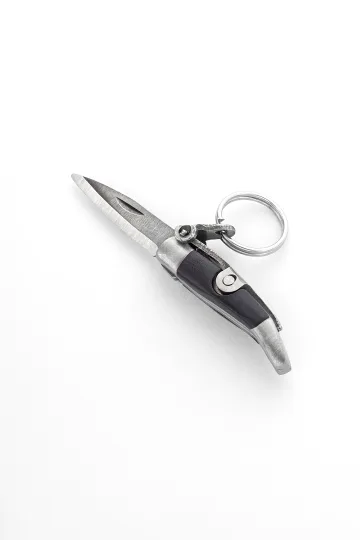
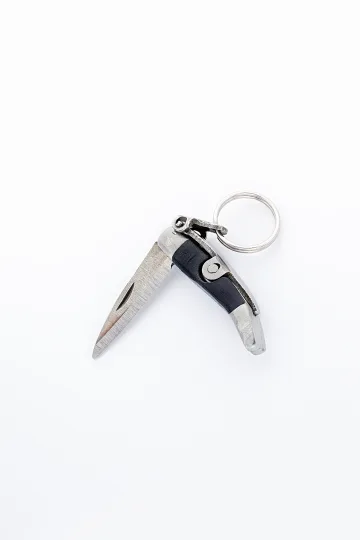
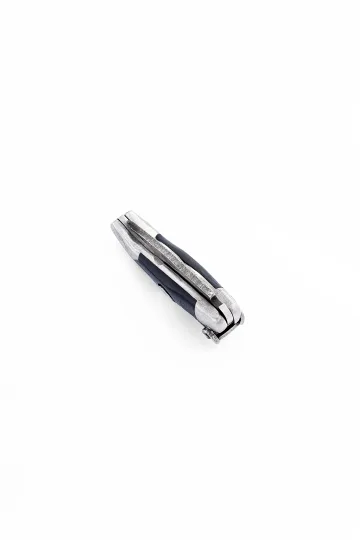
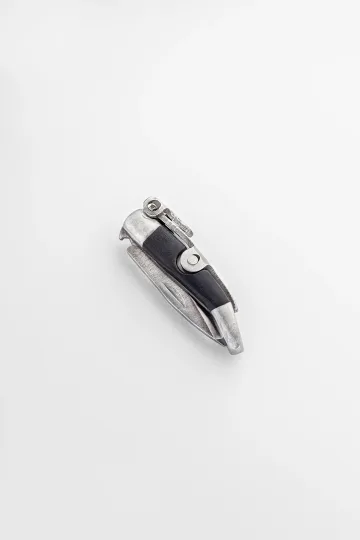
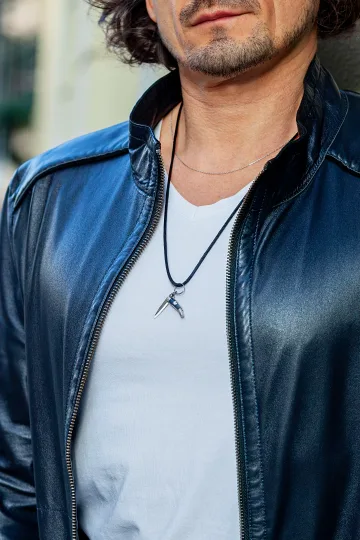
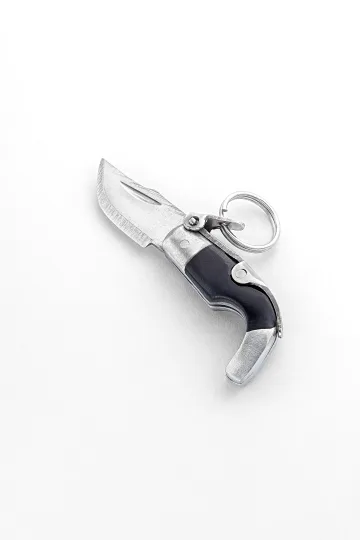
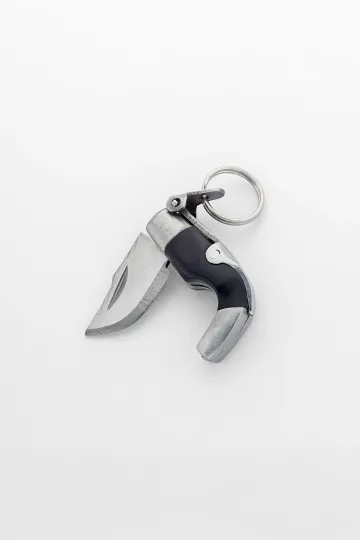
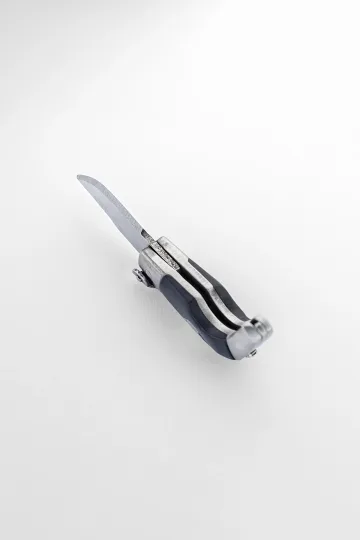
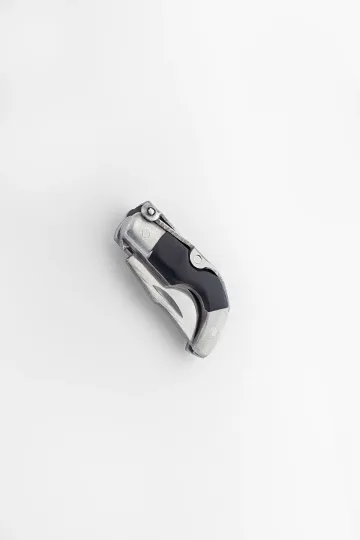
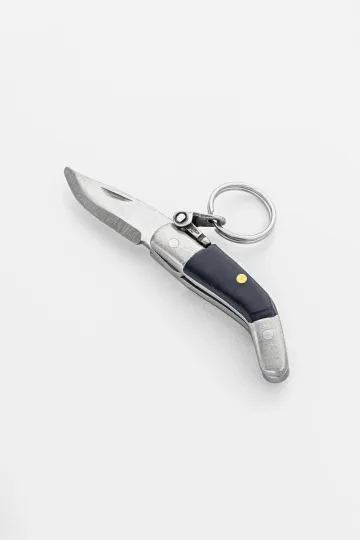
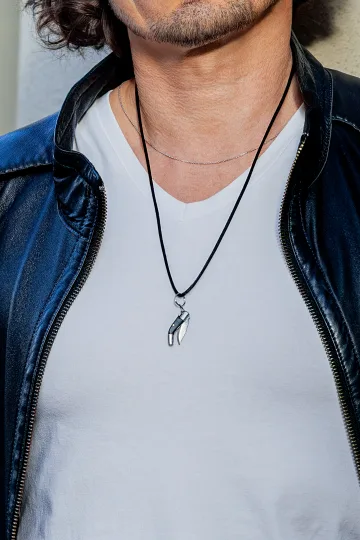
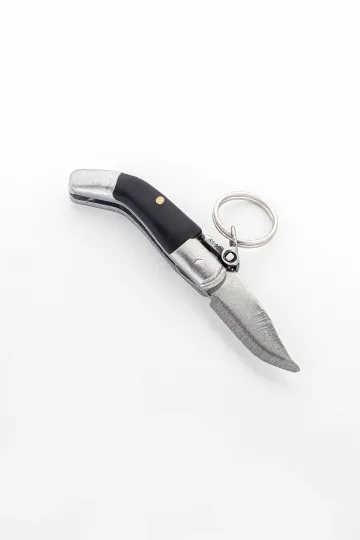
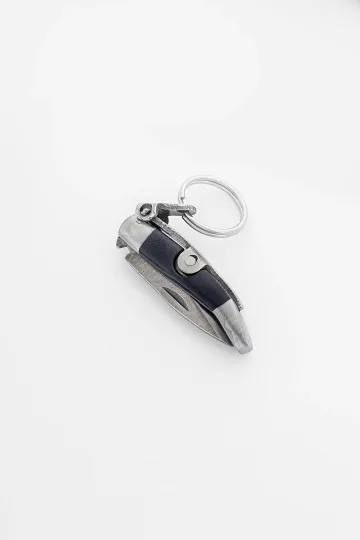
CAPAORA mini knife pendant
The 18th-century Spanish navaja in miniature: 40 mm of stainless steel, a real folding mechanism and a Palanquilla lock that clicks. An affordable gift to remember.
Authentic · Ships from Spain · 14-day returns
A gift for a doctor: when and what exactly
For finishing medical school
A medical degree is six years of study. With specialty training, eight. It is a serious occasion that calls for a fitting gift. A piece with a medical symbol is right here precisely because it carries professional meaning on top of its outward side.
What works: a pendant with the rod of Asclepius or a stethoscope on a thin chain. A signet ring engraved with a medical symbol or a specialty. A thin bracelet engraved with the graduation date.
What does not work: a piece that is "just pretty" with no link to the profession is an ordinary gift, not a gift for a medical graduation. And a piece too flashy or too awkward to wear in a clinical setting.
A full guide to graduation jewellery has a separate section on medical graduates.
For defending a doctoral thesis
A more prestigious occasion than graduation. A medical doctorate is years of clinical work plus research.
Jewellery for this event should be of a matching class. Gold is preferable to steel. A ring or pendant with the option of engraving.
Engraving: the year of the defence, the degree, the specialty. The coordinates of the institution, an unusual but memorable choice. Or a Latin phrase connected with medical ethics.
For a professional anniversary
Ten, twenty, thirty years of active practice, a date worth marking. Jewellery here stands as recognition of time spent in the profession.
It need not be a medical symbol. Personal pieces tied to a person's interests work well: a symbol meaningful to them, the engraved date practice began, something personal.
For retiring from medicine
A doctor's retirement after a long career is an occasion of a special kind. It is the end of certain limits, including in dress and jewellery. Thirty years in a white coat, thirty years of certain rules, and now that is over.
Jewellery for retirement is a symbol of freedom, not a symbol of the profession. Something beautiful and non-utilitarian that the person would have liked to wear but could not or did not dare. A contrast with the years of practicality.
A good choice: a piece in a material that needs a little more care, say silver with fine engraving, because now there will be more time for care. Or something a little more visible than the dress code allowed.
Leave your email, we'll send your discount code. No spam, unsubscribe anytime.
The code arrives by email, valid on your first order.
Engraving on medical jewellery: what makes sense
Engraving makes a piece unique and personal. In a medical context it is an especially precise choice: a ring or pendant with a particular text becomes a document.
Name and specialty. "M. Carter, paediatrician" on the inner side of a ring. Or just the specialty: "Surgeon". A minimalist option that says all it needs to.
The date the degree was awarded. The year of graduation or the full date. For the doctor it is a reminder of the starting point. For the giver it is recognition of the day's significance.
University coordinates. The geographic coordinates of the medical school in decimal degrees. Unusual, but very concrete: the exact place where it all began. This choice is gaining ground among younger doctors.
The Hippocratic Oath: a fragment in Latin. "Primum non nocere", that is, "first, do no harm". The core principle of medical ethics. On the inner side of a ring or the back of a pendant. It is jewellery text and a professional principle at once.
Other Latin formulas: "Ars longa, vita brevis" (Art is long, life is short), Hippocrates on the medical craft. "Medicus curat, natura sanat" (The doctor treats, nature heals). Brevity is mandatory here: engraving on a piece is limited by the surface size.
A medical symbol in the engraving. The rod of Asclepius or a stethoscope works both as a pendant shape and as an engraving on a ring or bracelet.
Jewellery and surgical specialties: in more detail
The subject of jewellery in surgery is richer than it looks from the official bans. The theatre ban is only the start of the conversation. Between operations, in the office, at consultations, at conferences, every surgeon has their own practice.
Cardiac surgeon
Works with an open heart, under the highest demands for sterility. Shifts are long, sometimes multi-hour operations. There is no jewellery on the hands at all during working hours. At the same time cardiac surgeons are a specialty with high professional status and often a fine sense of style outside theatre. Among cardiac surgeons quality watches are a common professional marker: an expensive timepiece taken off before an operation and put back on right after, a kind of ritual of returning from theatre mode to ordinary life.
Neurosurgeon
The same absolute requirements in theatre as for a cardiac surgeon. Neurosurgery means long, technically complex operations. Concentration and steady hands are critical. Extra items on the hands are unacceptable by definition. At the same time neurosurgeons are another specialty with a strong culture of professional self-expression through objects. A pendant with a neurological or anatomical symbol under the clothing does turn up.
Orthopaedic trauma surgeon
Works with metal implants, often uses power tools. To the standard bans is added the risk of metal swarf or fragments getting under a piece. Earrings in this specialty are removed or covered under the cap more strictly than in other surgical departments.
Obstetrician-gynaecologist
A specialty with constant shifts from a clinic examination to an emergency intervention. Obstetrician-gynaecologists quickly develop a reflex: take rings off for any procedure, put them back on in the gaps. Long earrings are especially unwanted in obstetrics: a labouring woman may unintentionally grab and tear one out.
Materials compared: a table for a quick choice
Before the table widget, here is the practical logic of the choice for healthcare workers.
Medical 316L steel versus 925 silver. Steel is more resistant to antiseptics, does not tarnish, and is easier to care for. Silver is finer in the long run in tone and has antibacterial properties, but needs more frequent polishing under medical wearing conditions.
Medical 316L steel versus gold. Gold is dearer and more chemically inert. 316L steel is more practical for daily medical wear. Gold is preferable for pieces put on after work and worn as a status object.
925 silver versus gold plating. Gold-plated pieces from a cheap alloy are the worst option for a medical environment. The plating wears off from contact with antiseptic, exposing the nickel-bearing alloy beneath. 925 silver is far more reliable.
304 stainless steel versus 316L. 304 steel is the more common and cheaper option. It contains less molybdenum, which makes it slightly less resistant to corrosion in salty and chlorine-bearing environments. For medical use, 316L is the one that matters.
Titanium. Completely hypoallergenic, lighter than steel, very strong. Barely used in mass-market jewellery, but for medical pieces for people with allergies it is the ideal option.
How to pick a piece by specialty: a practical algorithm
Choosing jewellery for a clinician comes down to three questions to answer in order.
First question: does my work include situations with theatre-level requirements? If yes, then any jewellery on the hands comes off entirely at those moments. That is not up for discussion. Then choose for the rest of the time.
Second question: how often do I make direct contact with patients in non-sterile conditions? If often, then minimalism is preferable. Studs, not danglers. A plain ring, not one with a stone. A thin chain under the clothing, not over the coat.
Third question: what is the dress code of the specific institution? A public hospital with a strict policy is one level. An expensive private clinic, another. An online consultation, a third.
The intersection of the answers to these three questions gives the concrete answer: exactly what is appropriate.
A surgeon in a public hospital: jewellery comes off for the working day, except a thin chain under the coat. Outside work, anything.
A GP in a private clinic: studs or small earrings with a stone, a thin ring, a small pendant on a visible chain if it fits the corporate style. Nothing too long.
A paediatrician in a public clinic: studs, no long pendants, no bracelets during examinations, a thin chain. Possibly a piece with a child-friendly motif as a professional contact tool.
A psychotherapist in private practice: deliberate minimalism. One or two small pieces of a neutral character.
A medical graduation: a special case for jewellery
A medical-school graduation differs from finishing any other university. Six years, the dissection room in the first year, the first on-calls, the first patients, the state exam. It is an entry into a profession with very concrete rules, responsibility and culture.
Jewellery for a medical graduation therefore works differently from a piece for an arts or engineering graduation. Here the professional meaning of the symbol matters. A stethoscope pendant, a signet ring with the rod of Asclepius, a bracelet engraved with the date, these are pieces that will be worn precisely because they are tied to a concrete professional moment.
An extra nuance: the medic has just received the degree, but specialty training lies ahead. In training the jewellery again becomes minimal for professional reasons. A piece for a medical graduation is something that will be worn in life outside the hospital throughout the training years. A small part of the personality in years when the personality is maximally subordinate to the professional role.
What is popular in medical jewellery now
Personalised pieces with a name and specialty
The most stable direction of recent years. A piece with a name and specialty is a gift that cannot be received twice, because there are never two people with the same details. A stethoscope pendant engraved with a name. A ring with initials and a graduation date. A bracelet with a Latin motto.
Personalisation works precisely because depersonalisation is part of the medical profession. The coat is the same, the gloves are the same, the procedures are standardised. A piece with a name returns the personality to a place where it is systematically erased.
Pieces with anatomical symbolism
Heart-shaped pendants are a classic. But now more specific anatomy is more popular: a heart as an anatomical drawing (left and right ventricle), a neuron, a DNA helix, a haemoglobin molecule. These are pieces for people who know exactly what is depicted, and choose for that reason.
Cardiologists choose the anatomical heart. Neurologists, a neuron or a map of neural connections. Molecular biologists, structural formulas. Such a piece speaks of a specialty to whoever can read it.
Minimalist pieces in the "medical gold" style
Thin gold chains, small smooth earrings, a ring with no stone, this style is gaining popularity precisely in the medical world. It is jewellery that fits the dress code while looking expensive and tidy. "Medical gold" as an unofficial style: nothing extra, nothing conspicuous, but high material quality.
A wedding band on a chain
A stable practice with a double meaning. Many surgeons, anaesthetists and intensivists wear a wedding band on a chain under the clothing because it is practical, and because it has become a kind of professional symbol. "I love my partner, but my work matters more than a ring on my finger right now." It is an honest ordering of priorities.
Jewellery as a corporate gift in medicine
Hospitals, medical schools and pharmaceutical companies increasingly use jewellery as a corporate gift. Not a mug with a logo, but a small silver piece with the institution's symbol. In corporate gifts this direction is gathering pace.
Send a friend a discount code, they save on their first order.
The psychology of jewellery for a doctor
Jewellery for a clinician carries a function most other professions lack: it lives under strict limits. That is exactly why the choice of a piece for a doctor becomes more deliberate than for the average jewellery buyer.
A pendant under the coat: the personal inside the impersonal
A doctor who wears a pendant under the coat wears it only for themselves. The patient does not see it. Neither do colleagues. It is a personal symbol in the strictest sense: the piece exists in a space that is normally maximally impersonal (a white coat, a uniform, a neutral room).
The pendant here plays the part of a psychological anchor. Touching it, feeling it under the hand in a coat pocket, is a tactile reminder that behind the doctor's role there is a person. For a profession with a high risk of burnout that is not trivial.
A piece with a medical symbol: a declaration outside the coat
A stethoscope pendant or a signet ring with the rod of Asclepius, put on after work, is an outward statement of identity. "I am a doctor" regardless of whether the coat is on. It is a way of wearing the profession where there is no duty to display it.
This is especially noticeable in young doctors after graduation and in the first years of practice: a period when professional identity is actively forming and looking for expression.
A first piece after residency: a time-stamp
Residency in any country is a very particular time. Several years of intense work, small money, large responsibility. When it ends, there is a wish to mark the transition.
Buying a first serious piece for oneself after residency is no accident. It is an impulse to acknowledge a change of status with something material. Jewellery as a document of a completed period.
A piece for the patient: a signal of humanity
In psychiatry, paediatrics, family medicine, where the relationship with the patient matters in itself, jewellery can be a tool. A paediatrician with a star pendant on a simple chain that a child sees: it is a point for a conversation, a lowering of anxiety through a familiar image.
An elderly patient who notices the doctor's wedding band: it is a signal that "he is the same kind of person as me, he has a family too". Small social signals that work in the therapeutic contact.
Jewellery in niche medical specialties
Beyond the main specialties, there are a few profiles where the rules and culture are especially interesting.
Oncologist
Oncology is a specialty where the doctor often follows patients for years, sometimes to the end of life. Long relationships with a patient create a special context for jewellery. Oncologists working in an outpatient setting often wear deliberately visible jewellery, not loud, but present. It is a signal of a living person across the desk, not a faceless specialist with a protocol.
Pieces with symbols of hope or life (an anchor, a ribbon, a heart) appear among oncologists more often than in other specialties.
Emergency medical services
Doctors and paramedics in emergency services work in conditions harder to predict than in a hospital. Physical activity, contact with aggressive patients, work in a moving vehicle. Jewellery for emergency services is practically zero. Studs in closed backs, nothing dangling, nothing that can snag or be torn out.
Silicone rings instead of metal are most popular precisely in the emergency world, as a compromise between "I want to wear a wedding band" and "my work is physically active and dangerous".
Rehabilitation specialist and physiotherapist
Exercises with a patient, tactile contact, support during movement, all of it creates its own limits. Rings and bracelets can scratch a patient during hands-on work. Minimalism: studs, a thin chain under the clothing.
Physiotherapists working with equipment (ultrasound, electrical stimulation) keep to the same rules as radiologists regarding metal jewellery: take it off near working equipment.
Pathologist and forensic specialist
A specialty rarely mentioned in the context of jewellery, but with its own specifics. Work with biological material requires the same rules as surgery. A fine detail: some chemical reagents used in the pathology lab (formalin, xylene, acids) attack metals aggressively. Silver and gold plating are damaged by these substances faster than 316L steel.
Closed psychiatric facilities
In facilities with psychiatrically unstable or potentially aggressive patients, jewellery is viewed through the lens of staff safety. Earrings that can be torn out are a real threat. A chain on the neck is a potential grab point. Some secure psychiatric wards have formal jewellery restrictions, similar to those in custodial settings.
The standard for staff: no long earrings, no chains over the clothing, no rings with sharp elements.
Buying it as a gift? Each one arrives ready to give.
 A branded Zevira box and a little card come with every order.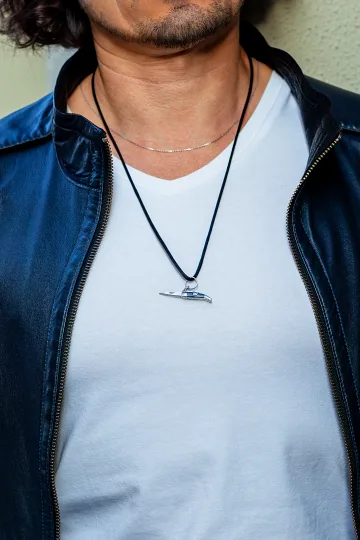





Jewellery and professional identity: an international view
Attitudes to jewellery in the medical profession vary by specialty, country and culture.
USA
In American medicine, jewellery is traditionally an acceptable part of professional appearance in clinic conditions. "Medical gold", small gold pieces, is an image associated with an experienced American doctor. The famous jewellery traditions of medical schools (class rings, crest pins) give jewellery the status of a professional ritual belonging.
Japan
In Japanese medicine, a culture of professional neutrality dominates. Jewellery on medics is minimal or absent. Personal expression through appearance is considered out of place in a context where the patient should see a professional, not a person. A wedding band is the one piece worn without question.
Scandinavia
In Scandinavian healthcare systems, where the worker has greater personal autonomy, jewellery in medicine is viewed through a practical lens. If it is safe and hygienic, wear it. There are no documented bans where there is no surgical risk. The culture is direct: a rule is a rule, the rest is personal.
Latin America
In the medical cultures of Brazil, Argentina and Mexico, jewellery on doctors is a visible part of the professional image. Medics in private clinics wear jewellery that would be out of place in a German or Japanese hospital. It reflects a general culture where personal style is valued above uniformity.
FAQ: frequently asked questions
Can you wear a wedding band in theatre?
No. This is the one case where the rule is absolute for all surgical specialties without exception. A wedding band is still a ring. Bacteria gather under it, and it can tear a glove. The standard surgical solution: the ring on a thin chain under the scrubs. The piece is with you, but not on the hand.
How do you clean jewellery after a working shift?
Medical 316L steel: wipe with an alcohol wipe or rinse in warm soapy water, dry thoroughly. 925 silver: a soft toothbrush, soapy water, then a polishing cloth. Do not leave it in antiseptic for long. Gold: a soft cloth, wipe after wear. The cleaning frequency for medics is twice the usual norm.
What do you do if a ring is stuck after a long shift?
Hands after a long shift are often swollen from the load and long standing. Do not force it off. Raise the hand vertically and wait a few minutes. Apply cold (ice through cloth). Lubricate the ring with soap or oil. A full guide to removing a stuck ring describes all the effective methods. If it does not come off within 10-15 minutes, ask a colleague for help. Hospitals have a ring cutter.
Which material best withstands frequent hand decontamination?
Medical 316L steel is the best option across the board: corrosion resistance, resistance to alcohol solutions and chlorine-based antiseptics, durability. High-carat gold is also resistant, but considerably dearer. Silver tarnishes faster with antiseptics. Cheap unmarked alloys are best avoided.
Stud earrings: is there an infection risk in a medical environment?
With hygiene observed, minimal. Standard care: wipe the studs with an alcohol wipe every few days. If the ears were pierced recently (less than six weeks), the healing piercing is more vulnerable. Specialists recommend particular attention to cleanliness in that period.
Can you wear a smartwatch in hospital?
In outpatient practice, in the clinic, formally yes, if the institution's policy does not forbid it. In theatre it is excluded (bare hands below the elbow plus the risk of equipment interference). In the MRI zone it must come off, even though many smartwatches have a non-magnetic case. A separate issue in public institutions: a camera on a personal device can breach patient confidentiality rules.
Is a silicone ring suitable for a healthcare worker?
Silicone rings are gaining popularity precisely in medical and physically active settings. On hygiene they are a little better than metal: easier to disinfect, hold less dirt. But in theatre the requirements are the same. A silicone ring under a glove is as unwanted as a metal one.
What do you do with jewellery when working with X-ray equipment?
A staff member's metal jewellery poses no danger to themselves when working with X-rays (scattered-radiation doses are minimal with standard protection: an apron, a shield). But metal that enters the irradiated area creates artefacts on the image. Take jewellery off or tuck it under clothing so it stays out of the beam.
Can you wear a piece with religious meaning at work?
This is where employment law meets medical requirements. Most legal systems protect the right to express religious belief in appearance, if it creates no professional risk. A small cross on a thin chain under the coat is acceptable in most institutions. A symbol that is visible on the outside and larger in size depends on the institution's policy and the patient audience.
What do you give a medical student?
A piece with the symbol of medicine or the future specialty the student plans to choose. A stethoscope pendant, a pendant with the rod of Asclepius, a thin sturdy chain for wearing under the white coat on placement. This piece starts being worn already in the senior years. A good option: a thin 316L steel chain, which will survive years of student placements without losing its looks. More on jewellery as a gift for a medical graduation in our graduation jewellery guide.
What jewellery do medics wear outside work?
Here there are no limits. Many doctors who go without jewellery all working day allow themselves a more visible style after the shift. A surgeon with a large ring at the weekend is entirely normal. The contrast between work minimalism and personal freedom in jewellery is often sharper for medics than for people without professional limits. That is exactly why the choice of personal pieces among doctors is often more deliberate: each piece is the result of a conscious decision, not a habit.
Do you need a special chain to wear a ring under clothing?
Yes, there are practical requirements. The chain must be sturdy enough not to break in a working setting during bends and movement. The optimal length lets the ring sit on the chest and not fall out from under the coat. A thin decorative chain will not do: it is not built for the weight of a metal ring in constant motion. Optimal: an anchor or curb link, length 40-45 cm, in 316L steel or gold of 14-carat or higher.
How should a medic choose jewellery for a dress code and for a dress code in different situations?
Two different situations. In the hospital context: the choice is set by the specialty and the type of work (described in detail above). In a general dress code: a medic outside work is no different from anyone else. A full guide to jewellery for various situations (office, date, celebration) is in a separate piece.
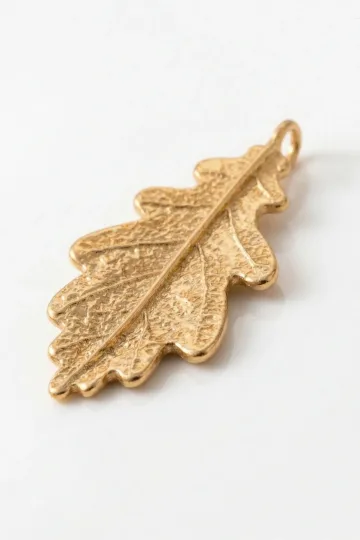
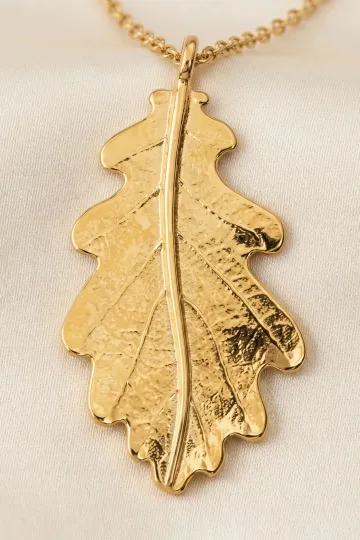
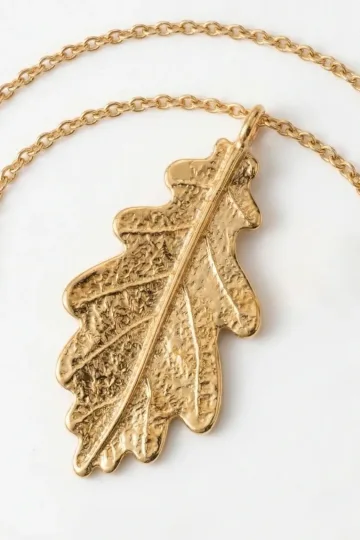
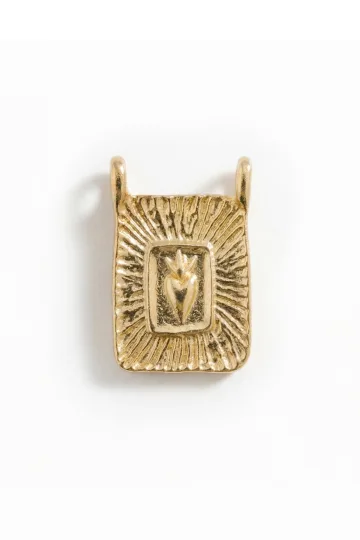
Wear the symbol, don't just read about it. These are in stock:


Conclusion
The white coat narrows the space for jewellery, but does not abolish it. A thin chain under the collar, studs, a plain ring, a pendant with a medical symbol, all of it is real and appropriate. The question was never "can you" but "which ones exactly, and where".
Theatre demands an absolute zero of jewellery, with no exceptions and no compromise. The clinic leaves room for a considered choice within reason. Beyond the hospital, complete freedom.
A doctor's jewellery, if it exists, carries a double load: it has to work in conditions where the ordinary rules of the jewellery world do not apply. That makes the choice harder and at the same time more meaningful.
Thirty years in a white coat, the first day of training with no earrings, a ring on a chain under the surgical scrubs, all of it is part of a professional life rarely spoken about aloud.
When choosing jewellery for a medical setting, it pays to follow a simple hierarchy: first patient safety, then hygiene, then professional appearance, and only last personal preference. When the first three are met, the last is entirely in the wearer's hands.
Medicine is a profession that takes a great deal from a person. The right to a personal piece within reason is a small thing it gives back. And that right is worth using deliberately.
A junior doctor I know, a few months into the job, bought herself a thin chain with a small heart pendant. She wears it under the coat. The patients do not see it. Neither do colleagues. It is hers. And that is quite enough.
Medical 316L steel, 925 silver, pendants with medical symbols, signet rings, engraving on request. Gifts for a medical graduation, a thesis defence, a professional anniversary.
About Zevira
Zevira makes jewellery in the artisan tradition of Albacete, Spain. For medical professionals we have a few stable directions.
Medical 316L steel: the most practical material for people who wash their hands with antiseptic several dozen times a day. It does not tarnish, does not corrode, withstands alcohol solutions. More on steel jewellery in our separate guide.
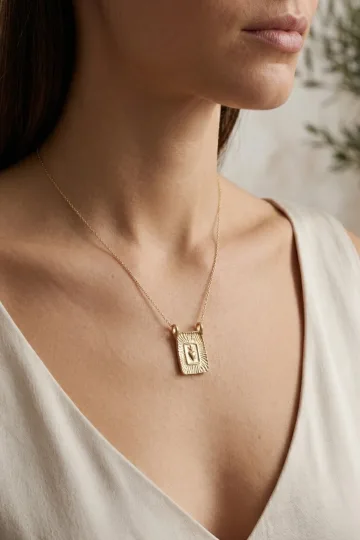
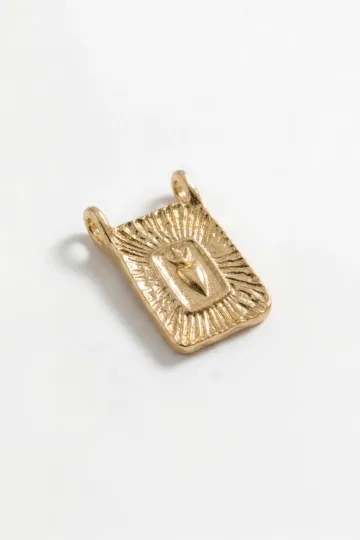
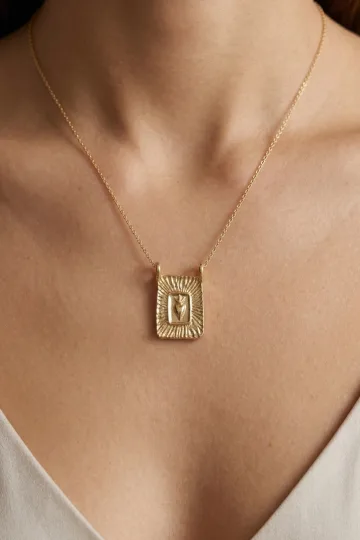
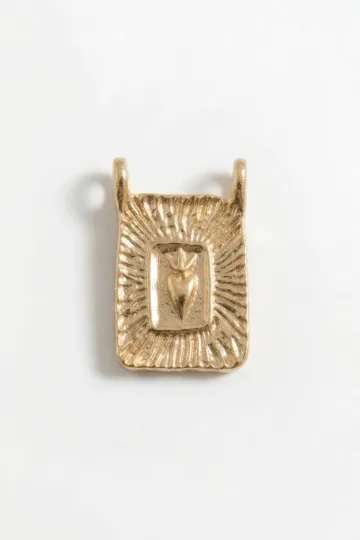
Pendants with medical symbols: the rod of Asclepius, a stethoscope, the sacred heart in 925 silver and 316L steel. For wearing under the coat or over it, depending on the dress code.
Signet rings with engraving: a name, a specialty, a graduation date, a Latin phrase. The classic gift for finishing medical school.
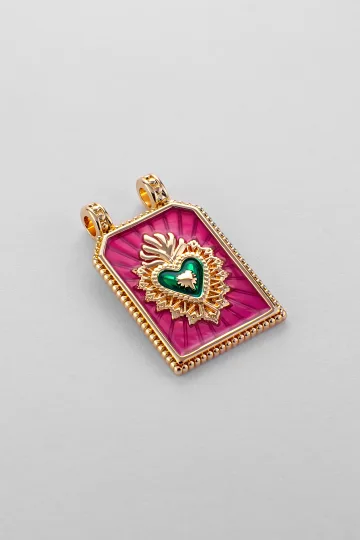
The sacred heart: a pendant with this symbol is chosen by people whose profession is tied to care and healing. Among them doctors, nurses, intensivists. It is not about religion and not about sentimentality. It is about a profession that demands you give.
A watch pendant: a compact pendant shaped like a pocket watch for wearing under the coat or over it. Symbolically apt for a profession where time always matters, from reaction time to time on the operating table.
Every piece can be personalised with engraving. We take orders for personal engraving: from a name and graduation date to Latin phrases and medical symbols. We work with corporate orders for medical institutions and group gifts from teams for significant professional events.