Jewelry During Pregnancy: What to Wear and Why Fingers Swell
The Ring That Stopped Coming Off
By the third trimester many women find their wedding ring will no longer slide off: the finger swells, and the metal that sat loosely for years suddenly bites into the skin. It is far better to take it off calmly at home in advance than to end up in an emergency room where the ring gets cut off with a tool. This happens more often than people think, and there is nothing to be afraid of.
Pregnancy reshapes the whole body, and hands and ears are no exception. Fingers grow fuller, skin turns more sensitive, familiar earrings start to feel heavy, and a favourite chain begins to irritate. Below we go through it in order: why fingers swell and when that is normal, what to do about the ring, what to wear instead, whether jewellery is safe at all, what they ask you to remove at the hospital, and what to give an expectant mother so the gift truly lands. No scare tactics and no folk remedies, and wherever health is involved we gently point you toward the doctor following your pregnancy.
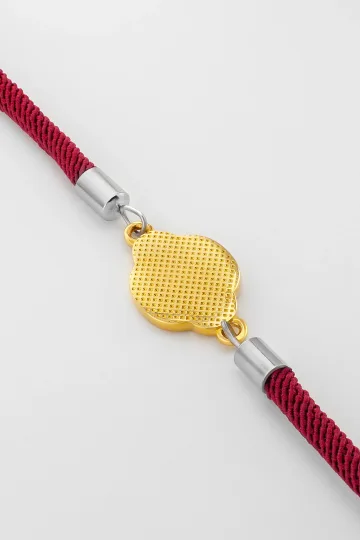
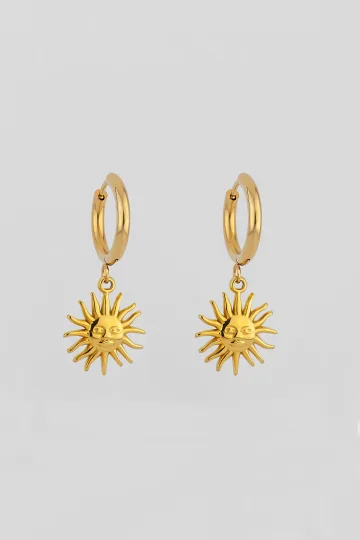
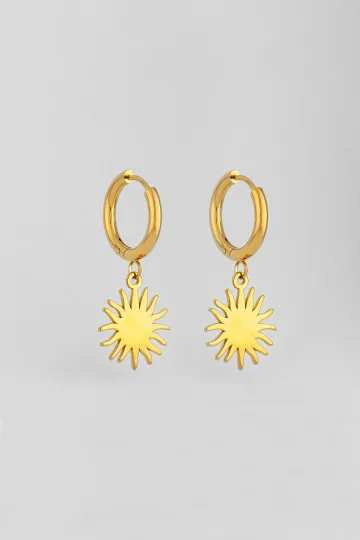
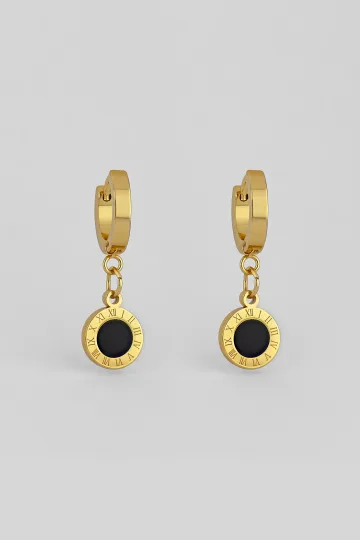
Wear the symbol, don't just read about it. These are in stock:


Why Fingers Swell During Pregnancy
Swollen hands during pregnancy are neither a myth nor a rarity. The expectant mother's body reorganizes almost every system, and one of the most noticeable shifts is how the body handles fluid. Understanding the mechanics helps you stay calm when a ring suddenly fits tighter, and at the same time not miss the case where swelling is a signal rather than a cosmetic nuisance.
Fluid Retention as the Main Cause
By the end of pregnancy a woman's blood volume rises by nearly half compared to her usual state. Along with that, the total amount of fluid in the tissues increases. Some of it naturally collects in the lower parts of the body and in the hands, especially toward evening and in the heat. This water retention is called physiological edema, and on its own it is considered a normal companion of carrying a child. The fingers fill out evenly, the skin on the back of the hand becomes smoother and tighter, and familiar rings sit snugger.
Hormones That Hold Water
Much of the fluid retention comes down to the hormonal shift. Progesterone and estrogen, whose levels rise sharply during pregnancy, affect vascular tone and how tissues bind water. Blood vessels become more permeable, and fluid leaves the bloodstream into the surrounding tissues more easily. At the same time the growing uterus presses gently on the large pelvic veins, slowing the return of blood from the legs and hands. All of this together produces the very puffiness that women notice through a ring sooner than through anything else.
How Swelling Changes by Trimester
In the first trimester the fingers are usually still the same, and noticeable swelling is rare. In the second, puffiness appears in some women, more often mild and toward evening. The third trimester is the peak: fluid volume is at its maximum, and this is exactly when a ring sits so tight that taking it off becomes hard. After birth the body starts returning everything to normal, but it does not happen in a single day, and there is a separate section on that.
Why the Fingers React First
It is curious that swelling is often noticed in the hands first rather than the legs, even though by logic fluid should pool lower down. The reason is that a finger is a narrow, dense ring of tissue with a rigid ring of metal on it. Any increase in volume, even a small one, is felt instantly through the tightness of the jewellery, whereas a puffy ankle under a sock can go unnoticed for weeks. A ring works like a very sensitive sensor: it shows changes the eye cannot yet see. That is why many women learn that swelling has begun at the exact moment a familiar ring stops turning easily on the finger.
When Swelling Is a Reason to See a Doctor
Mild, even puffiness of the hands and legs toward evening usually worries no one. But there is a distinction worth keeping in mind: if swelling appears suddenly, spreads to the face and eyelids, and comes with a headache, vision changes, or a spike in blood pressure, this is no longer a cosmetic question. Such signs are a reason not to figure it out yourself but to contact the doctor following your pregnancy. The ring here is only an indicator, and the decision always rests with the specialist managing the pregnancy. Swelling is usually felt most strongly in the morning after sleep and toward the end of a hot day, and simple habits help it subside: not sitting too long in one position, raising the hands above heart level for a few minutes, drinking enough water. But all of that is about comfort, not treatment, and it does not replace medical supervision.
A swollen finger owes gold nothing. Slip the ring onto a chain, wear it at your heart, and stop punishing your hand. Suffering for metal is bad manners.
How to wear jewellery during pregnancy
I have styled expectant mothers for years, for shoots, for celebrations, and simply for a family album. The body changes fast, and jewellery helps like little else, keeping you feeling like yourself when your usual clothes already pull. Here is what I recommend most often.
How do you build a look once rings step back? When the hands take a break from tight rings and bracelets, the accent naturally moves upward, and that is worth using. I suggest leaning on earrings and a pendant: they always fit and keep working no matter what the belly or the fingers are doing. I keep one clean line up top and skip the clutter, so the look reads composed rather than accidental. The face and the neckline lead, the hands simply rest.
What chain and pendant length wins right now? I recommend a longer chain with a pendant that falls above the bump and draws the eye vertically: that line lengthens the silhouette and sits beautifully over a loose dress. Short, tight necklaces sit awkwardly on a growing chest, so I set them aside for this stretch. If you are unsure about length, aim for the pendant to rest just above the fullest point rather than press on it.
Your skin turned fussier, which metal should you choose? Skin often reacts more sharply during pregnancy, so I advise sticking to trusted hypoallergenic metals: surgical steel, titanium, high-carat gold. Cheap nickel alloys are best dropped for this period, even if they never bothered you before. Smooth pieces without deep grooves are easier to keep clean, which matters now too.
How do you build a look for a maternity shoot? For a shoot I choose one calm line and one accent. A solid dress in a soft colour plus a long pendant or expressive earrings give a clean frame where the belly shows, not a busy pile of details. I suggest matching the metal to your skin tone: gold flatters a warm undertone, silver a cool one. A wedding ring on a chain looks tender here and fits the mood of a family album.
What do you give an expectant mother to hit the mark? If you are choosing a gift, I recommend something that does not depend on size: earrings, a pendant, or a fine chain. They suit her now and after the birth, when the body returns to its own. A symbolic pendant marking this time is often treasured more than an expensive ring, since guessing a finger size right now is nearly impossible. A safe move I suggest again and again.
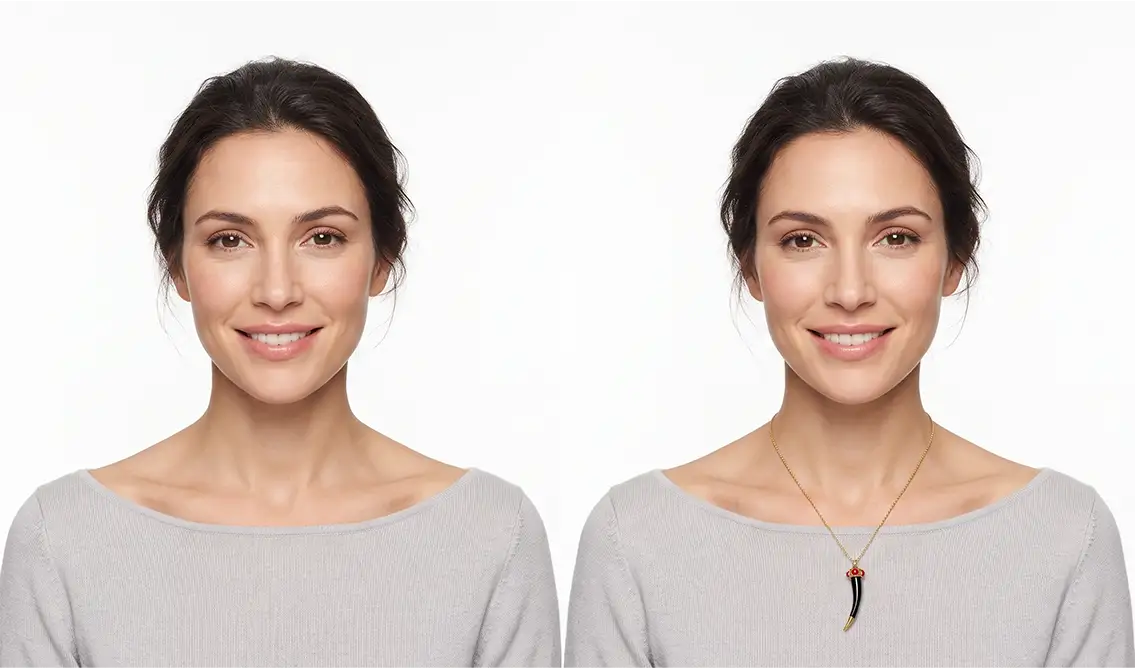
Turn on your camera, pick earrings, a pendant or a ring, and see the piece on yourself in real time.
Switch items in one tap.
Everything runs in your browser: no photo or video is ever uploaded.
When to Take Off the Wedding Ring and How
The most common everyday problem of pregnancy connected with jewellery is a stuck ring. The good news is that it can almost always be prevented if you act ahead of time rather than when the finger has already swelled.
Why It Is Better to Remove It Early
The logic is simple: the closer to the end of pregnancy, the tighter the ring sits. If you take it off in a calm moment, while the finger is not yet at peak swelling, there will be no drama. Many women remove their wedding and engagement rings in the second half of the second trimester, having noticed the first signs that the metal has grown snug. This is not about omens or about removing a ring being bad. It is pure practice: putting it back on after birth is far more pleasant than freeing a stuck one.
Simple Removal Tricks at Home
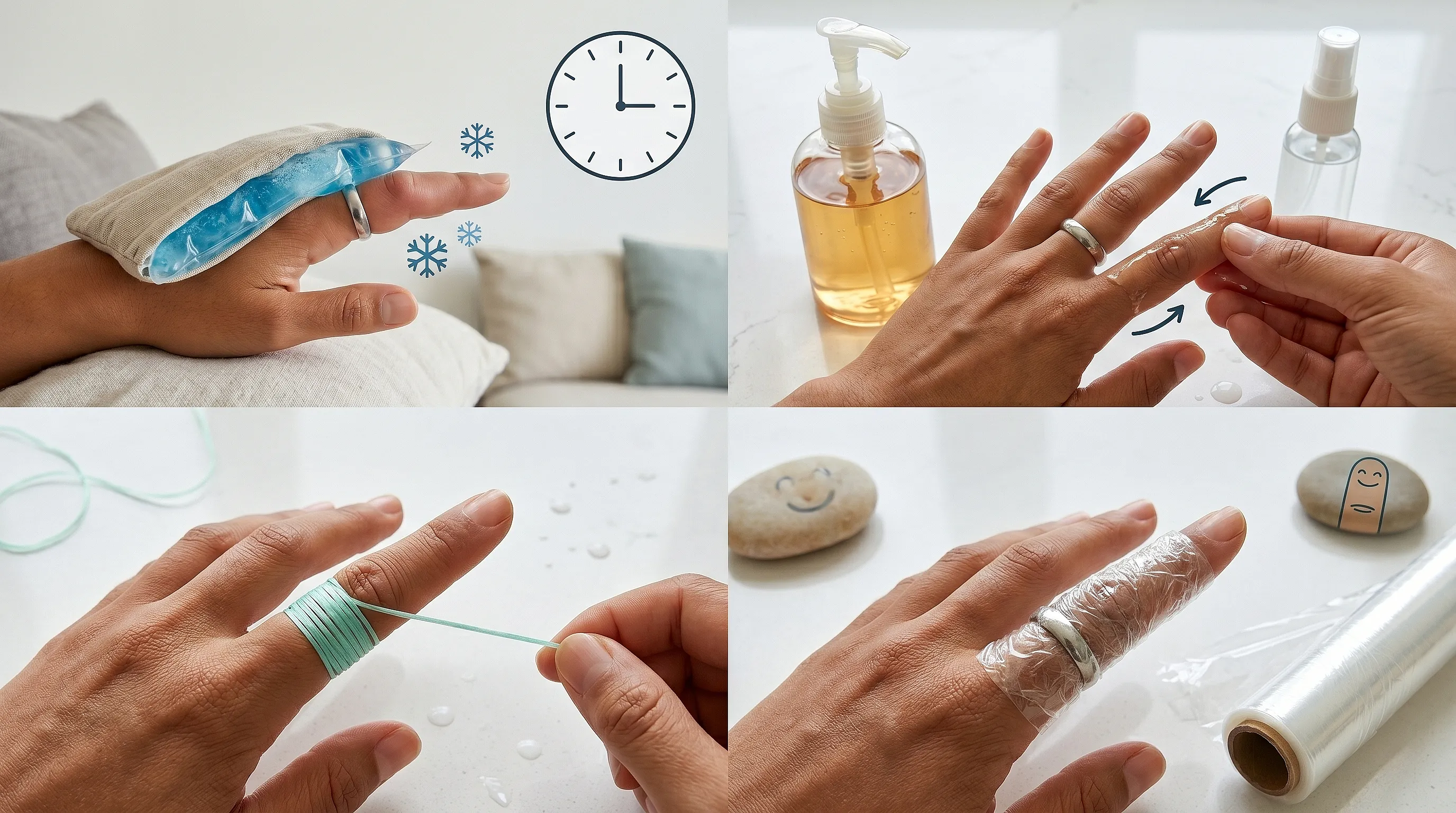
If a ring sits tight but the finger has not swollen badly yet, calm home tricks help. First cool the hand under cool water or hold the arm raised for a couple of minutes so some of the fluid drains away. Then thoroughly soap the finger or apply cream, liquid soap, or oil. Turn the ring around the finger, gradually working it toward the knuckle, without jerks. Haste and force are enemies here: rough effort will only worsen the swelling.
The Thread Method
An old and reliable trick for cases where the ring no longer passes over the knuckle is the thread method. A thin, smooth thread or dental floss is passed under the ring, then wound tightly, coil to coil, around the finger above the ring toward the tip. The wrapping gently compresses the tissue and temporarily reduces its volume. After that the lower end of the thread is unwound, and the ring gradually slides over the coils past the knuckle. This must be done without pain and without pinching the finger for long.
What Not to Do
There are a few common mistakes that only make things worse. The first is trying to yank the ring off with force: a sharp pull injures the skin and provokes even more swelling, after which the finger puffs up completely. The second is holding the hand down and tugging the ring for a long time, which instead makes fluid rush to the hand. The third is greasing the finger with anything at hand after it has already turned red and started to hurt, instead of stopping. If the ring will not budge after a couple of calm attempts, it is better to set the hand aside, cool it, and try later, or ask for help right away rather than fight to the point of bruises.
When It Is Time for the Emergency Room
If the finger has turned blue, gone numb, hurts badly, or the ring yields to no gentle trick, do not torment yourself for hours. At the emergency room the ring is removed carefully with a special tool in under a minute. Yes, sometimes it has to be cut, but an intact ring is easily restored by a jeweler afterward, while a pinched finger is already a matter of health. What to do when the metal has set fast is covered in detail in a separate breakdown, a ring stuck on the finger. The main idea is simple: an intact ring costs far less than the health of a finger, and a cut ring is soldered back almost invisibly, so there is no need to fear it.
Customer reviews
Zevira is a real jewellery shop. Genuine payments, deliveries and customer thank-yous.
🥰🥰🥰 gracias
Ok, ¡gracias! 🙂
What to Wear Instead of a Tight Ring
Taking off a wedding ring does not mean going without the symbol. There are a few calm solutions that let you keep the habit and still avoid battling the swelling every day.
A Silicone or Rubber Ring
The most comfortable option for the months of pregnancy is a soft silicone or rubber ring. It is flexible, pinches nothing, stretches with the finger, and weighs almost nothing. Such rings were originally invented for people for whom hard metal gets in the way or is dangerous at work, and they turned out to suit pregnancy perfectly. Silicone does not snag, does not scratch the baby when you pick them up, and costs little, so you can buy half a size larger as a reserve. Materials and selection are covered in detail in the guide on rubber and silicone in jewelry.
A Ring on a Chain Around the Neck
A lovely solution for those who do not want to part with their own ring is to hang it on a chain and wear it around the neck. The wedding or engagement ring stays with you, you can see it and hold it in your hand, while the finger rests. The main thing is to choose a sturdy chain of the right length so the ring lies on the chest rather than dangling high. If you are unsure about the length, the chain length guide will help.
A Temporary Larger Ring
The third path is a simple, inexpensive ring a size or two larger that you wear in place of your own during pregnancy. A thin silver or steel ring without sharp edges or large stones works well. It keeps the familiar feeling of a ring on the finger but slips off easily at any moment. To avoid missing the size, which will keep changing besides, look into the ring size guide and choose with a small margin.
How to Choose the Shape for This Period
If you are choosing a temporary or soft ring specifically for the months of pregnancy, the shape matters more than beauty. Smooth, rounded models without protruding stones, sharp edges, or openwork details, which catch clothing and snag on everything, behave best. A thin ring with a comfortable profile does not press when swollen and leaves no deep mark. High settings with stones are better set aside for this period: they catch on swaddles and the baby's clothes and can scratch delicate skin when you pick the child up. Plain and smooth wins over striking right now.
Is Jewellery Safe for an Expectant Mother
The short answer: quality jewellery made of stable metals does not interfere with pregnancy in itself. But pregnancy is a time when the skin and immune system behave differently, so there are nuances worth knowing.
What Happens to Skin and Sensitivity
During pregnancy the skin in many women becomes more reactive. Blood flow increases, the hormonal background shifts, the skin sweats more often and gets irritated faster. The piece of jewellery that was worn for years without trouble may suddenly leave redness or itching at the point of contact, especially if moisture and sweat collect underneath. This does not mean the metal turned bad. It means the threshold of sensitivity dropped for a while.
Allergy That Flares Up
Pregnancy often aggravates existing tendencies toward allergy. If a woman had a sensitivity to certain alloys before, during this period it may show more strongly. The reaction looks like redness, a fine rash, or itching under the jewellery. The solution is simple: set aside for a while what triggers the reaction and choose calm, hypoallergenic materials, which get a separate section below.
Nickel as the Main Culprit
Most often it is not gold or silver behind skin irritation but nickel, added to inexpensive alloys. Nickel is the most common contact allergen in jewelry, and pregnancy can make the skin noticeably more responsive to it. So during this period it makes sense to be especially attentive to the composition of costume jewelry and cheap alloys. A detailed breakdown of the causes and safe alternatives is in the article on nickel allergy in jewelry.
Creams, Oils, and Contact with Skin
During pregnancy women generously use creams and oils against stretch marks and dryness, and there is a quiet connection here with jewellery. Residue of a greasy cream under a ring or chain creates a film in which moisture and dirt linger, and the skin underneath sweats more. Plus some formulas dull silver over time and settle on the links. A simple rule: apply skincare, let it absorb, and only then put on jewellery, and in the evening take it off and wipe the metal with a soft cloth. The skin stays calmer and the jewellery looks fresh longer.
Simple Jewellery Hygiene
Since the skin has grown more sensitive, ordinary care helps. Take off jewellery before showering and washing dishes, wipe it of sweat and cream, do not leave wet earrings in your ears for long. Clean, dry jewellery made of good metal irritates the skin far less than a piece under which moisture builds up all day. This small thing saves a lot of unpleasant sensations precisely in a sensitive period. Worth a separate mention is morning sickness and the heightened sense of smell of the first trimester: some women in this time barely tolerate even the smell of metal or jewellery cleaners, and this too is a reason to switch temporarily to a minimum of simple pieces and clean them without sharply scented products.
Upload a photo of your pet, someone you love, or an object. We'll build a 3D model and hand-cast it in pewter.



Earrings and Chains During Pregnancy
Rings take all the attention, but earrings and chains go through their own changes too. Here it is less about safety and more about comfort, which is valued especially highly in this period.
The Weight of Earrings and Ear Comfort
Toward the end of pregnancy and in the first months with the baby, heavy earrings start to get in the way. Long drops catch when you lean over the child or sleep on your side, while massive models pull on the lobe more noticeably. Many women switch for this time to light studs and small hoops: they do not snag, do not press, and do not distract. This is not a ban on beautiful earrings, just a practical choice for a period when the hands are busy with something else.
Chains That Do Not Irritate
With chains the logic is similar. A tight collar, frequent leaning toward the chest, sensitive neck skin: all of this makes heavy, rigid necklaces less comfortable. A thin, light chain of good metal behaves more calmly. And if you have hung a wedding ring on it, as described above, choose the length so the ring lies comfortably and does not tangle in clothing.
Earrings and Chains with an Eye on the First Months with the Baby
It is useful to choose jewellery with an eye on two periods at once: pregnancy itself and the first weeks with a newborn. A baby quickly learns to grab anything that shines and sways and pulls it toward the mouth. Long drop earrings the child can yank and chains with small movable details are better put away for this time. Studs, snug hoops in the ears, and short, sturdy chains are far more practical: there is nothing to grab. So light, calm models chosen now will serve for a long time afterward, while the striking pieces wait their turn.
What to Set Aside Until After Birth
Large pendants, long layered chains, and heavy sets are a pleasure to bring back into the wardrobe after the baby arrives, when the hands are a little freer and the skin calmer. For the pregnancy months themselves it is easier to keep on hand a couple of light favourite pieces that do not need adjusting every half hour. Less fuss, more pleasure.



Jewellery and Ultrasounds, Tests, and Birth
One of the frequent questions of expectant mothers: do you need to take off jewellery before exams and at the hospital. Here everything is calmer than many think, but there are rules, and they are logical.
Do You Remove Jewellery for Ultrasounds and Tests
A regular ultrasound and a blood draw do not require removing rings, earrings, or a chain: they do not interfere with the study and have no effect on it. But if an MRI is ordered, you will be asked to remove metal jewellery without fail, because the machine works with a strong magnetic field. This applies to any jewellery on the body, so before such an exam it is easier to come without metal or be ready to take everything off.
What They Ask You to Remove at the Hospital
At the maternity hospital you are usually asked to remove rings, earrings, and piercings before birth and especially before a cesarean section. There are several reasons: the hands may swell right during labour, and a ring will become tight at the wrong moment; during surgery equipment is used near which metal on the body is undesirable; plus it is simply hygiene. So it is more convenient to take off everything extra at home in advance and not bring anything valuable, so you do not have to think about where it is during the most important time.
Is It Worth Bringing Jewellery at All
The practical answer: the less, the calmer. Expensive rings and earrings are better left at home than searched for later in the chaos or worried about. If you want to have something symbolic with you, that very ring on a chain or a simple pendant that is easy to take off with one hand will do. A minimum of metal for the birth is about comfort, not omens.
The Hospital Bag and Where to Put What You Remove
It is convenient to settle the jewellery question at the packing stage. Everything valuable stays home in its usual place, and you take along at most one simple piece that is not a pity to lose and is easy to remove. If you wear a ring on a chain, think in advance about whom to hand it to if you are asked to take off even that chain: a partner, a personal bag of belongings, a purse. Jewellery removed and put away in advance will not turn into an extra worry at the worst moment, and you will not have to wonder during labour where your wedding ring is.
Belly Button Piercing with a Growing Belly
A separate topic for those with a navel piercing. A growing belly changes the tension of the skin, and the familiar piece starts to behave differently.
What Changes as the Belly Grows
As the belly rounds out, the skin around the navel stretches, and the usual barbell in the piercing may start to press, rub, or catch on clothing. For some the piercing comfortably lasts until the end of pregnancy; for others it becomes uncomfortable by the third trimester. This is individual and depends on how long ago the piercing was done and how much the skin stretches.
Flexible Jewellery for Piercings
If you do not want to part with the piercing, special flexible jewellery for pregnancy helps: soft, bendable barbells of biocompatible material that adapt to the growing belly and do not press. They are longer than usual and made so as not to create tension. This is a compromise between keeping the piercing and comfort.
When It Is Better to Remove It
If the piercing has started to redden, hurt, or the skin around it is inflamed, it is wiser to take the jewellery out and give the skin rest. A fresh, recently made piercing heals worse against the background of pregnancy, so new piercings are usually postponed for this period. At any worrying signs of inflammation it is worth consulting a doctor rather than waiting it out.
Leave your email, we'll send your discount code. No spam, unsubscribe anytime.
The code arrives by email, valid on your first order.
A Gift for the Expectant Mother
Jewellery is a classic and foolproof gift for a pregnant woman, if chosen with an understanding of the moment. Here subtlety matters more than expense.
What Is Appropriate to Give
Pieces that are comfortable to wear right now and that mark an important stage go over well. A light pendant, a thin chain, dainty studs, a soft silicone ring in place of the removed wedding band, a pendant engraved with the date or the future baby's initial. Such gifts are practical and emotional at the same time: they can be worn the same day and are tied to the event.
What Is Better to Avoid
Not the best idea is to give a ring in an exact size: the finger is changing now, and guessing is almost impossible. Nor is it worth betting on heavy, massive jewellery that will get in the way. If you want to give a ring, it is better to choose a model that is easy to resize later, or give a pendant, earrings, or a bracelet, where size precision is not critical.
A Gift the Mother Wears Rather Than Hides
Gifts for expectant mothers have a quiet trap: a young mother often tucks an expensive piece into a box because she is afraid to ruin or lose it in this chaotic period, and ends up not wearing it. What delights far more often is something not frightening to put on every day: a simple sturdy pendant, an unfussy chain, studs of a calm metal that need no protecting. A gift that actually lives on its owner hits the mark better than one that lies in a box until better times. This is worth keeping in mind when choosing between striking and convenient.
The Idea of a Keepsake Marking the Event
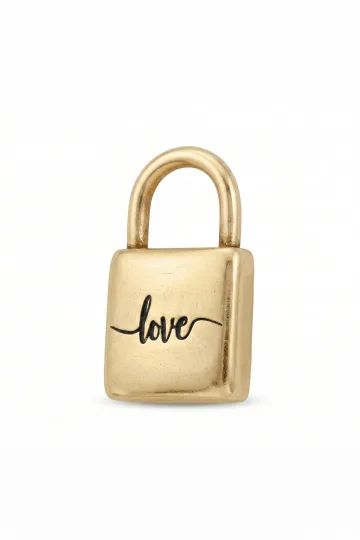
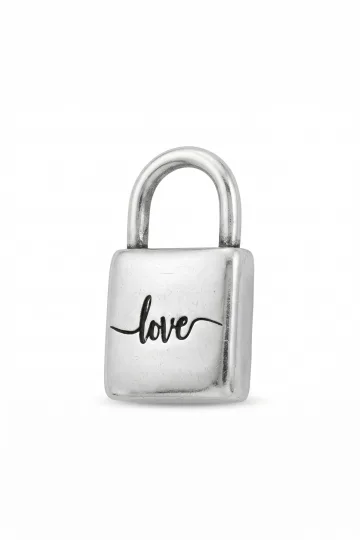
Separately touching is a gift that later stays as a memory of the birth: a pendant where a date or name can be added, a locket with room for a tiny photo. Such a gift outlives the pregnancy and becomes a family piece. This format is covered in detail in the guide to the silver locket.
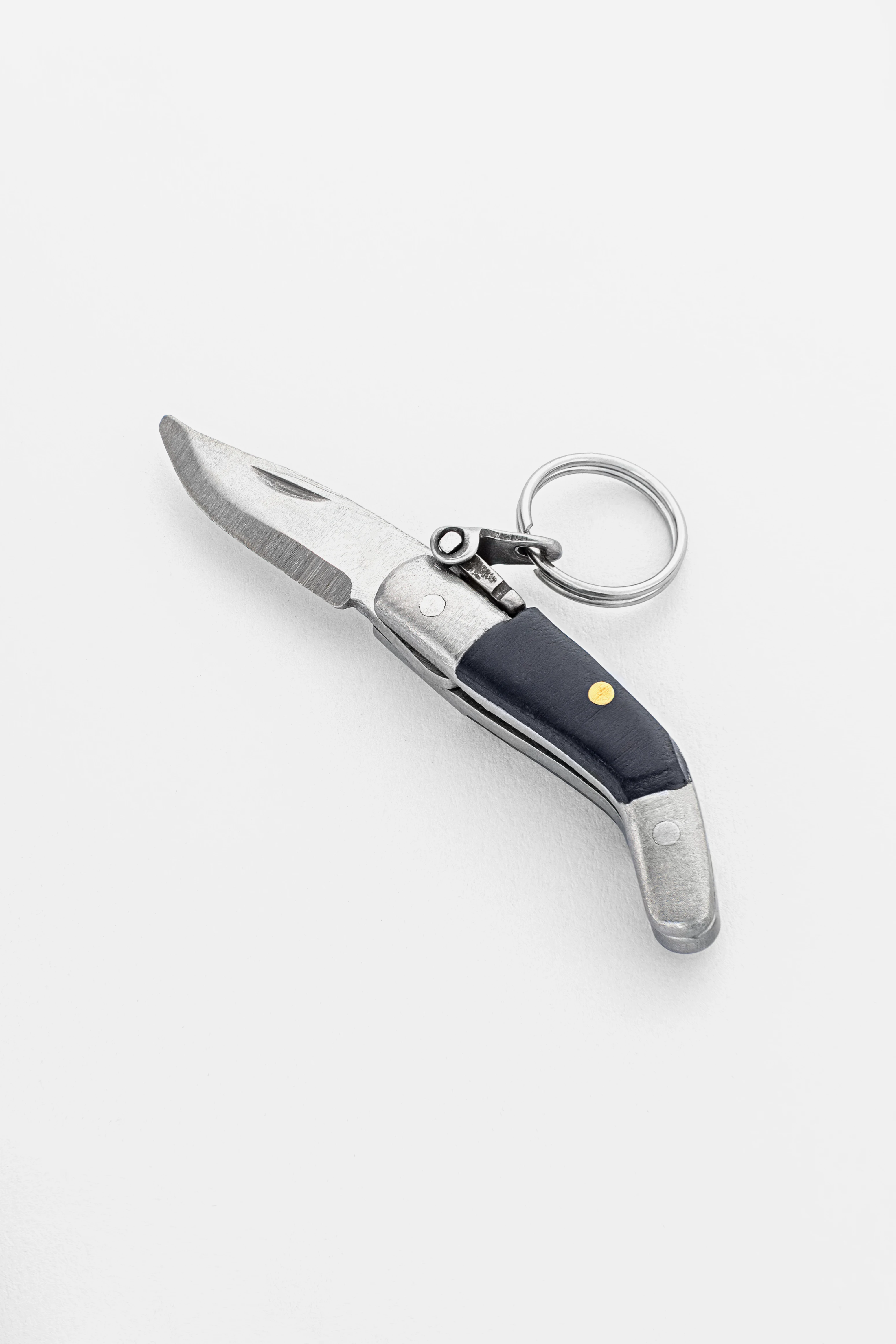
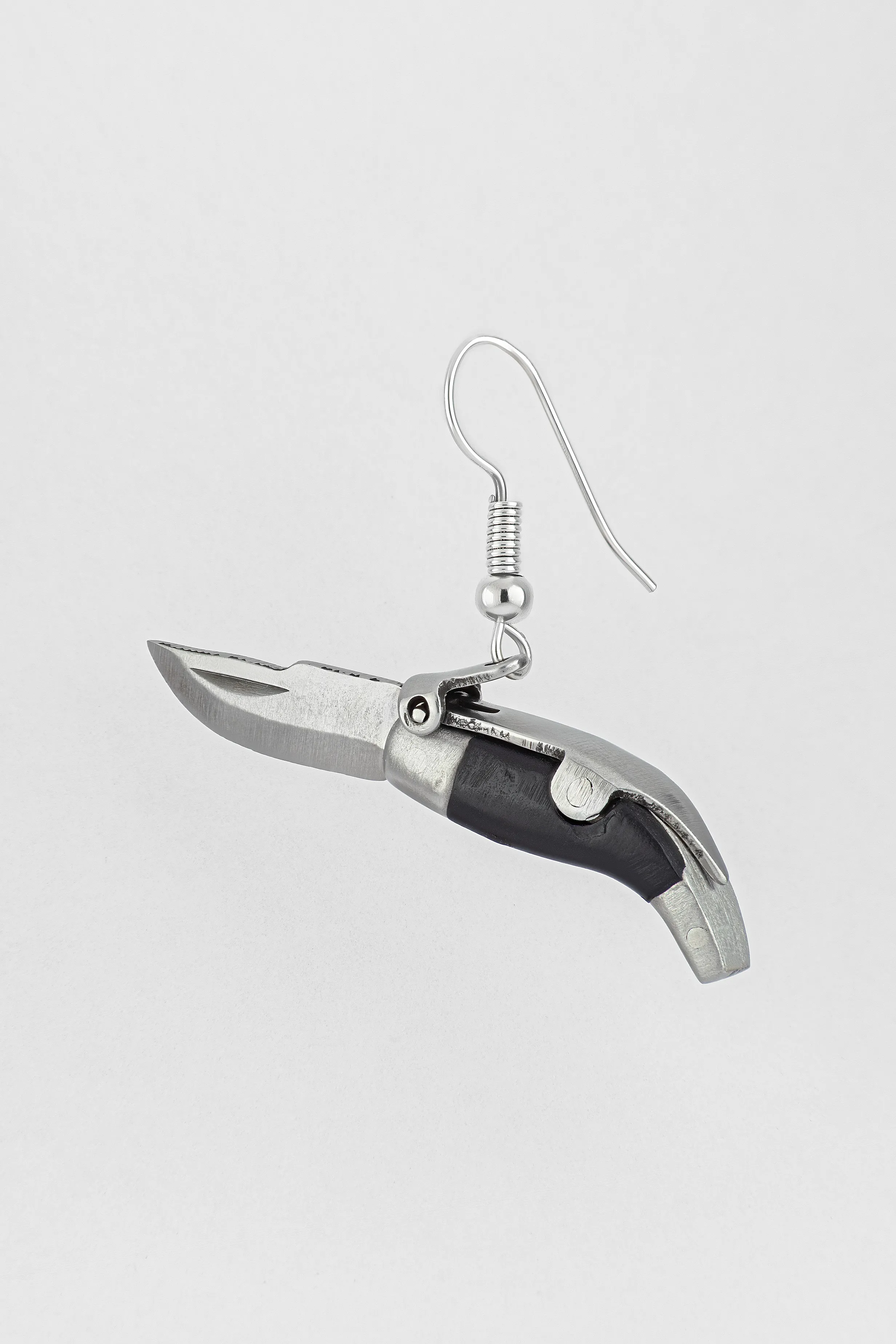
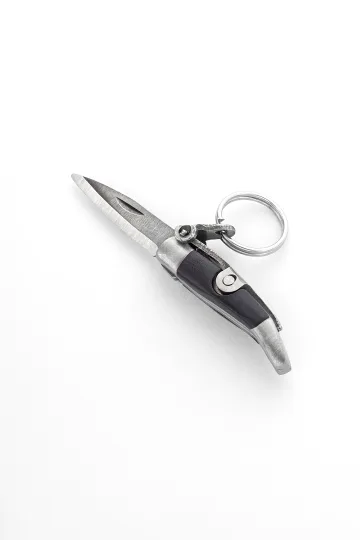
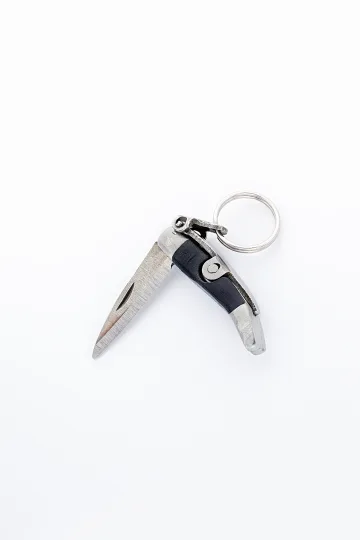
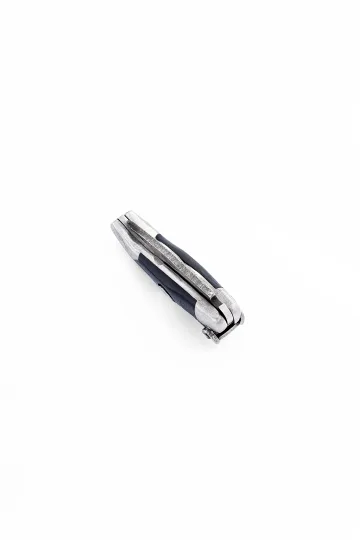
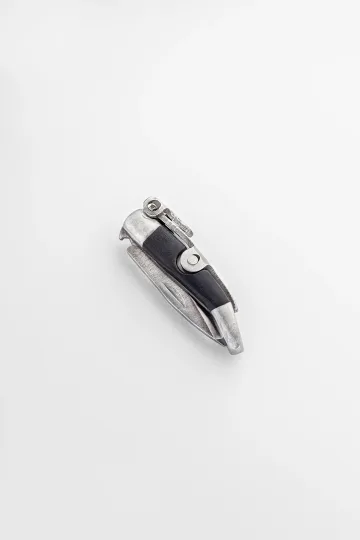
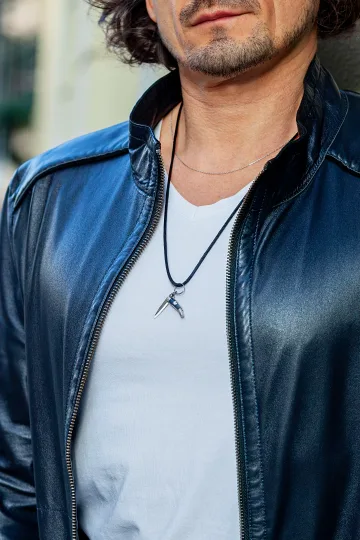
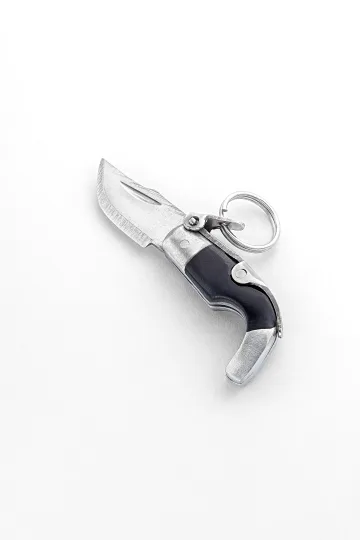
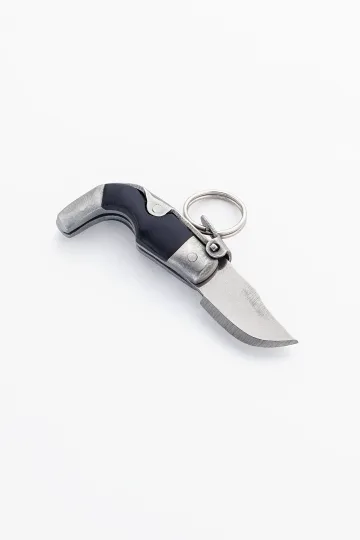
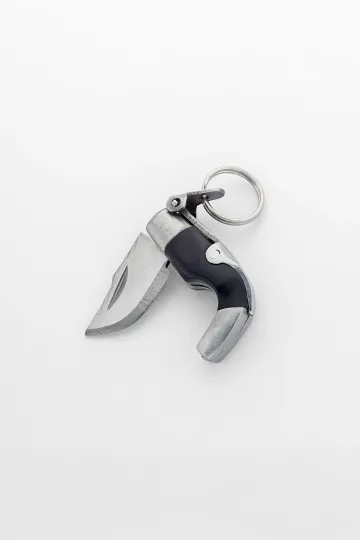
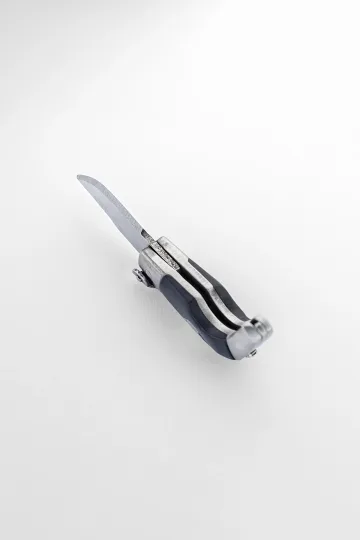
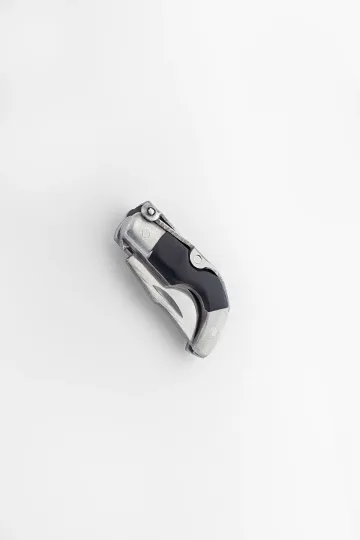
CAPAORA mini knife pendant
The 18th-century Spanish navaja in miniature: 40 mm of stainless steel, a real folding mechanism and a Palanquilla lock that clicks. An affordable gift to remember.
Authentic · Ships from Spain · 14-day returns
Superstitions About Jewellery and Pregnancy
There are always many superstitions around pregnancy, and jewellery is no exception. They are best treated as folklore, interesting in itself but a replacement for neither common sense nor the doctor.
Why There Are So Many Superstitions
Pregnancy was for centuries a time of uncertainty, and people filled their anxiety with rituals and signs. Hence the customs about what can and cannot be worn, which stones bring a safe birth, what to take off and what to put on for luck. There is no harm in these superstitions as long as they remain a lovely tradition rather than a guide to action in place of medical help.
A Ring on a Thread and the Baby's Sex
The best-known game is swinging a ring on a thread over the belly to guess the baby's sex by the direction of movement. This is a sweet family pastime, no more. It has nothing to do with actually determining sex: that is shown by ultrasound and tests, not by a pendulum made of a wedding ring. You can play for fun, but the result should not be taken seriously.
Stones and Amulets for the Expectant Mother
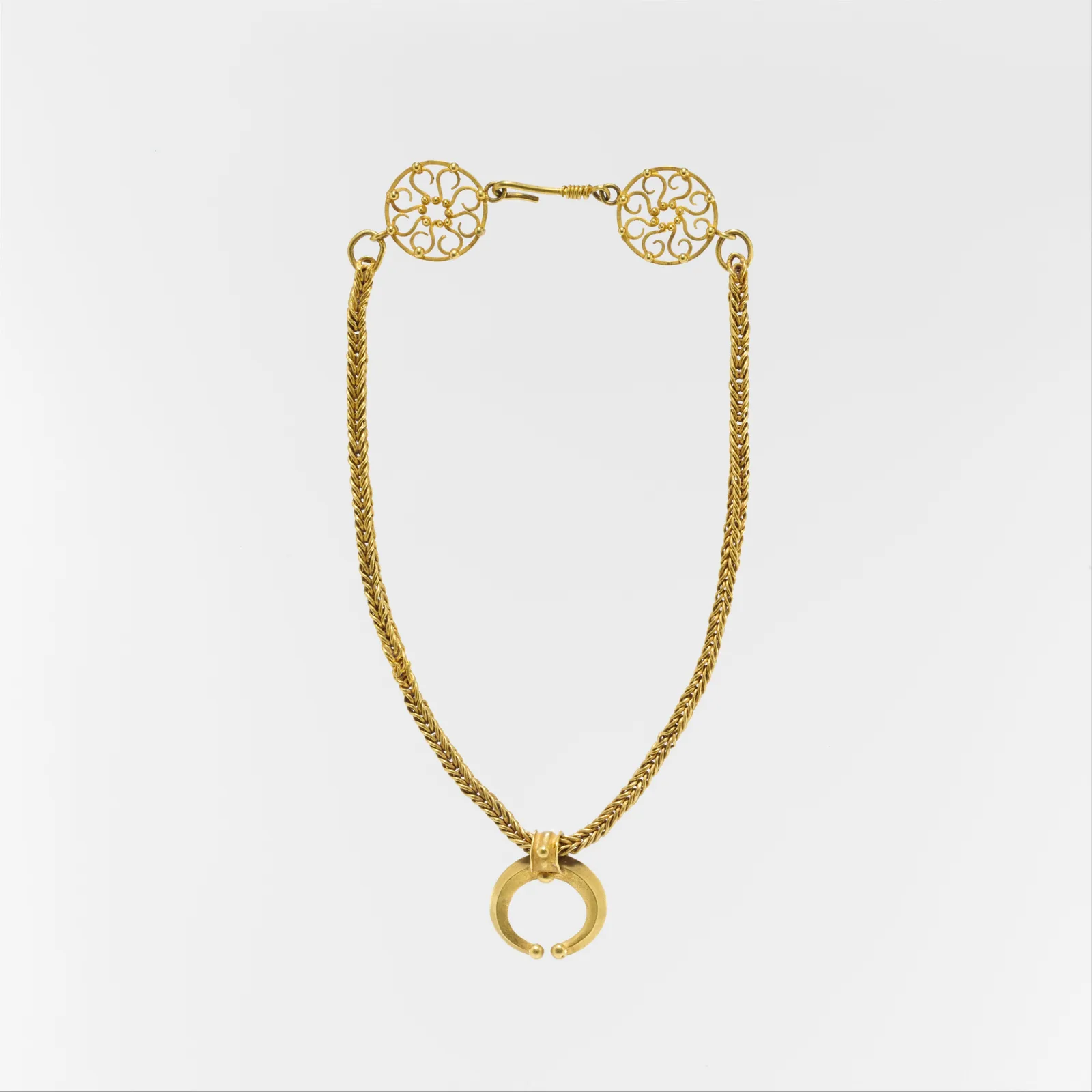
In various cultures expectant mothers were ascribed protective stones and amulets for an easy birth and the child's health. This is part of the long history of jewellery, and wearing such a symbol is pleasant if it is dear to you. But it is important to keep the boundary: an amulet is about mood and tradition, while everything concerning the course of pregnancy and birth is decided with the doctor following you, not with a charm.
Why Superstitions About Removing the Ring Should Not Scare You
There is a persistent belief that taking off a wedding ring is a bad omen and harms the marriage or the child. Because of it some women endure a tight ring to the last and bring matters to stuck metal. It is worth calmly separating tradition from reality: a ring is a symbol, and its meaning is not lost because for a few months it lies in a box or hangs on a chain. Removing the ring for the comfort and safety of the finger has nothing to do with the strength of a relationship. After birth it will return to its place, and the story will continue as if nothing happened.
When the Size Returns After Birth
Many are concerned with both the pregnancy itself and what comes after. The good news: the body fairly quickly begins to return to its usual state, though the timeline is its own for each woman.
How Long the Swelling Takes to Subside
After birth the body sheds the accumulated fluid gradually. The first days and weeks go toward the excess water leaving the tissues, and the hands noticeably thin out within that time. In most women the puffiness of the hands subsides within a few weeks of the baby's birth. Sometimes the fingers' former volume returns a little longer, especially if nursing and lack of sleep shift the usual routine.
When to Put the Ring Back On
There is no need to rush the wedding ring. It is better to wait until the finger returns to a comfortable state and the ring sits easily again, without effort. If after recovery it has become too small or too large, this is normal: the finger size in some women changes slightly for good after pregnancy. In that case the ring is simply adjusted by a jeweller, and it fits perfectly again.
If the Size Changed for Good
In some women the finger after birth stays a bit fuller or, on the contrary, thinner than it was. This is no reason to part with a beloved ring: the size of most rings a jeweler changes in a short time. Before the visit it helps to understand exactly how much the finger has changed, and here again the ring size guide comes in handy, so you arrive at the bench with concrete numbers.
Hypoallergenic Metals for Changed Skin
Since the skin during pregnancy and after it becomes more sensitive, the choice of metal starts to matter. Several options behave more calmly than the rest and cause irritation less often.
Why Titanium and Surgical Steel Are Good
Titanium and quality surgical steel are materials originally created for contact with the body, so they rarely cause a reaction. They are strong, do not tarnish, hold their shape, and suit sensitive skin. For earrings that stay in the ears all day and for everyday jewellery this is a reliable choice for a period of heightened sensitivity.
Sterling Silver and High-Karat Gold
High-grade silver and gold with a high content of the precious metal also count among the calm options, because they contain fewer extraneous additives. The higher the grade, the fewer impurities in the alloy capable of irritating the skin. If you have no personal sensitivity to silver specifically, this is a comfortable and beautiful choice that is also easy to clean and maintain.
What Sensitive Skin Should Avoid
In the risk zone are cheap costume jewellery from unknown alloys, where there may be a lot of nickel, and jewellery with peeling plating: as soon as the top layer wears off, the skin contacts the cheap base. For the months of pregnancy and nursing it is easier to set such pieces aside and keep in use a few trusted pieces of calm metals. Fewer surprises for skin that is having a hard time as it is.
How to Check Whether a Metal Gets Along with Your Skin
If you are not sure how the skin will take to new jewellery in this period, simple caution helps. Wear the piece for a short while, an hour or two, and watch the point of contact. Redness, itching, or a fine rash under the jewellery says that right now this alloy does not suit your skin, and it is better to set it aside until recovery. Special attention to earrings and rings, which contact the skin the longest and in the most delicate places. A bracelet, which can be taken off quickly, is easier in this sense. No heroics are needed here: if something irritates the skin, it can always be swapped for calm titanium or high-grade silver.
Send a friend a discount code, they save on their first order.
Facts That Surprise
Plenty of curious things have accumulated around the body of a pregnant woman and her jewellery. A few facts that surprise even those who have been through it all themselves.
A pregnant woman's blood volume rises by nearly half, and it is precisely this extra litre-plus of fluid that ultimately shows up as fuller fingers and a snugly seated ring. That is, the ring literally becomes an instrument showing how much water the body holds.
Foot size in some women increases for good after pregnancy, sometimes by half a shoe size. The ligaments soften under the action of hormones, the foot spreads a little and does not fully return. With the fingers there is a similar, if less noticeable, story, so a changed ring size after birth is not a whim of the body but the same mechanics.
In emergency rooms the ring cutter, a small tool for removing stuck rings, is needed for various reasons, but pregnant women and people with hand injuries are its main clients. The very existence of such a special tool shows how common this situation is.
The thread method used to remove a tight ring has been known for a very long time and works on simple physics: a tight wrap temporarily displaces fluid from the tissue and reduces the finger's volume just enough for the metal to pass the knuckle. No magic, pure mechanics.
Flexible jewellery for the belly button piercing, which stretches with the growing belly, is made from the same class of biocompatible materials as some medical devices. That is, the jewellery industry thought separately about pregnant women and made a special product for them.
Frequently Asked Questions
Is it dangerous to wear rings during pregnancy? A quality ring of good metal does not harm pregnancy in itself. The danger is only in one thing: by the third trimester the finger swells, and the ring may get stuck. So it is wise to take it off in advance, calmly and at home, rather than wait until it begins to pinch the finger.
When is it better to take off the wedding ring? Go by the feeling, not the date. As soon as the ring starts sitting tighter than usual, more often the second half of pregnancy, take it off in a calm moment. Removing it early is always easier than freeing a stuck one.
What to wear instead of a wedding ring? Three comfortable options: a soft silicone or rubber ring, your own ring on a chain around the neck, or a simple inexpensive ring a size larger. All three let you keep the habit without fighting the swelling.
Is it true that pregnancy aggravates jewellery allergies? The skin during pregnancy often becomes more sensitive, and an existing tendency to react may show more strongly. Most often nickel in inexpensive alloys is to blame. Choose calm materials and remove jewellery under which sweat collects.
Do you need to remove jewellery at the maternity hospital? Yes, they usually ask you to remove rings, earrings, and piercings before birth, especially before a cesarean. It is a matter of swelling, equipment, and hygiene. Anything expensive is better left at home entirely, keeping a minimum on you.
What to do about a belly button piercing with a growing belly? You can switch to flexible jewellery for pregnancy that stretches with the belly and does not press. If the skin reddens or hurts, the jewellery is better removed. New piercings are usually postponed for the duration of pregnancy.
When will the finger return to its former size after birth? In most, the swelling of the hands subsides within a few weeks of birth. The ring is worth putting back when the finger sits comfortably again. If the size changed for good, the ring is easily adjusted by a jeweller.
Which metals are best to wear with sensitive skin? Titanium, quality surgical steel, high-grade silver, and high-karat gold behave most calmly. Avoid cheap costume jewellery from unknown alloys and pieces with peeling plating.
Conclusion
Pregnancy briefly changes jewellery habits, and there is nothing alarming in that. Fingers fill out from excess fluid, the skin becomes more sensitive, heavy earrings start to get in the way. It is enough to take off the tight ring in time, keep a couple of light, calm pieces on hand, and choose materials that get along with sensitive skin. After birth the body returns nearly everything to its place, and a beloved ring, if needed, is not hard to refit. Everything concerning swelling as a symptom stays with the doctor following you, and let jewellery remain what it should be: a pleasant little thing that brings joy.
Light chains, studs, engraved pendants, calm hypoallergenic metals, and soft rings for a time of change.
Buying it as a gift? Each one arrives ready to give.
 A branded Zevira box and a little card come with every order.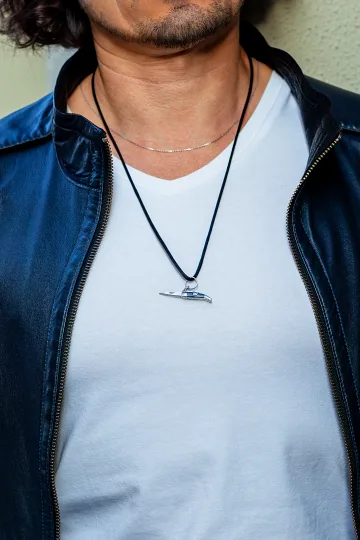




About Zevira
Zevira is a Spanish brand from Albacete, a city of metal masters. We love pieces with character and care that they be comfortable to wear in any period of life: light earrings, calm metals, pendants that become a family keepsake. If the skin has grown more sensitive, start with the breakdown on nickel allergy, and with the ring size the size guide will help.