Milagros: votive charm pendants that carry someone else's gratitude
In Mexico a tiny metal leg or a little heart gets pinned to the statue of a saint, either as a plea for healing or as thanks for a miracle that already happened. A single statue can hold hundreds of these figures, and over time people began taking milagros off the altar and wearing them, turning a vow into a charm.
A milagro is a kind of jewellery with a hidden layer. On the surface it looks like a small pendant: a heart, a hand, a leg, an eye, a cow, a little house. Behind each shape sits a specific human story, somebody's request or somebody's thanks, cast in metal and left at the feet of a saint. Unlike most symbols, a milagro is not about abstract energy or general luck. It is about very targeted hope: heal this exact hand, bring back this exact person, save this exact herd.
This tradition is where Catholic faith, pre-Columbian offerings, and the folk craft of tinsmiths all meet. Let's look at what milagros really are, where they came from, what each shape means, what they are made of, and how to wear one without turning someone else's vow into a throwaway fashion trinket.
What a milagro is
The word "milagro" and what it plainly means
"Milagro" in Spanish means "miracle." The plural is "milagros," and that is the form that stuck as the name for the little figures themselves. They are sometimes called ex-votos or votive pendants, from the Latin ex voto suscepto, "from the vow made." Either way the idea is the same: a small offering object that a person brings to a shrine in exchange for a request, or in thanks for one already granted.
A milagro is not an icon, and not an amulet in the usual sense. An icon depicts a saint. An amulet protects the wearer on its own. A milagro points to a specific need. A silver leg says, "help my leg." A little heart says, "help me in love," or "heal my heart." The object works like a note written in the language of shape, addressed to the saint at whose statue it is left.
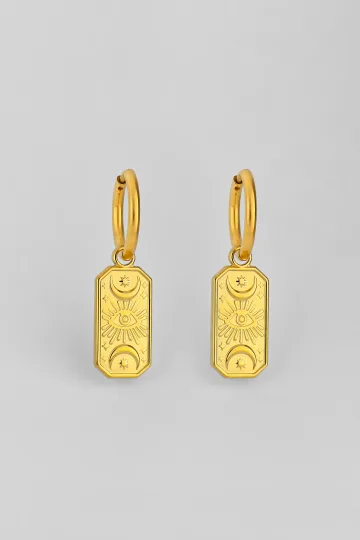
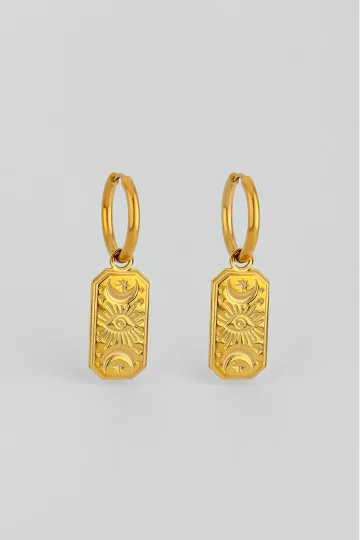
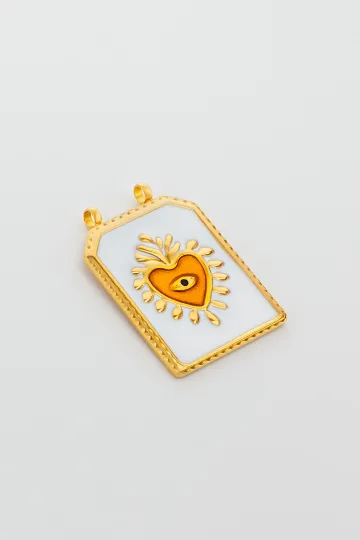
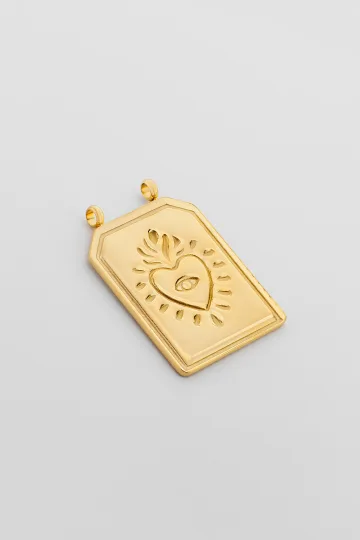
Wear the symbol, don't just read about it. These are in stock:
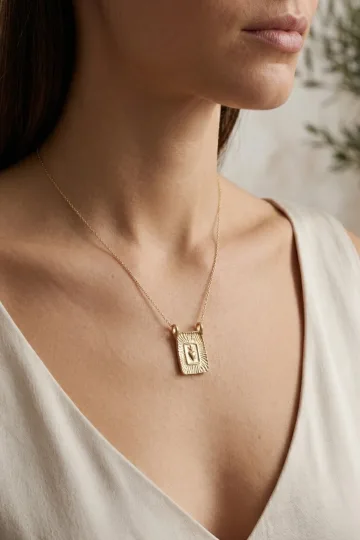
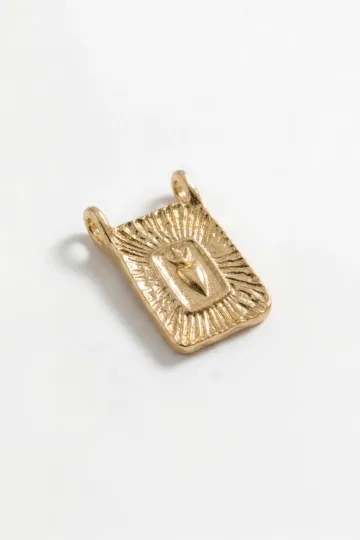
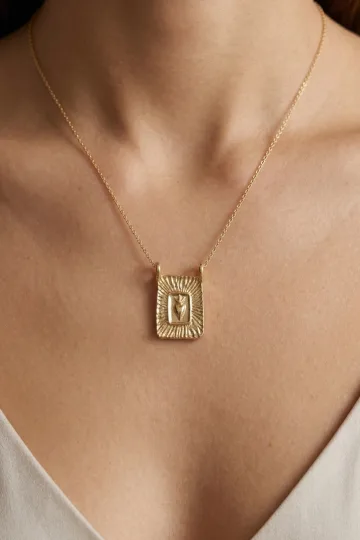
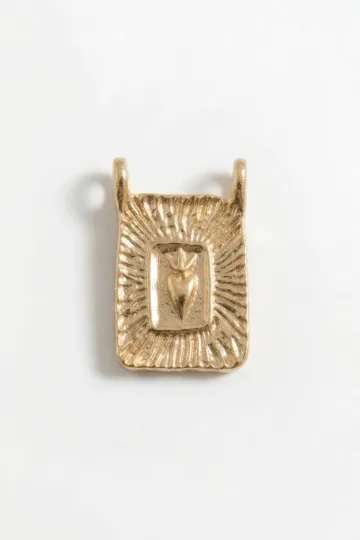
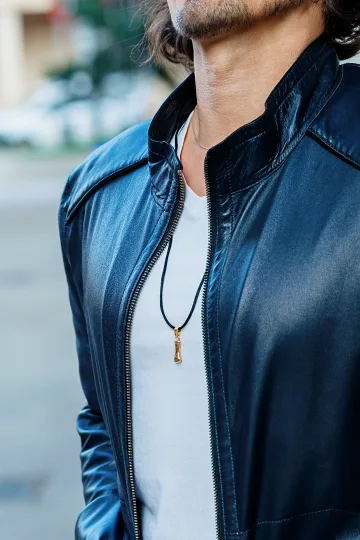

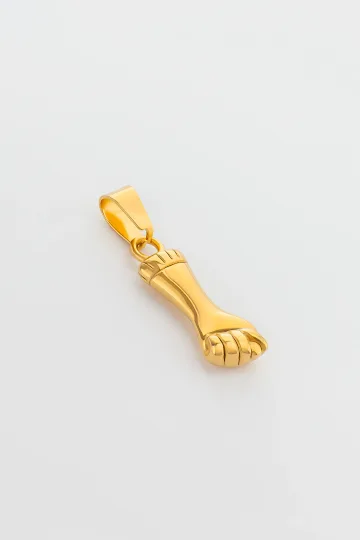
What a typical milagro looks like
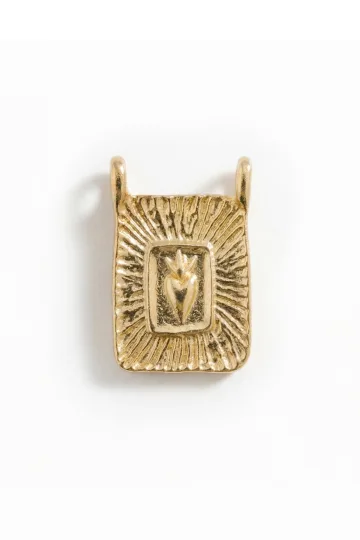
A classic milagro is a flat or slightly domed figure, anywhere from the size of a fingernail to a matchbox, usually made of thin metal. There is normally a loop or a small hole at the top so the object can be pinned or tied to the clothing of a statue, to a ribbon, to a frame. The surface can be smooth and stamped or, instead, a little rough, with the visible mark of a tinsmith's hand.
The shapes are recognisable at a glance precisely because they have to read fast. A hand is a hand, a leg is a leg, a cow is a cow. Nobody is looking for artistic subtlety here: a milagro has to tell anyone who steps up to the altar, instantly, what the request is about. That directness is what makes them so appealing in jewellery, where people are used to coded, hidden symbolism.
How a milagro differs from an ordinary symbolic pendant
An ordinary heart pendant means love in general, for anyone and everyone. A milagro heart means somebody's specific heart and somebody's specific request. The difference is in the targeting. A symbol is worn for its general meaning; a milagro is worn for the story tied to it by a vow, even if that story is not yours but came along with the object.
That is why milagros are so loved for collecting and arranging into compositions. Each figure is the trace of a separate human hope. When many of them gather on one frame or one bracelet, you get not an ornament but a gathering of small requests, and that is the main difference from a decorative set of charms.
The tradition: where and how milagros live
Catholic Latin America and Mexico
The heart of the living milagros tradition is Mexico, though the custom appears all across Catholic Latin America, from Peru to Guatemala. In rural churches and at roadside chapels, statues of saints and images of the Virgin Mary can be literally covered in metal figures: pinned to the saint's clothing, hung on nearby ribbons, piled into glass cases at the base.
A person comes with a request: a child fell ill, work is going nowhere, a husband left home, a cow died. They pick a milagro that matches the shape of the trouble and leave it before the image of the saint considered the patron of such matters. If the request is granted, people often come back and bring a second milagro, this time in thanks. That is how popular statues build up whole scatterings of silver and tin figures over the decades.
Spain and Portugal: the roots and the word ex-voto
The tradition came to the Americas from Spain and Portugal along with Catholicism, and on the Iberian Peninsula it is alive to this day. In Spanish and Portuguese churches votive offerings are more often called by the Latin ex-voto, and they include metal figures, wax models of ailing body parts, thank-you pictures, even hair and brides' garments.
Portugal in particular has a strong wax ex-voto tradition: whole shops near major sanctuaries sell wax hands, legs, heads, and figures of infants. Metal milagros are mostly the Spanish and Latin American branch of the same tree. The root is one: a person brings the saint the image of their trouble so the saint can see it as an object.
The vow "manda": how the promise works
At the base of the whole tradition lies the idea of a vow, in Spanish "manda" or "promesa." It is a promise a person makes to a saint: "if you help me, I will walk to your sanctuary," "I will hang a silver heart," "I will name the child after you." A milagro is the material part of such a deal, the visible sign that a promise has been made and will be kept.
A manda runs in two directions. There is the "petitioning" kind: the milagro is brought in advance, as a claim staked on a miracle. And there is the "thanksgiving" kind: the milagro is brought afterward, once the request has been granted, as the settling of a debt. Understanding this split matters, because the same silver leg can mean both "heal me" and "thank you for healing me." The person sets the context.
Who pins milagros, and to what
Milagros are usually pinned by the petitioners themselves, with their own hands, without a priest as go-between. That is the folk, grassroots nature of the custom: no official is needed between a person and a saint. The figure is fastened with a pin to the fabric of a statue's robe, tied on with thread, clipped to a ribbon, or placed in a special display case.
Beyond statues, milagros get attached to home altars, to framed images, to wooden crosses, to candles before an icon. Some families have their own set of milagros that they take out at the right moment and tuck away again until the next trouble or feast day. So the object travels between the altar, the home, and, these days, the jewellery box.
A silver heart wants an open collar and bare skin. Never bury it under a turtleneck, and don't argue.
How to wear a milagro
Over years of styling I have taken milagros through dozens of looks, from a single silver pendant to a bracelet that chimes at the wrist. Here is what actually works, sorted by occasion.
What do I pair a milagro with every day? For daily wear I recommend one silver milagro on a thin chain over a plain tee, a linen shirt or fine knit. A light top lifts the metal, a dark one turns the figure into the accent. A heart or a hand reads best at the collarbone, so I suggest a shorter length that lets the milagro sit on bare skin rather than hide under a collar.
One milagro or a whole set? Both work, in different ways. A single milagro on a clean chain acts as a quiet meaningful accent, and that is my pick for a minimal look. When you want a cluster, I gather milagros on a bracelet or layer chains of different lengths: a heart, a house and a hand together sound like a small collection of stories. Just don't pile five traditions into one tangle.
Which neckline and length? Under a high closed neckline I choose a short chain so the figure rests on the fabric. Under an open V-neck you can go larger and longer, and the milagro lands right in the centre. A heavy cast pendant I suggest on a sturdier chain, a thin stamped one on a delicate chain.
How do I combine it with other pendants? I recommend staying in one field of meaning: a milagro heart beside a cross and a holy medal, a milagro house beside a key pendant. That way the set reads as one story. Mixing a milagro with amulets from distant unrelated traditions on the same chain I would avoid, it just becomes visual noise.
Who do milagros actually suit? Anyone who likes a piece with a story rather than a shiny mass with none. A milagro sits equally well on a minimal look and in layers. Two rules that never fail: choose the length for the neckline, not the other way round, and one meaningful milagro always beats a handful of random figures.

Turn on your camera, pick earrings, a pendant or a ring, and see the piece on yourself in real time.
Switch items in one tap.
Everything runs in your browser: no photo or video is ever uploaded.
Customer reviews
Zevira is a real jewellery shop. Genuine payments, deliveries and customer thank-yous.
🥰🥰🥰 gracias

Ok, ¡gracias! 🙂

What the shapes of milagros mean
Heart: love and heart health at once
The heart is the most common and the most layered milagro. In one case it is about love: bringing feelings back, saving a marriage, finding a partner, reconciling people who have quarreled. In another it is literally about the organ: healing an ailing heart, surviving an operation, calming an arrhythmia. Folk tradition does not separate these meanings strictly, and one little heart can carry both requests at the same time.
A separate line is the heart with tongues of flame or a crown of rays, pointing back to the image of the Sacred Heart. There is a full breakdown of how the flaming heart became a large symbol of its own in the piece on the Sacred Heart and its meaning in jewelry. The milagro heart is the folk, everyday descendant of that same iconography, brought down from the altar to the level of a personal request.
Hand: work, help, dexterity
The milagro hand asks for whatever is connected to hands. That covers healing an injured or ailing hand, regaining strength and skill after illness, and luck in a craft or trade where everything depends on the hands: for a seamstress, a carpenter, a musician. Sometimes the hand means something wider, help in general, a hand extended in support through a hard task.
The hand shape in milagros is almost always open, fingers spread, palm turned toward the viewer. That gesture reads as "give" and "take" at the same time. Do not confuse the milagro hand with the protective Hand of Fatima or the hamsa: those have a different nature, guarding against the evil eye, while the milagro hand is a specific request about the body or about work.
Leg: healing, the road, pilgrimage
The leg is one of the most common anatomical milagros, because diseases of the legs, fractures, lameness, and amputations tormented people in every era. A silver leg at a statue is a request to heal the leg, to get back on your feet, to walk without pain. In that sense the leg is the most "medical" of all milagros.
There is a second layer too. The leg is tied to the road and to pilgrimage. A person who vowed to walk on foot to a distant sanctuary might bring a milagro leg as an image of the journey itself. So an anatomical request for health joins with the theme of travel and of a vow kept to walk a long road.
Eye: eyesight and protection from the evil eye
The milagro eye is most often about vision: healing the eyes, restoring sharpness, saving someone from blindness. In a country with harsh sun and heavy farm labour, eye trouble was common, and a silver eye before an image was a natural request.
The eye's second meaning borders on folk magic: protection from the evil eye, from envy, from a bad look. Here the Catholic milagro touches the Mediterranean tradition of the protective eye, though by origin these are different things. If the theme of protection from a hostile gaze speaks to you more than an anatomical request does, take a look at the general breakdown of amulets, charms, and talismans, where these traditions are kept apart.
Cow, horse, pig: livestock and the household
Animal milagros are a farmer's requests about the household. A cow stands for milk, offspring, the health of the herd. A horse or a mule is the labour power without which a village could not survive. A pig, a sheep, a hen: each figure stands for a specific line of family income. The loss of livestock was a catastrophe for a farmer, no less than human illness, and people asked the saint about animals just as seriously as about people.
These milagros remind us how grounded and practical the tradition was. There is no lofty mysticism here: there is a cow, on which it depends whether there will be anything to eat in winter. A silver or tin little beast before an image is an agricultural prayer translated into the language of shape.
House: home, family, protection of the hearth
The milagro house asks for everything connected to a dwelling and to a family under one roof. It is both a literal request for a home, a roof over your head, a successful purchase or build, and a wider request for peace in the family, for harmony among the household, for the hearth to be kept from harm.
A little house in milagros is usually drawn as simply as possible: walls, a roof, sometimes a door and a window. That childlike clarity of shape makes the house one of the most touching milagros. Behind the schematic little house sits the whole weight of the question, "where and with whom will we live."
The kneeling figure: the one who prays
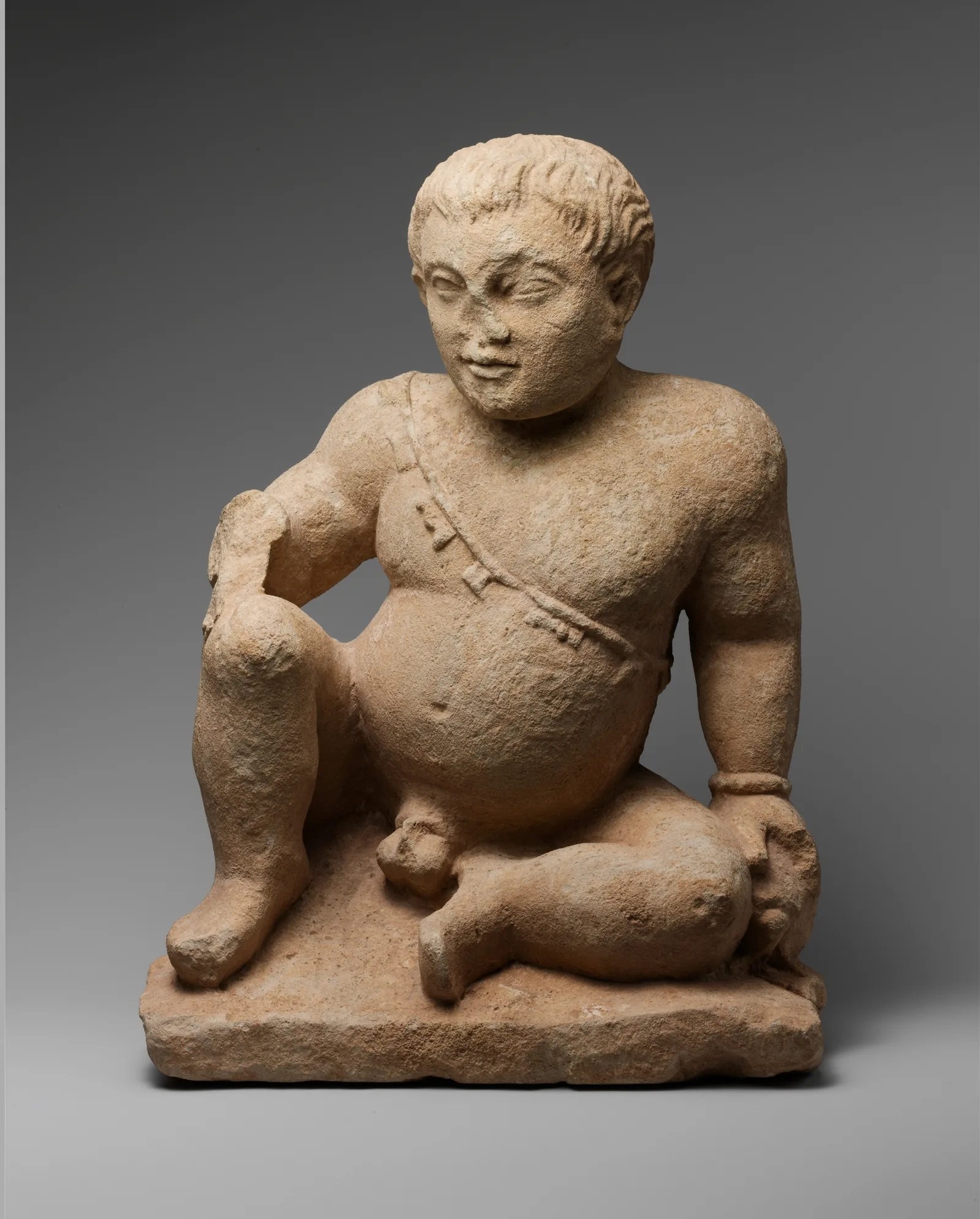
Among milagros you find the figure of a kneeling person, hands folded in prayer. This is the petitioner himself, shown in the moment of pleading. Such a milagro does not point to an ailing body part or to trouble in the household; it stands for the whole person who has come to the saint with their need.
There are paired figures and child figures too: a kneeling woman, a man, a child. From them you can sometimes tell who is being prayed for: oneself, a spouse, a child. The praying figure is the most direct milagro of all, with no metaphor: here I am, here is my request.
Body parts by ailment: head, chest, bones
The logic of anatomical milagros is simple: you bring whatever hurts. The head for migraines and mental illness, the chest for lung disease or for a mother's milk, kidneys, liver, bones, teeth. At old Spanish sanctuaries you can find a whole anatomical atlas in metal and wax, gathered from other people's ailments across the centuries.
This directness can seem naive, but there is a deep human truth in it. When there is neither a diagnosis nor a cure, all that remains is to show the saint the sore place itself. The anatomical milagro is the language of the body, spoken to a higher power by those who had no other words. There is a separate piece on how the anatomical image of the heart lives in modern jewelry, on the anatomical heart in jewelry.
Upload a photo of your pet, someone you love, or an object. We'll build a 3D model and hand-cast it in pewter.




The history of milagros
Pre-Columbian offerings of Mesoamerica
Before the Spanish arrived, the peoples of Mesoamerica already knew the custom of leaving offering objects at shrines. Into sacred cenotes, at temples and idols, they cast jade beads, gold figures, shells, and copper work. The logic was close: a person gives a deity a valuable thing in exchange for favour, healing, or a good harvest.
That ground turned out to be prepared for what the Spanish brought. When Catholic images took the place of the former deities, the habit of bringing them a material offering did not go anywhere; it simply changed the recipient. That is why milagros took root so naturally in the New World: the form was foreign, but the gesture itself had long been familiar.
Spanish and Mediterranean roots
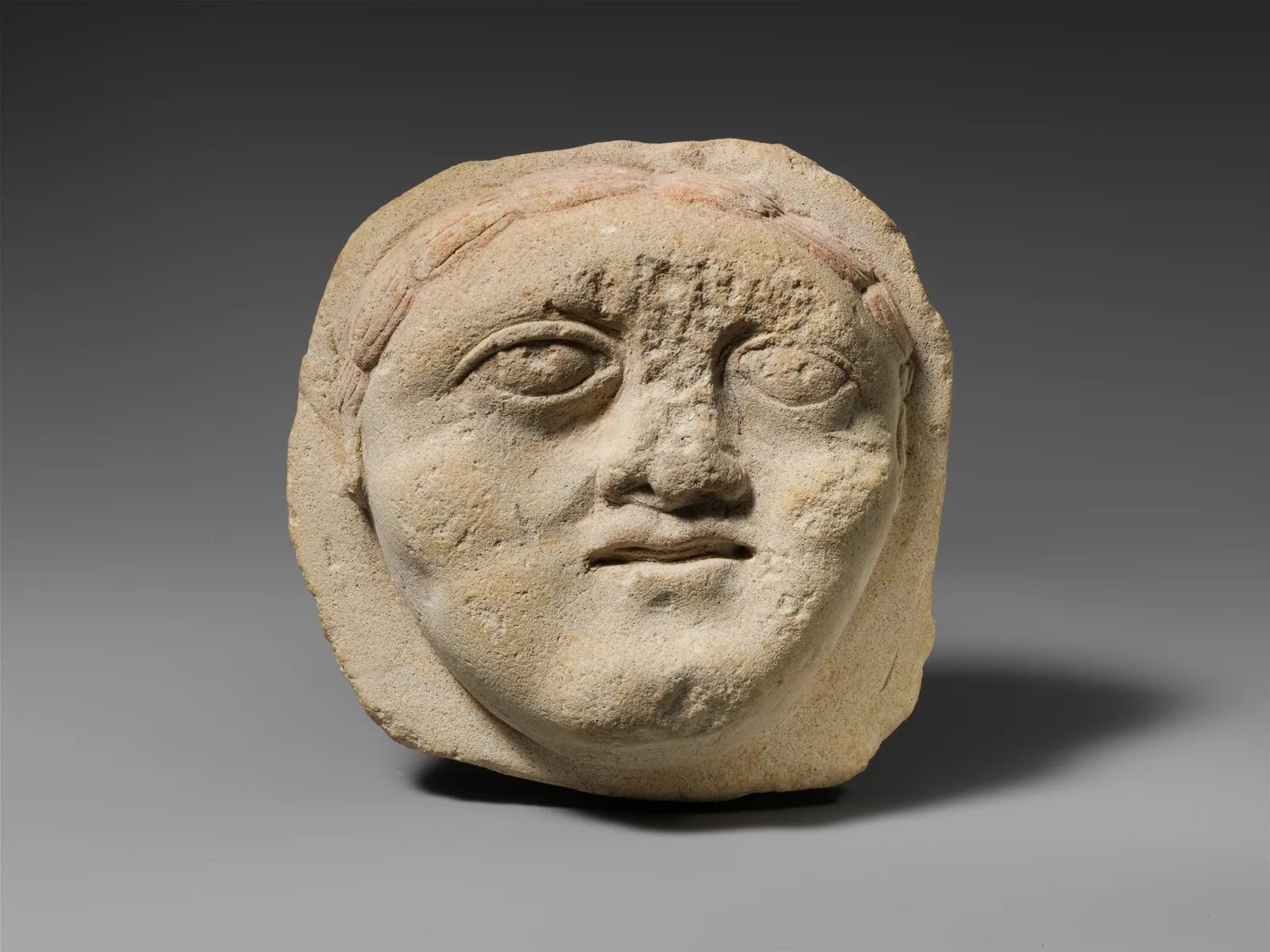
The form of the metal votive itself came from the Old World, and its pedigree reaches deep into antiquity. The ancient Greeks and Romans already left terracotta and metal models of healed body parts in the temples of healing gods. In the sanctuaries of the healer god Asclepius, archaeologists find hundreds of such anatomical votives: eyes, ears, legs, breasts.
Early Christianity and medieval Catholicism inherited this custom, redirecting it to the saints and to the Virgin Mary. By the Spanish Renaissance, votive offerings of silver and wax were common all across the Mediterranean. It was this ready-made tradition that the conquistadors and missionaries carried across the ocean.
The merging of two traditions in colonial Mexico
In colonial Mexico the two lines came together and produced what we now call milagros. From Europe came the Christian meaning, the forms of anatomical votives, and the metal itself, silver and its alloys. From the local culture came the habit of offering, mastery in working metal, and the folk, grassroots way of dealing with higher powers without unneeded go-betweens.
Out of this blend came the recognisable Mexican tradition: bright, abundant, made by hand. Milagros were made both from silver for the wealthy and from cheap tin and brass for everyone else, and the custom became truly universal. By the nineteenth century the metal milagro was as much a part of folk religion as the candle and the holy card.
From the altar to jewellery
The turning of an altar object into a wearable piece happened gradually and naturally. A person who left a milagro before an image often wanted to have one like it on their own body, as a memory of the vow or as a personal sign of protection. Silver figures began to be threaded onto chains, sewn onto clothing, gathered onto bracelets.
In the twentieth century milagros moved far beyond the church and became a recognisable motif of Mexican folk art, furniture, frames, and jewellery. Today a milagro pendant is worn both by deeply devout people, as a continuation of a vow, and by those who are drawn to the aesthetic and the history of this folk tradition. The object made its way from the feet of a saint to the wearer's own neck.








What milagros are made of
Tin and pewter: milagros for everyone
The most popular, mass material for milagros is thin tinplate, tinned iron, and pewter. From these, cheap figures are stamped and cut, within reach of any family. Tin milagros shine brightly, bend easily, and over time rust or grow dull, and there is a truth of its own in that short life: the thing is brought and left, it is not meant to last forever.
It was tin that made milagros a universal tradition. Silver was not affordable for everyone, while a stamped pewter or tin figure cost next to nothing. Thanks to cheap metal, the vow became available even to the poorest farmer, and the custom spread across the whole country.
Brass: golden shine without gold
Brass, an alloy of copper and zinc, gave milagros a warm golden colour without the price of gold. Brass figures look more festive than tin ones, hold their shape longer, and over time take on a noble patina. It is a compromise between affordability and looks: a shine almost like gold, at an earthly price.
In jewellery, brass milagros are valued exactly for that warm tone and for the way they age. Patina on brass looks like a trace of time and history, which sits well with the very idea of milagros, in which an object carries someone's past fate.
Silver: milagros for a weightier vow
Silver is the traditional material for milagros brought for an important vow or by people of means. A silver figure is more costly, more noble, more durable, and a silver offering was considered a weightier sign of a vow. At the statues of especially revered saints, silver milagros built up in particular abundance.
In modern jewelry, silver is the best choice for a milagro pendant meant to be worn all the time. It does not cause allergies, unlike some alloys, it takes on a noble patina, and it cleans easily. The properties of the metal, and how to tell the real thing, are covered in detail in the guide to 925 silver and what it means. A silver milagro is a piece built to last for decades.
Gold and precious versions
Gold milagros are rare and almost always mean either a very serious vow or an offering from a well-off person. In wealthy sanctuaries you find gold hearts and figures, sometimes with enamel or stone settings. This is no longer folk craft but fine jewellery work, though the meaning stays the same.
In wearable jewellery a gold milagro appears as a one-off, costly piece, often a family heirloom. Such an object is valued both for the metal and for the memory: a gold heart brought home from a pilgrimage easily becomes a family relic, passed down through the generations along with the story of the vow.
Milagros in jewellery and decor
On a charm bracelet
A bracelet scattered with milagros is perhaps the most recognisable way to wear this tradition. Several different figures are threaded onto a chain or ring: a heart, a hand, a leg, a little house, a cow. The result is a small gathering of requests and thanks, jingling on the wrist. Anyone can put together their own set to fit their own story, or simply by the beauty of the shapes.
Such a bracelet is related to the idea of a charm bracelet, but with one important difference: milagros carry a specific religious and folk meaning, not just "keepsake trinkets." So the set is usually gathered with intent, around meaningful events, rather than as a random handful of pretty baubles.
On a cross and in religious compositions
Milagros are often fastened to wooden or metal crosses, turning the cross into a field for many small requests. Such a "milagros cross" is hung on the wall of a home, set on a home altar, given as a housewarming or christening gift. Each figure on it is a separate prayer for the house and its people.
The wearable version is a small cross with milagros hung on it, or a cross made up of small figures itself. The theme of the cross as jewelry and as a protective piece is covered separately in the piece on the cross necklace and its symbolism. Milagros add a layer of folk, very personal religiosity on top of the general Christian meaning.
On clothing and textiles
Historically milagros were pinned to the clothing of statues, and the same approach carried over to the clothing of people. The figures are sewn onto bags, hats, vests, ribbons, belts. In Mexican folk costume and in modern ethnic fashion, milagros work as a bright decorative and meaningful accent.
Unlike a pendant, a sewn-on milagro lives on the fabric and is visible to everyone. That way a person wears their story on display, not hiding it under a collar. This method is closest to the original, altar one, where the figure was pinned to the saint's clothing for all to see.
In frames and wall decor
A large part of the life of milagros is decor. They are set into frames around mirrors and images, laid out in patterns on boxes, used to decorate candlesticks, crosses, and protective hearts for the home. Such decor keeps the folk aesthetic alive even when the buyer is far from the religious tradition itself.
Decorative milagros are usually tin or brass, bright, deliberately simple. In an interior they bring the same warm Mexican spirit as painted ceramics or paper garlands. Here a milagro is almost an ornament already, but the memory of its altar origin gives even the decor a particular depth.
Leave your email, we'll send your discount code. No spam, unsubscribe anytime.
The code arrives by email, valid on your first order.
The milagro heart and the image of the flaming heart
Where the flaming heart came from
The milagro heart with tongues of flame, sometimes crowned with rays or a cross, goes back to the great Catholic image of the Sacred Heart. That image depicts a heart wrapped in the fire of love, often encircled by a crown of thorns or pierced. From high iconography the motif came down to the people and became one of the most expressive milagros.
The flaming heart stands for love of enormous strength: divine, motherly, love between people that reaches the point of self-sacrifice. When such a milagro is brought to an image, the request is no longer simply about health or a partner, but about love as a force capable of overcoming everything.
Sacré-Cœur and the folk version
The French name for this image, Sacré-Cœur, and the Spanish Sagrado Corazón both refer to the same flaming Sacred Heart. In the folk Mexican tradition the high theological meaning is simplified and warmed: the flaming heart becomes a sign of ardent, living, homely love and faith.
The milagro heart is the folk go-between linking the great church image and the small human request. It takes the majestic motif of the flaming heart and makes it pocket-sized, wearable, one's own. The full history of this image and its place in jewelry is laid out in the piece on the Sacred Heart and its meaning.
Why the heart became the leading milagro
Of all the shapes it was the heart that became the calling card of milagros, recognised even by people who have never heard the word "milagro." The reason is its universality: the heart suits a request about love, about health, about reconciliation, and stands as thanks for any miracle. One shape covers half of human needs.
Add to that pure aesthetics: the heart is beautiful on its own, easy to read, and looks good in silver, in tin, and in gold. So when milagros came into the wider world of fashion and decor, it was the heart that led the way and became the symbol of the whole tradition.
CAPAORA mini knife pendant
The 18th-century Spanish navaja in miniature: 40 mm of stainless steel, a real folding mechanism and a Palanquilla lock that clicks. An affordable gift to remember.
Authentic · Ships from Spain · 14-day returns
The difference between a milagro and an ordinary charm
Meaning versus decor
The main difference between a milagro and an ordinary charm lies in the source of the meaning. A charm trinket means whatever the owner personally puts into it: this tower I hung after a trip to Paris, this little key in memory of a new apartment. A milagro carries a ready-made meaning, shared by the whole tradition, that existed long before the particular owner.
In other words, a charm is a blank page on which the owner writes, while a milagro is a page with text already on it, to which the owner adds their own. That is why milagros are more interesting precisely to those who care about both the personal and the cultural, centuries-deep layer behind the shape.
Origin and context
A charm trinket is a product of decorative jewellery fashion; it carries no religious or ritual obligation. A milagro comes from the temple, from a vow, from folk faith, and even taken off the altar and sold in a shop it keeps the memory of that origin. The context of these two things is fundamentally different.
This does not make the charm worse; it has its own honest role in jewellery. But if you want to wear a thing with a history centuries long and with roots in a living folk tradition, the milagro gives that, and an ordinary decorative trinket does not. The choice depends on what matters more to a person: pure decorativeness or being rooted in tradition.
When a milagro becomes just jewellery
It also happens that a milagro loses its votive meaning and works purely decoratively: on a bag, in a frame, in a set of costume jewellery with no connection to a vow. This is the normal fate of many folk symbols that have entered the wider culture. There is no sin in it, as long as there is no mockery or empty display of someone else's sacred object behind it.
The line runs along attitude. A milagro as jewellery stays worthy as long as the wearer remembers where it comes from, even if they wear it for its beauty. The problem arises only where the meaning is not simply set aside but turned inside out, made into a parody. Knowing the origin is the small thing that separates respectful wearing from indifferent.
Caring for milagros
Silver and gold
Silver milagros darken over time, taking on a patina, and this is natural. Many people even like the light darkening: it brings out the relief of the figure and gives it the look of an old thing. If you want to bring back the shine, silver is cleaned with a soft silver cloth or a special paste, without scratching the surface with stiff brushes.
Gold milagros are undemanding: gold does not oxidise or grow dull, and warm water with a drop of mild soap and a soft cloth is enough. The main thing when cleaning any milagros with relief is to work carefully in the recesses of the shape, where dirt collects, without damaging the thin edges of the stamping.
Tin and brass
Tin and pewter milagros are the most fragile to care for. They fear moisture and rust easily, so it is best to keep them dry and not wear them in the shower or the pool. If rust has appeared on the tin, you should not scrub it aggressively: you can rub off the thin coating and only make things worse. It is often wiser to accept the patina as part of the thing's character.
Brass over time takes on a dark film, which many people value. If you want to bring back the golden shine, brass is cleaned with mild products for copper and alloys or with home methods like lemon and salt, after which it must be wiped dry. But here too the patina is often flattering: on milagros it reads as a trace of lived history.
Storage and wear
Store milagros like any jewellery: separately, in soft pouches or compartments, so the thin figures do not scratch one another or get tangled. Tin and brass should be kept away from damp, silver away from direct contact with harsh cosmetics and chlorine.
When worn, thin stamped milagros need a little more care than a massive cast pendant: they bend more easily. Taking them off before sport, cleaning, and sleep is a sensible habit. With normal handling a silver or brass milagro lives quietly for decades and passes to the next owner along with its story.
Send a friend a discount code, they save on their first order.
Facts that surprise
Ancient sanctuaries had their own votives too
The custom of leaving metal images of healed organs in temples is no Catholic invention. Already in the ancient sanctuaries of the healer god Asclepius, pilgrims left terracotta and metal models of eyes, ears, legs, and breasts. Archaeologists find them by the hundreds. In effect the modern Mexican milagro eye is a direct relative of a Greek votive two thousand years old.
Wax hands and legs are sold by whole shops
In Portugal, shops near the big sanctuaries still operate that sell wax ex-votos: wax hands, legs, heads, and life-sized figures of infants. A person buys a wax model of the ailing body part and leaves it before an image. Next to these waxen "anatomical theatres," metal milagros look downright modest.
One milagro can mean the exact opposite
A silver heart at a statue can mean "heal my heart" and at the same time "thank you for healing it." The same figure works both as a request and as thanks, depending on what the person put into it. This is a rare case where the meaning of an object is set not by its shape but by the intent of the wearer.
Milagros outlived a change of gods
In Mexico the habit of bringing an offering to a shrine is older than Catholicism. Pre-Columbian peoples cast jade and gold into sacred cenotes long before the Spanish arrived. When the gods changed, the gesture remained: people went on carrying gifts, simply to different images. The milagro is a Christian form laid over a very ancient Indigenous habit.
The heart beat all the other shapes
Although there are dozens of anatomical and household milagro shapes, it was the heart that broke through into the wider culture and fashion. Today, for many people, "milagro" calls to mind first of all the flaming heart, while the legs, cows, and kidneys remained for connoisseurs of the tradition. The universal meaning of the heart turned out to be stronger than all the narrow shapes.
Tin made the miracle democratic
While milagros were made only of silver, the vow was a privilege of the well-off. Cheap stamped tin changed everything: a silver request cost as much as a cow, a tin one as much as a handful of grain. It was the inexpensive metal that turned milagros from a custom of the gentry into a universal tradition, within reach of the poorest farmer.
Frequently asked questions about milagros
What does the word "milagros" even mean?
"Milagro" in Spanish means "miracle," and in the plural it is "milagros." That is the name for the little offering figures that people bring to images of saints as a request for a miracle or as thanks for one that already happened. Each figure takes the shape of what is being asked for: a heart, a hand, a leg, a cow, a house.
Can I wear milagros if I am not a Catholic?
Yes. The tradition long ago moved beyond the church and became part of folk art and fashion. A milagro can be worn by a person of any beliefs; the only thing that matters is to know that a religious vow stands behind the shape and to treat it with respect, not as empty exotica.
How does a milagro differ from an ordinary charm?
A charm trinket carries a meaning that the owner personally puts into it, and it has no history before the purchase. A milagro carries a ready-made meaning, shared by the whole tradition, grown out of a vow and folk faith centuries before the particular owner. In effect it is the difference between a blank page and a page with text already on it.
Which milagro should I choose for myself?
By the meaning of the shape. A heart for the theme of love and health, a hand for work and craft, a leg for healing and the road, a house for family and hearth, a praying figure as an image of the person themselves. It is best to choose to fit your own story: a recovery, a move, the birth of a child, the memory of a loved one.
Why is the heart the most common milagro?
Because the heart is universal: it suits a request about love, about heart health, about reconciliation, and stands as thanks for any miracle. One shape covers half of human needs. On top of that it is beautiful and reads well in any metal, which is why it was the heart that led the move of milagros into wider fashion.
Which metal is best for a milagro worn all the time?
For everyday wear the best choice is silver: it ages with grace, does not cause allergies, and cleans easily. Brass is good for its warm golden tone and beautiful patina. Tin and pewter are historic and inexpensive, but they fear moisture and spoil quickly, so they suit decor rather than constant wear.
How do I care for a milagro so it does not get spoiled?
Silver is cleaned with a soft silver cloth, gold with warm water and mild soap. Tin and brass are kept away from damp and not worn in water. It is best to store the figures separately in soft pouches, so the thin stamping does not scratch or bend. Taking them off before sport, cleaning, and sleep is a sensible habit.
Is it appropriate to give a milagro as a gift?
Yes, if the giver understands the meaning of the shape. A heart suits the theme of love and support, a little house a housewarming, a praying figure a wish for protection. Given consciously, a milagro turns into a small story and tells the recipient that they were thought of and wished exactly this.
Zevira milagros: someone else's gratitude that you can wear
Handmade silver milagro pendants: heart, hand, house, praying figure. Each shape with its own story and meaning, for a chain, a bracelet, or a cross. Choose a figure to fit your own vow, or gather your own set of requests and thanks.
See protective jewelleryBuying it as a gift? Each one arrives ready to give.
 A branded Zevira box and a little card come with every order.














About Zevira
Zevira makes jewellery with a hidden layer: behind the shape there is always a story, a tradition, or a meaning, and never only a pretty silhouette. Milagros are, for us, the perfect example of this approach, since they are things in which someone else's hope and gratitude live, cast in silver. We work with real 925 silver, we keep the folk shapes recognisable, and we explain what each of them means, so the protective piece stays a protective piece and not an empty trinket. Wear it with intent, give it with understanding, pass it on along with its story.