Tagua: the plant ivory that costs no elephant its life
Tagua looks like ivory, carves like ivory, holds a polish like ivory and even gives that same cool first touch against the skin. Yet it is no tusk. It is the dried kernel of a palm nut from the rainforests of South America. Where someone once cut a trinket out of a tusk, an elephant now stays alive, and the money goes to a nut gatherer's family in Ecuador instead of a poacher.
What follows is a long conversation: what this nut actually is and why botanists named the palm after the elephant, how tagua buttoned up half of Europe and America in the nineteenth century, how cheap plastic killed it off, and how the very same hunger for sustainability brought the nut back onto wrists and necks. We will look at the ethics, the craft, the upsides and the honest downsides without any sales gloss, and learn to tell real tagua from a plastic copy and from banned ivory. At the end come care, styling and a clear read on who this material suits and who is better off looking elsewhere.
What tagua is: a palm nut, not a stone and not bone
The Phytelephas palm that was named after the elephant
Tagua is the dried seed kernel of several palm species in the genus Phytelephas. The botanical name itself translates roughly as elephant plant: the first part points to the plant, the second to the elephant. The name was given not for the look of the tree but for the hard white mass hidden inside the fruit, indistinguishable in appearance and density from elephant ivory. It is a rare case where the scientific name honestly describes the thing: a palm that makes ivory without an elephant.
These palms grow in the humid lowland forests of north-western South America, above all in Ecuador, Colombia and Peru. They are low palms with huge feathery fronds that often lie almost on the ground, and the fruit ripens right at the base of the trunk in dense clusters. One such cluster weighs about as much as a small sack and is made of spiky woody fruit heads, each holding the nuts. The tree is never felled or harmed: only the fallen ripe fruit is gathered, so the palm keeps bearing for decades.
Wear the symbol, don't just read about it. These are in stock:





It helps to separate two meanings at once. Tagua is the name of the palm and the name of the carving material alike. The raw nut inside a fresh fruit is soft, like an unripe coconut, edible, and forest animals are happy to eat it. It turns hard only later, as it dries, and it is that dried white kernel that becomes the material people carve, turn and dye.
What the raw nut looks like and how much it weighs
A fresh tagua nut is roughly the size of a hen's egg or a touch larger, irregularly rounded, wrapped in a brown woody husk. Inside sits a semi-translucent jelly that thickens, whitens and hardens as it matures. A fully ripe, dried kernel becomes dense, heavy for its size, with a smooth creamy-white surface and a fine grain free of visible fibre.
Many nuts keep a small natural cavity at the centre, sometimes with thin inner walls. This is normal and even recognisable: when cutting a large bead or pendant, a maker will sometimes leave that little crater on show as proof of natural origin. The outside, by contrast, is even, with none of the growth-ring pattern of wood, which is one of the things that sets it apart from timber, where the grain almost always shows.
The colour of natural tagua is not a perfect white but a warm cream, sometimes with a faint yellow or greyish cast closer to the husk. That living unevenness is prized: it is exactly what gives away the real material against the dead-white uniformity of plastic. After polishing the surface takes on a soft sheen, much like buffed bone or an old billiard ball.
How tagua differs from wood, horn and a homemade nut
Tagua is often filed together with wood, but the materials are different. Wood is the fibrous tissue of a trunk with a directional grain; tagua is the storage substance of a seed, dense and even in every direction. That is why tagua is turned on a lathe like stone and holds fine carving and a thin edge where wood would split along the grain. In how it works under a tool it sits closer to bone and horn than to timber, even though by origin it is a plant. There is a separate look at wood in jewellery covering timber's quirks, and the comparison helps show why tagua is easier to carve.
From animal horn and bone, tagua differs in origin and make-up: it is a plant polysaccharide, essentially hardened food reserves for the future sprout, not the protein collagen of bone. In practice that means tagua does not give off the singed-protein smell of horn or bone when heated, but rather smoulders like plant matter. That trait comes in handy later when we learn to tell real tagua from imitations.
Why tagua is called plant ivory
Hardness and density, almost like a tusk
The main reason for the nickname is mechanical. The dried tagua kernel is very dense and hard enough to be turned on a lathe, drilled, threaded and polished to a mirror shine. In the hand and under the tool it behaves almost like real bone: it gives a clean cut, does not crumble, does not fray, holds the sharp edge of a pattern. Bone carvers who pick up tagua for the first time note that the tool runs much the same, only the material is a touch softer.
It was exactly this workability that once made tagua an industrial substitute for ivory. People turned jewellery, chess pieces, handles and small fancy goods from it, all the things once made from costly tusk. Ivory was a scarce and dear material, while the nut grew in clusters and cost next to nothing, and the finished piece was hard to tell apart by eye.
Colour and texture: the very likeness that fools the eye
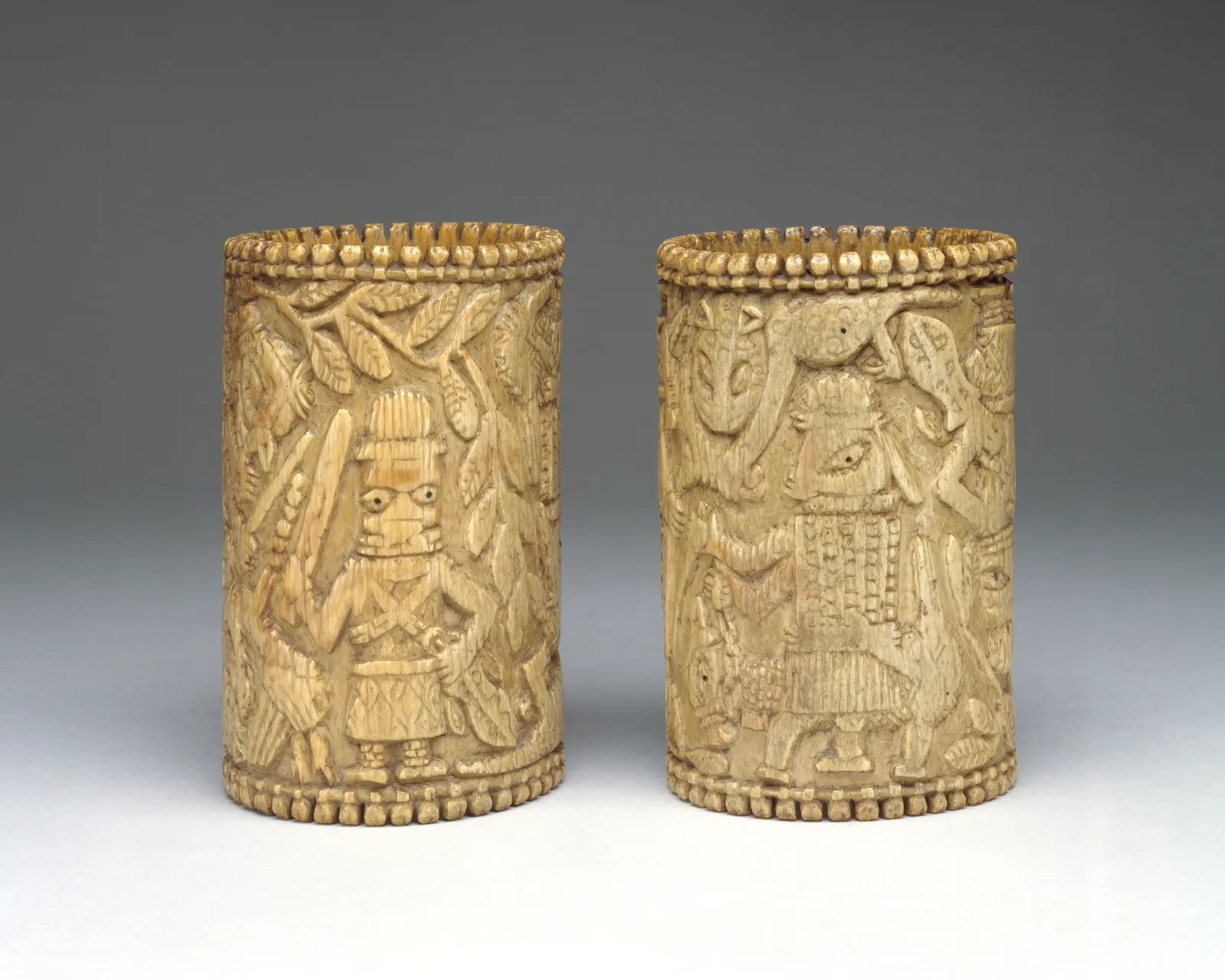
The second layer of likeness is the look. Freshly polished tagua is creamy white, with a warm undertone and a slight translucency at thin edges, just like good ivory. It has neither the fibre pattern of wood nor the porosity of bone with its telltale lines, yet the eye reads that noble milky tone as ivory in an instant. Under a loupe a real tusk shows the finest mesh of growth lines, and tagua has none, which is one of the scientific ways to tell the two apart. But without a loupe and without experience the difference is almost invisible.
With age tagua, like ivory, yellows and darkens a little, gathering a patina. Old tagua pieces take on a warm honey tone over time that collectors prize as much as the patina on old ivory. This way of ageing beautifully, rather than crumbling to dust, also links the nut to ivory and sets it apart from many plastics that yellow ugly and grow brittle over the years.
Where the likeness ends
An honest account needs the other side too. Tagua is still softer than real tusk and noticeably softer than stone; it can be scratched by a hard object and dented by a strong blow. The size of a piece is limited by the size of the nut: you cannot turn a single large monolithic object from tagua the way you can from a long tusk. And tagua fears prolonged water and drying out more than dense bone does. So plant ivory is an apt nickname rather than full equality: the material is alike enough to replace ivory in jewellery, but it has its own character and its own rules.
Big tagua wants linen and a tan, not diamonds. Park a nut next to gemstones and both sulk, so keep them apart. No arguments.
What to wear tagua with
Hundreds of ethnic and resort looks have passed through my hands, and the nut always follows the same logic. Here is what never lets me down, on a shoot or on a plain hot afternoon.
What do you wear big coloured tagua beads with? A bright necklace always gets a clean background from me. I recommend a plain top: a white shirt, a black dress, beige linen, and the scarlet or turquoise nut reads as a deliberate accent. I suggest keeping one colour hit at a time instead of piling on red, green and yellow together. One row of large beads beats five thin chains layered over it.
And where does natural cream tagua go? Cream tagua I choose for calm natural looks: linen, cotton, earthy tones. It behaves like warm ivory and gets on with wood, leather and brass. I suggest it to anyone who wants a natural material without a loud colour, in a quiet earthy aesthetic.
Can tagua work at the office? It can, if you take a restrained shape. I recommend the natural cream tone and small drop earrings or a narrow bracelet, and leave the big coloured pieces for a holiday. Against a strict dress code with the glitter of fine jewellery the nut does not stand up, and metal is the honest choice there.
Which metals and materials do you pair it with? I choose tagua in matte natural company: wood, seeds, shells, leather, brass, bronze, matte silver. Glossy gold and the sparkle of stones quarrel with the nut, so I never mix them. In an ethnic setting silver only sets the material off, and that is the best role for metal beside tagua.
Who does the nut actually suit? People who love expressive but quietly shining pieces and are not afraid of a large form. Tagua opens up best in summer, on tanned skin, in light clothing, on holiday and in a free creative setting. I suggest protecting it from water and heat: take it off before a shower and never dry it by a radiator.

Turn on your camera, pick earrings, a pendant or a ring, and see the piece on yourself in real time.
Switch items in one tap.
Everything runs in your browser: no photo or video is ever uploaded.
History: how the nut buttoned up Europe and why it vanished
The nineteenth century: thousands of tonnes of nut into buttons
In the nineteenth century tagua went through a genuine industrial boom, and it had nothing to do with jewellery and everything to do with buttons. Once it turned out that the nut could be cut like ivory but cost next to nothing, European and American factories began importing it from Ecuador in vast lots. Whole ports on the Pacific coast lived off exporting the nut, and in industrial towns workshops turned the white kernels into buttons for shirts, jackets and uniforms.
The scale was enormous. Tagua was cut into plates, sawn into discs, turned, ground, dyed and stitched onto clothing across the western world. A tagua button was cheap, strong, handsome and took dye beautifully, so it dressed both fine shirts and mass-market goods. For Ecuador the nut export became one of the pillars of the economy alongside cocoa, and in some regions gathering tagua fed whole settlements.
The name plant ivory was born of commerce
The phrase plant ivory is in large part a trade label of that era. Sellers and manufacturers needed to explain to the buyer what this white material was and why it looked so like ivory. The comparison to elephant ivory sounded clear and respectable, lifted the worth of the cheap nut in the customer's eyes and at the same time hinted at ethics: here is ivory, but without hunting elephants. The marketing of a century and a half ago was, in essence, selling the same idea as today.
Plastic kills the nut
The triumph of tagua broke off in the middle of the twentieth century, and the culprit was synthetic plastic. The new polymers turned out cheaper still, they could be poured into moulds by the million with no carving or grinding, they did not fear water and did not crack. A plastic button cost the maker a fraction of a nut button, and the industry switched over almost overnight. Demand for tagua collapsed, the ports emptied, the workshops closed, and the nut that had fed whole regions for decades became all but useless.
For several decades tagua dropped out of everyday life. The palms went on dropping nuts in the jungle, but there was no one to gather them and no reason to, and the material itself slid into the category of forgotten crafts and museum buttons. A whole generation had no idea that their grandmothers' white buttons had once grown on a palm.
Eco-revival: the nut returns to wrists and necks
Tagua's second life came with the wave of interest in ecology and ethical consumption. First it was rediscovered by defenders of the tropical forests: gathering the nut gave forest dwellers an income without having to clear the forest for pasture and plantations. A standing forest of palms began to earn money, which meant it became more profitable to keep than to clear. So the nut went from forgotten button to a tool for protecting the rainforest.
Next came the designers and craftspeople. It turned out that tagua dyes beautifully into bright clean colours, stays light and warm, and carries a fine story with it: plant ivory that saves elephants and forests. People began making beads, earrings, rings, pendants and bracelets from it, and the material found a fresh niche in ethnic style, boho and eco-conscious fashion. Today tagua is no longer a cheap substitute but a deliberate choice for those who want a natural material with a clear, clean pedigree.
Customer reviews
Zevira is a real jewellery shop. Genuine payments, deliveries and customer thank-yous.
🥰🥰🥰 gracias
Ok, ¡gracias! 🙂
Ethics: an ivory alternative, protection for elephants, income for the jungle
Ivory without poaching
The ethical side of tagua is no marketing add-on but the real reason the material came back. True ivory is the tusks of killed elephants, and international trade in it is tightly restricted precisely to stop poaching. Every object made of real ivory is, in essence, the trace of a dead animal. Tagua looks and works the same way, but behind it stands not a single killed elephant: the nut simply falls from the palm once it ripens.
For someone who wants a white carved material with a warm noble look, tagua answers the wish without the ethical price. You can wear a cameo, a bead or a carved pendant that looks like ivory and be tied in no way to elephant hunting or the illegal tusk trade. That is the central promise of plant ivory, and it is an honest one.
A standing forest worth more than a felled one
The second ethical layer is the fate of the rainforest itself. The humid forests of Ecuador and Colombia were cleared for centuries for pasture and banana and oil-palm plantations, because a living forest seemingly earned nothing while pasture did. Gathering tagua changes that arithmetic. The palms grow in natural forest, the nuts are gathered without felling trees, and every sack of nut gathered is money the forest earns by staying alive. The more profit there is in gathering the nut, the less temptation to clear the forest for fields.
So a piece of tagua jewellery turns into a small economic argument for keeping the forest. It does not mean a single bracelet will save the jungle, but the direction is right: the material creates value from untouched nature rather than from its destruction. Other natural organic materials work by the same logic, for example the resin of ancient trees, covered in detail in the look at amber in jewellery.
Income for the communities of Ecuador and Colombia
The third layer is the people. Gathering and first processing of tagua gives a living to forest and rural communities for whom other sources of money are few. The nuts are gathered, dried and sometimes roughly worked on the spot, and that work stays in local hands rather than passing to large agribusiness. Many makers today take pains to point out that they buy the nut from gatherers' cooperatives on fair terms, and for the buyer that is part of the value of the piece.
In the end tagua rests on three ethical pillars at once: not a single killed elephant, a living forest preserved, an income for local communities. Few materials gather all three arguments together, and that is exactly why the nut won such affection in eco-conscious, mindful fashion.
Upload a photo of your pet, someone you love, or an object. We'll build a 3D model and hand-cast it in pewter.

How tagua jewellery is made: from nut to bright bead
Drying: the longest and most important stage
The road from fruit to jewellery begins with drying, and that is the longest step. The fresh nut inside is soft and damp, and until it dries through completely there is no point cutting it. The nuts are dried for months, sometimes up to half a year and more, in the air under shelters, so the moisture leaves slowly and evenly. Dry it fast and unevenly and the kernel cracks, so haste does harm here. Only a fully dried nut becomes that dense plant ivory that can be worked.
After drying the brown husk is peeled off to bare the white kernel. The material is then sorted by size and quality: large even kernels free of big inner cavities go for whole beads and pendants, while small and flawed ones go for cutting plates, segments and small parts.
Cutting, turning and grinding
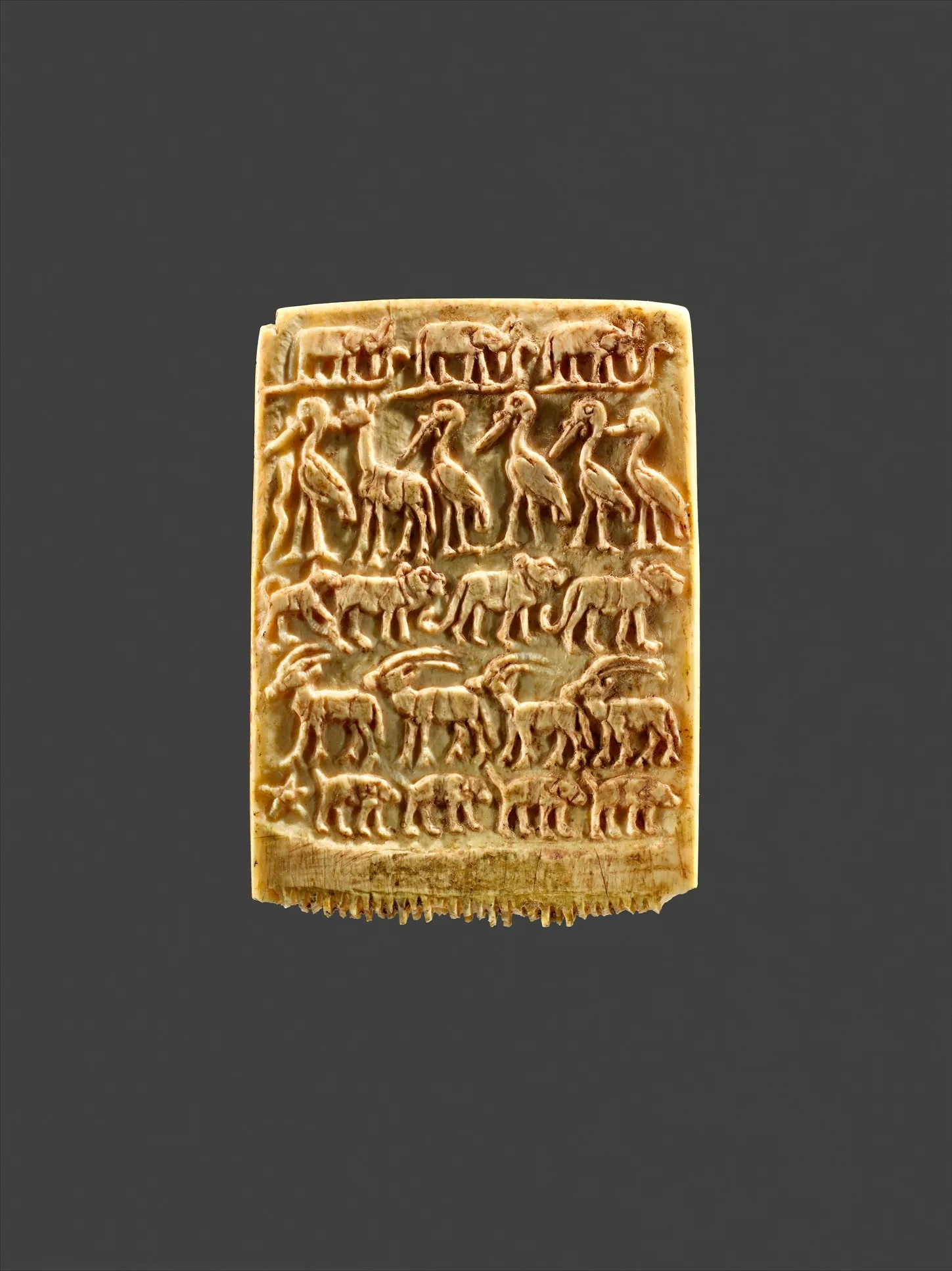
A finished kernel is cut, turned and drilled almost like bone or dense wood. On a lathe round beads and rings are turned from it, a saw cuts discs and plates, a rotary tool carves openwork and relief. Tagua holds fine carving, so it is made into both smooth minimalist forms and detailed carved figures, flowers, animals and cameos. After rough working the surface is ground with ever finer abrasive until it turns smooth.
The final polish brings back that ivory shine. Polished tagua takes on a soft glow and a surface pleasant to the touch, on which both the natural cream tone and the applied colour read well. It is the polish that turns a working blank into a finished piece with a noble look.
Dyeing: why tagua takes colour so vividly
A separate magic of tagua is its way of drinking in dye. The structure porous near the surface takes colourants greedily, so tagua dyes into rich clean colours: scarlet, turquoise, emerald, violet, yellow, black. The dye soaks into the upper layer rather than sitting as a film on top, so the colour comes out deep and does not chip the way paint does on plastic. A patch of the natural cream tone is often left so the living material shows beneath the colour.
That brightness is what made tagua a favourite of ethnic and boho jewellery. The very same nut can become a sober cream bead in imitation of ivory or a riotously colourful detail of a summer necklace. The pairing of a natural material with rich colour is not common: wood is dyed less often and more soberly, bone is almost never dyed, while tagua seems made to wear colour. A similar flexibility of form and shade is offered by modern elastic materials, discussed in the look at rubber and silicone in jewellery, though their nature is wholly different.
Assembling the piece
Next the finished elements are assembled into a piece. Beads are strung on thread or cord, pendants are fixed to cords and chains, discs and segments are joined into earrings and bracelets, often together with wood, seeds, metal and textile. Tagua gets on well with other natural materials and looks good in mixed ethnic jewellery where each element has its own texture. The result is that a plain brown nut becomes a light, warm, bright piece with a story inside.
The upsides of tagua: what people love it for
Lightness and warmth
Tagua is noticeably lighter than stone, metal and even many kinds of bone, so large beads and earrings of it can be worn without fatigue. A big expressive necklace of the nut weighs little, and ears are not dragged down by long earrings by evening. The material is warm too: it quickly takes on body temperature and does not chill the skin the way metal or stone does. That lightness and warmth make tagua comfortable for large summer pieces, where metal would be heavy and hot in the sun.
Hypoallergenic
Tagua is a pure plant material with no nickel or other metals, so it almost never causes reactions and suits sensitive skin well. For people with a metal allergy this is a serious plus: you can wear expressive jewellery without fear of the itch, redness and irritation that cheap alloys bring. If skin reacts specifically to metal, it is worth reading up first on nickel allergy and keeping tagua in mind as a safe alternative. A reaction is possible at most to the dye itself, and even that is rare, so for the allergy-prone the nut is one of the friendliest materials.
Bright colour and uniqueness
Tagua's ability to take rich colour opens up an almost boundless palette that neither wood nor bone has. And each nut is unique: its own shades, its own natural cavity at the centre, its own microstructure. No two tagua beads are alike, and that uniqueness is prized by those who do not want to wear something stamped out. A piece of nut jewellery always feels a touch one-of-a-kind, even when made in a series.
Biodegradable and affordable
Tagua is organic matter, and unlike plastic it breaks down in nature over time, leaving no eternal rubbish. For the ecologically minded that is a weighty argument: the material both grows without harm and departs without trace. On top of that the nut is inexpensive in itself, so tagua jewellery is affordable and does not bruise the wallet. The result is a rare combination: a natural, ethical, beautiful material that is also not dear, an accessible segment rather than a luxury for the few.



The downsides of tagua: what to warn you about honestly
It fears prolonged water
Tagua's main weakness is water. The nut is hygroscopic, meaning it soaks up moisture, and from long contact with water it can swell, cloud over, lose its shine, and the dye can run. A brief contact, a shower of rain or washed hands, tagua takes calmly, but you should not swim, wash dishes or shower in it. This is not a material for water, and it should be treated like leather or wood, not like steel.
It can crack from drying out
The opposite extreme is dangerous too. Keep tagua too long in a hot dry place, by a radiator, in the sun, in a baking car, and it can dry out and crack. The nut likes moderate humidity, the same that is comfortable for a person, and sharp swings of moisture and heat harm it. So tagua jewellery is best kept in ordinary room conditions, away from sources of heat and direct sun.
Softer than stone and afraid of knocks
Though dense, tagua is softer than stone and metal; it can be scratched, dented by a fingernail under strong pressure, chipped on a knock against a hard surface. This is not a material to toss carelessly into a bag with keys and coins. Fine carved detail is especially vulnerable. Handled with care, tagua lasts for years, but it asks for a little more gentleness than steel or stone, and that should be understood honestly going in.
Leave your email, we'll send your discount code. No spam, unsubscribe anytime.
The code arrives by email, valid on your first order.
How to tell tagua from plastic and from real ivory
Tagua versus plastic
A plastic imitation is given away by several signs. Tagua is heavier than cheap plastic of the same size and pleasantly cool at first touch, whereas light plastic warms quickly in the hand and feels hollow. Natural tagua has a living, slightly uneven colour with a warm cream undertone and small natural marks, while plastic is often perfectly uniform and dead-flat. At a cut or where it is drilled, tagua shows its natural structure and often an inner cavity; cast plastic has none.
There are rougher checks too, done carefully and on a hidden spot. A red-hot needle goes into plastic easily and melts it with a chemical smell, while tagua only scorches with the smell of smouldering plant matter, closer to burnt vegetation. But such a test spoils the surface, so in a shop it is more reliable to go by weight, coolness, living colour and visible structure.
Tagua versus real ivory
Telling tagua from real elephant ivory is harder without experience, and that is exactly what speaks to the quality of the likeness. The main scientific sign shows under a loupe: a real tusk has a distinctive mesh of the finest crossing growth lines, a kind of pattern on the cut, and tagua has none, the surface even and uniform. Bone is usually a touch harder and heavier, with porosity and fine dark lines that may show, while tagua is more uniform and more often has that central cavity.
The smell on heating differs too: bone is protein, and when scorched it smells of burnt protein, like singed hair or nail, while tagua smells of smouldering plant. But the main advice here is different: if a piece is declared to be tagua, that is a good thing, because its ethics are clean. Suspicion should run the other way, when a thing is sold as ivory: then it is worth taking care, because trade in real elephant ivory is restricted by law, and it is more honest when it is plant ivory, that is, the nut.
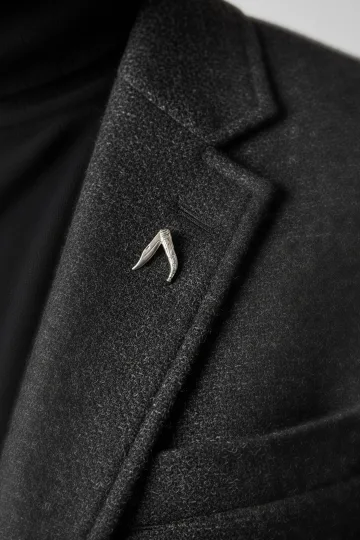
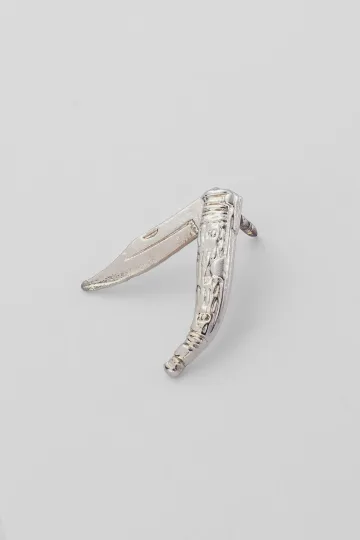
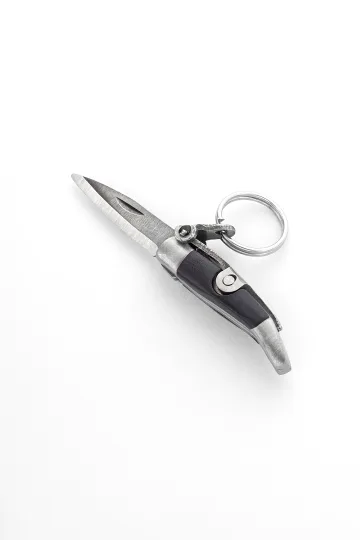
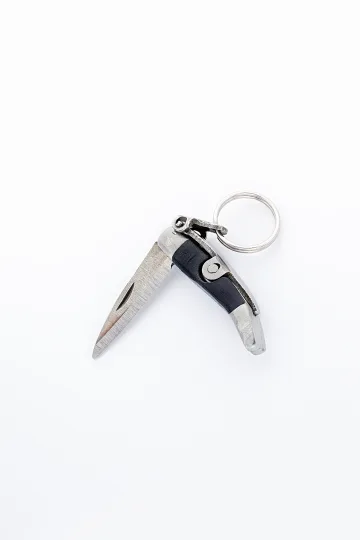
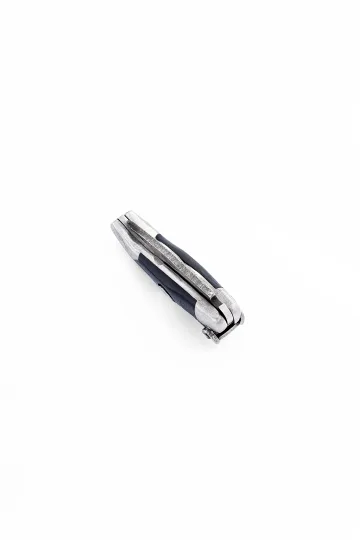
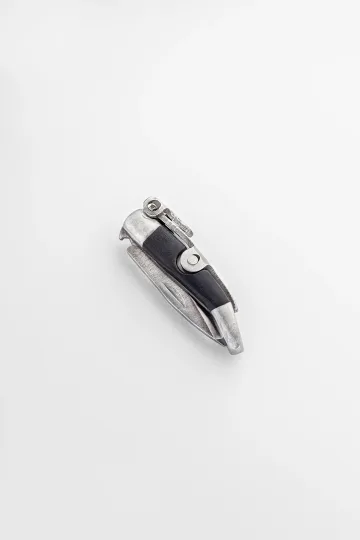
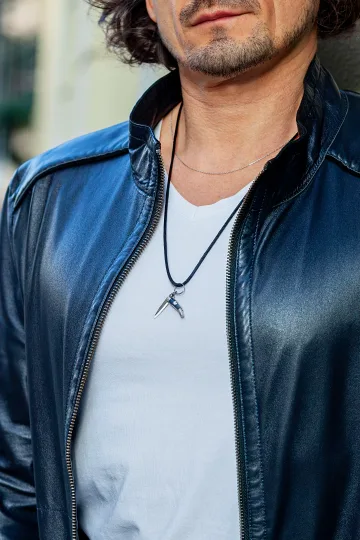
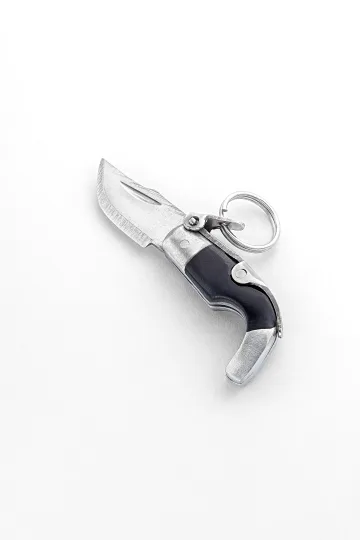
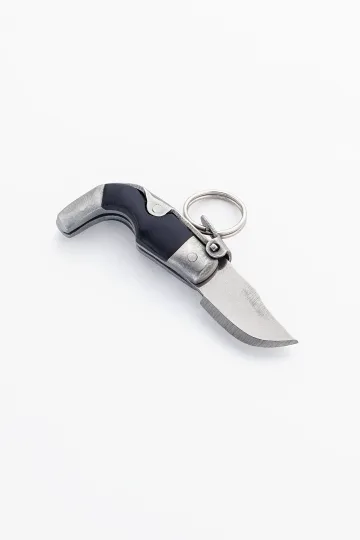
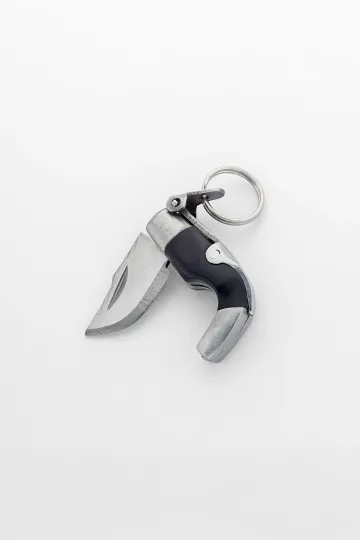
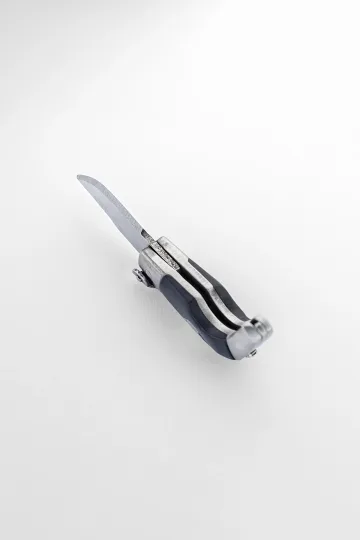
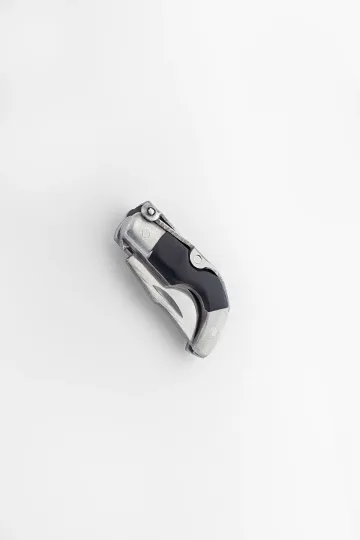
CAPAORA mini knife pendant
The 18th-century Spanish navaja in miniature: 40 mm of stainless steel, a real folding mechanism and a Palanquilla lock that clicks. An affordable gift to remember.
Authentic · Ships from Spain · 14-day returns
Caring for tagua: so the nut serves for years
Do not wet and do not dry out
Caring for tagua comes down to a balance of moisture. Do not wet it for long: take the piece off before a shower, a swim or washing dishes, and do not leave it in a bathroom in damp steam for long. If tagua does get wet, blot it gently with a soft cloth and let it dry at room temperature, not on a radiator and not in the sun. And the reverse rule at once: do not over-dry it. Do not keep it by sources of heat, do not leave it in a baking car, do not put it on a sunny windowsill, or the nut will crack. Room humidity and temperature are ideal for tagua.
Cleaning and storage
Cleaning tagua is simple: wipe it with a soft dry or slightly damp cloth, with no harsh chemistry, solvents or alcohol, which can damage the dye and the surface. A heavily soiled piece is wiped with a slightly damp cloth and dried at once. From time to time the surface is freshened with a drop of neutral oil, rubbed in a thin layer and the excess taken off, which brings back the shine, as it does for wood. Tagua jewellery is best stored apart, in a soft pouch or its own compartment of a box, so it does not rub against metal and stones and get scratched. With such care the nut easily serves for years and ages beautifully, gathering a warm honey patina.
Colours and style: where tagua looks best
Natural cream tagua
In its natural cream tone tagua looks restrained and noble, like warm ivory. Such beads and pendants fit calm natural looks, clothing in earthy tones, a style that prizes texture and naturalness. Cream tagua gets on with wood, linen, leather, with warm metals like brass and bronze. It is the option for those who want a natural material without bright colour, in the spirit of a quiet natural aesthetic.
Bright dyed tagua in ethnic and boho
Coloured tagua has an altogether different character: it is made for ethnic, boho and summer looks. Rich scarlet, turquoise, emerald, yellow and violet beads enliven plain clothing and work as a meaningful accent. A large coloured tagua necklace on a plain dress makes the whole look, asking for nothing more. This material is loved for being loud in colour yet light in weight and natural at heart, a rare combination.
Season and pairings
Tagua is especially good in summer and the warm season: light, it does not heat up in the sun the way metal does, and it supports a holiday, resort, natural mood. It pairs wonderfully with other organic materials in layered ethnic jewellery: wood, seeds, shells, textile. With precious stones and glittering gold tagua quarrels; it is closer to matte natural company. Grasping this logic helps you not go wrong: tagua is about warmth, nature and character, not about glittering luxury.
Who tagua suits
Vegans and those against bone
Tagua is the obvious choice for those who refuse animal materials on principle. It gives the look and feel of ivory without ivory, without tusk, without hunting and without any animal involvement at all. For a vegan, or for someone who finds the very idea of jewellery from a killed beast distasteful, tagua covers the aesthetic of ivory fully and with a clear conscience.
The eco-conscious
For those to whom the ecological footprint matters, tagua suits on several counts at once: a natural renewable material, gathering without felling forest, income for local communities, biodegradability at the end of life. It is a piece with a clear green pedigree, where you can trace the path from a palm in the jungle to a bead on the neck. For mindful consumption tagua is one of the cleanest options.
The allergy-prone
For people with a metal allergy tagua grants the freedom to wear large expressive jewellery without itch and irritation. It holds no nickel or other troublesome metals; a reaction is possible at most to the dye, and even that is rare. If metal earrings and beads turn into redness, it is worth looking at tagua as a safe yet bright alternative.
Who, on the contrary, is better off elsewhere
In fairness: tagua is not for every scenario. Those who want to put a piece on and forget it forever, to wear it in water, at the gym, in the shower, are better off looking at steel or silicone. Those who seek the glitter and status of fine jewels will find tagua too modest. And those given to carelessness who often drop things may find the soft nut a touch fragile. This is a material for those who value nature, colour and character and are ready to treat a piece a little more gently.
Send a friend a discount code, they save on their first order.
Facts about tagua that surprise
The elephant palm gets by without an elephant. The very name Phytelephas translates as elephant plant, and the elephant here is no metaphor of beauty but a direct pointer to the white ivory inside the nut. A rare botanical curiosity: a tree scientifically named after the animal whose ivory it replaces.
Half the world once fastened itself up on the nut. In the nineteenth and early twentieth centuries a huge share of the buttons on clothing on both sides of the Atlantic was turned from tagua. People wore plant ivory every day for decades without knowing it: to them it was just a white button.
The nut can be eaten while it is young. The fresh unripe tagua kernel is soft and edible; forest animals eat it readily, and sometimes people do too. The very hardness for which the nut is carved appears only after long drying, when the soft jelly turns into dense ivory.
Tagua was beaten not by a rival but by chemistry. The nut that survived centuries and fed whole regions was driven out in a matter of years by cheap synthetic plastic. And it returned not thanks to technology but thanks to a shift in values: the same world that chose plastic for cheapness later chose the nut for ethics.
Every bead with a hole inside. Many nuts have a natural cavity at the centre, and makers often do not hide it but show it on the cut as a hallmark of authenticity. A little natural crater inside a bead is proof that what you have is a nut, not plastic.
The drying is longer than a season of wear. Before the nut becomes jewellery it dries for months, sometimes more than half a year. So the longest stage in the life of tagua is not the wear and not the carving, but the patient wait while nature itself turns a soft seed into hard ivory.
Frequently asked questions about tagua
Is tagua really a nut, not a stone or plastic? Yes, it is the dried seed kernel of a palm of the genus Phytelephas from the rainforests of South America. Fresh it is soft, like an unripe coconut, and after long drying it hardens into a dense white material that is cut like ivory. Neither stone, nor animal bone, nor plastic has anything to do with it.
Why is tagua called plant ivory? Because of its likeness to a tusk in colour, density and workability. The dried nut is creamy white, dense, turned and polished almost like real ivory, and the two are easy to confuse by eye. The nickname was born back in the era of the button boom as a handy trade label and stuck.
Is wearing tagua ethical? Yes, and that is one of the main reasons for its popularity. Behind tagua stands not a single killed elephant: the nut simply falls from the palm. Gathering it requires no felling of forest and gives a living to the forest communities of Ecuador and Colombia. Three ethical arguments in one material.
Can tagua jewellery get wet? Briefly, yes; a shower of rain or washed hands the nut survives. But long contact with water is harmful: tagua soaks up moisture, can swell, cloud over, and the dye can run. You should not swim, bathe or wash dishes in tagua jewellery; better to take it off in advance.
Does tagua suit a metal allergy? It suits very well. It is a pure plant material with no nickel or other metals, so it almost never causes reactions. Irritation is possible at most to the dye, and even that is rare. For the allergy-prone, tagua is one of the friendliest ways to wear large bright jewellery.
How do you tell tagua from plastic? Natural tagua is heavier than cheap plastic of the same size, cool at first touch, with a living uneven cream colour and natural structure, often with a cavity at the centre. Plastic is lighter, warms quickly in the hand and is often perfectly uniform with no natural marks.
Is tagua durable? Handled with care it serves for years and ages beautifully, gathering a warm patina. But the material asks for gentleness: it fears prolonged water and drying out by heat, is softer than stone, can be scratched or chipped on a knock. This is not steel you can toss in a bag, but a thing treated with respect.
How does tagua differ from wood? In origin and structure. Wood is the fibrous tissue of a trunk with a directional pattern, while tagua is a dense even seed substance with no fibre. That is why tagua is turned and cut like ivory, holds fine carving where wood would split along the grain, and takes dye more brightly.
In short
Tagua is the dried nut of the Phytelephas palm from the rainforests of South America, by look and density nearly indistinguishable from elephant ivory, which earned it the nickname plant ivory. In the nineteenth century buttons for half the western world were turned from it, then cheap plastic killed it off, and a wave of interest in ecology brought the nut back as bright beads, earrings and rings. Behind tagua stands a rare triple ethic: not a single killed elephant, a living forest preserved, an income for forest communities. The material is light, warm, hypoallergenic, dyes brightly, is biodegradable and affordable, but it fears prolonged water and drying out and is softer than stone. Tagua is the choice for vegans, the eco-conscious and the allergy-prone who value nature, colour and character and are ready to treat a piece a little more gently than usual.
Silver, steel, warm natural materials, coloured stones and symbolism with a story.
Buying it as a gift? Each one arrives ready to give.
 A branded Zevira box and a little card come with every order.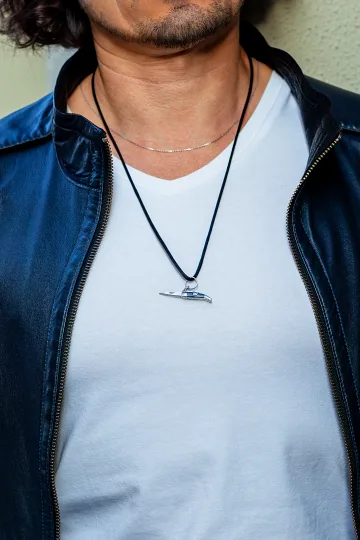




About Zevira
Zevira is a Spanish brand from Albacete, a city of master craftspeople. We love materials with character: warm metals, living texture, coloured stones and natural materials with an honest pedigree. If you are drawn to warm organic materials alongside tagua, start with the look at wood in jewellery, and on ancient resin there is the amber guide.