The Award Medal as Jewellery: A Mark of Merit on the Chest and at the Throat
The medal was never meant for a drawer. It was meant for the chest. A disc of metal on a ribbon told a stranger in a single glance: this one earned it. From that same idea of a wearable sign grew the later fashion for round pendants. Merit became an ornament before beauty ever did.
Today an award medal lives a double life. Some keep it in a box with the citation papers and bring it out on anniversaries. Others move a grandfather's award onto a chain, set it in a frame, wear it as a pendant carrying the story of a family. A crowd of questions follows: can you wear a medal as jewellery at all, is it acceptable to wear someone else's, and how is a medal different from a coin and from a locket, both of which are also round and also hang at the chest.
Let us go through it in order: what an award medal is and why it is neither a coin nor a locket, where the tradition of wearing merit on the body came from, what a medal means to a family, where the ethical line of someone else's award lies, what medals are made of, and how to turn a disc of metal into a wearable piece without harm.
What an Award Medal Is (Medal, Coin, Locket and Order)
In everyday speech the word "medal" gets stretched over anything round and metallic. In fact these are four different things with four different logics, and the confusion between them produces half of all the questions about wearing.
A Medal Is a Mark of Merit
An award medal is a sign of distinction. You do not buy it or trade for it; it is given for a specific deed: for work, for service, for a sporting victory, for years of service, for taking part in an event. The value of a medal sits not in the metal but in the grounds for the award. A silver disc for finishing a marathon and an identical silver disc from a pawnshop are two different things, even when they weigh the same.
Wear the symbol, don't just read about it. These are in stock:
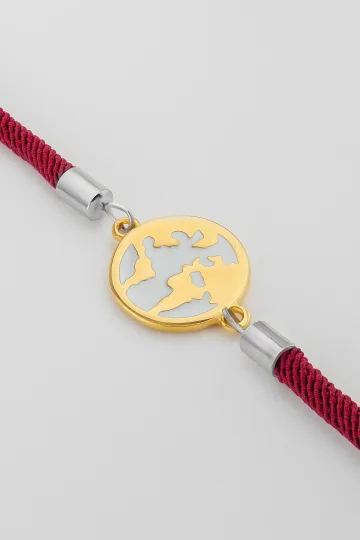

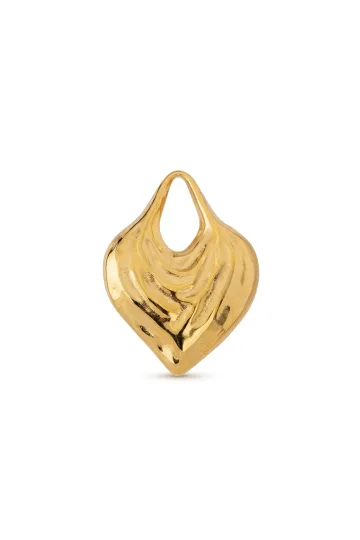
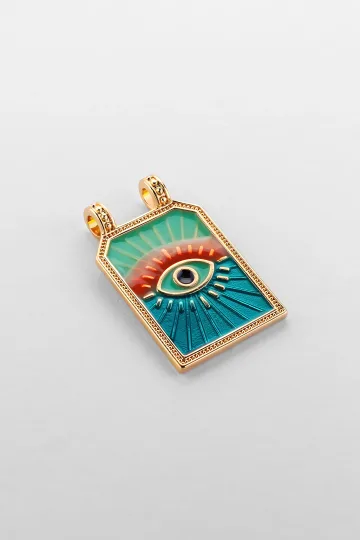
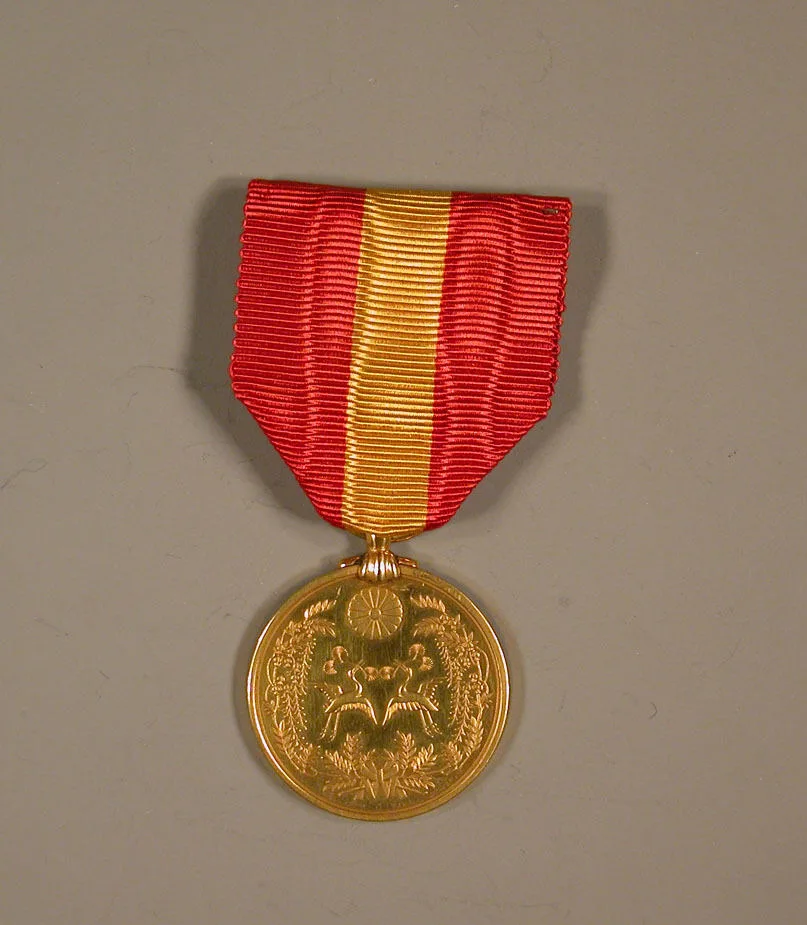
A medal almost always has three parts: the disc itself with its relief (obverse and reverse), the mount or suspension loop, and the ribbon. The ribbon is not decoration for its own sake; it is a code. From the colours of the ribbon a knowing eye reads which award it is without looking at the disc at all.
A Coin Is Money
A coin is born as a means of payment. The state strikes it, it carries a face value, it passes from hand to hand as worth. An ancient coin set in jewellery is prized as a shard of history and as a numismatic object: who is on it, which century, which mint. We cover that subject in detail in our piece on the ancient coin in jewellery.
The key difference: a coin is about exchange and money, a medal is about merit and a person. A coin could have passed through anyone's hands across two thousand years. A medal passed through the hands of one named recipient.
A Locket Is a Capsule or a Round Pendant
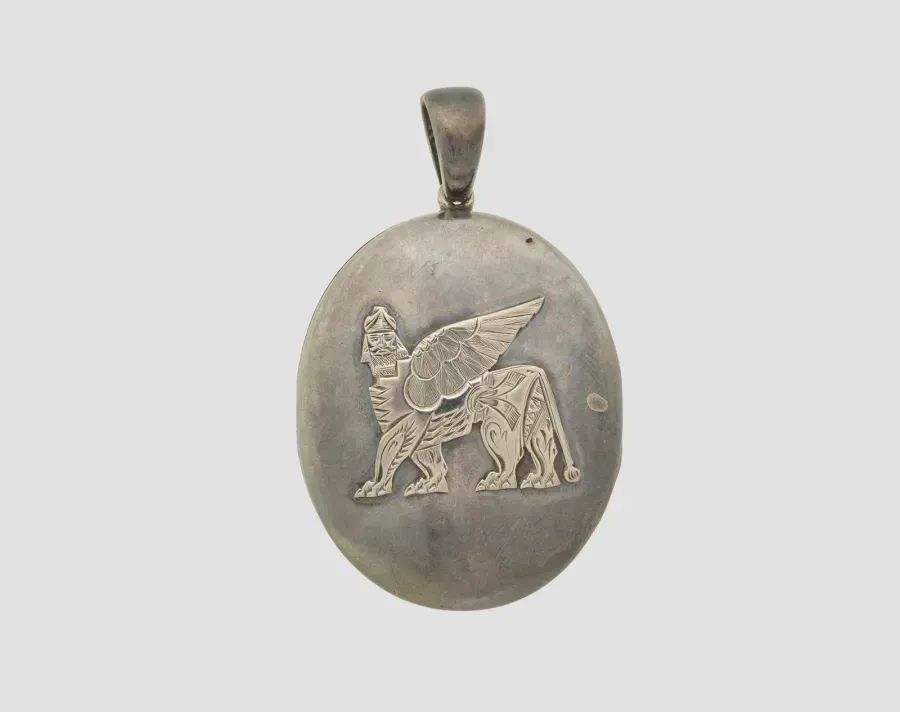
A locket is a carrier piece of jewellery. In its classic form it is a flat hinged capsule that holds a portrait, a lock of hair, a tiny note. There are also solid lockets with no cavity, simply round pendants with relief or engraving. From the very start the locket was conceived as both ornament and a keepsake. We have a separate guide to the silver locket.
The difference from a medal is simple. A locket you fill with meaning yourself: you place a photo of a loved one inside, you engrave a date. A medal arrives already filled with meaning, assigned by the body that granted it. A locket is an empty vessel for your memory; a medal is a finished testimony of someone's recognition.
An Order Is a Different Format of Award
An order stands beside the medal, but it is a separate category. Historically an order is both an insignia (a star, a cross, a sash worn over the shoulder) and a membership: the recipient was admitted into a fraternity. A medal is simpler: it is a mark of distinction without joining a society. In the hierarchy of awards an order usually ranks above a medal. An order is more often shaped as a star, a cross or a figural badge with enamel, while a medal is mainly a round or oval disc.
It is easy to remember. A coin is worth. A locket is memory you put in yourself. An order is a high mark of distinction with a figural form and a history of brotherhood. A medal is a testimony of merit in the shape of a disc on a ribbon.
Obverse, Reverse and the Mount
An award medal has its own vocabulary, and it helps you read the object in your hand. The obverse is the front, usually with the main image: a profile, a coat of arms, a figure, a scene. The reverse is the back, where the inscription, the year, the recipient's name or a motto most often sits. The edge is the rim of the disc, where a hallmark or a serial number is sometimes stamped.
The mount is the metal bar above the disc, wrapped in ribbon, by which the medal is fixed to clothing. On older awards the mount is pentagonal; on others it is rectangular or figural. From the shape of the mount and the ribbon an experienced eye places a medal at once within a particular system of awards and a particular era. When a medal is reworked into a pendant, the mount is usually kept separately, because it carries half of the identifying information.
What the Two Sides Mean: the Symbolism of Obverse and Reverse
The two sides of a medal are not a random front and back; they have different roles, and there is a logic in it. The obverse answers the question "who, and in whose name": here sits the profile of a ruler, a coat of arms, the figure of a patron, the central image of the award. It is the side of authority and origin, telling you who gave the object its power to recognise. The reverse answers "for what, and to whom": here is the inscription with the grounds for the award, the year, the motto, sometimes the name of the recipient. It is the side of the person and the deed.
That split turns a medal into a small two-sided story. Turn one face and you read about the source of honour; turn the other and you read about the achievement. On many awards the images talk to each other: a winged figure of victory on the obverse, a modest inscription about long service on the reverse, and together they say that ordinary labour too deserves winged glory. When a medal is turned into a pendant, it is worth deciding in advance which side faces out, and most people choose the reverse with its name and date, because to a family the specific "for what" matters more than a general ceremonial profile.
Grades and Fineness of Awards
Many medals were issued in several grades, and the metal pointed directly to the rank: a gold grade above silver, silver above bronze. It is the same logic as in sport, and it came from deep antiquity, where the value of a metal was read at a glance. So holding a family award in your hand, you can roughly gauge from the metal how high the distinction was.
What a Locket Medal Is and Why the Two Are Joined
People sometimes say "an award locket", and it is not a slip of the tongue. The term covers a disc made in the form of a medal but designed from the start to hang at the throat rather than fasten to a uniform by a mount. Such a piece is struck for a jubilee, a commemorative date, a graduation, and is fitted at once with a loop for a chain. It joins two worlds: outwardly a medal with relief on obverse and reverse, by its manner of wearing already a pendant. Family workshops often made exactly these locket medals for a wedding or a birth, so that a merit or an event could be worn near the heart from the first day, without conversion. If you are holding a round disc with a loop and no mount, it is most likely this hybrid: a medal in form, a locket in purpose.
How a Medal Differs From a Token and a Badge
Beside the medal live the token and the badge, and they too deserve sorting out. A token is a small metal disc handed out for taking part or as a pass; it lacks the weight of merit that a medal carries and is closer to a souvenir. A badge is a flat sign of belonging: to a society, a school, a profession; it says "I am from here", not "I earned this". A medal is heavier in meaning: it is about a specific reason for the award. So a token and a badge are worn lightly and without reservation, while a medal, especially someone else's, is surrounded by a whole ring of questions about right and propriety.
History: From Roman Phalerae to Sporting Gold
The history of the medal is the history of one idea: to make merit visible. The metal changed, the shape changed, but the meaning held for thousands of years.
Antiquity: Phalerae on a Roman's Armour
The direct ancestor of the award medal is the Roman phalera (phalerae). The word named the metal discs, more often bronze or silver, fixed to the breast straps over a soldier's armour. Phalerae were given to legionaries and centurions for bravery and for distinction in battle. They were worn not in a box but on the body, at parades and in the ranks.
The logic was exactly today's: one look at a warrior's chest and you saw what he was worth. The more phalerae, the more decorated the soldier. Archaeologists find whole sets of phalerae on harness leather, sometimes with portraits of emperors. From this, by the way, comes the word "phaleristics", today's name for the study of awards.
The Greeks before the Romans honoured their victors differently: an olive wreath at the Olympic Games, with no metal sign. Yet the idea of a wearable distinction on the body of an athlete is also a seed of the future sporting medal.
The Renaissance: the Portrait Medal as Art
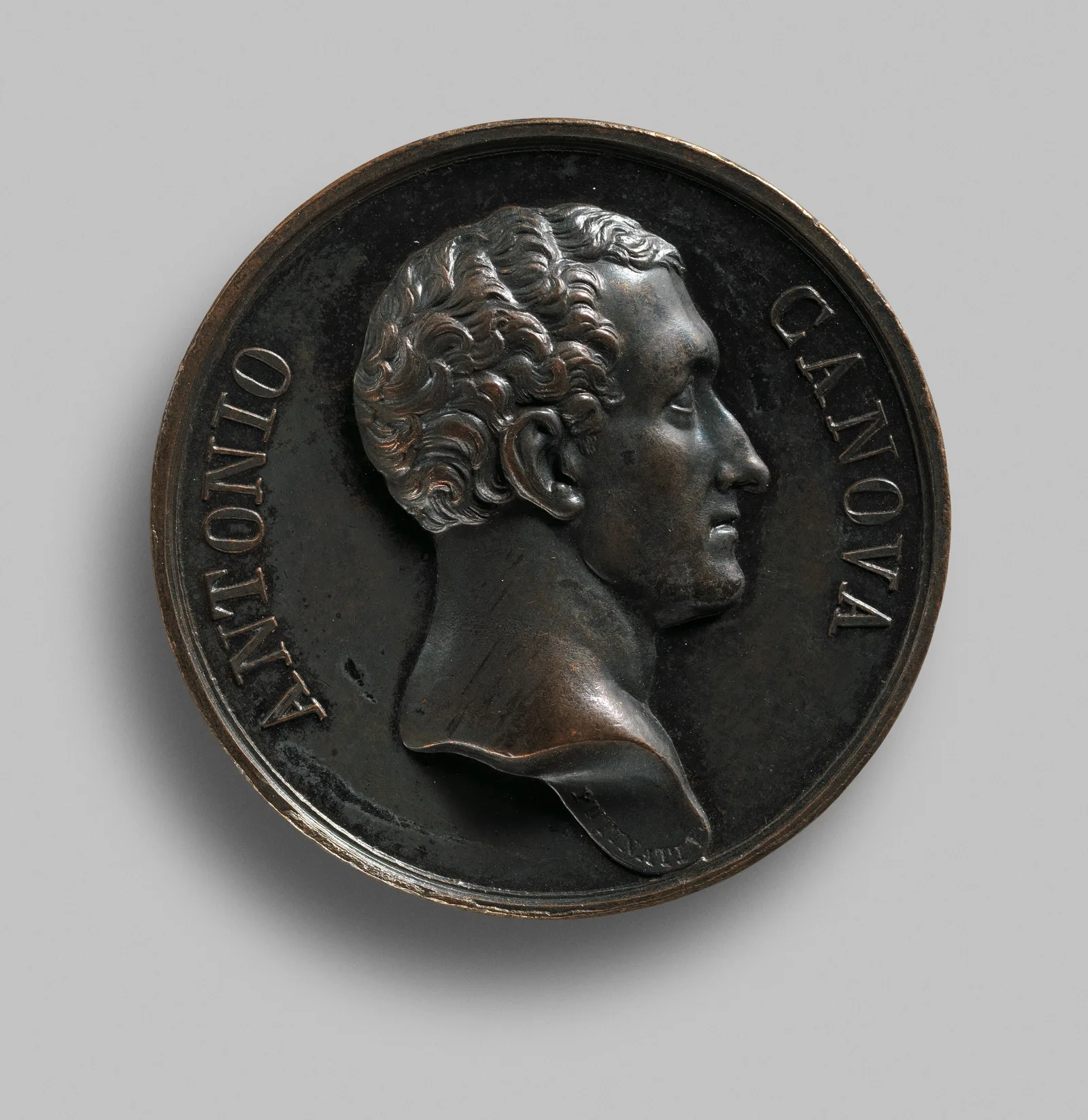
The true medal in its familiar form, a two-sided disc in relief, was born in fifteenth-century Italy. Around 1438 the artist Pisanello cast a medal with the portrait of the Byzantine emperor John VIII Palaiologos. This is held to be the birth of the genre. On the obverse, a person's profile; on the reverse, an allegorical scene or a motto.
The Renaissance medal was not an award but a statement of status. Rulers, humanists, bankers commissioned their own portrait medals the way a formal portrait is commissioned today. They were given as gifts, collected, laid into the foundations of buildings as a message to descendants. That is when the medal became a small work of art, where every millimetre of relief carried weight.
It is curious that the round portrait disc of the Renaissance also gave life to the jewellery locket. The fashion for wearing a round relief with a face on the chest pushed craftsmen toward capsule pendants. So the lines of award and adornment branched out from a single root.
The idea of the award is older than Rome. In the Greek world the victor at the games received a wreath rather than metal, and that image entered the culture so deeply that it survives into our jewellery: we write about it separately in our piece on the laurel wreath in jewellery. The wreath and the phalera are two ancient branches of one thought: to make merit visible on the body. One branch went through greenery and fragility, the other through metal and permanence, and in time metal won, because a wreath withers while a disc remains.
The profile portrait on the Renaissance medal did not come from nowhere either. Craftsmen deliberately imitated ancient coins with their profiles of rulers and gods, that same strict composition refined over centuries by ancient sculpture. The medal's bond with the great sculptural tradition is no accident: the medallist thought like a sculptor, only on a tiny scale, and we look closer at that sculptural culture in our piece on ancient sculpture in jewellery. A profile is convenient because it is recognised instantly and sits beautifully within a circle, which is why it became almost obligatory on the medal.
The Modern Era: the Birth of Battle and Award Medals
By the seventeenth and eighteenth centuries the medal had returned from the collector's cabinet to the chest, now as a mass award. States understood that a cheap metal sign motivates soldiers more strongly than money, because money is spent while a mark of distinction stays with a person forever.
Commemorative medals appeared in honour of battles, coronations, victories. Gradually a system took shape: a ribbon of a set colour, a mount, grades of the award. The medal became worn in public, on a uniform, under strict rules. The right to wear it was regulated, and forgery was punished.
In the nineteenth century the idea of a mass award medal for every participant in a campaign, not only for heroes, finally took form. This democratised the award: a mark of distinction ceased to be the privilege of officers.
The habit also took hold of wearing medals on the left side of the chest, nearer the heart. Rules of precedence appeared: which award ranks higher, that one hangs to the right or above. Award books appeared too, a document confirming a person's right to wear a particular sign. Without the book a medal became merely a piece of metal; with it, a certificate of merit. That pairing of disc and document survives to our day and matters when inheritance is in question: alongside a genuine award a family often keeps its paper too.
Civilian and Labour Medals
Alongside battle awards came civilian ones: for work, for rescue, for science, for art, for long service. The labour medal changed the very idea of distinction: now recognition went both to a feat done in a single day and to long diligence, length of service, loyalty to a craft. Such medals are turned into family heirlooms especially readily, because behind them stands a person's whole working life rather than one episode. A grandfather's medal for thirty years at the same plant speaks of character no less than a battle award.
Sporting Medals: a Revival of the Ancient Idea
When the Olympic Games were revived at the end of the nineteenth century, a wearable mark of distinction came back to the prizewinners, now as a medal rather than a wreath. Gold, silver and bronze for the first three places is a modern invention, settled in the early twentieth century.
The sporting medal is interesting because it joins the ancient idea (distinction on an athlete's body) with the award form (a disc on a ribbon). Today a finisher's medal is hung at the throat of everyone who runs a marathon, and there is a direct echo of the phalera in it: you went the distance, and your chest shows it.
Memorial and Family Medals
A separate branch is the medal of memory. These are struck in honour of jubilees, anniversaries, departed people, events important to a family or a community. Such a medal is meant from the start to be kept and handed on rather than worn in the ranks.
It is memorial and award medals above all that cross over into the category of jewellery. A grandson hangs his grandfather's medal on a chain not to flaunt an award but to keep the memory of his line closer to himself. That motive makes the medal a kin to mourning and keepsake jewellery, which we write about in our piece on jewellery after the loss of a loved one.
Commemorative and Jubilee Signs
A class of their own are commemorative and jubilee medals, struck for round dates, for the unveiling of monuments, for the anniversaries of towns and societies. They do not reward a personal merit but record an event. Such signs were often handed to those present at a celebration, and today they turn up especially often in family boxes. They are easier to turn into jewellery without ethical doubt: behind them stands no one's feat, only the memory of a day. A jubilee medal of the town or society where an ancestor lived is a soft, unassuming way to wear a family's geography on the chest.
One medal on a bare chain and not a link more. Pile a second pendant beside it and the chest reads as a market stall, not a neckline. I will not hear otherwise.
What to Wear an Award Medal With
Over years of shoots and fittings dozens of these discs have passed through my hands: a grandfather's decoration, marathon medals, jubilee tokens. Here is what actually works once a medal moves from the box onto the chest.
What do I wear a medal pendant with day to day? I recommend a plain top that does not fight the relief: white, grey, charcoal, navy. The disc is a large graphic object, so it wants a calm background. I hang a silver medal in the centre of the chest on a smooth chain, and under a V-neck it sits most precisely. A busy shirt and a medal are two leads in one frame, and they get in each other's way.
One medal, or in the company of other pendants? Always one. The medal leads, the rest keeps quiet. If you truly want layers, I suggest giving it its own length and keeping the second large pendant no closer than a hand's width. Two heavy discs side by side turn the chest into a display case, not a look.
Which length and chain suit the weight of the disc? A heavy disc needs a sturdy chain of medium or large links, a thin one twists under the weight and wears through. I choose a short chain, 40-45 cm, when I want a tight high accent over clothing. I suggest a long one, 50-55 cm, so the medal rests on the chest and reads in full under a shirt. The engraving on the reverse, if there is one, can be gently refreshed or given a date, on which our piece on jewellery engraving is useful.
How do I wear an award I am afraid to spoil? I never rebuild a genuine or military medal into a pendant. I suggest a clear capsule or a jewellery frame with a bail: the disc is neither drilled nor soldered, yet you can wear it every day. Keep the ribbon separately, old silk fades and frays faster than metal. Your own marathon or souvenir medal is fair game to rework into a full pendant.
Which metal do I build the rest of the look around? A silver medal is backed by silver rings and earrings, a bronze one with patina is warmed by gold-toned findings, and I never scrub off that patina, the whole age of the piece lives in it. At night I take the disc off: sweat and creams speed up tarnish, and in sleep a heavy medal bends a thin loop. One metal across the set looks richer than a random mix of gold and silver.

Turn on your camera, pick earrings, a pendant or a ring, and see the piece on yourself in real time.
Switch items in one tap.
Everything runs in your browser: no photo or video is ever uploaded.
Customer reviews
Zevira is a real jewellery shop. Genuine payments, deliveries and customer thank-yous.
🥰🥰🥰 gracias

Ok, ¡gracias! 🙂

Meaning: Merit, Memory, Heritage, Family Pride
A medal is meaning compressed. A small disc holds several layers of sense at once, and each makes it special in its own way.
Merit and Recognition
The first and chief layer is the recognition of merit. The medal says: your deed was noticed, weighed, fixed in metal. Unlike praise in words, a medal does not fade. It is material; you can take it in your hand twenty years on and feel that day again.
This layer explains why awards are kept so carefully. The point is not the metal but that a medal is a physical proof of effort lived through. A person looks at it and sees not a disc but their own road.
Memory of a Person and an Event
The second layer is memory. A medal is tied to a specific moment: to a battle, to a finish line, to a jubilee, to a person. It works as an anchor of remembrance. That is why family medals are so disliked for selling even in hard times: it is not the metal that leaves but a part of the family's history.
Heritage and the Bond Between Generations
The third layer is heritage. A medal outlives the one to whom it was given. It passes to children and grandchildren and becomes a thread tying the generations together. Holding a great-grandfather's award, a person feels a direct physical bond with someone they may never have seen.
This is exactly why a medal is so often turned into a wearable piece. A chain or a frame lets you keep that thread of memory on you rather than locked in a drawer.
A Medal as a Locket With Memory
When a medal moves to a chain it begins to work like a locket, only the memory is already inside it. An ordinary locket you fill yourself: you place a photo, a lock of hair, a note. A medal arrives filled with someone's fate, and there lies its special force as a wearable sign. A grandson who has put his grandfather's award at his throat wears not an ornament but a biography folded into metal: a single disc holds the day of the award, the character of the person and a whole era behind him. Researchers of memory say that an object you can touch and bring to the body holds a recollection more firmly than a photograph: weight, warmth, the habit of lying against the chest make memory bodily rather than merely visual. So a medal pendant meets the same need as a portrait in a locket, and often even more strongly: to the image is added the weight of a real object that passed through the hand of the one remembered.
A Family's Memory Closer to the Body
There is a quiet, almost physical reason to wear an award on the chest rather than keep it in a box. A relic in a drawer exists apart from a person; you come to it on set dates. A relic at the throat lives with you all day, moves with your breath, warms to the heat of the body. Many who have moved a family medal onto a chain describe it the same way: memory stopped being an event for holidays and became a constant background, the calm presence of one's line nearby. It is not loud pride or a challenge to anyone, but an inner conversation a person keeps with themselves, now and then touching the disc under a shirt.
Family Pride Without Boasting
The fourth layer is subtle: pride. Here the line matters. To wear someone else's battle award as a trophy is bragging. To wear a family medal as a mark of respect for one's line is natural and worthy. The difference is in the motive: to show "look what I am" or to keep "I remember who mine were".
This same logic of honour and dignity lives in the symbolism of other wearable signs, for instance in the sword as a symbol of honour and justice.
A Personal Milestone and Proof to Yourself
There is a fifth, very personal layer. Sometimes a medal is not about anyone else's recognition at all but about proof to yourself. A finisher's medal from a first marathon is not a reason to boast before others but a tangible "I did it". Such a medal is worn as a reminder of one's own limit, the one you managed to cross. This motive explains why people turn sporting medals into everyday pendants: it matters to them to keep on hand the proof that the hard thing was done.
Upload a photo of your pet, someone you love, or an object. We'll build a 3D model and hand-cast it in pewter.




Whether to Wear Someone Else's or an Inherited Medal
This is the most delicate question of the subject, and there is no flat "yes" or "no" here. There are frames of propriety, cultural norms and common sense.
Your Own Medal: Wear It Freely
Your own award you may wear however you like: on a uniform by the rules, on the chest on a special day, on a chain in everyday life. It is your merit and your right to handle the sign. A sporting medal is customarily worn straight after the finish; there is nothing contentious in it.
An Inherited Family Medal: a Question of Motive
A grandfather's or great-grandfather's medal that has passed to you holds a special place. Wearing it as jewellery is acceptable if you do it out of respect and memory, not as a prop for a look. A good practice: know what the award was given for, and be ready to tell it. If you wear your grandfather's medal and know its story, it is an act of memory. If you hang it on simply because "it shines nicely", it is worth a second thought.
Battle awards call for particular tact. In most cultures putting someone else's battle orders and medals on yourself as if they were your own, pretending they are yours, is considered unacceptable. To keep and wear a family award as a relic, without passing it off as your own merit, is another matter, and usually raises no questions.
A Stranger's Medal From the Market: Only as an Object
A medal bought from a collector or at a flea market is no longer a testimony of your or your family's merit but a historical artefact. You may wear such a thing as an object of interest, a piece of someone else's history, but it is more honest to treat it exactly that way, without appropriating a feat. Many collectors never wear such medals at all but keep and study them.
When It Is Better Not to Wear It at All
There are situations where a medal is best left at home. State awards with current rules of wearing are put on by those rules, not as a pendant with jeans. Medals tied to tragedy or pain are sometimes more fitting to keep than to display. A simple rule works here: if there is doubt, ask the elders in the family or simply listen to your sense of tact.
How to Wear an Inheritance Fittingly
Once you have decided to wear a family medal, a few gentle moves make it dignified. Wear it calmly, without challenge, like ordinary jewellery rather than a sign demanding attention. Be ready to answer briefly whose award it is and what it was for, if asked, without boasting and without a long speech. Do not put it on where it will ring false: someone else's battle award does not belong at a noisy party, but suits a family day of remembrance perfectly. And protect the original: if the thing is precious, wear a copy or keep the disc in a protective capsule, so the relic reaches the next generation.
When an Award Is Better Passed On Than Worn
Sometimes the most respectful thing is not to wear a medal yourself but to pass it to the one for whom it means more. If there is a person in the family who keeps the memory of the recipient especially carefully, the medal is at times more logically given to them. An award, like any relic, seeks a keeper rather than an owner. It is worth wearing when you truly become the carrier of that memory, not merely the heir to a handsome metal disc.





Materials: What Medals Are Made Of
The material of a medal speaks of its rank, its era and its purpose. Understanding the alloys helps both in valuing an inheritance and in choosing how to wear it.
Gold and Gilding
The highest grade of award is traditionally tied to gold. But pure gold is soft and costly, so even "gold" Olympic medals are mostly silver under a thin layer of gold. Historical award gold was often gilded bronze or silver. When reworking a gilded medal into jewellery, guard it against abrasion: the coating is thin.
Silver
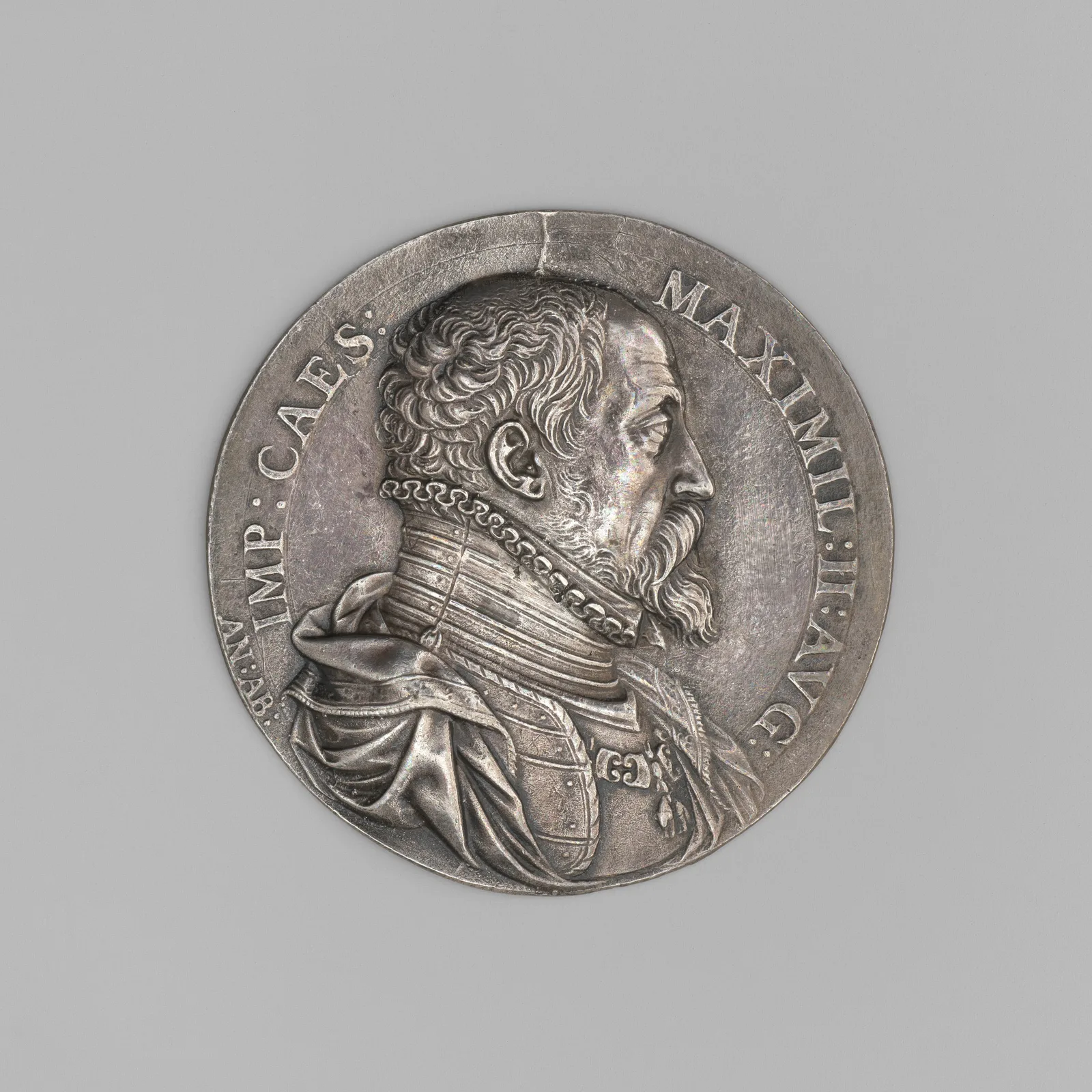
Silver is the classic award metal: a noble sheen, good preservation, a pleasant weight. Many commemorative and sporting medals are struck from silver or silvered on top. A silver medal sits beautifully beside a silver chain, and the conversion into a pendant looks whole. If you want to know whether the silver in an inheritance is real, our breakdown of 925 silver will help.
Bronze and Tombac
Bronze is the main material of mass award and commemorative medals. It is strong, inexpensive, and takes on a beautiful patina over time. Many prefer its warm bronze tone to the cool of silver. A variety of brass with a high copper content (tombac) often goes into stamped commemorative medals: it holds relief well.
Cupronickel and Nickel Silver
Copper and nickel alloys (cupronickel, nickel silver) were widely used in award making through the twentieth century. They are cheap, strong and look like silver. The drawback for wearing on the body: nickel irritates the skin of some people, which is worth keeping in mind if you plan to wear such a medal as a pendant.
Enamel and Ribbons
Coloured enamel is met more often on orders and badges than on medals, but medal mounts can be enamelled too. Enamel is fragile and fears knocks and chips. The ribbon is silk or watered moire in a set colour. Old ribbons fade and grow threadbare, so when reworking into jewellery they are often replaced or removed, with the original kept separately.
How to Read the Metal in an Inheritance
When a medal comes by inheritance, the metal hints at much even before an expert sees it. A cold white sheen without yellow and a pleasant heaviness is more often silver or cupronickel. A warm reddish-gold tone with visible patina is bronze. A faint yellow over a white metal, especially worn at the high points of the relief, is gilded silver, where the coating wears off first. A magnet almost never clings to a genuine award medal, because precious and non-ferrous alloys are non-magnetic, while cheap late copies sometimes give themselves away by pulling. These signs do not replace an appraiser, but they give a first sense of what you are dealing with.
What to Choose for Reworking Into Jewellery
If a medal is going into a pendant, the material dictates the care. A silver medal is the friendliest: it cleans, polishes and serves long on a chain. A bronze one is better not polished to a shine; its beauty is in the patina, so it is worn as it is. A gilded one is guarded from rubbing, or the thin coating wears off on the edges. A medal of a nickel alloy should be tested on yourself before constant wear against the skin: if the skin reacts, the disc is set in a capsule or on a backing that does not touch the body.
Striking With a Die: How Relief Is Born
Most award medals are struck. The maker cuts a steel die with a reversed, sunken relief, then presses that relief onto a metal blank under enormous pressure. The blow of the die compacts the metal, so a struck medal feels dense and rings clear. The deeper and more complex the relief, the more blows are needed; sometimes a blank is run under the press several times, annealed between blows so the metal does not crack. The chief sign of striking is a perfectly even field and the sharp edges of letters: the die repeats the design identically on every example, which is why mass awards look so alike.
Casting: a Medal Poured Into a Mould
Renaissance portrait medals were more often cast than struck. The artist modelled a master in wax, from which a mould was made and molten bronze poured. Casting gives a softer, more painterly relief with a slight grain to the surface, and each cast differs a little from the next, because the mould was often destroyed in the removal. A cast medal is usually larger and heavier than a struck one; it lacks that mirror smoothness of field but holds a handmade warmth. If an old disc shows fine pores, soft transitions and no perfect symmetry, what you have is more likely a cast than a stamp.
Engraving and the Named Inscription
Engraving is a hand or machine cut into finished metal. Striking sets the general image of a medal, the same for every recipient, while engraving adds the personal: a name, a date, a number. So the named inscription on the reverse is often dearer to a family than the relief itself, since it is the only truly unique part of the sign. Old engraving shows in its uneven, living line and in the way it cuts across an already struck field. When reworking a medal into a pendant, the engraving can be gently refreshed or your own date added, but historical inscriptions are best left untouched; they are part of the object's authenticity.
Patina and Noble Ageing
Patina is a thin film with which metal coats itself from time and air. On bronze it goes to a warm brown, greenish or near-black tone; on silver, to a smoky grey. Collectors prize an even old patina and try not to scrub it off, because it both protects the metal and serves as a passport of age: a fresh disc polished to a shine looks younger and loses authenticity. So proper care of an old medal is not a return of factory shine but the keeping of a noble film. Only dirt and active dark spots that eat into the metal are cleaned; everything else is left as a trace of years lived.
Leave your email, we'll send your discount code. No spam, unsubscribe anytime.
The code arrives by email, valid on your first order.
Medals That Entered History and Art
A medal can be both a family relic and part of a great culture. A few threads show how far this subject reaches.
The Medal as a Genre in Art
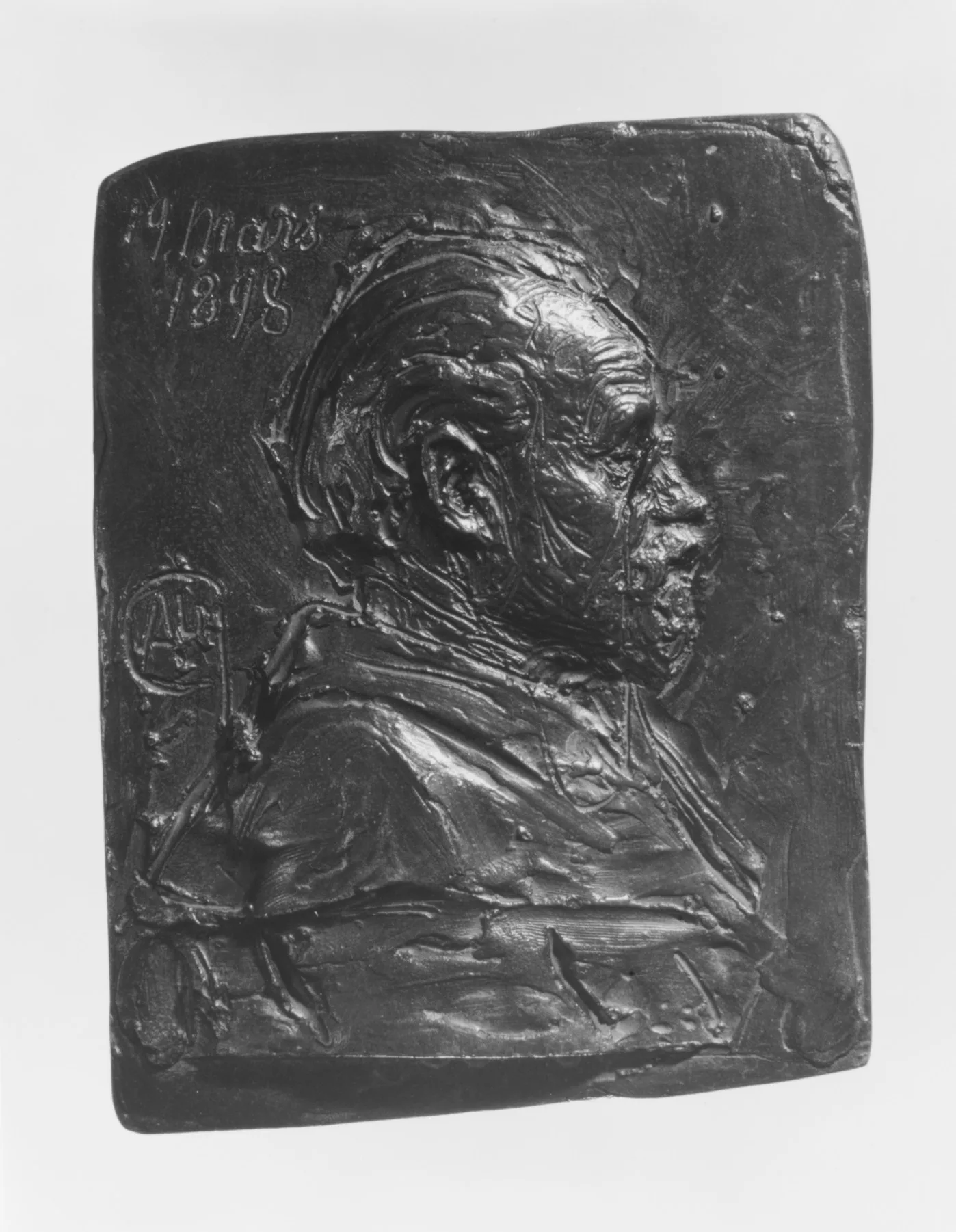
The Renaissance portrait medal is a full art form, studied on a par with painting and sculpture. Master medallists signed their work; they were valued as artists. A small two-sided relief demanded no less talent than a large portrait: to fit the character of a person into a circle the size of a coin is a craft of its own.
Medals in Painting and on Portraits
In old formal portraits the highborn are often shown with medals and order insignia on the chest. For the painter this was a way to tell the viewer status and merit in a second. A medal in a portrait worked as a caption to a biography: you looked at the chest and knew who stood before you. Painters carefully rendered the sheen of metal and the colours of ribbons, because the sitter wanted descendants to see his merits as clearly as his contemporaries did. From such portraits historians today reconstruct which awards existed and how they were worn, since painting preserved what the metal itself did not.
The Best-Known Formats of Awards
Without naming brands or modern institutions, one can speak of formats that became bywords. Olympic gold, silver and bronze for the three prize places is an image recognised the world over. The "long service" medal is a format of labour award familiar to everyone. The commemorative medal in honour of a jubilee or an event is a genre of its own, struck by towns, societies and families.
Medals That Entered History
Some medals outlived their time and became monuments of an era. Pisanello's portrait disc with the profile of the Byzantine emperor is the first medal of the modern age and at once a museum exhibit, the one any account of the genre begins with. The Renaissance medals of Italian rulers, which they sent to allies, have reached us as small formal portraits of a whole era; from them historians reconstruct the faces of people whose painted likenesses have not survived. Commemorative medals in honour of great sea and land battles of the seventeenth and eighteenth centuries are read today as a chronicle of wars: on their reverses are allegories of victory and exact dates. A famous branch of its own is the medals for great works of building and discovery, laid into foundations so descendants would find them at demolition. What all these famous medals share is one thing: they were conceived as a message, a way to speak to the future through metal.
Gods and Heroes on the Award Disc
The image-language of the medal leaned for centuries on ancient mythology. A winged Victory with a wreath, Minerva in a helmet as patron of wise labour, Hercules as a symbol of strength and endurance: these figures wander across the reverses of awards from century to century. Medallists took them because the viewer needs no explanation: a winged maiden with a wreath is victory, a mighty hero in a lion's skin is valour. This whole pantheon of images came from Greek myth, which we write about in detail in our piece on the Greek pantheon and the gods of Olympus. So holding an old award medal with a winged figure or a hero in a lion's skin, you hold a piece of the same ancient symbolism that lives in jewellery and sculpture.
A Medal as a Message to Descendants
In the Renaissance medals were laid into the foundations of buildings under construction as a time capsule. The builders reckoned that one day the house would be taken apart and the medal would tell descendants who raised it and when. It is a rare case where an award was deliberately made not for wearing but for the future, for eyes that would see it centuries on.
Why It Matters to People to Wear Merit on the Body
Behind the whole history of the medal stands a simple psychology. It is not enough for a person to know they did something; it matters that it be seen and that it remain. Words are forgotten, feelings dim, but a metal disc holds memory in the hand. A wearable mark of distinction meets two needs at once: to be recognised by others and not to lose the bond with one's former self, the one who came through the hard thing. So the medal keeps moving from the box to the chest even decades on. The chest is the most honest place for a sign: a companion sees it, it is by the heart, it moves with the breath. An ancient Roman with his phalerae and a modern runner with a finisher's medal at the throat are, in essence, doing the same thing, answering the ancient human need to make an invisible merit visible.
CAPAORA mini knife pendant
The 18th-century Spanish navaja in miniature: 40 mm of stainless steel, a real folding mechanism and a Palanquilla lock that clicks. An affordable gift to remember.
Authentic · Ships from Spain · 14-day returns
Medal Versus Coin and Locket: a Clear Distinction
Since all three things are round and hang at the chest, they are forever confused. Let us settle the difference for good, so you know exactly what you have and how to wear it.
Medal and Coin: Merit Versus Money
A coin is a means of payment with a face value; it is about exchange and worth. Its value is numismatic: who struck it, in what century, in what condition. A medal is a mark of merit with no face value; it was never put into circulation, it was given to a person for a deed. If your round disc once passed as money, it is a coin, and you are better off reading the guide to the ancient coin in jewellery. If the disc was given for merit and was never a means of payment, it is a medal.
Medal and Locket: Ready Meaning Versus an Empty Capsule
A locket is a carrier piece, more often a capsule into which you yourself put a photo or a lock of hair and fill it with your own meaning. A medal arrives with meaning already assigned by the body that granted it. A locket you write yourself; a medal is given to you. If you want to keep at the chest the memory of a loved one that you choose, your format is the silver locket. If you want to wear a sign of someone's or your own merit, it is a medal.
Medal and Order: a Disc Versus a Figural Sign
An order historically ranks above a medal and is usually made as a star, a cross or a figural sign, often with enamel, and is tied to the idea of membership in a fraternity. A medal is a disc or oval on a ribbon, a mark of distinction without joining a society. A rough rule: a round smooth disc on a ribbon is a medal; a figural enamelled star or cross is an order.
A Quick Cheat Sheet
Ask yourself three things. For what does the person have the thing: for money in circulation (coin), for memory put in personally (locket), for merit (medal or order). What is the form: a round disc on a ribbon (medal) or a figural star or cross with enamel (order). Is there a face value: yes means a coin, no means an award. Three questions cover almost every case.
Facts That Surprise
The subject of medals is full of unexpected details. Here are a few that change the way you see a familiar disc of metal.
Olympic "gold" is barely gold. Modern gold medals are made mostly of silver with a thin gold coating; there is very little pure gold in them. The last fully gold Olympic medals were given out more than a century ago.
The word "phaleristics", the study of awards, comes from the Roman phalerae, those very breast discs of the legionaries. So collectors of medals carry the name of an ancient Roman military award.
The ribbon matters more than the disc. An experienced phalerist often identifies an award from the colours of the ribbon alone, without looking at the metal. The ribbon is a code by which the whole story of a sign is read.
The first portrait medal of the modern age is held to be Pisanello's work of 1438 with the profile of a Byzantine emperor. With it the medal began as art, and indirectly from it grew the fashion for round portrait pendants.
In the Renaissance medals were hidden in walls. They were laid into the foundations of buildings as a message to the future, in the reckoning that descendants would find the disc at demolition and learn the builders.
The sporting medal was hung at a victor's throat comparatively recently. In antiquity champions got a wreath, and the ceremony we know with a ribbon over the head is an invention of modern sport.
Bronze ages more beautifully than silver. Over time a bronze medal takes on a patina that collectors prize and try not to scrub off: the patina is a passport of the object's age.
The medal and the locket grew from one root. The Renaissance fashion for wearing a round portrait relief on the chest pushed craftsmen toward capsule pendants, and the award line branched from the adornment line out of a common source. So the confusion between them has deep historical reasons and is not accidental.
Medals were forged as long ago as they were awarded. As soon as a mark of distinction began to bring honour, there appeared those who wanted honour without merit, so wearing a stranger's or a false award was punished severely in many countries. The right to a sign was protected by an award book, and the edge of a disc was sometimes marked with a number to tell an original from a copy.
A profile on a medal more often faces left. The habit of showing a portrait in profile turned one way reaches back to ancient coins, and medallists held to the same composition for centuries, because a profile is recognised at once and fits beautifully into the circle of the disc.
The reverse tells more than the obverse. The ceremonial front of many awards is the same, while the back with its inscription, year and name is unique. So to a family the reverse is dearer: on it is written the specific "for what and to whom", the very thing that sets your medal apart from thousands like it.
Send a friend a discount code, they save on their first order.
Frequently Asked Questions
Can you wear an award medal as jewellery?
Your own medal you may wear however you like; that is your right. An inherited family medal is acceptable to wear as a relic, out of memory and respect, knowing its story. Passing off someone else's battle award as your own is not acceptable, and is considered improper in many cultures.
How does a medal differ from a locket?
A locket is a capsule piece into which you yourself put a photo or a keepsake and fill it with meaning. A medal is a mark of merit that comes to you already filled with meaning, assigned by the one who granted it. A locket you write yourself; a medal is given to you.
Are a medal and a coin the same thing?
No. A coin is money with a face value; it circulated, and its value is numismatic. A medal is a mark of merit with no face value; it was never a means of payment, and it was given to a person for a deed.
How do you turn a medal into a pendant without ruining it?
The gentlest way is to place the medal in a clear capsule or a jewellery frame with a loop, so the disc itself is not touched at all. If the medal is not collectible, a jeweller can solder on a loop or fit a removable bail. For genuine and battle awards only the frame, without conversion, is used.
What metal are award medals made of?
Most often bronze and silver, less often gilded silver or bronze. In twentieth-century award making, copper and nickel alloys (cupronickel) were widely used. Pure gold is rare in awards because of its softness and cost.
Is it proper to wear a grandfather's medal?
Yes, if you wear it as a memory of your grandfather and know what it was given for. It is an act of respect for your line, not the appropriation of someone else's feat. The point is not to pass the award off as your own merit.
What is a phalera?
A phalera is an ancient Roman award disc fixed to the breast straps over armour and given to warriors for distinction. It is the direct ancestor of the modern award medal, and from it comes the word "phaleristics".
Can you wear a medal on a chain every day?
You can, if the medal allows it by its value and its condition. A sporting or souvenir medal is worn on a chain freely. A genuine award is better protected and worn in a guard capsule, with the ribbon kept separately so it does not fray.
Conclusion
An award medal is a rare object in which the metal comes second. What matters in it is the grounds, the person and the day to which it is tied. That is exactly why a medal turns so naturally into jewellery: on a chain or in a frame it keeps on you not a shine but a memory and a merit. Telling it apart from a coin and a locket is not hard: a coin is money, a locket is a capsule for your memory, and a medal is a testimony of recognition that fell to one named person. It can and should be worn with respect for the one whose name stands behind it.
Memory you wear on the chest
The Zevira catalogue has pendants, frames and silver pieces that turn a family award or a keepsake sign into everyday jewellery. Carefully, with no loss of history.
Open catalogueBuying it as a gift? Each one arrives ready to give.
 A branded Zevira box and a little card come with every order.













About Zevira
Zevira makes jewellery in which meaning matters more than shine. We love things with a story: signs, symbols, relics that a person wears not for show but for themselves. If you want to move a medal or a keepsake disc gently into a wearable piece, we have frames, settings and silver pendants for the task, along with makers who will do it without harming the original.