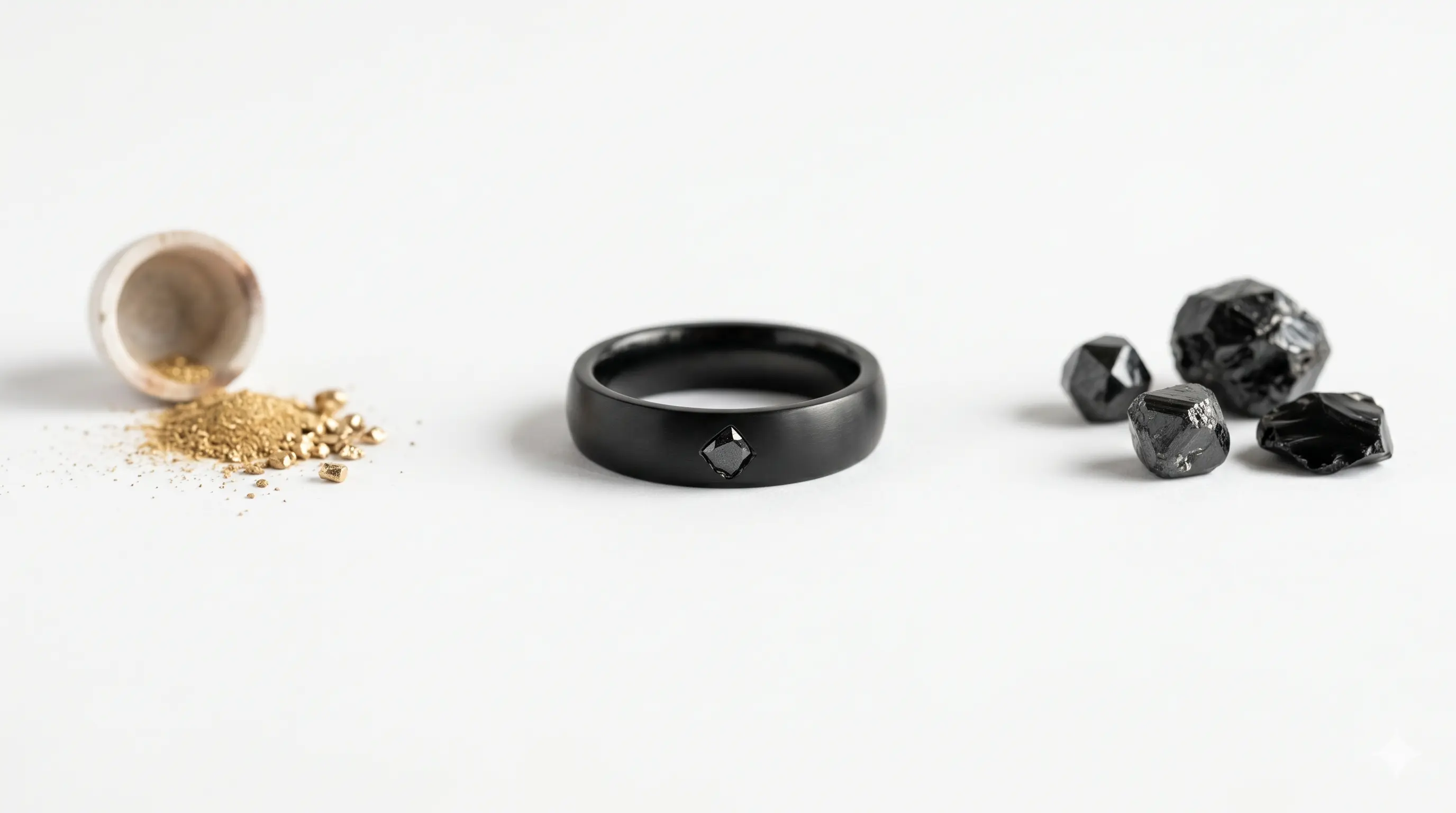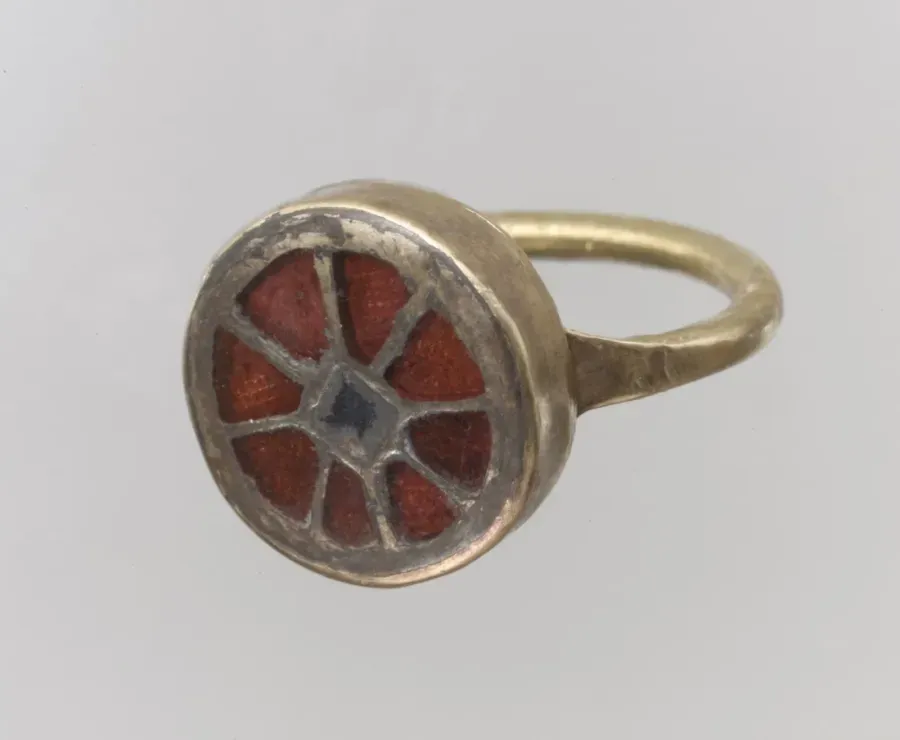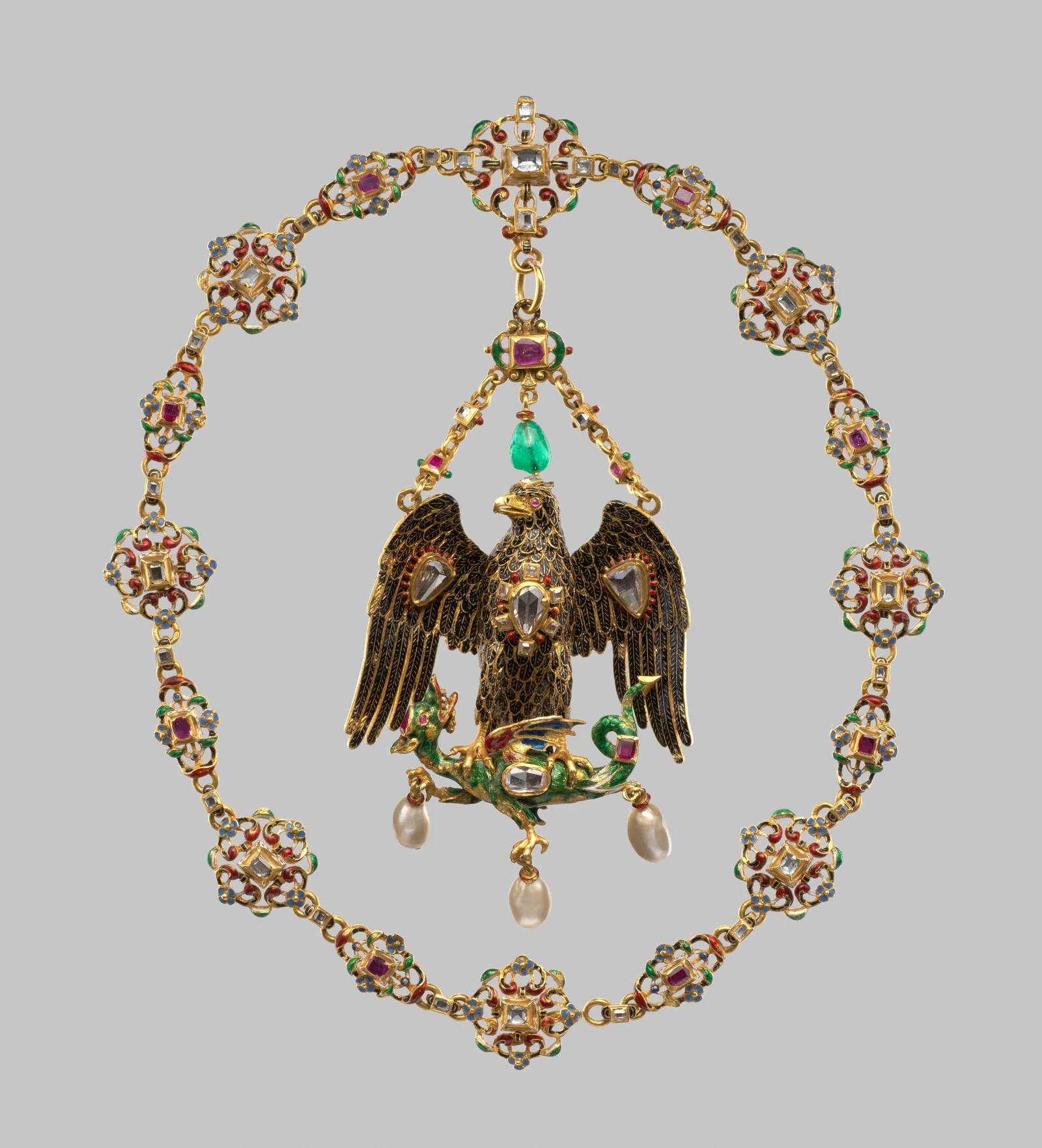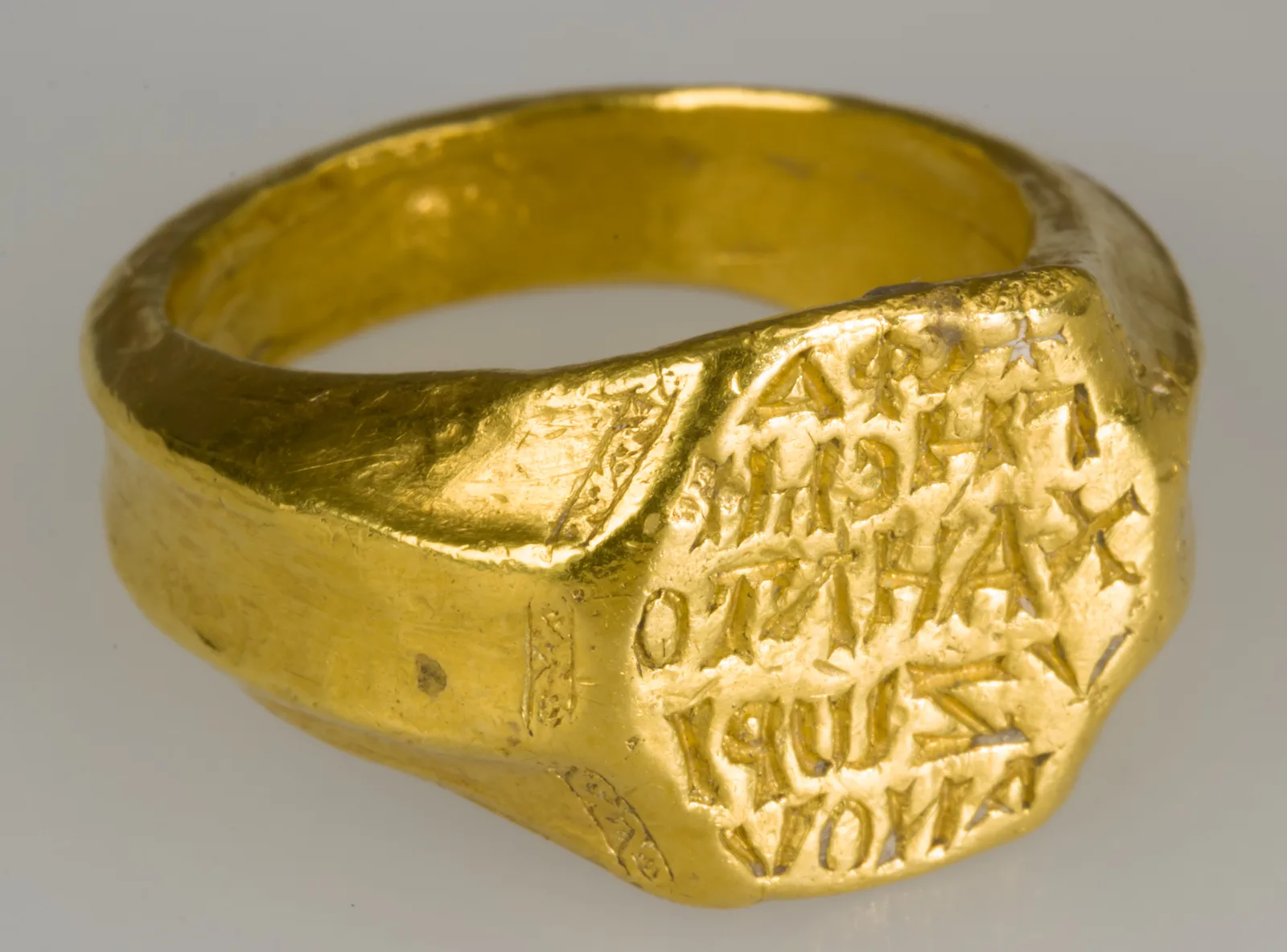
The Family Signet Ring and the Heirloom: A Ring That Outlives Its Owner
In the royal and merchant archives of Europe, a signet ring sealed contracts and wills with the same authority as a signature. To slide that ring off a dead patriarch's finger and onto his heir was to hand over not metal but the right to speak for the family. The ring outlived the man by centuries and kept on working.
A family signet ring is not a birthday gift or a pretty trinket. It is an object you acquire in order to pass it on. It has an owner today and an owner tomorrow, a story that each generation adds to, and rules by which it travels from hand to hand. What follows, in order: what turns a piece of jewellery into an heirloom, the kinds of family signet rings, what gets engraved on the bezel, how the ring is handed down and resized for a new owner, how it is worn and stored, and how a family ring differs from a redesigned grandmother's ring and from an ordinary keepsake gift.
What a Family Signet Ring and an Heirloom Are
A Definition: An Object You Acquire to Pass On
A family signet ring is a ring deliberately made or designated to be inherited within a single family. The key word is not "expensive" and not "antique," but "passed on." An ordinary piece of jewellery lives with one owner and ends its journey in a pawnshop or a nameless box. An heirloom outlives its owner and reaches the next person with a story tied to specific people.
A family heirloom is broader than a ring. A locket, a cross worn next to the skin, a pocket watch, a brooch can all become heirlooms. Yet it was the ring that historically took on the role of the chief family object, because it had a function no other piece of jewellery had: you signed with it. The ring on the head of the family's hand was his legal signature, and that signature travelled onward with the ring.
Wear the symbol, don't just read about it. These are in stock:





How an Heirloom Differs from a Merely Old Piece
An old piece is an object with age. An heirloom is an object with a biography. The difference is not in years but in whether a story of specific people is attached to it: who wore it, under what circumstances it was received, what the family remembers about it. A grandmother's wedding band with no story behind it is simply gold of a certain fineness. The same band, with the line "she never took it off for forty years, not even in hospital," is an heirloom.
This is why an heirloom cannot be bought ready made. It can only be started: take a worthy object, begin to wear it, attach an event to it, tell the story to your children, and agree on who it will pass to. Age arrives on its own. The biography matters more.
Why the Ring Became the Chief Family Object
The ring had three qualities that made it the carrier of family memory. First, it sits in plain view: the hand is always on display, and a ring is read by another person in an instant. Second, it is sturdy: a heavy ring survives the centuries better than a thin chain or a fragile brooch. Third, and most important, it held power. A signet ring pressed its mark into wax, and that impression stood in for a signature for the literate and the illiterate alike. A ring you sign with must, by definition, outlive its owner and pass to whoever continues to sign.
History: Signet Rings, Coats of Arms and Dynasties
The Ancient World: The Seal as a Signature
The seal is older than the coin and older than the alphabet in its familiar form. In Mesopotamia, three thousand years before our era, cylinder seals were rolled across wet clay to leave a continuous impression. In ancient Egypt people wore scarab rings: the beetle on the bezel swivelled, and on its underside a seal with the owner's name was carved. Such a ring did not decorate but certify: an impression on the clay stopper of a grain jar or on a scroll meant that a specific person stood behind the contents.
Even then the seal was an inherited object. The name on the bezel belonged to the line, and the ring carrying that name passed to whoever took on the family's affairs. Archaeologists find Egyptian seal rings worn by several generations, each one refitted to new fingers.
The very material of early seals speaks to their role. Mesopotamian cylinder seals were cut from hard stones such as lapis lazuli, carnelian and haematite, because a soft stone would have worn away within a couple of years of daily rolling across clay. Durability was built into the object from the start: a seal had to outlast its owner, or it lost its meaning as proof of the line. That logic of "we make what will outlive us" is the seed of the entire idea of the family ring.
Greece and Rome: The Right to Sign, Worn on the Hand
In ancient Greece and Rome the signet ring became an everyday instrument. A free citizen sealed his letters, his contracts and the doors of his storerooms with it. The impression of a personal seal in wax was protection against forgery: an outsider could not reproduce the design. The Romans even had a profession of gem cutter, who carved a coat of arms, a profile or a scene onto an intaglio so that the impression came out crisp and recognisable.
A ring with a seal passed to the heir as a sign that authority in the household had changed hands. In the wills of the Roman nobility the ring was named separately: whoever received the right to sign received the ring. Removing the ring from the hand of the deceased was part of the rite of inheritance.
The Middle Ages: Coat of Arms, Knighthood, Church
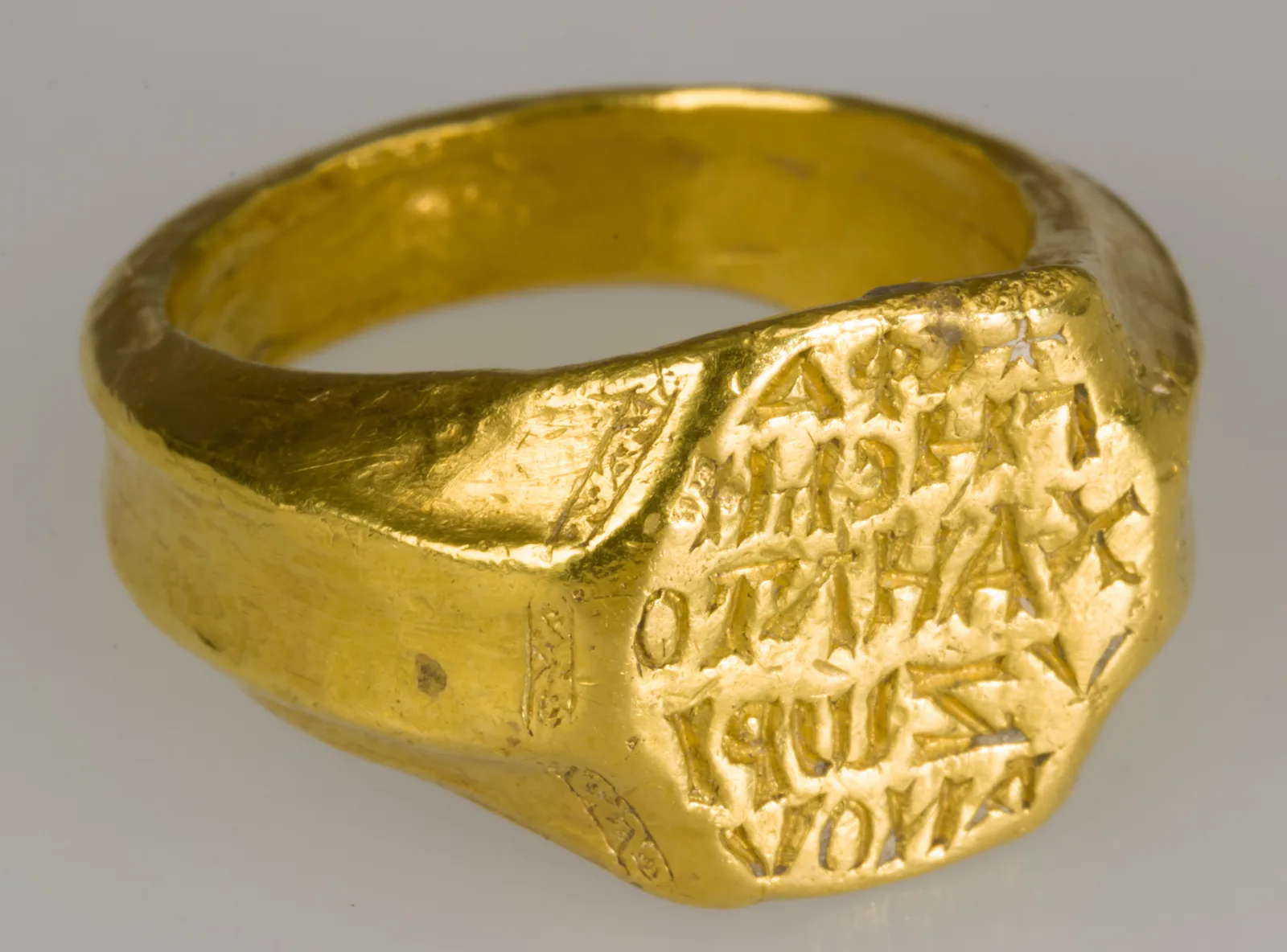
In medieval Europe the signet ring fused with heraldry. A knightly line had a coat of arms, and that coat of arms was carved onto the bezel of the ring. The ring became a portable version of the family shield: the same image that stood on the banner and over the castle gate now fit on a finger. A document sealed with an armorial impression was recognised as genuine across the whole district.
The Church added its own thread. The bishop's ring, still kissed today on meeting a prelate, was originally a seal too: church charters were sealed with it. The papal Fisherman's Ring, showing the apostle Peter in a boat, pressed its mark onto papal documents, and after a pope's death it was publicly broken so that no one could sign a paper in the dead man's name. This is direct proof of how seriously the seal was taken: the ring carried real power, and that power ended with it.
The Renaissance and the Modern Age: Dynasties and Merchant Houses
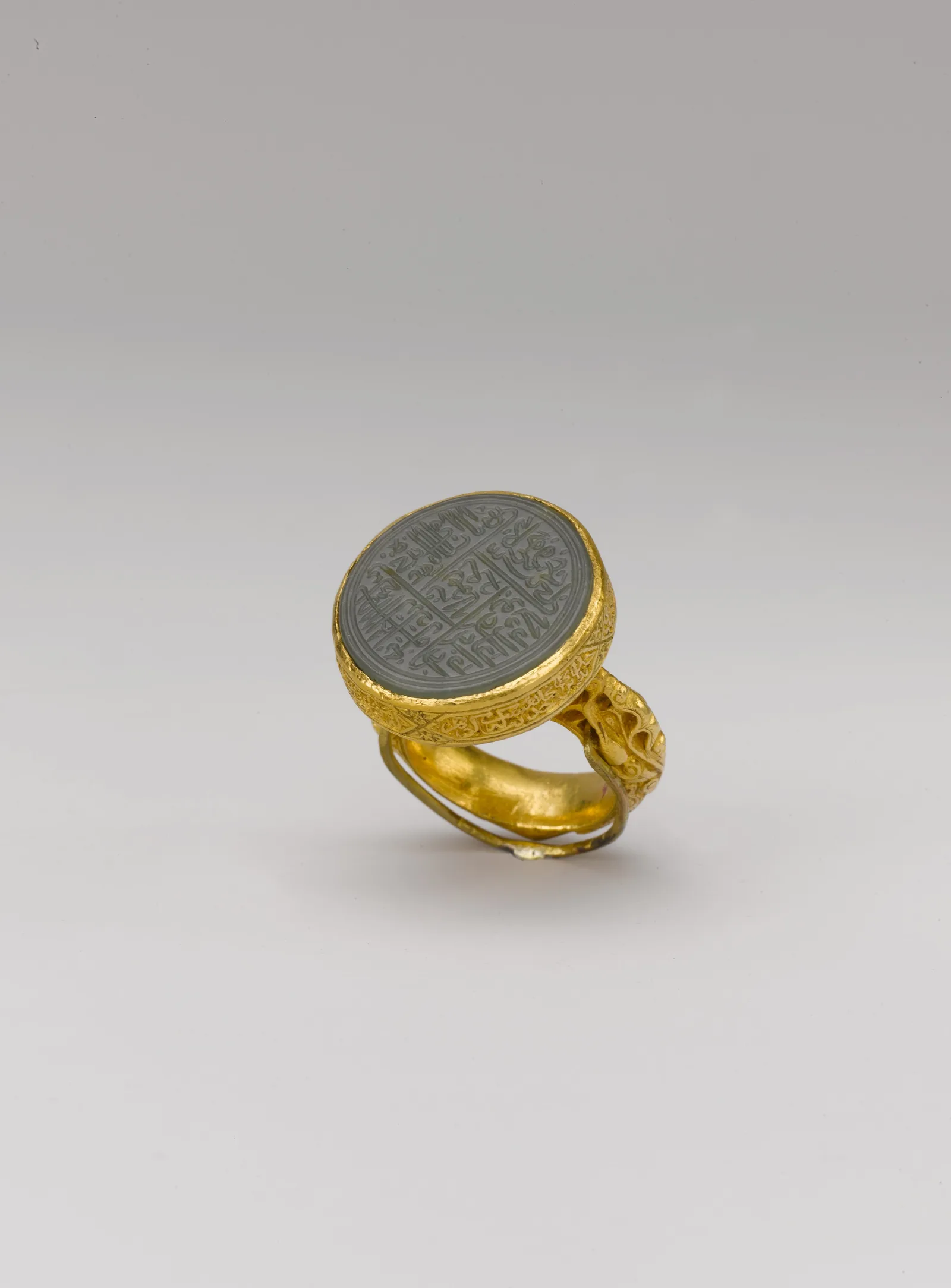
In the Renaissance the signet ring became an attribute of both the nobility and the rising merchant and banking houses. A trading house with branches in different cities kept a single seal, and a partner in a distant port recognised the authenticity of a bill of exchange by its impression. The ring of the head of the house was, in effect, the corporate seal of the family firm, and it passed on together with control of the business.
That was also when the custom of wearing the family signet on the little finger took hold. The ring stayed in view, did not get in the way of writing, and turned its bezel easily towards the wax. Many old portraits show a man with a ring on exactly that little finger of the left hand, and this is no accident but a norm.
The Nineteenth Century: The Signet as a Mark of Origin
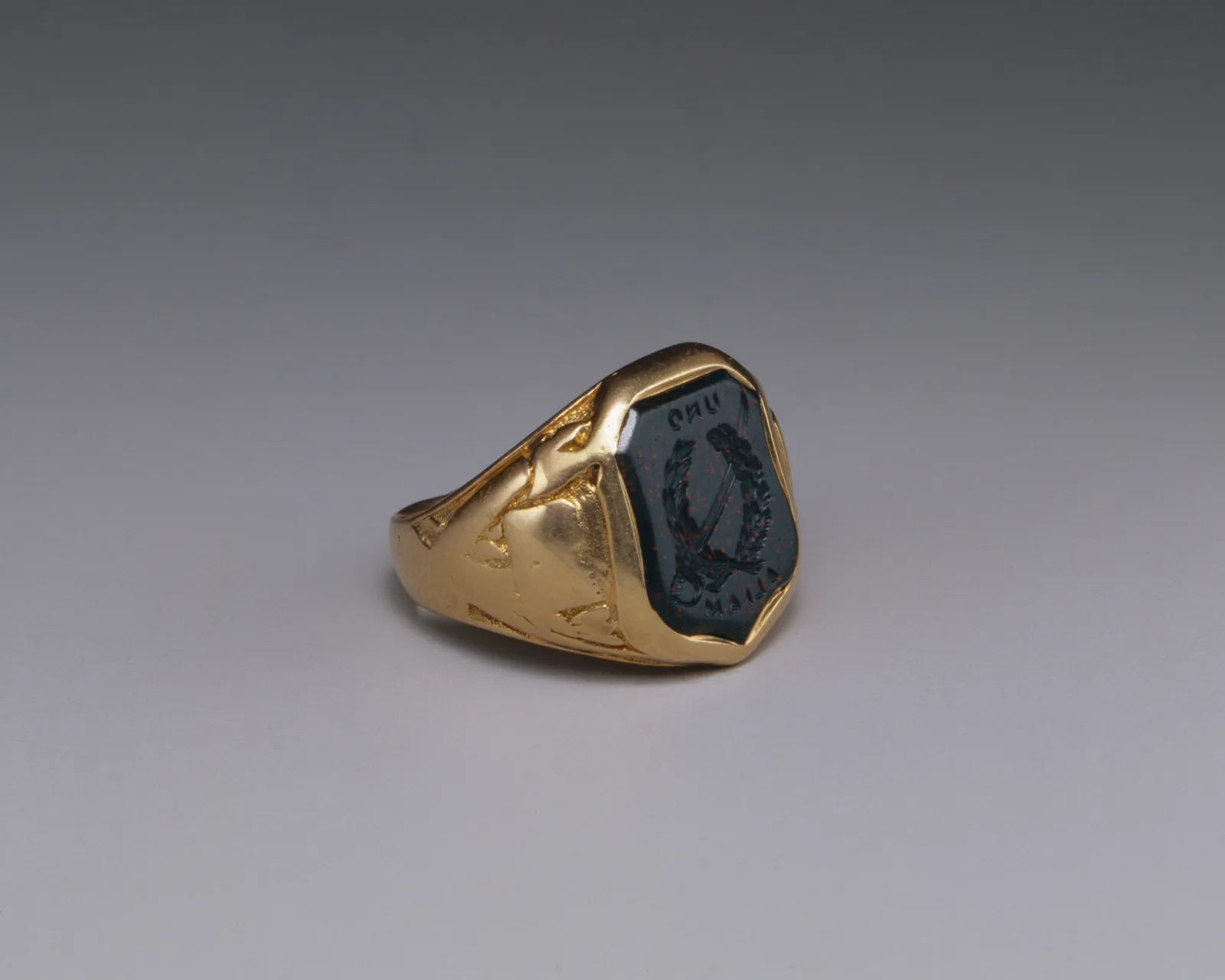
By the nineteenth century the wax seal gradually gave way to the signature and the official stamp. The ring lost its legal function but did not disappear. On the contrary, it turned into a mark of origin: a person with a family signet made it understood that a line with a history stood behind them. The ring began to be commissioned even by families who had no coat of arms before, choosing a monogram or a personal symbol in place of heraldry.
It was at this time that the family ring finally became what we know today: not a working instrument but a carrier of memory and continuity. What was passed on was no longer the right to sign but the idea itself: you are the next one to carry the name forward.
The Twentieth Century and Today: An Heirloom Without Class
In the twentieth century the family ring ceased to be a privilege. Wars and displacements broke down the old class lines, and the family object mattered no longer as a mark of origin but as an island of stability: a family lost its home, its property, sometimes its country, yet a small ring sewn into a lining passed through everything and tied the pre war life to the one that came after. A great many modern heirlooms count their history from exactly such a rescued ring. Today families with no heraldry at all start a family signet, because the wish to own a shared, transferable object turned out to be stronger than the class logic that once gave rise to it.
A signet lives on the little finger, and alone. Pile rings up the hand and you get a market stall, not a lineage. Don't you dare.
How to Wear a Family Signet Ring
Over years on shoots dozens of signets have passed through my hands, from heavy crested rings to slim ones. Here is what actually decides how the ring sits and how it reads.
Which finger should it go on? The historical place is the little finger, more often on the left hand: the ring stays in view, does not get in the way of writing, and turns its bezel down easily. I still recommend the little finger as the strongest choice, since people read it as a family mark. Prefer otherwise, the ring and index fingers work too, but the canon stays with the little finger. How different fingers change the reading of a ring is covered in detail in the piece on the meaning of rings on each finger.
Pair it with other rings or wear it alone? I suggest alone. A family ring looks most noble on its own and needs no backdrop. If you want to fill the hand, I choose jewellery of the same metal and a quiet form, with no rival stones. The rule that never fails: the heirloom stays the main object on the hand, not one of a row.
Does the signet work with a suit and in the office? It does. I place a heavy gold or silver crested signet with a suit and with everyday clothes alike. Under a French cuff I recommend the same metal as the cufflinks, so the hand reads as one piece. Within a strict dress code the signet works as a quiet status accent, not a loud detail.
What if the ring came too large or off size? Do not wear it turned inward or leave it in a box. I suggest sending it for repolishing and resizing; a good jeweller keeps the bezel and the crest. A heavy men's signet is often reset for a woman's hand: the plate made thinner, the symbol cleaner. The ring should sit firm yet come off without soap.
Is the women's way different? Yes, and clearly so. A women's signet I combine more freely: thin rings of the same metal, a set across neighbouring fingers, a smaller plate and a cleaner symbol. The men's way is stricter, one ring on the little finger with no neighbours. Choose the one closer to you; both are honest. There is a separate breakdown of the women's version in the guide to the women's signet ring.

Turn on your camera, pick earrings, a pendant or a ring, and see the piece on yourself in real time.
Switch items in one tap.
Everything runs in your browser: no photo or video is ever uploaded.
What Makes a Piece of Jewellery a Family Heirloom
The Story Matters More Than the Price
It is not the hallmark that makes an object an heirloom but the story. The humblest silver ring with the tale "great grandfather brought it back from the front and wore it to his last day" carries more weight in a family than a nameless ring with a large stone. Price protects an object from the melting pot, but only the story creates meaning. So the first rule of an heirloom: you have to know the story and be able to retell it.
Wear Across Generations Leaves a Trace
A ring worn for decades is different from a new one. The edges are smoothed, on the inside there is a trace from constant contact with the skin, sometimes a slight deformation to the shape of a particular finger. These traces are not a flaw but the patina of a life. Restorers of old jewellery deliberately keep this patina, because it is precisely what proves the object lived on a hand rather than lying in a safe. To buff everything to a mirror shine is to erase part of the biography.
Engraving Turns an Object into a Document
An inscription on a ring is an entry in the family archive. A date, initials, a short phrase tie the object to a specific event and person. A ring with no inscription can be confused with any other. A ring engraved "1924, from grandfather to grandson" can no longer be made anonymous: it tells where it came from. The more precise the record, the harder it is for the heirloom to be lost in the stream of nameless things. There is a separate breakdown of what is worth cutting in the guide to engraving on jewellery.
Emotion and the Rite of Handing Over
An object becomes an heirloom at the moment it is handed over. Simply leaving a ring in a will, listed on an inventory, is a legal act. Sliding it onto an heir's finger, telling the story, explaining who it will pass to next, is a rite, and that is what creates the heirloom. Families who stage such handovers as an event (at a coming of age, at a wedding, at the birth of a first child) keep their objects longer and do not lose their stories.
Customer reviews
Zevira is a real jewellery shop. Genuine payments, deliveries and customer thank-yous.
🥰🥰🥰 gracias
Ok, ¡gracias! 🙂
Kinds of Family Signet Rings and Heirlooms
The Armorial Signet
The classic of the genre. On the flat plate of the ring a family coat of arms is carved: shield, figures, motto. Originally such a ring pressed its mark into wax, so the image was cut in mirror so that it read correctly on the seal. Today the coat of arms is more often cut straight, as decoration, but families with a genuine heraldic tradition sometimes keep the mirror carving so the ring can work as a seal if wanted. A coat of arms on a signet is the most direct way to declare a line.
The Monogram and Initials Signet
If there is no coat of arms, a monogram takes its place: the interwoven initials of the owner or of the family name. This is the democratic version of the family ring, within reach of any family that wants a family object without a claim to nobility. A monogram is universal: it reads, it is personal, and it is easy to repeat on matching rings for several family members. The building of a handsome monogram and the choice of typeface are covered in detail in the piece on initials and monograms in jewellery.
The Wedding Band Passed Down
A separate and very living tradition: a mother's or grandmother's wedding or engagement ring passes to a son so that he can propose to the woman he has chosen. Here the ring carries a double meaning: both a family bond and a promise of marriage. Such a ring is often resized for a new finger, but the original stone, or at least the setting, is kept, because that is precisely what makes the heirloom.
The Locket Heirloom
The locket stands beside the ring as a carrier of memory. Inside, a lock of hair, a miniature portrait, later a photograph. The Victorian age raised the mourning locket to a cult: after the death of a loved one a locket with their hair was commissioned and worn without being removed. A locket is passed on just as a ring is, and often goes with it as a set, the women's part of a family pairing.
Rings Worn Close and Carried in the Pocket
Not every heirloom is worn in view. A cross worn next to the skin, a small icon or amulet passes from generation to generation and holds a strong emotional attachment, especially in religious families. Pocket heirlooms (a watch on a chain, a cigarette case, a monogrammed snuffbox) also belonged to a family set and passed down the male line. They share one thing: a personal, wearable object with a story.
Upload a photo of your pet, someone you love, or an object. We'll build a 3D model and hand-cast it in pewter.



Engraving and Coat of Arms: What Goes on a Family Ring
The Coat of Arms and Its Elements
A full coat of arms includes the shield with its figures, the crest, the motto on a ribbon. All of this rarely fits on the small plate of a ring, so usually the chief element is transferred: the main figure of the shield or the shield itself without its surround. If a line holds an officially registered coat of arms, the engraver works from its description (the blazon) so that the tinctures and figures match. If there is no coat of arms, one is not invented out of thin air: an honest monogram is better than counterfeit heraldry.
The Monogram
A monogram is built from two or three letters. The classic schemes: one large letter of the surname in the centre with two letters of the given name on either side, or an interweaving of initials into a single design. It matters that the monogram reads and does not dissolve into a meaningless ornament. For a family ring the initials of the surname are often taken rather than those of a particular person, so the ring suits any bearer of the same blood.
The Motto and a Short Phrase
A motto is the words a line chooses for itself. On a ring it is cut along the edge of the plate or on the inside of the band. If there is no family motto, a short, meaningful phrase takes its place: a name, the year the family was founded in a new country, a word the family holds as its own. The chief rule here is brevity: the fewer characters, the longer the inscription lasts and the easier it is to read.
Dates and Names
A date is an anchor for memory. On a family ring the year the object was made is engraved, the year of the first handover, sometimes a chain of dates as the ring passes from owner to owner. The inside of the band is the ideal place: there the inscription is protected from wear and does not compete with the face. Some families add a new date at every handover, and the ring gradually becomes a small chronicle on metal.
Handing Down and Resizing: Renewing the Ring for a New Owner
When It Is Handed Down
There is no firm law, only traditions. Most often a family ring is handed over on the threshold of adult life: at a coming of age, at the end of studies, at a wedding, at the birth of a first child. Less often it passes during life, hand to hand; more often by will. A handover during life is the more valuable: the giver tells the story himself and sees the object received. A ring that passes on an inventory, without words, loses half its meaning.
Resizing: What Can Be Done
Size is the chief technical problem of inheritance. A grandfather's finger and a grandson's almost never match. A jeweller solves this in two ways. Enlarging: the band is cut and a piece of the same metal is inserted, the seam cleaned so that it cannot be seen. Reducing: surplus metal is cut out and the band soldered. Both operations are routine and do no harm to the ring, provided the craftsman works in the same alloy and does not overheat the stone. There is a separate breakdown of how many sizes a ring can really be stretched without losing strength in the piece on the meaning of rings on different fingers, which also covers fit.
Repolishing and Restoration: What May Be Touched
Repolishing removes scratches and restores the edges. This is permissible, but in moderation. To strip the patina entirely off an old ring is not wise: with it goes the proof of age. A good restorer takes off only what gets in the way (deep gouges, burrs) and keeps the overall character of the object. A worn inscription can be deepened along the old contour, but to recut the design from scratch is already the making of a new object, not the restoration of an heirloom.
What Must Not Be Lost
There are elements that make an heirloom an heirloom, and they are the ones most often lost. The original stone: it must not be swapped for a newer, prettier one, or the ring stops being the very ring. The old hallmark and fineness mark: they are kept through any reworking, because they date the object. The historical engraving: it is deepened, not erased. And above all, the story must not be lost: if a ring is handed over without the telling, in a generation it becomes simply an old ring of unknown origin.
When Reworking Kills the Heirloom
The line is thin. To adjust the size, clean it, deepen the inscription is care. To saw the ring apart, take out the stone and set it in a modern mount is no longer an heirloom but a new piece made from old material. If the aim is to keep the memory, the reworking is kept minimal. If the aim is to wear the stone in a comfortable modern form, that is an honest but different project, and there is a separate discussion of it in the piece on redesigning a grandmother's ring.



Materials of the Family Ring
Gold
Gold is the chief material of family rings, and not for its shine but for its chemistry. It hardly oxidises, does not tarnish and does not break down over the centuries, so a gold ring reaches the great grandchildren in the same state. Yellow gold is traditional for armorial signets. Red gold, with its high copper content, is stronger and characteristic of old European pieces. White gold is more modern and cooler in tone. The higher the fineness, the softer the metal, so for a signet worn every day a 14 carat alloy is often chosen as a compromise between nobility and strength.
Silver
Silver is more affordable than gold and so more democratic as the material of a family object: any family can start a silver family ring. Silver tarnishes over time, and many value this patina: the darkening in the grooves of the engraving makes the design more contrasting and readable. For a silver signet a sterling alloy is most often used, and its properties, care and hallmarking are covered in detail in the guide to sterling silver 925. A silver ring asks for a little more care but, treated well, lives as long as a gold one.
Platinum and Rare Metals
Platinum came into jewellery later than gold and silver, so genuinely old platinum heirlooms are few. Yet platinum is extremely wear resistant and hypoallergenic, and a ring of it barely wears down even over decades of daily wear. For a new heirloom, started from scratch and meant to be passed on for a long time, platinum is a sensible choice: it will outlast several generations with minimal repair.
Stones and Insets
In a signet ring the stone traditionally played the role of the seal: an image was carved into carnelian, agate, haematite or rock crystal, and the hard stone gave a crisp impression. A carved gem is an art of its own, and old gems are heirlooms in themselves. If a family ring holds a stone, it is guarded as part of the history and not changed during reworking. A coloured stone (a family sapphire or ruby, say) also becomes the inherited core of the ring, around which only the settings change.
Steel and Base Alloys
Not every heirloom is precious in its composition. Steel and brass rings from the front, the plain copper rings of craftsmen, army signets found their way into families and were kept with the same care as gold. Steel resists wear and does not fear heavy work, so such rings often reach the descendants whole. The value here lies purely in the story: an object that came through hard years with a person carries more weight in a family than a fine ring with no fate. When starting a modern heirloom in steel, a grade resistant to corrosion is chosen so that rust does not eat the ring over the decades.
Leave your email, we'll send your discount code. No spam, unsubscribe anytime.
The code arrives by email, valid on your first order.
Storing and Caring for a Family Object
Where and How to Store It
An heirloom is stored apart from everyday costume jewellery, so it does not scratch against other things. A soft pouch or a separate nest in a box, a dry place with no swings in humidity. Gold is undemanding; silver is better kept in the dark and, where possible, with anti tarnish strips that slow the darkening. If the ring holds a carved gem, it is guarded from knocks: the carving on a stone is fragile at the edges.
Cleaning Without Losing the Patina
The chief rule of caring for an heirloom: clean gently and not to a mirror. Warm water, a drop of mild soap, a soft brush along the lines of the engraving. No abrasives or aggressive pastes that strip the top layer of metal along with the patina and the contour of the inscription. If the ring has darkened more than you would like, it is better to leave the cleaning to a jeweller, who will take off the film but keep the noble dark line in the grooves.
A Document of Provenance
A serious but underrated step: write down the object's history. Who wore it, where the ring came from, what is bound up with it, who it passes to next. A sheet of paper or a note on a phone, kept with the box, saves the heirloom from going anonymous. In two generations no one remembers the details by heart, and it is exactly the written story that separates a family object from an old ring off a flea market. Museums call this provenance, and for a family heirloom it is no less important.
Insurance and Appraisal
An old ring is worth showing to an appraiser, especially if it holds a stone or a historical gem. The appraisal is needed not for sale but for insurance and to understand exactly what is being kept in the family. At the same time a specialist confirms the authenticity of the fineness and the age of the object, and that is already part of the provenance.
Whom to Trust with Repairing an Heirloom
A family ring is worth mending not at the first workshop you find but with someone who can work on old things. The difference is in the approach: an ordinary workshop strives to make it "like new," while a restorer keeps the character. Before any work on an old ring, ask to see examples of similar restorations and agree in advance on what to touch and what to leave. Be especially careful with stones: old gems and insets not cut to modern standards are easily damaged when a setting is melted down. A good craftsman first asks about the object's history and only then reaches for the tools.
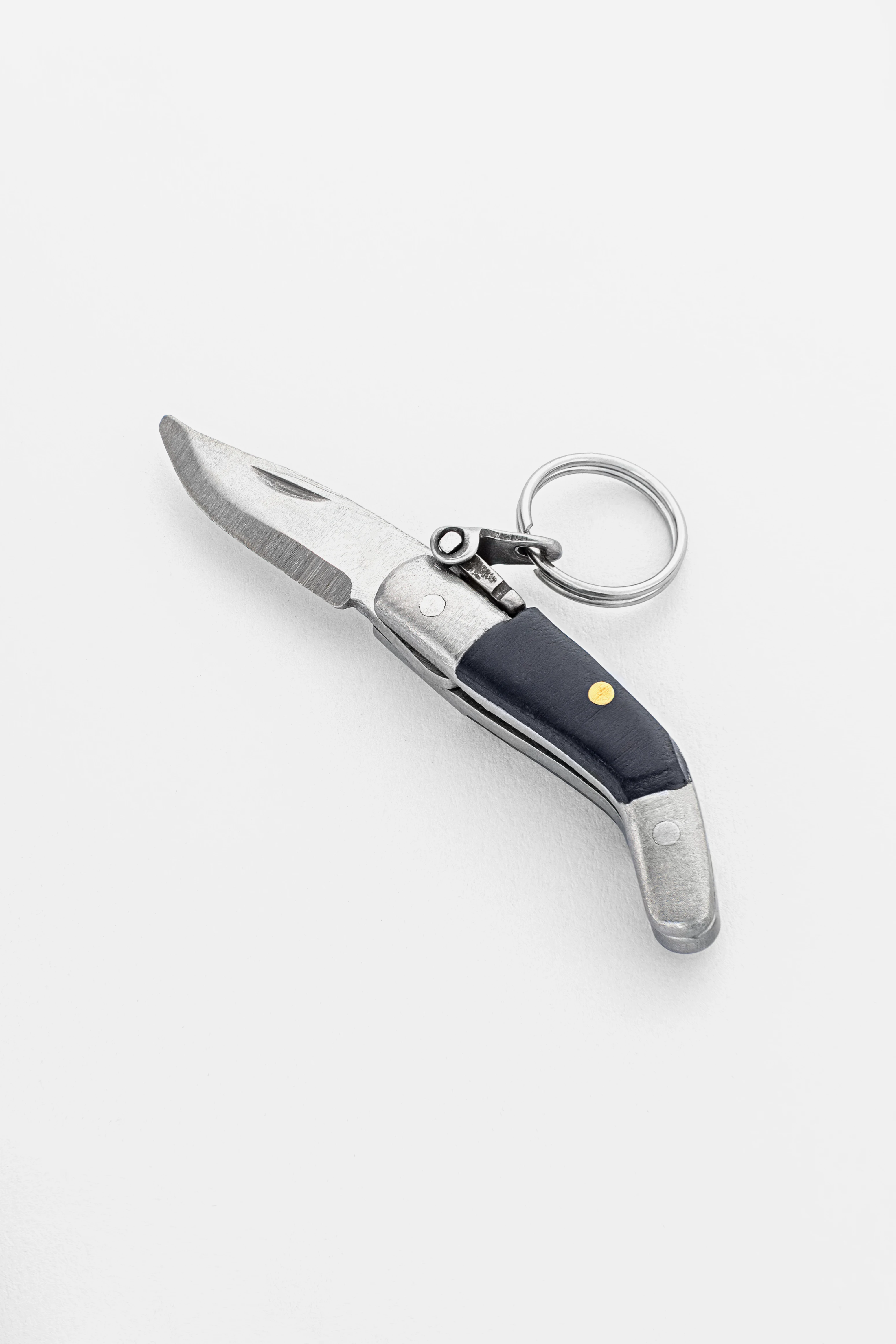
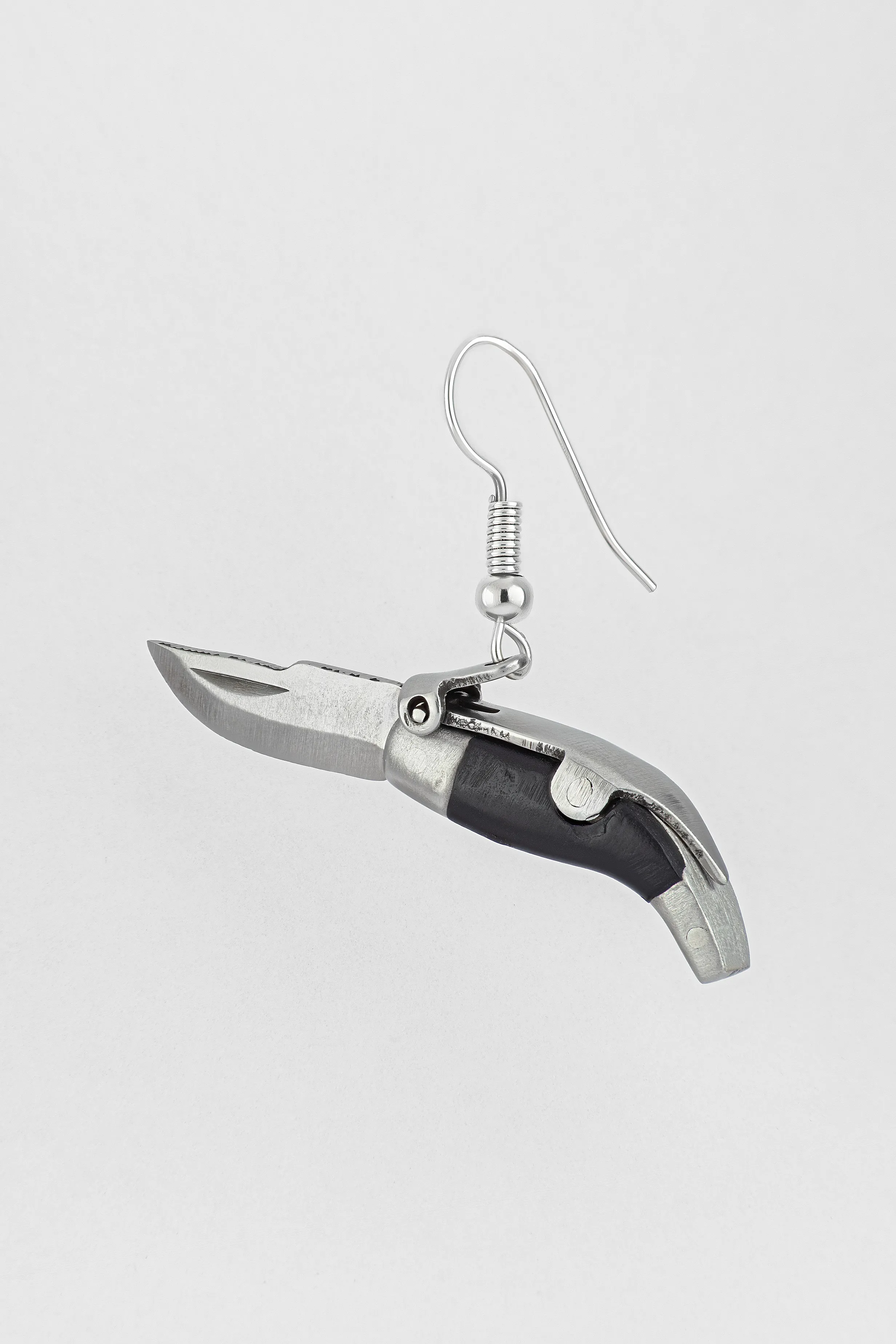
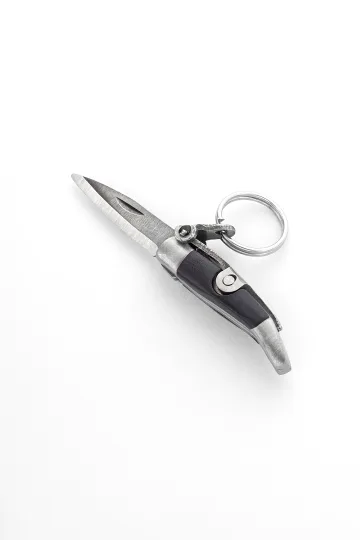
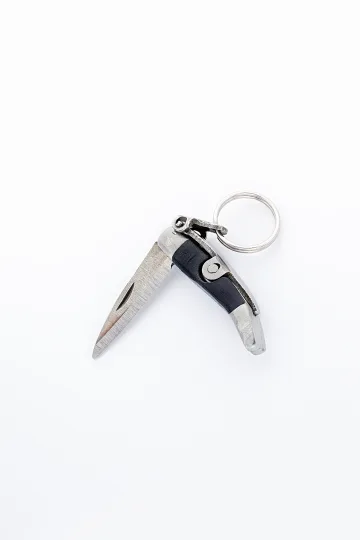
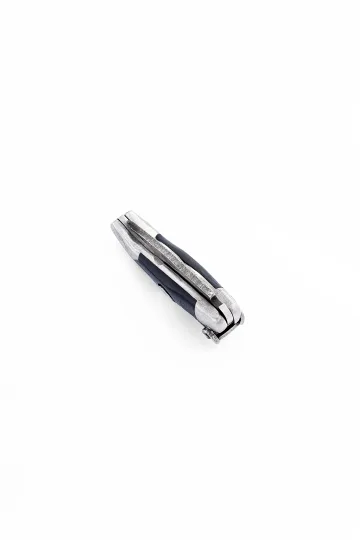
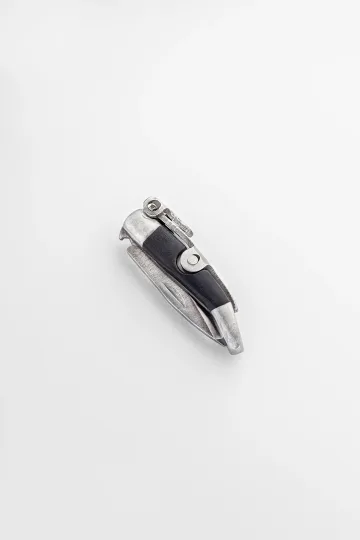
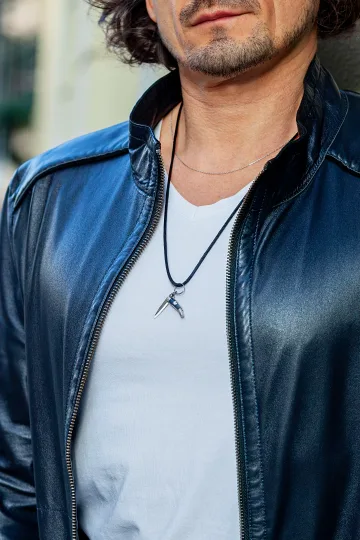
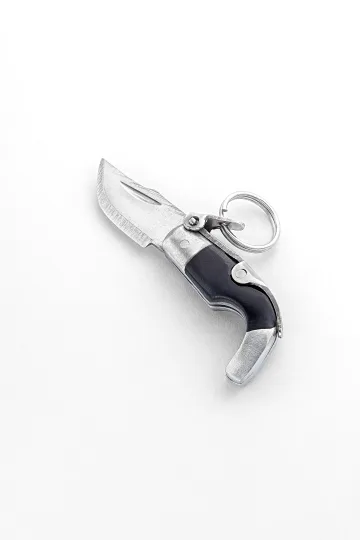
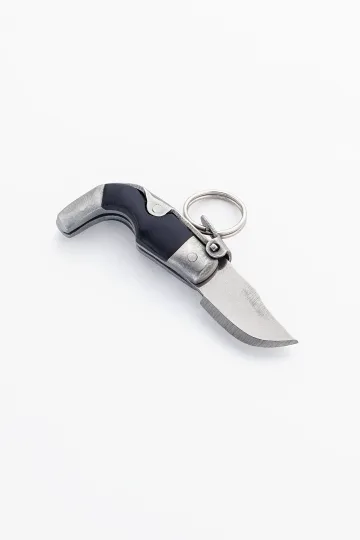
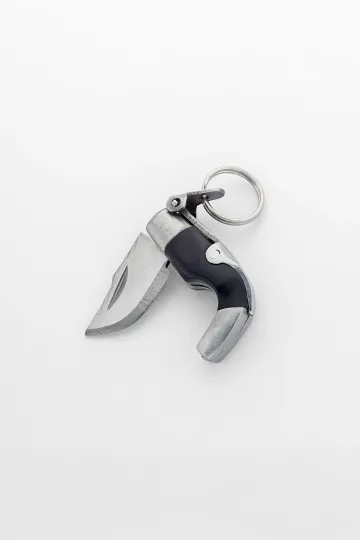
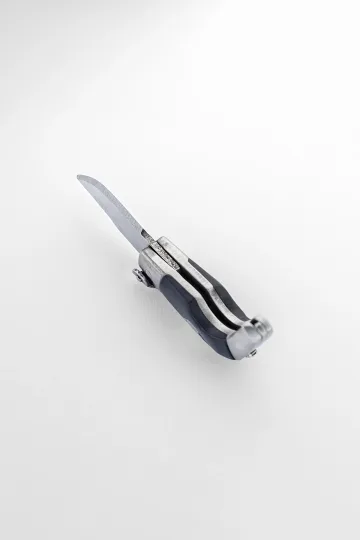
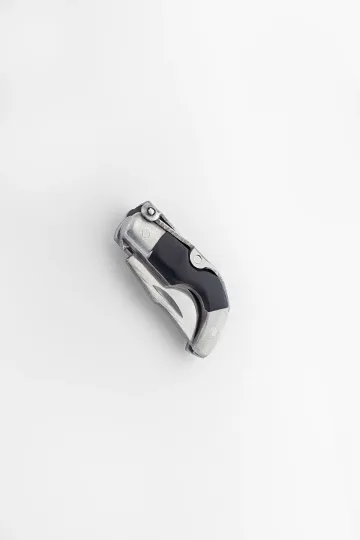
CAPAORA mini knife pendant
The 18th-century Spanish navaja in miniature: 40 mm of stainless steel, a real folding mechanism and a Palanquilla lock that clicks. An affordable gift to remember.
Authentic · Ships from Spain · 14-day returns
The Psychology of the Heirloom: Why We Keep the Things of the Departed
The Object as an Extension of the Person
Psychologists noticed long ago that an object a person constantly touched comes to be felt as a part of them. A ring worn for decades absorbs not a scent and not skin in any literal sense, but our memory of the owner: we see the ring and we see the hand it sat on. This is why a family ring works more strongly than a photograph: a photograph is looked at, but a ring is worn, and daily contact with the object brings the person's image back. This is not superstition but a feature of memory, which fastens onto the tangible.
Why a Ring Holds a Family Together
A family with no shared objects soon scatters into separate lives. A shared object that is passed around works as an anchor of identity: as long as the ring travels the circle of relatives, the circle itself exists. An heir, in receiving the ring, also receives a belonging to something larger than themselves. Anthropologists describe this as materialised continuity: the abstract idea "we are one line" becomes tangible when it has a concrete bearer on a finger.
The Fear of Going Anonymous and the Wish to Keep
Behind every heirloom stands a quiet fear: that the object will be lost, that it will be sold, that a grandchild will not remember whose ring this is. That fear is what gives rise to the rites of handing over, the engraving with dates, the written histories. The wish to keep is stronger than the wish to adorn, and that is exactly why a family ring is treated more carefully than any other purchase. A person cares not for themselves but for a memory that must outlive them.
Family Heirlooms in History and Culture
Rings That Pass On Power
History is full of rings whose handover meant a transfer of power. A signet ring was, in the life of the head of a line, his signature, and after his death it passed to the heir as the right to continue the work. In royal houses coronation rings were counted among the regalia and kept for centuries. The papal Fisherman's Ring, broken after a pope's death, shows the reverse side of the same logic: as long as the ring is whole, it acts, and the break in the line must be marked physically.
Mourning Jewellery and Memory
In the seventeenth and eighteenth centuries a tradition of mourning rings took shape in Europe. They were commissioned in memory of the deceased and given out to those close: black enamel, sometimes the initials and dates of the departed, sometimes a lock of their hair under glass. Such a ring passed on already as a double heirloom: both the memory of a specific person and a family object. The Victorian age brought this culture of memory to a peak, and many museum collections of mourning jewellery come from exactly there.
Heirlooms in Literature and Folklore
The ring as a carrier of fate and memory is one of the oldest plots. The ring of recognition, by which a hero confirms his origin, runs from ancient tragedy to fairy tales: a child lost in infancy presents a family ring and reclaims a name. This motif has lived for thousands of years precisely because it reflects the real function of the family ring: the ring proves who you are and what line you come from.
The Family Ring Against a Redesigned Grandmother's Ring and an Ordinary Gift
How the Family Ring Differs from a Redesigned Inheritance
Redesigning a grandmother's ring is work with the past: take an inherited stone or setting and give it a new life in a modern piece comfortable to wear today. The aim there is personal and about the present. The family ring looks forward: it is started or kept in order to be passed on, and changed as little as possible. If the redesign asks "how do I wear this now," the family ring asks "how do I keep this for the next ones." Both tasks are honest but opposite in direction. A detailed look at working with an inherited stone is in the piece on redesigning a grandmother's ring.
How the Family Ring Differs from a Keepsake Gift
A gift for an anniversary or a round date is an object tied to one event and one person: you received it, you were glad, you wear it. The family ring is built from the start for a chain of owners. A gift can become an heirloom over time, if a story grows onto it and people begin to pass it on, but it is conceived differently. The difference is in the horizon: a gift lives with one owner, an heirloom is designed for generations. If what matters is the idea of continuity, the ring is worth starting as a family ring straight away, with engraving and an agreement on the handover.
How to Grow an Heirloom from a Gift
Any worthy gift can be turned into a future heirloom, if you act deliberately. Choose a durable material, cut an engraving with a date and a name, wear it rather than hide it, tell the story to your children and name who the object will pass to. In a generation it is no longer a gift but a family ring with a biography. An heirloom is not born old; it is grown from an ordinary object by the right attitude.
Send a friend a discount code, they save on their first order.
Facts That Surprise
The papal Fisherman's Ring is ceremonially broken with a small hammer after a pope's death, so that no document can be certified in the dead man's name with it. This is an ancient defence against forging the will of the deceased.
Signet rings were made in mirror: the design on the bezel was cut in reverse, so that on the impression in wax it read correctly. A ring that looks "wrong" is often the genuine working seal.
In ancient Egypt the scarab ring swivelled: the beetle turned on an axis, and on its underside a seal with a name was hidden. Decoration and signature in a single object.
The tradition of wearing the signet on the little finger was born of practice: there the ring is easier to turn towards the wax and does not get in the way of writing. The aesthetics came later.
Many old rings carry several different fineness marks and seams inside the band. These are traces of resizings for new fingers, a small chronicle of heirs right there on the metal.
Victorian mourning rings with a lock of the departed's hair under glass were worn openly and without gloom: it was held a sign of love and faithfulness to memory, not a tribute to death.
A carved gem on a hard stone (carnelian, agate) could serve as a seal for millennia: the stone barely wears, so ancient gems reach us with a readable image.
Frequently Asked Questions
Can I start a family signet ring from scratch if there are no old objects in the family?
Yes, and this is a normal path. Most family objects were once new. You take a worthy ring in a durable metal, cut a monogram or a personal symbol, add the year it was made. After that you wear the ring, attach a story to it and agree on the handover. An heirloom is defined not by age but by the intention to pass it on, so a new ring with the right fate is a future family object.
Do I have to have a noble coat of arms for a family signet?
No. A coat of arms is the historical attribute of the nobility, but a family ring is open to any family. In place of a coat of arms you cut a monogram, the interwoven initials of the surname, a personal symbol or a short motto. Inventing fake heraldry is not worth it; an honest monogram looks more dignified than a false shield. If a line genuinely holds a registered coat of arms, it is transferred from the official description.
Can the size of an old ring be changed without harm to it?
It can. Resizing is a routine jeweller's operation: the band is either widened with an insert of the same metal or narrowed by soldering. A skilled craftsman makes the seam invisible and does not overheat the stone. Harm comes only from careless work or an attempt to stretch the ring by several sizes at once. Before handing it to an heir, fitting it to their finger is the norm, not the ruin of an heirloom.
What do I do if a family ring has darkened or got scratched?
Light tarnishing of silver and small scratches are a natural patina, often left as proof of age. If you want to freshen the look, clean gently: warm water, a drop of soap, a soft brush, no abrasives. Deep gouges are taken off by a jeweller with a gentle polish that keeps the overall character of the object. There is no need to strip everything to a mirror: with the patina goes part of the history.
Who does a family signet ring traditionally pass to?
There are no rigid rules, only family traditions. Often the ring goes down the direct line to the eldest child or to whoever takes on the family's affairs. The historical men's signet went down the male line, but this is no law: today the ring is passed by love and by meaning, not by sex. The main thing is that the heir knows the object's history and is ready to pass it on further.
What is the difference between a family signet ring and an inherited wedding band?
An inherited wedding band carries the meaning of marriage: a proposal is made with it, and it symbolises a union. A family signet carries the meaning of belonging to a line and is often bound up with the right to sign or with a coat of arms. It happens that an inherited wedding band becomes a family heirloom over time, but at the start these are different genres: one about marriage, the other about the family and continuity.
Can a family ring be worn every day?
Yes, and historically that is exactly what was done: the working seal was on the hand at all times. For daily wear a sufficiently strong metal is chosen (14 carat gold, platinum, sterling silver), and the ring is guarded from knocks if it holds a carved gem. Daily wear leaves a patina, and that is a plus, not a minus: the object lives on a hand, not in a safe. The ring is taken off only for heavy physical work.
What matters more to keep when inheriting, the metal or the story?
The story. The metal can be repolished, the size adjusted, the setting cleaned, but if the telling of whose ring it is and where it came from is not passed on with it, in a generation the heirloom turns into a nameless old ring. So the most valuable step at the handover is to retell and, better still, write down the provenance: names, dates, circumstances. A written story outlives any polish.
Conclusion
A family ring is an object with two owners at once: the one who wears it now and the one to whom it will pass. That is its whole essence. It is not about shine and not about a date but about a line of people that stretches through the ring from the past into the future. It is started not for oneself but for those who will carry the name forward, and so it is treated differently from any other piece of jewellery: the patina is kept, the stone and the fineness preserved, the inscription deepened rather than erased, and it is handed over with a telling, not on an inventory.
Almost any worthy ring can become an heirloom, if it acquires a story, an engraving and an heir. Age arrives on its own. The main thing is to start an object with the intention to pass it on, and not to let the story be lost.
A Ring You Will Want to Pass On
The Zevira catalogue holds rings and signets in durable metal, ready to take an engraving, a monogram or a personal symbol. A good foundation for a future family object.
Open the catalogueBuying it as a gift? Each one arrives ready to give.
 A branded Zevira box and a little card come with every order.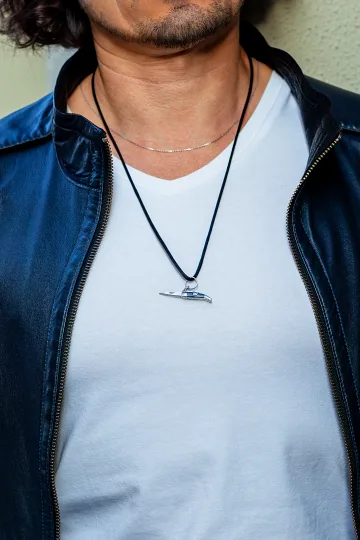




About Zevira
Zevira is jewellery made to be worn for a long time and passed on. We make rings, signets and pendants in gold, silver and steel with the option of engraving, a monogram and a personal symbol, so that an object becomes not a one off purchase but the start of a family story. If you are starting a family signet ring from scratch or looking for a worthy foundation for a future heirloom, begin with the catalogue.