Silver myths: thirteen claims everyone repeats, and what survives a check
Why silver attracts more myths than any other metal
The silver bullet against werewolves was invented by a novelist in 1946. The Persian king's water, famously carried in silver vessels, was boiled first. And the ring that "kills bacteria on your skin" is close to inert while dry. Thirteen claims about silver, and what is left of them after a check.
There is a reason to go through them. No other jewellery metal carries this many confident health claims. Nobody says steel purifies water. Nobody writes that titanium reduces inflammation. With silver it happens constantly, and it does not come from nowhere: the metal genuinely has properties steel does not, except those properties work in narrow conditions and get described as if they worked always.
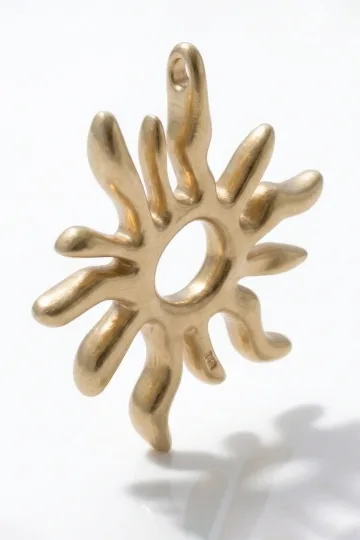
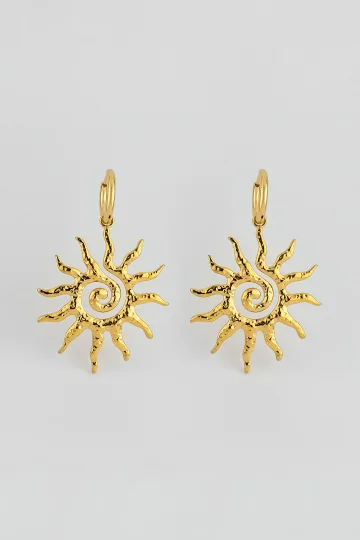
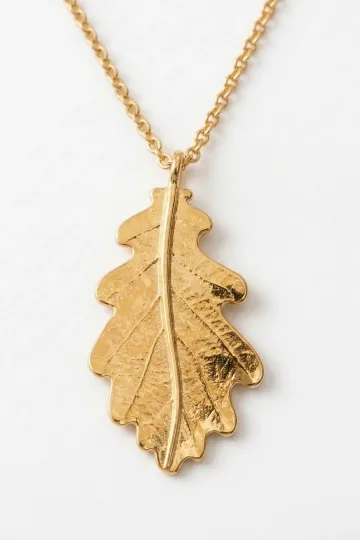
Wear the symbol, don't just read about it. These are in stock:
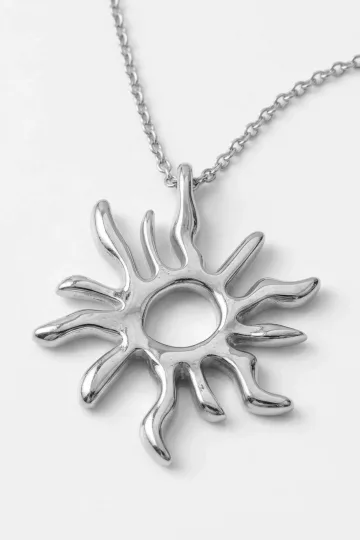
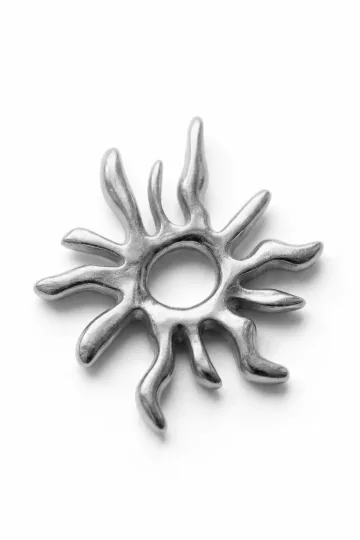
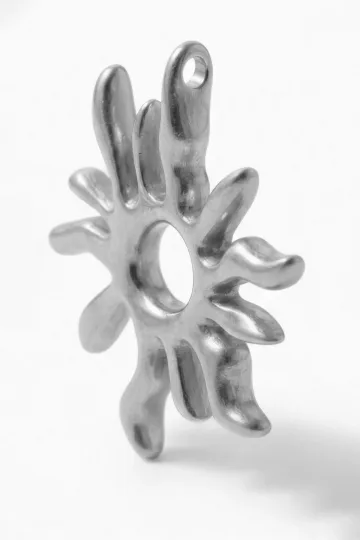
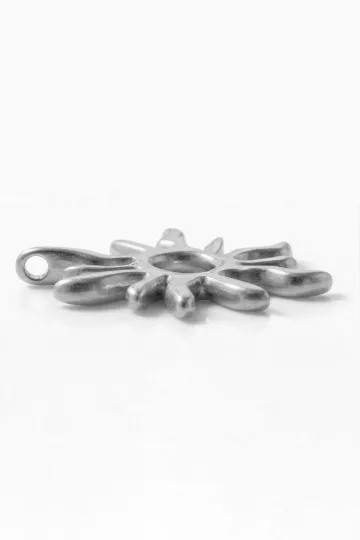
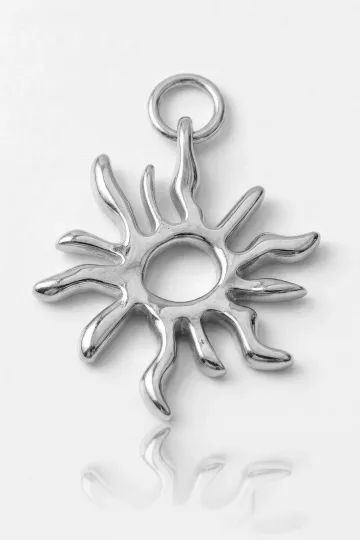
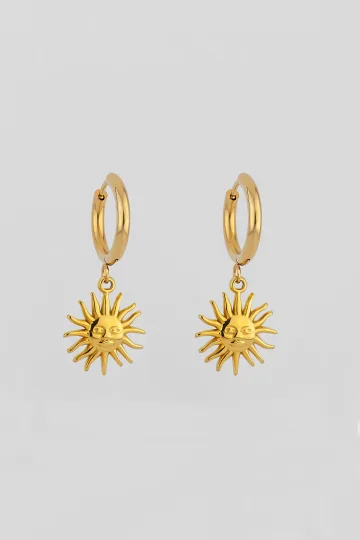
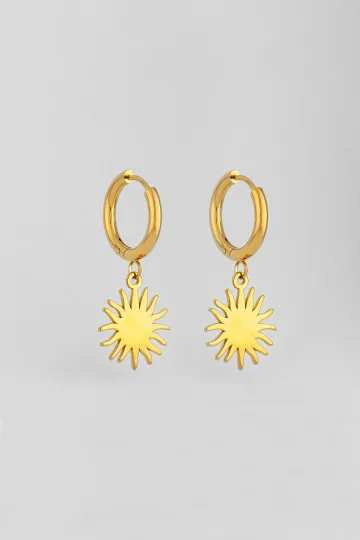
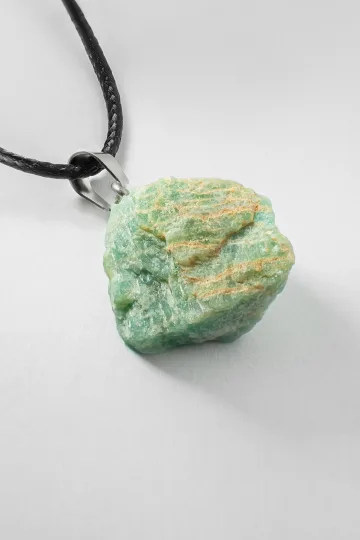


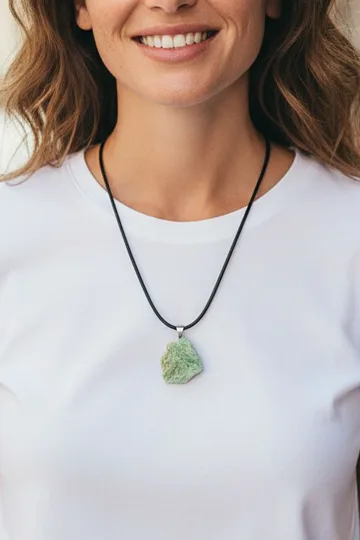
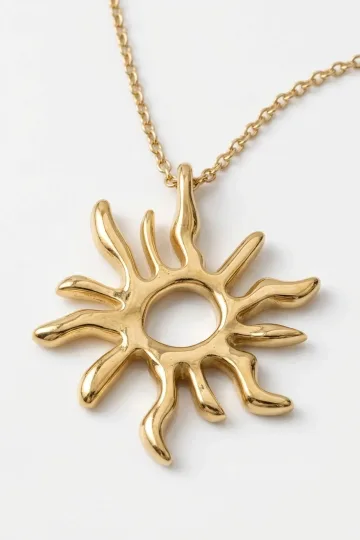
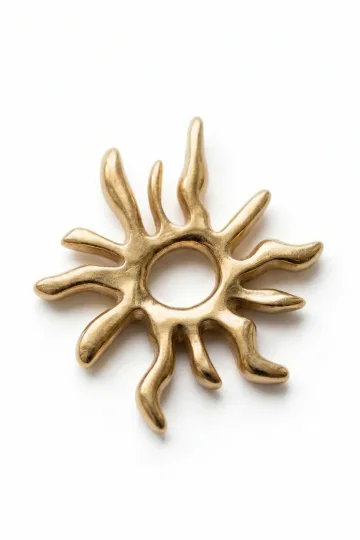
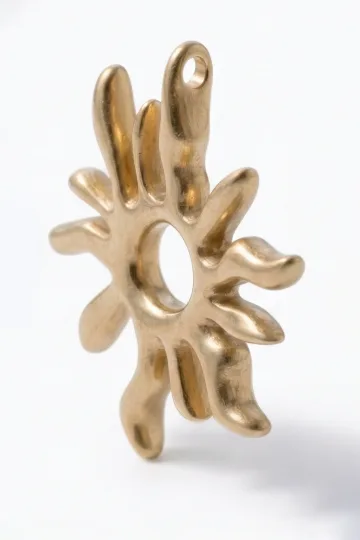
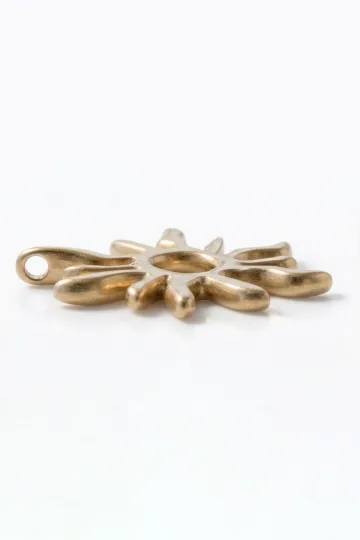
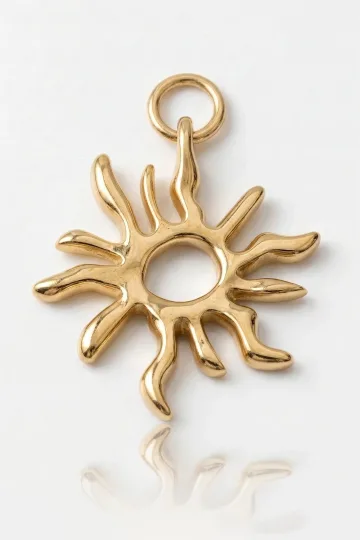
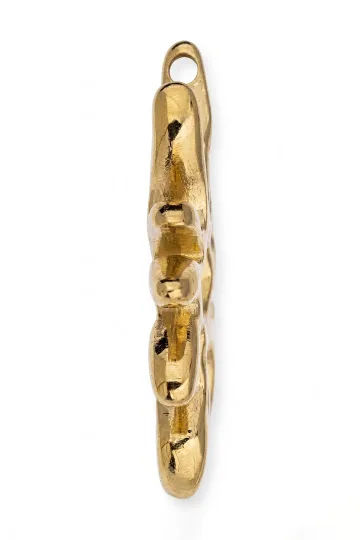
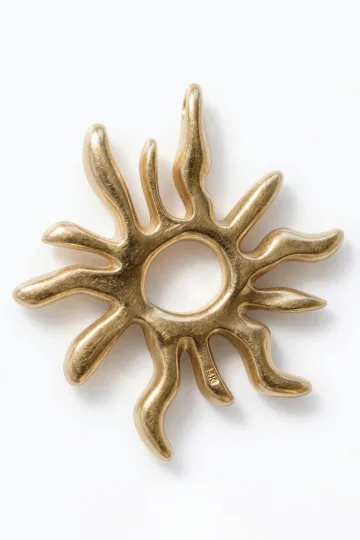
Each claim below gets a verdict of true, half true or invented, plus the story of where it came from. Half true is the most common outcome and the most troublesome, because you cannot dismiss it in a sentence: there is a real fact buried inside.
The metal that healed before antibiotics existed
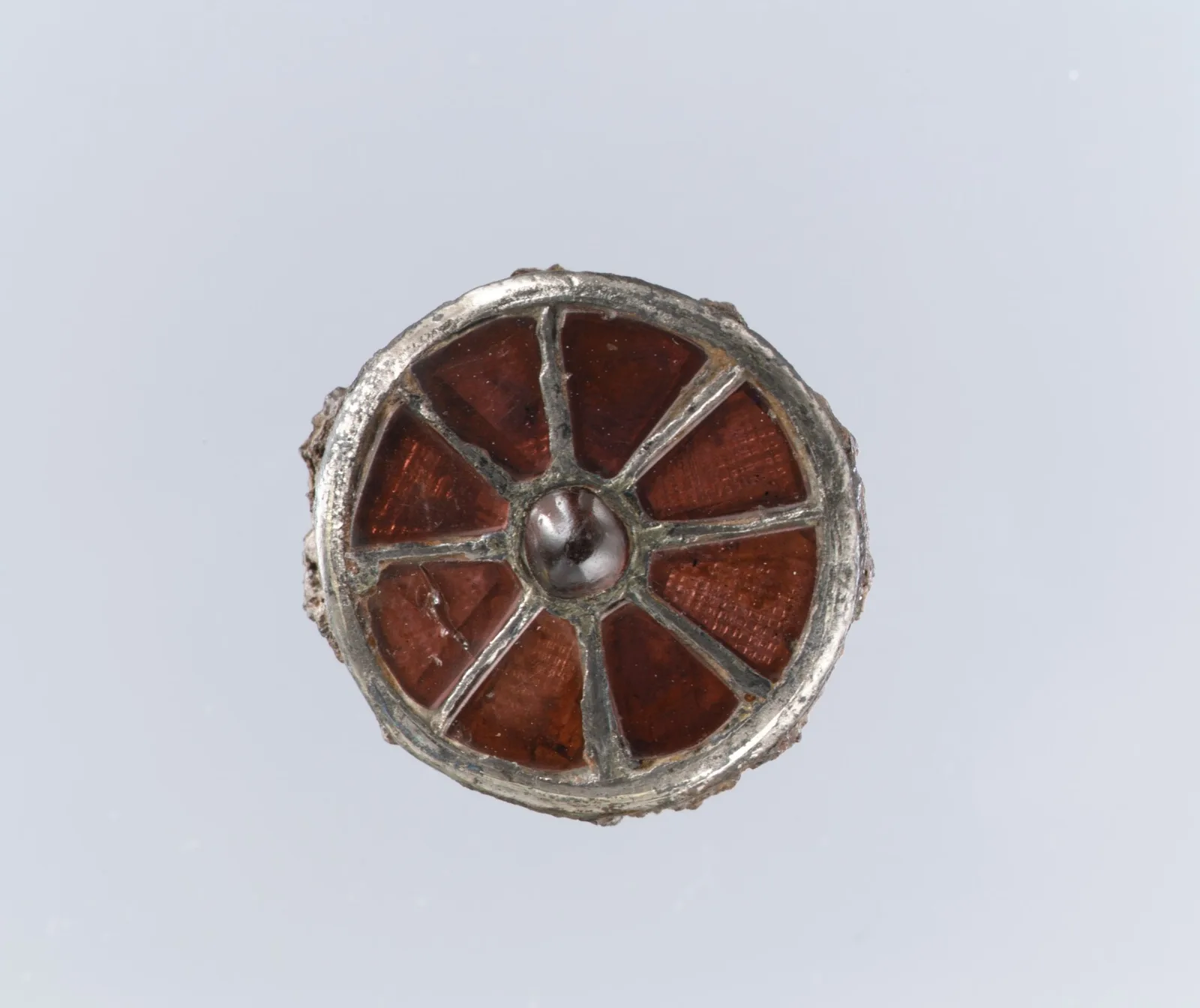
Until the twentieth century medicine had almost nothing that reliably stopped infection, and silver was one of the few things that did something. Silver solutions washed wounds, silver wire closed tissue, silver nitrate cauterised ulcers. This was routine hospital practice in the nineteenth century, built on an observation: where silver was used, fewer wounds turned septic.
So the reputation is historical and it was earned. It formed in a world without penicillin, where the choice was silver or nothing. The problem is that the reputation outlived its era. Antibiotics arrived, medicine moved on, and the sentence "silver kills germs" stayed in circulation in exactly the unconditional form it had a century and a half ago.
The metal of the moon, of purity, of protection
The other half of silver's mythology grows from symbolism rather than medicine. Silver is white, cool and reflective, so nearly every culture tied it to the moon, to water and to the feminine, opposite solar gold. Purity follows from there: a metal that looks like frozen moonlight easily became a sign of the unstained.
Protection then attached itself to purity. If the metal is clean, the unclean must fear it, and silver entered amulets, christening gifts and wedding customs. That logic is beautiful and it works as culture, but it is not physics. Keeping the two layers apart is the whole trick: silver has a measurable effect on bacteria under specific conditions, and it has a symbolic reputation as a protector that has nothing to do with that effect. Almost every myth here was born where the two layers fused.
Myth one: sterling silver is not real silver
The most common misunderstanding in English speaking markets, and the easiest to clear up. It usually surfaces at the counter, when someone reads "925" on a tag and hears an admission that the piece is only partly the real thing. The number says the opposite, and the confusion costs buyers good pieces every day.
What 925 actually means
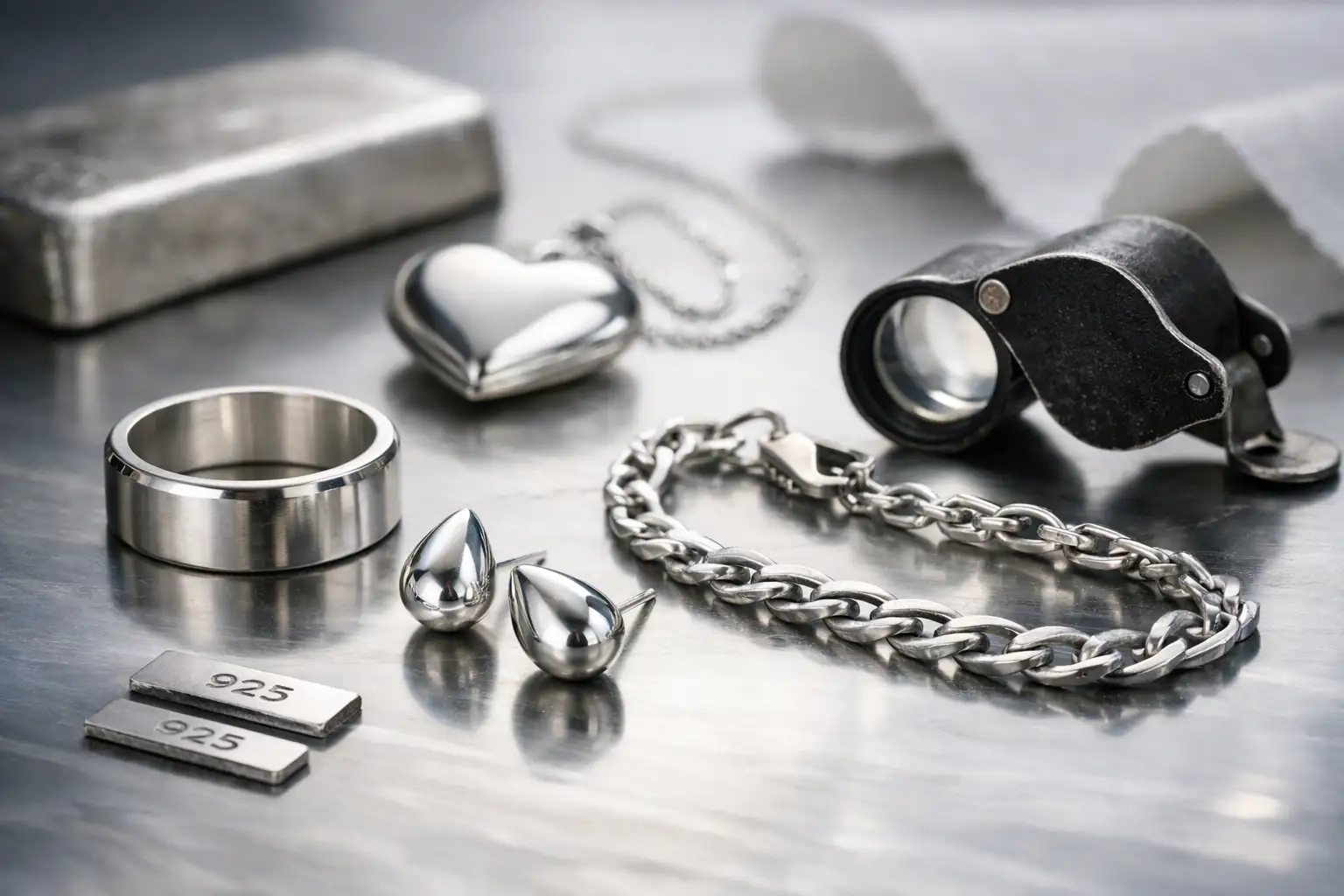
Sterling is 925 parts silver in a thousand, with the remaining 75 usually copper. That is real silver by any standard, and the addition is not a way of cutting costs. Copper gives hardness, and hardness is what lets a ring keep its shape, a clasp keep its spring and a setting keep a stone. What the numbers on a hallmark mean is covered in detail in our guide to hallmarks and purity marks.
There is an honest downside to copper, and it deserves saying plainly: copper is what speeds up tarnish, and copper is usually what leaves a greenish mark on sensitive skin. That is the price of durability rather than a sign of a fake.
Why pure silver would fail in a ring
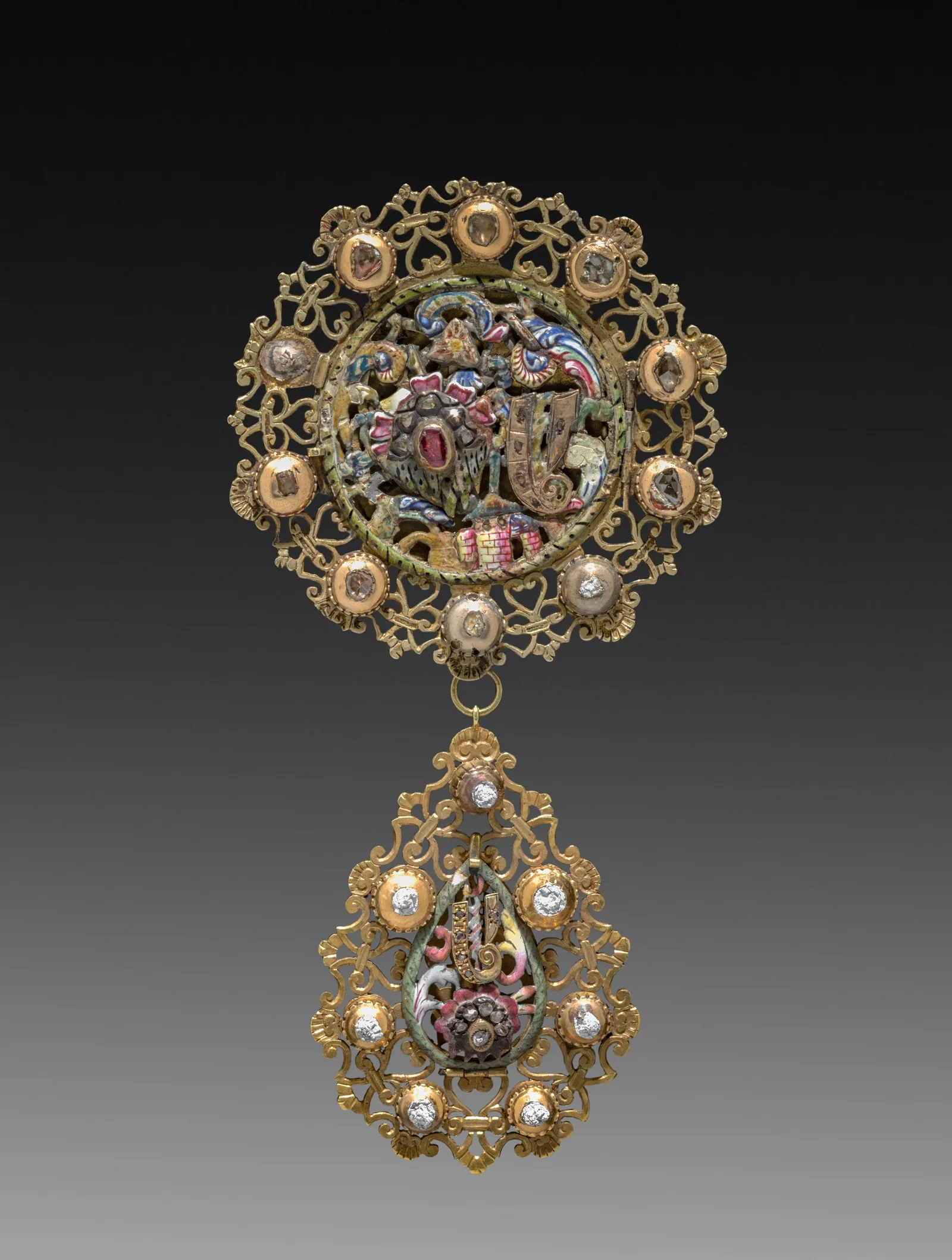
Fine silver at 999 is soft enough that a ring deforms from the ordinary act of gripping something, prongs bend open and engraving blurs within months. Pieces in fine silver exist, but they tend to be things that never take a load.
So sterling is not diluted silver, it is a working compromise found centuries ago and never fundamentally improved. Gold follows exactly the same logic, which is why nobody wears a ring in 24 karat and expects it to survive.
People bring me a blackened chain and ask what it means. It means the chain lives in the bathroom next to the hairspray. Metal is not a diagnostician, it is a chemist.
A stylist's take: wearing silver so the questions never come up
Half the myths on this list were born from everyday observations: it went black, it left a green mark, it "did not suit me". Here is a short conversation with a Zevira stylist about wearing silver so those observations never arise.
Where do you start when someone says silver does not suit them?
I find out what actually happened. Usually it is not the metal but two things: the piece lives in the bathroom next to the hairspray, and it was chosen from a photograph rather than tried on. I recommend changing the storage first and only then drawing conclusions about the metal. Silver works with almost every skin tone, its cool white argues only with a very warm golden tan, and even there the answer is a different shape rather than a different metal.
What about people whose skin goes green?
I look at the alloy and at the conditions. The green usually comes from copper in the alloy combined with moisture and cream, not from silver. I advise taking a piece off before showering and sport, letting skin dry after lotion, and choosing rhodium plated pieces if the reaction repeats. And I tell people not to be heroic about it: if a metal argues with your skin, that is a reason to change the alloy, not to endure it.
Your main piece of advice on silver?
Wear it rather than guard it. Silver polishes itself through wear and dulls in a box, so a piece put on daily almost always looks better than one waiting for an occasion. Out of the jewellery box it emerges tarnished and disappointing; out of daily wear it emerges with an even shine.

Turn on your camera, pick earrings, a pendant or a ring, and see the piece on yourself in real time.
Switch items in one tap.
Everything runs in your browser: no photo or video is ever uploaded.
Myth two: silver kills bacteria on your skin
The big one, and the most persistent. The verdict is short: there is a real fact inside, and the conclusion about skin does not follow from it.
What a silver ion actually does
The phenomenon was described by the Swiss botanist Karl Wilhelm von Nägeli in 1893, who named it the oligodynamic effect, from the Greek for small power: tiny concentrations of certain metals turned out to be lethal to microorganisms. Nägeli never worked out why. The explanation came much later.
Here is the mechanism. Metallic silver by itself does very little. What works is not the metal but the ion: in the presence of moisture, individual surface atoms lose an electron and enter solution as a positively charged Ag+ ion. That ion binds to sulphur containing groups in bacterial enzymes, the parts of the protein the cell uses to breathe and divide. Occupied enzymes stop working and the cell dies.
The critical words are "in the presence of moisture". Without water there is no ion, and the metal stays an inert surface. This is precisely why medicine uses silver as solutions, salts, creams and impregnated dressings rather than as a lump of metal pressed against a wound.
Why a dry ring releases almost nothing
Now move the mechanism onto jewellery. A ring is a smooth dense surface in mostly dry contact. Sweat appears in episodes, it is acidic, the contact area is tiny, and the metal itself carries a layer of oxides and sulphides that further slows ion release. The resulting flux is so small that talking about protecting skin is meaningless.
Measurements on silver coated fabrics support this indirectly, and those fabrics are engineered for the effect. Held in artificial sweat, different textiles released anywhere from zero to hundreds of milligrams of silver per kilogram, depending on how much silver was applied, on fabric quality and on pH. Even where silver is deliberately deposited and the contact area is thousands of times larger than a ring, the result swings from nothing to noticeable. A cast ring starts worse on every one of those variables.
Newborn eyes: where silver genuinely won
There is an episode where silver did what almost nothing else in medicine could. The German obstetrician Carl Credé began instilling a two percent silver nitrate solution into the eyes of every newborn in his Leipzig clinic on 1 June 1880. The target was gonococcal ophthalmia neonatorum, an eye infection that in the Germany of those years accounted for between a quarter and forty percent of all cases of blindness.
His 1881 report on the first 1160 infants showed incidence falling from roughly ten percent to 0.15. Credé's method became a global standard for decades and only gave way to antibiotics in the twentieth century. Keep this example in mind precisely because it is real: silver works when delivered in the right form, at the right concentration, into a moist environment, against a specific organism. A ring meets none of those conditions.
Burn dressings: what the evidence actually says
Modern medical silver is mostly dressings and creams for burns and chronic wounds, and the picture there is less comfortable than people assume. A Cochrane review of dressings for superficial and partial thickness burns concluded that no dressing type has strong evidence behind it, that most trials were small and methodologically limited, and that confident comparisons between them are not possible.
That does not mean silver dressings fail. It means that even in a field where silver is applied professionally and has been for decades, the evidence base is thinner than the advertising sounds. If that is the state of the clinical case, the strength of "a silver ring improves your skin" can be estimated without help.
Skin is not sterile, and that is the point
There is a second angle that rarely gets aired: killing bacteria on skin is not a goal worth having. Skin is colonised across its whole surface, and that colonisation is part of how it works. Resident flora competes with arrivals, contributes to surface acidity and supports the barrier. Sterile skin is a problem, not an ideal, and dermatology has been cautious about aggressive antisepsis on healthy skin for a long time.
Put differently, even if a ring did create a zone of inhibition around itself, that would not be an advantage. The genuine hygiene issue with jewellery is the opposite and far more mundane: moisture, soap and skin oil collect under a ring and inside chain links, which is why jewellery needs washing. Not because the metal is bad, but because anything worn on a body collects grime.
Myth three: tarnish means illness, toxins or a curse
Entirely invented. Tarnish is surface chemistry and says nothing about the person wearing the piece.
The black film is a sulphur compound, not a diagnosis
Silver reacts with sulphur bearing substances to form dark silver sulphide on the surface. Sources of sulphur surround us: city air, rubber, wool, eggs, onions, cosmetics, hair products, some medicines and, of course, sweat. Reaction speed depends on the concentration of those substances and on humidity, and none of those factors tracks a person's health.
The mechanics of tarnish and how to reverse it are covered in a separate article on why jewellery goes dark. Here only the verdict matters: the black film is the equivalent of rust on iron, a question of the surrounding chemistry rather than of the wearer.
Why one person's chain blackens in a week and another's in a year
This spread is what feeds the myth. Two people with identical chains see different results and reach for an explanation involving energy. The prosaic version: sweat composition and acidity differ between people, as do cosmetics, perfume, climate and air quality. A smoker, a city dweller and someone who applies neck cream every evening give the metal three completely different environments.
There is a mechanical part too. A piece worn constantly polishes itself against clothing and skin, so it looks cleaner than one sitting in a closed box next to a wool scarf. Hence the observation "it goes dark when I am ill": during illness jewellery gets taken off and set aside rather than worn.
Customer reviews
Zevira is a real jewellery shop. Genuine payments, deliveries and customer thank-yous.
🥰🥰🥰 gracias

Ok, ¡gracias! 🙂

Myth four: real silver does not tarnish
A claim that sounds like an authenticity test and works backwards.
The purer the metal, the more readily it darkens
It is the silver that reacts, not the additives. Higher purity does not slow tarnish, and in general it obliges more readily than an alloy where part of the surface belongs to other metals. If a piece sits untouched for years without changing colour, the question is not whether the silver is good but whether it is silver at all: rhodium plating, steel and most silver free alloys genuinely do not blacken.
Judging authenticity by colour stability is useless. Hallmarks and practical tests do that job, and our guide to telling real silver from imitation covers them. Tarnish is more honest read as evidence that the metal in your hand is alive.
Upload a photo of your pet, someone you love, or an object. We'll build a 3D model and hand-cast it in pewter.




Myth five: silver water heals
The oldest claim on the list and the most dangerous, because a genuine historical practice sits behind an entirely false modern conclusion.
The Persian king and the boiled water
The story is usually told like this: Persian kings carried their drinking water in silver vessels, therefore the ancients knew silver disinfects. The source is real. Herodotus writes that the king took water from the river Choaspes with him on wagons, in silver vessels, because it was the only water he drank.
But the same passage carries a detail that drops out in retelling: the water was boiled first. Whatever made it safe was fire, not metal, and the silver vessels were a mark of status and a convenient non porous material. This is the standard way a myth is manufactured: a real text with one word removed.
Colloidal silver and the 1999 ruling
The modern heir to silver water is colloidal silver, a suspension of fine metal particles sold as a remedy for almost anything. Here a direct regulatory answer exists. In a final rule dated 17 August 1999 and effective a month later, the United States regulator declared all over the counter drug products containing colloidal silver ingredients or silver salts not generally recognised as safe and effective, and misbranded.
The wording was that blunt: no substantial scientific evidence for the conditions being claimed. It is a rare case where a contested folk remedy has a formal decision attached rather than a vague recommendation.
Argyria: a colour that does not fade
Taking silver internally has a consequence with a name of its own. Argyria is the accumulation of silver in tissue, turning skin, and also eyes, nails and gums, a settled grey blue. Its defining feature is that it is irreversible: stopping the product does not bring the colour back.
That is why silver water stands apart from the rest of this list. Believing a ring guards you from microbes is harmless. Drinking metal for your health means changing the colour of your skin permanently in exchange for an effect that is not there.
Myth six: nobody is allergic to silver
Half true, and worth unpacking because it changes what you buy.
The reaction is usually to something else in the piece
True allergy to silver itself is rare, so the claim starts from something accurate. But a person whose skin flares under a silver piece is not imagining it, and the explanation normally lives in the alloy. Reactions come more often from copper, from nickel in cheap alloys and in solder, or from components of a plating layer.
Nickel deserves its own mention as the most common contact allergen in jewellery, and it has a dedicated article on nickel allergy. The practical takeaway is simple: "you cannot be allergic to silver" should never work as a sales argument. What matters is the specific alloy and whether there is plating, not the name of the metal on the tag.
Telling irritation from a genuine allergy
The two behave differently. Mechanical irritation appears quickly, stays exactly under the piece, looks like redness without much itching, and clears within hours of taking the piece off. The cause is usually mundane: a ring too tight, moisture and soap trapped beneath it, a clasp rubbing.
Contact allergy takes its time, often a day, brings itching and small bumps, can spread past the contact area and does not resolve simply because the piece came off. That pattern is worth a dermatologist and, if needed, patch testing, rather than trial and error across metals. The everyday first step is simpler: check whether moisture is being trapped before blaming the alloy.





Myth seven: silver repels evil, and a silver bullet kills a werewolf
An unexpected verdict here: the first half is ancient, the second was invented in the twentieth century.
A bullet invented in 1946
The silver bullet story is usually traced to the Beast of Gévaudan, the predator that terrorised a French province from the spring of 1764 until the hunter Jean Chastel shot it on 19 June 1767. The beast is real, the hunter is real, the date is real.
The silver bullet is not part of that history. The detail of a bullet cast from blessed silver was introduced by the French writer Henri Pourrat in his 1946 book about the beast. From there it spread through popular culture and settled in as an ancient folk belief, while being neither ancient nor folk. Anyone repeating the werewolf line as centuries old tradition is repeating something younger than television.
What folklore actually said about silver
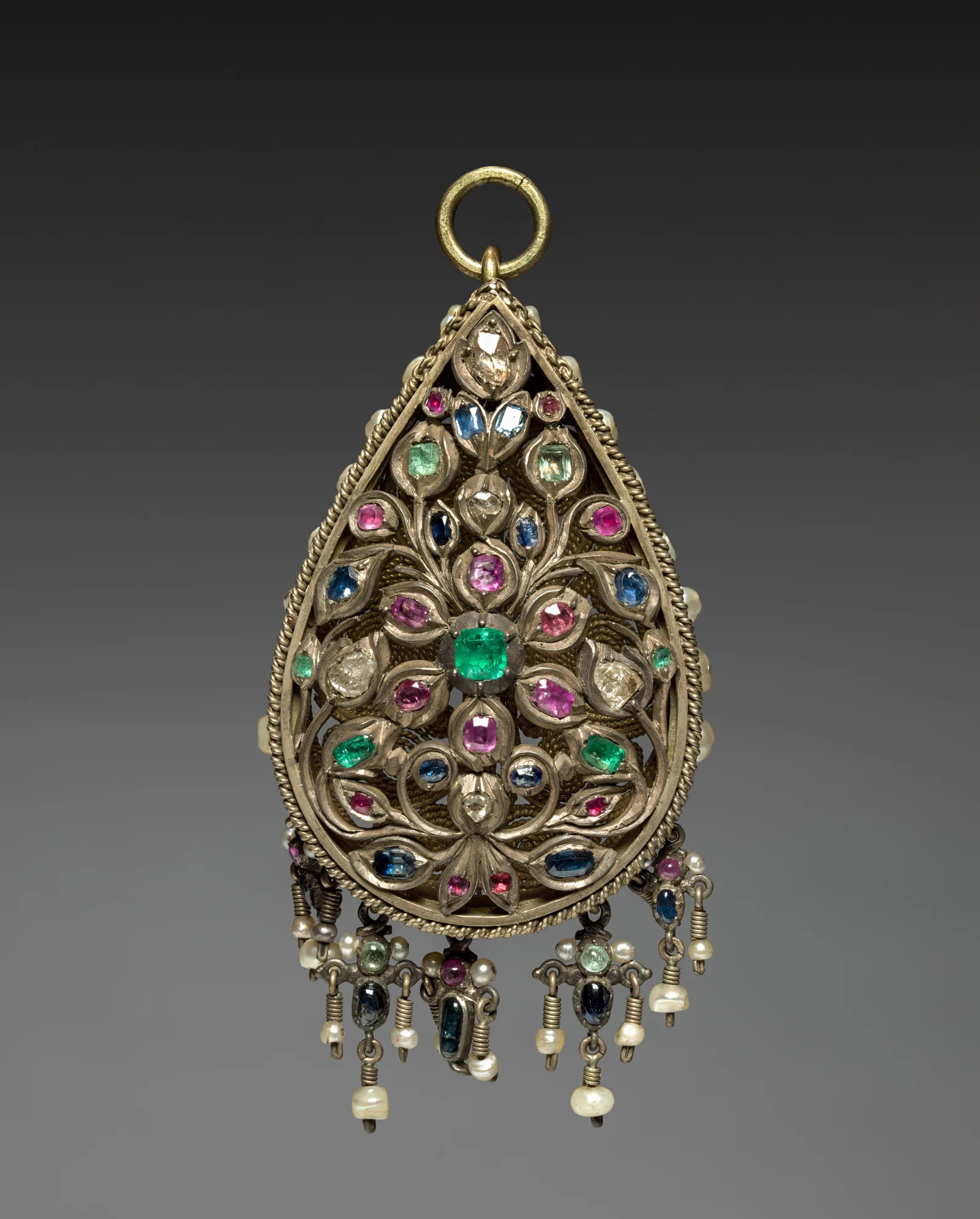
The genuine folkloric layer looks different and it really is old. Silver went into charms and rites of passage: a silver coin in a dowry, silver at a christening, silver amulets against the evil eye, silver in wedding customs across many cultures. The logic was not about killing monsters but about cleanliness and good fortune: a metal that does not rust and throws back light stood for a favourable start.
The distinction matters. Folkloric silver is a patron metal, not a weapon. Literature and cinema made it a weapon, and they did so within living memory.
Myth eight: silver is the metal for people who cannot afford gold
A claim about status rather than properties, which is why it survives so well.
The price of the metal and the value of the object are different things
History contradicts it directly. Silver was the material of ceremonial tableware, of awards, of ecclesiastical objects and of court jewellery in cultures where gold was plentiful. The Spanish silver tradition, Scandinavian filigree, Caucasian niello and Mexican silver exist as schools with their own formal language, not as economising.
The practical side argues too. In the price of a finished piece the metal is often not the largest line: labour, complexity, stone setting and finishing weigh more. A demanding silver piece can cost more than a plain gold one, and that is normal. A full comparison of the everyday properties of metals sits in our comparison of brass, steel and silver.
Myth nine: you must not mix silver with gold
A rule invented by twentieth century etiquette and repealed by it.
Where the ban came from and why it no longer holds
The "one look, one metal" norm belongs to an era of strict dress codes, when jewellery was bought as a matched set and any mixing read as carelessness. There is no physical basis to it: metals do not harm each other in wear, and the question is purely one of composition.
Today mixing white and yellow is a technique rather than an error, and it rests on simple rules: repeat each metal at least twice, give one the leading role and the other the accent. The mechanics are laid out in the article on mixing silver and gold. The only real constraint is mechanical: rigid bangles of different metals rubbing on one wrist will scratch the softer of the two.
Six fast checks, no tools. Leave your email, we'll send the PDF and a discount code.
No spam, unsubscribe anytime.
Myth ten: silver in skincare rejuvenates
The cosmetic branch, grown out of the medical one.
What gets carried over from medicine into a jar
The argument runs as a chain: silver is antibacterial, inflammation involves bacteria, therefore silver in a cream clears inflammation and rejuvenates. The first link is true under narrow conditions, the second is a simplification, the third follows from nothing. Skin ageing is not a bacterial process, so an antimicrobial ingredient does not address it by definition.
Individual products containing silver exist and make sense for specific tasks, but a promise of rejuvenation is not one of them. The rule is the same as with the metal: a claim that is broad and names no mechanism is selling rather than describing.
Myth eleven: a silver ring on a sore joint reduces inflammation
Folk medicine, with a genuine everyday observation underneath.
Why the observation feels convincing
The reasoning goes: put a silver ring on the joint, it felt better, therefore the silver helped. Two well understood mechanisms are at work. The first is the natural course of the condition: joint pain fluctuates on its own, and whatever coincided with an improvement takes the credit. The second is the sensation of the object itself: a snug ring applies light pressure and holds warmth, which changes how the area feels.
The risk here is not the ring but the delay. A joint that hurts regularly is a reason to see a doctor rather than to choose a metal. And separately, on the practical side: a ring on a swelling finger can get stuck, which is a real problem covered in the article on a ring stuck on a finger.
CAPAORA mini knife pendant
The 18th-century Spanish navaja in miniature: 40 mm of stainless steel, a real folding mechanism and a Palanquilla lock that clicks. An affordable gift to remember.
Authentic · Ships from Spain · 14-day returns
Myth twelve: a silver spoon disinfects food
Silver water again, this time in the cutlery drawer.
Area, time and moisture all argue against it
All three conditions the ions need are missing. Contact is brief, the surface is smooth, and food does not sit in a spoon long enough for ion concentration to reach anything meaningful. Silver tableware was a mark of wealth and a convenient material that imparts no taste and polishes easily, which explains its spread without any microbiology at all.
The myth is sustained by an older domestic observation: a silver coin in milk. Milk did keep slightly longer, but the explanation lies in storage conditions, and the contribution of a coin in warm milk is negligible next to temperature and the cleanliness of the container.
Myth thirteen: the more often you polish, the better
The last myth and the most expensive, because unlike the others it actually damages the object.
Toothpaste and baking soda remove metal, not just tarnish
The most repeated home tip is to clean silver with toothpaste or baking soda. Both work by abrasion: they do not dissolve the film, they scrape it off along with the thinnest layer of metal underneath. The result is visible immediately and the cost is visible years later, when engraving loses definition, polish turns matte under a web of micro scratches and fine details grow thin.
Plated and rhodium finished pieces suffer first, since the coating is thinner than a hair and abrasive takes it before anything else. Safe methods are covered in the article on cleaning gold and silver at home.
Polishing is a finite resource
The second point rarely gets considered: every piece contains a finite amount of metal. Each professional polish physically removes the damaged layer, and that cannot be repeated forever. A piece polished twice a year for shine will have lost the crispness of its relief by the end of a decade.
The sensible strategy inverts the habit: less aggressive cleaning, better storage. A dry place, a separate pouch, away from rubber, wool and cosmetics, plus regular wear, which polishes metal more gently than any paste.
How to test any claim about a metal yourself
Myths do not stop at thirteen, and new ones appear faster than anyone debunks them. The method is more useful than the list.
Three questions that kill nine claims out of ten
First: is a mechanism named. "Silver is good for you" names none. "A silver ion blocks bacterial enzymes in a moist environment" names one, and a named mechanism can be checked. A claim without a mechanism cannot be tested and therefore cannot be relied on.
Second: under what conditions. Almost every half truth about metals is produced by stripping conditions from a correct statement. Works in moisture becomes works always; works in solution becomes works as a solid.
Third: what exactly was measured. Between "inhibits growth of a culture on a plate" and "improves your skin" lies a distance nobody has crossed. Substituting a laboratory result for an everyday conclusion is the single most common move in writing about metals and health.
Where tradition ends and selling begins
It is also worth separating claims by purpose. Tradition says "we give silver at a christening", and there is nothing to argue with: that is culture and it carries its own value. Selling says "silver will strengthen your child's immunity", and that is a medical claim which has to answer for itself.
The test is simple. A statement about health requires evidence; a statement about meaning does not. Silver as a sign of purity, memory and passage works perfectly without a single microbiological argument, and in that role nothing threatens it.
Send a friend a discount code, they save on their first order.
Why we want metals to have powers
There is a human reason all thirteen claims survive. Jewellery is worn against the body constantly, and the mind resists the idea that a constant companion does nothing at all. A metal that warms from skin and darkens from it looks like a participant rather than decoration, and a participant is expected to contribute.
The feedback loop helps. Silver changes colour, responds to its surroundings and lives a visible life on a hand, unlike inert steel. That visible response reads as an answer to the wearer's condition, when the metal is in fact answering the sulphur in the air and the cream on the skin. The same quality explains the affection people have for silver: an object that changes alongside you feels like yours in a way an unchanging one never does.
Why debunking rarely kills a myth
There is a second reason this list needs redoing every generation. A rebuttal is structurally heavier than the claim. "Silver kills bacteria" is four words; the honest answer requires ions, moisture, concentration and the gap between a laboratory and a forearm. Short formulations win arguments, so the myth always travels faster than the correction.
It also helps the myth that it is rarely wholly false. Nearly every claim here rests on a real fact with the conditions removed, so anyone hearing a rebuttal can immediately find support for their version: silver really did heal, dressings really do exist, the king really did carry water in silver. The productive argument is not with the conclusion but with the missing condition, which is what makes going through them one by one worth doing.
Facts about silver that surprise people
- The phenomenon underneath every antibacterial claim was described by a botanist rather than a physician: Karl Wilhelm von Nägeli named it oligodynamic in 1893 and never established the cause.
- Credé's method saved a generation's eyesight: after he began instilling silver nitrate in 1880, gonococcal ophthalmia in his clinic fell from roughly ten percent to 0.15.
- Before that, this single infection accounted for between a quarter and forty percent of all cases of childhood blindness in Germany.
- The silver bullet is younger than television: the French writer Henri Pourrat introduced it in 1946.
- The Beast of Gévaudan itself is entirely real: attacks ran from the spring of 1764 and Jean Chastel shot the animal on 19 June 1767.
- In Herodotus the Persian king's water is stored in silver only after being boiled, and that detail routinely disappears in retellings.
- Purpose built antibacterial fabrics released anywhere from zero to hundreds of milligrams of silver per kilogram into artificial sweat.
- The regulatory decision on colloidal silver has stood since 1999 and is phrased directly: not generally recognised as safe and effective.
Silver without the mythology
Sterling rings, chains and pendants: a metal with enough real merits that it needs no health claims.
Frequently asked questions about silver
Does silver really kill bacteria?
Silver ions do inhibit bacteria, and the effect has been measurable since 1893. But ions are only released in a moist environment and at sufficient concentration, which dry jewellery on skin does not provide. That is exactly why medicine uses silver as solutions, creams and impregnated dressings.
Why does silver tarnish, and does it say anything about my health?
Tarnish comes from a reaction with sulphur bearing substances in air, cosmetics, wool and sweat. It says nothing about the wearer. Speed depends on environment, which is why two identical chains blacken at different rates on different people.
Should real silver tarnish or not?
It should. Silver itself is what reacts, so unchanging colour more often points to plating or to a different metal entirely. Colour stability is a poor authenticity test; hallmarks are the reliable one.
Is sterling silver worse than pure silver?
Not for jewellery. The copper gives the hardness without which a ring deforms and a setting fails to hold a stone. Fine silver is simply too soft for anything worn daily.
Can you be allergic to silver?
True allergy to silver itself is rare, but reactions to silver jewellery are real and usually come from copper in the alloy, nickel in cheap alloys and solder, or plating components. Read the alloy, not the name of the metal.
Is colloidal silver safe to drink?
No. In 1999 the United States regulator ruled over the counter products with colloidal silver neither safe nor effective for the conditions claimed. Prolonged use can cause argyria, a permanent grey blue discolouration of the skin.
Does a silver ring help with joint pain?
There is no evidence for it. Improvement is usually explained by the natural fluctuation of the condition and by the sensation of pressure from the piece itself. Recurring joint pain warrants a doctor, and a ring on a swelling finger can become stuck.
How often should silver be cleaned?
Less often than people think. Abrasive methods such as toothpaste and baking soda remove tarnish together with a layer of metal, and polishing is a finite resource. Good storage and regular wear beat frequent cleaning.
Buying it as a gift? Each one arrives ready to give.
 A branded Zevira box and a little card come with every order.














What is left when the myths go
Of thirteen claims, four contain a real fact stripped of its conditions and the remaining nine are invented or borrowed from a field where silver genuinely works. The mechanism is always the same: take something true, remove the context, and a narrow property becomes a universal one.
Silver does not need this mythology. The metal has plenty of genuine merits: it is beautiful in its cool white, it takes fine work, it costs sensibly, it ages with dignity and it lasts decades on minimal care. A piece chosen for its shape and because you like it will serve longer and please more than one bought for a promised health benefit.
About Zevira
Zevira makes jewellery that carries meaning: symbols, history and forms shaped by the traditions of a Spanish region. We talk about materials honestly, including what they cannot do, because trust matters more than a good legend.