Tooth and Claw as an Amulet: the Predator Fang on Your Neck and What It Means
A predator fang on a cord is the oldest amulet humankind ever wore, older than any metal and older than any cut stone. The logic is simple and merciless: you killed the beast, you took its power, and now it hangs against your chest. A bear claw, a boar tusk, a wolf tooth meant the same thing for thousands of years. Here stands a hunter, a warrior, a person you would do well to leave alone.
Tooth and claw are not jewellery in the usual sense. They are a trophy, a story, and a statement all at once. At Stone Age camps archaeologists keep finding drilled deer and fox fangs lying beside the remains of people who lived forty thousand years ago. To wear part of a beast was to claim its qualities: speed, scent, fury, fearlessness. The idea outlived ice ages, empires, and religions, and it reached us almost unchanged.
In this guide we will sort out how a fang amulet differs from plain bone carving, which fangs and claws different peoples wore, what each animal stands for, how the law treats the tradition today, and how to replace a real fang without crossing either ethics or the line that protects endangered species. If the raw material itself, its working and carving, is what draws you, that is a separate conversation in the article on bone and horn as a material. Here the subject is the symbol.
Tooth and Claw as a Symbol: Strength, Protection, Trophy
Why a Piece of the Beast Became the First Amulet
Before metal and before the lapidary's wheel, a person wore what they could win with their hands. A piece of stone, a shell, a bone, a tooth. Of all of it, a predator's tooth stood apart, because you could not simply pick it up off the ground. You had to take it. Behind a wolf fang or a bear claw stood real risk, sometimes deadly. So that trophy carried a double meaning: it proved you had survived the fight, and at the same time it seemed to carry over to you the qualities of the beast you had beaten.
This is the oldest logic of sympathetic magic: like attracts like. Wear the fang of a predator and you become a predator. Not literally, of course, but in the eyes of the community a person with a bear claw at the throat read at once as strong, dangerous, and lucky in the hunt. The amulet worked less like a spell and more like a reputation, fixed on the body for good.
Wear the symbol, don't just read about it. These are in stock:


The Beast's Strength and Courage Carried Over to a Person
The main thing a fang gave was a share in the animal's power. Teeth and claws, the tools the beast kills with, were seen as the seat of its might. Unlike hide or meat, they did not rot or spoil. The bone and enamel of a tooth survive for thousands of years, and ancient people saw this plainly: the beast had long since rotted away, yet its fang stayed just as sharp and white. So a part of the beast remained in it, a part that does not die.
From this came the belief that whoever wore the fang took on the courage and endurance of the predator. A warrior before battle, a hunter before setting out, a boy before his passage into manhood, all of them reached for a tooth or a claw as for concentrated animal nerve. The motif turns up among peoples who never had any contact with one another, from Siberia to the Amazon, which tells you how universal the idea really is.
Protection: the Fang as a Shield Against Harm and Predator
The second function of the amulet was protective. A fang on a cord drove off both the real beast and harm in the broad sense: sickness, the evil eye, malign spirits. The same magic of likeness was at work: to guard against a predator, you need a predator on your side. A wolf tooth scared off wolves, a bear claw warded off the bear, and along with it everything dangerous that prowls in the dark.
Children especially were given fangs and claws to wear. The sharp tooth of a beast was thought to draw the evil glance onto itself and cut harmful force like a knife. Among many peoples a child's first tooth or an animal fang was worn for luck and against fright. The protective meaning proved so durable that even today a fang pendant is often bought as an amulet rather than as a trophy. For the broader logic of protective symbols there is a long guide to amulets, talismans, and protective jewelry.
Trophy and Valor: the Fang as a Mark of Status
The third layer of meaning is the one a modern person grasps most easily. A fang is a medal. A necklace of teeth from beasts you had taken showed directly how many predators, and which ones, its owner had bested. The larger and more dangerous the animal, the higher the standing. A string of bear claws on a chief meant roughly what a row of ribbons means on a general: a service record, readable at a glance.
In societies without writing, the body was the document. Scars, tattoos, and trophies told a biography. A leopard fang on the chest of an African warrior, or a grizzly claw on the neck of a Plains rider, told the rest of the tribe that this person had earned respect by deeds. Valor could not be faked, because a fight with a predator cannot be faked.
Initiation: the Fang as a Threshold of Adulthood
Among many hunting peoples, taking your first large animal was a rite of passage. A boy went out as a child and came back a man, and the proof was the trophy: a fang, a claw, a tooth. He wore it all his life as a memory of the day childhood ended. Such an amulet was a physical starting point for a new life rather than a simple ornament.
The meaning of initiation explains why fangs were kept so carefully and passed down through families. A tooth a grandfather had won on his first hunt became a family relic. It tied the generations together and carried both the strength of the beast and the luck of the line. A similar role of threshold and memory belongs to protection rings, which also often move from elders to the young.
Which Teeth and Claws People Wore: From Bear to Shark
The Bear Claw
The bear claw is perhaps the most powerful of all trophy amulets of the northern hemisphere. The bear is larger, stronger, and more dangerous than a man, and a victory over it ranked as a feat. The long curved claws of a grizzly or brown bear were strung on sinew and worn as a string across the chest. The more claws, the louder they spoke of their owner's nerve.
A bear claw stood for raw strength, mastery of the land, and a bond with the most respected beast of the forest. In many cultures the bear was reckoned almost a relative of humankind, and to wear its claw meant kinship with the lord of the thicket. Real bear claws are under strict bans today, as the section below explains in detail, but the image itself stays among the most sought after.
The Boar Tusk
Boar tusks, the curved ivory of an old male, were prized for their natural crescent shape. They barely needed working: washed and polished, a tusk already looked like a finished amulet. The boar in the wild is fierce and unpredictable, hunting it is dangerous, and the tusk of a taken male was an honest trophy.
Among many peoples from Europe to Oceania the boar tusk meant male strength, fertility, and an untamable nature. On the islands of Melanesia, boar tusks curled into a full ring were the highest mark of wealth and chiefly status, and special animals were raised to grow them. In the Slavic and Germanic traditions the boar fang guarded the warrior and the hunter.
The Wolf Tooth
A wolf fang is lighter and finer than a bear claw, but it carried no less meaning. The wolf is cunning, the pack, endurance, and freedom. A wolf tooth was hung for luck in the hunt, for protection of livestock and children, and as a sign of belonging to one's own pack, one's own kin. For the image of the beast itself with all its meanings there is a separate article on the wolf in jewelry.
It is telling that the wolf tooth was often given to children in particular. The sharp fang was meant to drive off illness and evil spirits, and at the same time to raise courage in the child. Among the nomadic peoples of the steppe a wolf fang on an infant's neck was a common sight. The beast itself inspired both fear and respect, and that double nature made its tooth an especially strong amulet.
The Tiger Claw and Fang
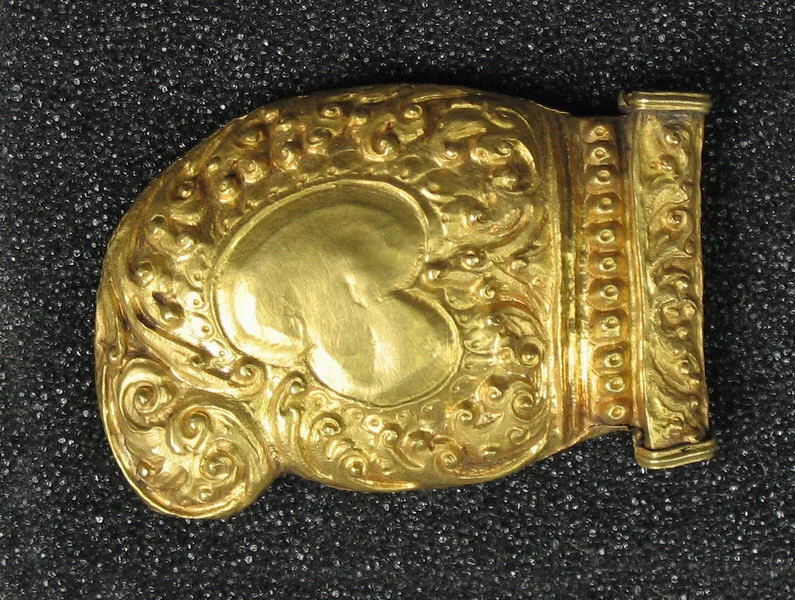
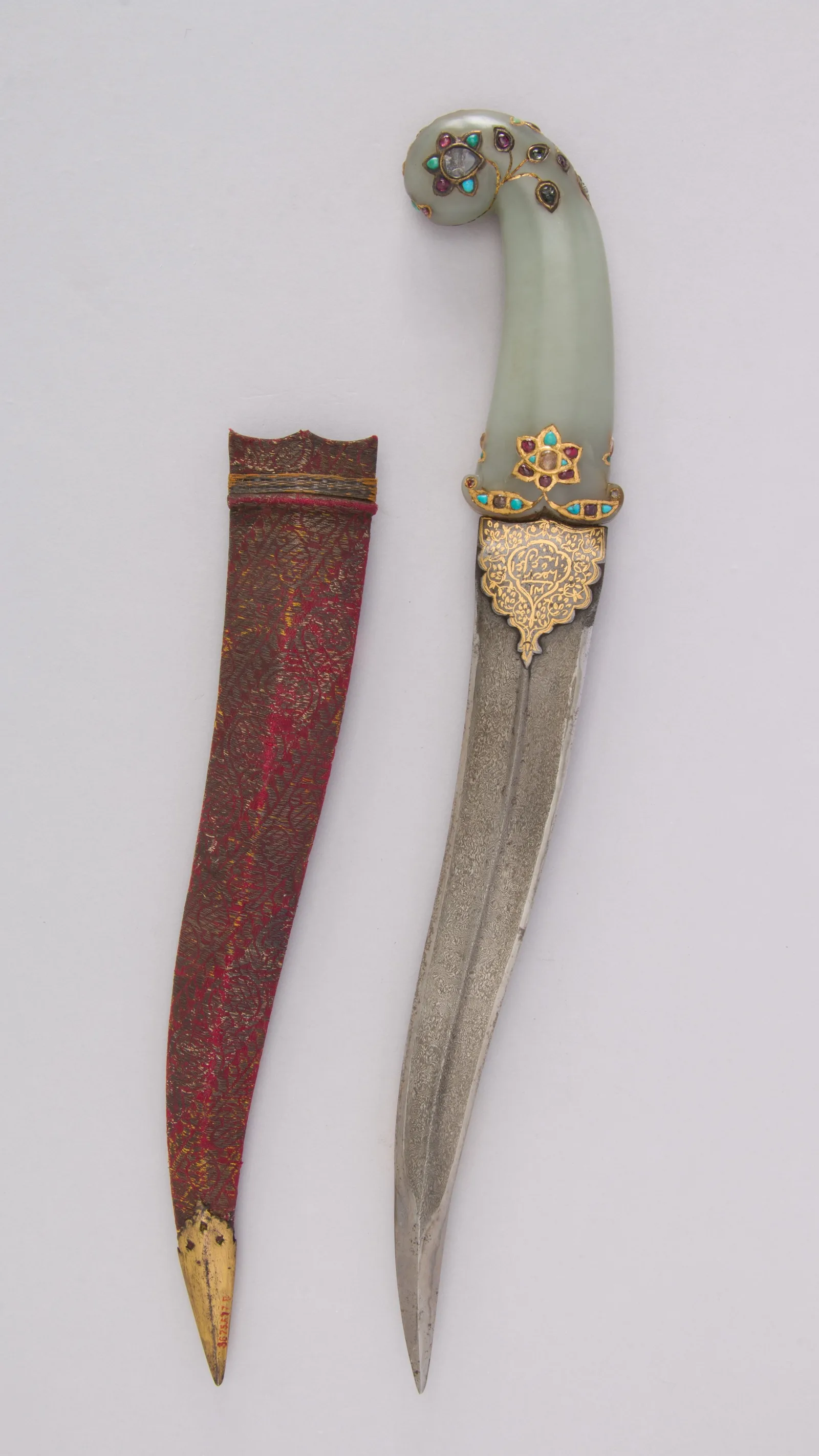
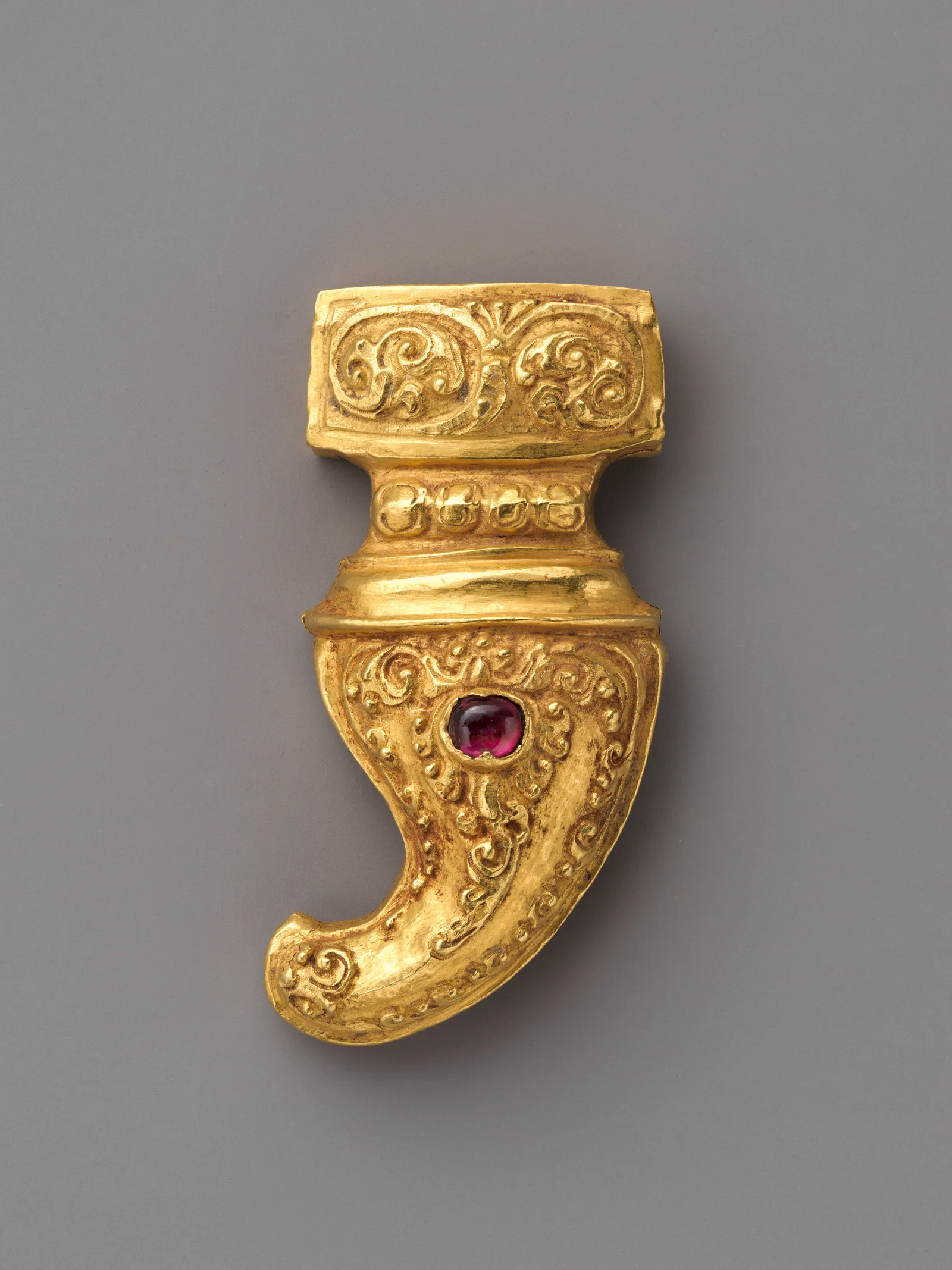
In Asia the place of the bear was taken by the tiger, king of the jungle. The tiger claw and fang stood for power, royalty, and absolute fearlessness. Rulers, warriors, and hunters wore them, often set in gold and silver, turning the trophy into a jewel. A curved tiger claw in a gold mount was a mark of the highest caste and of personal valour.
In the Indian tradition a tiger claw set in metal was considered the strongest amulet to guard a child from the evil eye and from malign forces. The claw of the king of beasts, people believed, would let nothing bad come near the little one. Today the tiger sits under the strictest international protection, and any real tiger claw is outside the law. The image stayed; the material gave way to replicas.
The Shark Tooth
The shark tooth stands apart, because it is the one great predatory trophy you can still wear entirely legally today. A shark grows thousands of teeth over its life, they fall out and are replaced without end, and the seabed holds whole drifts of fossil teeth millions of years old. So a shark tooth calls for no killing and is open to anyone.
The symbolism of the shark tooth is fearlessness, survival, and mastery of the sea. For coastal peoples from Polynesia to the Caribbean, a shark tooth was the amulet of the sailor and the fisherman, protection on the voyage and a mark of nerve. There is a fuller conversation about this below, because the sea fang took its own road from a warrior's trophy to a surfer's charm.
The Eagle Claw and Beak
Not every trophy amulet belonged to a four legged beast. The claw of an eagle, a golden eagle, or another bird of prey stood for keen sight, height, a tie to the sky and the spirits. Among the steppe and mountain peoples the eagle was king of the sky, as the tiger was king of the jungle, and its claw carried the power of flight and of the precise strike. Eagle claws and feathers belonged to the regalia of the shaman and the chief.
The bird trophy added something different to animal strength: the gift of seeing far, of rising above the earth, of acting as a go between for the worlds. Today birds of prey are protected too, and real eagle claws survive only in historical collections. In jewelry they are replaced by casts and carving that repeat the curve of the claw. On the symbolism of birds there is a piece on the raven and crow in jewelry.
A predator's fang belongs on bare skin, not tucked under a sweater. If you're going to hide it, don't bother the beast.
How to Wear Tooth and Claw
Over years on set the fang and claw have passed through dozens of looks for me, from a leather cord to a silver mount. Here is what actually works, by occasion.
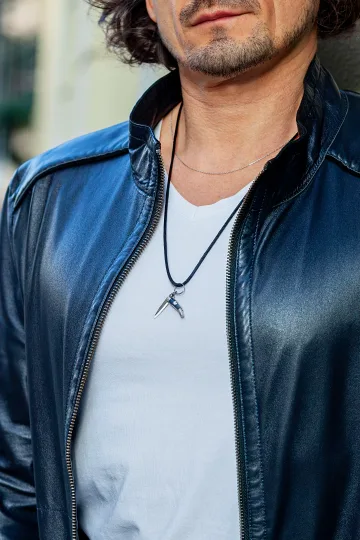
What do I wear a fang on every day? For an everyday look I recommend a shark tooth or a silver claw replica on a thin chain or leather cord over a tee, a linen shirt or a chunky knit. A light top lifts the bone, a dark one turns the fang into the accent. On a bare neck it reads best.
Does a claw work at the office? It does, if you keep it restrained. I suggest a silver mount and a length of 45-50 cm, so the claw slips under the top shirt button. Under a jacket it speaks as a quiet detail with character, not a loud trophy.
How do I build a rugged look? For a raw, eye-catching look I choose a large claw or a string on a leather or braided cord over leather, denim or coarse knit. I take the length so the trophy rests on the chest rather than at the throat. Here it speaks loudest.
Is a fang right for the evening? For evening I suggest a single neat claw in silver over smooth fabric in a deep colour: black, wine, dark green. The mount catches the light and ennobles the wild shape. A big string I leave at home.
Who does a fang suit at all? Anyone who loves pieces with a story and character over shiny bulk. Two rules that never fail. First, size sets the tone: a large string shouts, one tooth on a thin chain speaks calmly. Second, a fang is worn on bare skin, not hidden under a collar, or the whole point is lost.

Turn on your camera, pick earrings, a pendant or a ring, and see the piece on yourself in real time.
Switch items in one tap.
Everything runs in your browser: no photo or video is ever uploaded.
Customer reviews
Zevira is a real jewellery shop. Genuine payments, deliveries and customer thank-yous.
🥰🥰🥰 gracias
Ok, ¡gracias! 🙂
Meanings by Animal: What Each Fang Carries
Bear: Strength, Earth, and Winter Sleep
The bear is first of all strength and command over territory. In northern myth it is lord of the forest, almost human, sometimes an ancestor. Its winter sleep and spring waking made the bear a symbol of death and rebirth, of a cycle stronger than any beast. The bear claw carried that heavy, earthbound, certain strength.
To wear a bear trophy meant to declare nearness to the most respected beast and a readiness to defend your own as fiercely as a she bear defends her cubs. This is an amulet not for swagger but for those who stand firm on the ground and will not be moved.
Wolf: Pack, Wit, and Freedom
The wolf is double natured. On one side it is freedom and solitude, a wild beast that cannot be tamed. On the other, the wolf lives in a pack, and its strength lies in loyalty and coordination. The wolf tooth carried both meanings at once: be free, but remember your pack. It is an amulet for those who value independence and belonging alike.
People reached for the wolf fang for cunning and stamina too. A wolf can trail prey for days on end, and its tooth lent persistence in any long effort. Anyone who feels close to that image in all its depth should look into the detailed account of the beast's symbolism.
Shark: Fearlessness and the Elements
The shark knows no fear and does not retreat. Its tooth carried exactly that: the ability to go forward through the elements without a backward glance. For sea peoples the shark was at once a threat, an ancestor, and a guardian spirit. Its tooth protected on the voyage and gave courage to those whose lives hung on the sea.
In the modern reading the shark tooth has become an amulet of those who live by the water or in it: fishermen, sailors, surfers, divers. It speaks of fearlessness before the elements and of the right to feel at home in the sea.
Tiger and Lion: Power and Royalty
The big cats carry the meaning of power. The tiger in Asia and the lion in Africa and the Near East were the living embodiment of royalty. Their fang and claw belonged to rulers and to those who wanted to claim a right to rule. This is not the amulet of an ordinary hunter but the sign of the top of the hierarchy, personal and social.
The claw of a big cat also carried the idea of flawless grace married to deadly strength. A beast that is beautiful and dangerous at the same time. That meaning is poured today into stylised claw pendants without touching a single living predator.
Boar and Wild Hog: An Untamable Nature
The boar tusk is stubbornness, fertility, and an unstoppable charge. A wounded hog drives at its enemy to the very end, and its tusk carried exactly that refusal to yield. It is an amulet for those who are not used to backing down and who carry a thing through to the finish. In male traditions the boar fang was a sign of mature, tested strength.
Upload a photo of your pet, someone you love, or an object. We'll build a 3D model and hand-cast it in pewter.



Tooth and Claw Across Cultures: Thousands of Years of One Idea
The Paleolithic and the Shamans
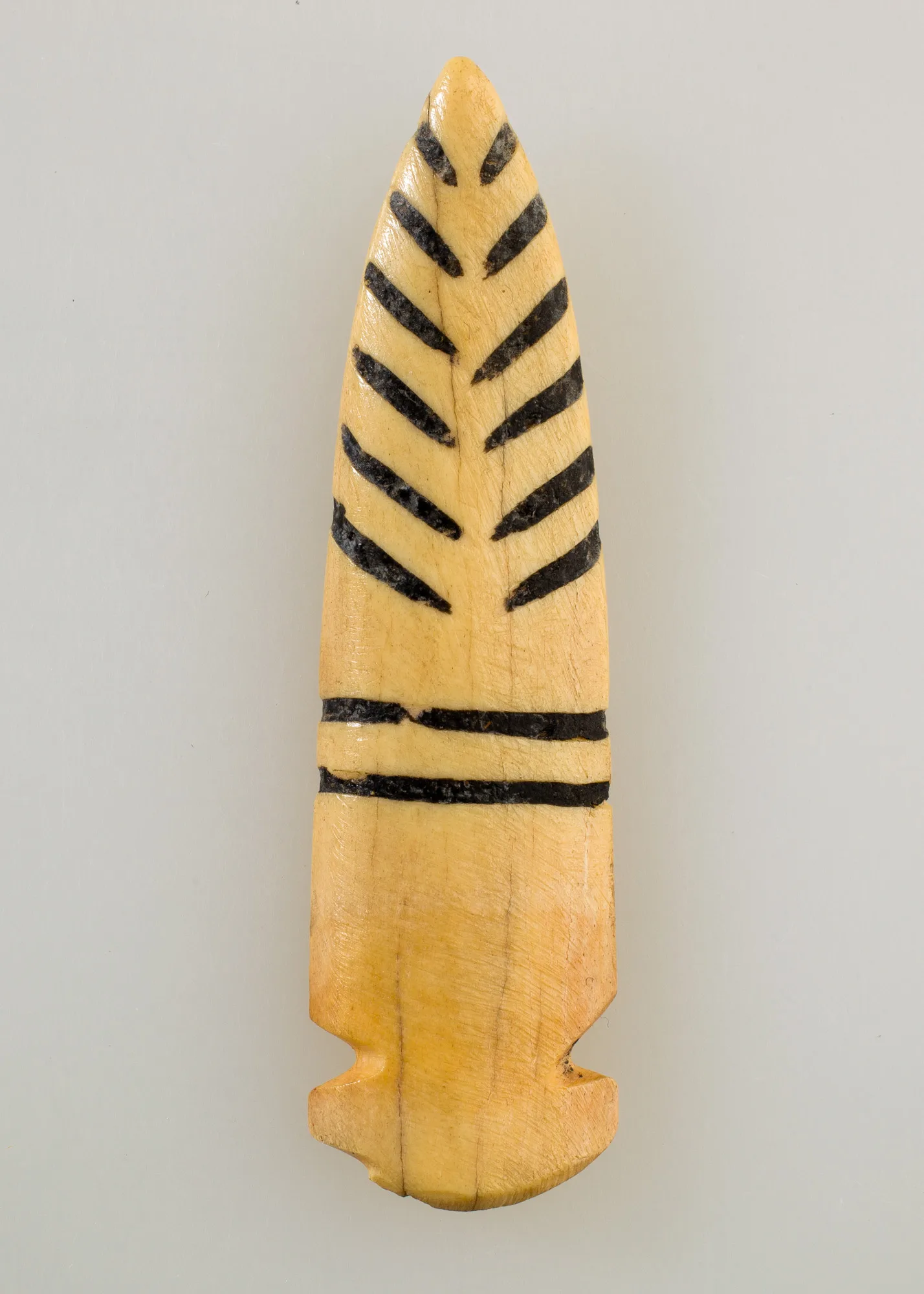
The earliest fang amulets are older than most symbols we know. Drilled teeth of deer, fox, arctic fox, and predators turn up in burials tens of thousands of years old. They were sewn onto clothing, worn at the neck, laid in graves. For the ancient hunter, an animal's tooth was a link to the world of beasts, on which all of life depended.
The shaman held a special place. His headdress of fangs, claws, feathers, and bones was a map of helper spirits. Each trophy stood for a patron beast the shaman called on while in trance. Fang and claw were the instruments of contact between the world of people and the world of beasts and spirits.
Vikings and Berserkers: Bear Hide and Claws
In the Norse tradition beast and warrior merged directly. The very word berserker is linked to a bear shirt, while ulfhednar means a warrior in a wolf skin. These fighters worked themselves into a battle frenzy in which, by belief, they took on the strength and fury of the beast. Bear claws and teeth were part of that image, the mark of a warrior who had given himself to a patron beast.
Archaeology backs it up: Norse burials yield bear claws, sometimes whole paws, laid on the cremation. The beast went with the warrior into the next world too. The raven, Odin's companion, echoes the same stern aesthetic of strength.
Slavs: the Boar Fang and the Wolf Tooth
Among the Slavs and their neighbours the boar tusk and the wolf tooth were ordinary male amulets. Hunters and warriors wore them, hung on the belt and at the neck, set in a simple metal ferrule. The boar fang guarded against wounds, the wolf tooth against illness and the evil eye, especially in children. Archaeologists find such pendants in Slavic burial grounds alongside crescent charms and little horse pendants.
Among the Slavs the animal amulet sat beside plant and solar symbols, forming a shared language of protection. The beast answered for strength and the hunt, the sun and the horse for movement and life. On the natural part of that language there is an article on nature symbols in jewelry.
Native Peoples of North America
Among the peoples of the plains and woodlands of North America, the grizzly claw was one of the highest marks of valour. A grizzly claw necklace could be worn only by a warrior who had taken the beast himself, and such an ornament was prized very highly. Claws were set in leather, otter fur, and beadwork, turning the trophy into a work of art and a living biography of its owner.
Tooth and claw here were part of a complex system of marks of distinction, alongside eagle feathers. Each trophy matched a specific deed. Faking one was unthinkable, because the whole community knew who had done what. The amulet was an award and a reputation at the same time.
Africa: the Leopard and Lion Fang
In Africa the place of the northern bear was held by the leopard and the lion. The leopard's fang and claw were a sign of chiefs, warriors, and secret male societies. The leopard, a secretive and deadly night hunter, was reckoned an embodiment of power, and its fang was worn by those who held that power or reached for it. The lion claw carried royalty and courage.
These trophies belonged to the regalia of rulers and to the dress of healers. The predator's fang tied its owner to the strength of the savanna and the forest. Today the leopard and lion are protected, and traditional communities increasingly move to carved replicas, keeping the meaning without harm to the vanishing cats.
Asia: the Tiger Claw in Gold
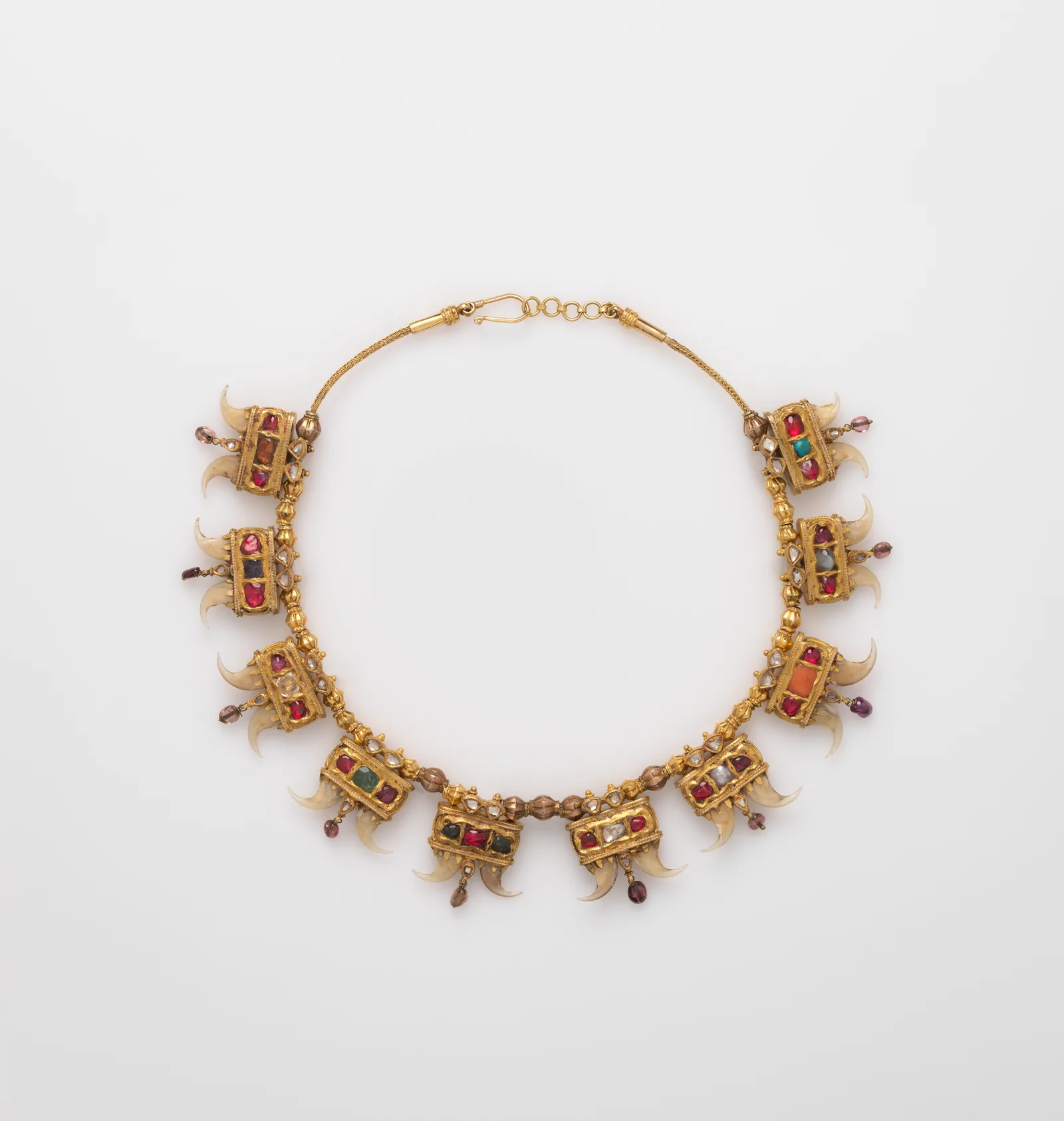
In India and across South Asia more widely, a tiger claw set in gold was both an amulet and a jewel. It was given to the children of noble families against the evil eye and worn by adults as a mark of status. Jewellers built the finest gold mounts for the claw, turning a wild trophy into an exquisite ornament. The tradition of the gilded claw lives on to this day in the form of replicas cast from metal in the shape of a claw.



The Shark Tooth: a Sea Amulet of Sailor and Surfer
Why the Shark Tooth Is Special
Of all the great predatory trophies, the shark tooth is the one that calls for no killing and is open legally. A shark sheds tens of thousands of teeth over its life, they fall out without end, and fossil teeth of ancient sharks lie in vast numbers in sedimentary rock all over the world. The tooth of the megalodon, the extinct giant shark, is the size of a palm, and you can buy it quite freely as a fossil.
This makes the shark tooth the ideal modern trophy amulet: all the symbolism of fearlessness and mastery of the elements with no ethical shadow. You wear a predator's strength while harming no one.
The Amulet of the Sailor and Fisherman
For coastal and island peoples the shark tooth was protection at sea. The fisherman and the sailor went out into the elements where the shark was a real danger, and the logic of the amulet worked plainly: to have the sea accept you, wear the tooth of its master. The shark tooth was meant to turn aside misfortune, keep you afloat, and bring you home.
In Polynesia the shark was often honored as an ancestor and a guardian spirit of the line, and its tooth was sacred. Shark teeth were made into weapons as well as ornaments, and the amulet was inseparable from the weapon: the same tooth that cut the enemy protected its owner. This bond of sea, strength, and protection ties the shark tooth to other sea charms, on which there is a separate guide to ocean jewelry symbols.
From Sailor to Surfer
In the twentieth century the shark tooth found a second life among those who came to the sea not for fish but for the wave. Surfers, divers, and beach culture took up the tooth as a badge of belonging to the ocean and its dangerous beauty. A shark tooth pendant became almost the uniform of a person who lives by the water and is not afraid of it.
The modern meaning has grown softer than the historical one. Today the shark tooth is less a hunting trophy and more a symbol of freedom, the sea, and calm fearlessness. The irony is that the sharks themselves need protection from people far more, and many wear the tooth as a mark of respect for a vanishing predator as well.
Leave your email, we'll send your discount code. No spam, unsubscribe anytime.
The code arrives by email, valid on your first order.
Ethics and the Law: What You Can Wear Today
Protected Species Are Off Limits
The main rule of the modern fang amulet is simple: no parts of protected animals. The tiger, many species of bear, the leopard, the lion, the wolf in a number of countries, birds of prey, all of it is shielded by laws and international agreements. Trade in their teeth, claws, and any body parts is banned or strictly limited, and breaking the rule brings serious consequences.
Behind this stands real harm rather than a formality. For centuries demand for trophies and amulets was one of the causes of the slaughter of predators. To wear a real tiger claw today would mean encouraging poaching, which runs directly against the original meaning of the amulet. A strong person does not build their strength on the disappearance of a species.
CITES and International Rules
The chief international document governing trade in parts of wild animals is the Convention on International Trade in Endangered Species of Wild Fauna and Flora, known as CITES. It sorts species into groups by the degree of threat and sets out what may cross borders and what may not under any conditions. The tiger, many bears, and most predatory cats fall under the strictest protection.
For a buyer this means a plain thing: even if a real predator claw is offered somewhere, carrying it across a border is almost certainly illegal, and its origin is almost certainly murky. A legal market for such trophies effectively does not exist. Any offer of a genuine tiger or bear claw is worth treating as a warning sign.
What You Can Wear Legally
There is good news too: legal options are plenty, and they carry the same symbolism. Fossil shark teeth, including megalodon teeth, are sold freely as fossils. The teeth and horns of ordinary game and farm animals, of deer and boar, with lawful origin, are also allowed in many jurisdictions. And, of course, replicas: casts and carving that repeat the shape of fang and claw.
Before buying a real tooth or claw it is worth checking the local rules, because the laws of different countries differ. The general principle: if the beast is protected, its part cannot be worn; if the beast is ordinary and taken lawfully, or if it is a fossil, it usually can. When in doubt about origin, choose a replica.
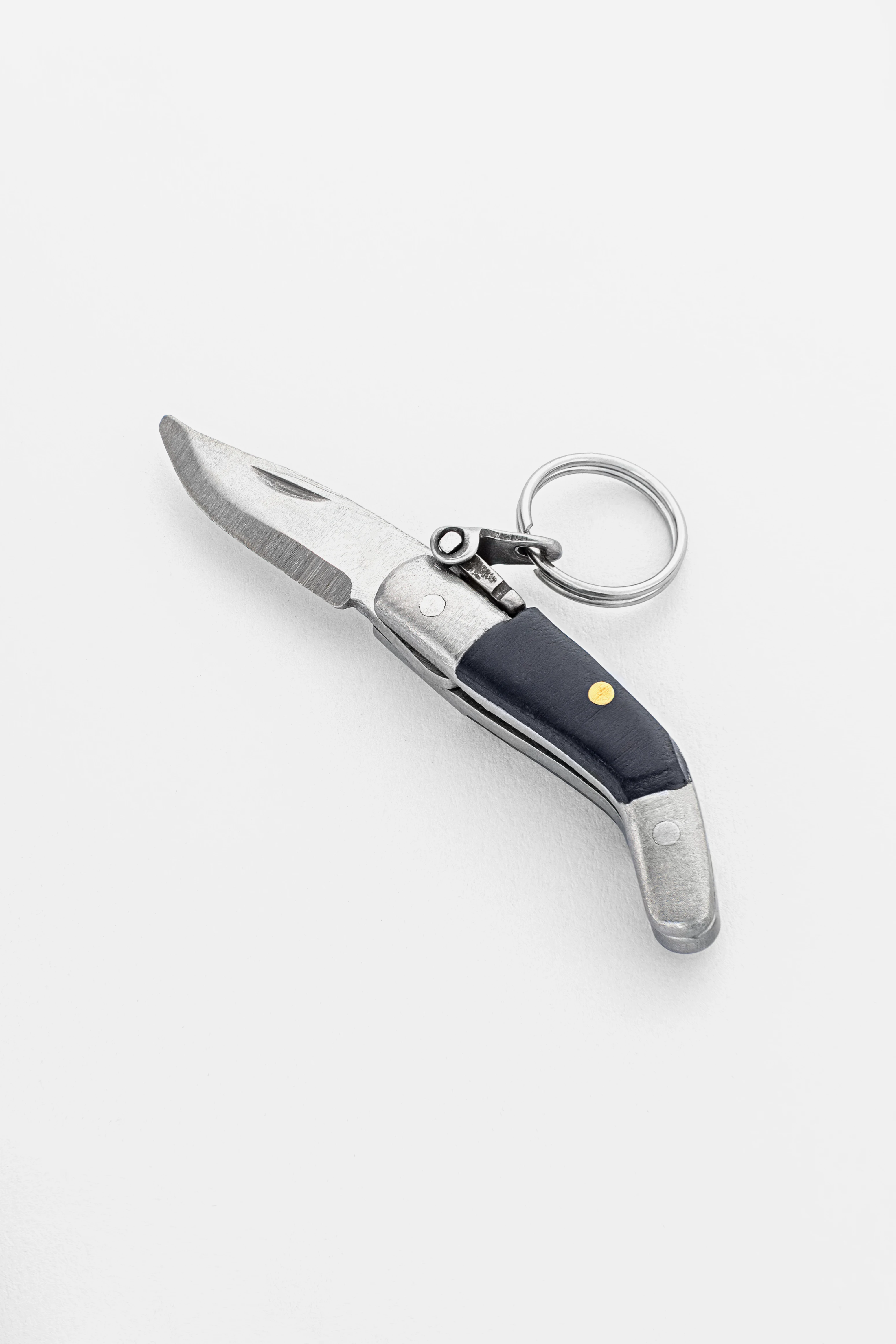
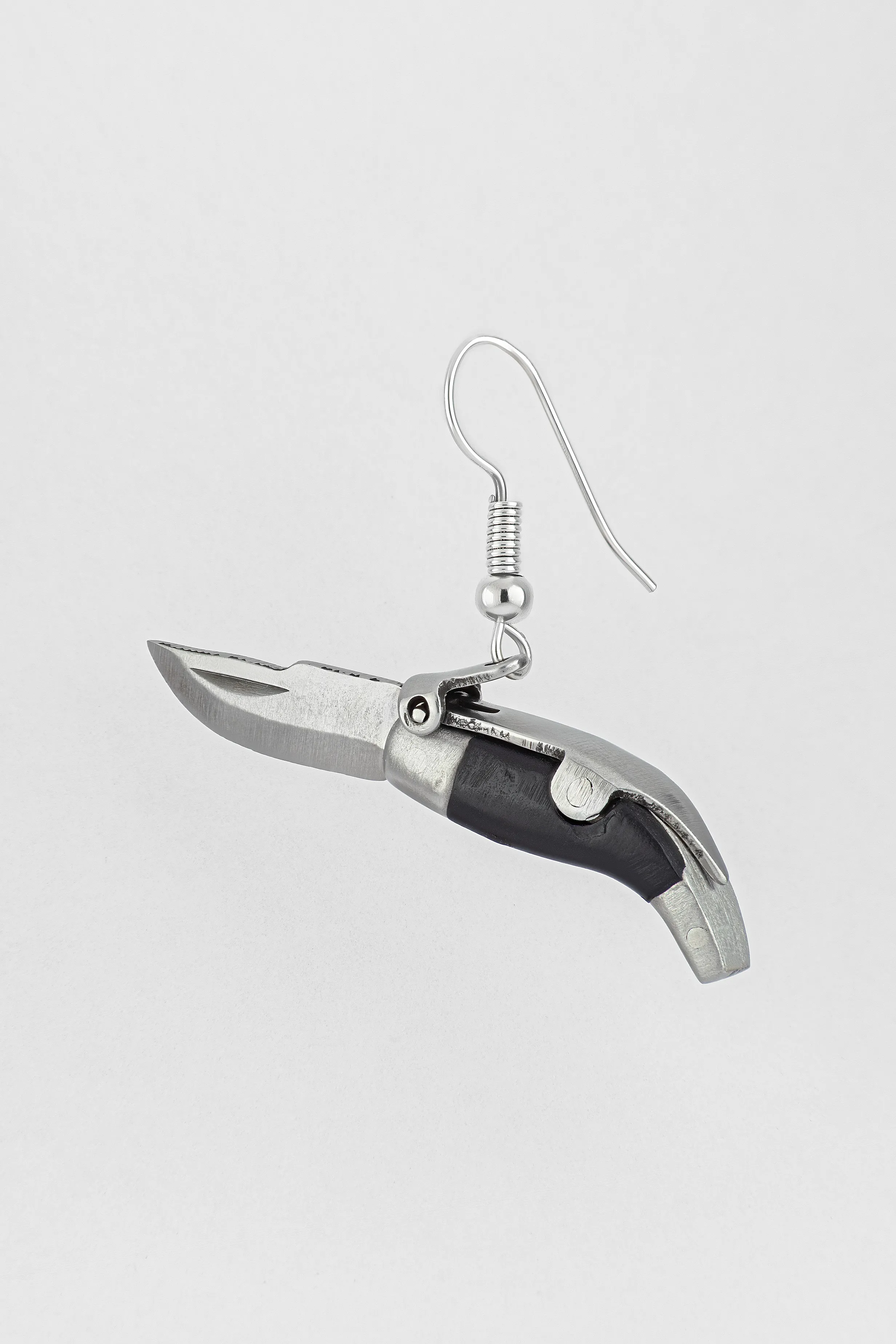
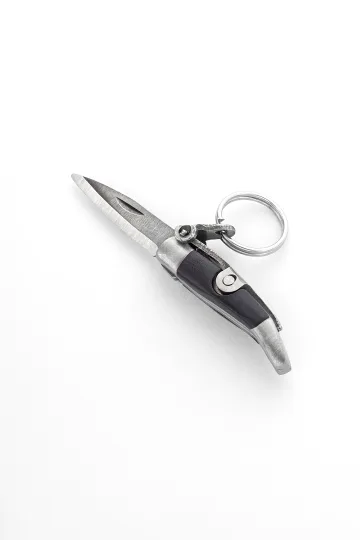
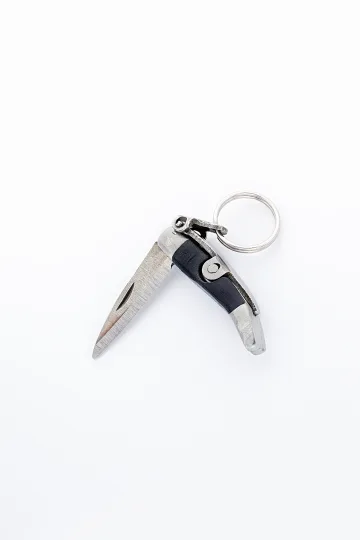
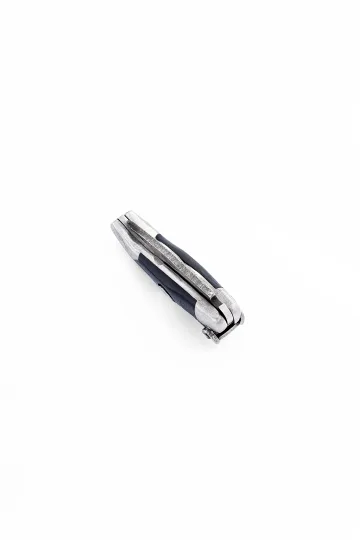
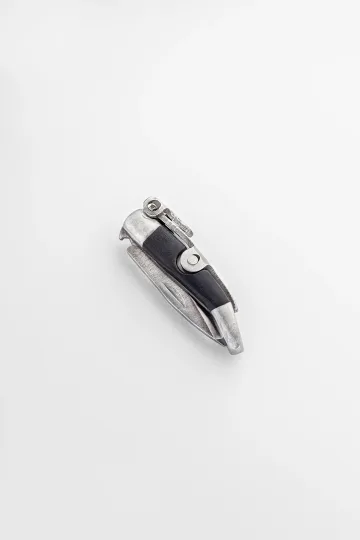
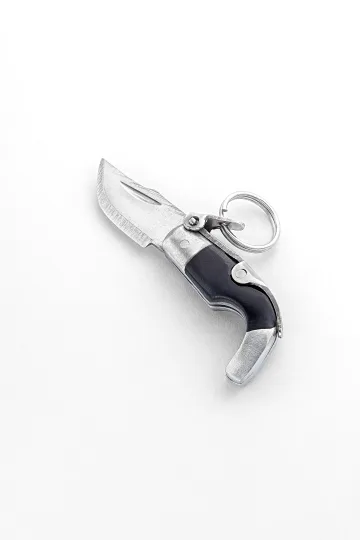
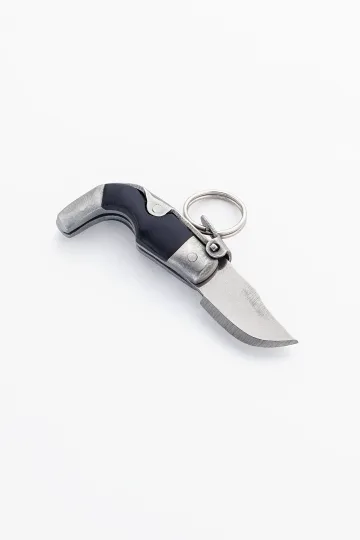
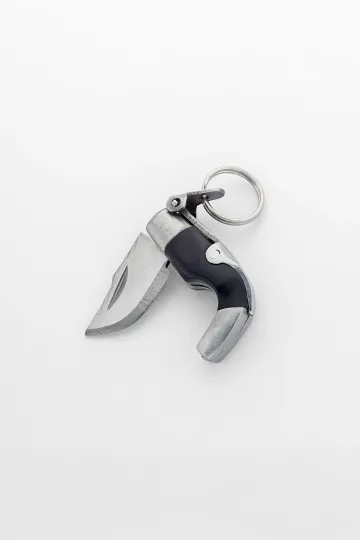
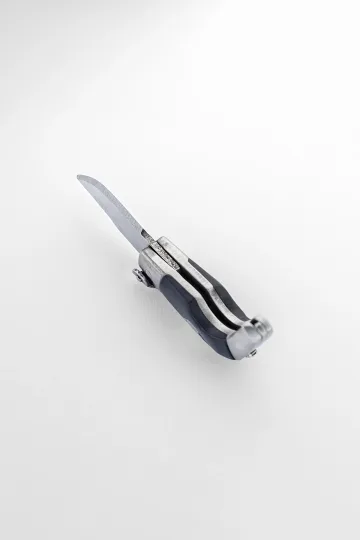
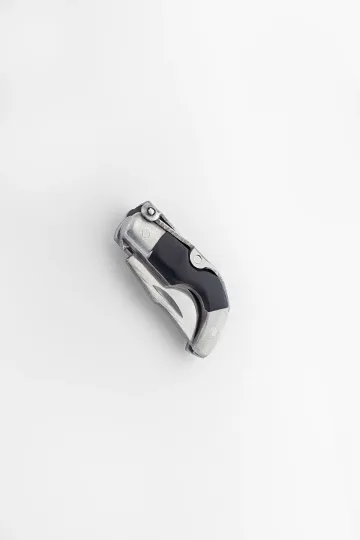
CAPAORA mini knife pendant
The 18th-century Spanish navaja in miniature: 40 mm of stainless steel, a real folding mechanism and a Palanquilla lock that clicks. An affordable gift to remember.
Authentic · Ships from Spain · 14-day returns
Imitations and Replicas: an Ethical Substitute for the Real Fang
Metal: a Claw Cast in Silver and Bronze
The noblest substitute for a fang is its casting in metal. A jeweller takes a mould from a real claw or sculpts one anew, then casts it in silver, bronze, or another metal. The metal claw repeats the wild curve and sharpness of the original, yet it is durable, unafraid of water, and free of any ethical shadow. A silver fang or claw is today one of the most popular men's and unisex amulets.
Metal also gives artistic freedom. The claw can be blackened to bring out the texture, left polished or matte, fitted with runes, a pattern, a stone setting. The result is a piece that nods to the ancient trophy yet lives by the laws of jewellery.
Resin and Composites: an Exact Copy Without Sacrifice
Modern resins and composites allow a copy of a tooth or claw to be cast that looks indistinguishable from the real thing. Such copies are light, strong, and affordable, and they can be tinted to any shade of bone. For anyone who wants exactly the look of a real fang with no tie to a killed beast, a resin copy is the ideal choice.
A quality resin copy reproduces the colour, the texture, even the fine cracks of old bone. Telling it from the original by eye is nearly impossible, and the conscience stays clear.
Carved Bone and Horn: a Trophy Without the Predator
There is a third road too: to carve a fang or claw from the bone and horn of ordinary animals. The carver takes legal material, the bone of cattle or the horn of deer, and gives it the shape of a predator's fang. The result is a genuine natural material, warm and alive to the touch, yet with no tie to any protected beast. The material itself, its kinds and working, is covered in detail in the piece on bone and horn.
This road appeals to those for whom the organic matters most: they want the amulet made of a real natural substance rather than metal or plastic. Carved bone ages beautifully, gathers a patina from being handled, and over time becomes truly your own.
Caring for Tooth and Claw
Natural Bone and Tooth
A real tooth, claw, and bone are living material, and they dislike extremes. The chief enemies are water, sharp swings of temperature, and dry heat. Long soaking can make bone swell and crack; a radiator or direct sun can dry it out and yellow it unevenly. Take such an amulet off in the shower, the sauna, and the pool.
Clean a natural tooth with a soft dry or slightly damp cloth, with no harsh chemicals and no soaking. Now and then bone can be wiped lightly with a drop of mineral or special oil so it does not dry out. Store it apart, in a soft pouch, so metal and stones do not scratch the surface.
Metal Replicas
A metal claw is simpler. Silver darkens over time, and that is either polished off with a cloth or left as a noble patina, especially on a blackened piece. Bronze also takes on a patina and returns easily to a shine with gentle polishing. Metal does not fear water, but taking it off before sport and heavy work is still sensible, to avoid bending or scratching it.
Resin and Composite
Resin copies are the least demanding. Water and humidity do not trouble them, they do not fade or crack with temperature swings. A wipe with a soft cloth is enough. The one thing to avoid is abrasive powders and solvents, which can scratch or cloud the surface.
Send a friend a discount code, they save on their first order.
Facts That Surprise
A few things about teeth and claws that even amulet enthusiasts rarely know.
Drilled teeth of predators and hoofed animals rank among the oldest ornaments of humankind, full stop. They are tens of thousands of years old, older than the first rock art of many regions and far older than any metal.
The most expensive fang amulet in the world belonged not to a warrior but to a pig. On the islands of Melanesia, boar tusks curled into a full ring were the highest form of wealth, and to grow them the upper teeth were removed so the lower ones could grow unhindered, spiraling for years.
In sharks the teeth grow on a conveyor. Behind the working teeth stand rows of spares, and a lost tooth is replaced within days. Over a lifetime a shark can run through tens of thousands of teeth, so the seabed is literally strewn with them, and the ancient ones have lain there for millions of years.
The tooth of the megalodon, the giant extinct shark, can be the size of an adult palm. From a single tooth paleontologists estimate that the shark itself reached the length of a bus. These teeth are sold freely as fossils and have become a popular amulet for anyone who wants something truly ancient.
The word berserker, naming a warrior in battle frenzy, by one account means literally a bear shirt, that is, a person in the hide of a bear. The warrior did not merely wear the trophy of the beast; for a time he seemed to become the beast.
Many peoples hung the wolf fang on infants and small children in particular. The logic was double: the sharp tooth cuts evil force, and the spirit of the strong beast guards the weak child. What looks to us like a stern symbol was, for thousands of years, a child's charm against fright and illness.
Frequently Asked Questions
Is it legal to wear a real predator tooth or claw?
It depends on the beast. Parts of endangered and protected species, the tiger, many bears, the leopard, the lion, birds of prey, are illegal to wear, let alone sell, and this is governed by CITES and national laws. Fossil shark teeth, and the teeth and horns of ordinary game animals with lawful origin, can be worn. If you are unsure of the origin, choose a replica.
How does a fang amulet differ from bone carving?
Tooth and claw as an amulet are a trophy symbol: strength, protection, valour, a share in the beast. Bone and horn carving is about the material and its artistic working. One and the same physical object can be both, but the meaning differs. Here the subject is the symbol; the material and its working are a separate conversation.
Which fang is the strongest as an amulet?
There is no single answer; it all depends on the tradition and on what the wearer needs. The bear claw is raw strength and command over the land, the wolf tooth is wit and freedom, the shark tooth is fearlessness in the elements, the tiger claw is royalty. Choose the beast by the meaning that feels close to you rather than by the loudness of the name.
Can a shark tooth be worn without harming nature?
Yes, and it is the best option among the real trophies. Sharks lose teeth constantly, and fossil teeth have lain in the ground for millions of years, so the tooth calls for no killing. Buying a fossil or a naturally shed tooth, you do no harm. Many wear the shark tooth as a mark of respect for the sharks themselves, which people threaten today.
Is a fang amulet only a men's piece?
Traditionally yes, fang and claw read as a male sign of strength. But there is no hard rule. A small shark tooth or a fine silver claw replica work beautifully in a women's and unisex look. Size sets the tone: a large string of claws sounds raw, one neat tooth on a thin chain suits almost anyone.
What are ethical fang replicas made of?
Of three materials. Metal, silver or bronze, gives a durable claw with artistic freedom and blackening. Resin and composite allow an exact copy, indistinguishable from the real thing by eye, at an affordable price. Carved bone and horn of ordinary animals give a genuine natural material with no tie to any protected beast. Each option carries the same symbolism as the original.
How do I care for an amulet made of a real tooth?
Keep it from water, heat, and sharp swings of temperature: natural bone can crack or yellow. Take it off in the shower, the sauna, and the pool. Clean it with a soft dry or slightly damp cloth, with no chemicals and no soaking. Now and then it can be wiped lightly with a special oil so the bone does not dry out. Store it apart in a soft pouch.
Where did the tradition of wearing animal teeth come from in the first place?
From deep antiquity, from the logic that a part of the beast carries its strength. You killed the predator, took the fang, claimed its courage and luck. This idea, the sympathetic magic of like to like, arose among peoples who never had contact, from Siberia to the Amazon. A tooth does not rot and survives for thousands of years, so ancient people believed that an undying part of the beast remained in it.
Buying it as a gift? Each one arrives ready to give.
 A branded Zevira box and a little card come with every order.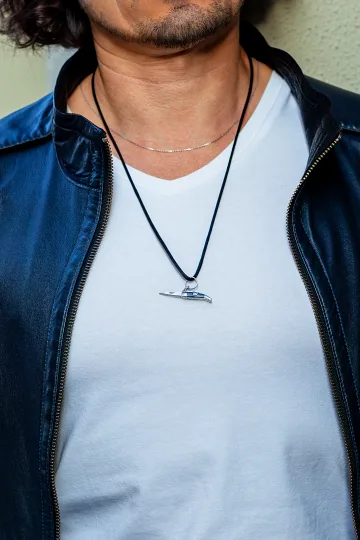




About Zevira
Zevira works with symbols that carry a history. We make protective jewellery from 925 silver and other fine materials, with respect for both tradition and ethics: no parts of protected animals, only lawful materials and honest replicas that carry the same ancient power. In our reading, the fang, the claw, the tooth are a mark of character rather than a trophy taken at another's expense.