Turkish and Ottoman Jewellery: Tradition and Symbols
In the harem of Topkapi Palace, gold was not measured in grams but in chests. The sultanas kept their wealth in jewellery because it could be carried off and hidden within an hour. The same logic survives today: a Turkish bride at her wedding is covered in gold coins from head to waist, and this is not display but her own untouchable capital.
What follows, in order: how the Ottoman jewellery tradition took shape, why gold in Turkey is at once beauty and bank, what the nazar, tugra, tulip and crescent mean, how telkari filigree and niello work, and how to wear Turkish gold today without turning into a museum exhibit.
The Turkish Jewellery Tradition
A Turkish ornament is rarely modest. It is dense pattern, warm yellow gold, twisted wire, coloured stones and almost always some protective sign. Behind this look lies a meeting of several worlds: the nomadic Turkic culture of the steppe, the refined art of Byzantium, Persian splendour and Arabic calligraphy all merged in Anatolia into one recognisable style.
The defining feature of the Turkish tradition is that a piece always works on two levels at once. It is beautiful and it is useful. A gold bracelet is both adornment and savings. A pendant with an eye is both jewellery and a charm. A string of coins is both dowry and the bride's purse. Separating beauty from function in Turkish gold is almost impossible; they have grown together.
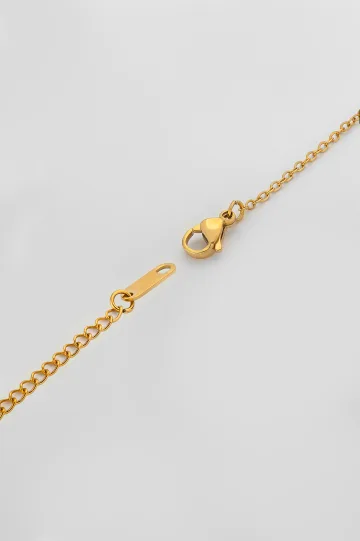
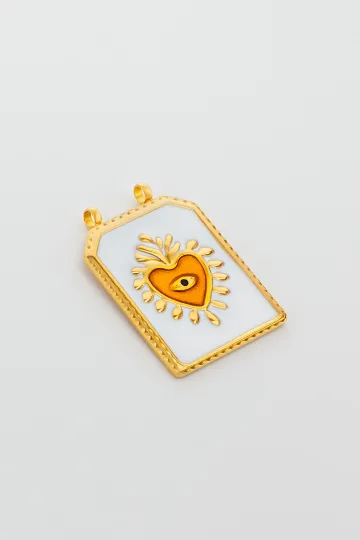
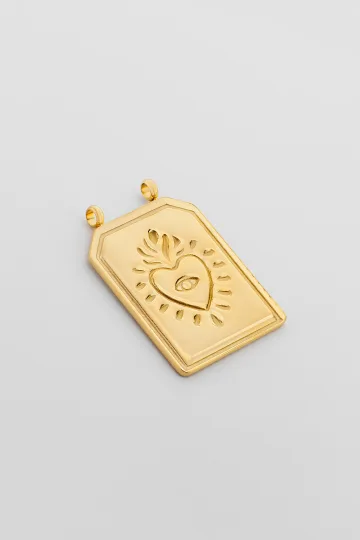
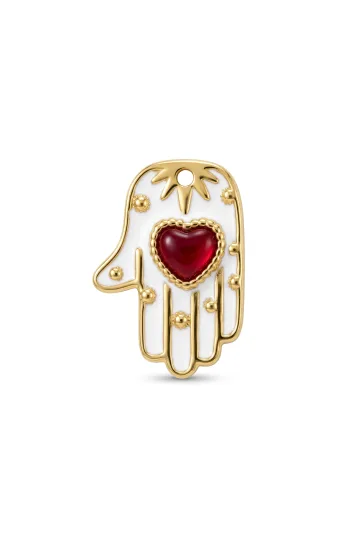
Wear the symbol, don't just read about it. These are in stock:



Where the Turkish Style Comes From
The Turkic peoples came into Anatolia from Central Asia, and part of their jewellery habits are steppe habits. The love of large forms, of metal as wearable wealth, of pendants that jingle as you move, is the inheritance of nomads whose home was temporary but whose ornaments were always on them. To this base was added what already lived in Anatolia: Byzantine enamel and fine goldwork, Persian floral motifs, Arabic script.
The Ottoman Empire drew it all together in the palace workshops. The result was a style rich, symmetrical and saturated with meaning, where every curl and every stone meant something.
Gold as a Woman's Capital
In Turkish culture, gold traditionally belongs to the woman. Whatever is given to a bride at her wedding, pinned on her by relatives and guests, becomes her personal property. Not the family's, not the husband's, but hers. It is a financial cushion in case of divorce, widowhood or a hard year.
So gold in Turkey is treated not as a trinket but as money that happens to be beautiful to wear. It is bought, saved, given at every important event, sold and bought again. The jewellery shops in the bazaars work almost like banks, and the price of a piece is made up first of the weight of the gold and only then of the craft.
The History of Ottoman Jewellery
The story of Turkish gold is the story of an empire that set the fashion from the Balkans to Arabia for three centuries. Sultans and techniques changed, but the bond of wealth, faith and protection held the whole time.
The Palace Gold of Topkapi
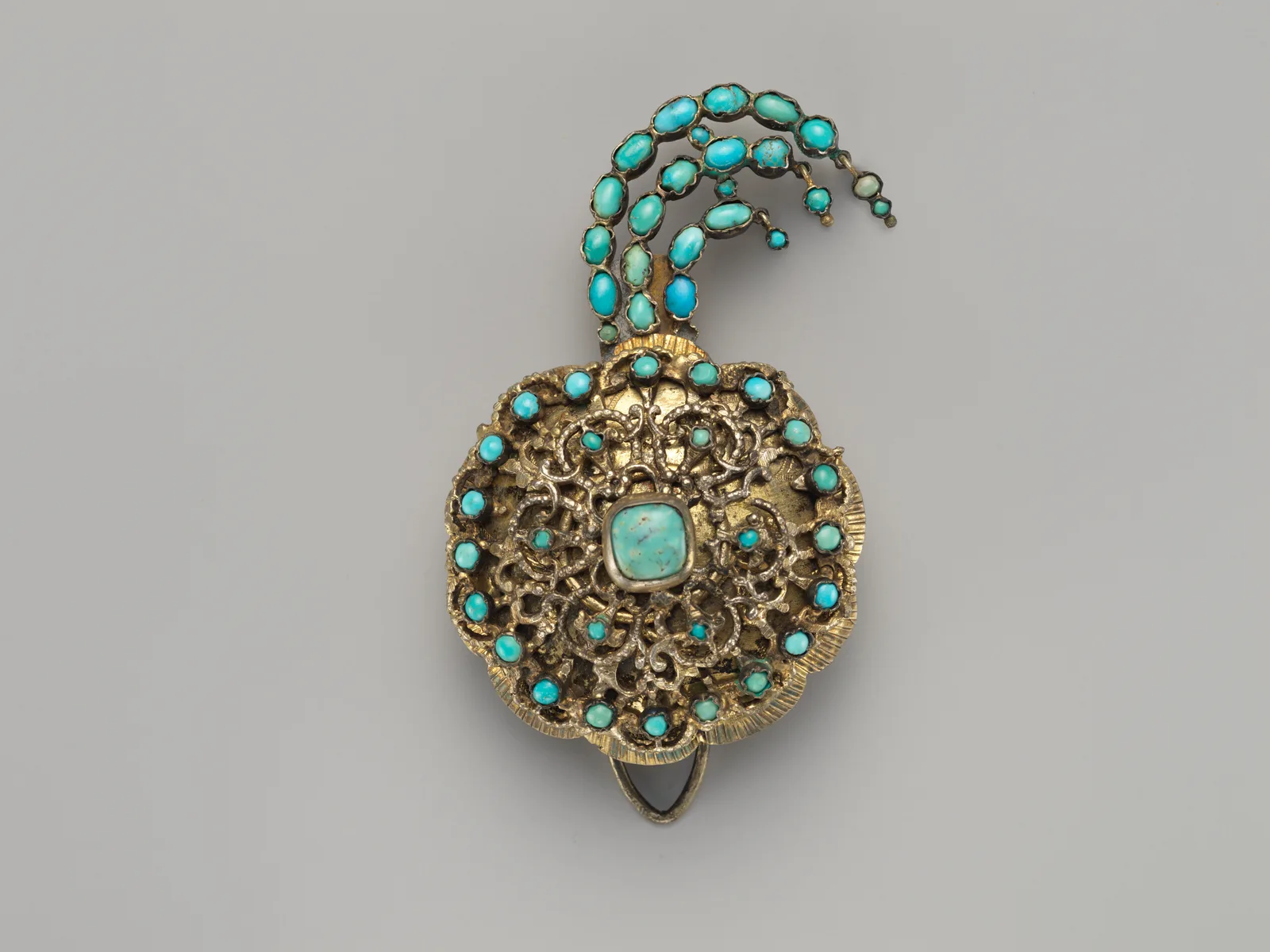
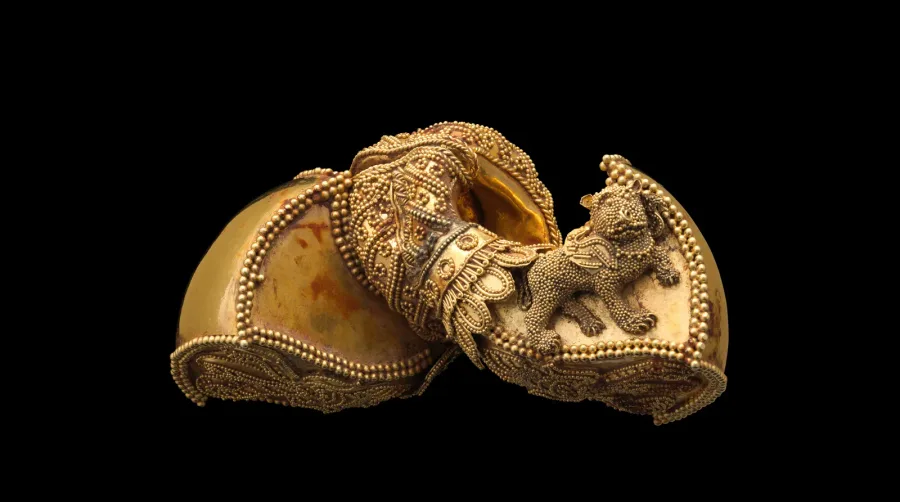
Topkapi Palace in Istanbul was the heart of the Ottoman Empire and at the same time its main treasury. The court employed master jewellers organised into guilds, and the best of them served the sultan personally. They made weapons set in gold and gems, thrones, vessels, ceremonial belts, turban brooches with enormous emeralds and rubies.
The famous Topkapi dagger, with three large emeralds in its hilt and diamonds besides, is a model of this palace school: an object in which usefulness long ago gave way to a display of power. The palace treasury is a museum today, and from it you can see what the taste of the empire was at its peak: a great deal of gold, large stones, dense ornament, nothing empty.
The palace masters were not anonymous craftsmen but a respected caste with their own hierarchy and strict training. An apprentice ground pigments and drew wire for years before he was trusted with gold. The best received commissions directly from the sultan and from the valide sultan, the ruler's mother, who controlled the vast resources of the harem. Stones for the palace were brought from across the empire and beyond it: emeralds from distant mines, pearls from the Persian Gulf, turquoise and rubies from the eastern roads. A finished piece carried within it both the labour of the master and the whole trading might of a state able to fetch a rare stone from the far side of the known world.
Bazaars and City Masters
Beyond the palace walls lived another jewellery life, the life of the bazaar. The covered market of Istanbul, the Grand Bazaar, has for centuries been and remains one of the great gold markets of the world. Hundreds of shops where gold is sold, melted down, repaired and made to order. Here the urban Turkish style took shape: more affordable than the palace style, but with the same motifs, patterns and symbols.
City jewellers worked for townspeople and for visitors, and it was through the bazaars that Turkish gold spread across the empire and beyond. The bazaar dictated the format too: a piece had to be both beautiful and easy to value by weight, so the buyer knew what they were paying for.
Gold as Capital and the Bride's Trousseau
The bride's trousseau in the Turkish tradition is called the ceyiz. It includes everything a young woman brings into her new home: textiles, vessels, linen and, of course, gold. Preparing the ceyiz began long before the wedding, sometimes from a daughter's birth. Gold bracelets, rings and earrings were saved year after year.
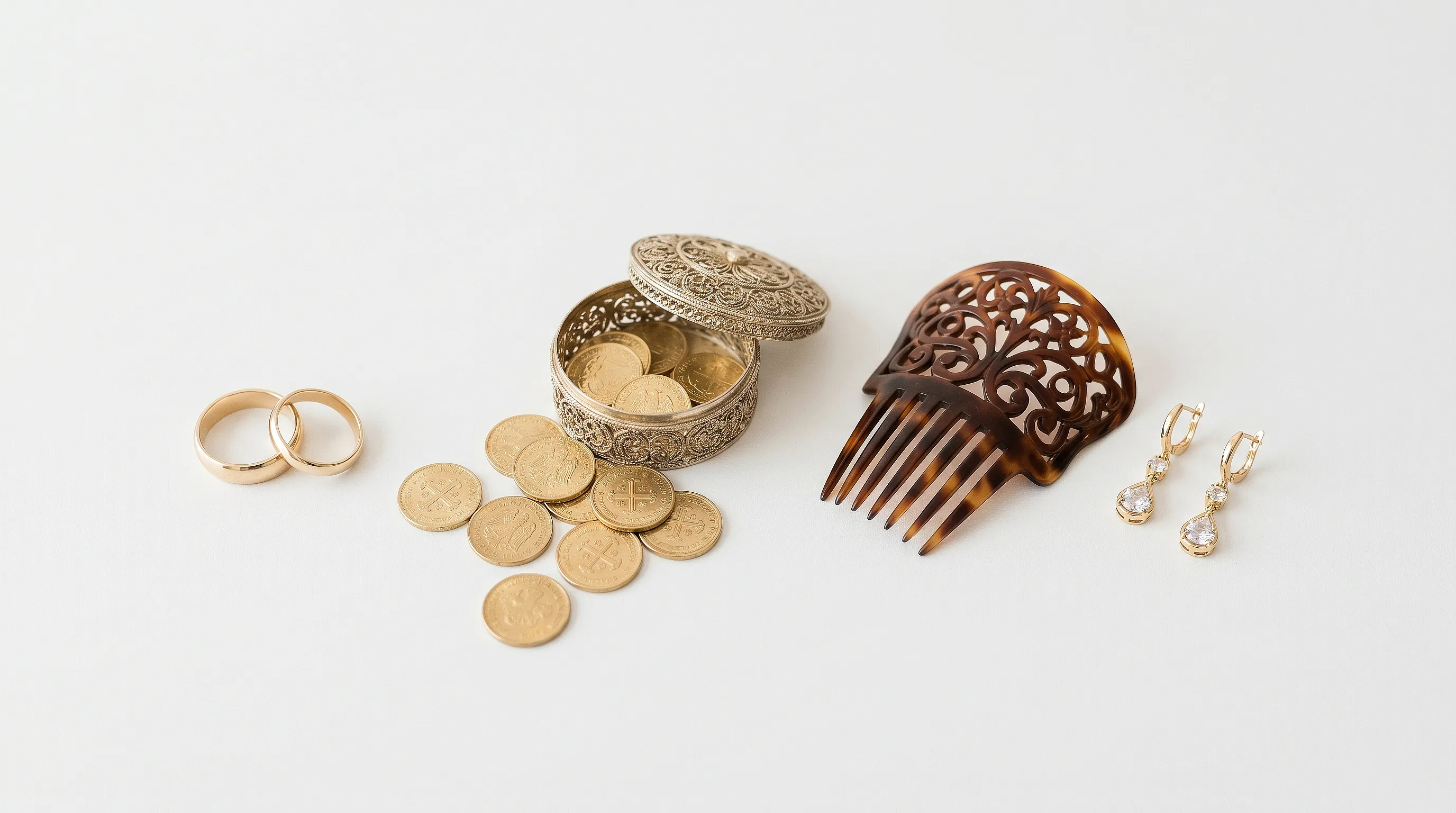
At the wedding itself, the gifts of guests were added, and almost always this was gold: coins, bracelets, pendants. They were pinned straight onto the bride, on a special sash across the shoulder. By the end of the celebration the young woman carried a whole fortune on herself, which from then on belonged to her alone. This tradition is alive today, and for many families the gold of a wedding is, quite literally, the couple's starting capital.
Who Actually Forged Ottoman Gold
Here lies a curious paradox. Turks wore and commissioned gold more often than they forged it themselves. A large part of the fine jewellery work in the Ottoman Empire was for centuries carried out by Armenian, Greek and Jewish masters living in Istanbul, Izmir and other cities. They held the secrets of enamel, filigree, niello and stone carving, and from this many-peopled craft grew the style the whole world now calls Turkish. The palace guilds gathered masters of different origins under one roof, and an Ottoman patron received a piece in which the traditions of half the Mediterranean met. After the upheavals of the early twentieth century and the empire's collapse, many of these workshops disappeared, and with them the fine techniques nearly went too.
Ottoman Motifs and the Link to Other Crafts
The patterns on Turkish gold did not arise in a vacuum. The same tulips, carnations, pomegranates and curling stems that decorate brooches and pendants repeat on Iznik tiles, on carpets, on textiles, on the pages of manuscripts. Ottoman art was a single system, and the jeweller spoke the same visual language as the potter or the weaver.
This gives Turkish jewellery a wholeness. A floral motif on a pendant is recognised as a relative of the tile in a mosque and the pattern on silk, and behind every curl stands the whole decorative tradition of the empire, not the chance fancy of one craftsman.
Jewellery in a Person's Life: From Cradle to Wedding
Gold and silver accompanied a Turk throughout life, and the set of pieces changed with age and standing. A newborn had a small nazar or a gold coin hung on them, to guard against the evil eye and to lay the first stone of their future wealth. A girl had her ears pierced early and was given her first earrings. For the wedding the richest set was prepared, partly from the bride's ceyiz trousseau, partly from the gifts of the groom's family. On the wedding day a person put it all on at once, and this was the peak of their ceremonial appearance. A married woman wore the signs of her new status; with the birth of children came charms for mother and infant; and in old age part of the gold was passed to daughters and daughters-in-law. One and the same piece could pass through several generations of a single family without losing either value or meaning.
Turkish gold wants a warm hand and one register. Mix it with cold silver and you are a market stall, not a look. Behave.
How to Wear Turkish Gold
Turkish gold has passed through dozens of my shoots, from bazaar kitsch to palace pomp. It is strong and full of character, so here is what actually works, by occasion.
What do I wear Turkish gold with every day? For an everyday look I recommend one warm accent on a calm base: a small nazar, a fine chain with a crescent, or a couple of bilezik bracelets over a plain top. Light linen, simple cotton, clean lines, and the gold reads on its own. I would not pile on a coin necklace and chandelier earrings in the morning; save those for the evening.
Is Turkish gold right for the office? Quite, if you keep it restrained. I choose a high carat but a slim form: a small tugra or nazar pendant under the top shirt button, a stack of two or three thin bracelets rather than the whole arm at once. Under a blazer the gold becomes a quiet detail, not a ceremonial set.
How do I build an evening look? For the evening I suggest opening the neck and giving the gold a warm ground: wine, emerald, deep black. One large piece belongs here, an openwork filigree brooch or chandelier earrings, on smooth fabric with no busy print. One strong piece on a calm dress always beats the whole jewellery box at once.
How do I wear charms without it turning into a masquerade? The nazar, the hand of Fatima and the crescent I recommend wearing small and constant: a blue bead on a fine chain or on the wrist lives with jeans and with a sharp suit alike. The point is for the charm to be with you every day, not to parade out for a party.
Who does Turkish gold actually suit? It suits a warm colouring especially: tan and olive skin, dark hair on which yellow metal glows. With a fair look I choose deep colours in the clothing to support the metal. Large forms I recommend to those who are not lost beside a striking piece; for the petite I pick something smaller or a single precise accent. And one rule that never fails: keep one warm metal tone and do not dilute it with cold silver and rhinestones.

Turn on your camera, pick earrings, a pendant or a ring, and see the piece on yourself in real time.
Switch items in one tap.
Everything runs in your browser: no photo or video is ever uploaded.
Customer reviews
Zevira is a real jewellery shop. Genuine payments, deliveries and customer thank-yous.
🥰🥰🥰 gracias

Ok, ¡gracias! 🙂

The Main Symbols of Turkish Jewellery
The symbolism in Turkish gold is dense, and almost every sign trails a long history behind it. Some symbols are protective, some imperial, some came from Islam, and some are far older than it. Let us go through the main ones.
Nazar Boncuk: The Blue Eye Against the Evil Eye
The most recognisable Turkish symbol is the nazar, a flat glass bead in the shape of a blue eye. It is hung everywhere: round the neck, on the wrist, on house doors, in cars, over an infant's cradle. The nazar wards off the evil eye, that envious glance whose fear runs through the whole Mediterranean and Near East.
The blue colour is no accident. Blue was thought to drive off envy, and in a region where light eyes are rare, such a gaze was held especially dangerous, capable of cursing. The nazar answers evil with its own weapon: it stares back. When the bead cracks, people say it took the blow on itself and did its work, and then a new one is set up. The full story of this sign is covered in the piece on the nazar evil eye.
Tugra: The Sultan's Monogram
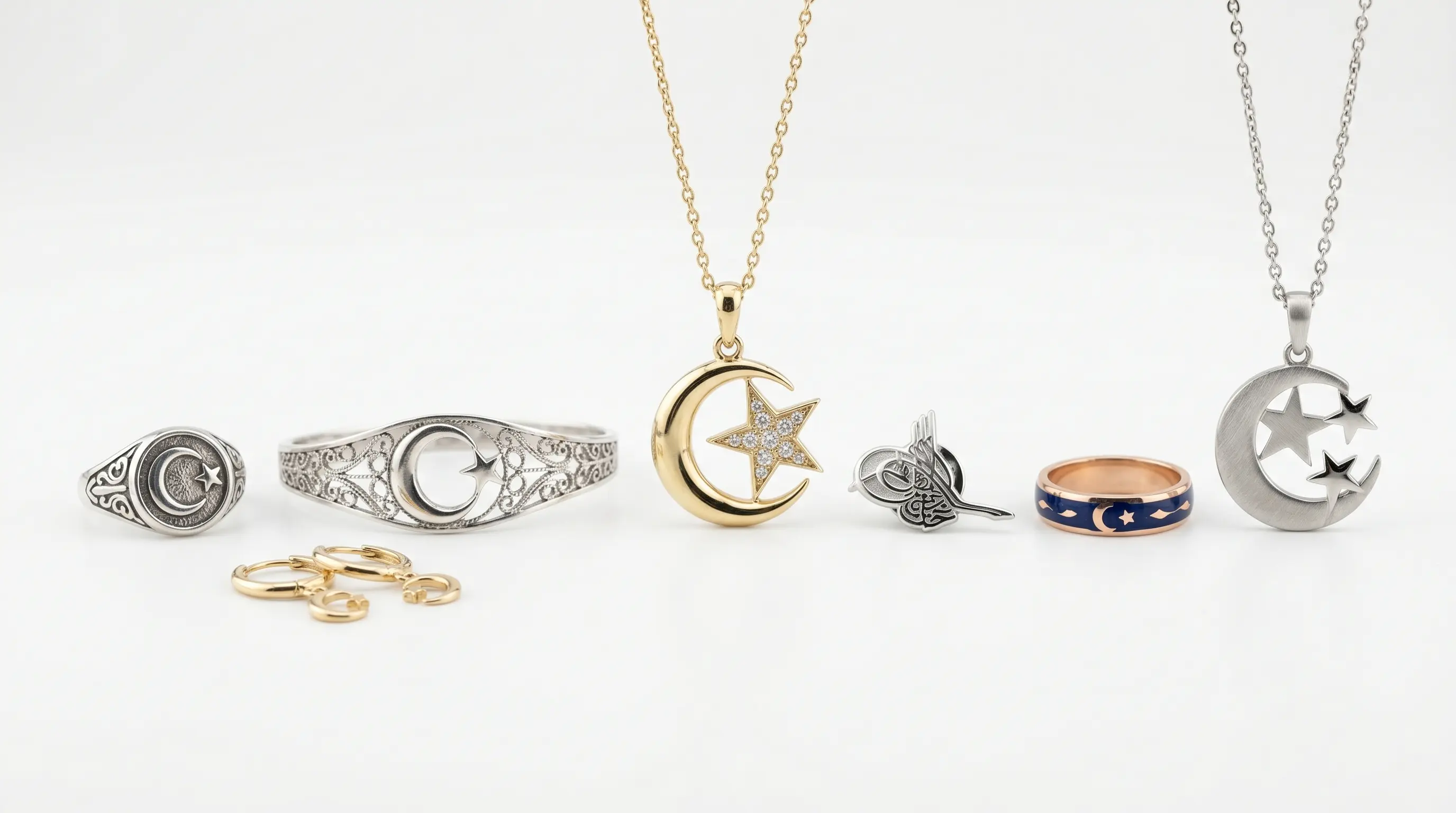
The tugra is the calligraphic monogram of the sultan, his personal signature and seal. It looks like an intricate weave of Arabic letters with two loops on the left and three vertical strokes. Into the tugra were written the sultan's name, his father's name and the formula "ever victorious". Each sultan had his own tugra, and it stood on coins, decrees, seals, on gates and fountains.
In jewellery the tugra lives on today, now as a symbol of luxury and belonging to a great history. A pendant or ring with a tugra is a nod to imperial grandeur, to an age when a single stroke decided fates. Modern jewellers make tugras with the owner's own name, turning the ancient form of the sultan's seal into a personal sign.
Tulip-Lale: The Flower of the Empire
Few people know that the tulip is not a Dutch flower but a Turkish one. It reached Europe from the Ottoman Empire, where it was adored and cultivated long before the famous tulip mania. The early eighteenth century in Turkey is even called the "Tulip Era": the flower was everywhere, in gardens, on textiles, on tiles, in verse.
In Turkish the tulip is "lale". The letters of this word in Arabic script are the same as those in the word "Allah", so the tulip gained a spiritual meaning too, becoming a symbol of God and of perfection. On jewellery the tulip stands for love, grace and prosperity. A stylised flower with pointed petals is one of the most Turkish motifs there is.
The Crescent and Star
The crescent and star is the chief symbol of modern Turkey and, more widely, of the Islamic world, though the image itself is far older than Islam and appeared in the ancient cultures of Anatolia and Mesopotamia. By one legend, after a night battle an Ottoman ruler saw the reflection of the crescent and a star in a pool of blood on the field, and the sign became the dynasty's emblem.
In jewellery the crescent and star reads as protection, faith and a tie to Turkish identity. It is a patriotic sign, a charm, and simply a beautiful form that sits well in a pendant or earrings. More about this image and its meaning is written in the article on the crescent moon and star.
The Puzzle Ring: The Turkish Puzzle
The Turkish puzzle ring is several interwoven bands that in their assembled state form a single ring. Take it off the finger carelessly and it falls apart, and only someone who knows the secret can put it back together. By one legend, such rings were given to wives as a test of faithfulness: if the ring fell apart and was reassembled wrongly, the husband knew it had been taken off.
Whether this is true or a pretty invention, the puzzle ring remains one of the wittiest Turkish pieces and a favourite souvenir. Behind it stands a whole logic and a history of its own, set out in a separate piece on the puzzle ring, the Turkish puzzle.
The Tree of Life and Other Signs
The tree of life, a tree with a spreading crown and roots, means in the Turkish tradition the link between generations, growth, abundance and the bond of earth with heaven. This image is older than any religion of the region and appears among many peoples. In Turkish gold the tree of life is often made openwork, set into a round pendant. More about the symbol is told in the article on the tree of life.
The Rose, Carnation and Pomegranate
Floral and plant signs in Turkish gold are beautiful, and behind the beauty each carries its own meaning. The rose in Ottoman culture is tied to the Prophet and to paradise; its scent was held to be heavenly, and the flower itself a symbol of spiritual love and beauty. The carnation, which Turks also loved dearly and often depicted beside the tulip, meant joy, celebration and a wish of wellbeing. The pomegranate, a fruit full of seeds, read as abundance, fertility and many children, and was given to newlyweds with a wish for a large family. These motifs flowed from gardens into verse, from verse into tiles, and from tiles into gold.
The Hand of Fatima and the Peacock
The open palm, the hand of Fatima, shares with the Mediterranean world the role of the chief protective sign after the eye. Five fingers drive off evil, as a raised palm halts someone coming toward you. The peacock, a bird with a magnificent tail, meant immortality, royalty and the beauty of paradise; it was depicted on pendants and earrings, and the spread tail of gold and enamel was a favourite motif of the palace masters. A Turkish ornament rarely goes without some meaning, and empty decoration here is the exception rather than the rule.
Upload a photo of your pet, someone you love, or an object. We'll build a 3D model and hand-cast it in pewter.




Techniques of Turkish Jewellery Making
Turkish gold is recognised both by its symbols and by how it is made. Over the centuries a set of techniques took shape, and masters often combined several in a single piece. Let us go through the main ones.
Telkari Filigree
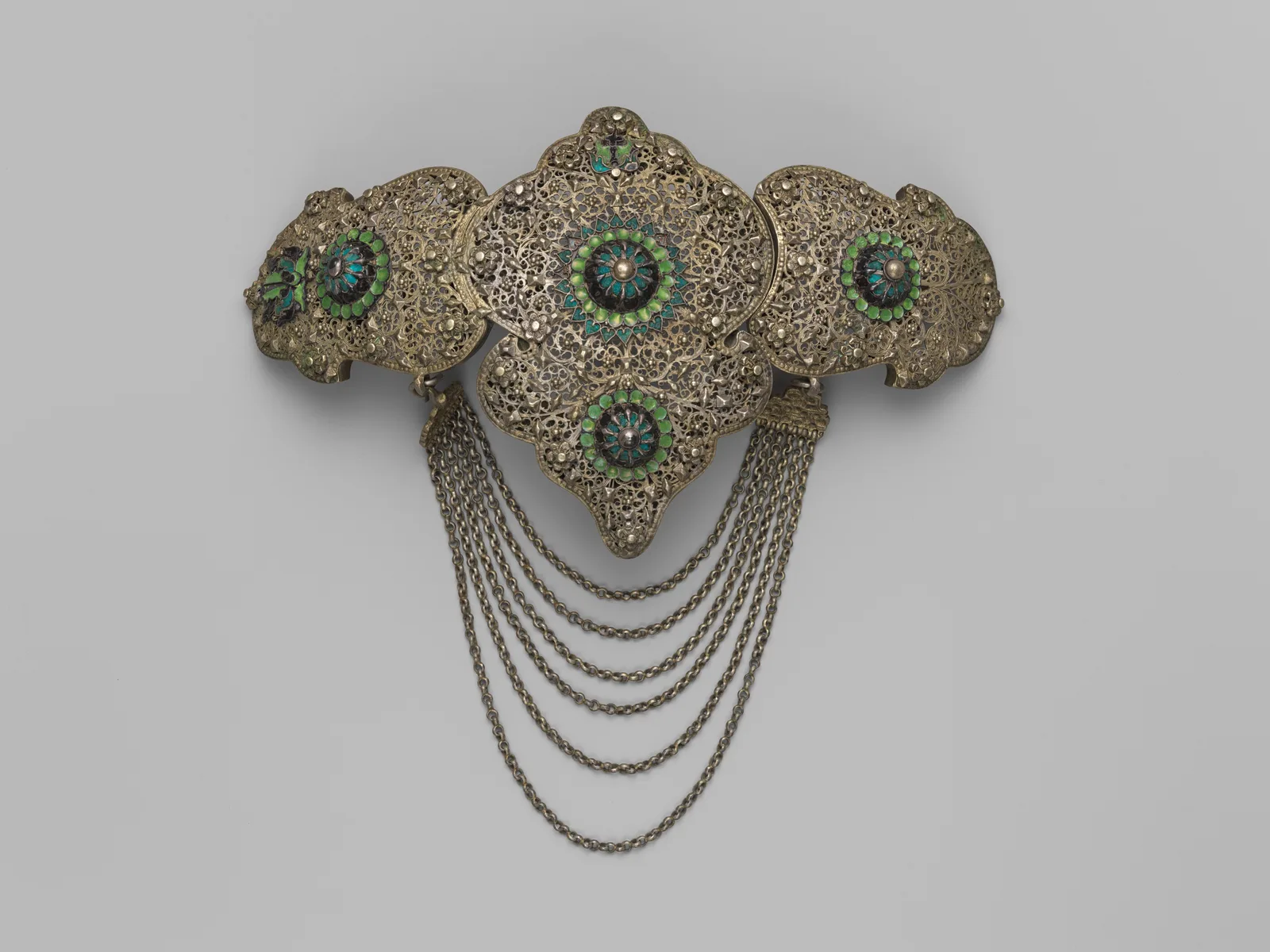
Telkari is the Turkish name for filigree, the art of weaving a pattern from the finest silver or gold wire. The master twists two threads into a cord, flattens it and lays out from this lace curls, spirals and flowers, then solders them into a single whole, sometimes without a solid background, so that the piece is translucent.
The main Turkish centre of telkari is the town of Midyat in the southeast of the country. Local masters bring the work to an incredible fineness, and the silver lace of Midyat travels across all of Turkey. Filigree gives a piece airiness and at the same time a deceptive strength: it looks fragile but holds up beautifully. This technique in general is described in detail in the guide on filigree, the wire technique.
Niello
Niello, a dark paste of an alloy of silver, copper, lead and sulphur, fills an engraved design. After polishing the pattern stays black and the background light, and a sharp graphic contrast results. Turkish masters decorated belts, cigarette cases, weapons and pendants with niello, turning smooth metal into something like an engraving. The technique is described in detail in the article on niello, blackened silver.
Granulation
Granulation is a pattern of tiny metal beads soldered onto the surface. Each drop of gold or silver is first melted into a bead, and then the master lays out from these beads an ornament: rows, triangles, rosettes. The technique is ancient, thousands of years old, and in Ottoman gold it gave a rich play of light, a fine grainy texture that shimmers as you move. Granulation often sits beside filigree: a frame of wire, with the knots and the centres of the flowers made of soldered beads.
Enamel
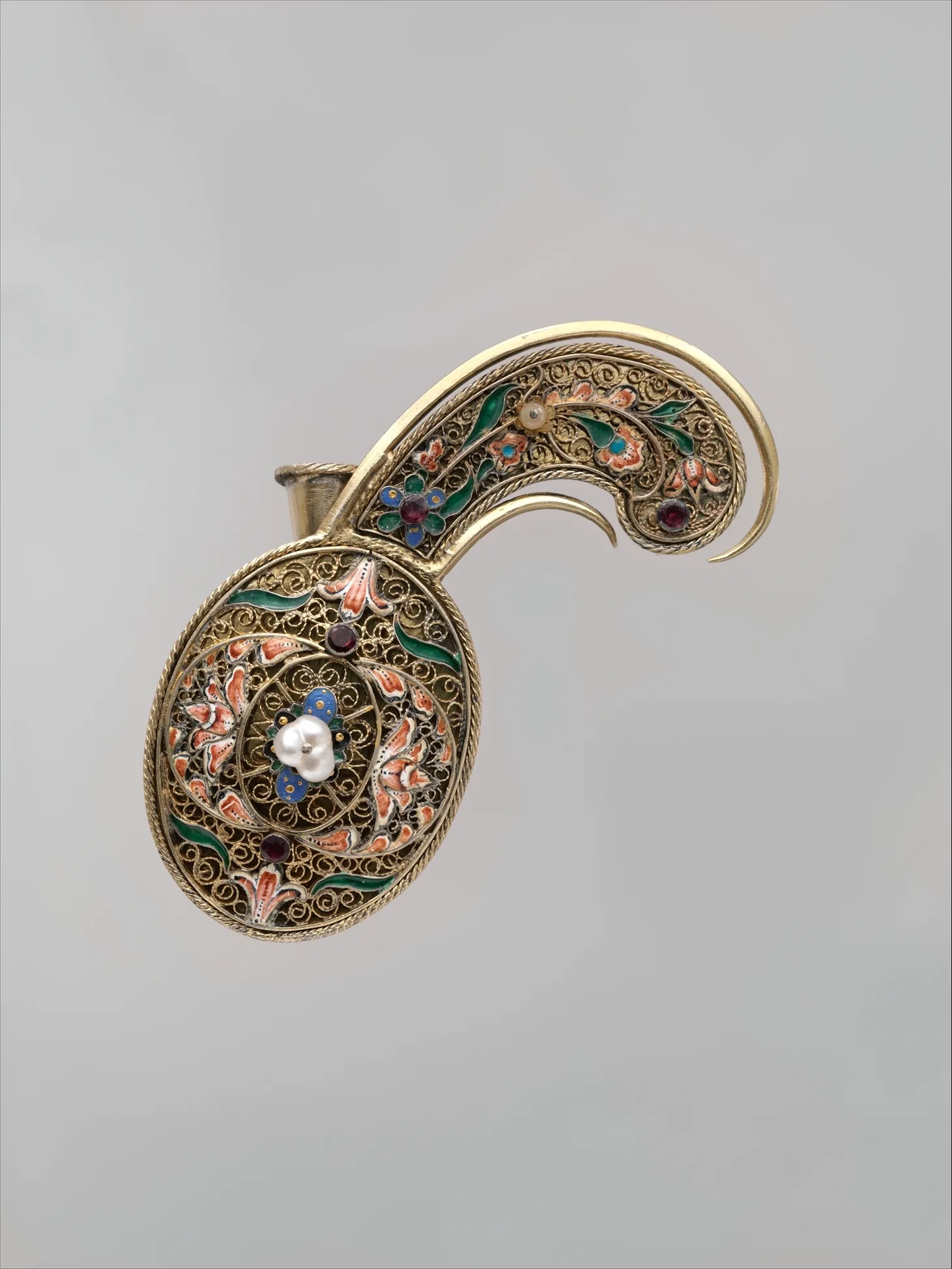
Enamel, coloured glass fused to metal in firing, came into Turkish art largely through Byzantium and Persia. Cloisonné enamel, where the colour is poured between thin metal walls, gave the same bright greens, blues and turquoises we see on Iznik tiles. Enamel turned austere gold into something festive and flowering, and it was especially loved in palace pieces. The kinds of enamel and how to care for it are covered in a separate piece on enamel jewellery care.
Repoussé and Inlay
Repoussé is metalwork with a small hammer and punches, where the relief is beaten out from the back or the front, and a flat sheet becomes a raised pattern. Turkish masters worked trays, belts, frames and composite ornaments this way. Beside it lived inlay, where gold and silver wire is driven into iron or steel, creating a design on a dark ground. This technique was especially prized on ceremonial weapons: a black blade painted in gold was the summit of mastery.




Kinds of Turkish Jewellery
The Turkish tradition has its own set of forms, and almost each has its own name and role in a person's life. Let us go through the main kinds.
Bilezik Gold Bracelets
The bilezik is a gold bracelet, and in Turkey it is perhaps the foremost savings-piece. Thin gold hoops, worn several at a time on the wrist, jingle as you move and are collected over years. They are given at a wedding, at the birth of a child, on holidays. A stack of bilezik on a woman's arm is a visible measure of a family's wellbeing, and at the same time her personal gold reserve, sold off one by one in need.
Coin Necklaces
Jewellery made of gold coins is a separate Turkish passion. Coins come in different weights, from small "quarters" to large ones, and from them are assembled pendants, brooches, necklaces and headpieces. A coin is convenient because its value is obvious and standard; it is gold in pure, easily judged form. At a wedding the bride is hung precisely with coins, and each is a concrete, measurable gift. A coin necklace is wealth that can be worn and, when needed, broken into change.
Rings
Turkish rings are varied: from plain wedding bands to complex puzzle rings, from massive men's signets to fine women's rings with turquoise and coloured stones. A special place belongs to rings with a tugra and rings with protective signs. Men's rings with a large stone, often carnelian or turquoise, were and remain a sign of status and dignity.
Earrings
Earrings in the Turkish tradition are often large, with pendants that swing and jingle. Chandelier earrings with several tiers are loved, along with filigree earrings, ones with coloured stones and pearls. Girls had their ears pierced early, and the first gold earrings were one of the first deposits into her future gold reserve. The jingle and shine of earrings as you move are part of the Turkish festive look.
Pendants and Charms
A separate large category is charm pendants: the nazar, the hand of Fatima, the crescent, the tugra, the tree of life. They are worn constantly, not only on holidays, because they have a task: to protect. Often such a pendant is given to a newborn or a young mother, and it accompanies the person for years. Here beauty and function meet most closely of all.
Belts, Brooches and Ceremonial Sets
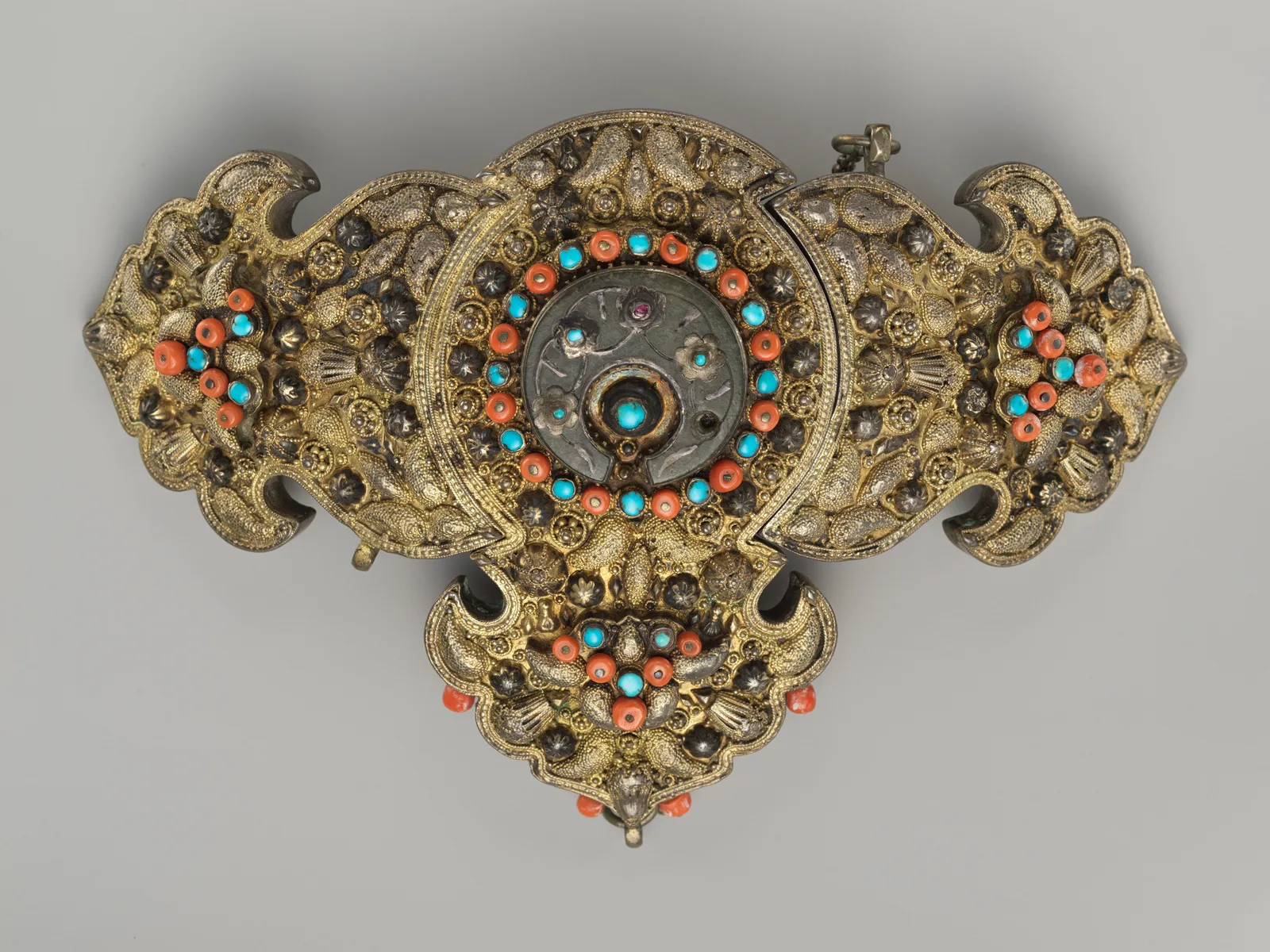
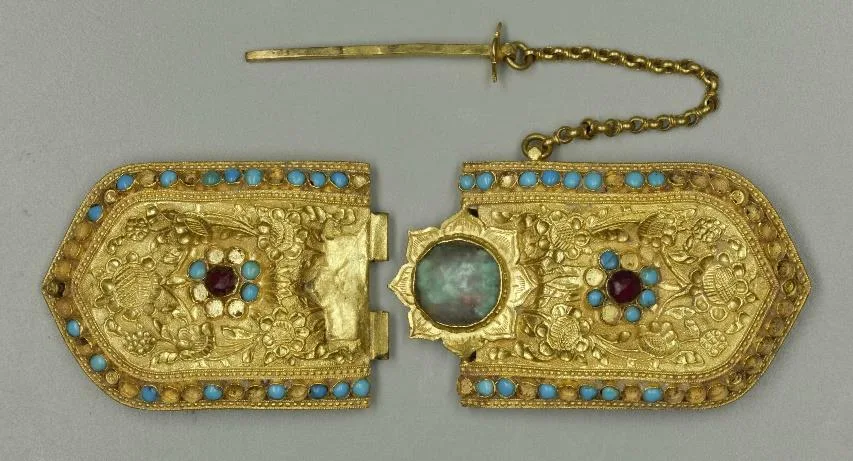
In the Ottoman tradition there were pieces that have almost left everyday use today but defined the ceremonial look of the past. A silver or gold belt with a massive clasp was an obligatory part of a woman's festive dress; it was decorated with filigree, niello and stones, and a good belt cost a whole fortune. A turban brooch, into which a feather and a large stone were set, marked out a man of rank. Noble families ordered whole sets, where earrings, necklace, bracelets and ring were made in a single style and given as one suite. These pieces are rarely worn now in their original form, but their shapes and patterns go on living in modern jewellery that quotes palace luxury at a lighter and more wearable scale.
Gold in Turkish Culture
Gold in Turkey is a cultural universe of its own, with its own rituals, festivities and rules. You cannot understand Turkish jewellery without this.
The Wedding and the Golden Rain
A Turkish wedding is the apotheosis of gold. The bride puts on a red sash across her shoulder, and the guests one after another pin their gifts onto her: coins, bracelets, pendants. The closer the relative and the higher the respect, the weightier the gift. By the end of the evening several kilograms of gold may hang on the bride, and all of it is her personal property. The groom too receives gold, usually in the form of coins pinned to a sash or lapel.
This custom works as mutual insurance: today you give gold at another's wedding, tomorrow it is returned to you at yours. So gold circulates between families, staying within the circle of the community.
Golden Days
"Golden days", in Turkish "altın günü", are women's gatherings at which each participant in turn receives gold from the rest. A group of friends or neighbours meets regularly, and at each meeting everyone chips in gold or money for one of them. Next time another receives. So over a round each manages both to give and to receive.
This is a folk form of saving and mutual aid, especially important for women who may have no income of their own. Gold here is at once a gift, savings, and a social tie that holds the community together.
Coin Gifts on Holidays
Gold coins in Turkey are customarily given at the chief events of life: the birth of a child, a boy's circumcision, the end of schooling, religious holidays. A small gold coin is a universal gift that will never lose value and that a child will keep, or that will go into their future gold reserve. Grandparents give their grandchildren coins, laying the foundation of their wellbeing from childhood.
Leave your email, we'll send your discount code. No spam, unsubscribe anytime.
The code arrives by email, valid on your first order.
Materials of Turkish Jewellery
Understanding the materials helps you judge what exactly is before you, and to tell the palace tradition from the bazaar, an antique from a modern piece.
Gold and Its Carats
Turkey loves high-carat yellow gold. Traditional jewellery gold here is often 22 carat, that is very pure, soft, of a warm rich colour. Such gold is closer to the pure metal and therefore more valuable by weight, though softer in wear. For everyday and sturdier pieces 18 and 14 carat are used too. The high carat is tied to gold's role as savings: the purer the metal, the clearer its value.
Silver
Silver in Turkey is the material of telkari filigree, niello and charms. From it are made the Midyat lace, nazar pendants, men's rings and belts. Standard jewellery silver is 925 sterling, a sturdy alloy fit for daily wear. Silver is cheaper than gold, and so it became the base of folk, affordable pieces, while gold remained the measure of wealth.
Stones and Insets
Turkish gold loves colour. Turquoise, carnelian, garnet, emerald, ruby, pearl, coral, coloured glass, all of it went into use. Turquoise, incidentally, is a word of French origin meaning "Turkish stone", because it reached Europe through Turkish lands. Turquoise was especially prized as a charm; it was believed to guard the rider and to darken, warning of trouble. Carnelian was loved for its warm colour and its tie to protection, and inscriptions were often carved on it.
Glass and Enamel
Blue glass is the material of the nazar, and without it the Turkish tradition cannot be imagined. Glassblowers melted blue eye beads for centuries, and this craft is alive to this day. Enamel, also glass but fused to metal, gave colour to costly pieces. Glass in a Turkish ornament is not a cheap substitute for stone but a tradition of its own with its own aesthetic and meaning.
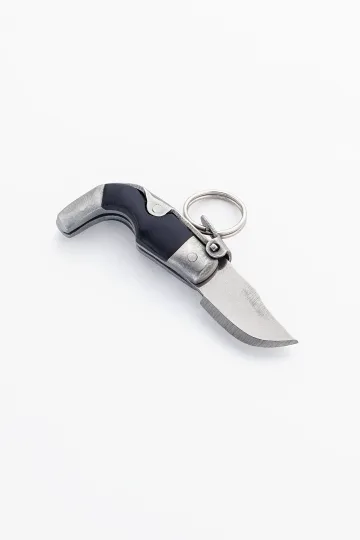
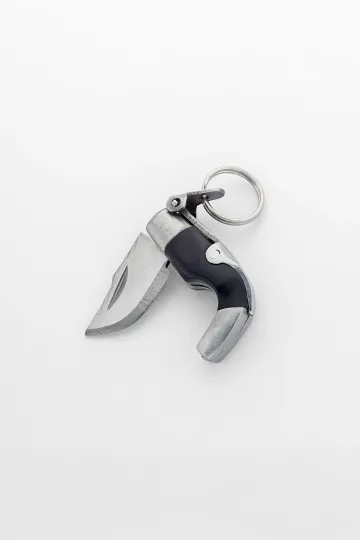
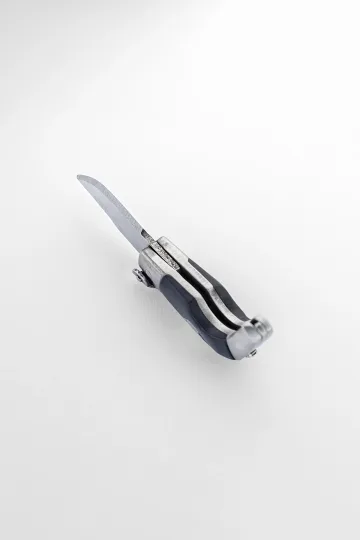
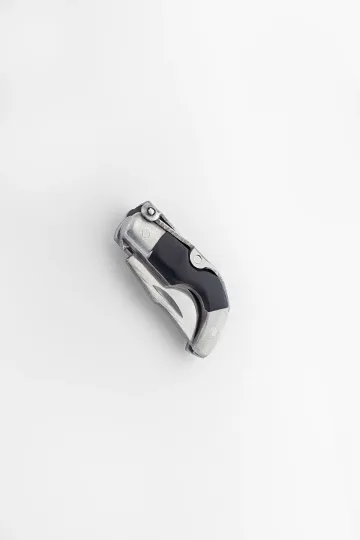
CAPAORA mini knife pendant
The 18th-century Spanish navaja in miniature: 40 mm of stainless steel, a real folding mechanism and a Palanquilla lock that clicks. An affordable gift to remember.
Authentic · Ships from Spain · 14-day returns
Turkish Gold in Art and Culture
Jewellery in Turkey lived both on people and in art, and the tradition is helped into focus by how artists, poets and the townspeople themselves saw it.
Portraits of Sultanas and Court Splendour
The Ottoman court loved to have its grandeur remain in colour. On ceremonial miniatures and later portraits, sultanas and harem favourites are shown in full array: heavy earrings, headpieces with pendants, turban brooches with enormous stones, strings of pearls. From these images you can see what the palace taste was and how tightly gold fitted into the image of power. Jewellery here is not a detail but part of the ceremonial costume, as obligatory as a sumptuous kaftan.
The Bazaar Scene Through European Eyes
When European travellers and artists began to visit Turkey, the bazaars and the women in gold astonished them. Scenes of the eastern market, the shops of money changers and jewellers, figures hung with gold became a favourite subject. These pictures, for all their romanticising, preserved an important truth: gold in Turkish life was everywhere, it shone on wrists, on necks, on foreheads, and was inseparable from the country's look in the eyes of guests.
The Carnation, Tulip and Rose in Poetry
Ottoman poetry quite literally bloomed. The tulip, rose, carnation and cypress were living plants and at the same time fixed images: the beloved is slender as a cypress, her cheek reddens like a rose, her mole is dark as a seed. The same images the poet wove into verse, the jeweller set into metal, and the gardener grew in the garden. Gold with a floral motif read to a contemporary like a line of a familiar poem, and in this unity of garden, word and metal lies the whole essence of Ottoman aesthetics.
The Hammam, Betrothal and Ritual
Jewellery was part of the rites. Before the wedding the bride was led to the hammam, and the trip to the bath was a celebration for which the best gold was put on. At the betrothal the groom's family gave the bride a ring and gold, sealing the agreement not with words but with metal. On the "henna night" women painted the bride's hands with henna and gave her jewellery. Every step toward the wedding was accompanied by gold, and it worked as a visible measure of the seriousness of intentions and of respect between the families.
Facts That Surprise
The tulip is a Turkish flower, not a Dutch one. It reached Europe from the Ottoman Empire, and the famous Dutch tulip mania began with bulbs brought from Istanbul. In Turkey itself there was a period of tulip cult that is called precisely that, the "Tulip Era".
The word "turquoise" means "Turkish stone". This blue mineral reached Europe through Turkish lands, and the French "turquoise" literally means "Turkish". Though it was more often mined in Persia, its name came from the trade road through Turkey.
Each sultan had a personal signature, the tugra, and forging it was punishable by death. The tugra was drawn by special court calligraphers; it stood on all state documents and was so complex that copying it exactly is almost impossible. Today the tugra is made with any name as a piece of jewellery.
The Turkish puzzle ring served, by legend, as a test of faithfulness. To take it off without knowing the secret meant to scatter it into parts, and only the initiated could reassemble it. The husband, on returning, supposedly understood from the ring's state whether it had been taken off.
At a Turkish wedding gold is hung on the bride, quite literally, by the kilogram. Coins and bracelets are pinned to a sash across the shoulder, and this is not adornment for show but her personal untouchable capital, which stays with her whatever happens.
A cracked nazar is a sign of luck, not of trouble. By belief, a burst bead took on itself the evil glance aimed at its owner and did its work. A broken nazar is not thrown away with regret but calmly replaced with a new one.
The best Turkish telkari filigree is made in one town in the southeast. Midyat grew famous for silver lace so fine that its pattern seems woven from cobweb, and the craft there is passed from generation to generation.
Send a friend a discount code, they save on their first order.
Frequently Asked Questions
How does Turkish jewellery differ from Arab jewellery?
The Turkish tradition grew from the meeting of Turkic steppe culture, Byzantium, Persia and the Arab world, and in it there is more symmetry, more floral motif and more large filigree. Arab gold more often emphasises calligraphy and dense solid ornament. Turkish gold is high-carat and warm, like Arab gold, but its set of symbols is its own: the nazar, the tugra, the tulip, the crescent, the puzzle ring.
Why is high-carat yellow gold so loved in Turkey?
Because gold there is adornment and savings at once. The higher the carat, the closer the metal to pure and the clearer its value by weight. Traditional Turkish gold is often 22 carat, very pure and richly yellow. It is bought as a form of storing money, so the high carat is prized, not the beauty of the piece alone.
What is a tugra, and can I order one with my name?
The tugra is the calligraphic monogram and signature of the Ottoman sultan, a complex weave of Arabic letters. Historically each sultan had his own. Today jewellers make tugras with the owner's name, turning the ancient form of the sultan's seal into a personal sign. The result is a piece that nods to imperial history and at the same time belongs to you alone.
Is the nazar a Turkish or a general Mediterranean symbol?
The fear of the evil eye and protection against it are spread across the whole Mediterranean and Near East, from Greece to the Levant. But it is precisely the blue glass eye bead that became the calling card of Turkey, where it is made, worn and hung everywhere. So the nazar is general in idea and Turkish in its most recognisable form.
What does a Turkish puzzle ring mean?
It is several interwoven bands that in their assembled state form a single whole, and that fall apart on careless removal. By legend such rings were given to wives as a test of faithfulness. Today it is a popular souvenir and a symbol of a union, strong while its parts are together. Only someone who knows the order of interweaving can reassemble a scattered ring.
What carat is the silver in Turkish jewellery?
Modern jewellery silver in Turkey is standard 925 sterling, a sturdy alloy for daily wear. From it are made telkari filigree, nazar pendants and men's rings. In old and bazaar pieces the standard may be lower, especially if the metal came from melted coins. Silver in Turkey is the material of folk pieces and charms, while gold remains the measure of wealth.
Can I wear Turkish jewellery if I am not from this culture?
Yes, if you treat it with understanding. Turkey traded gold and charms across the world for centuries, and this is part of its culture. Respect is knowing what the symbol you wear means, valuing the master's handwork and not turning a living tradition into cartoonish "exotica". A nazar, a tugra or filigree on a person of any culture looks natural if worn knowingly.
How do you care for Turkish gold and silver?
High-carat gold is soft, so it is kept from knocks and scratches and taken off for cleaning and sport. Silver darkens from air and skin, which is a natural patina; light blackening is removed with a soft cloth, but in the hollows of filigree it is often left for contrast. Enamel and stones like turquoise fear harsh chemicals and sharp blows, so pieces are taken off before a shower and stored separately.
Conclusion
Turkish jewellery is a rare case where beauty and calculation have grown together for good. A gold bracelet is adornment and savings. A pendant with an eye is jewellery and a shield. A coin necklace on a bride is festive shine and her personal capital for life. Behind this stands a long history: steppe nomads, the Topkapi Palace, the bazaars of Istanbul, Jewish and Armenian masters, Persian flowers and Arabic script, fused into one warm, dense, meaningful style. The nazar stares back at evil, the tugra keeps the memory of the empire, the tulip blooms as a symbol of perfection, and filigree weaves lace from wire. Turkish gold does not ask you to believe in magic. It simply does its work: it adorns, protects and saves, all at once.
Gold and silver, protective symbolism, charms, filigree and forms with a history.
Buying it as a gift? Each one arrives ready to give.
 A branded Zevira box and a little card come with every order.








About Zevira
Zevira is jewellery with meaning: gold, silver, protective symbols and forms with a history. We are drawn to traditions backed by a whole culture, from Mediterranean charms to Ottoman filigree, and we carry this language of signs into pieces that are easy to wear every day. If the theme of gold, silver and symbolism is close to you, you will find your own here.