Saint Christopher Medal: Meaning and Guide for Travellers
In 1969 the Vatican removed Saint Christopher from the universal Church calendar. Decades later his medal is still the best-selling religious medal in Europe, hanging on taxi mirrors from Naples to Munich and riding in the pockets of pilots. The saint was almost cancelled, and people simply disobeyed.
This is the story of why that happened. Where the giant who carried a child across a river came from. How he became patron of roads, drivers, pilgrims and sailors. Why in Catholic Spain, Italy and Bavaria he is worn by people who set foot in a church once a year. And why a silver disc with a bearded giant still gets tucked into the bag of anyone setting out.
Who is Saint Christopher and what his medal means
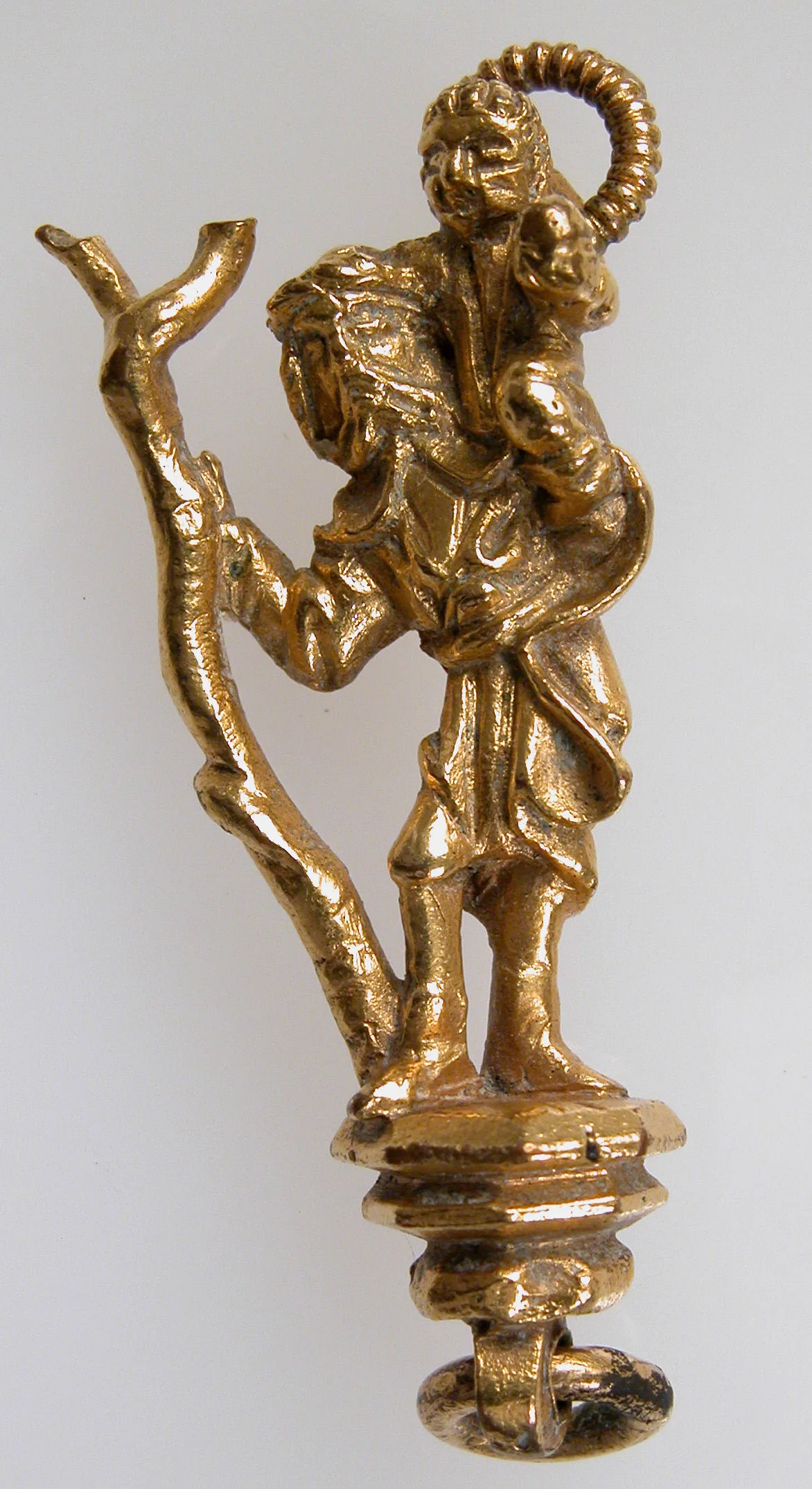
A Saint Christopher medal is a small round disc, most often in silver, steel or gold, showing a tall man carrying a child on his shoulder and leaning on a staff as he wades across a river. The rim usually carries an inscription in Latin: "Sanctus Christophorus", or a shorter "San Cristóbal" or "San Cristoforo" depending on the country. It is not jewellery in the pure sense, nor an icon in the strict one. It is a travel amulet with a specific address: people take it on the road.
What is depicted on the medal
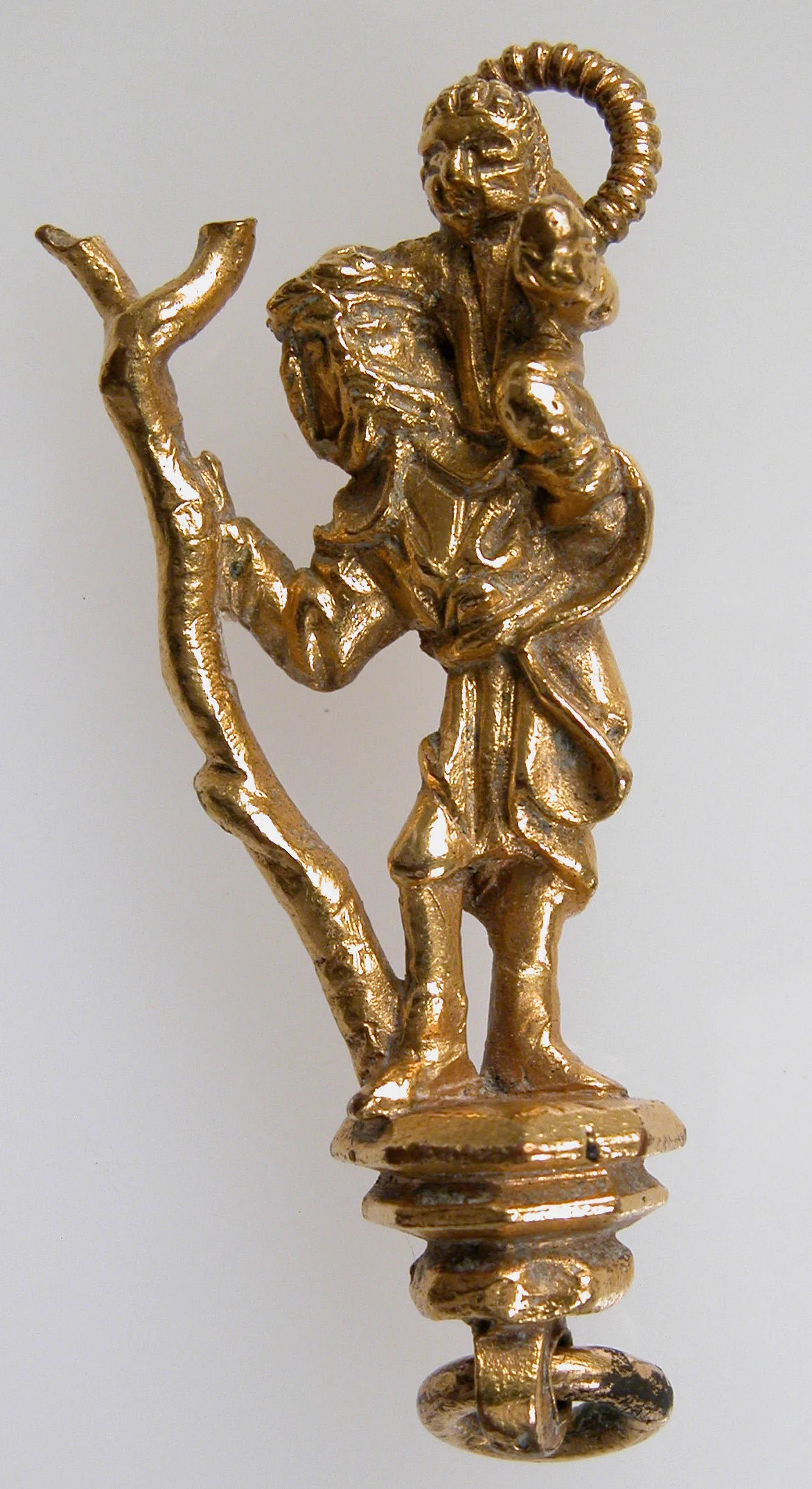
The scene is always the same, and it reads even without a caption. The giant stands waist-deep in water, bent under a weight. A child sits on his shoulder, sometimes with a hand raised in blessing, sometimes holding a small orb. In his other hand the giant grips a staff that, on many images, sprouts leaves. The water laps at his legs, the figure leans forward, the face is strained. The composition conveys effort, weight and movement through the elements. That is exactly why the image fits the theme of the road so precisely: a person crosses a dangerous place and carries his load through to the other side.
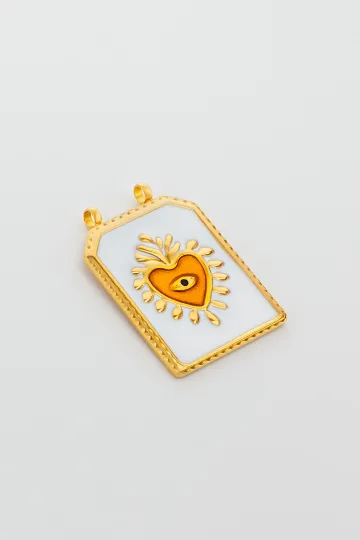
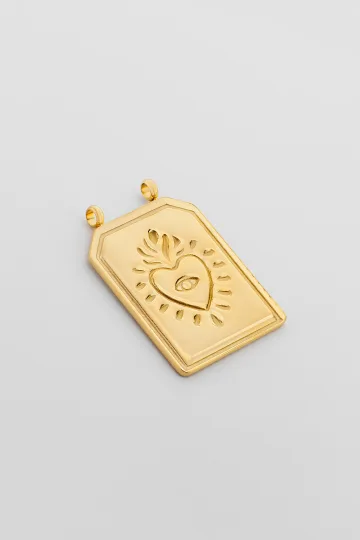
Wear the symbol, don't just read about it. These are in stock:

Why the name means "Christ-bearer"
The name Christopher is Greek in origin and is built from two roots: "Christos" and "pherein", meaning to carry. Literally it reads "Christ-bearer", the one who carries Christ. The name became the key to the most famous legend about the saint, in which the giant literally carries a child on his shoulder who turns out to be Christ. Scholars argue over whether the name was given at birth or arose later as a meaning-loaded nickname grown out of the legend. For popular devotion this never mattered. Name and story fused into one, and the medal still "works" precisely through that link between the word and the picture.
How the medal differs from a plain cross
A cross is the symbol of faith as such, the universal sign of Christianity, and it is not tied to a situation. The origins, styles and meanings of the cross are covered in detail in the cross necklace guide. The Saint Christopher medal works differently. It is a targeted amulet for a specific occasion: a journey, a move, a dangerous road. A cross is worn constantly as part of identity. Christopher is more often taken out precisely when people leave home for a long time, get behind the wheel, fly somewhere or send a loved one off to study or serve in another city. The difference is not in the material but in the purpose.
The legend of the giant who carried Christ
The most durable story about Saint Christopher comes down to us through the medieval collection of saints' lives, the Golden Legend, compiled by the Dominican Jacobus de Voragine around 1260. It was this version that shaped the entire iconography and made the saint so recognisable. The plot is so cinematic that it has held in popular memory for eight centuries without any official Church support.
The giant who sought the strongest master
The legend tells of a giant of enormous height and terrifying strength, named Reprobus, or Offero. He resolved to serve only the most powerful master in the world and no one else. First he entered the service of a mighty king. But he noticed that the king crossed himself at the mention of the devil, out of fear of him, and he understood that someone stronger existed. So the giant set off to find the devil.
The crossroads, the devil and the wayside cross
The giant found the devil and began to serve him as the strongest. But one day a cross stood by the road, and the devil swerved away in fear, unwilling to pass it. The giant asked what the matter was and learned that the devil feared Christ. So, he reasoned, Christ is stronger than the devil, and Christ is the one to serve. With that the giant set off to find Christ. The detail of the wayside cross that the devil himself fears was no accident in the tale of the patron of roads: the road, the crossroads and the choice are sewn into the very plot.
The hermit, the river and the crossing
The giant met a hermit who told him about Christ. When he asked how to serve such a master, the hermit suggested fasting and prayer, but neither was within the giant's reach. So the hermit found him a task fit to his size: at a violent river with no bridge, where travellers drowned, the giant was to carry people across on his shoulders from bank to bank. He built himself a hut, tore up a tree to use as a staff, and started work as a ferryman. The strength the giant had been so proud of turned into service to those weaker than himself.
The child heavier than the world
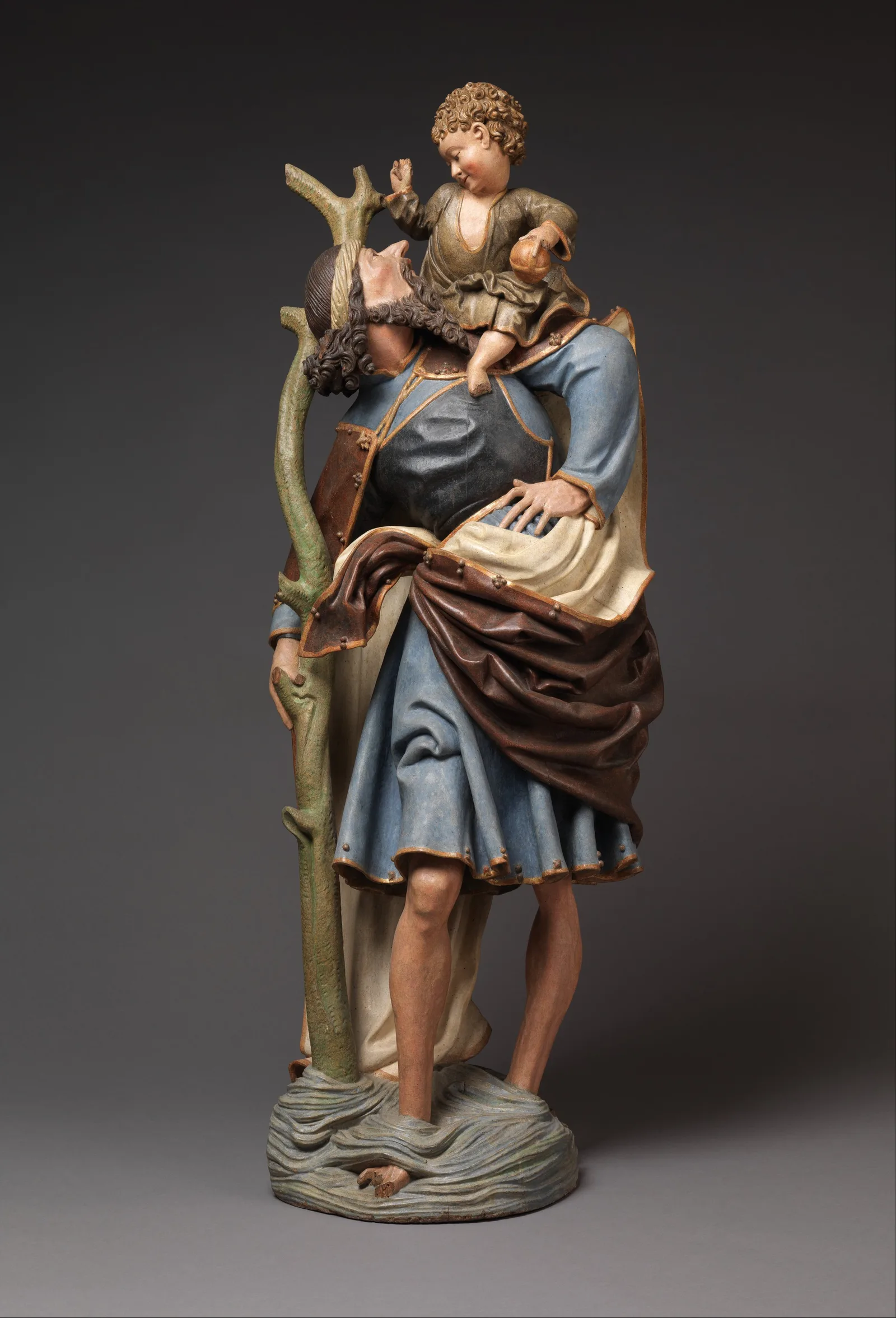
One night a child called to the giant and asked to be carried across the river. The giant set the boy on his shoulder and stepped into the water. With every step the burden grew heavier, the water rose, and the giant feared he would drown along with the child. On the far bank he said it had felt like carrying the whole world. The child answered that the giant had carried on his shoulders the one who made that world, and that he, Christ, was heavier than everything that exists. As proof he told the giant to plant his staff in the ground, and by morning the dry wood had bloomed and borne fruit. Hence the flowering staff on the images and the giant's new name: Christopher, the one who carries Christ.
Martyrdom and why the feast falls on 25 July
According to his life, after his baptism Christopher preached and converted many, for which he was seized under the Roman emperor Decius in the middle of the third century. They tried to execute him, but the arrows seemed not to touch him, and in the end the saint was beheaded. In the Western tradition the feast day settled on 25 July, and that date is still celebrated in many Catholic parishes and in towns named in his honour. A historical core behind the legend most likely exists: a martyr with a similar name was venerated already in the early Church. But the vivid details of the giant and the river are a medieval embellishment, not a court record of an interrogation.
A Christopher rides on the mirror or under a travel collar, never over black tie for show. He guards those who go, not those who pose.
How to wear a Saint Christopher medal
Over years of styling I put this disc on all kinds of people: a long-haul driver, a bride about to move abroad, a pilot. The Christopher medal plays by its own rules, sometimes jewellery, sometimes a quiet amulet in a pocket. Here is what actually works, by occasion.
How do I wear the medal every day? For daily wear I recommend a silver or steel disc on a medium chain over a tee or under a shirt. A light top lifts the metal, a dark one turns the medal into the accent. I suggest a length of 50 to 55 cm so the disc sits on the chest and the relief of the giant reads clearly. One medal on a clean chain always beats one squeezed between five pendants.
Is it right under a shirt and jacket? Yes. For a formal look I choose silver or matte gold and a length of 45 to 50 cm so the medal tucks under the top button. Under a jacket it reads as a personal detail, not a loud sign. A dress code is no obstacle here, the disc lives happily close to the body and gets in nobody's way.
What if it is a travel amulet, not jewellery? Then I suggest steel and wearing it out of sight: in a jacket pocket, a wallet compartment, on the car mirror. Steel does not tarnish, shrugs off water and cabin heat, and genuinely stays on for years. This medal travels with you and asks for no care, which on the road matters more than shine.
How do I choose a medal as a gift? I look at who receives it. For a sailor or a trucker I recommend sturdy steel or dense silver that survives daily wear. For memory and for an heirloom I choose gold with the date or coordinates engraved on the back. The reverse is almost always smooth, and that space is worth using for a personal message.
What do I pair it with and who does it suit? It suits anyone who likes pieces with meaning rather than a shiny pile. It sits well next to a cross: a cross is worn all the time, Christopher is taken on the road, and together they do not compete. In layers, give the medal its own line of length so it does not tangle with other pendants. Warm skin loves gold, cool skin loves silver, and steel suits everyone.

Turn on your camera, pick earrings, a pendant or a ring, and see the piece on yourself in real time.
Switch items in one tap.
Everything runs in your browser: no photo or video is ever uploaded.
Upload a photo of your pet, someone you love, or an object. We'll build a 3D model and hand-cast it in pewter.
History of the cult: from the early Church to medieval roads
To understand why the medal is still packed for a journey, it helps to trace how devotion to the saint changed over the centuries. This is not a straight line but several distinct eras, each with its own logic.
Early evidence and the East
The earliest traces of devotion to Christopher date to the fifth century. In Asia Minor and the Christian East his name appears in church dedications and early martyrologies long before the Golden Legend. In the East the image had its own, very different iconography: there Christopher was sometimes shown with the head of a dog, and behind that lies a chain of translation muddles and legends about "dog-headed peoples" from distant lands whom the saint supposedly baptised. The Western tradition barely picked this motif up and went instead down the path of the giant ferryman.
Medieval flourishing and frescoes at the church entrance
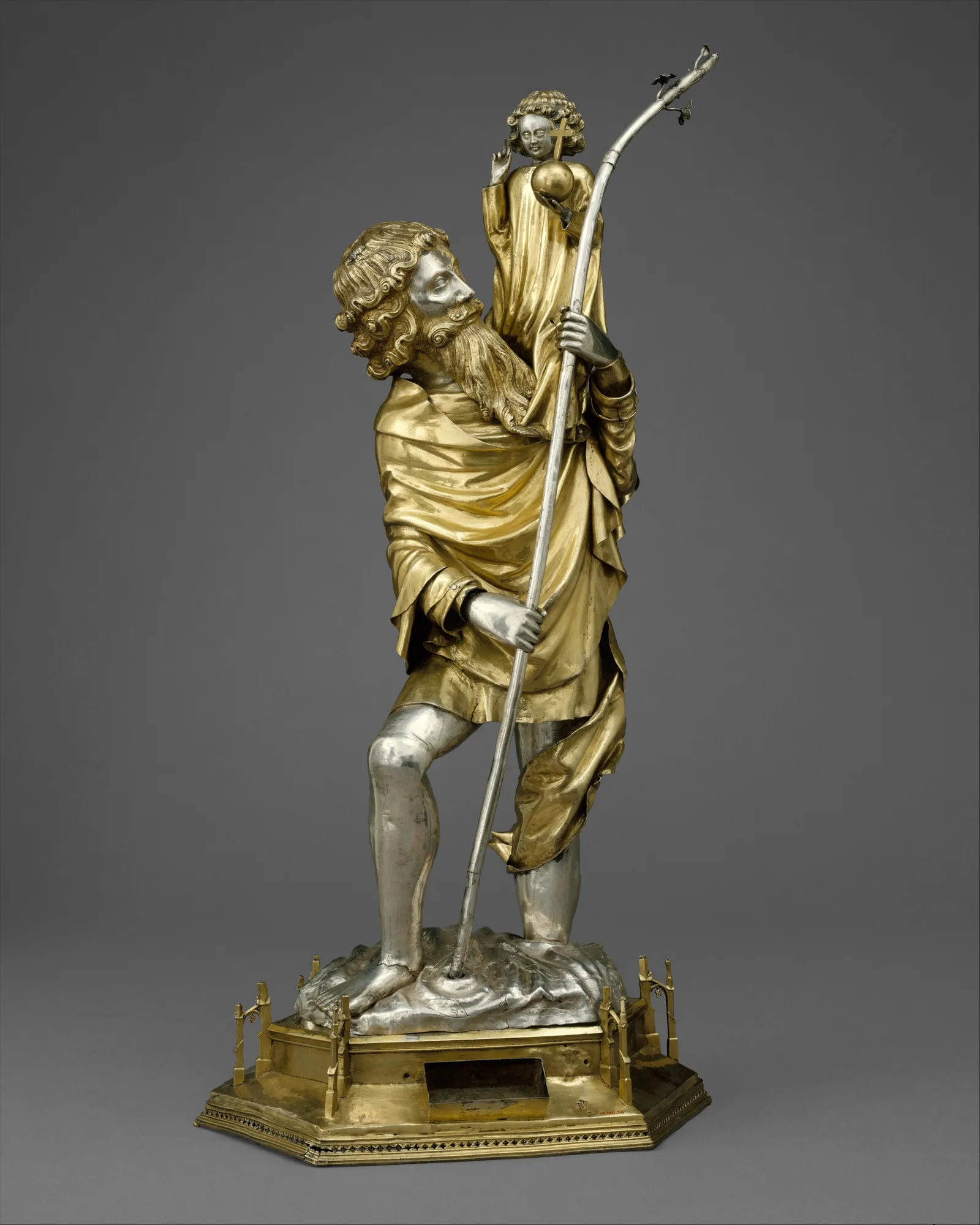
The real explosion of popularity came in the late Middle Ages, especially after the Golden Legend spread. A folk belief was born: whoever saw an image of Saint Christopher that day would not die a sudden death or perish on the road. Because of this, huge frescoes of the giant were painted right at the entrance to churches and on outer walls, so the image would be visible from afar to any passer-by, even one not going inside. These murals, several metres tall, survive at cathedral doors across Europe to this day. The logic was simple: glance at the saint along the road, and the day would be safe.
Patron against sudden death
In the Middle Ages, where illness, robbers and accidents on the road were ordinary, the fear of dying unconfessed, suddenly and far from home, ran very deep. Christopher became the chief protector against exactly that kind of death. He was counted among the most venerated helpers in time of need. Here lies the root of all the later "road" specialisation: first protection from sudden death in general, then a narrowing down to protecting the wanderer, the pilgrim and the traveller.
Customer reviews
Zevira is a real jewellery shop. Genuine payments, deliveries and customer thank-yous.
🥰🥰🥰 gracias
Ok, ¡gracias! 🙂
Why he is patron of travellers, drivers and pilgrims
From a general protector against sudden death, Saint Christopher gradually turned into the patron of everyone on the road. The logic unfolded naturally, and each new era added its own audience.
Wayfarers, wanderers and pilgrims
The first charges were those already on the road constantly: pilgrims, merchants, wandering monks. The image of the giant ferryman fitted their lives perfectly. Christopher had himself been a ferryman, carrying people across dangerous water, and asking him for protection on a journey came naturally. Pilgrims wore a medal or a badge with his image as they set out for distant shrines. The theme of the road as a spiritual route runs close to the whole symbolism of travel in jewellery, which is why the compass rose as a symbol of finding your own way sits in the same family.
Drivers and the automobile age
In the twentieth century the saint gained a new and unexpected flock: motorists. As cars became mass-produced and crashes frequent, the old patron of roads got a second life. People began hanging the Christopher medal on the rear-view mirror, on the dashboard, fixing it to the instrument panel. Special car medals and stickers appeared. In Catholic countries blessing the car and fitting such a medal became a common thing. So the ancient river ferryman moved into the cabin of the car without any contradiction at all: the essence stayed the same, protection for the one in motion.
Sailors, pilots and all who cross the elements
The logic of "crossing dangerous water" made Christopher close to sailors too. The sea has its own protective symbols, a whole layer of which is covered in the ocean symbols in jewellery guide, yet Christopher, land-bound by origin, fitted neatly into the theme through the motif of the river and the elements. Later pilots and the whole air fleet turned to him: aircrews often carry the medal with them. Spaceflight added a curious detail, covered in the section on surprising facts. The common denominator is one: wherever a dangerous space is crossed, the patron of the crossing belongs.
Why "motion" and not "place"
It is worth singling out the main difference between Christopher and the patron saints of cities or trades. Those are tied to a place or an occupation. Christopher is tied to the state of motion. He is the protector not of a region or a profession in the narrow sense, but of the very fact of moving from one point to another. That is why his audience is so broad: the long-haul trucker, the tourist, the pilgrim, the sailor, the pilot, the person starting a new job in another city. What unites them is not a profession but the simple fact that they are all on the road.



Catholic countries: Spain, Italy, Bavaria
The cult of Saint Christopher lives differently from country to country, and local traditions add depth to the image. In three regions he is especially deeply rooted.
Spain: San Cristóbal and drivers' fiestas
In Spain the saint is known as San Cristóbal, and on 25 July many towns hold festivals linked to transport and the road. Taxi drivers and motorists decorate their cars, hold processions and bless the vehicles. The country has countless churches and chapels dedicated to San Cristóbal, and the medal is seen as a natural gift for someone often behind the wheel or heading far away. Spanish culture is generous with protective symbols for loved ones in general, and that cultural backdrop is described well in the material on amulets: the full guide to protection amulets and talismans helps to see how Christopher fits into that wider row.
Italy: San Cristoforo and the taxi mirror
In Italy San Cristoforo is an almost compulsory resident of the dashboard. A small image on a sucker by the windscreen, a medal on the mirror chain, a sticker on the dash: these turn up everywhere, especially in the south. Many Italian towns and quarters keep him as their patron and hold processions on 25 July. For an Italian the Christopher medal is often less about deep faith and more about family habit and respect for tradition: his father did it, he does it, and his son will drive off with the medal when he gets his licence.
Bavaria and German-speaking lands
In Catholic Bavaria and Austria devotion to Saint Christopher is also very much alive. Wayside chapels and large images of the saint are common here, including those medieval frescoes at the entrances of churches. The Alpine pass and mountain resort of St. Christoph am Arlberg is named directly after him, as a place that guards travellers in the mountains. The German tradition of the car medal and the blessing of vehicles took hold here too: on the feast day many parishes bless cars and bicycles.
Latin America and beyond Europe
Through Spanish and Portuguese colonisation the cult of San Cristóbal spread across Latin America, where he remains one of the most popular patrons of drivers. Cities and districts carry his name from Mexico to Venezuela. This explains why the Christopher medal is understood by a huge number of people far beyond Europe, and why it remains a sought-after travel gift in the most varied cultures.
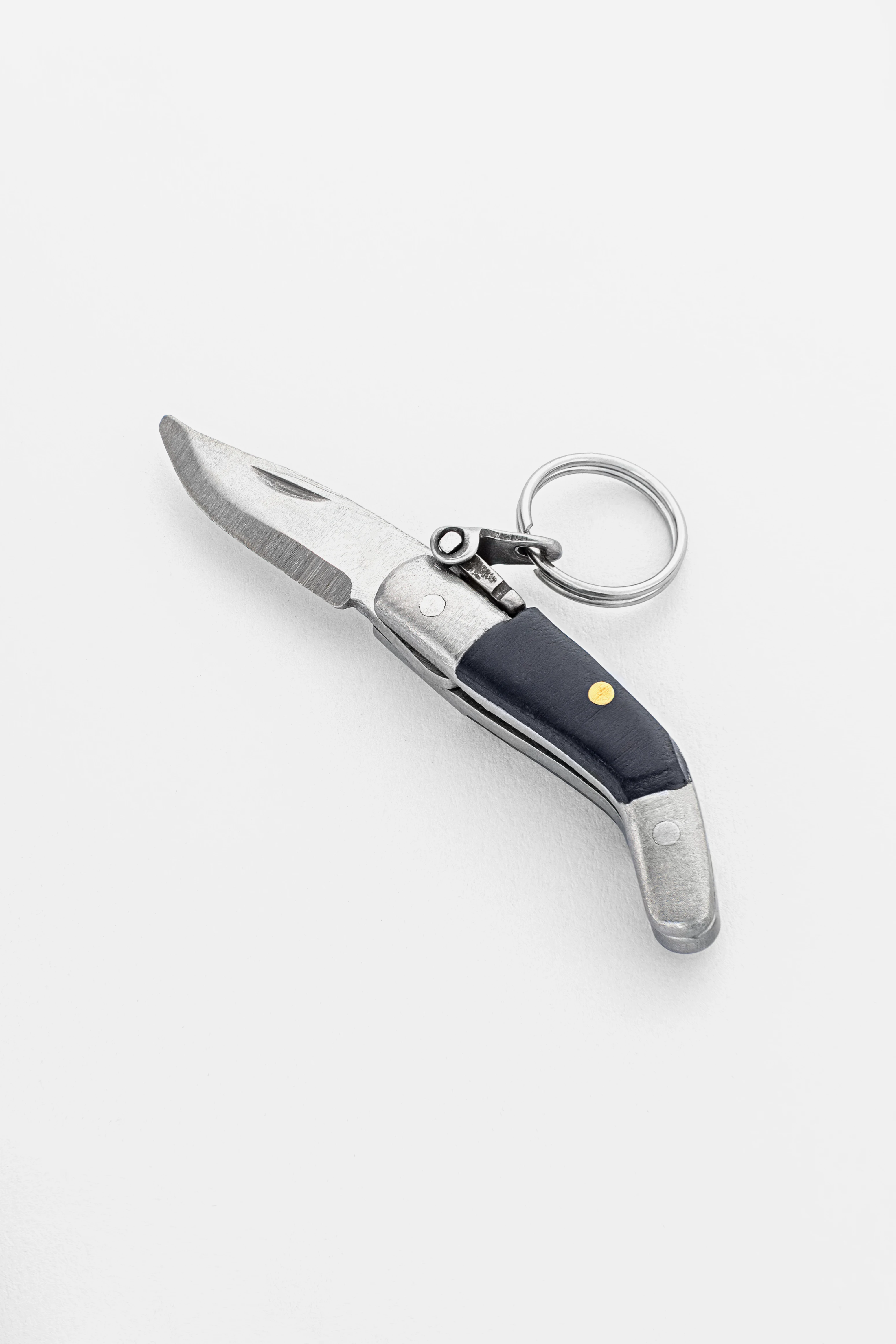
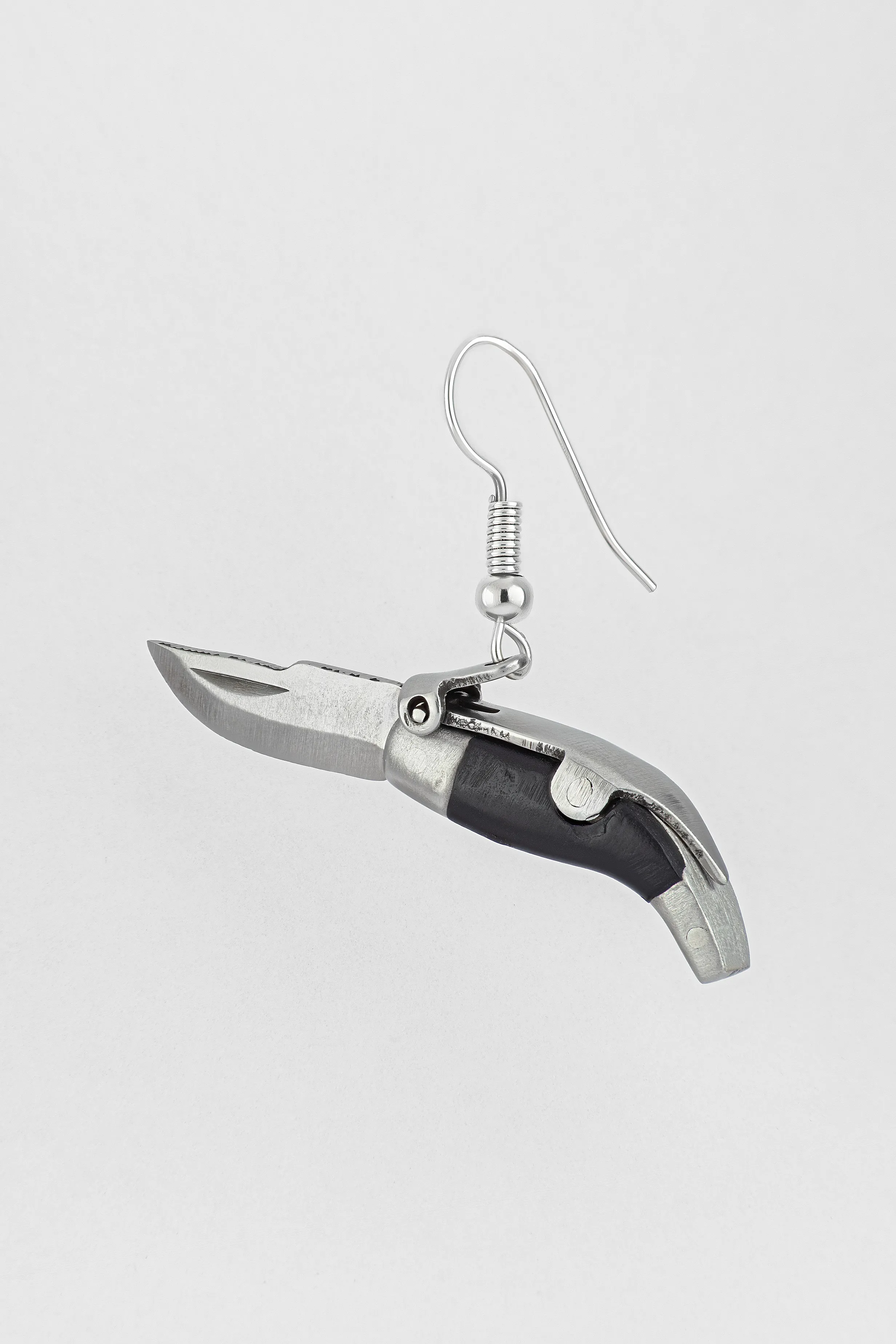
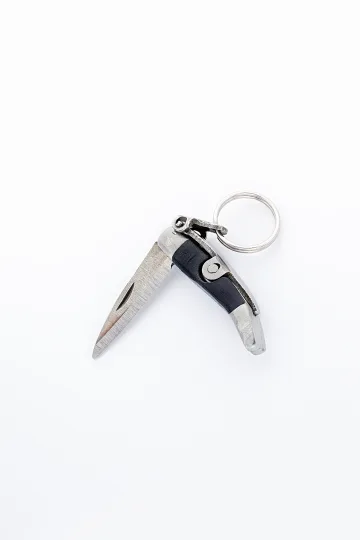
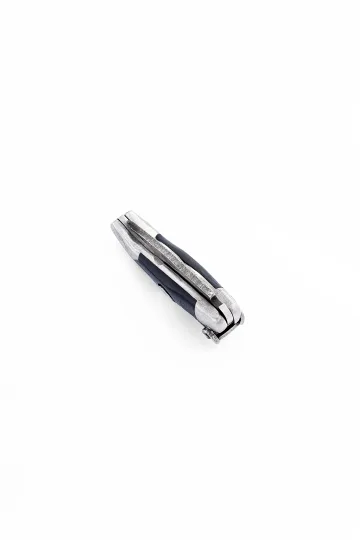
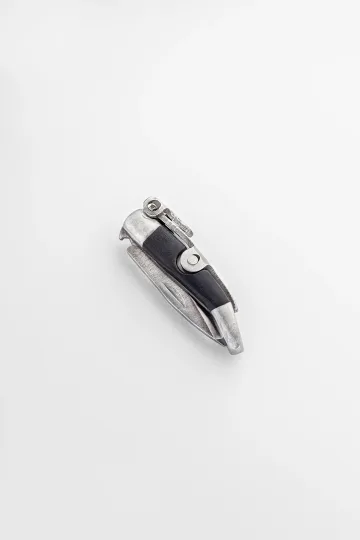
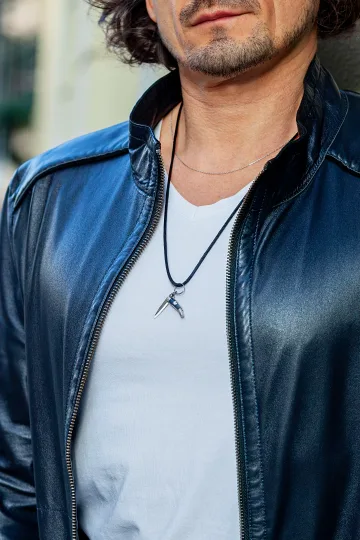
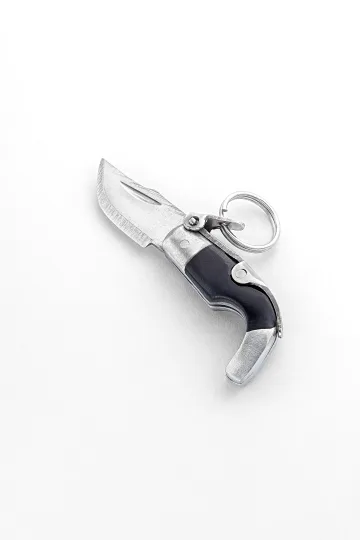
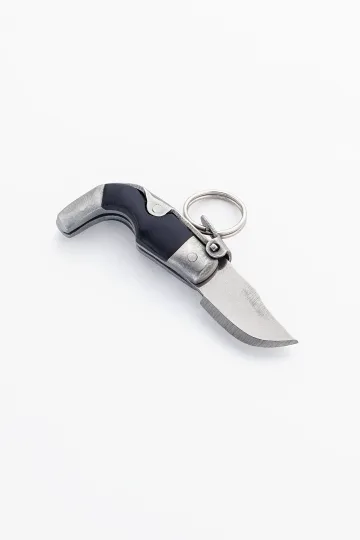
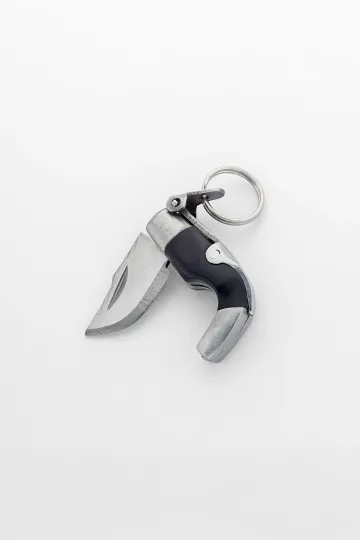
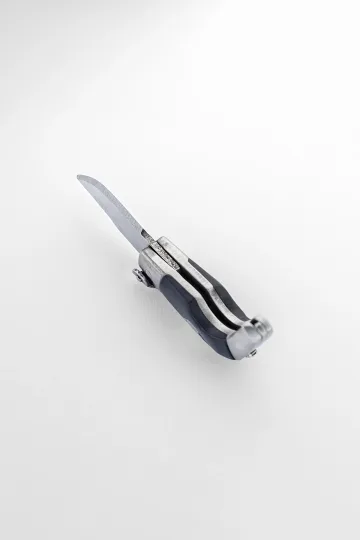
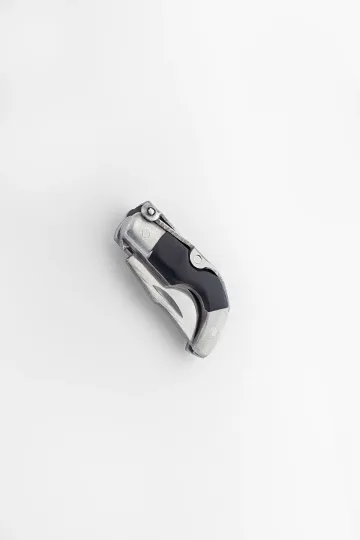
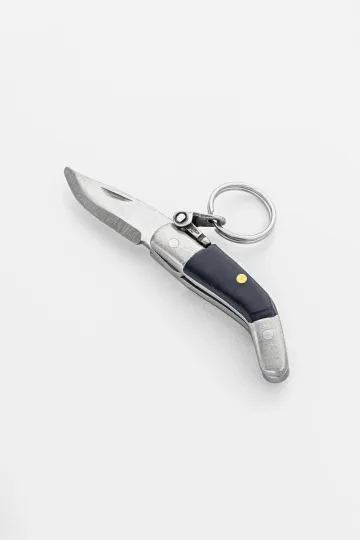
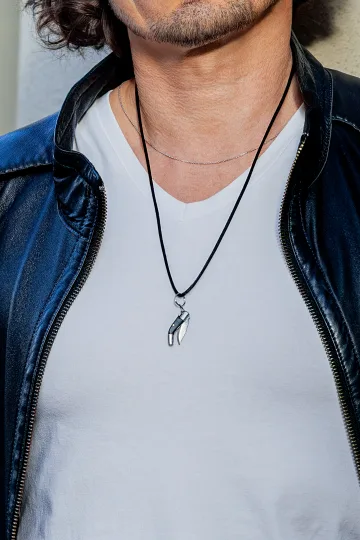
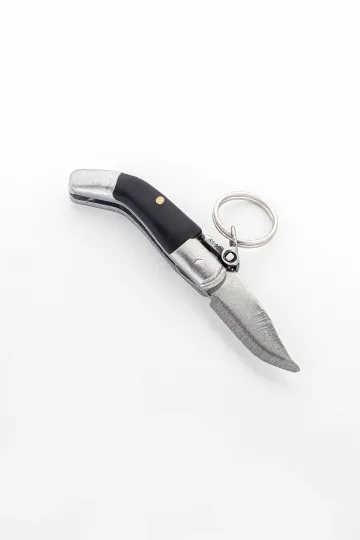
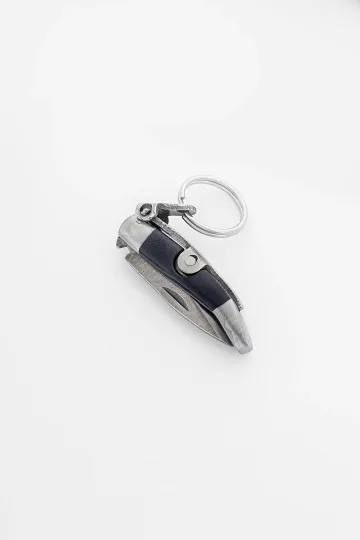
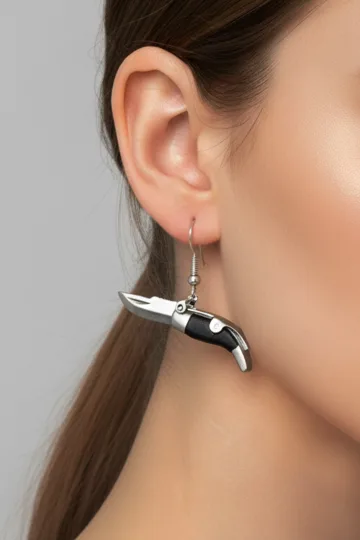
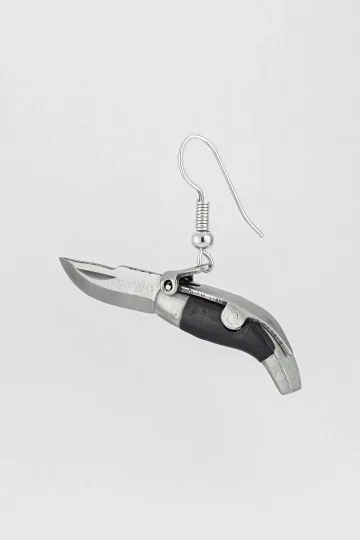
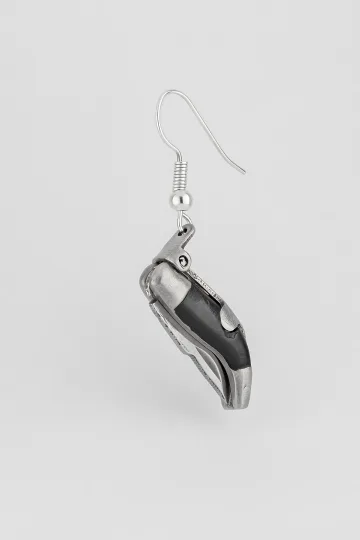
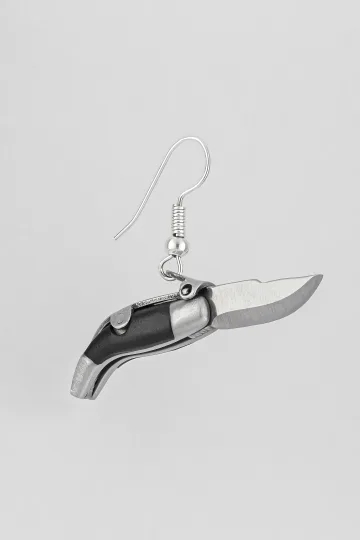
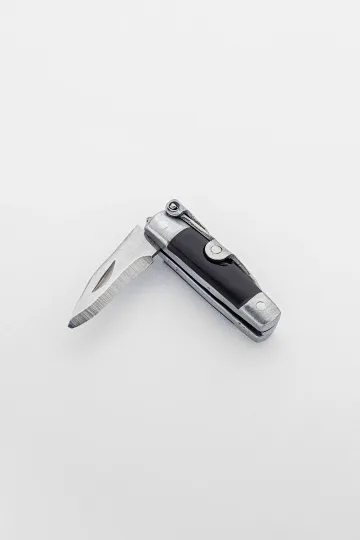
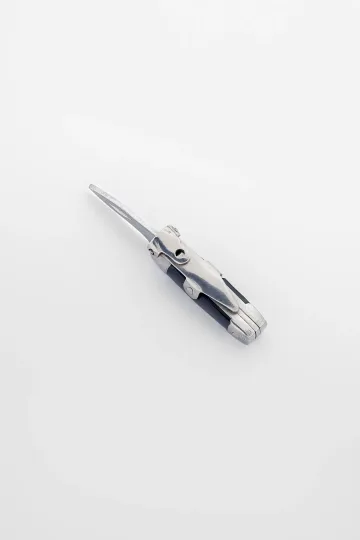
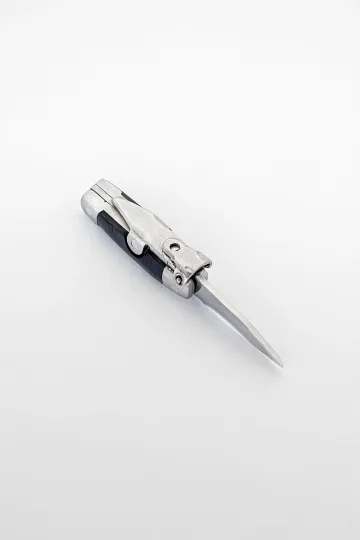
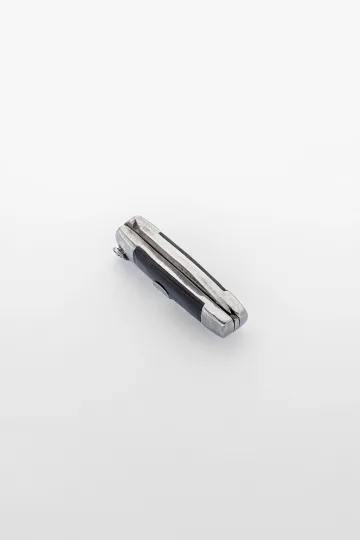
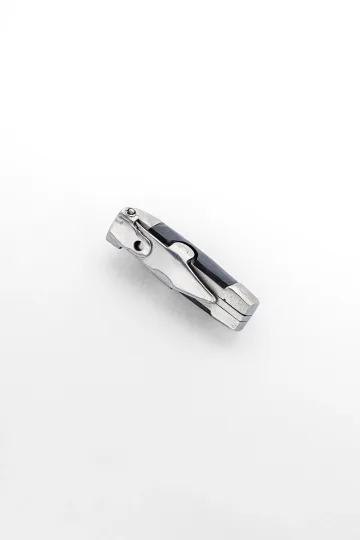
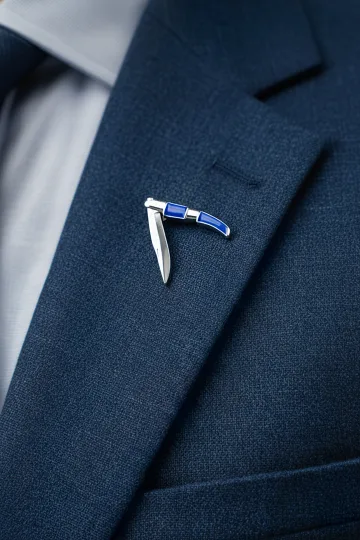
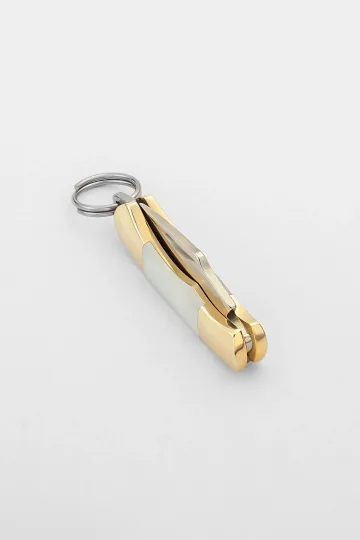
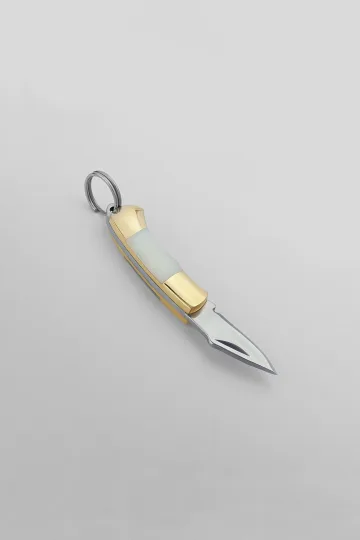
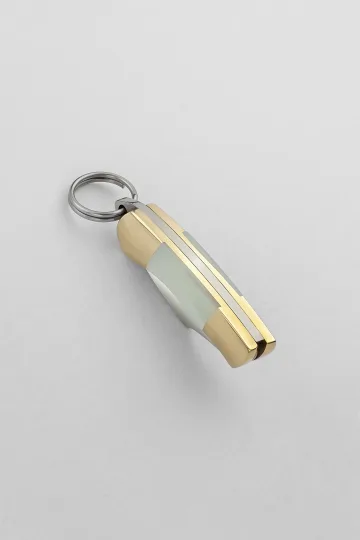
CAPAORA mini knife pendant
The 18th-century Spanish navaja in miniature: 40 mm of stainless steel, a real folding mechanism and a Palanquilla lock that clicks. An affordable gift to remember.
Authentic · Ships from Spain · 14-day returns
The 1969 decanonisation: what actually happened
The main myth about Saint Christopher goes like this: "the Vatican cancelled the saint because he was not real." That is a simplification that distorts the truth. Let us sort out what really happened, because it is exactly this story that explains why the medal never disappeared.
A calendar reform, not "cancelling a saint"
In 1969, during the general reform of the liturgical calendar, a number of saints whose lives rested on a weak historical basis, or whose veneration was purely local, were removed from the General Roman Calendar. Christopher was among them. The key phrase here is "general obligatory calendar". The saint was not declared non-existent, nor was his veneration forbidden. His memory was moved into the category of local and optional, left to the discretion of individual parishes and countries. Many of them calmly carry on celebrating it on 25 July.
Why historians doubted the life-story
The reason was that the vivid legend of the giant and the river has no early historical confirmation and took shape many centuries after the saint's supposed life. The Church never questioned the existence of an early martyr named Christopher: sources from the fifth century mention him. What came into question was precisely the fairy-tale biography of the giant ferryman, which grew out of the Golden Legend and popular imagination. Distinguishing a historical core from a late legend is normal scholarship, not abolition.
Why the medal is still worn
And here is the paradox. The reform, which was meant to dim the devotion, changed essentially nothing in everyday life. The Saint Christopher medal hung on mirrors then, and it hangs there still. There are several reasons. First, for most of those who wear it this is not a strict theological act but a living tradition and a family habit. Second, the image is simply too good in itself: a clear story and a powerful metaphor of care and of crossing over. Third, the "protection on the road" specialisation stayed unreplaced, and no one else took the role. People voted with their feet and kept the saint. Today the Christopher medal is a rare case where grassroots culture proved more durable than an administrative decision handed down from above.
What the medal is made of: silver, steel, gold
The material of the medal determines its look, its durability and who it suits as a gift. Let us go through the main options one by one, because each has its own logic.
Sterling silver 925
Silver is the classic for religious medals and the golden mean of price and appearance. It gives a noble, cool shine, holds fine relief well, and the figure of the giant and the rim inscription read clearly on it. Sterling silver 925 is an alloy of 92.5 per cent pure silver, sturdy enough for daily wear. Over time it can darken, but that is easily fixed, and many people even like it: tarnish in the recesses of the relief emphasises the design. For a deeper look at the metal there is a separate full guide to silver 925. A silver medal suits men and women alike, as a gift and as a piece for oneself.
Stainless steel
Steel is the choice for those who want the medal as a working travel amulet rather than as jewellery. It barely scratches, does not tarnish, and fears neither water, sweat nor sun; it survives the sea and the gym. For a trucker, a sailor, a biker or anyone in manual work, steel is often more practical than silver. There is one drawback: steel conveys fine relief worse and looks plainer, without the depth of shine a precious metal gives. In return it is the most low-maintenance option of all, the kind people genuinely wear for years without taking it off.
Gold and gold plating
A gold medal belongs to the level of a family heirloom and a status gift. Yellow gold is traditionally associated with religious medals and looks good on warm skin tones. White gold gives a restrained, modern look. Gold does not tarnish, and with care it outlives several generations, which matters for something meant to be handed down. A more affordable alternative is quality gold plating over silver, which gives the look of gold for less, though it needs care so the coating lasts. The difference between solid gold and plating is laid out in detail in the guide to gold-plated versus solid gold.
Enamel, blackening and patina
Over the base metal the medal is often given a finish. Blackening and patina fill the recesses dark, making the figure of the giant contrasty and readable and lending the image the look of an old object. Coloured enamel is rarer and usually appears on more decorative versions, adding the blue of the water or the colour of a robe. These touches do not change the essence of the amulet, but they do shape its character: a patinated medal looks restrained and masculine, an enamelled one brighter and dressier.
Leave your email, we'll send your discount code. No spam, unsubscribe anytime.
The code arrives by email, valid on your first order.
Who is given a Saint Christopher medal
This medal is one of the most "targeted" gifts: it is almost always given for a specific occasion connected with a journey or a transition. Let us go through the main situations one by one.
To someone setting off on a long journey
The most direct occasion is a long trip, an expedition, a far journey, a move to study or work in another city or country. In that case the medal says without words: "come back whole." It is a parting gift, tucked into the bag before departure. If a loved one is leaving to build a life in a new place, the theme of the road gains the theme of a new beginning, and here the jewellery gift for a traveller material helps to find the right tone for the message.
On passing the driving test
A very common occasion, and well beyond Catholic countries, is a first driving licence. The Christopher medal is given along with the keys to a first car, or straight after the exam, as a wish for a safe road. For parents it is a way of letting a growing child take the wheel with something more than worry: not "be careful a hundred times" but a small amulet riding along. Such a gift is at once a practical sign of trust and an emotional gesture.
On moving and emigration
When a person changes country or city for good, the medal works as a symbol of transition and connection. It reminds them that a path, even a hard one, can be crossed, just as the giant crossed the river with an impossible load. It is a delicate gift: it does not press or dramatise, but it acknowledges that moving is a serious threshold. It pairs well with an engraved date or the coordinates of home.
To a sailor, pilot, trucker
For those whose road is a profession, the Christopher medal is especially clear. A sailor, a pilot, a long-haul driver, a train driver, a motorcycle courier spend half their life on the road, and the patron of motion is no abstraction for them. Here it is better to give durable steel or silver that will stand up to constant wear and working conditions. This is a gift for a colleague, a father, a partner who knows the road not as a holiday but as a daily reality.
To yourself, before your own big journey
There is no need to wait for the medal as a gift. Many people buy it for themselves before an important trip, a move, the start of a new stage. There is nothing naive in that: it is a way to mark a threshold, to give yourself a small anchor of stability in a moment of change. Buying an amulet for yourself is a form of self-care, no worse than a gift from someone close.
Surprising facts
So much that is unusual has gathered around Saint Christopher that these details deserve a section of their own. Not all of them are widely known, and many change how you look at the familiar medal.
The saint flew in space
Despite his formal decanonisation, a Saint Christopher medal featured in the space age. The patron of travellers logically ended up among the things taken along on the most extreme journeys in history. For a cult built around protection on the road, leaving the planet was simply the far edge of the same idea: there is nowhere further to go, and so the patron of the crossing is needed all the more.
The dog-headed Christopher of the East
In the Christian East, Saint Christopher was for centuries depicted with the head of a dog. Behind this lies a chain of legends about "dog-headed peoples" from distant barbarian lands whom the saint supposedly baptised, together with a translation muddle between similar Latin words. Western iconography rejected the motif, but cynocephalic, that is, dog-headed, icons of Christopher really do exist and are prized today by collectors and icon scholars as a rarity.
The flowering staff on every medal
A detail many people miss: the staff in the giant's hand on classic images is not a stick but a branch that puts out leaves and fruit. It is a direct reference to the miracle in the legend, where the dry wood bloomed after the crossing. Look closely at a good medal and there is almost always a hint of foliage on the staff. It is a small clue set into the metal, distinguishing an authentic image from a random figure with a stick.
Giant frescoes at the entrance to save the passer-by
The medieval belief that a single glance at an image of Christopher guarded against sudden death that day gave rise to a whole genre of architectural gigantism. Across Europe the saint was painted several metres tall right on outer walls and at church doors, so the passer-by could not fail to notice him. The surviving murals still astonish by their size: this was, in effect, medieval roadside advertising for divine protection.
Names of cities and passes worldwide
The saint's name is scattered across the map of the world more thickly than it seems. San Cristóbal, San Cristoforo, Sankt Christoph, Saint Christopher: dozens of towns, islands, Alpine passes and hotels are named after him precisely as places tied to crossing and to protecting the traveller. Wherever there was a hard road, a pass or a crossing, his name was readily placed as a promise of safe passage.
One of the Fourteen Holy Helpers
In medieval Europe Christopher belonged to a special group of saints turned to in extreme need, the so-called Fourteen Holy Helpers. Each of them "covered" a particular misfortune: illness, childbirth, storm. Christopher covered sudden death and the danger of the road. This explains why his cult was so massive: he stood in the front row of the ordinary person's heavenly emergency service.
Caring for the medal
For the amulet to last and stay readable, it needs care suited to its material. The rules are simple, but they differ from metal to metal.
Silver: how to restore the shine
A silver medal darkens over time from the air and from contact with skin, which is normal and reversible. A soft silver polishing cloth restores the shine in a couple of minutes. Heavy tarnish is removed with a special paste or solution, but carefully: deep patina in the recesses of the relief is better left in place, as it makes the figure of the giant more expressive. Detailed home methods are set out in the guide to cleaning jewellery at home. It is best to store silver in a closed pouch to slow the tarnishing.
Steel and gold: minimal fuss
Stainless steel needs almost no care: it is enough to wipe off dirt and sweat, rinse it with warm soapy water if you wish, and dry it. Gold does not tarnish; it needs only an occasional gentle clean with warm water and drying, to remove grease and bring back the shine. Plating is rubbed especially gently, with no abrasives or hard brushes, otherwise the thin layer of gold can be worn through to the base.
What to avoid on the road
Since the medal is so often on the move, it helps to remember the metal's enemies: sea water and chlorinated water, perfume and creams, knocks against hard things in a pocket shared with keys. Silver and plating are best taken off before the sea and the pool. Steel is the most resistant of all here, which is exactly why it is chosen for the toughest conditions. If the medal hangs in the car, summer heat in the cabin does no harm to gold or steel, but cheap plating can dull faster in the sun.
Buying it as a gift? Each one arrives ready to give.
 A branded Zevira box and a little card come with every order.




Comparison with other road and protective symbols
Saint Christopher is not the only amulet of the road, and it helps to understand how he differs from his neighbours on the theme. That makes for a more deliberate choice.
Christopher and the cross
A cross is a universal sign of faith and identity, worn constantly and regardless of situation. Christopher is a targeted travel amulet for a specific occasion. They do not compete but often sit side by side: a person may wear a cross every day and take the Christopher medal specifically on the road. The full comparison of the cross's styles and meanings is gathered in the cross necklace guide.
Christopher and the compass rose or compass
The compass rose and the compass are secular symbols of the road and of finding direction, with no religious load. They suit those drawn to the idea of the journey but not to Christian imagery. Christopher carries the same theme of motion, but through a concrete protector and a legend. The choice between them is essentially a choice between secular and religious language for one idea, and both are covered in the compass rose material.
Christopher and universal amulets
The nazar, the hamsa, the horseshoe and other universal amulets protect against misfortune in general, with no specialisation in the road. Christopher is narrower by theme but deeper by story: a whole history and a specific address stand behind him. If a general protective talisman is wanted, it makes more sense to look towards the full guide to protection amulets and talismans. If protection is wanted specifically on the road, Christopher has no equal for hitting the theme.
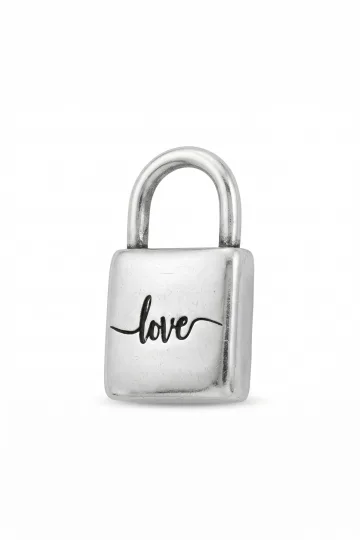
Christopher and the silver locket
It is worth separating the Christopher medal from a locket, which opens and holds a photo or a lock of hair. These are different things with different functions: the locket is about memory and loved ones, the Christopher medal is about protection on the road. They are easily confused by the word "medallion", but they are built and worn differently, and the opening locket has its own silver locket guide.
Send a friend a discount code, they save on their first order.
Frequently asked questions
Can a non-believer wear a Saint Christopher medal?
Yes. A huge share of those who wear this medal treat it as a cultural tradition and a parting amulet, not as a strict religious symbol. The medal requires no rites and obliges no practice. For many it is simply a beautiful and meaningful sign of care for someone who is on the road.
Was Saint Christopher really cancelled in 1969?
No, that is a simplification. In 1969 his memory was removed from the general obligatory Church calendar because of the weak historical basis of the vivid legend, but his veneration was not forbidden and he did not stop being a saint. His memory was moved into the local and optional category, and many parishes calmly celebrate it on 25 July. A full breakdown is in the decanonisation section above.
Which is better for a travel amulet: silver or steel?
It depends on the conditions. Silver is prettier, conveys the figure's relief better, and is well suited as a gift and as jewellery. Steel is more practical for tough conditions: the sea, the gym, physical work, constant wear without taking it off. For the car and an active lifestyle people often choose steel; for a gift and for wearing on the neck, silver.
On which side of the medal is the saint depicted?
Usually the figure of the giant with the child and the staff is placed on the front, with the inscription of the saint's name running around the rim in Latin or the local language. The reverse is often smooth and used for engraving: a name, a date, coordinates or a short wish. This makes the medal handy as a personal gift.
Is a Saint Christopher medal given for a driving licence and a move?
Yes, those are among the most common occasions. The medal is given on a first driving licence, on leaving to study or work, on moving and emigration. The meaning is always the same: a wish for a safe road and a safe transition into a new life.
Where in the car should the medal go?
Traditionally on a chain or ribbon on the rear-view mirror, or fixed to the dashboard or windscreen. The main thing is that it does not block the view or distract. For the car the handy options are durable steel versions or special car medals with a mount, which shrug off the heat and cold inside the cabin.
Can the medal be passed down as an heirloom?
Yes, and this is one of its most valuable functions. A gold or silver medal easily outlives several generations and often passes from parents to children together with its story: whose road it has already guarded. Engraving on the reverse strengthens this heirloom effect.
How much does a good Saint Christopher medal cost?
There is no point in naming a figure, because the range is enormous. A simple steel medal is the level of a couple of cups of coffee; solid silver with good relief is already the segment of a pleasant personal gift; and a gold heirloom medal with engraving is an investment at the level of a significant event such as a graduation or a coming of age. Go by the material and the occasion, not by the lowest price.
Wear the symbol, don't just read about it. These are in stock:
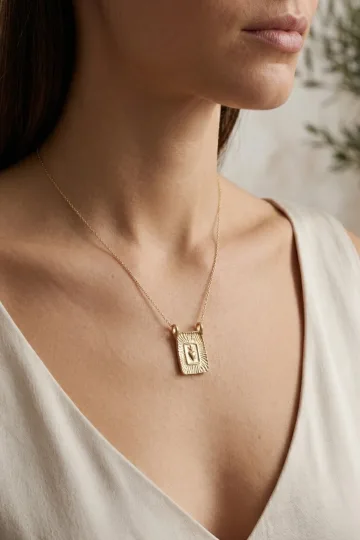
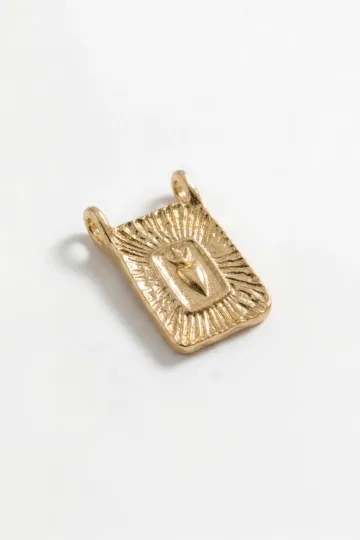
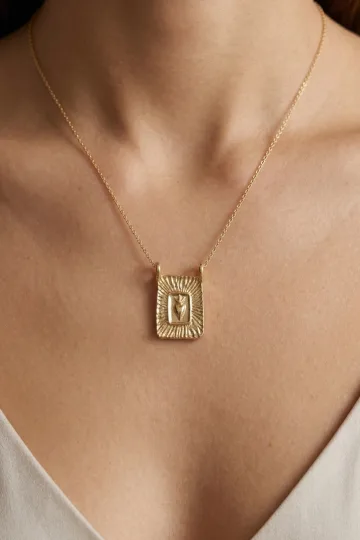
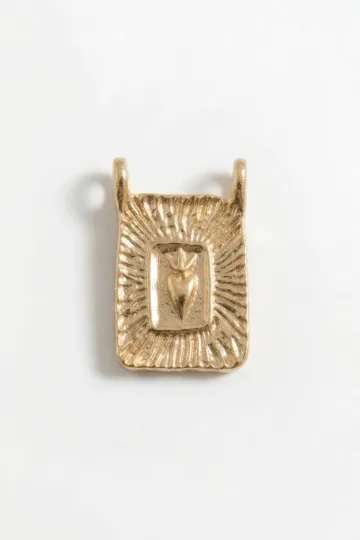
Conclusion
Saint Christopher survived what few do: he was almost removed from the official calendar, and the people simply would not let him go. The reason is that the image answers an eternal human need so precisely. Each of us, now and then, crosses a river of our own: we move, we leave, we get behind the wheel, we send a loved one off. And each of us wants a small sign that the crossing will end well.
The medal with the bearded giant carrying a child through rough water is exactly that sign. It demands no faith by prescription and presses no worry on anyone. It says something simple and strong: you are not alone on the road, and a heavy load can be carried all the way home. That is why the silver disc with the Latin inscription still rides in bags, hangs on mirrors and passes from parents to children. The road will not end while there is someone to ferry across it.
The Saint Christopher medal in our range is sterling silver 925 and steel with a crisp relief of the giant ferryman, with room for engraving on the reverse. A good gift for a journey, for a driving licence, for a move, or for yourself before a big road ahead.
Wear the symbol, don't just read about it. These are in stock:









About Zevira
Zevira makes jewellery with character and meaning, not shiny objects for the sake of shine. We make amulets, symbols and medals in sterling silver 925, steel and gold, with attention to relief, to history and to the option of engraving. Each piece is made to be worn every day and passed on. If you need something that means something to a particular person and occasion, we help you find it.