The Norse Pantheon: the Gods of Asgard in Jewellery
The gods of Asgard knew they would die. Norse myth gives the universe an end date: Ragnarok, the final battle in which Odin, Thor and almost everyone else fall. The whole of northern symbolism grew out of that doom: the hammer, the rune, the knot of the slain. People wear it not for eternal protection but for steadiness in the face of the inevitable.
Every god has his own sign: an object, a beast or a rune that names him without a caption. Thor's hammer, Odin's ravens, Freyja's cats, the valknut of fallen warriors. These signs outlived belief in the gods themselves and return today in pendants, rings and earrings. You pick not a picture but a character: strength, wisdom, love or cunning.
Who the gods of Asgard are
Asgard is the heavenly fortress of the gods in Norse mythology, one of nine worlds hanging from the branches of the world tree Yggdrasil. There live the Aesir, the chief generation of gods led by Odin. If the Greek Olympus is a mountain, Asgard is a walled city behind high ramparts built on blood and cunning, with golden halls such as Valhalla, where the bravest warriors go after death.
The northern gods fall into two kindreds. The Aesir are gods of war, power, sky and law: Odin, Thor, Tyr, Heimdall, Baldr. The Vanir are gods of fertility, sea, love and wealth: Njord, Freyr and Freyja. Long ago the Aesir and the Vanir went to war, then made peace and exchanged hostages, which is why Freyja and Freyr live among the Aesir. This division matters: it explains why the goddess of love, Freyja, is also a warrior who claims half of the slain.
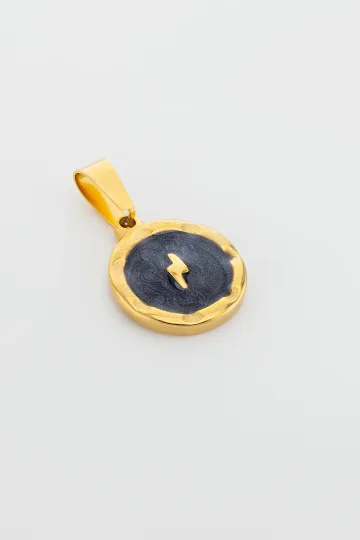
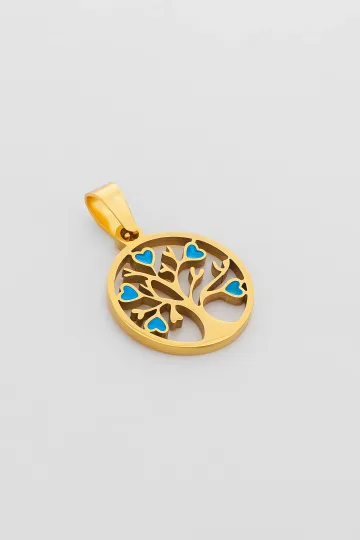
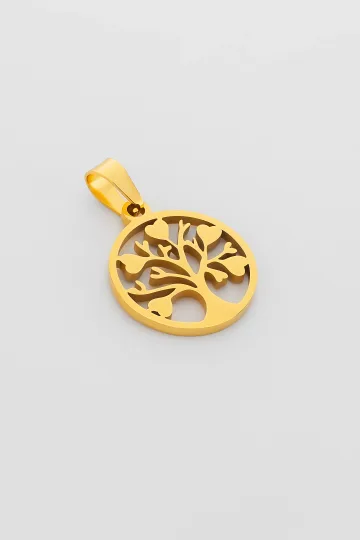
Wear the symbol, don't just read about it. These are in stock:



How the northern gods differed from the Greek
The main difference is fate. The Greek gods are immortal and live forever; the northern ones know they are doomed. A prophecy of Ragnarok, the doom of the gods, hangs over Asgard, and they live with that knowledge. Hence the character of Norse myth: grimness, valour, a readiness to fight even knowing the battle is lost. The gods here are neither flawless nor all-powerful; without Idunn's apples of youth they grow old, they err, they quarrel, and in the end they fall shoulder to shoulder with mortals.
Yggdrasil and the nine worlds
The whole northern universe rests on the ash Yggdrasil, the world tree. Its roots and branches bind the nine worlds together: Asgard of the gods, Midgard of humans, Jotunheim of the giants, Hel the realm of the dead, Alfheim of the light elves, Svartalfheim of the dark, Vanaheim of the Vanir, Muspelheim of fire and Niflheim of ice. The gossiping squirrel Ratatoskr darts up and down the trunk, the dragon Nidhogg gnaws at the roots, and a wise eagle sits at the top. The tree is both a map of creation and its nerve: while Yggdrasil stands, the world stands.
How we know any of this at all
Norse mythology reached us mainly through two Icelandic texts of the thirteenth century: the Poetic Edda, a collection of ancient songs, and the Prose Edda, written by Snorri Sturluson as a handbook for poets. They were set down in the Christian era, centuries after the beliefs themselves, so much survives only in fragments. Archaeology fills in the picture: hammer amulets, runestones and Viking Age grave finds tell what the texts do not.
The Norse gods in jewellery: a history
The northern pantheon did not arrive in jewellery recently. It was there from the start, when amulet and ornament meant the same thing and faith was worn directly on the body.
Amulets of the Viking Age
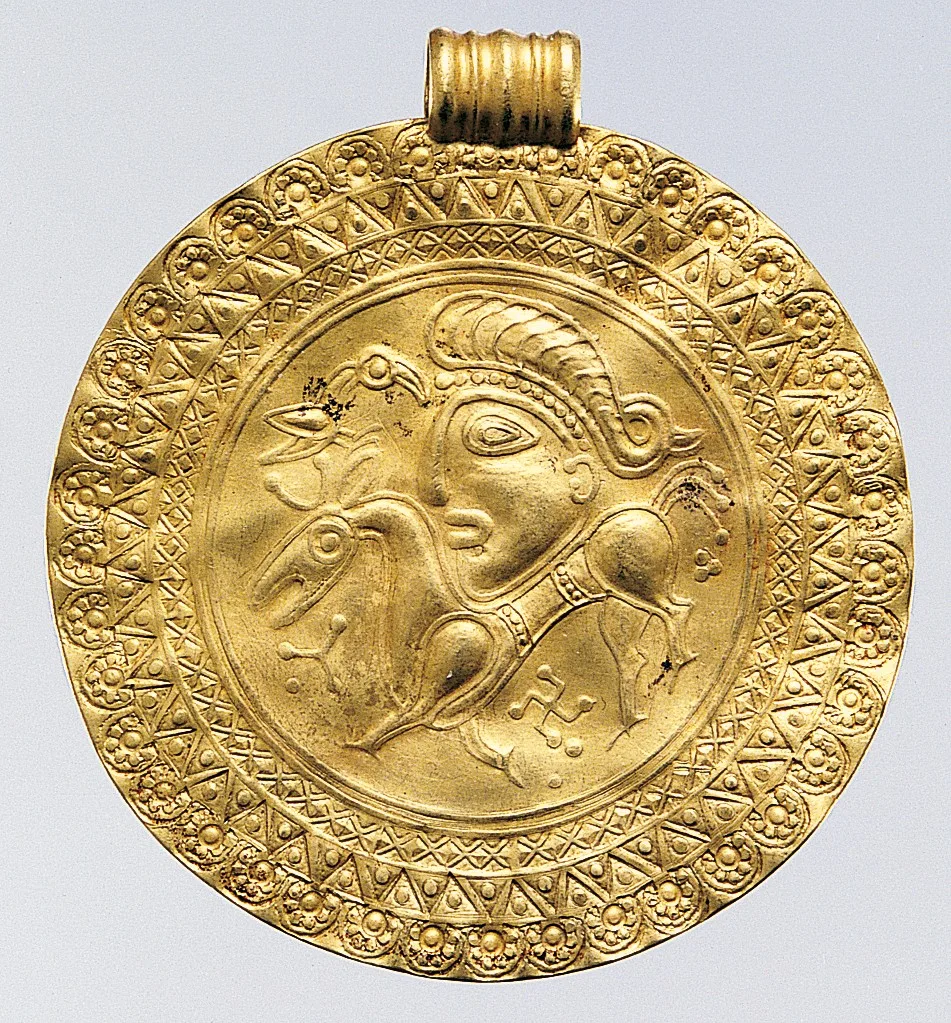
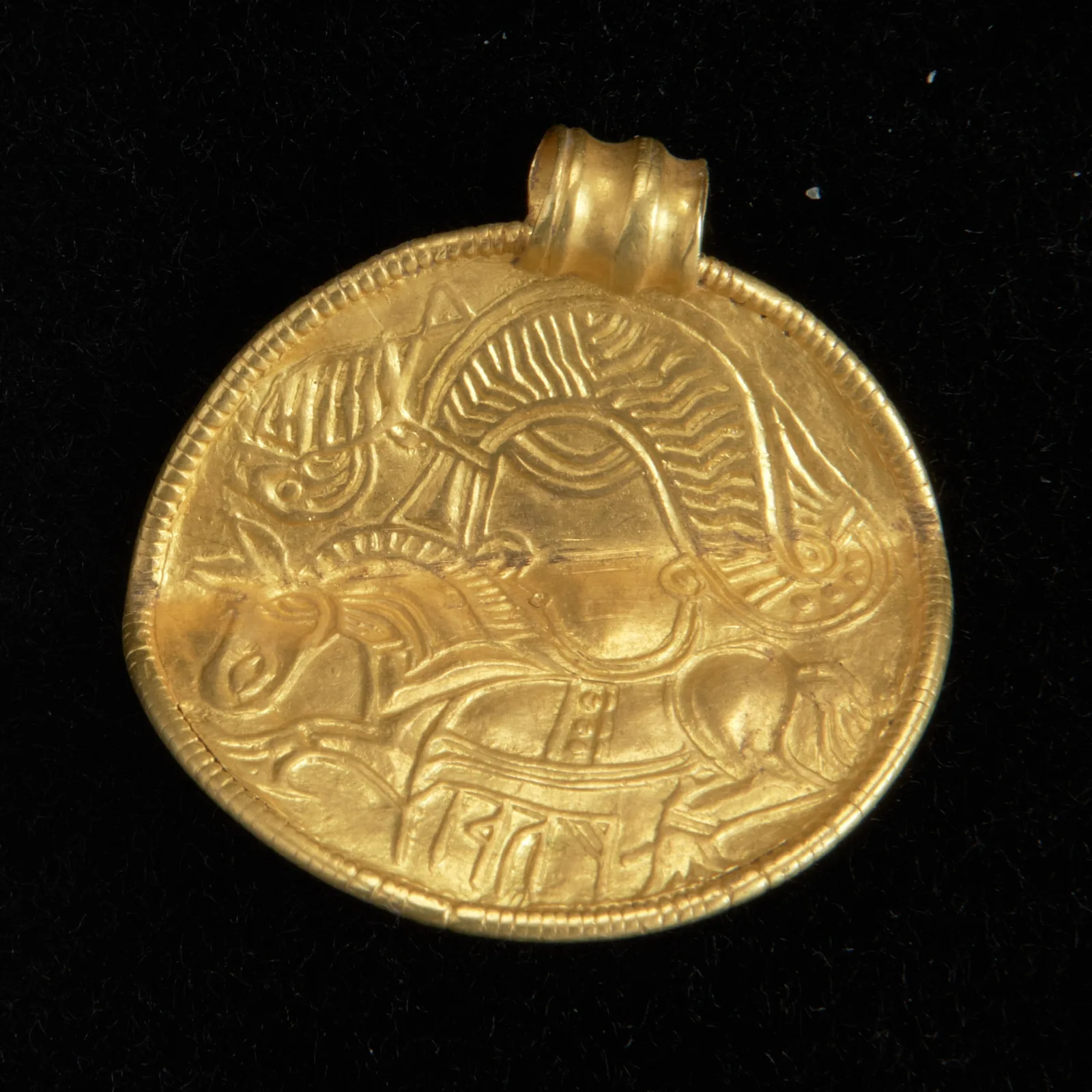
The Viking Age runs roughly from the eighth to the eleventh century, a time of sea raids, trade and the spread of Scandinavians from Greenland to Byzantium. That is when worn divine symbolism flourished. Archaeologists find hundreds of small silver and bronze hammers of Thor that were hung round the neck as charms. Both men and women wore them, and casting moulds survive with cavities for a Thor's hammer and a Christian cross side by side; a craftsman cast both, to suit clients of either faith.
Silver as the metal of the north
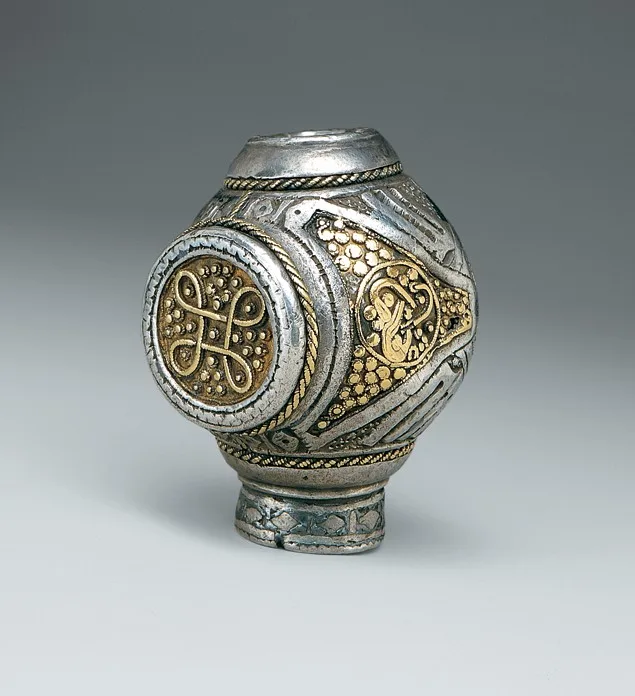
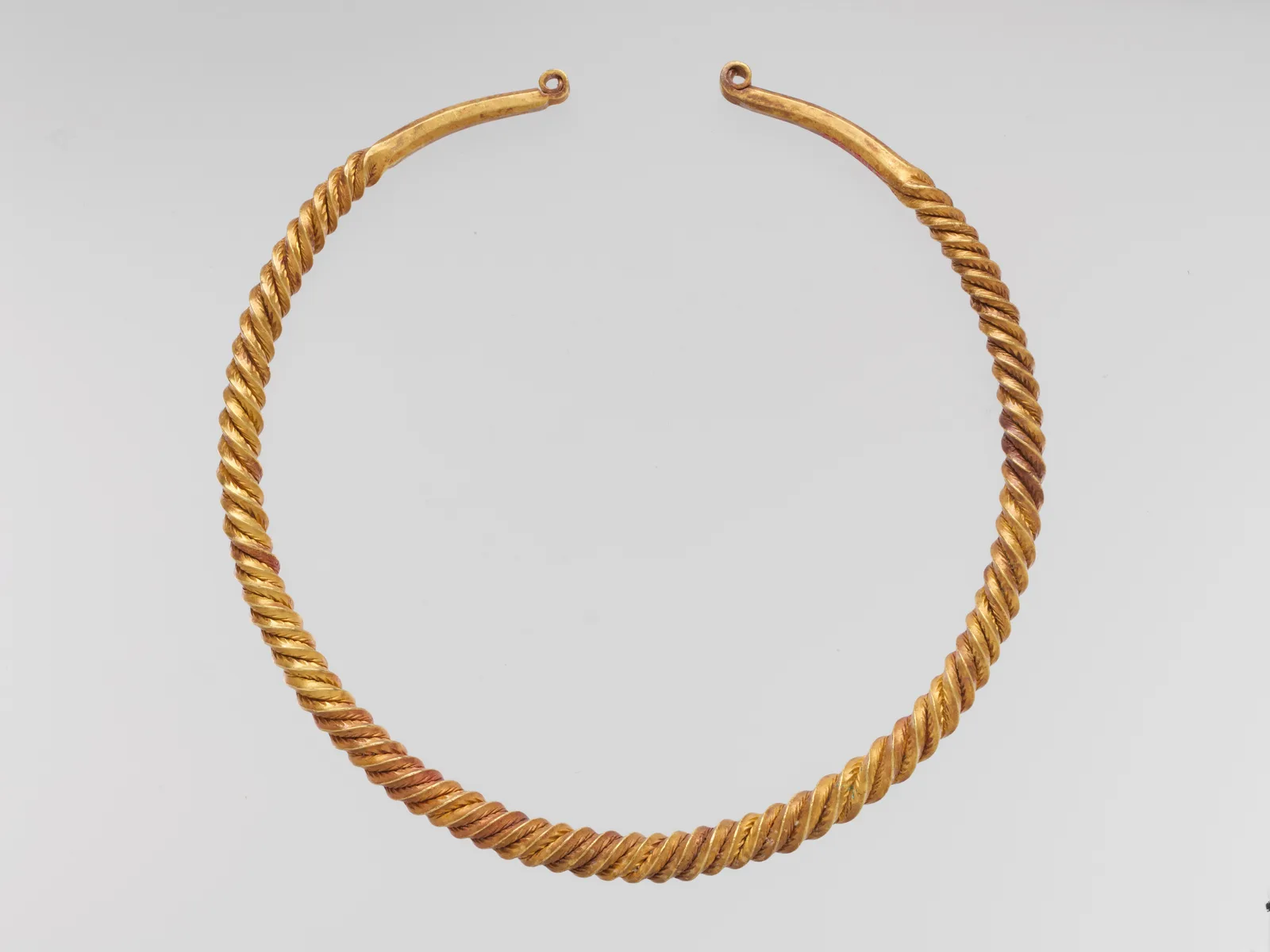
The chief precious metal of the Vikings was silver, not gold. They won it on raids, traded for it, and melted Arab dirhams and Byzantine coins into ornaments and ingots. Silver served as both money and status: neck rings, arm rings and brooches were worn as walking capital, with bits chopped off to settle a payment. So northern symbolism historically lives in 925 sterling silver, cold and moon-pale, to match a harsh climate.
Runes as writing and as charm
Runes are an ancient Germanic alphabet, the futhark, with which Scandinavians carved inscriptions on stone, bone, wood and metal. But runes were more than writing. Each sign carried a name and a meaning, and they were cut as spells: on weapons for victory, on amulets for protection. By myth Odin himself won the runes after hanging nine days on Yggdrasil, pierced by his own spear. So a runic inscription on a piece of jewellery is a sign of a magical tradition, not ordinary letters.
The animal style and interlace
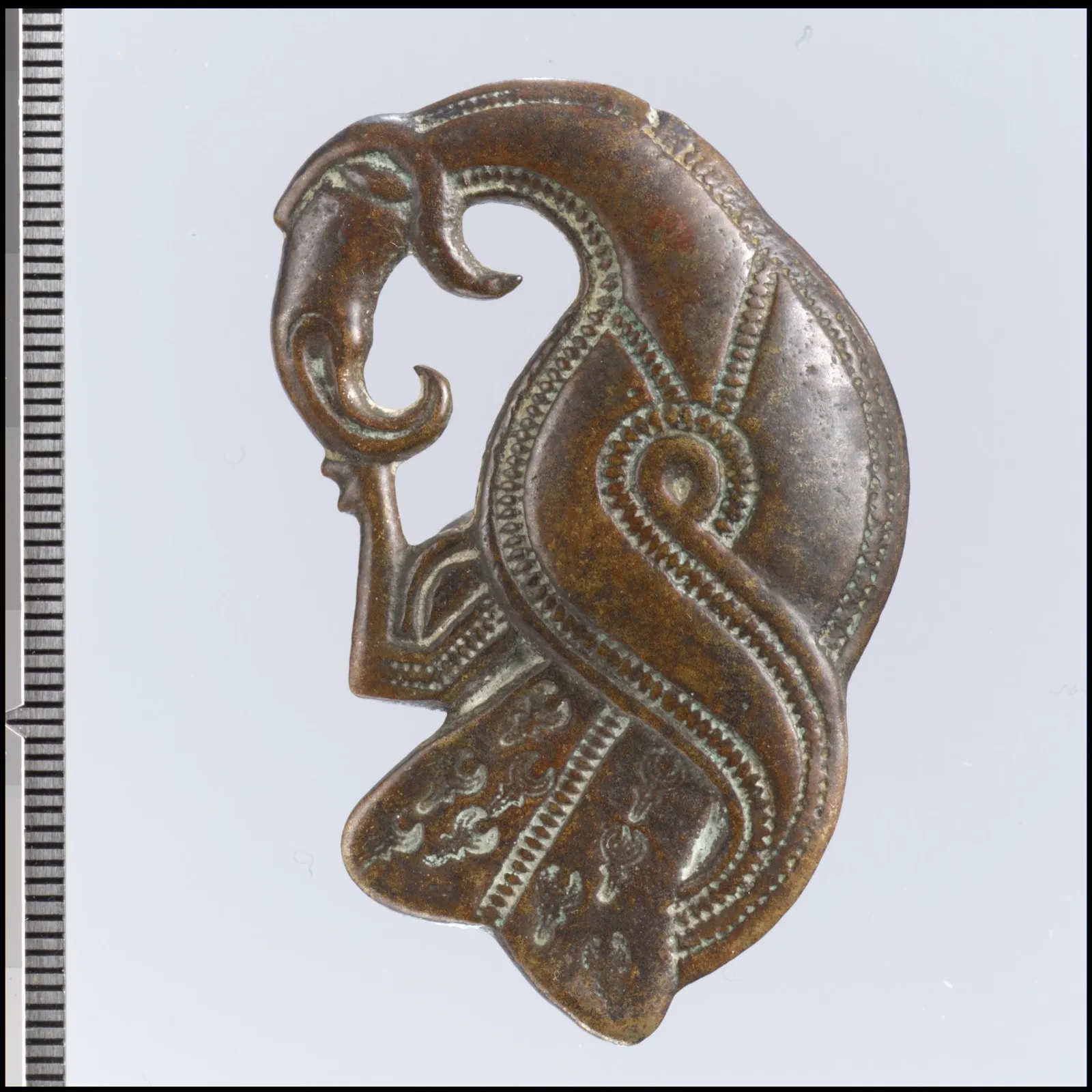
Scandinavian art of the Viking Age is recognised by its dense interlace of beasts and ribbons, where animal bodies stretch, twist and bite themselves. This animal style shifted in waves from century to century, yet always stayed thick, rhythmic and without gaps. Its language is still the basis of northern design: even a modern Thor's hammer pendant is often covered with a pattern of interwoven lines that nods to that age.
A revival in modern times
After the conversion of Scandinavia open worship of the gods faded, but the images did not vanish. In the nineteenth century, on a wave of Romanticism and interest in national roots, the northern myths returned to art, music and literature. That is when a taste for Viking aesthetics appeared. In the twentieth and twenty-first centuries northern symbolism is on the rise again, fed by film, series, games and music. Today Thor's hammer and the valknut read clearly even to those who have never opened an Edda, and Viking jewellery has become a large field of its own.
A hammer belongs in blackened silver over a rough knit, never under a dinner jacket. A gilded Viking is a contradiction, and I won't hear otherwise.
How and what to wear it with
Over years on set I have put northern signs on dozens of looks, from a heavy masculine build to quiet minimalism. Here is what actually holds a look together, occasion by occasion.
How do I wear a northern sign every day? For daily wear I recommend one strong symbol on a clean chain: a hammer, a valknut or the Yggdrasil tree in matte silver over a plain tee, a rough shirt or a chunky knit. Dark, natural tones (graphite, khaki, deep navy) light up the graphics of the sign, while a pale top turns it into a crisp accent. One sign always beats a handful of pendants, so I suggest keeping everything else quiet.
Is it right for the office? It is, as long as you keep it restrained. I choose matte silver and a smaller size: a thin runic pendant or a neat hammer at 45-50 cm slips under the top shirt button. Under a jacket a northern sign reads as a quiet detail for those in the know, not a loud costume. A strict dress code is no obstacle for this kind of symbol.
How do I build an evening look? For evening I recommend a smooth fabric in a deep, dark colour and an open neckline, where the sign settles right at the centre. A slightly larger form works here: a massive hammer, a round tree medallion, a torc with a raven's head. For the evening I suggest blackened silver or warm gold, which catches the light and adds a touch of northern richness.
How do I wear a northern sign on the hand? I recommend a ring with a runic inscription round the band, or a signet with a valknut, as the historically true move. A wide ring with an animal pattern sits strongly on a larger hand, a thin rune ring is universal. If you want weight, I add a torc bracelet in the spirit of Viking finds, but then I keep the neck clean.
Who does the northern style suit at all? Anyone who loves graphics and meaning over shine. A northern sign works equally on a heavy look and on calm minimalism, where a single dark amulet on the skin carries the whole accent. Two rules that never fail: first, I match the length to the neckline so the sign lands in the open area; second, I take one strong symbol rather than a cluster, or the amulet turns into a festival costume.

Turn on your camera, pick earrings, a pendant or a ring, and see the piece on yourself in real time.
Switch items in one tap.
Everything runs in your browser: no photo or video is ever uploaded.
Odin and the ravens
Odin is the high god, father of the Aesir, lord of war, wisdom, poetry and magic. He is one-eyed: he gave one eye to the giant Mimir for a draught from the well of wisdom. For knowledge of the runes he went further still, hanging nine days from the branches of Yggdrasil, pierced by his own spear, offering himself to himself. Odin is the god ready to pay any price for wisdom, and so he is patron of warriors, poets and seers alike, all who seek the hidden. His attributes are the spear Gungnir, which never misses, two ravens, Huginn and Muninn (Thought and Memory), who fly over the world and bring him news, two wolves and the eight-legged horse Sleipnir. In jewellery Odin is about wisdom won by sacrifice, about the will to know and see deeper. The raven in jewellery long became a sign of intellect and mystery in its own right, pointing straight back to Odin's birds.
Thor and the hammer Mjolnir
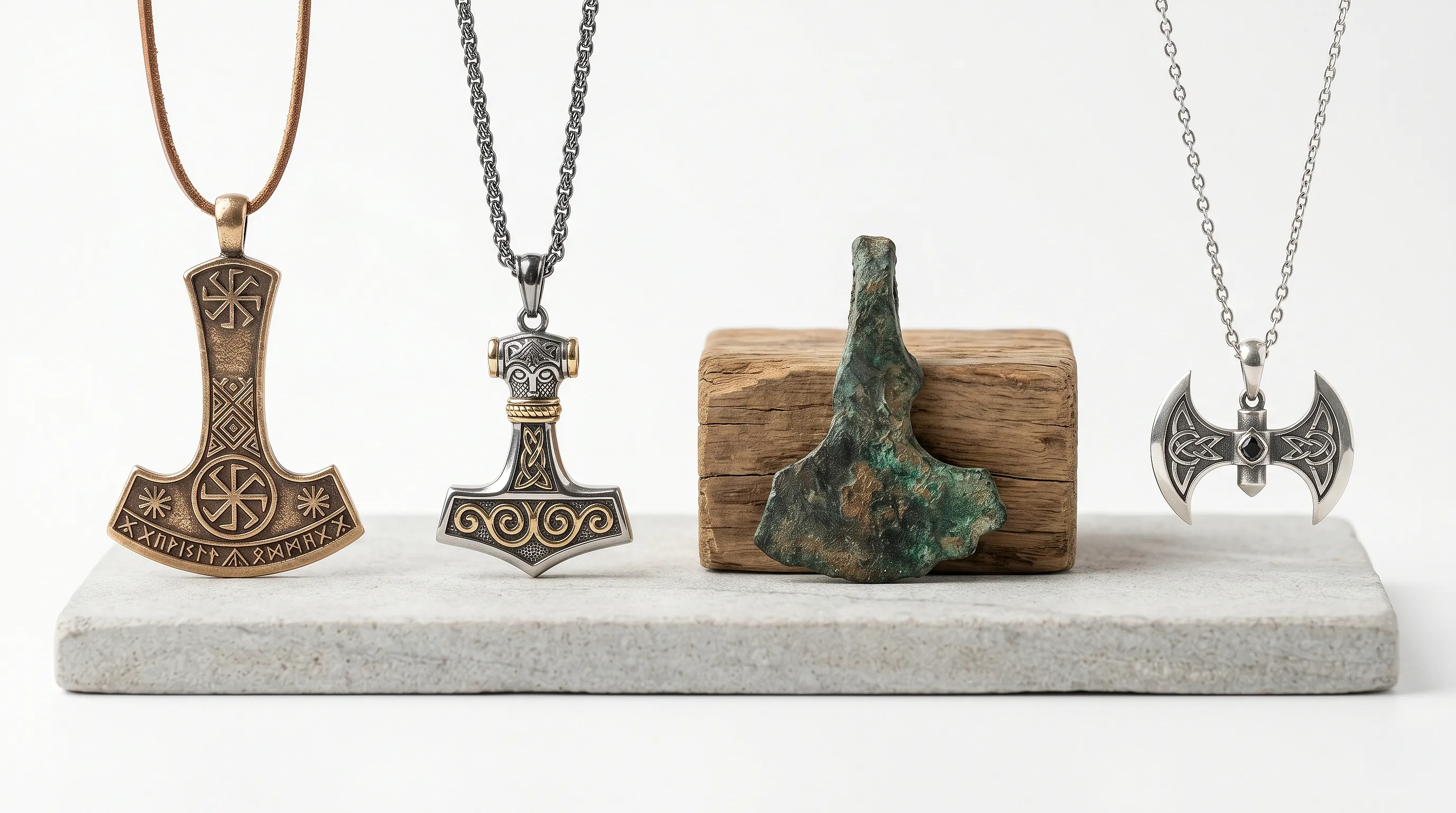
Thor is the god of thunder, son of Odin, defender of Asgard and Midgard against the giants. He is the most popular of the northern gods: common people loved him, not only the nobility. His weapon is the hammer Mjolnir, which always returns to the hand and with which he smashes enemies and hallows oaths. In jewellery Thor and his hammer are straightforward protection, strength, reliability. The hammer became the chief symbol of the whole pantheon, that very silver amulet of the Vikings. There is a full account in the separate article on Mjolnir, Thor's hammer, while a related battle sign is the axe of Thor and Perun.
Freyja, cats and the Brisingamen
Freyja is the goddess of love, beauty and fertility, and at the same time of war and death. Of the Vanir kindred, she rides in a chariot drawn by two cats, wears a falcon cloak in which she flies between worlds, and owns the magical necklace Brisingamen, forged by four dwarfs. After a battle she takes half of the slain warriors to her hall Folkvangr, the other half going to Odin, so in a sense she chooses heroes before the father of the gods does. Freyja also commands seidr, a particular northern magic of prophecy and fate which, by legend, she taught to Odin himself. In jewellery Freyja is about a feminine power that joins beauty with independence, love with will. Her necklace Brisingamen is, in effect, the oldest myth of how a piece of jewellery becomes a source of power rather than a mere trinket.
Customer reviews
Zevira is a real jewellery shop. Genuine payments, deliveries and customer thank-yous.
🥰🥰🥰 gracias

Ok, ¡gracias! 🙂

Loki and changeability
Loki is the god of cunning, deceit and change, half a giant, Odin's blood-brother and the perpetual thorn of Asgard. He now rescues the gods with his ingenuity, now brings disaster upon them, and in the end leads the forces of chaos to Ragnarok. Loki has no single fixed attribute; his essence lies in transformation, turning now into a salmon, now into a mare, now into an old woman. It was his cunning that saved the gods more than once: when a giant stole Thor's hammer, Loki had to come to the rescue, dressing the thunderer himself as a bride. And he it was who fathered the most fearsome monsters of the north: the wolf Fenrir, the serpent Jormungandr and Hel, mistress of the dead. In jewellery Loki is about wit, irony, the ability to shift shape and slip free. His sign is chosen by those who value flexibility and dislike straight roads, knowing this figure has a double bottom.
Tyr and the sacrifice of the hand
Tyr is an ancient god of war, law and the just oath, perhaps the oldest of the Aesir, whose name is older than Odin's own. His central myth is one of sacrifice: the gods reared the wolf Fenrir, but he grew so swiftly and terribly that they resolved to bind him. The wolf agreed to be tied only in jest, and only if someone, as a pledge of trust, would lay a hand in his jaws. Tyr alone did it, and he lost his right hand when the trick was revealed and the fetters held. He knew the risk and took it for the common good. In jewellery Tyr is about honour, faith to one's word and the readiness to pay for justice. His runic name, the rune Tiwaz shaped like an upward arrow, was carved on weapons as a sign of victory in a fair fight.
Upload a photo of your pet, someone you love, or an object. We'll build a 3D model and hand-cast it in pewter.




Heimdall and the guardian of the rainbow
Heimdall is the white god, warden of Asgard, who sits by the rainbow bridge Bifrost that joins the world of the gods to the world of men. He has supernatural hearing and sight, sleeps less than a bird and sees for hundreds of miles. By myth he can hear the grass grow on the earth and the wool grow on sheep. His attribute is the horn Gjallarhorn, which he will blow to announce the start of Ragnarok. It is Heimdall and Loki, old enemies, who will slay each other in the last battle. In jewellery Heimdall is about vigilance, the guarding of a border, faith to duty. The image of the horn and the rainbow bridge carries the idea of an eternal watch and a warning of danger.
Baldr and the light
Baldr is the god of light, purity and goodness, the most beloved of Odin's sons. His death is the central tragedy of Norse myth. His mother bound every thing in the world not to harm Baldr, but forgot the unassuming mistletoe, and cunning Loki put into the hand of the blind god Hodr a dart of mistletoe with which he killed his brother by accident. With Baldr's death true death came into the world. In jewellery Baldr is about light, the vulnerability of beauty and the memory of loss. A sprig of mistletoe here carries a bitter meaning, not a festive one.





Frigg and motherhood
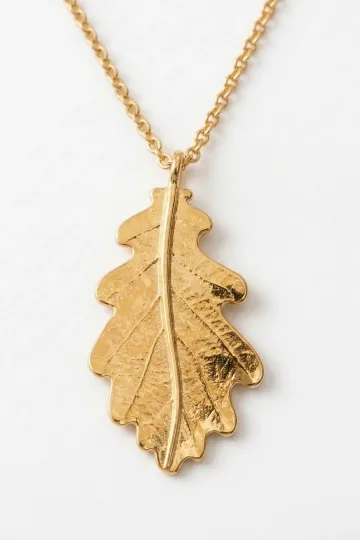
Frigg is the wife of Odin, queen of the Aesir, goddess of marriage, motherhood and the hearth, the only one allowed to sit on Odin's throne and survey the worlds. She knows the fate of each, but keeps silent about it. It was Frigg who travelled the whole world, taking an oath from every thing not to harm her son Baldr. In jewellery Frigg is about a mother's love, care, home and the dignity of the lady of the house. She is often linked with the distaff and the threads of fate, hence the motif of the spindle and the spun thread as a feminine, domestic sign.
Idunn and the apples of youth
Idunn is the goddess of eternal youth, keeper of the golden apples that give the Aesir their immortality and keep them from ageing. Her role in the pantheon holds the whole of creation together: while the apples are with her, the gods are young and strong. Without her apples the gods decay, as once happened when that same Loki, under threat, stole Idunn away and gave her to a giant: Asgard at once began to grey and weaken until the trickster was forced to bring her back. The tale of Idunn's theft is the best proof that the northern gods are not eternal at all and survive only on her fruit. In jewellery Idunn is about youth, renewal, life force. A golden apple as a pendant carries the idea not of eternal beauty for vanity's sake but of life itself, which must be guarded and given back.
Leave your email, we'll send your discount code. No spam, unsubscribe anytime.
The code arrives by email, valid on your first order.
How to choose your god
You choose your god not by the beauty of the picture but by character. The northern pantheon is convenient because its gods are sharp, with a clear speciality, and it is easy to recognise yourself in one of them.
By trait of character
Wisdom and a thirst for knowledge: Odin. Strength and protection: Thor. Love that keeps its will: Freyja. Cunning and flexibility: Loki. Honour and faith to one's word: Tyr. Vigilance and duty: Heimdall. Light and goodness: Baldr. Home and motherhood: Frigg. Youth and renewal: Idunn.
By sphere of life
You study, write, explore: Odin. You protect your own or work with your hands: Thor. You are bound to love, art, beauty: Freyja. You negotiate, you slip out of tight spots: Loki. You value justice and law: Tyr. You keep home and family: Frigg. You care for health and renewal: Idunn.
Can you wear several
You can. The northern people turned to different gods for different needs: to Thor before battle, to Freyja in love, to Odin for wisdom. A common move is a pair of complementary signs. Odin and Thor as wisdom and strength, Freyja and Frigg as two faces of the feminine, Tyr and Thor as honour and protection. The point is not to pile everything together but to give each symbol its place.
CAPAORA mini knife pendant
The 18th-century Spanish navaja in miniature: 40 mm of stainless steel, a real folding mechanism and a Palanquilla lock that clicks. An affordable gift to remember.
Authentic · Ships from Spain · 14-day returns
The attribute-symbols of the north
The northern tradition, like the Greek, rests less on the figures of the gods than on the signs. Many of these symbols are worn on their own, with no tie to a particular god.
The hammer Mjolnir
Thor's hammer is the chief and oldest worn sign of the pantheon. Thousands of small silver hammers of the Viking Age have come down to us as charms. It reads in an instant: protection, strength, reliability. There is a full account in the article on Mjolnir.
The valknut
The valknut is three interlocking triangles, the knot of fallen warriors, closely tied to Odin. It is found on runestones beside scenes of death and burial. Its meaning is not known for certain, but tradition links it to the passage to the other world and to warriors who gave their lives. More on the valknut, the knot of Odin.
The vegvisir
The vegvisir is the so-called Viking compass, an eight-spoked sign which, by belief, keeps a traveller from losing the way in any foul weather. An important caveat: the vegvisir is a late Icelandic magical symbol, not a Viking Age find, and to ascribe it to the real Vikings is incorrect. That makes it no less beautiful, but honesty matters. Details in the article on the vegvisir.
The helm of awe (Aegishjalmur)
The Aegishjalmur, the helm of awe, is a complex symmetrical sign of radiating trident-arms, an emblem of terror and protection in battle. Like the vegvisir, in its surviving form it is a later Icelandic magical stave rather than a Viking ornament, but its geometry is mesmerising. An account in the article on the Aegishjalmur, the helm of awe.
Runes
Runes are worn both as an alphabet and as separate charm-signs. The most common in jewellery are the rune of protection Algiz, shaped like raised branches, and the rune of heritage and kin Odal. Runic inscriptions on rings and pendants continue the ancient practice of cutting signs as a spell.
Yggdrasil
The world tree as jewellery is a sign of the connection of all that is, of roots and crown, of life and fate. A round medallion with a tree inside is one of the most recognisable northern motifs, readable even without knowledge of the myth: a tree as a symbol of kin, support and growth is understood across cultures.
Materials: silver, bronze, gold, runes on metal
Northern symbolism loves the materials in which it has been seen for centuries, and a restrained, austere aesthetic.
Silver
Silver is the historical metal of the north, the chief precious metal of the Vikings. Cold and moon-pale, it suits the northern theme perfectly: Thor's hammer, the valknut and runic rings are most often made in silver. It holds the dense graphics of the animal style and interlace well, and over time it darkens in the recesses of a pattern, which only sharpens the relief. 925 sterling silver is a sensible balance of strength and a noble look.
Bronze and brass
Bronze comes closest to the budget amulets of the Viking Age, many of which were cast precisely from copper alloys. The warm golden tone of bronze looks well on heavy pieces in an ethnic spirit and takes on a patina over the years, giving the piece the look of a find. It is a material for those who want a rough, authentic texture rather than shine.
Gold
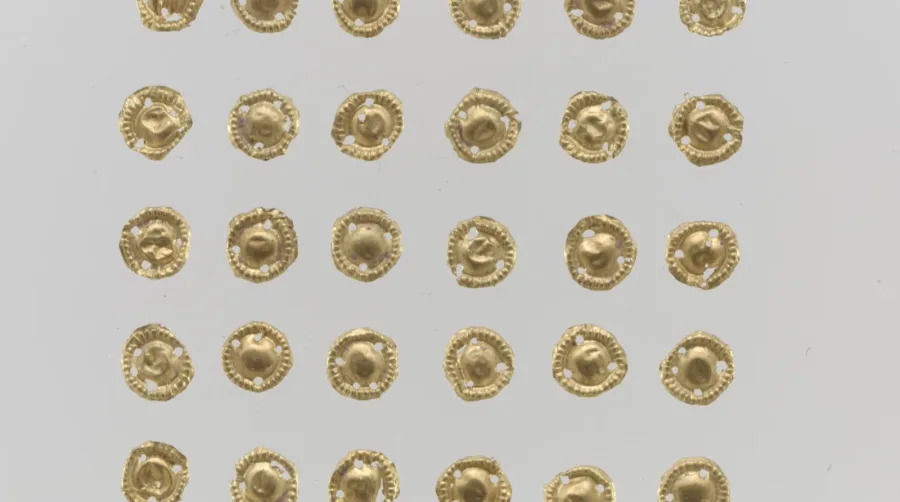
Gold among the Vikings was rarer than silver and meant the highest status, the spoils of chieftains and kings. A god's sign in gold reads like a small relic, warm and regal. Yellow gold especially suits the solar images: Idunn's golden apples, the bright Baldr, Freyja's necklace. It is the choice when you want not austerity but northern splendour.
Runes and engraving on metal
A separate technique is runic inscription and engraving. A name, a word or a protective sign cut on the band of a ring or the back of a pendant continues the tradition of runic spells. Here it matters that the inscription be meaningful: real futhark runes, not a random set of strokes posing as antiquity.
Companion stones
For the northern theme you choose stones of a stern, northern character. Dark onyx and hematite for the warrior signs, smoky quartz and labradorite with its cold sheen for the magic of Odin, blood-red garnet for Thor and battle. A story of its own is iolite, called the Viking stone: it is said that through its crystal seafarers found the position of the sun in overcast weather.
The Norse pantheon against the Greek and the Egyptian
The three great pagan pantheons gave jewellery three different languages of symbols. Understanding the difference is useful when you decide whose sign to wear.
Norse: austerity and fate
The northern gods live under the shadow of Ragnarok, their own doom, and so the whole tradition is about steadiness, valour and faith in the face of the inevitable. The signs here are angular, manly, without southern softness: the hammer, the rune, the valknut, the interlace of beasts. It is the language of the warrior and the northern winter, where even the gods are mortal and march to the last battle shoulder to shoulder with humans. A northern symbol speaks less of who you are than of how you hold up.
Greek: human and aesthetic
The Greek gods are immortal and resemble humans: with passions, weaknesses, a biography. Their symbolism is about character and ideal, about harmony, reason and the beauty of form. The signs are elegant and considered, and the legacy is vast in European art. If the northern sign is about steadiness, the Greek is about who you want to be. A full account in the article on the Olympian gods and the Greek pantheon.
Egyptian: eternity and protection
The Egyptian pantheon is sterner and older; it is about the afterlife, eternity and magical protection. The goddess Isis and the Egyptian gods give signs such as the ankh, the eye of Horus and the scarab, which work as charm-seals. If the northern sign is about valour and the Greek about ideal, the Egyptian is about what guards you beyond the edge of life. The style is geometric, closer to a hieroglyph.
What unites them
All three traditions do the same thing: they turn character and faith into a small worn sign. They can even be combined, if for you it is about meaning rather than strict belonging. The main thing is to understand what each symbol says and not to mix the languages thoughtlessly.
The psychology of choosing a northern sign
The choice of a northern god is rarely random. More often a person is drawn to what they want to strengthen in themselves or to remind themselves of every day.
A sign as a quiet anchor
A small symbol on the neck or hand works as a daily reminder. Whoever chose Thor's hammer keeps the idea of steadiness close at the moment they want to give in. Odin's ravens recall that knowledge is worth the effort. This is not magic but the mechanics of attention: a thing you see and touch many times a day quietly keeps the chosen value in focus. Northern symbolism is especially good for this, because its meanings are simple and firm: strength, wisdom, honour.
Ideal, not mirror
Often a god is chosen not for what we are but for what we want to become. A gentle person may be drawn to Thor's hammer, an impulsive one to the cold wisdom of Odin. There is no contradiction in that: the symbol sets a direction, it does not describe a fact. The northern people too turned not to the god they were but to the one whose strength the task demanded: to Thor before battle, to Freyja in love, to Tyr at a trial.
Why the north in particular
The northern pantheon draws people with its stern honesty. Its gods are mortal and know it, and so their valour is not about victory but about how to hold up when the outcome is sealed. For many that is a close way of seeing life, without rosy optimism but without despair. To wear a northern sign is to choose an aesthetic of steadiness rather than of showy shine.
Send a friend a discount code, they save on their first order.
The Norse gods in art and culture
Before becoming a pendant on a chain, the northern gods passed through stone, text, painting and the screen. The image we wear today was struck over centuries of culture.
Runestones and carving
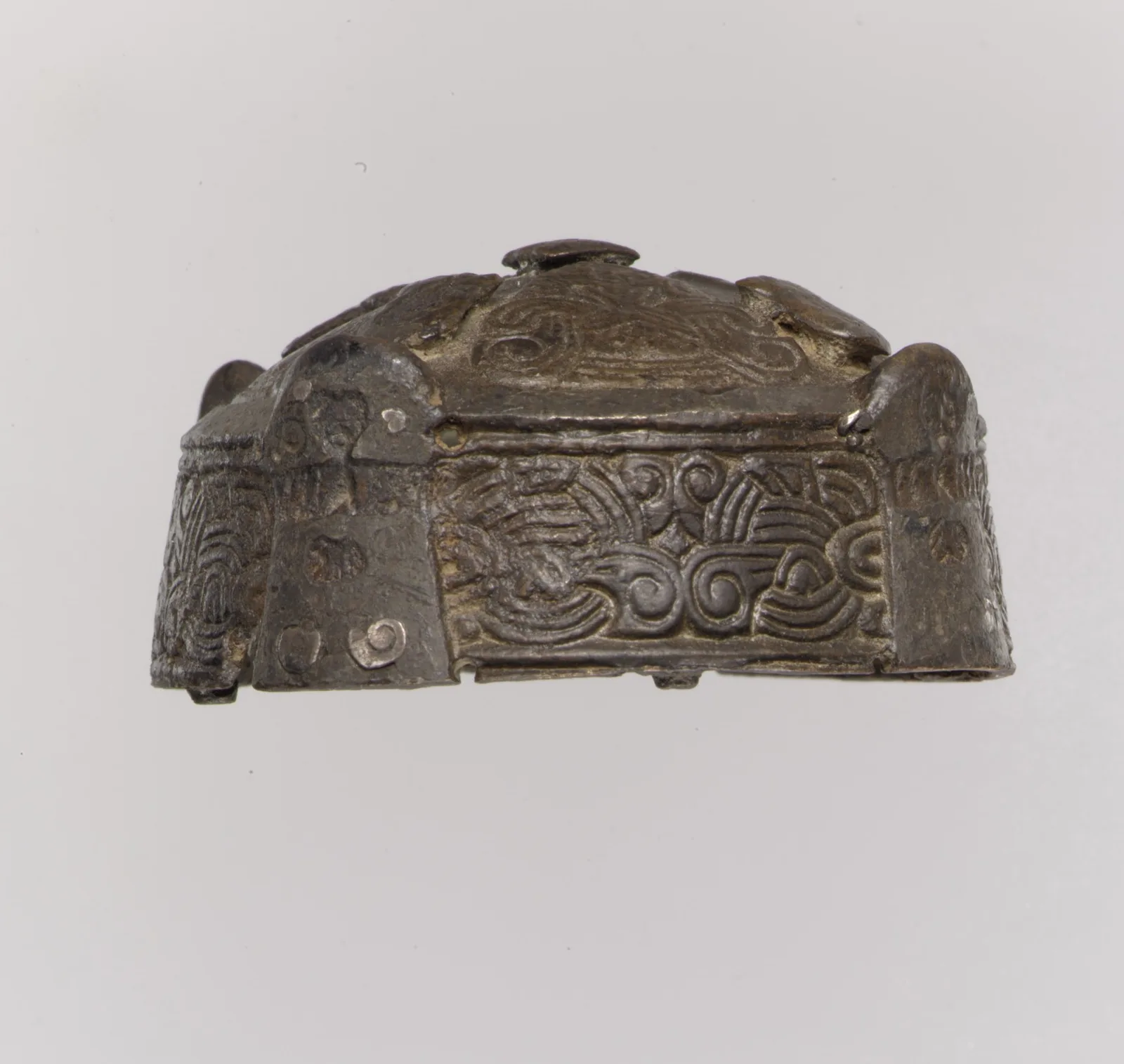
The earliest images of scenes from the myths are not paintings but carved runestones of the Viking Age and earlier. On them were cut scenes of death, riders, the valknut, interlaced beasts. The stone was both a monument to the dead and a carrier of myth. The same animal style of dense ribbons and creatures passed into metal, and a modern northern pendant is often covered with a pattern straight from that tradition.
Romanticism and the revival of myth
In the nineteenth century European Romanticism rediscovered the northern myths. Painters depicted gods and heroes, composers built whole operatic cycles on the sagas, poets retold the Edda. That is also when the popular, not always accurate image of the Viking was born, including the ill-fated horned helmet. This wave returned the northern aesthetic to art and fashion, from where it has not departed since.
Film, series and games
Today the northern pantheon is fed by the screen and by games. Thor's hammer, the valknut, runes and the world tree have become recognisable details of adventure stories, and the younger generation meets the gods not through the Edda but through them. So a northern symbol reads clearly even to those who have never opened a saga: the hammer is strength, the ravens are wisdom, the tree is the connection of all that is.
Why the symbol works without knowing the myth
Even without recalling the details of the legends, a person catches the basic meaning of a northern sign. The angular graphics of the hammer read as power, the interlace of runes as mystery, the tree as support and growth. The northern signs have become an almost universal alphabet of steadiness, understood across cultures. Therein lies the strength of the pantheon for jewellery: the sign speaks for itself.
Facts that surprise
Norse mythology is full of details that never make it into a short retelling.
Thor's hammer and the Christian cross coexisted side by side for a time. Archaeologists found a casting mould in which a small Mjolnir and a little cross were cast at once. A craftsman on the threshold of a change of faith simply worked for both kinds of client at the same time.
The days of the week in English are a direct transcript of the northern gods. Tuesday is the day of Tyr (Tiw), Wednesday the day of Odin (Woden), Thursday the day of Thor, Friday the day of Frigg or Freyja. The Germanic pantheon is laid out across a calendar we use every week.
Odin gave up his eye for a single sip of water. At Mimir's well of wisdom he voluntarily tore out his own eye as the price of one draught. Knowledge among the northern people always came dear, and the very god of wisdom paid for it with his body.
Odin's eight-legged horse Sleipnir was born to the god Loki. To distract the stallion of the giant builder, Loki turned into a mare, and from that union came the best horse of all nine worlds. Loki's transformations in the myth reach literal motherhood.
Odin's ravens are named Huginn and Muninn, Thought and Memory. Each morning they fly round the whole world and by evening whisper the news in the god's ear. Odin himself admitted he feared more for Muninn, Memory, not to return than for Huginn, Thought.
The Vikings almost never wore horned helmets. That image was invented by nineteenth-century artists and fixed by opera. Real battle helmets of the Viking Age were plain, without horns, which would only have got in the way in a fight.
The word berserk, meaning a warrior in unbridled fury, translates literally as bear-shirt. These fighters of Odin fell into a battle frenzy, by legend feeling neither pain nor wounds, and went into battle in animal hides instead of armour.
Many popular northern symbols are younger than they seem. The vegvisir and the helm of awe in their familiar form come from Icelandic manuscripts of magic of a far later time, not from the Viking Age. They are loved and worn, but to call them genuinely Viking is incorrect.
Freyja claimed half of the fallen warriors before Odin did. It is commonly thought that all heroes go to Valhalla to Odin, but by myth Freyja makes the first choice, and only the second half goes to Odin. The goddess of love was also a goddess of death on the battlefield.
The northern style in modern jewellery
Today the northern theme lives far beyond reenactment. Designers take not the whole story but its language: matte blackened silver instead of shine, heavy cast forms, leather cord beside metal, the texture of forging and a rough granulation. A runic band round the rim of a ring, a valknut on a signet, a raven's head at the end of a torc read as a code for the initiated, while from the outside they look like a restrained graphic ornament. That is why the Scandinavian look is equally at home in a rugged masculine image and in a calm minimalism, where one dark amulet on the skin makes the whole accent.
A sense of measure matters. The northern pantheon loves one strong sign, not a cluster of symbols at once: a hammer, a valknut or a rune is chosen as the meaningful centre, and the rest is led into silence. So the piece stays a personal charm and a story rather than a festival costume.
Frequently asked questions
How many gods are there in the Norse pantheon?
There is no exact number. Most often twelve chief Aesir are named, but the lists differ from source to source, and together with the goddesses, the Vanir and the lesser deities the count runs into dozens. The steady core is Odin, Thor, Freyja, Frigg, Tyr, Heimdall, Baldr, Loki and Idunn. The division into Aesir and Vanir matters more than an exact number.
How do the Aesir differ from the Vanir?
They are two kindreds of gods. The Aesir answer for war, power, sky and law: Odin, Thor, Tyr, Heimdall. The Vanir for fertility, sea, love and wealth: Njord, Freyr, Freyja. Long ago they warred, then made peace and exchanged hostages, which is why Freyja and Freyr live among the Aesir in Asgard.
Can I wear Thor's hammer if I do not believe in the northern gods?
Yes. The hammer Mjolnir long became a cultural and aesthetic symbol of strength and protection rather than an object of religious cult. People wear it the way the nazar or the hamsa is worn outside their original traditions, for a close meaning rather than to worship the god of thunder.
Which northern symbol is the strongest for protection?
Historically the chief protective sign is Thor's hammer, that very silver charm worn so widely in the Viking Age. Of the runes, Algiz is most often taken for protection. The valknut is tied to fallen warriors and Odin; its meaning is about valour and passage rather than everyday protection.
Did the real Vikings have the vegvisir?
No. The vegvisir and the helm of awe in their familiar graphic form come from Icelandic magical manuscripts of the seventeenth, eighteenth and nineteenth centuries, centuries after the Viking Age. They are beautiful and meaningful symbols, but to call them genuinely Viking is historically incorrect, and it is more honest to know their true origin.
Who is stronger, Odin or Thor?
By rank Odin is higher: he is the high god, father and ruler of the Aesir, lord of wisdom and magic. Thor is stronger physically; he is a warrior god, a defender, but he is Odin's son and subordinate. Among common folk Thor was more popular, among the nobility and poets Odin was more honoured. In a fight against giants Thor is irreplaceable; in matters of mind and fate, Odin.
Which material is most authentic for the northern theme?
Silver. It was the chief precious metal of the Vikings, used for both amulets and money. Bronze suits budget pieces in the spirit of the cast charms of that age. Gold meant the highest status and was rarer. For a runic inscription what matters more than the material is its meaning: real futhark runes, not decorative strokes.
Which god suits a woman, and which a man?
There is no rigid division; you choose by character. Freyja, Frigg and Idunn are more often taken by women, but Freyja is also a warrior who claims the fallen, not only a goddess of love. Thor, Odin, Tyr and Heimdall are more often chosen by men. Loki and the pantheon as a whole are universal: Thor's hammer in the Viking Age was worn by both women and men.
Buying it as a gift? Each one arrives ready to give.
 A branded Zevira box and a little card come with every order.













Conclusion
The Norse pantheon is a gallery of characters forged in a harsh world that knows the date of its own end. Each god comes with his own sign: Thor's hammer, Odin's ravens, Freyja's cats and necklace, the valknut of the fallen. The northern tradition long showed how to wear this faith on the body, through a silver amulet, a rune ring, a medallion with the world tree. Today the same language of signs works in pendants, rings and earrings: you choose not a picture but a close value, strength, wisdom, love, honour or steadiness. And one sign on a clean chain is enough for it to ring out.
Silver, gold, northern symbolism, charms, runic motifs.
About Zevira
Zevira makes jewellery with meaning: symbols, charms and motifs with a history, in silver and gold. We love things that mean something to their owner, from northern signs to protective amulets of different traditions. If you are looking for your symbol, start with the catalogue and find the one that is about you.